The Lost Kitchen

La Liste Top Restaurants
Our verdict
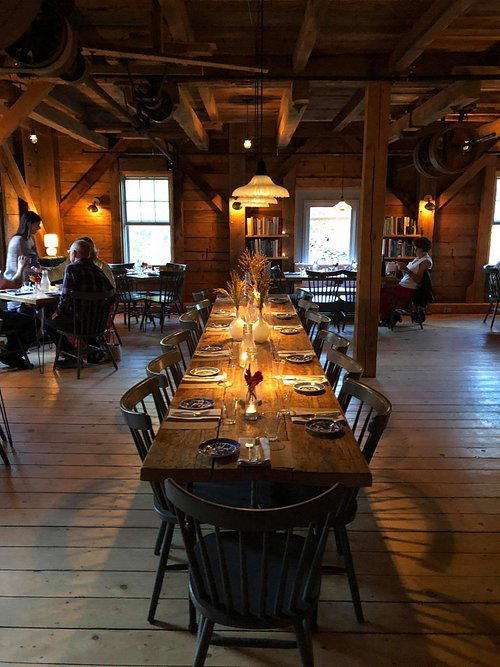
A converted mill in rural Maine, The Lost Kitchen occupies a tier of American dining where geography is the point rather than the obstacle. Holding La Liste recognition in both 2025 (85pts) and 2026 (83pts), it draws from the farms and waters of Waldo County in a way that defines the farm-to-table movement's more serious northern register. Getting there requires intent; that's the premise.

Pearl is the En Primeur Club membership app, where members save venues, book tables and use the concierge.
The menu
What to order
- Oysters
- Lobster bisque
- Wood-grilled salmon
- Halibut
- Grilled lemon buttermilk cake
Farm-to-table as a movement has gone through several phases since Alice Waters made the case at Chez Panisse in the 1970s. The first wave was ideological. The second wave was co-opted, with the phrase appearing on menus at airport hotels. The current register, the one where The Lost Kitchen belongs, is quieter and more demanding. It asks the kitchen to build a menu only after understanding what the surrounding farms, rivers, and coasts have produced that week, not the other way around. That reversal of creative sequence separates this approach from menus that merely add a local cheese course to an otherwise stationary program.
La Liste, the Paris-based global restaurant ranking that synthesises critic scores and guide data across multiple countries, listed The Lost Kitchen at 85 points in 2025 and 83 points in 2026. Within La Liste's methodology, scores in that range place a restaurant in the upper tier of American dining, alongside properties with significantly larger infrastructure, urban locations, and year-round operations. The comparison is instructive. The French Laundry in Napa and Blue Hill at Stone Barns in Tarrytown occupy adjacent territory in the farm-forward, destination-dining category, each requiring the guest to travel with purpose.
For further context on the American fine dining range: Le Bernardin in New York City and Alinea in Chicago operate in a high-technique urban register that assumes consistent supply chains and year-round service. Lazy Bear in San Francisco shares the communal-format sensibility but operates in a city context with very different logistical assumptions. Single Thread Farm in Healdsburg is arguably the closest structural parallel, a property where the farm and the kitchen are in explicit conversation, though Single Thread operates at a larger scale and within Sonoma's established wine tourism infrastructure. The Lost Kitchen generates its own gravitational pull from scratch.
The Farm-to-Table Argument Made Without Shortcuts
Waldo County is not a recognised agricultural brand in the way that the Hudson Valley or Sonoma are. There are no glossy farm directories, no well-publicised cheese trails, no wine tourism drawing parallel visitors. What exists is a working agricultural county in mid-coast Maine with access to cold Atlantic waters, a short but productive growing season, and a dense network of small producers operating at a scale that suits a single-seating restaurant rather than a distribution contract. This is precisely the context in which serious seasonal cooking becomes most legible. When the menu reflects what's available within a limited radius during a constrained season, the sourcing isn't a marketing point, it's the constraint that generates the creative problem the kitchen must solve each week.
Maine's culinary identity has sharpened considerably over the past decade. Portland, two hours south, now sustains a dining scene with national recognition, anchored in the same coastal and agricultural logic. The Lost Kitchen predates much of that visibility and operates at a remove from it, in a town with a population measured in hundreds rather than thousands. That distance from urban dining infrastructure is not incidental. It is, structurally, what makes the proposition work: guests do not pass other restaurants on the way; the meal is the entire event of the day. The practical implication is that reaching The Lost Kitchen requires a car and advance planning; there is no public transit option and no secondary accommodation infrastructure that a visitor can assemble at the last moment. For those travelling from out of state, Portland or Bangor serve as the nearest airports with meaningful connectivity, and the drive from either takes under two hours. Given the seasonal operating model typical of destination restaurants in this register, confirming dates and availability well ahead is the operational baseline, not an exception.enprimeurclub.
Restaurants in the same destination-dining category, including Addison in San Diego, Providence in Los Angeles, The Inn at Little Washington, Emeril's in New Orleans, Albi in Washington, D.C., Hilda and Jesse in San Francisco, and Selby's in Atherton, all benefit from urban or suburban infrastructure that makes secondary bookings easier to arrange. The Lost Kitchen requires a different kind of trip architecture, where the restaurant anchors the itinerary rather than complementing one.
Frequently asked questions
What's the vibe at The Lost Kitchen?
Is The Lost Kitchen good for families? Families with children comfortable in a focused, quiet dining environment and engaged by food provenance and seasonal cooking may find the experience appropriate. Families expecting a menu designed around younger preferences, or requiring flexibility in pacing and noise level, will likely find the format a poor fit. The trip architecture, driving distance from any major city, no adjacent activities, makes the calculus different from an urban restaurant visit.What do regulars order at The Lost Kitchen?
How It Stacks Up
| Venue | Cuisine | Price | Awards | Notes |
|---|---|---|---|---|
| The Lost KitchenThis venue (the venue you are viewing) | Farm-to-Table American Fine Dining | $200–300 | La Liste Top Restaurants | Not listed |
| Le Bernardin | French Seafood Fine Dining | $300–500 | 3 Michelin Stars · World's 50 Best #13 | French, Seafood |
| Atomix | Modern Korean Tasting Menu | $300–500 | 2 Michelin Stars · World's 50 Best #7 | Modern Korean, Korean |
| Lazy Bear | Modern American Tasting Menu | Not listed | 2 Michelin Stars · World's 50 Best #25 | Progressive American, Contemporary |
| Alinea | Avant-Garde Molecular Gastronomy | $300–500 | 2 Michelin Stars · World's 50 Best #37 | Progressive American, Creative |
| Masa | Seasonal Hokkaido Tempura Omakase | $150–200 | Tabelog 100 #34 | Sushi, Japanese |
Recognition history
Dated appearances from independent guides and award organizations, with the underlying list record or original source where available.
La Liste Top Restaurants
La Liste
Full recognition history (2 entries)
La Liste Top Restaurants
La Liste
Continue exploring
More in Freedom
Restaurants in Freedom
All restaurants in Freedom →

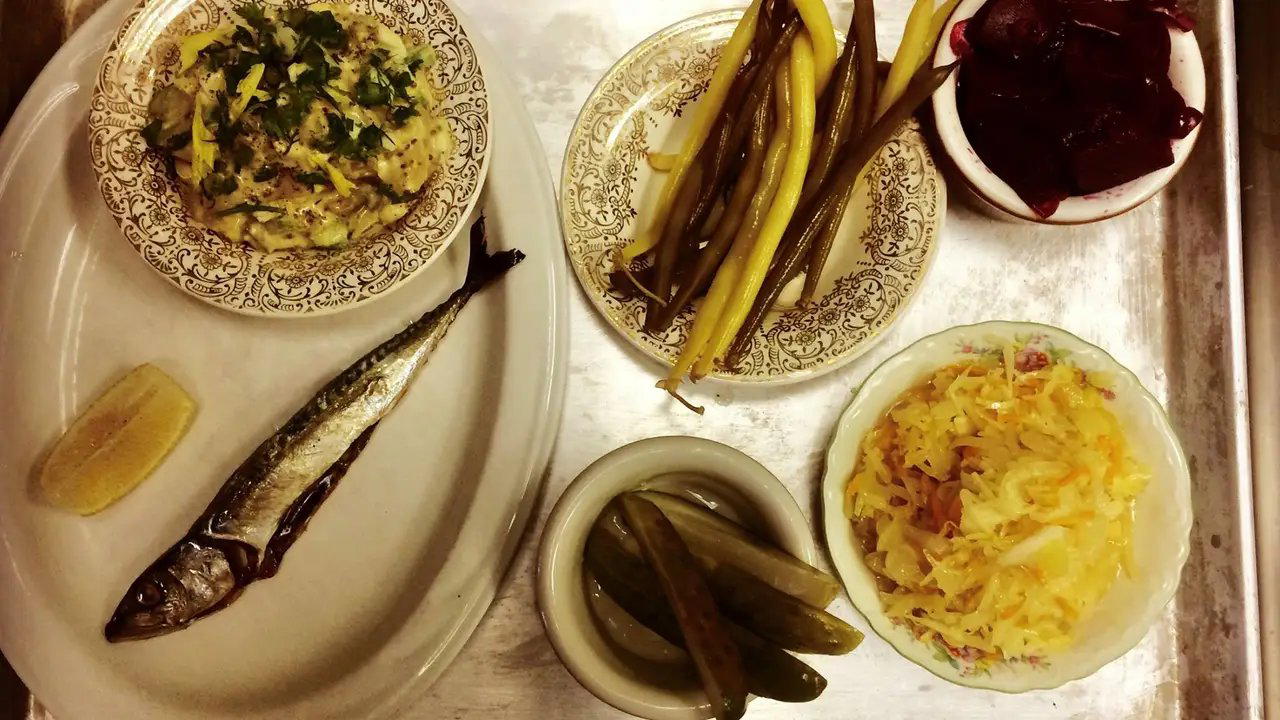
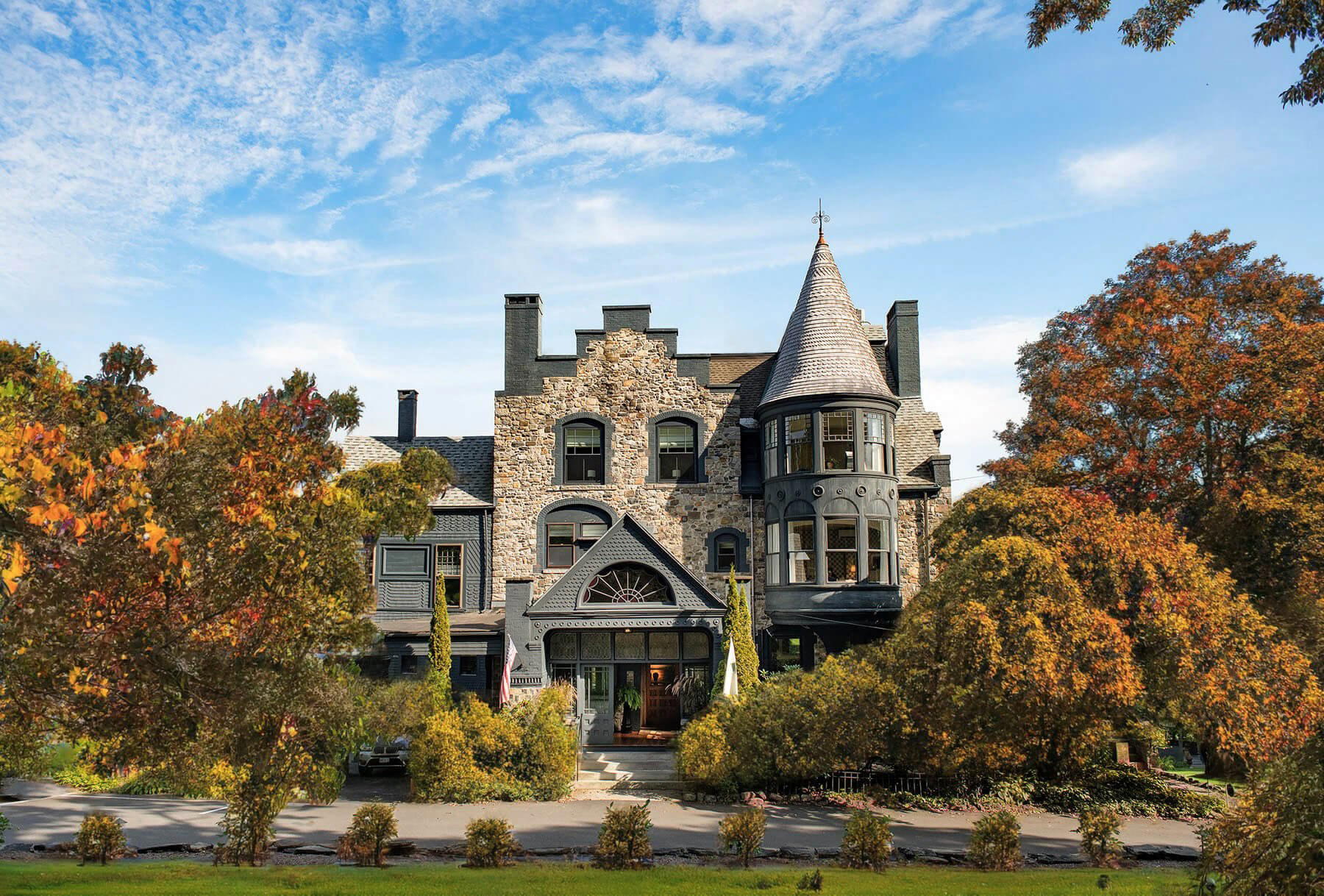
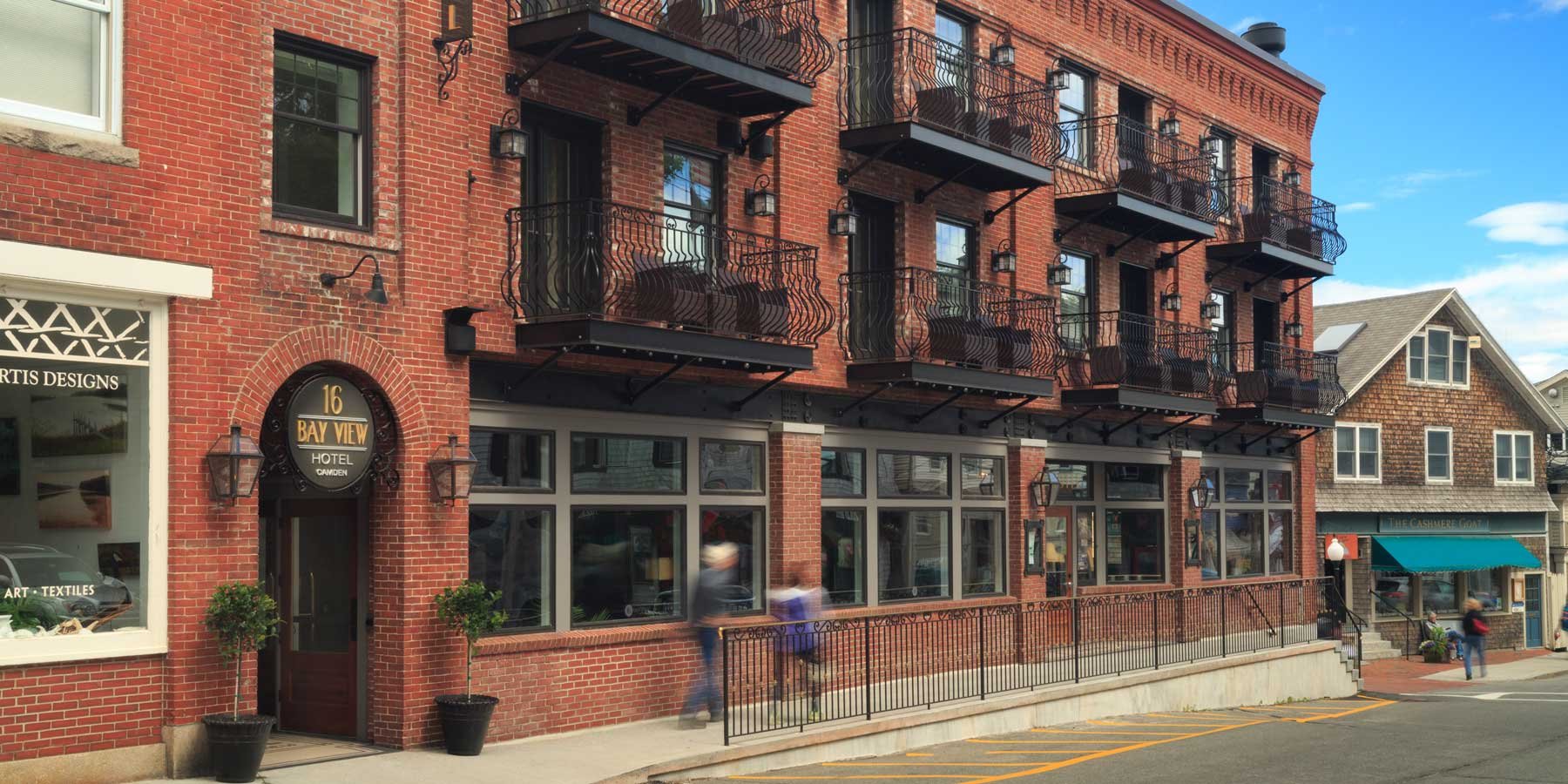
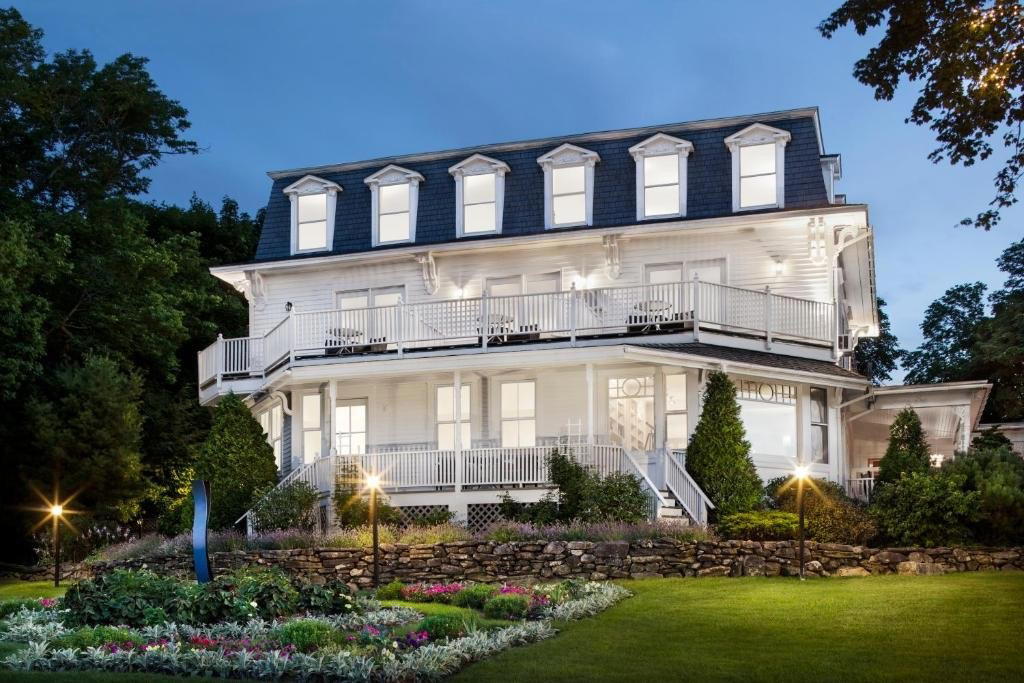
The Lost Kitchen
The wine
- Selections
- 305
- Bottles in cellar
- 1,650
- List strengths
- California, France
- Wine director
- Miguel Escobar
- Corkage allowed
- BYO wine
Details
- Romantic
- Scenic
- Cozy
- Elegant
- Rustic
- Intimate
- Date Night
- Special Occasion
- Celebration
- Open Kitchen
- Historic Building
- Standalone
- Waterfront
- Byob
- Corkage Allowed
- Farm To Table
- Local Sourcing
- Waterfront
- Prix Fixe
- Tasting Menu
- Wine
- Organic Focus
Rustic yet elegant atmosphere in a historic mill setting with water flowing over a dam visible from tables, intimate and relaxed downeast vibe with warm, welcoming service.