Pilgrim’s Inn

New York Times America's Best Restaurants
Our verdict
Reopened in May 2025 after a storied history dating to 1890, Pilgrim's Inn on Deer Isle has become one of coastal Maine's more compelling dining propositions. A rotating chef-in-residence format brings a new kitchen voice every month, anchored by produce and seafood pulled from the surrounding island economy. The result is a table where the sourcing logic changes the menu rather than decorating it.

Pearl is the En Primeur Club membership app, where members save venues, book tables and use the concierge.
Where the Coast Does the Cooking
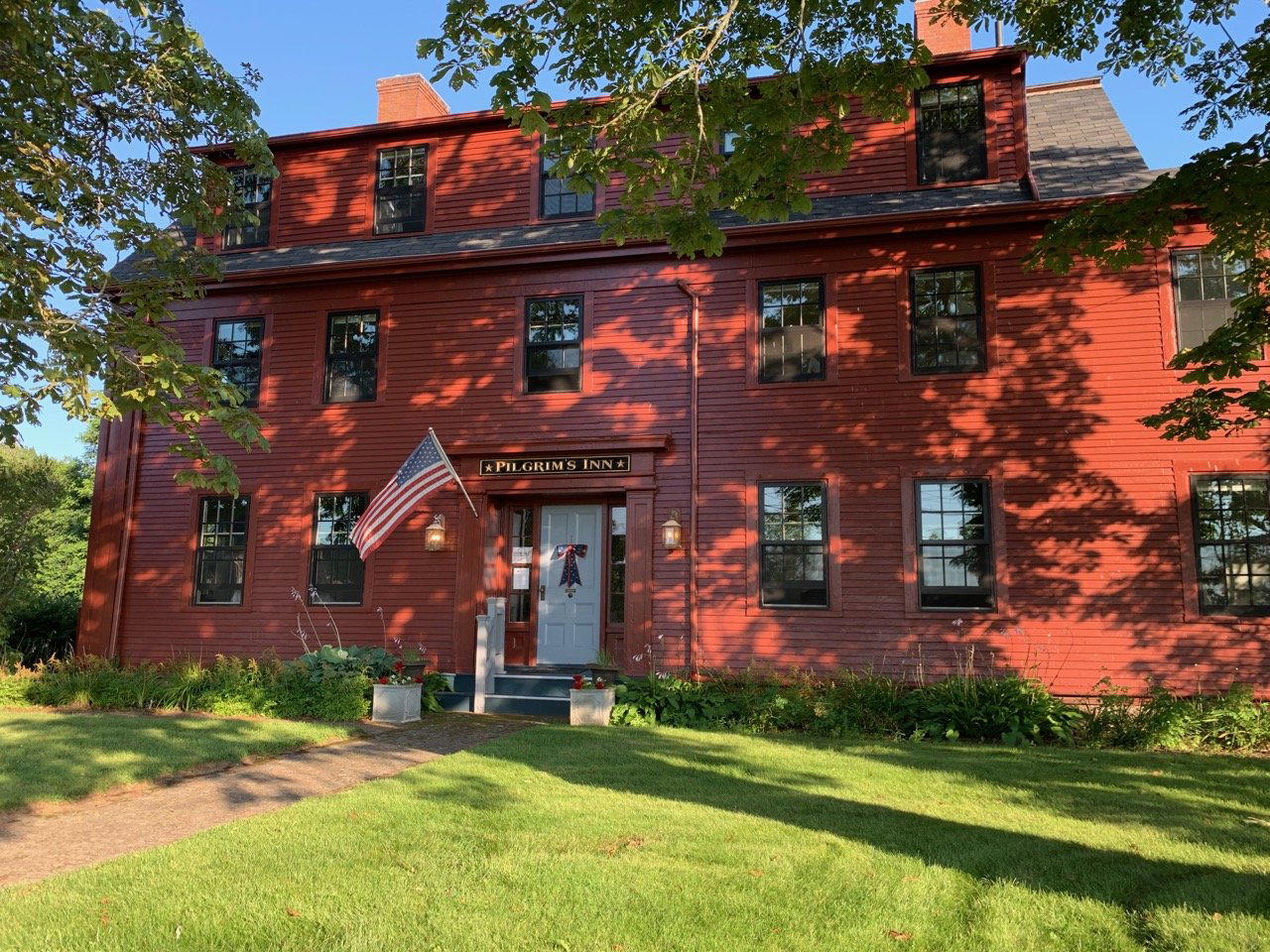
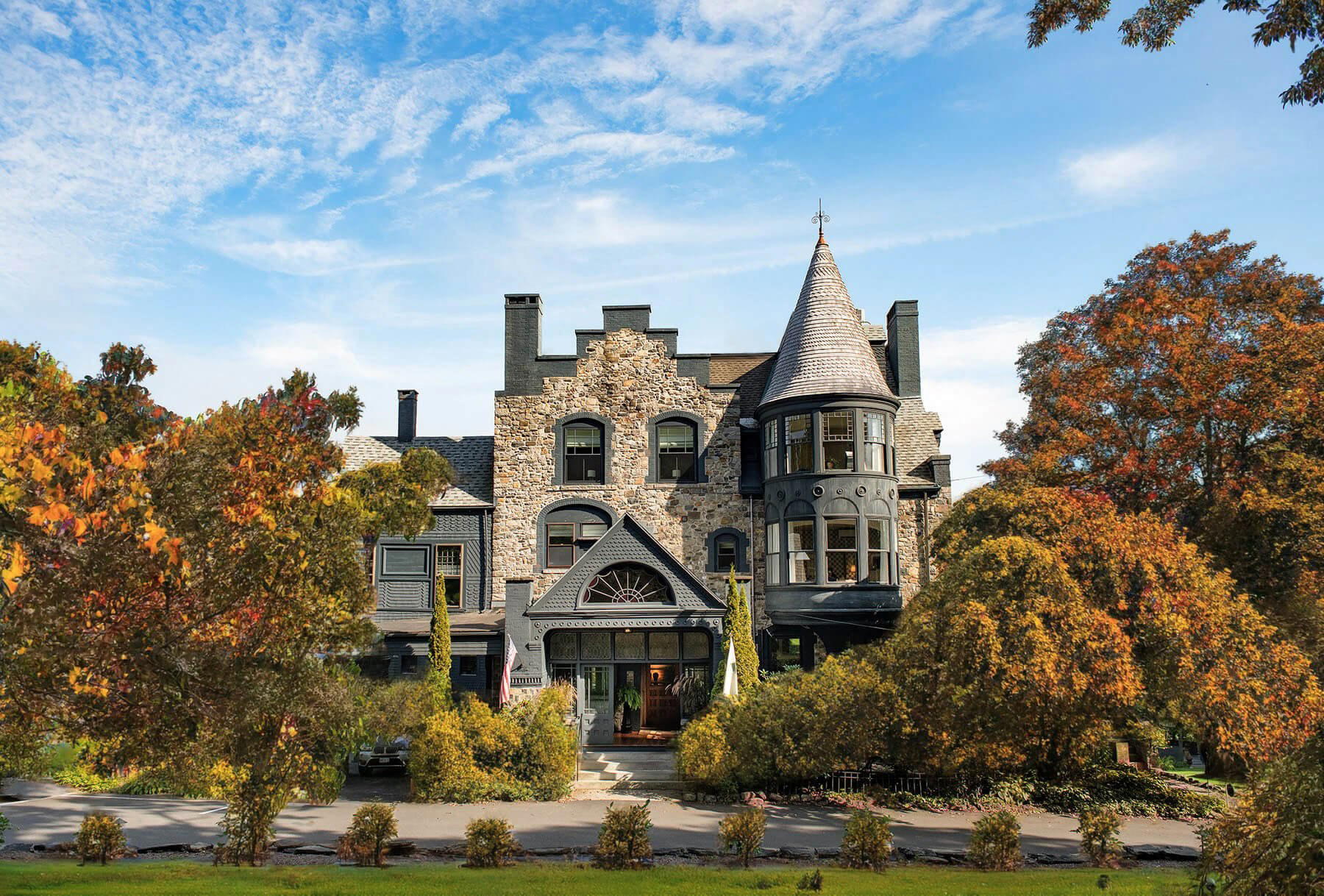
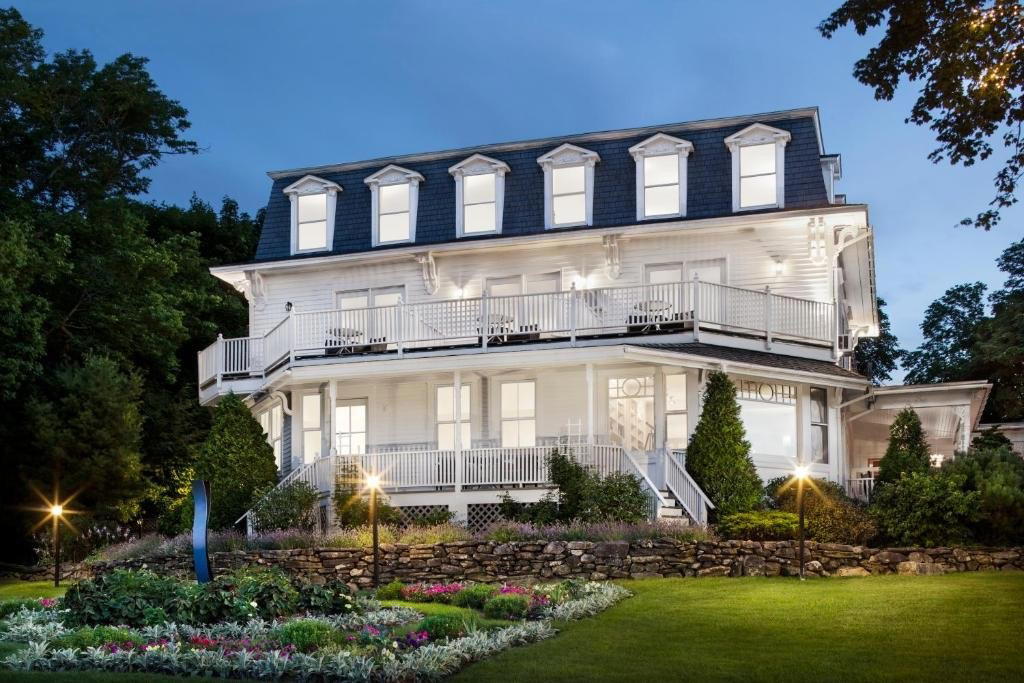
Main Street in Deer Isle moves at the pace of the tides. The building at number 20 has been receiving guests since 1890, and the weathered clapboard exterior makes no effort to signal that the kitchen inside opened just months ago, in May 2025. The inn's current format did not arrive to trade on heritage; it arrived to interrogate what sourcing from an island off the Maine coast actually means at the table.
The dining room and the cozy tavern room sit inside a property where the building itself is the first course. Approaching from the road, the inn reads as a piece of Deer Isle's working fabric rather than a destination dropped into it. That groundedness informs everything that follows, including who cooks here and what they cook.
The Chef-in-Residence Model and What It Produces
Inn dining along the northeastern seaboard has spent decades splitting between two modes: the ambitious tasting menu that flies ingredients in to justify its price tier, and the modest local-catch menu that leans on geography but rarely on technique. Pilgrim's Inn is working a third path. The executive chef, whose profile was shaped by years at Bar Tartine in San Francisco, a kitchen known for fermentation, milling, and an insistence on following produce backward to its source, has structured the program around a monthly chef-in-residence rotation. A different kitchen team occupies the space for thirty days, then hands it to the next.
This format concentrates culinary intelligence in a way that a fixed menu cannot. Each resident arrives with their own sourcing relationships and textural instincts, but they are all working with the same foundational geography: the Gulf of Maine, the farms and fisheries of Penobscot Bay, the specific cold-water proteins and short-season produce that define what this stretch of coast provides. The result is not a single chef's vision repeated nightly but a series of distinct readings of the same raw material. Readers familiar with the chef-in-residence logic at institutions like Lazy Bear in San Francisco will recognize the collaborative DNA, though the format here is less about event dining and more about sustained, month-long immersion.
The Sourcing Logic Behind the Menu
In mid-July 2025, the residents were Ben Wheatley and Whitney Otawka, the husband-and-wife team most recently behind the kitchen at the Greyfield Inn on Cumberland Island, Georgia. Their month at Pilgrim's Inn demonstrated what the residency model is designed to prove: that a kitchen team with deep sourcing instincts, given access to Maine's coastal larder, will find connections rather than impose concepts.
The lobster and fennel chowder they produced during that residency scattered diminutive hush puppies across the surface, a direct line from the Southern coast to the Northern one, using local crustacean as the throughline. That kind of geographic conversation is exactly what cold-water Maine proteins invite. Bluefin tuna, available from Maine's offshore grounds, appeared as a crudo, the ruby-red tiles of fish gaining edge from salted radish and Aleppo pepper, a pairing that used the fish's fat content as a canvas for acidity and low-grade heat rather than drowning it in dressing. A roasted monkfish with clams and tomato broth carried the logic of bouillabaisse into a Down East idiom, using local bivalves and the Penobscot Bay terroir to transpose a Mediterranean structure onto Atlantic ingredients.
This kind of sourcing intelligence is distinct from the farm-to-table signaling that proliferated in restaurant marketing over the last fifteen years. At tables like Blue Hill at Stone Barns or Single Thread Farm in Healdsburg, the sourcing narrative is institutional and deeply documented. At Pilgrim's Inn, the sourcing shifts with each resident but the geography holds constant, which means the island's ecology becomes the permanent author and the visiting chefs become its interpreters. That is a structurally different proposition, and it is a compelling one.
The Tavern Menu: A Different Register
The tavern room operates on a separate menu that holds relatively steady across residencies. Where the main dining room changes character each month, the tavern offers continuity, and within that continuity, the kitchen deploys local eel as the anchor of the grilled skewer program. Local eel is not a protein most coastal New England kitchens address directly; it sits in the underused category alongside whelk and sea cucumber, proteins that require both sourcing relationships and technique to execute properly. That the tavern menu commits to it as a constant is an editorial statement about what the kitchen considers its actual range.
The dual-room structure gives the inn a flexibility that most destination restaurants in this price tier do not build in. Guests can enter through the tavern for a shorter, more casual engagement or commit to the full dining room format and encounter whichever chef-in-residence is currently holding the kitchen. Both paths run through the same sourcing philosophy; the formality changes but the ingredient logic does not.
Context on the Maine Coast Dining Scene
Maine's premium dining has historically concentrated in Portland, where a dense restaurant community around the Old Port has attracted national attention and produced chefs who now appear on the broader American fine-dining circuit. Deer Isle sits well north and east of Portland, connected to the mainland by a suspension bridge over Eggemoggin Reach, which means access requires deliberate intention. The dining room here does not benefit from Portland's restaurant tourism infrastructure; it earns its audience through the specificity of what it offers and where it sits in the coastal calendar.
Seasonality on the Maine coast is not a menu philosophy; it is a structural constraint. The Gulf of Maine produces different proteins at different points in the year, and the short agricultural season around Penobscot Bay means that July and August operate in a different ingredient register than October or November. Visitors planning around the chef-in-residence calendar should account for this layering: the resident changes monthly, but the seasonal availability of what they are working with also shifts, meaning that no two months offer the same combination of technique and raw material. For comparison points on how American coastal fine dining handles this kind of seasonal compression, Le Bernardin in New York City and Providence in Los Angeles both operate seafood programs with strong seasonal logic, though at a scale and price tier well above what an island inn format can sustain.
Planning Your Visit
Pilgrim's Inn is located at 20 Main Street, Deer Isle, Maine 04627. The inn opened in its current format in May 2025, meaning the residency program is in its first full season. Deer Isle is reached by crossing the Deer Isle-Sedgwick Bridge from the mainland, a drive that runs through the Blue Hill Peninsula and rewards those who make time for it. Given the residency rotation, guests with a specific culinary agenda should research which team is in the kitchen during their intended travel window before booking. For broader orientation to what Deer Isle offers beyond the inn, our full Deer Isle restaurants guide, our Deer Isle hotels guide, our Deer Isle bars guide, our Deer Isle wineries guide, and our Deer Isle experiences guide cover the full range. For reference points on what the American destination inn dining format looks like at its most developed, The Inn at Little Washington and Addison in San Diego represent the fixed-chef end of that spectrum. Pilgrim's Inn is making a different argument, that the revolving door, governed by a consistent sourcing geography, is itself a format worth travelling for.
Frequently asked questions
How do I find Pilgrim’s Inn?
Pilgrim’s Inn is located at 20 Main St, Deer Isle, ME 04627, Deer Isle.
Is Pilgrim's Inn a family-friendly restaurant?
The tavern room, which runs a relatively constant menu alongside the rotating main dining program, has the relaxed register of a coastal inn that has welcomed guests since 1890. Families comfortable with a seafood-forward, ingredient-led menu should find it accessible, though the format skews toward adults interested in the kitchen's sourcing focus. Contact the inn directly at 20 Main St, Deer Isle, ME 04627 for specifics on seating arrangements.
In Context: Similar Options
| Venue | Cuisine | Price | Awards | Notes |
|---|---|---|---|---|
| Pilgrim’s InnThis venue (the venue you are viewing) | New England Farm-to-Table | Not listed | New York Times America's Best Restaurants | Not listed |
| Le Bernardin | French Seafood Fine Dining | $300–500 | 3 Michelin Stars · World's 50 Best #13 | French, Seafood |
| Atomix | Modern Korean Tasting Menu | $300–500 | 2 Michelin Stars · World's 50 Best #7 | Modern Korean, Korean |
| Lazy Bear | Modern American Tasting Menu | Not listed | 2 Michelin Stars · World's 50 Best #25 | Progressive American, Contemporary |
| Alinea | Avant-Garde Molecular Gastronomy | $300–500 | 2 Michelin Stars · World's 50 Best #37 | Progressive American, Creative |
| Masa | Seasonal Hokkaido Tempura Omakase | $150–200 | Tabelog 100 #34 | Sushi, Japanese |
Recognition history
Dated appearances from independent guides and award organizations, with the underlying list record or original source where available.
New York Times America's Best Restaurants
New York Times
Continue exploring
More in Deer Isle

Details
- Romantic
- Cozy
- Rustic
- Historic
- Intimate
- Scenic
- Date Night
- Special Occasion
- Waterfront
- Historic Building
- Hotel Restaurant
- Craft Cocktails
- Farm To Table
- Local Sourcing
- Waterfront
- A La Carte
- Tasting Menu
- Craft Cocktails
- Allergy Accommodating
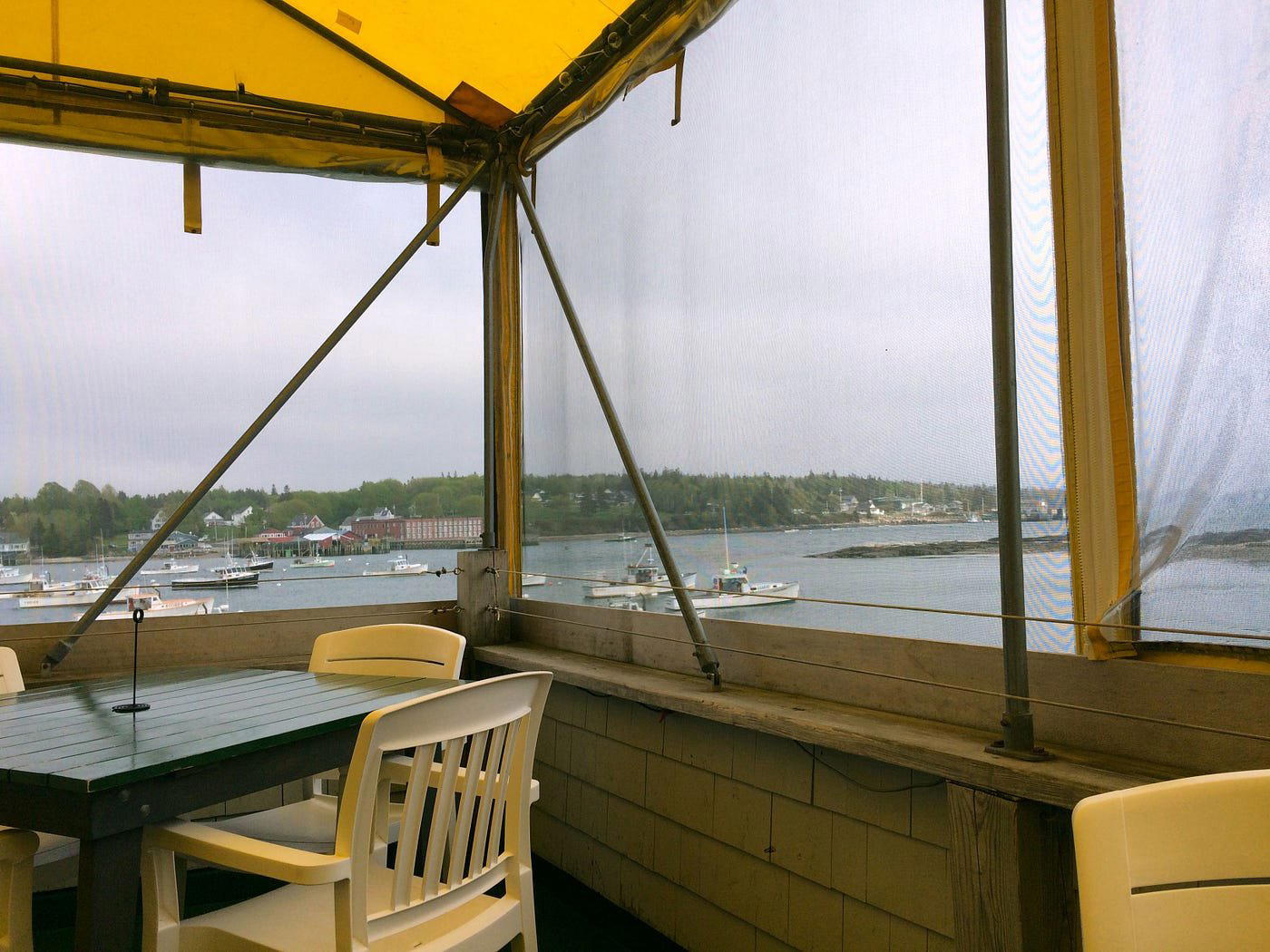
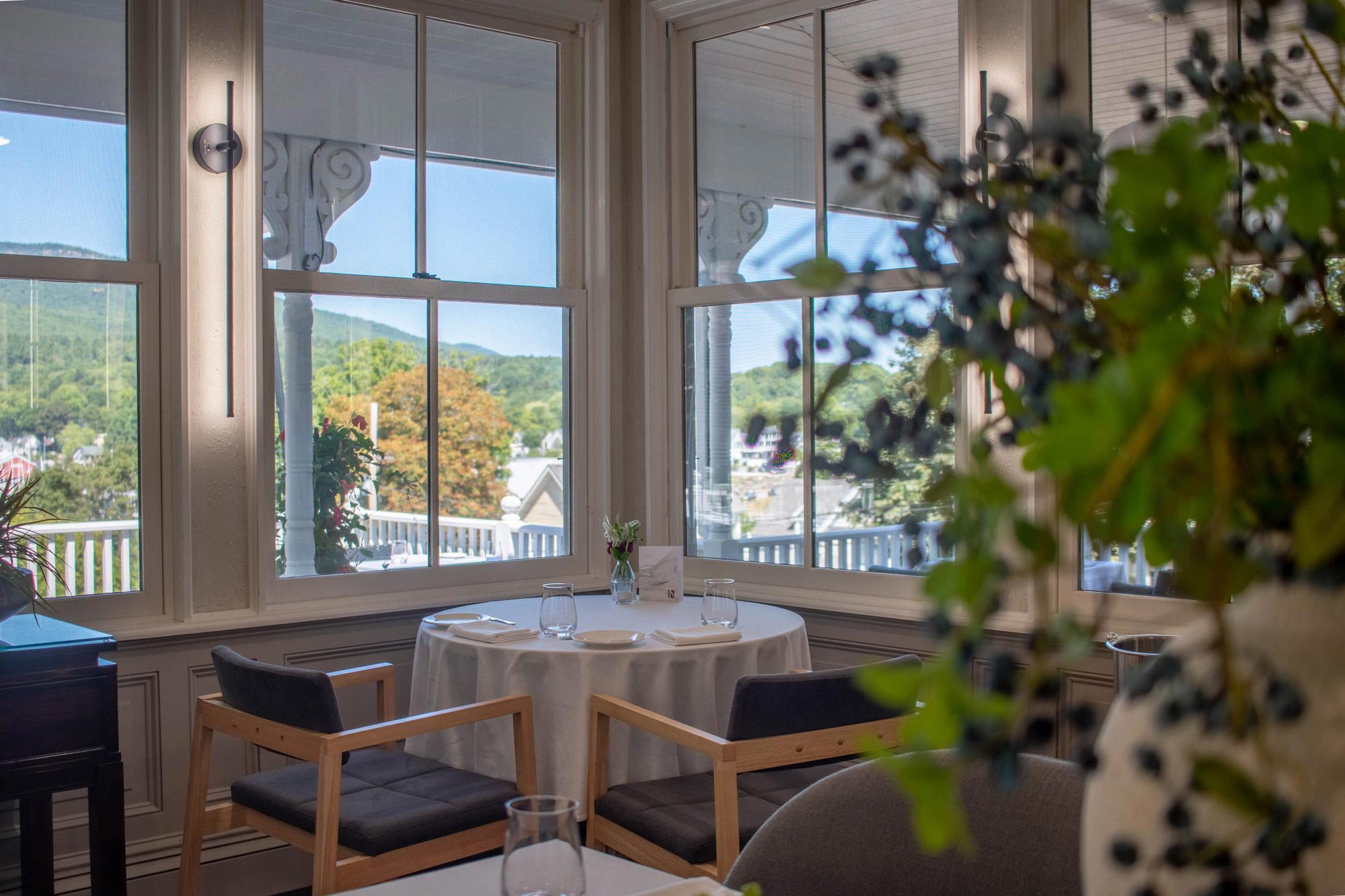
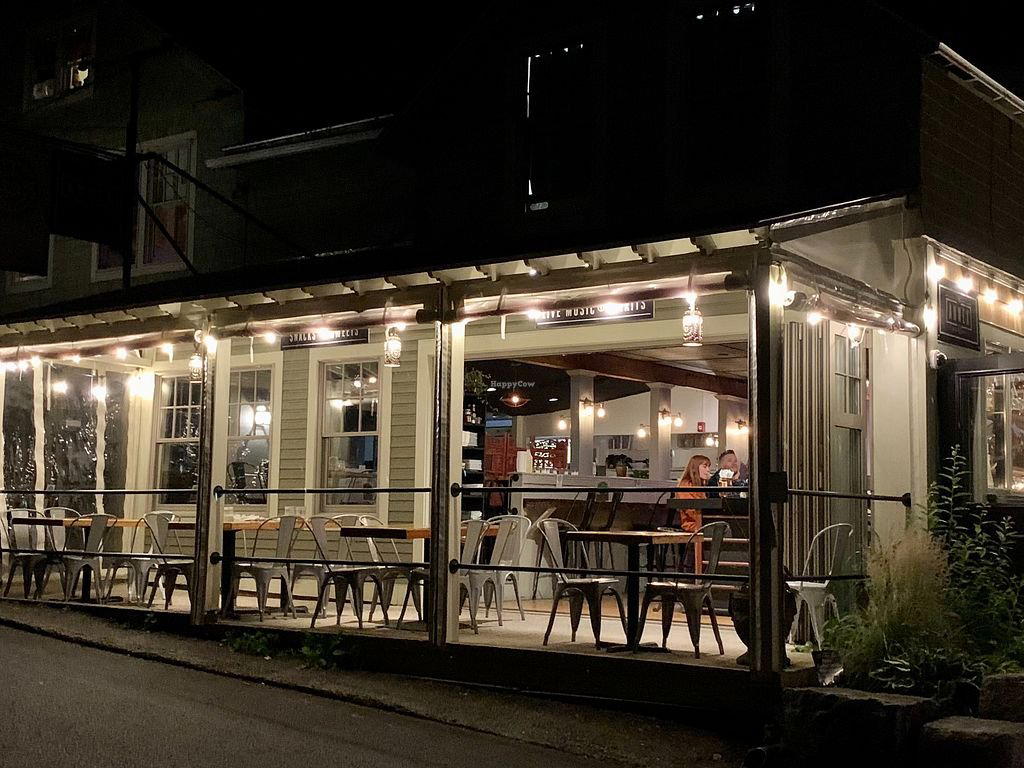
Cozy historic tavern atmosphere blending New England charm with modern elegance, warm lighting, and serene water views from the deck.