Après
Après occupies a bar-forward position on Anderson Street in Portland, Maine, where the drinks program and food menu are designed to work in tandem rather than as separate offerings. The format sits closer to the serious cocktail bars emerging across the American Northeast than to a conventional restaurant with a bar attached. Portland's compact dining district makes it a natural stop before or after the city's better-known tables.

Pearl is the En Primeur Club membership app — saves, bookings, and concierge access live there. Same editors, same standards.
- Address
- 148 Anderson St, Portland, ME 04101
- Phone
- (207) 613-8231
- Hours
- Mon–Thu 3–9 PMFri 12–10 PMSat 11 AM–10 PMSun 11 AM–8 PM
- Website
- apresmaine.com
- Directions
- Get directions
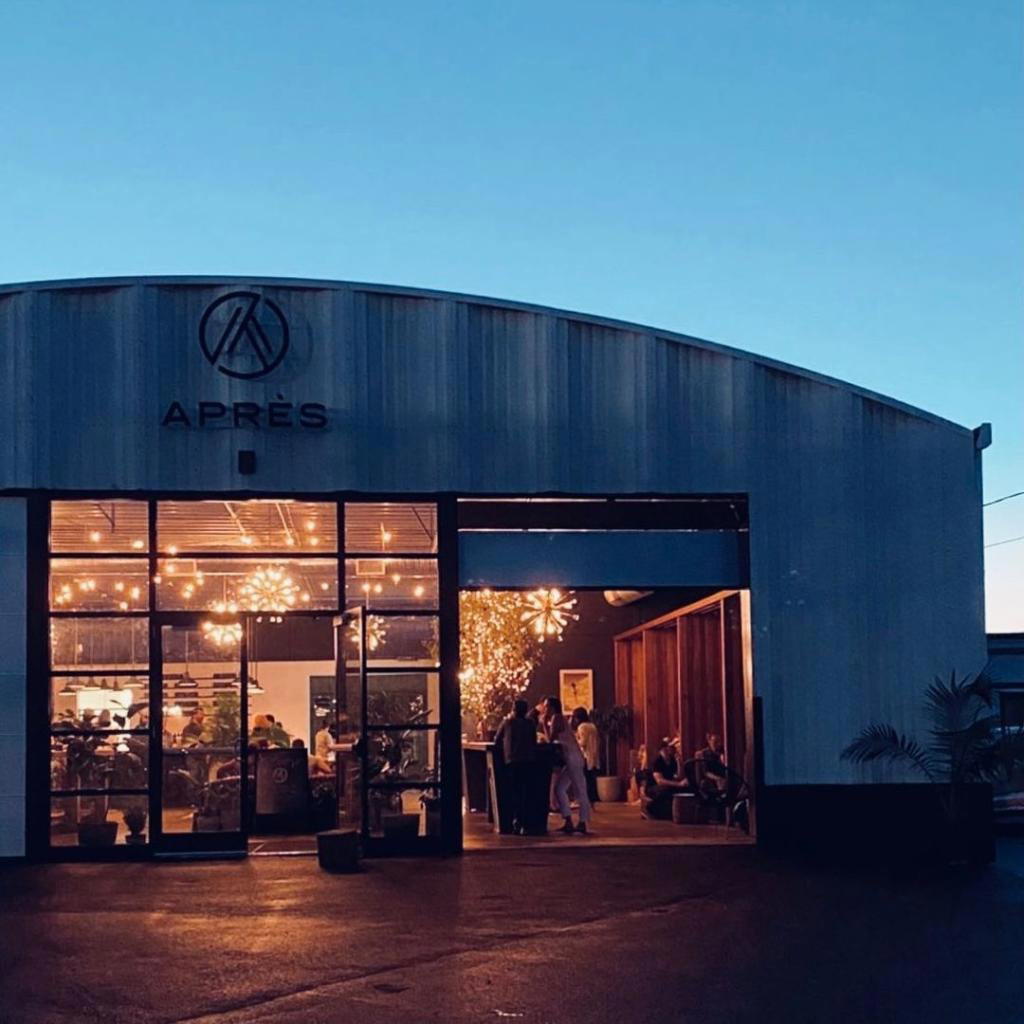
Where the Drink and the Dish Arrive Together
Portland, Maine has spent the better part of a decade tightening its grip on the American food and drink conversation, and its bar scene has followed the same trajectory as its restaurants: smaller, more deliberate, more technically serious. The city now supports a category of bar that treats food not as an afterthought or a licensing requirement but as an integral part of the evening's architecture. Après, on Anderson Street, sits within that category. The address alone signals something: Anderson Street runs through the East Bayside neighborhood, a stretch that has absorbed a series of focused, chef-adjacent operations as Portland's hospitality footprint has spread outward from the Old Port core.
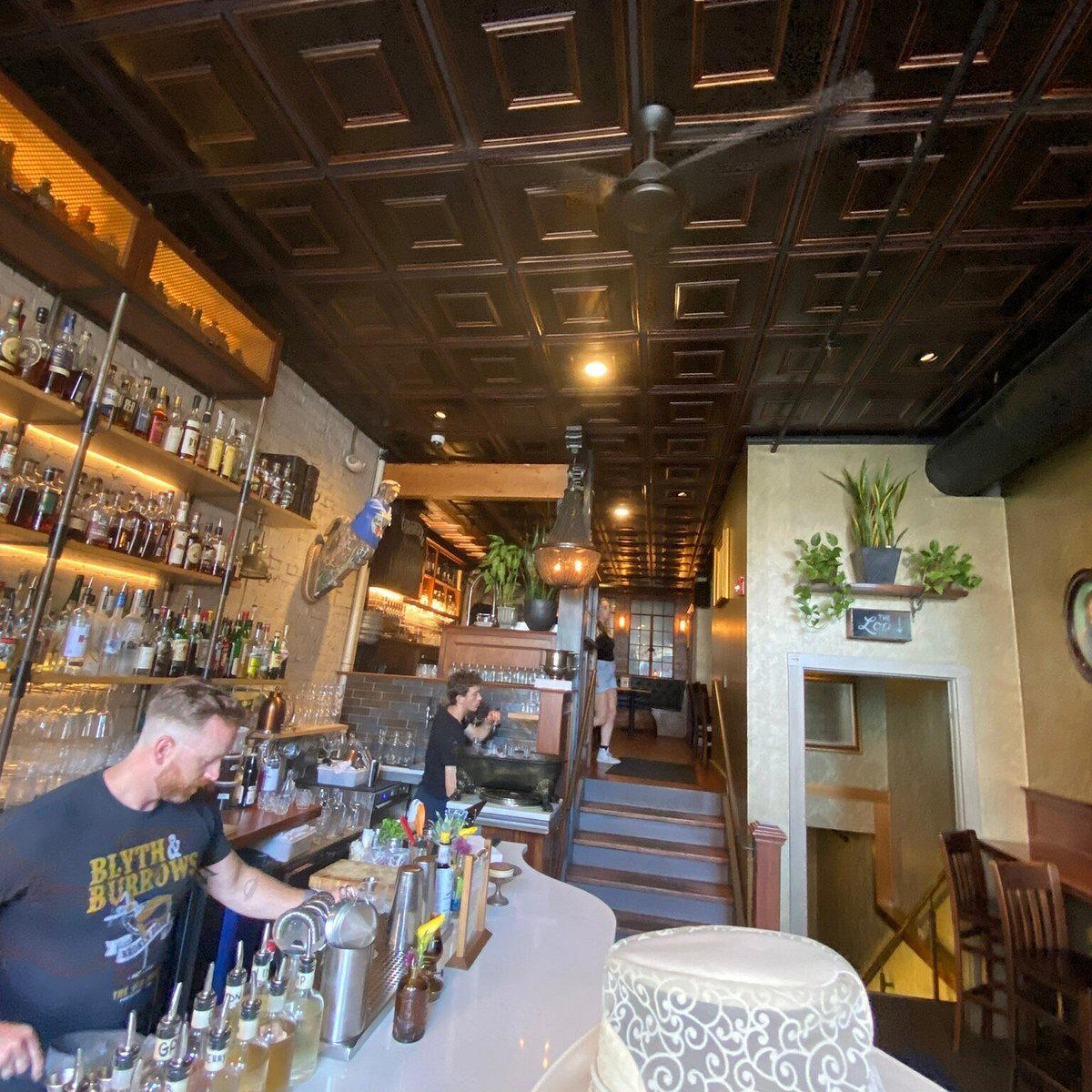
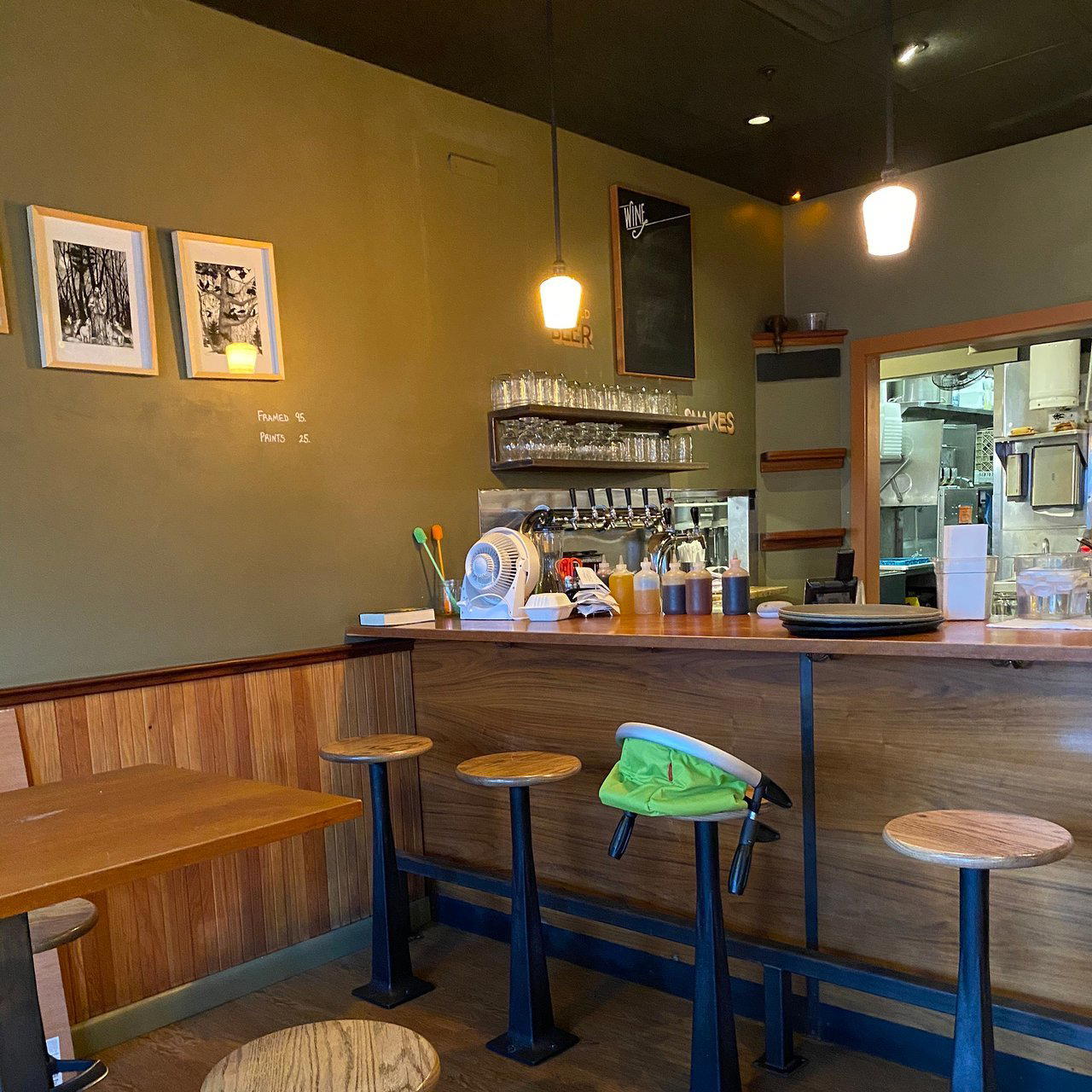
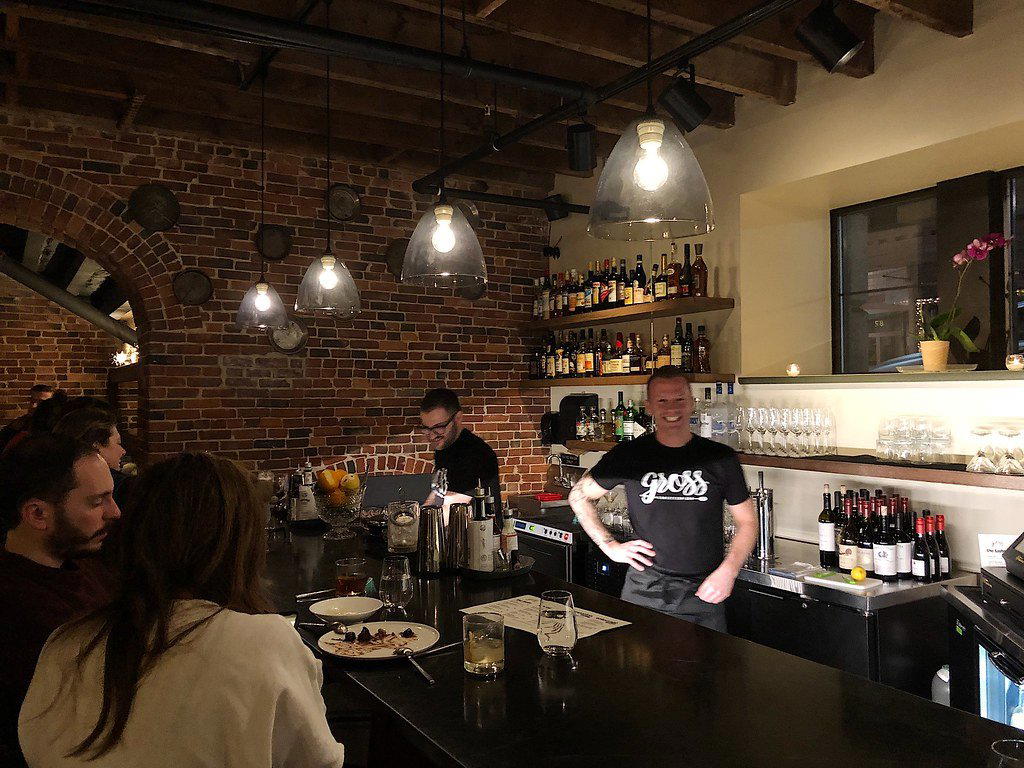
Approaching the space, the framing is modest in the way that serious bars often are in mid-size American cities. There is no marquee theatrics, no doorman hierarchy. The interior reads as the kind of room where the effort has gone into what's in the glass and on the plate rather than into the furniture budget. That balance — restraint in staging, precision in program — has become a reliable signal in a post-pandemic bar scene that largely moved away from speakeasy costuming toward transparency about what it actually does well.
The Pairing Argument: Why Bar Food Here Is a Structural Decision
Across the American cocktail bar tier, the past several years have seen a meaningful split between venues that treat food as a revenue supplement and those that treat it as an editorial position. Bars like Kumiko in Chicago or ABV in San Francisco have made the case that a coherent drinks-and-food program is not a category confusion but a category refinement. The food changes what you taste in the drink; the drink changes what you want from the food. That feedback loop, when it works, produces an evening that neither a restaurant nor a bar alone can replicate.
Après operates within that logic. The bar food program is not decorative. In bars where the kitchen output genuinely tracks the drinks list, what tends to distinguish the approach is proportion and fat content: dishes built to extend the palate across multiple rounds rather than to anchor a single course. The drinks at operations like this typically skew toward clean acidity or herbal bitterness, which calls for food that provides richness without heaviness. Whether Après executes that balance at the specific ingredient level is a question for the menu in front of you, but the format itself suggests the intention.
For comparison, the model is visible at Jewel of the South in New Orleans and at Bar Leather Apron in Honolulu, where bar food carries enough culinary seriousness to make the room function as a destination rather than a pre-dinner stop. Julep in Houston and Superbueno in New York City have taken similar positions at the regional level, each demonstrating that a defined food identity strengthens rather than dilutes the drinks program's authority.
Portland's Bar Tier and Where Après Fits
Portland, Maine's cocktail scene has matured considerably from its early craft-beer-dominant identity. The city's size, roughly 70,000 residents in the city proper, with a tourist population that peaks hard in summer, means bar operators work a compressed season with a year-round local base that expects consistency. That dynamic tends to produce programs with genuine regulars rather than walk-in churn, which in turn rewards depth of menu over novelty.
Within the city's bar context, the range runs from the technically ambitious to the neighborhood-casual. Après lands in the category that serves both populations without fully belonging to either: serious enough to draw guests who read drink menus carefully, approachable enough that the format doesn't require prior briefing. For visitors arriving from Portland, Oregon, the comparison is instructive: the Teardrop Lounge on the West Coast represents a similar position, a bar with clear technical standards that doesn't perform its seriousness loudly. The 10 Barrel Brewing Portland operation, by contrast, runs a volume-first model that targets a different audience entirely.
Other Portland, Oregon reference points like 3808 N Williams Ave and 7316 N Lombard St illustrate how neighborhood context shapes bar identity even within the same city, a dynamic that applies equally to Maine's Portland. Anderson Street's position within East Bayside gives Après a slightly off-center address that insulates it from the Old Port foot traffic while keeping it within a short walk of the hotel and restaurant cluster where most visitors spend their time.
Internationally, the bar-with-serious-food model appears in formats like The Parlour in Frankfurt, which demonstrates how the program can translate across hospitality cultures when the kitchen and bar team share a common brief.
Planning a Visit: What to Know Before You Go
Anderson Street is reachable on foot from most of Portland's central accommodations, which cluster in the Old Port and Arts District. The East Bayside location puts Après at a distance that makes it a deliberate destination rather than an incidental stop, which is generally good news for the quality of the experience: rooms that guests seek out tend to run tighter programs than rooms that rely on pass-through traffic.
Given Portland's seasonal rhythm, summer draws significant visitor volume from Boston and beyond, timing a visit outside the July-August peak generally means a more navigable room and more attentive service. The city's bar season extends through fall foliage season into early November before contracting to a local-heavy winter schedule.
Compact Comparison
| Venue | Price | Awards |
|---|---|---|
| AprèsThis venue — the venue you are viewing | $20–30 | Not listed |
| Teardrop Lounge | $30–50 | World's 50 Best #48 |
| Bible Club PDX | $30–50 | Not listed |
| Rum Club | $30–50 | Not listed |
Details
- Industrial
- Cozy
- Trendy
- Casual Hangout
- Standalone
- Seated Bar
- Craft Cocktails
Current opening hours
- Monday
- 3–9 PM
- Tuesday
- 3–9 PM
- Wednesday
- 3–9 PM
- Thursday
- 3–9 PM
- Friday
- 12–10 PM
- Saturday
- 11 AM–10 PM
- Sunday
- 11 AM–8 PM
Hours can change for holidays and private events. Last verified .
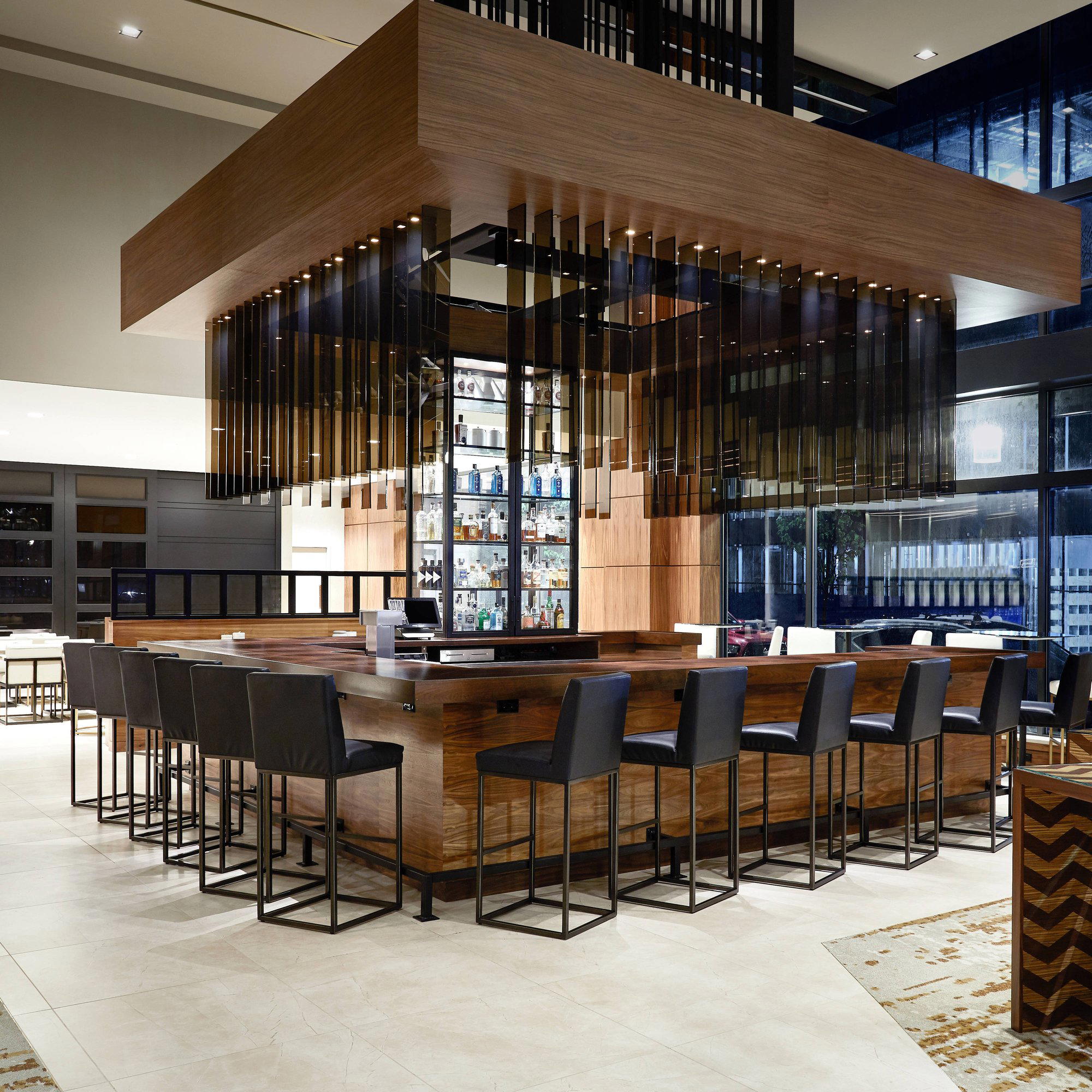
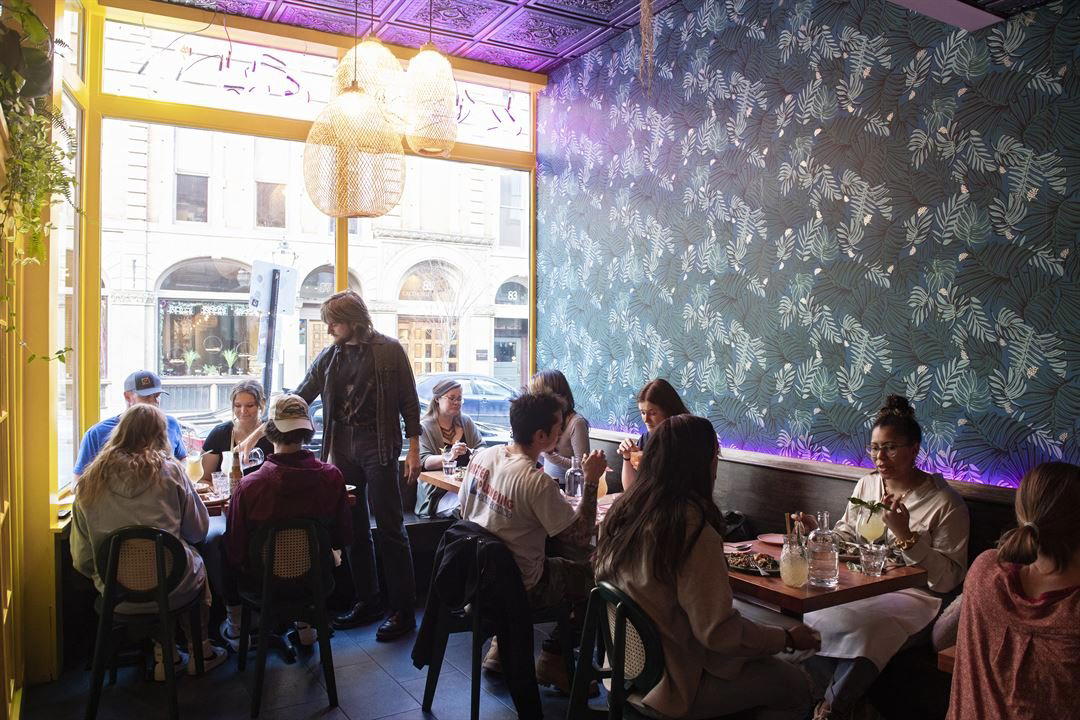
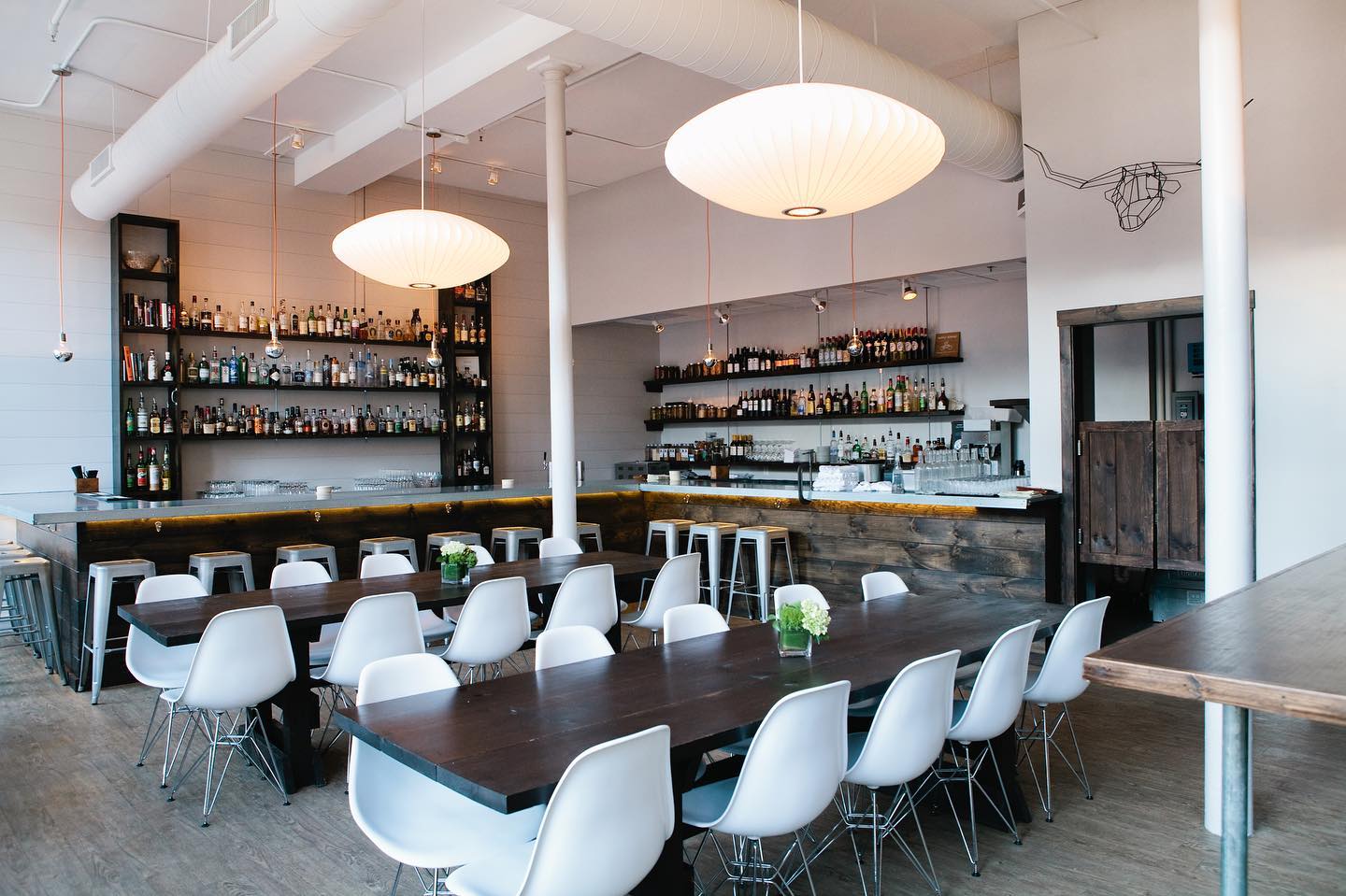
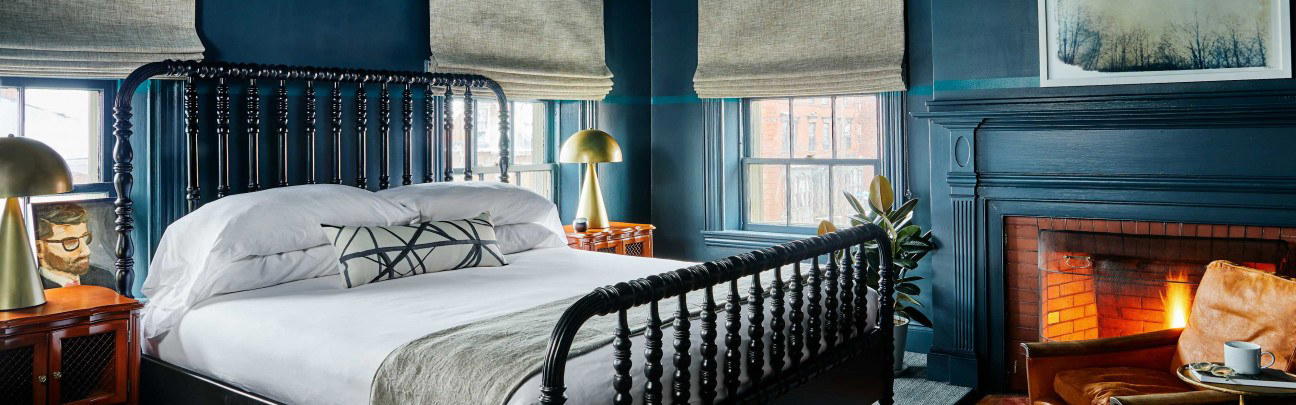
Industrial-chic tasting room with a laid-back, community-focused atmosphere.