Posthotel Achenkirch
Posthotel Achenkirch pairs Refined Alpine & TCM Cuisine with mountain views, local sourcing, and a leisurely hotel-restaurant format in Achenkirch.
Pearl is the En Primeur Club membership app — saves, bookings, and concierge access live there. Same editors, same standards.
- Address
- Obere Dorfstr 382, 6215 Achenkirch, Austria
- Phone
- +434352466522
- Website
- posthotel.at
- Directions
- Get directions
 Saves & bookings on Pearl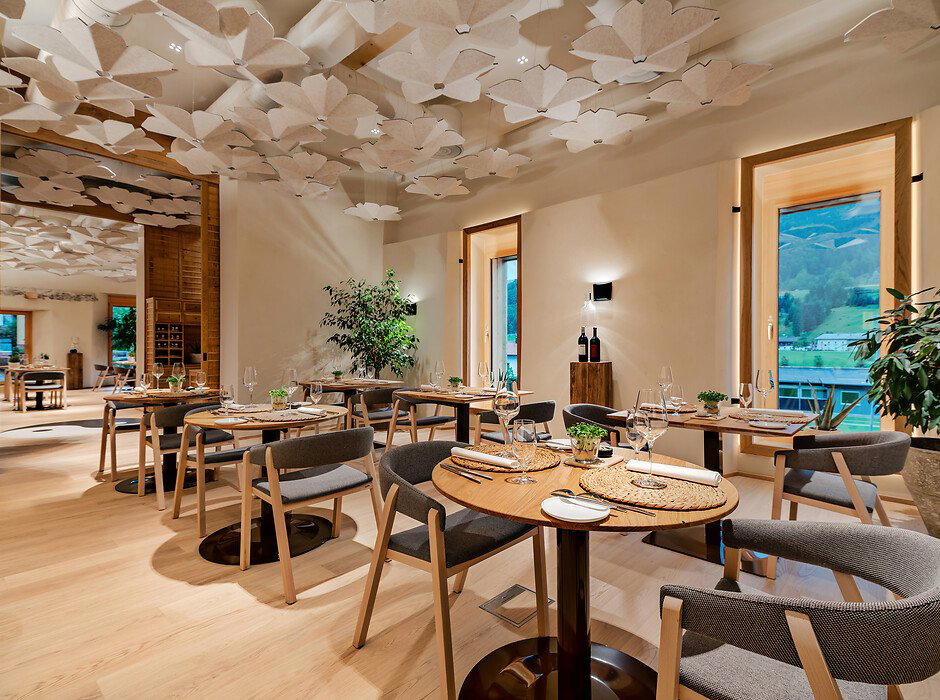
Where the Tyrolean Alps Shape What Ends Up on the Plate
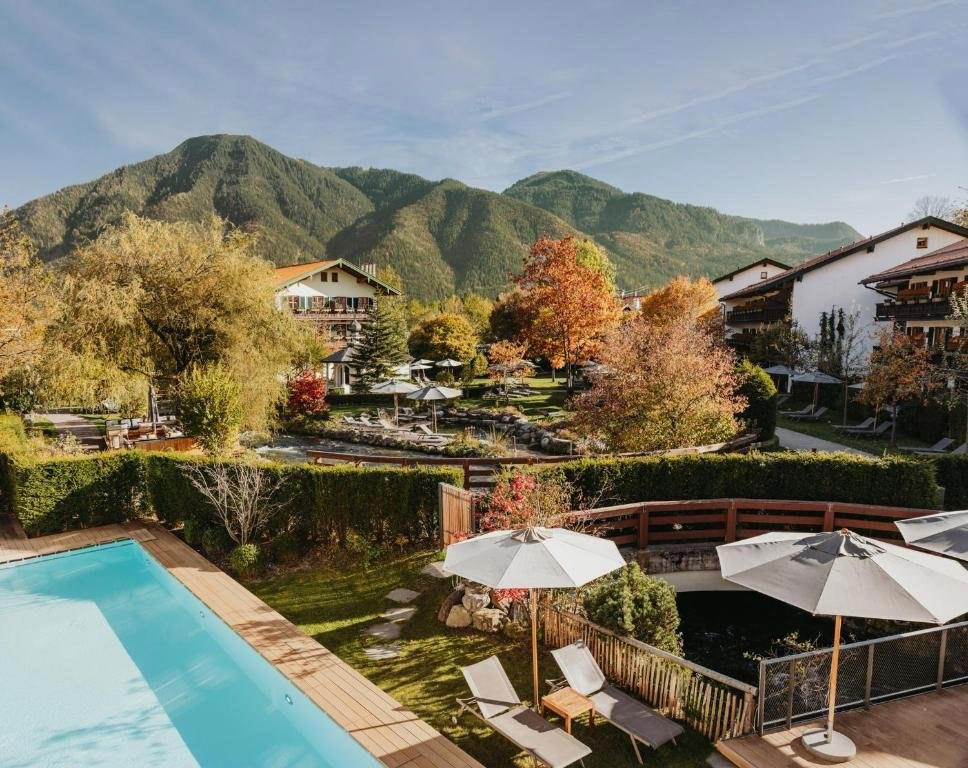
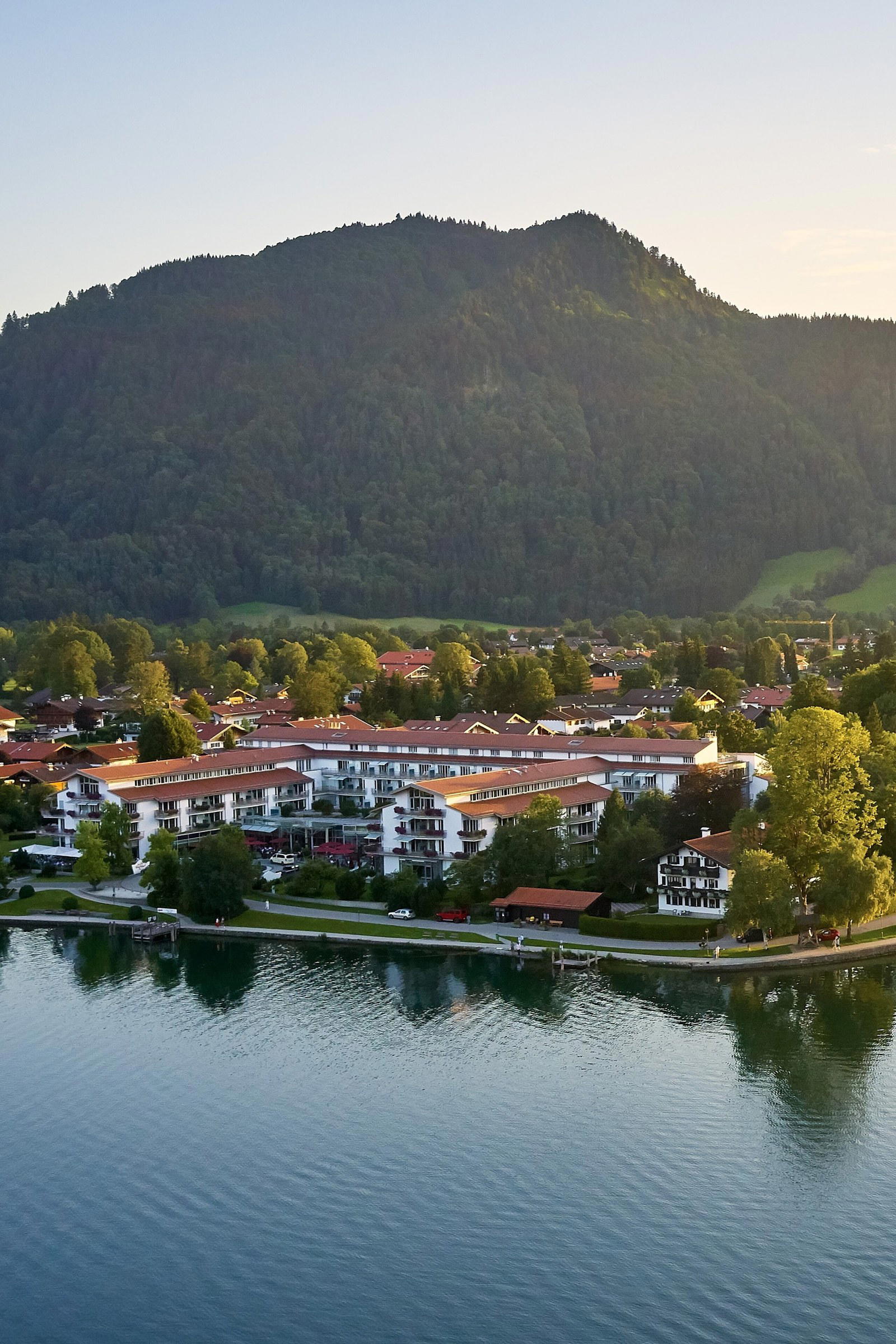
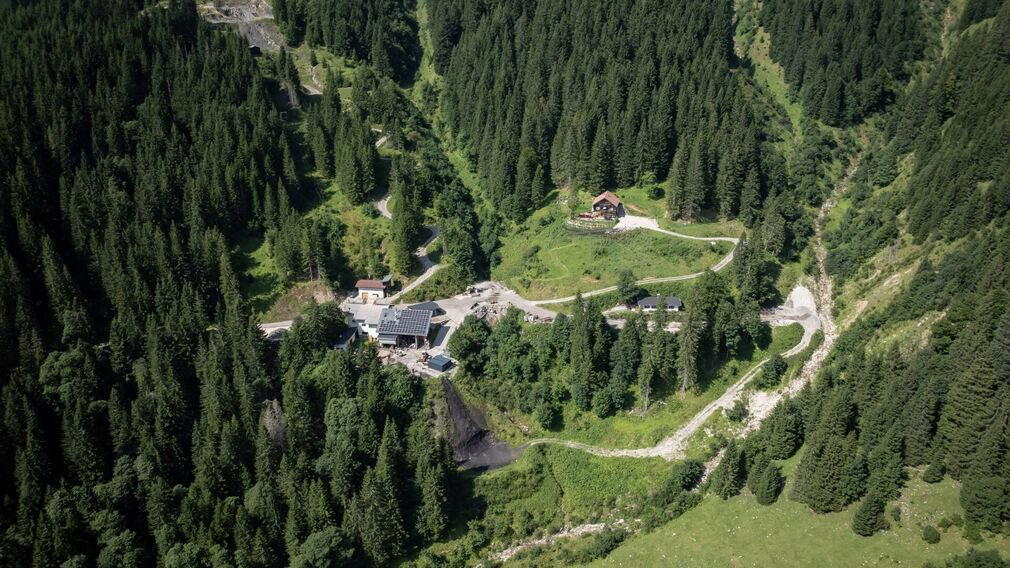
Achenkirch sits at the northern tip of the Achensee, Austria's largest lake entirely within Tyrol, at an elevation that keeps the valley cool through summer and buries it in snow each winter. The village has never positioned itself as a resort town in the way Lech or Ischgl have, which means the properties that anchor it do so through a different logic: quieter, more self-contained, with a guest experience oriented around the surrounding landscape rather than lift access or après programming. Posthotel Achenkirch is a restaurant in Achenkirch, Tyrol, serving refined Alpine and TCM cuisine at a smart casual, reservation-essential address.
The Alpine hotel-with-serious-dining format has become a well-established category across the Austrian highlands. From Griggeler Stuba in Lech to Gourmetrestaurant Tannenhof in Sankt Anton am Arlberg, the model links accommodation to a kitchen that takes its sourcing cues from the immediate region. The altitude is not incidental to what gets cooked. Dairy from high pastures carries a different fat profile than lowland milk. Mountain herbs, short-season vegetables, and cold-water fish from nearby lakes all define a culinary register that cannot be replicated at sea level with imported substitutes. Posthotel Achenkirch operates within this framework.
The Dining Ecosystem Under One Roof
What distinguishes several Alpine properties from a standard hotel-with-a-restaurant is the presence of multiple dining formats serving different registers of the same sourcing philosophy. Within the Posthotel, this plays out across distinct concepts. Gründler's Gourmet Stüberl operates at the formal end, priced at €€€€, with classic cuisine that sits alongside the kind of offer you find at properties like Landhaus Bacher in Mautern an der Donau or Obauer in Werfen: technically serious, regionally anchored, aimed at guests who treat dinner as the central event of the day. Gründler's Genießer Wirtshaus covers the more accessible register at €€, regional in character, closer to the Gasthausküche tradition that runs through rural Austrian hospitality. Tenzo im Posthotel adds a third dimension, bringing a non-European culinary influence into the mix, a format that has become more common at premium Alpine properties as kitchens look beyond the Tirolean pantry without abandoning its produce.
Running three kitchens under one property requires a degree of operational discipline that most small Alpine hotels do not attempt. It also signals something about the intended guest: someone who wants to eat differently across several days without leaving the building, and who expects each format to be taken seriously on its own terms rather than treated as a convenience offering.
Sourcing at Altitude: What the Region Provides
The case for Alpine sourcing as a genuine culinary identity, rather than a marketing posture, rests on specificity. The Achensee itself produces char and trout at cold-water temperatures that affect texture and fat distribution in ways that warmer lake fish do not replicate. The surrounding Karwendel and Rofan mountain ranges support summer grazing that shapes dairy quality. Tyrolean grey cattle, raised across these highlands, provide beef with a leaner grain than intensively raised alternatives. Short growing seasons at elevation concentrate flavour in vegetables and herbs that have less time to develop volume.
This is the sourcing argument at its most concrete, and it connects Achenkirch to a broader Austrian tradition of altitude-informed cooking. Kräuterreich by Vitus Winkler in Sankt Veit im Pongau has built an entire identity around mountain herb cultivation at this level of specificity. Döllerer in Golling an der Salzach has done the same with Alpine terroir over multiple decades. The comparison is useful because it clarifies what a property like Posthotel Achenkirch is competing against when it commits to this framework: not village-level restaurants, but a recognisable national category of serious Alpine dining anchored to place.
Austria's broader fine dining conversation also reaches beyond the mountains. Steirereck im Stadtpark in Vienna and Ikarus in Salzburg define what the country's urban dining looks like at the summit of the register. What distinguishes the Alpine properties is not prestige alone but context: the sourcing story is visible from the dining room window.
Planning a Stay in Achenkirch
Achenkirch is accessible by road from Innsbruck in under an hour, and from Munich in roughly two hours, making it a practical destination for weekend stays from either city. The Achensee area is genuinely seasonal: summer brings lake swimming, cycling, and hiking on marked mountain paths, while winter converts the valley to cross-country skiing and snowshoeing terrain, the area is less developed for downhill than the western Tyrolean resorts, which suits guests looking for a quieter pace. Spring and autumn represent the shoulder periods, when rates at Alpine properties typically ease and trails are less crowded, though some facilities may operate on reduced hours. For those building a longer Austrian itinerary around serious dining, Ois in Neufelden, Schwarzer Adler in Hall in Tirol, and Restaurant 141 by Joachim Jaud in Mieming offer additional reference points across the Tyrolean and Upper Austrian regions.
For international reference points outside Austria, the structural logic of an Alpine hotel anchoring multiple dining formats at different price registers has parallels in how destination restaurants at remote properties operate globally. Le Bernardin in New York City and Atomix in New York City represent the urban end of serious destination dining, where the case for the meal rests on culinary execution alone rather than setting. The Alpine model makes a different argument: that the place itself is part of the offer, and that sourcing from the immediate geography is both a culinary and an experiential claim.
Comparison Snapshot
Comparable venues nearby, for context on price, style, and recognition.
| Venue | Cuisine | Price | Awards | Notes |
|---|---|---|---|---|
| Posthotel AchenkirchThis venue — the venue you are viewing | Refined Alpine & TCM Cuisine | $$$$ | Not listed | Not listed |
| Gründler's Genießer Wirtshaus | Modern Tyrolean Regional Cuisine | $$$ | Bib Gourmand | Achenkirch |
| Gründler's Gourmet Stüberl | Modern Austrian Fine Dining | $$$$ | Michelin 1 Star | Achenkirch |
| Tenzo im Posthotel Achenkirch | TCM Five-Element Fusion | $$$ | Not listed | Achenkirch |
| HeLeni | Modern Austrian Fine Dining | $$$$ | Not listed | Zell am Ziller |
| Schloss Mittersill | Alpine Austrian Fine Dining | $$$$ | Not listed | Mittersill |
Continue exploring
More in Achenkirch
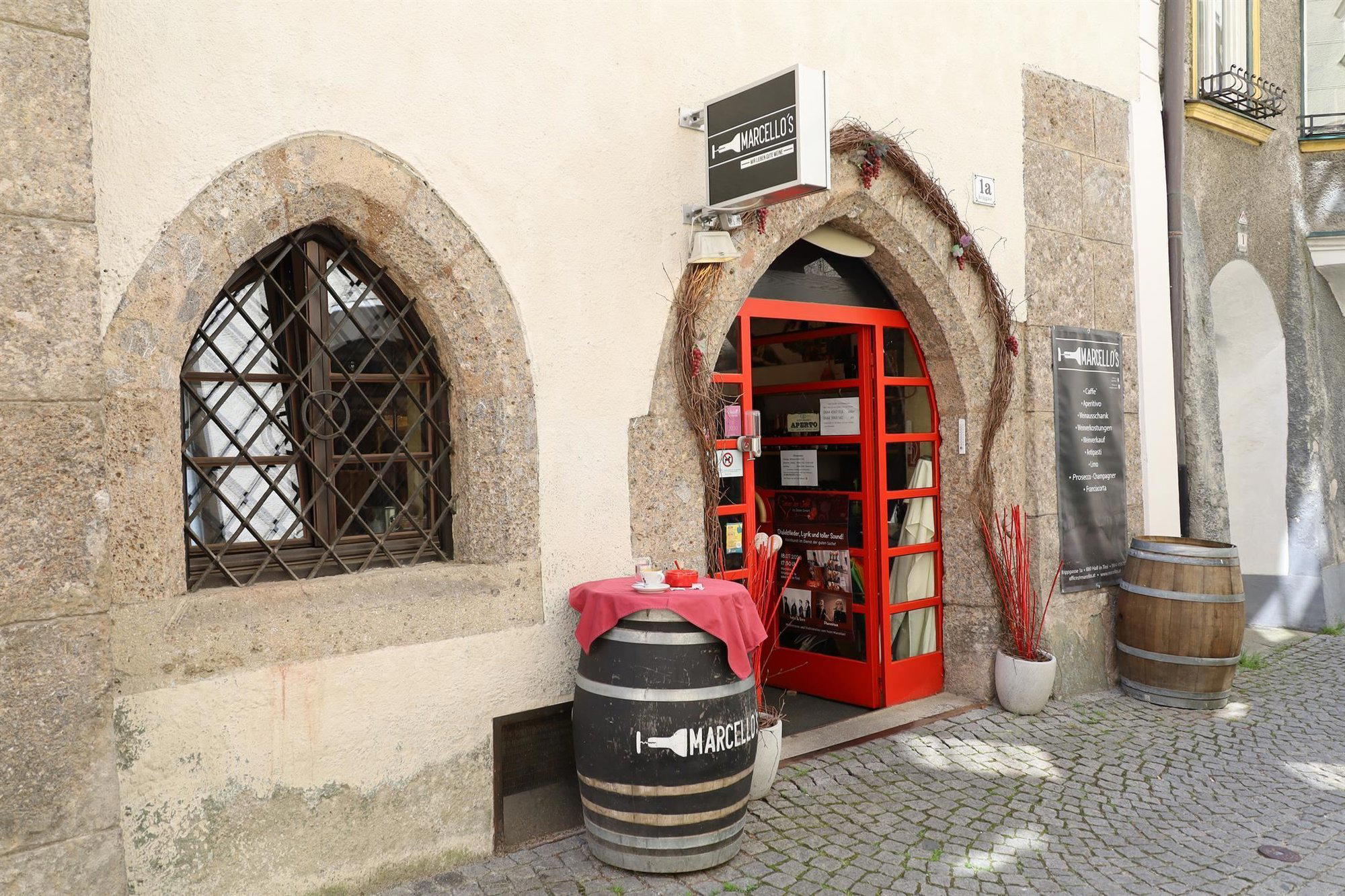
Restaurants in Achenkirch
Browse all →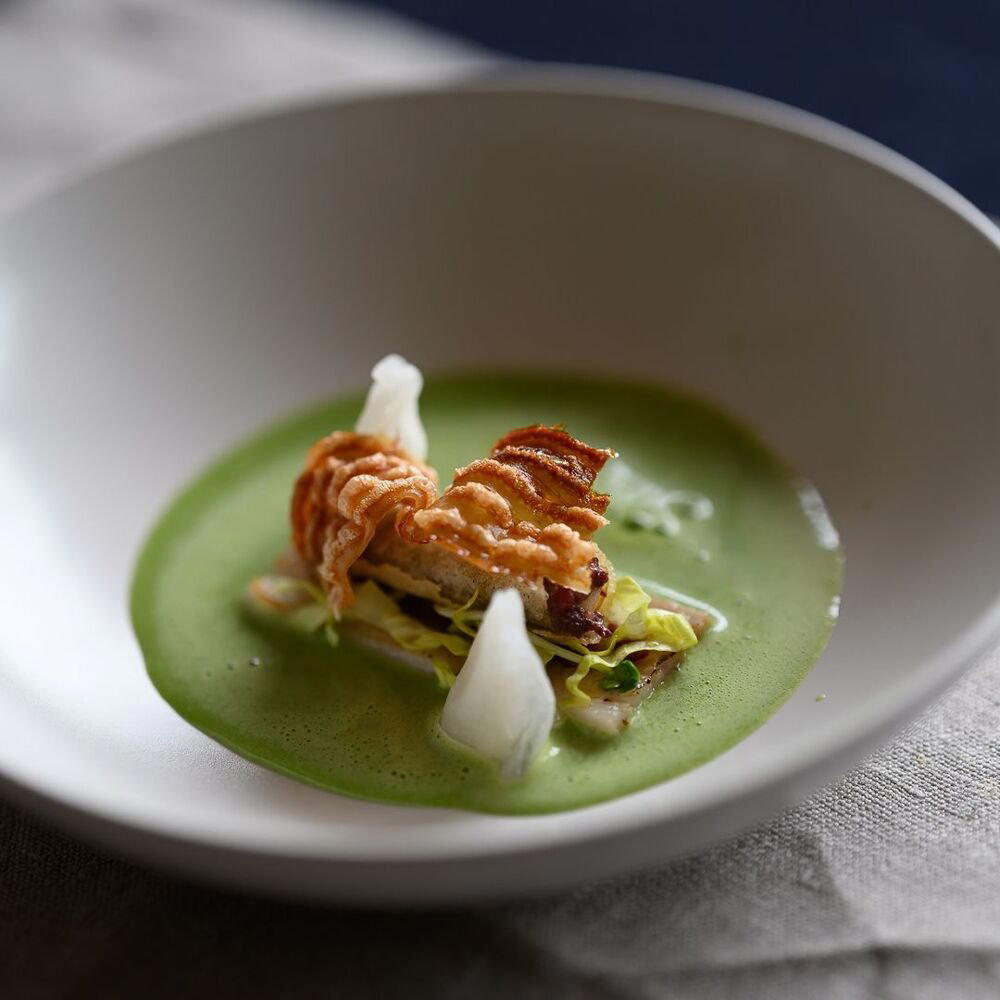
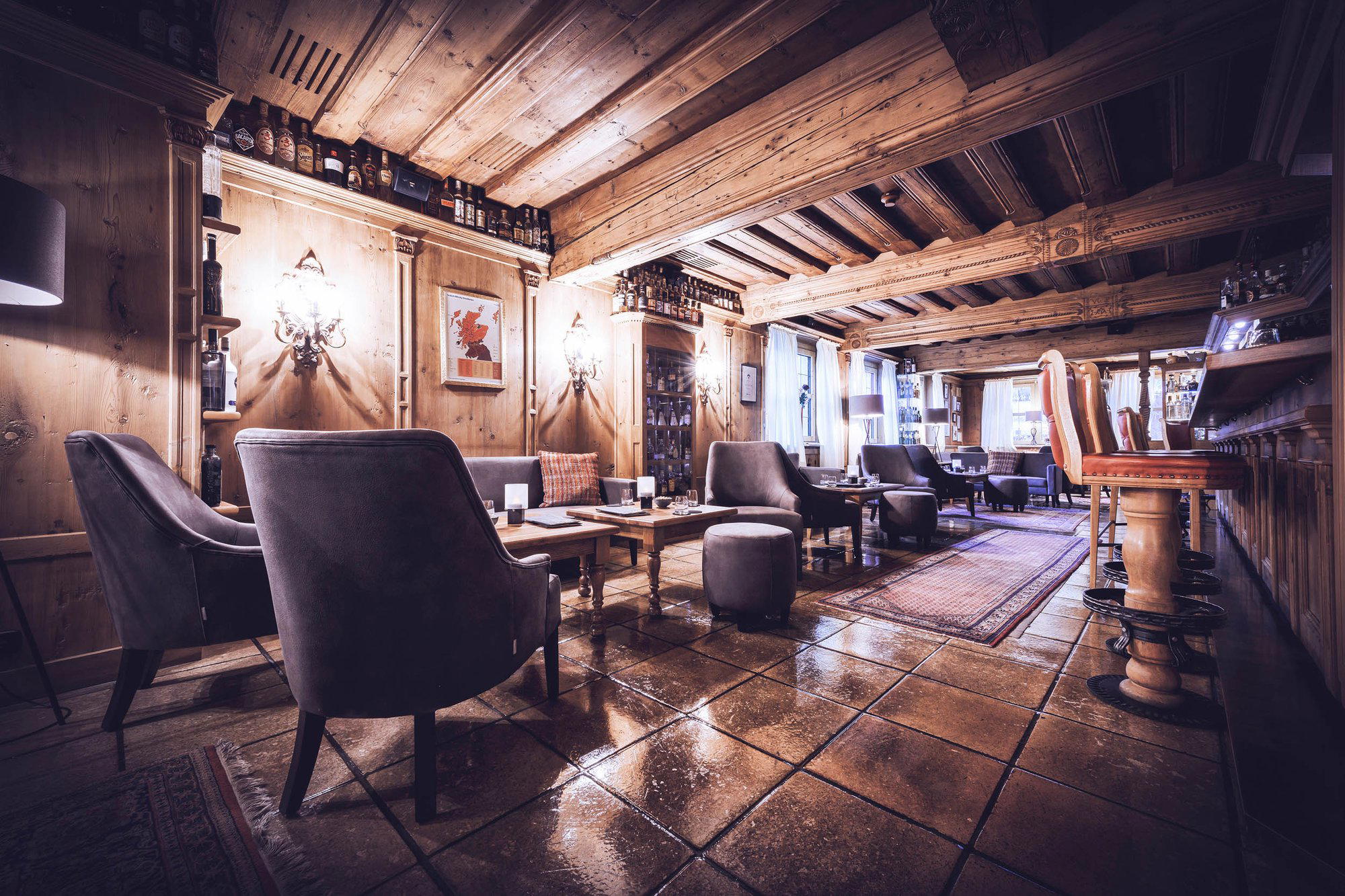
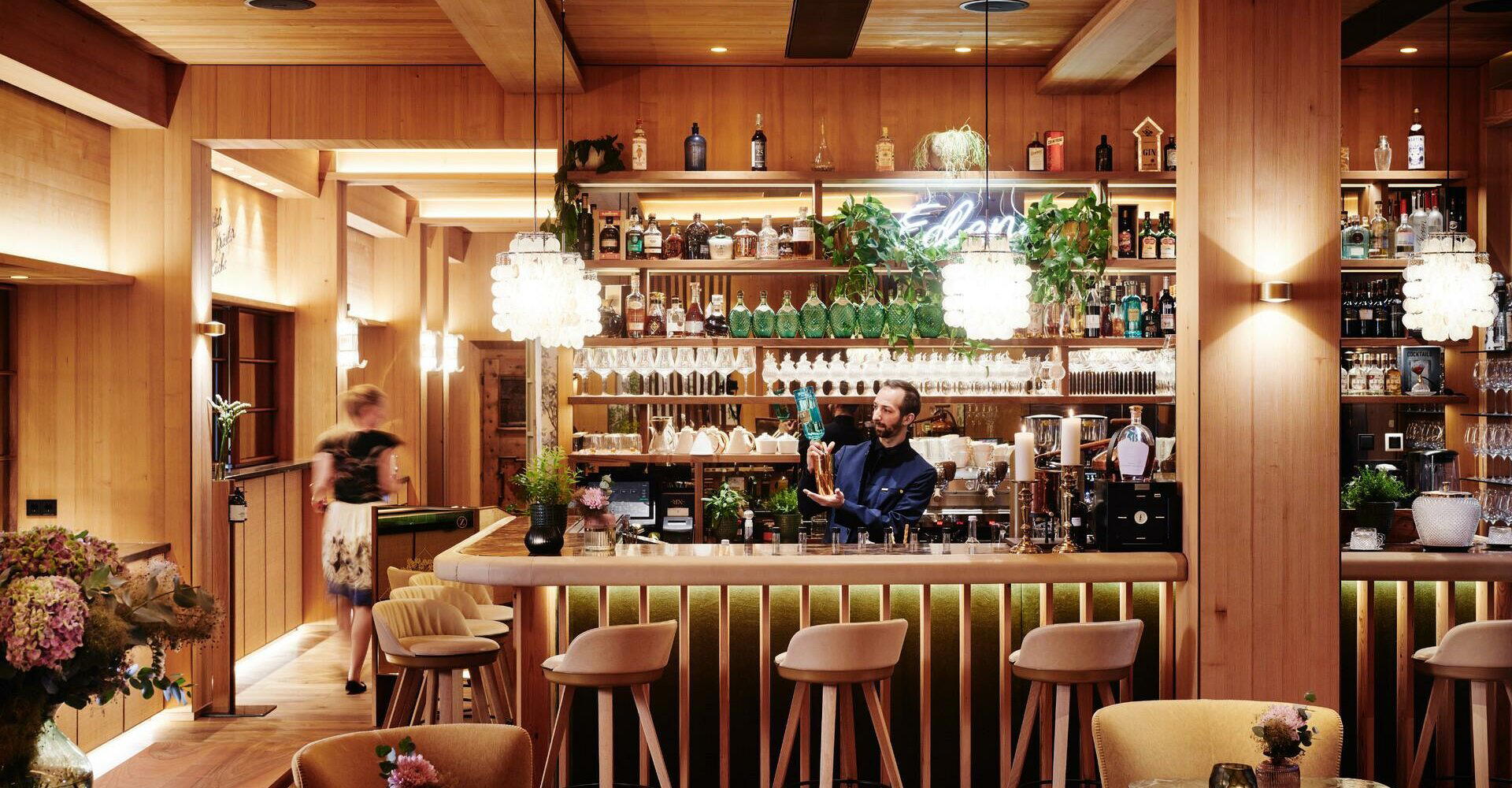
Bars in Achenkirch
Browse all →
Hotels in Achenkirch
Browse all →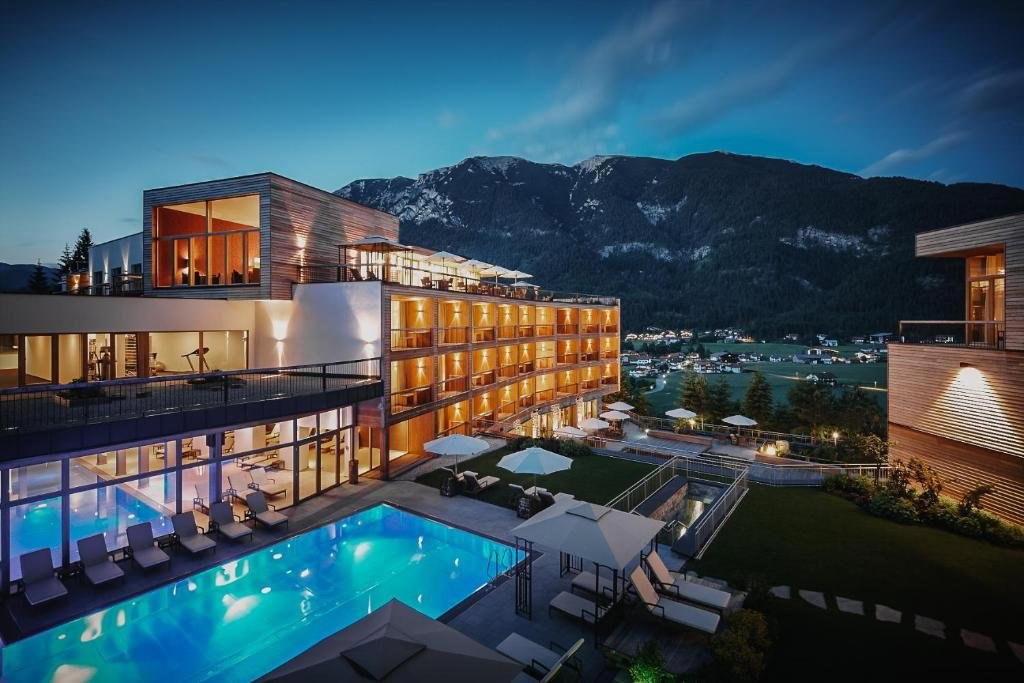

At a Glance
- Cozy
- Elegant
- Rustic
- Scenic
- Special Occasion
- Hotel Restaurant
- Local Sourcing
- Organic
- Mountain
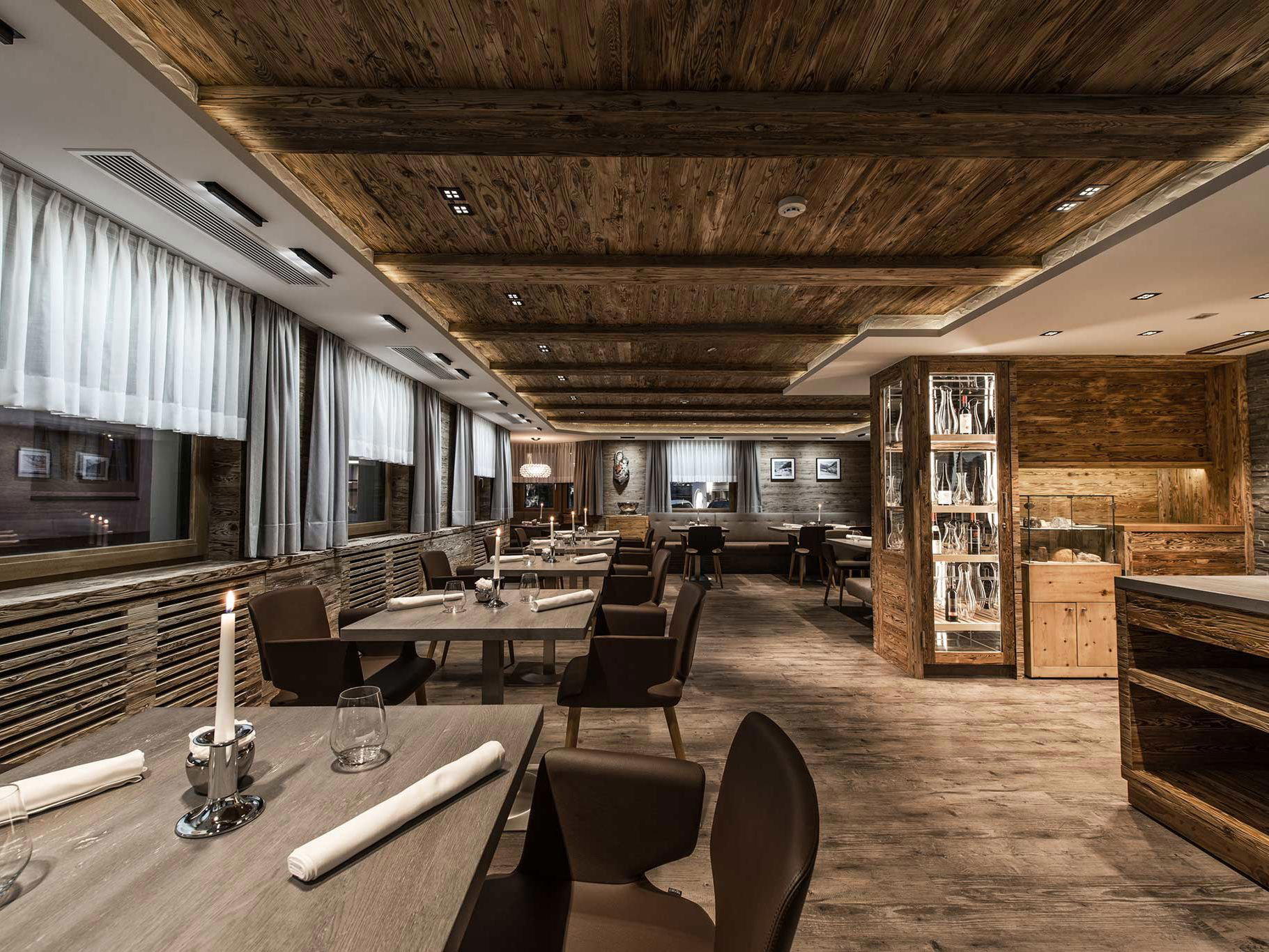
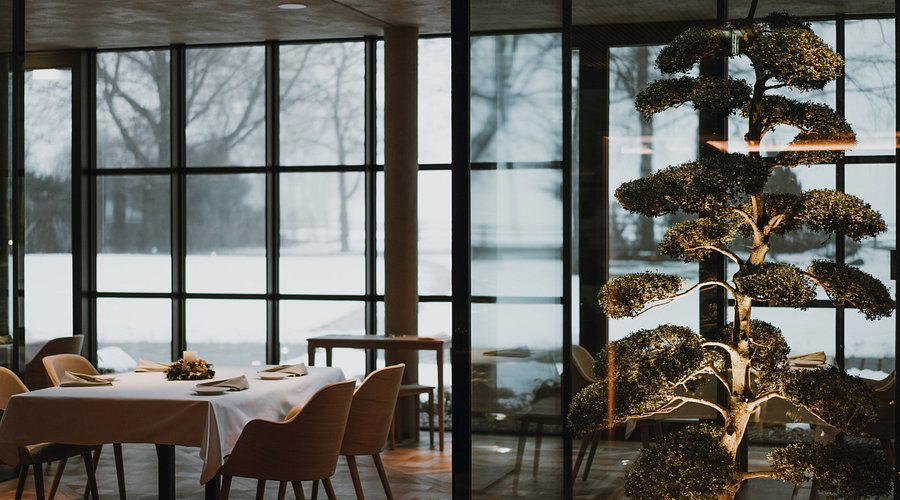
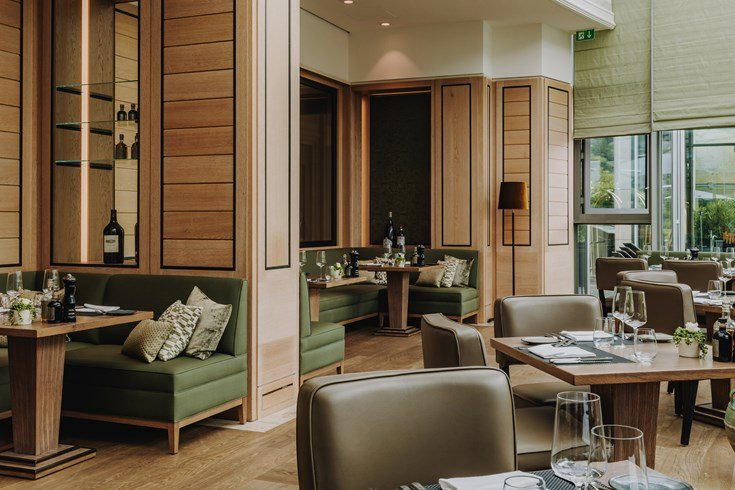
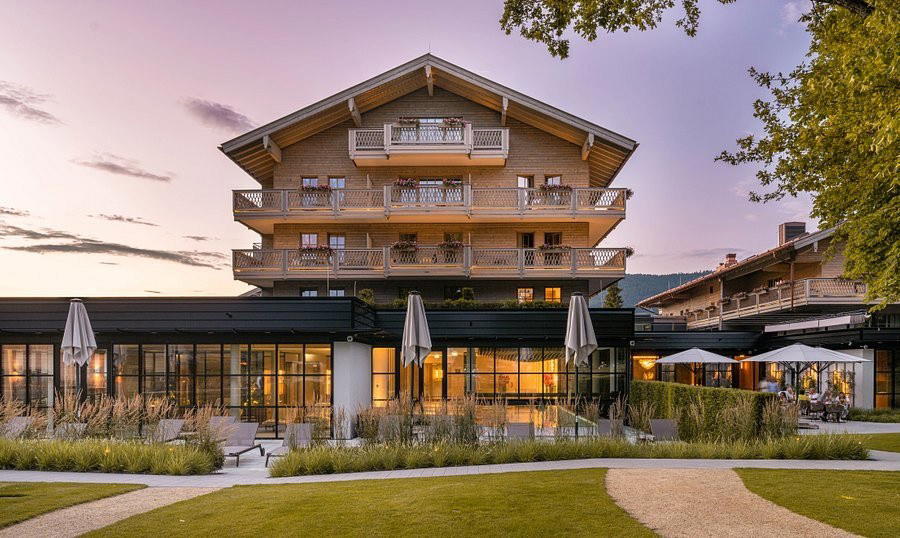
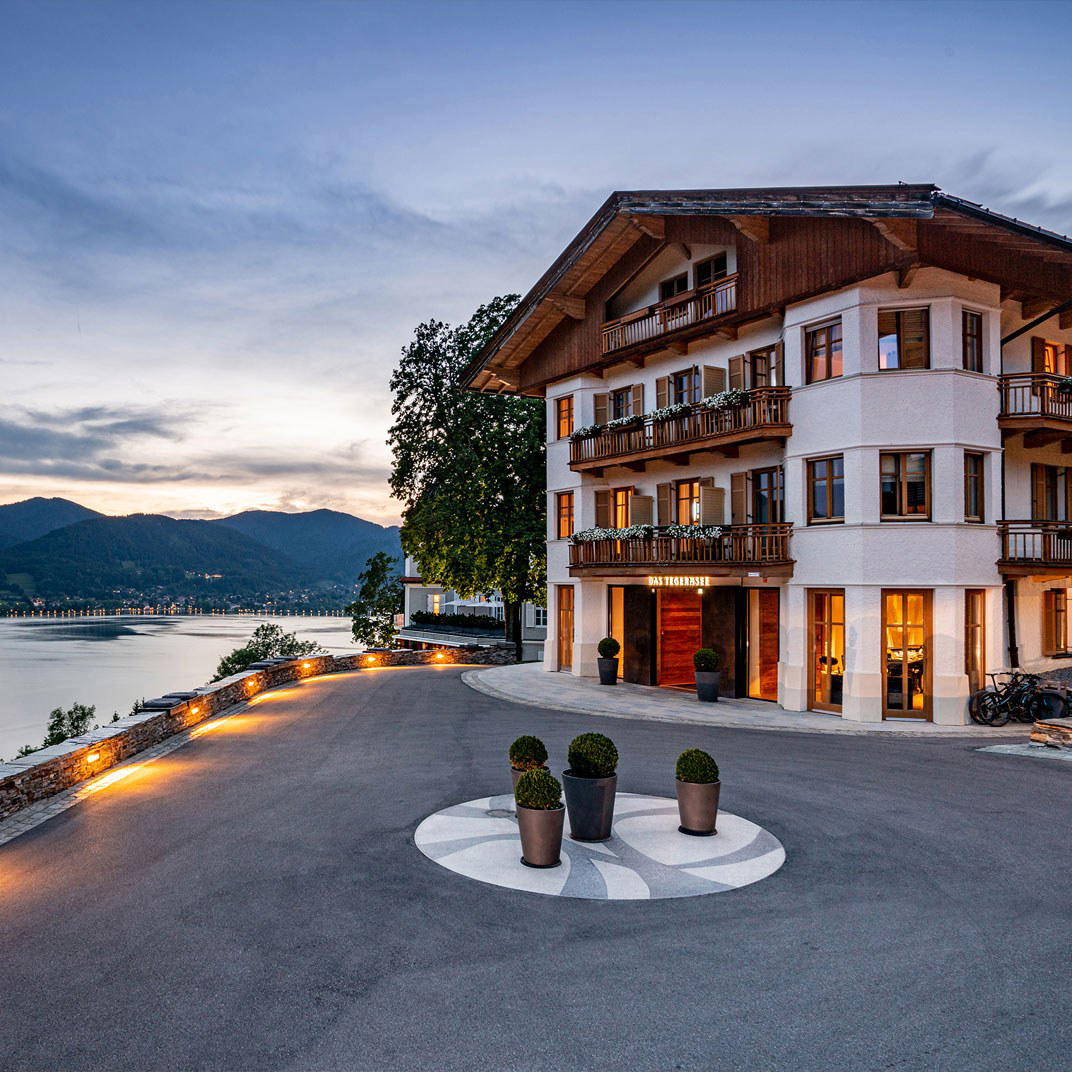
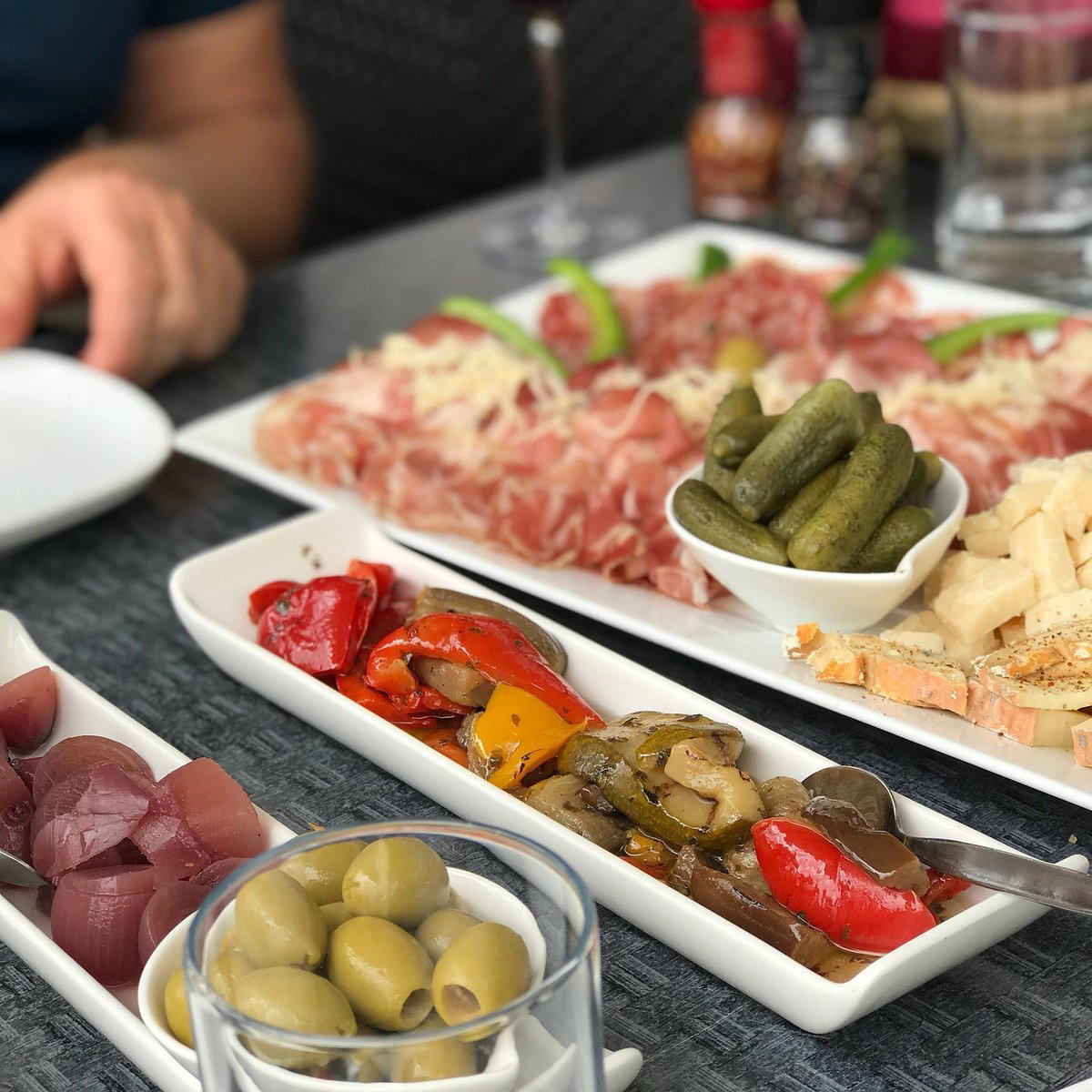
Cozy individually designed dining lounges and parlors with natural wood elements, warm lighting, and mountain views creating a refined alpine atmosphere.