Schloss Mittersill
Schloss Mittersill occupies a medieval castle above the Hohe Tauern valley in the Austrian Alps, placing it within a regional dining tradition that prizes proximity to mountain terrain and seasonal Alpine produce. The castle's setting frames a dining experience rooted in the Salzburger Land sourcing geography, where elevation, grazing pasture, and short supply chains define what reaches the kitchen. For context on the broader Mittersill dining scene, see our full Mittersill restaurants guide.
Pearl is the En Primeur Club membership app — saves, bookings, and concierge access live there. Same editors, same standards.
- Address
- Thalbach 1, 5730 Mittersill, Austria
- Phone
- +43656220200
- Website
- schloss-mittersill.com
- Directions
- Get directions
 Saves & bookings on Pearl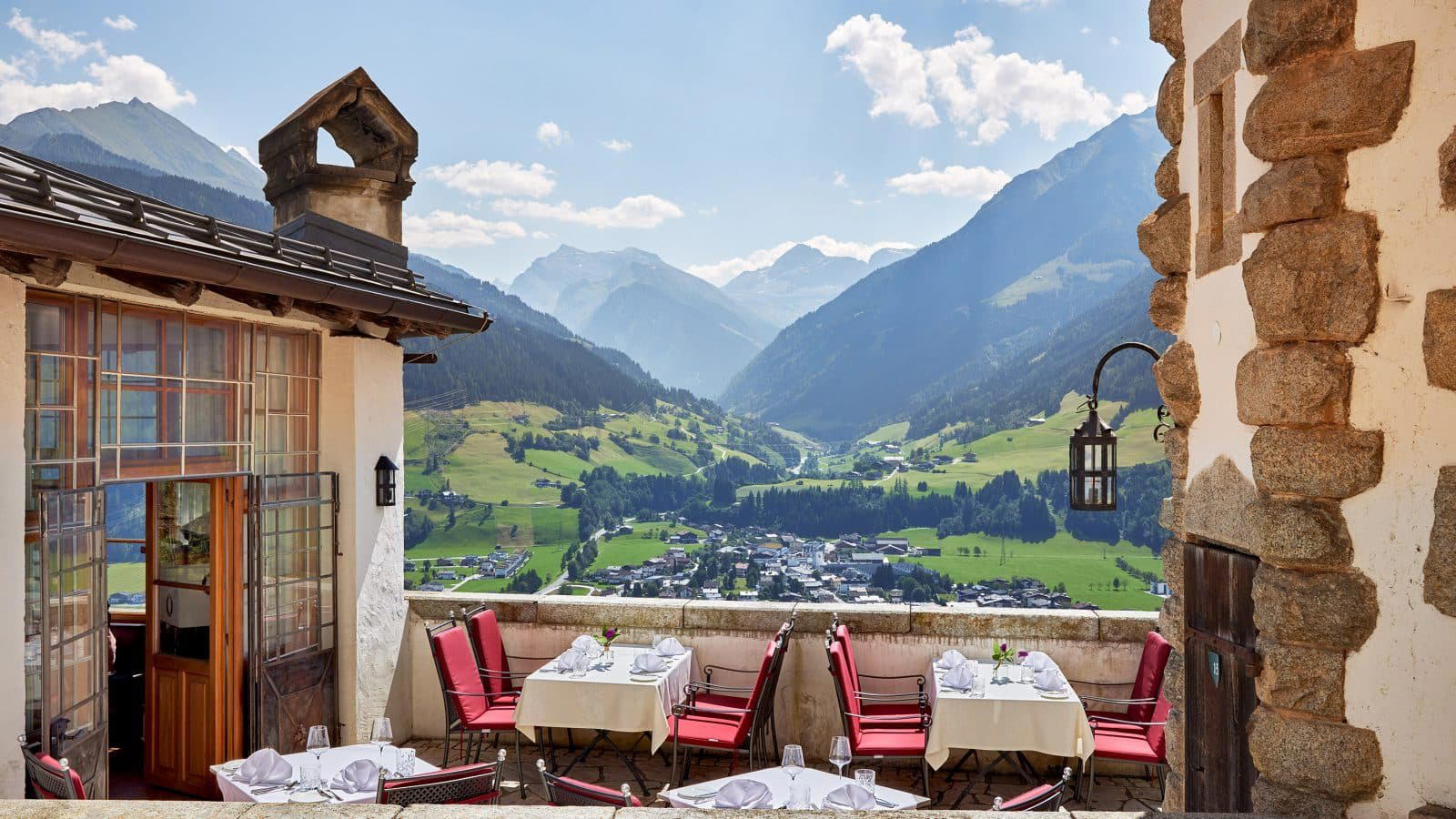
A Castle Table in the Hohe Tauern
Schloss Mittersill is a restaurant in Mittersill, Austria, serving Alpine Austrian Fine Dining at about $80 per person. The castle sits above the market town of Mittersill in the Salzach valley, framed by the ridgelines of the Hohe Tauern national park, Austria's largest protected Alpine territory. This geography is not incidental to the dining proposition. The Hohe Tauern corridor is one of the few places in the Austrian Alps where the altitude, pasture quality, and relative remoteness still shape what local producers can realistically bring to a kitchen. Arriving at a castle in this setting carries the implicit promise that what's on the plate is tied, in some traceable way, to what's outside the window.
That promise matters in Austria's western Alpine dining corridor, where a specific category of castle-hotel and mountain lodge restaurants has emerged as an alternative to the urban fine-dining tier concentrated in Vienna and Salzburg. Properties in this band, from Salzburger Land through Tyrol, position themselves against city counters by leaning hard into sourcing specificity: local dairy, mountain herb foraging, valley-grazed beef, and lake fish drawn from nearby glacial systems.
The Sourcing Geography of the Salzach Valley
What the Hohe Tauern corridor offers a kitchen is unusual even by Austrian standards. The national park's protected status limits industrial agriculture across a substantial radius, which means the farms and dairies operating within reach of Mittersill are working at a smaller, more traditional scale than producers closer to provincial capitals. Grass-fed cattle graze at elevations that affect both the fat composition and the flavour profile of the beef. Alpine dairy, particularly from small-herd operations in side valleys, carries a seasonality that industrial production smooths out entirely. In summer, highland pasture produces milk with a different mineral character than winter stall feeding; a kitchen that tracks this has material to work with.
This sourcing logic is not distinctive to Schloss Mittersill. It runs through the upper tier of the Austrian Alpine dining scene as a consistent argument. Döllerer in Golling an der Salzach has built a reputation on exactly this kind of valley-specific sourcing, articulating Salzburger Land produce through a contemporary Austrian lens. Kräuterreich by Vitus Winkler in Sankt Veit im Pongau takes a herb-forward approach that is inseparable from its mountain foraging geography. Both operate within a few hours of Mittersill and represent the regional standard against which any serious alpine dining proposition is measured.
Castle Dining as a Category
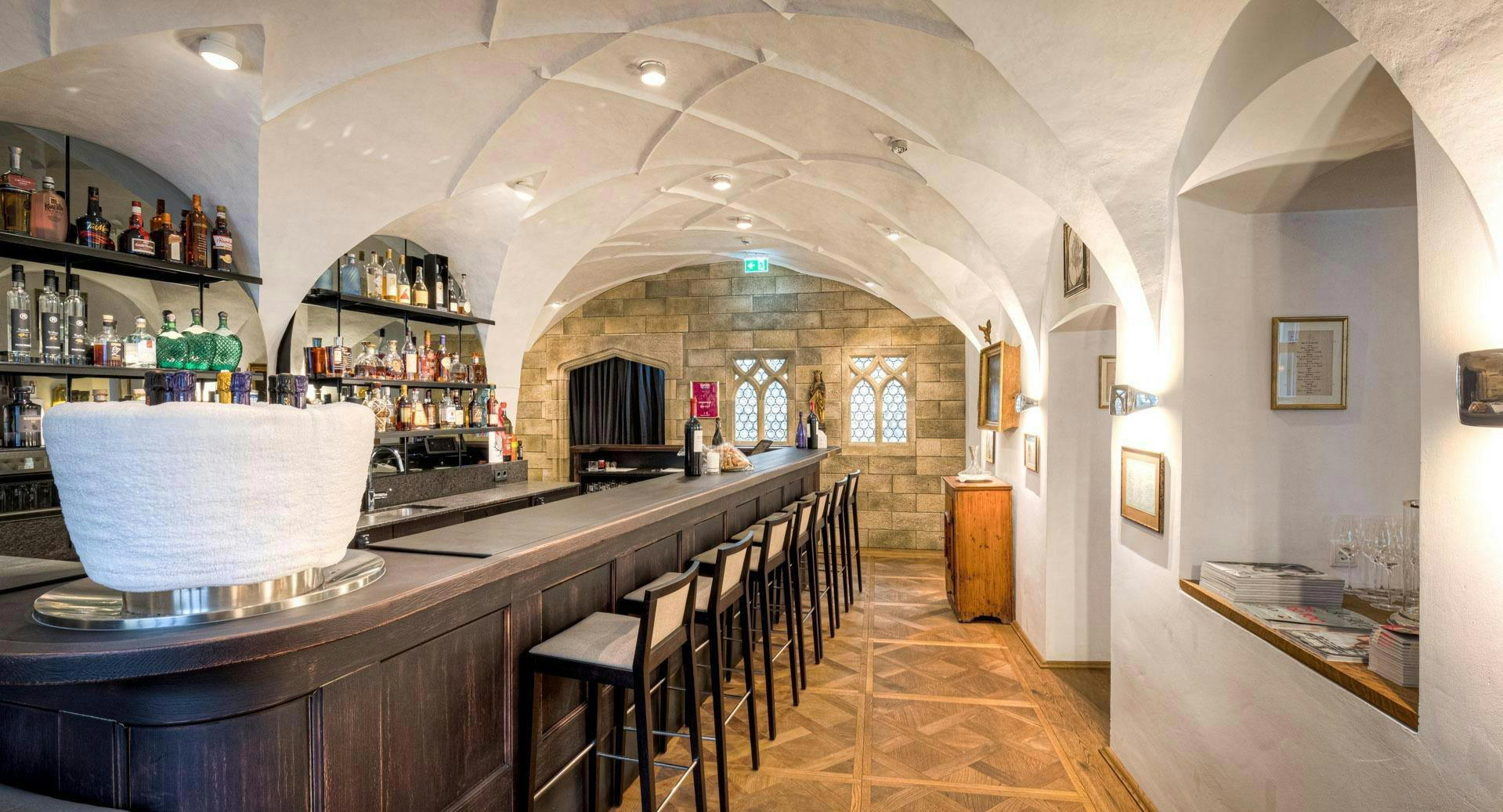
Across Austria and the broader Alpine arc, castle and historic-property dining occupies a distinct niche. The setting generates expectations the kitchen either confirms or disappoints. When the architecture and the food align, when the stone walls and timber-beamed ceilings frame a menu that reflects the surrounding terrain rather than a generic European luxury template, the format works. When the kitchen defaults to international fine-dining conventions that could be transplanted to any urban hotel, the setting becomes a liability rather than an asset, because the gap between promise and delivery is more visible.
The comparable properties that navigate this most effectively tend to be those where the sourcing story is legible on the plate. Gourmetrestaurant Tannenhof in Sankt Anton am Arlberg and Griggeler Stuba in Lech both operate in alpine resort contexts where the physical environment sets a high bar for the food to meet. Further afield, Stüva in Ischgl represents the Tyrolean mountain-dining tier at its most formally accomplished.
The urban Austrian comparison set is anchored by Steirereck im Stadtpark in Vienna, which has long defined the ceiling of Austrian produce-driven cooking, and by Ikarus in Salzburg, which operates a rotating international guest-chef model that places it in a different category. The contrast is useful: Schloss Mittersill's argument, if the kitchen makes it clearly, is one of place-specificity that a rotating format or a city park restaurant cannot replicate.
Planning a Visit
Mittersill sits on the B168, the main road through the Salzach valley, roughly an hour's drive from Salzburg via the Zeller See corridor. The town functions as a practical base for the Hohe Tauern national park, which means visitor numbers track closely with the alpine summer season (July through September) and the ski shoulder periods. For dining at the restaurant, advance contact through the property is the reliable approach; castle-hotel dining rooms at this scale in Austria rarely absorb walk-in demand without prior arrangement, particularly during peak alpine travel weeks.
The broader Salzburger Land dining circuit rewards travellers who build around the region's geography rather than treating each meal as a standalone stop. Obauer in Werfen, roughly 45 minutes north along the same valley system, has held a prominent position in Austrian fine dining for decades and represents the region's most documented benchmark for serious alpine cuisine. Atelier Fischer in Sankt Gilgen adds a Wolfgangsee lakeside dimension to the same regional circuit. Together, these properties frame a Salzburger Land itinerary where the geography is the connective tissue.
For readers drawing comparisons beyond Austria, the sourcing-forward alpine format has international analogues. Le Bernardin in New York City represents the kind of ingredient-first discipline, in that case built around fish provenance, that articulates a sourcing philosophy through technique rather than spectacle. Atomix in New York City shows how a tasting format can make a regional culinary identity legible to an international audience. Both are useful reference points for understanding what it means when a kitchen takes its sourcing argument seriously enough to build an entire format around it.
Other properties worth holding alongside the restaurant when building an Austrian dining itinerary: Taubenkobel in Schützen am Gebirge in the Burgenland, which works a different terroir but with comparable produce commitment; Landhaus Bacher in Mautern an der Donau, one of Austria's most sustained examples of classic regional cooking; Schwarzer Adler in Hall in Tirol; Ois in Neufelden; Restaurant 141 by Joachim Jaud in Mieming; and Artis in Graz, which represents the Styrian urban dining tier.
Comparable Spots, Quickly
Comparable venues nearby, for context on price, style, and recognition.
| Venue | Cuisine | Price | Notes |
|---|---|---|---|
| Schloss MittersillThis venue — the venue you are viewing | Alpine Austrian Fine Dining | $$$$ | Not listed |
| Salzburgerstube | Modern Austrian Fine Dining | $$$$ | Zell am See |
| ESSBAR Pertisau | Modern Tyrolean Grill with International Influences | $$$$ | Pertisau |
| Kaiserhof | Award-Winning Austrian Gourmet | $$$$ | Ellmau |
| jCUISINE | Fine Alpine-Tyrolean Hotel Restaurant | $$$$ | Neustift im Stubaital |
| Römerhof Stüberl | Traditional Austrian & Tyrolean restaurant | $$$ | .null |
Continue exploring
More in Mittersill
Restaurants in Mittersill
Browse all →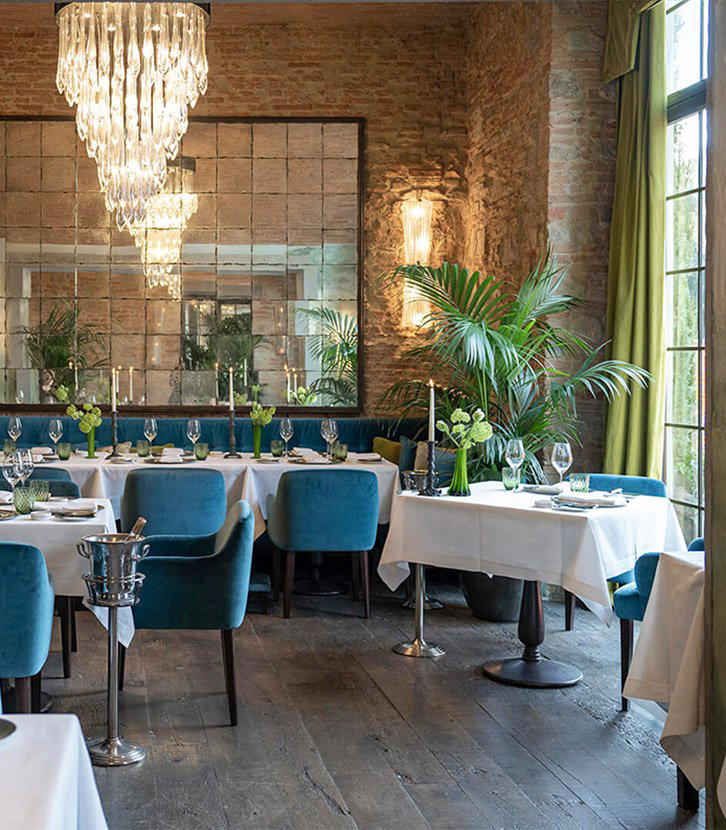
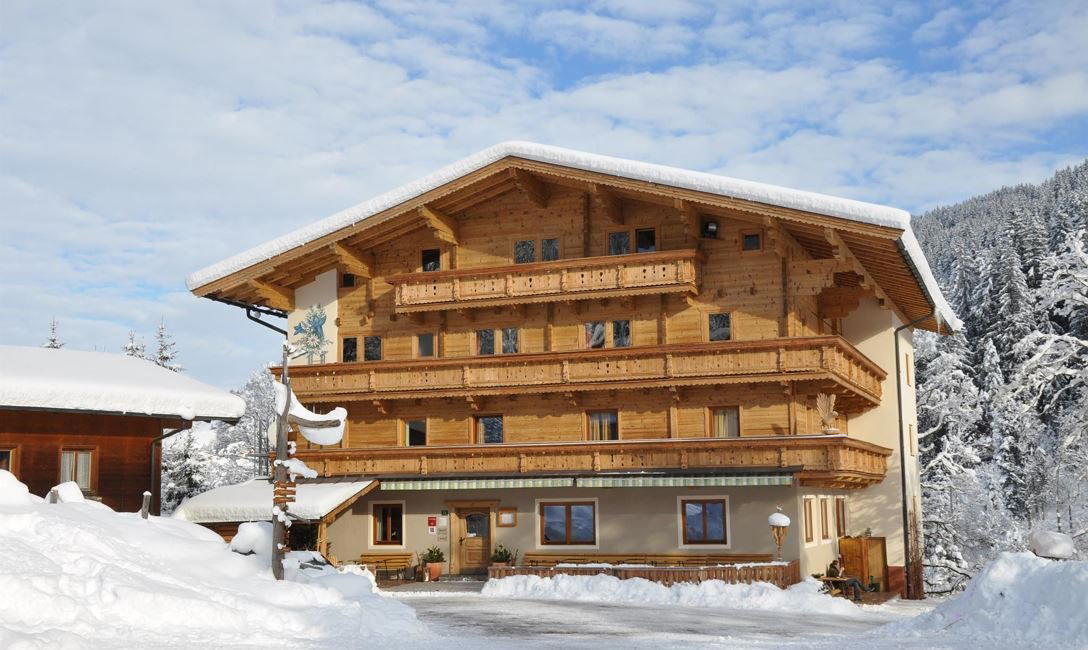
Bars in Mittersill
Browse all →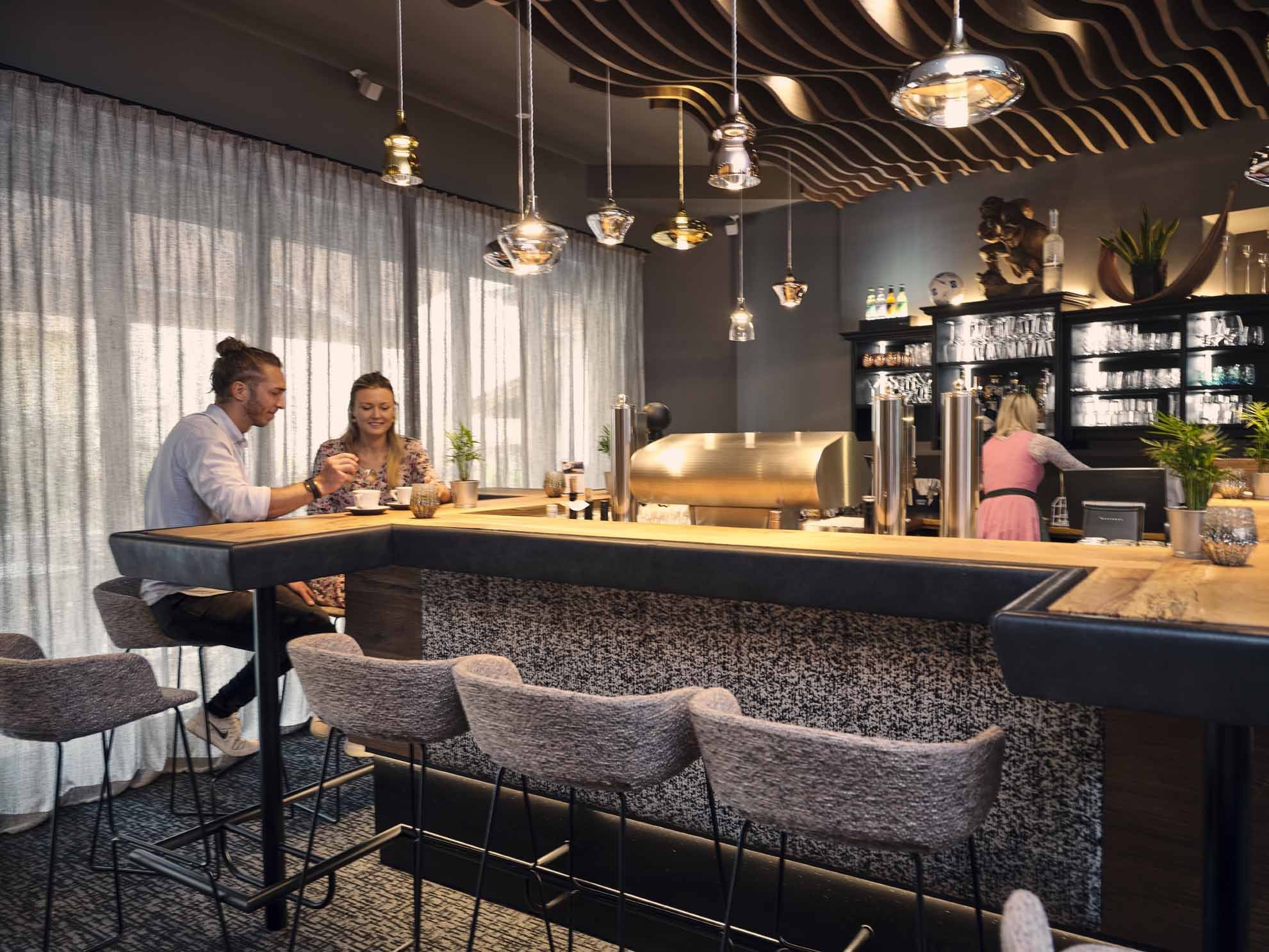
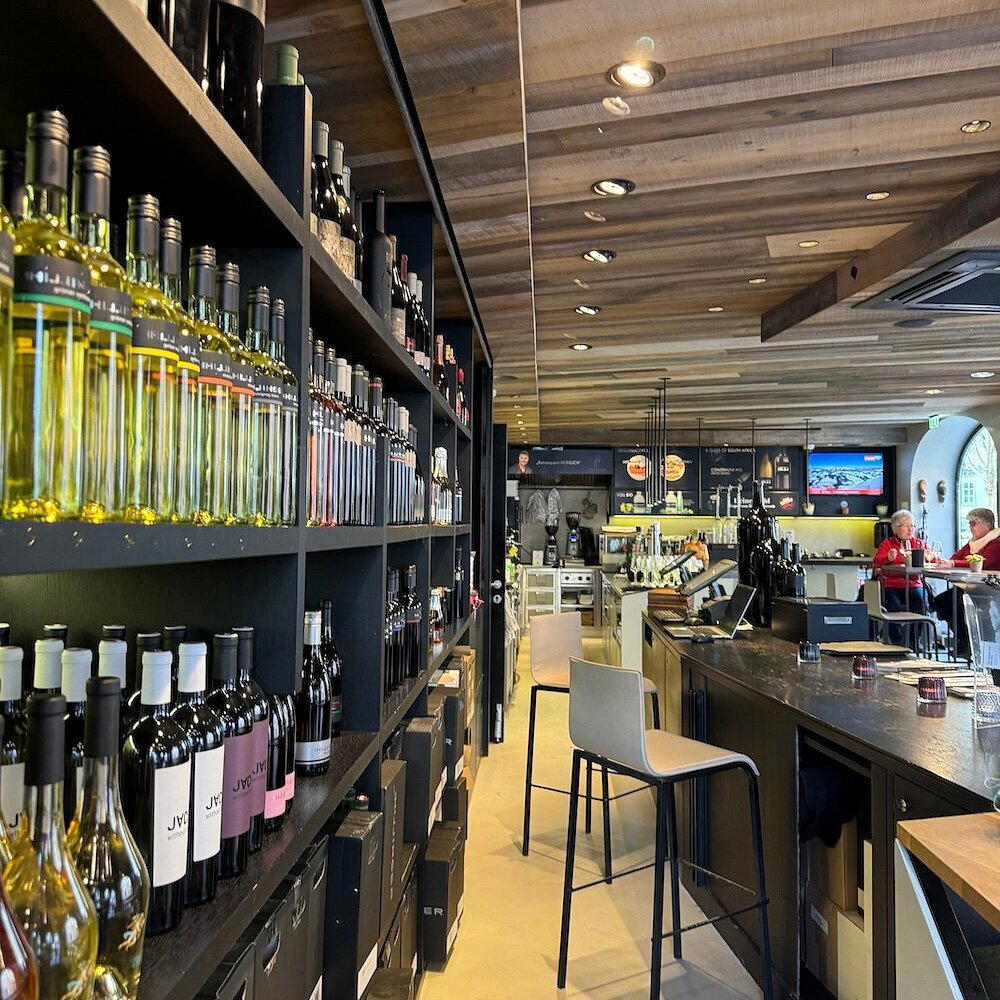

At a Glance
- Elegant
- Historic
- Cozy
- Scenic
- Sophisticated
- Special Occasion
- Celebration
- Historic Building
- Terrace
- Panoramic View
- Private Dining
- Hotel Restaurant
- Extensive Wine List
- Farm To Table
- Local Sourcing
- Mountain
- Garden
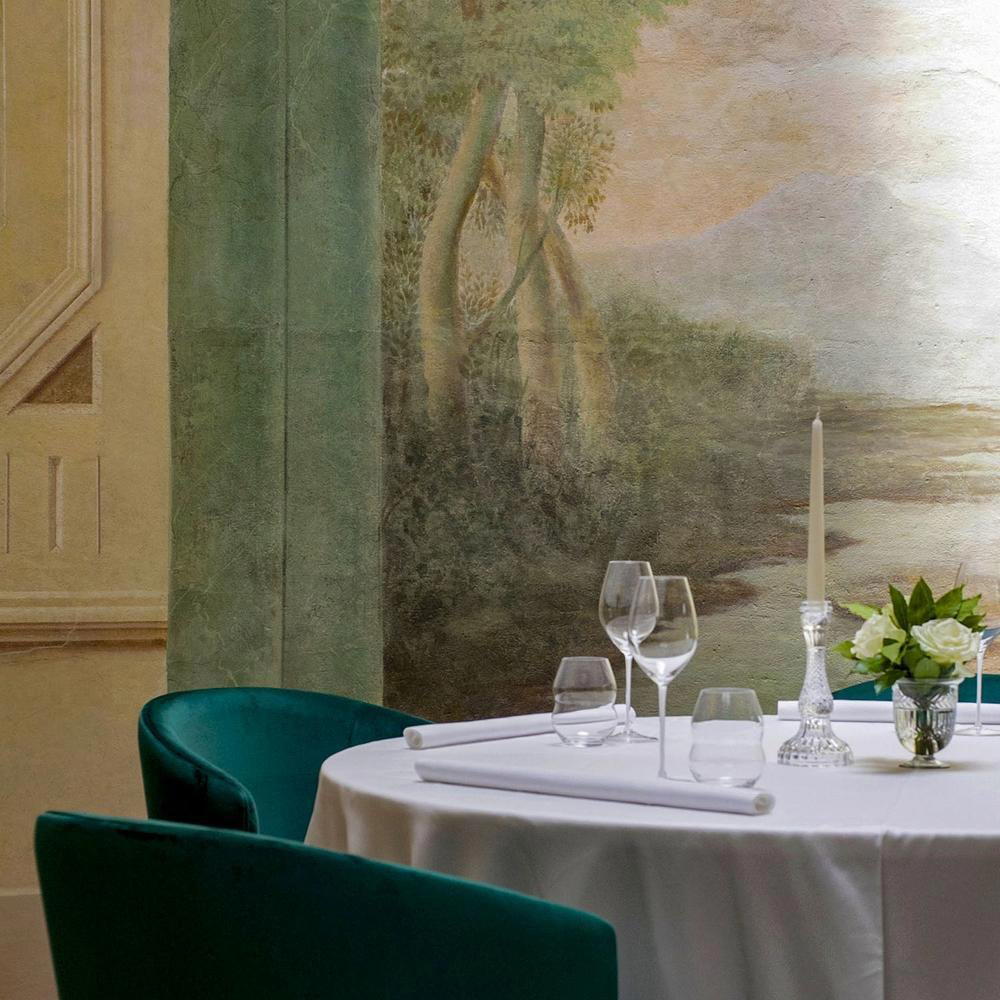
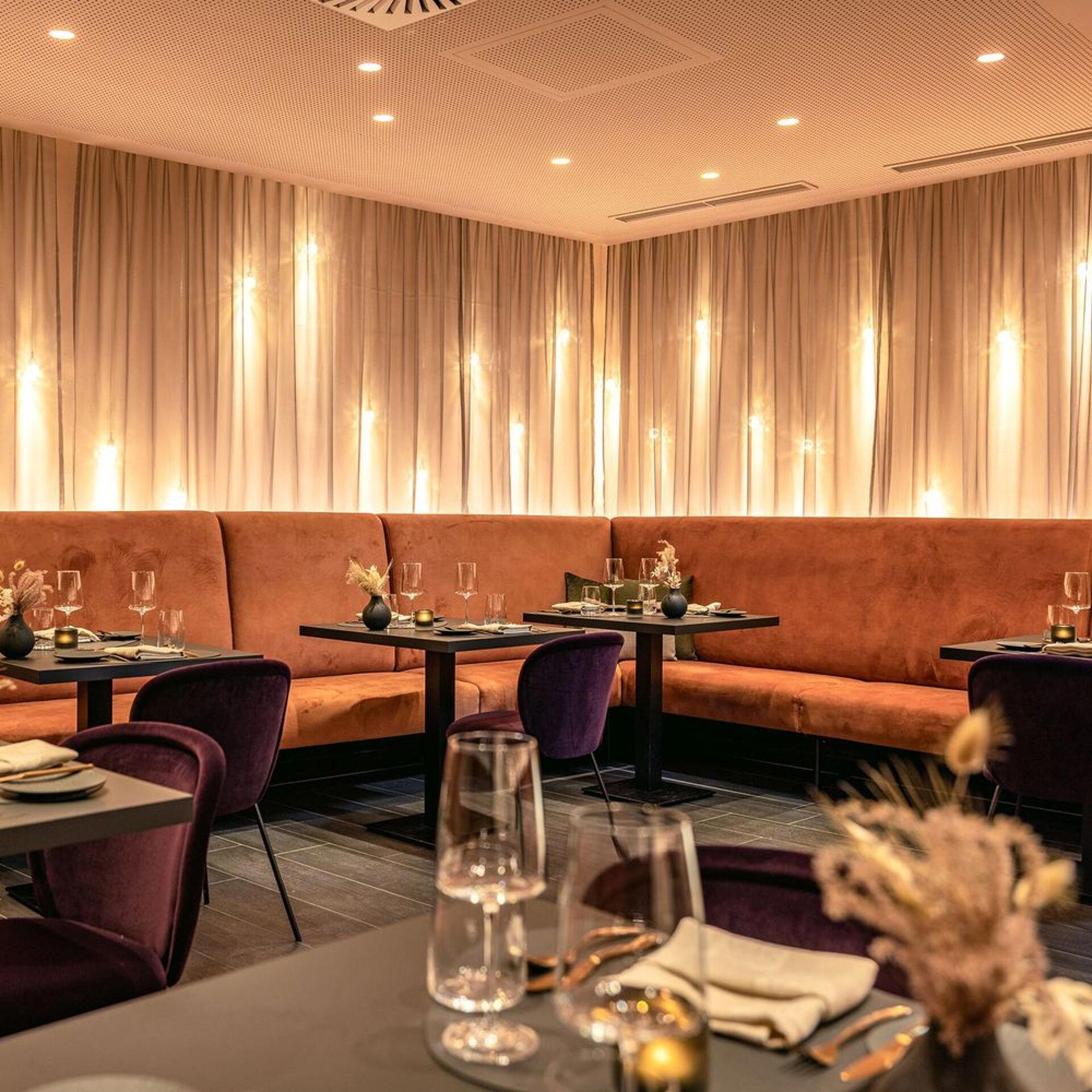
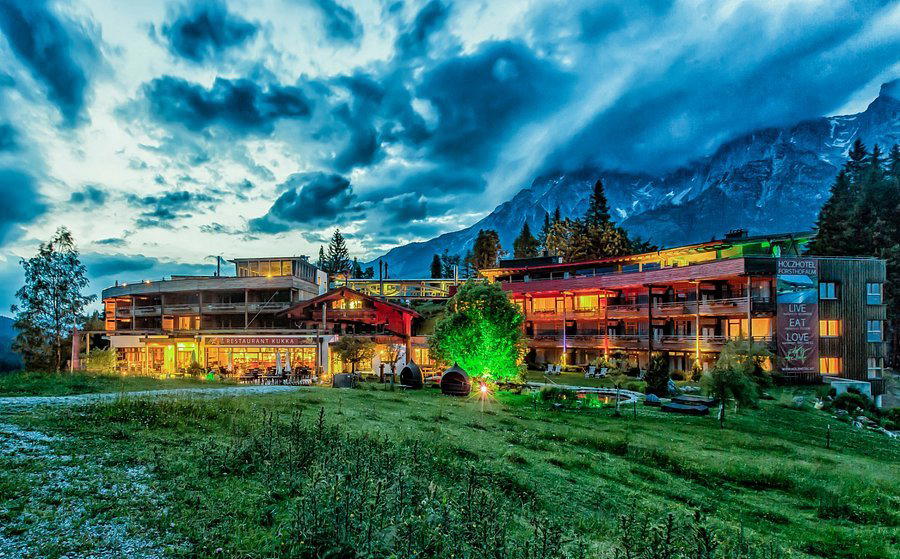
Cozy historic dining rooms like Gothic Room and Fireplace Room with elegant castle ambiance and fantastic mountain vistas from the Panorama Terrace.