
Post serves Tyrolean Alpine cuisine at Das Hotel Post, with Frittatensuppe, Beef Goulash with Bread Dumplings, and Wiener Schnitzel on a standard-paced menu.
Pearl is the En Primeur Club membership app — saves, bookings, and concierge access live there. Same editors, same standards.
- Address
- Speckbacherstraße 1, 6380 St. Johann in Tirol, Austria
- Phone
- +435352636430
- Website
- dashotelpost.at
- Directions
- Get directions
 Saves & bookings on Pearl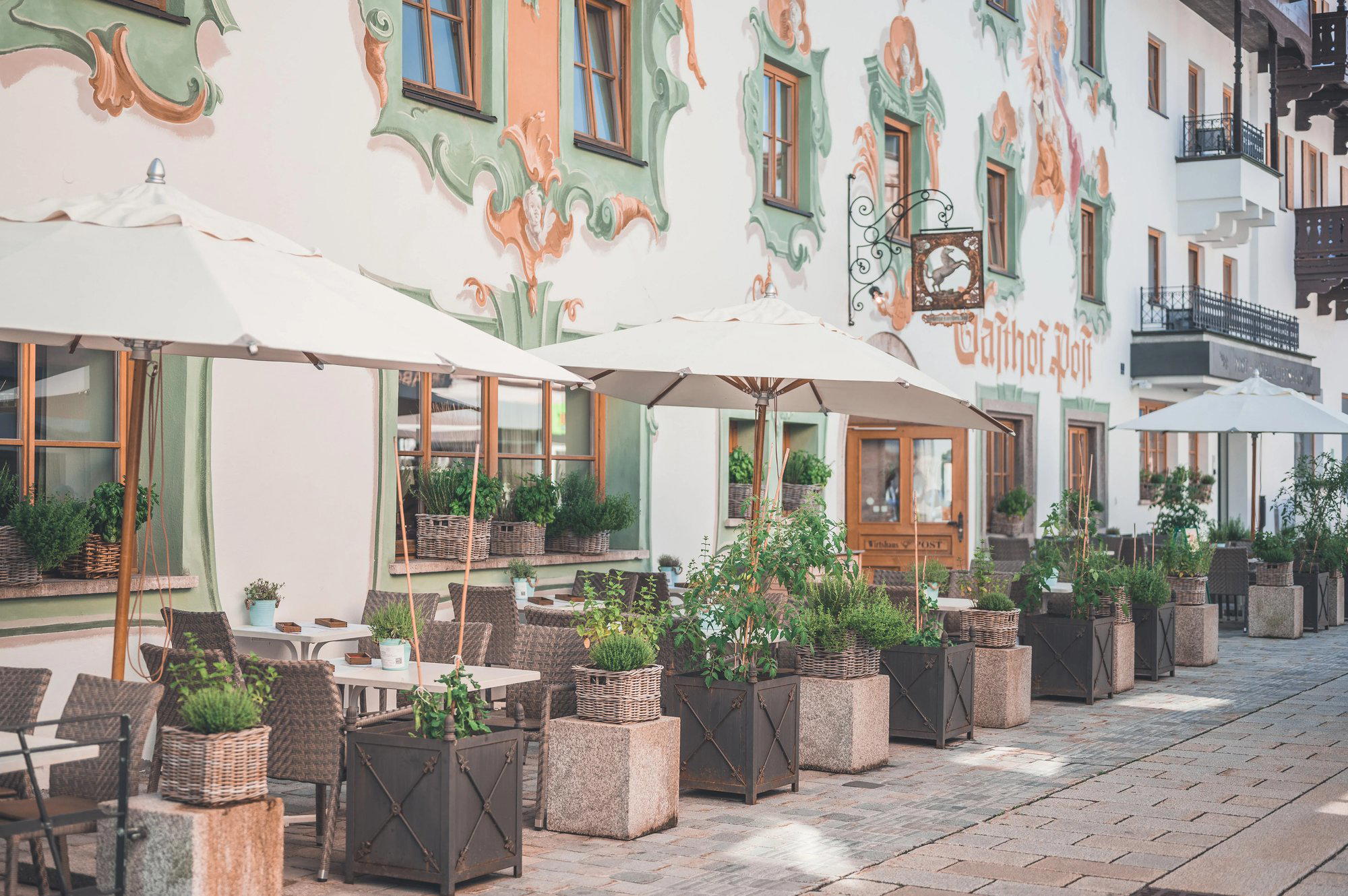
Where the Inn Valley Sets the Table
St. Johann in Tirol occupies a particular position in the Austrian Alps: large enough to draw year-round visitors chasing the Kitzbüheler Horn's ski runs and summer hiking trails, small enough that its restaurant culture remains rooted in the rhythms of the valley rather than international resort programming. Speckbacherstraße, the address of Post, runs through the heart of the old market town, a street where the built fabric still reads as working Tyrolean rather than curated alpine aesthetic. Arriving here, you encounter a dining tradition rooted in the town’s Tyrolean inn culture.
In that context, the Gasthof-and-Wirtshaus model that defines places like Post matters. This tier of Austrian alpine hospitality sits between the hotel dining room and the destination-restaurant format found at properties such as Gourmetrestaurant Tannenhof in Sankt Anton am Arlberg or Griggeler Stuba in Lech. It is a format built on regulars, on local supply relationships, and on the expectation that the kitchen knows what grows nearby and what the season currently allows.
Sourcing as Structure: The Tyrolean Kitchen's Underlying Logic
The ingredient sourcing traditions of the Inn Valley are worth understanding before you sit down anywhere in St. Johann. Tirol's agricultural identity is shaped by altitude: the valley floor supports dairy farming that produces the butter, cream, and aged cheeses central to regional cooking, while higher pastures yield the herbs and wild plants that have historically stretched a kitchen's range without requiring import. This is not a food culture that arrived at local sourcing as a trend. It arrived there because, for most of its history, there was no alternative.
What this means in practice is that the markers of quality in a kitchen like this are different from what you would use to evaluate, say, Steirereck im Stadtpark in Vienna or Ikarus in Salzburg. In those rooms, sourcing is a stated philosophy backed by named producers on the menu. Here, the relationship between kitchen and supplier is typically older, less narrated, and expressed through the consistency of dishes rather than through a provenance card. Tyrolean Speck, for instance, is not a garnish or a gesture toward regionalism at this level of dining: it is a structural ingredient, cured according to processes that the surrounding farms have maintained across generations.
The dairy component of Inn Valley cooking deserves its own attention. Kasnocken, the cheese dumpling preparation that appears across Tyrolean menus, is only as good as the aged mountain cheese that goes into it. In the valley around St. Johann, proximity to the Kitzbühel Alps means access to the kind of Almkäse produced in high-altitude summer dairies, a product that carries a flavour intensity commercial cheese operations cannot replicate. Kitchens that source well at this level are kitchens where the geographic advantage of the location translates directly into the bowl. This is the standard against which Post, as a Speckbacherstraße address in the town centre, should be measured.
For a wider lens on how Austrian kitchens have built rigorous sourcing programs into destination-level cooking, Döllerer in Golling an der Salzach and Obauer in Werfen represent the end of that spectrum, where supply chains are documented and produce provenance is part of the restaurant's editorial identity. Kräuterreich by Vitus Winkler in Sankt Veit im Pongau takes the herb-sourcing dimension further still. Post operates at a different register, but the underlying logic of valley-to-table is the same.
The Town's Dining Context
St. Johann sits roughly equidistant between Kitzbühel and the Salzburg border, which gives it a slightly different visitor profile than either: less exclusive than Kitzbühel's resort circuit, less urban than Salzburg's year-round cultural draw. The dining options in town reflect this balance. The standard for regional cooking in a well-run Gasthof is generally high, sustained by local custom that operates independently of tourist seasons. Bassgeiger-Alm represents the mountain-hut format on the town's periphery; Post occupies the town-centre Gasthof position, a category with its own set of expectations and its own particular relationship to the surrounding agricultural economy.
Readers planning a broader sweep through Austria's serious dining rooms should know that the alpine southwest and the Danube regions represent distinct culinary traditions. Landhaus Bacher in Mautern an der Donau and Taubenkobel in Schützen am Gebirge operate in wine country with entirely different terroir relationships than a high-Alpine kitchen. Schwarzer Adler in Hall in Tirol provides the closest regional peer reference within Tirol itself.
For readers whose reference points are international destination restaurants, it is worth noting that the sourcing rigour of a well-run Tyrolean kitchen produces results that are structurally comparable to what drives the acclaim at places like Le Bernardin in New York City or Atomix in New York City: ingredient quality as the foundation, technique in service of that quality rather than in competition with it. The price point and the format differ, but the underlying logic of letting sourcing lead does not. Ois in Neufelden, Restaurant 141 by Joachim Jaud in Mieming, and Artis in Graz each represent other points in the Austrian spectrum where that sourcing logic is expressed at varying levels of formality. Stüva in Ischgl offers a useful contrast at the premium alpine resort end.
Planning Your Visit
Post sits at Speckbacherstraße 1, in the pedestrian-accessible core of St. Johann in Tirol, reachable from the main train station on foot in under ten minutes. St. Johann has direct rail connections to Innsbruck and Salzburg, which makes it viable as a day-trip destination for visitors based in either city, though the town rewards an overnight stay that puts you at the table in the evening rather than racing a return connection. Winter arrivals planning around ski access should note that St. Johann's slopes operate independently of the Kitzbühel SkiWelt pass, so the town functions as a self-contained base rather than an overflow option.
In Context: Similar Options
Comparable venues nearby, for context on price, style, and recognition.
| Venue | Cuisine | Price | Notes |
|---|---|---|---|
| PostThis venue — the venue you are viewing | Tyrolean Alpine Cuisine | $$ | Not listed |
| Bassgeiger-Alm | Traditional Austrian Alpine | $$ | St Johann In Tirol |
| Frankalm | Traditional Austrian Alpine Cuisine | $$ | Brixen im Thale |
| Huberalm | Traditional Austrian Alpine | $$ | Kirchdorf in Tirol |
| Burgeralm | Tyrolean Alpine Burgers & Cheese | $$ | Rettenschöss |
| Fliegerstube | Traditional Austrian | $$ | Langkampfen |
Recognition history
Dated appearances from independent guides and award organizations, with the underlying list record or original source where available.
Michelin Plate
Michelin
Continue exploring
More in St. Johann in Tirol
Restaurants in St. Johann in Tirol
Browse all →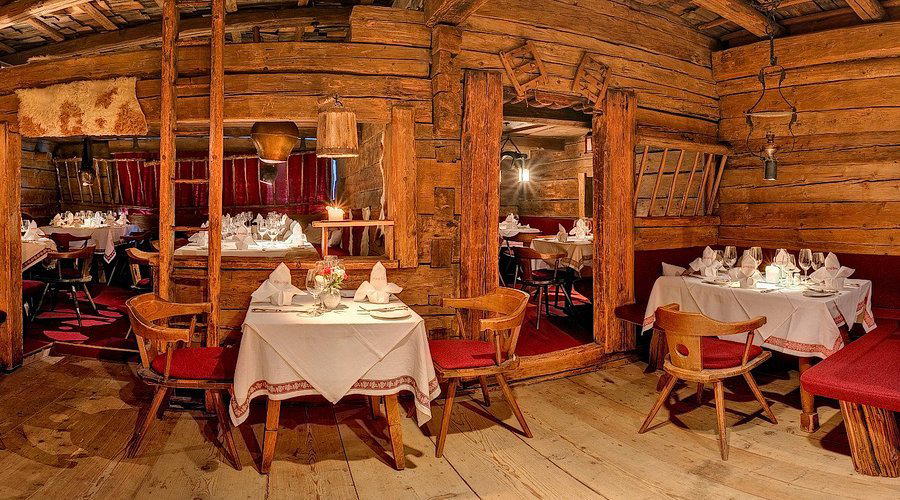
Bars in St. Johann in Tirol
Browse all →
At a Glance
- Classic
- Cozy
- Rustic
- Casual Hangout
- Family
- Group Dining
- Business Dinner
- Hotel Restaurant
- Historic Building
- Beer Program
- Local Sourcing
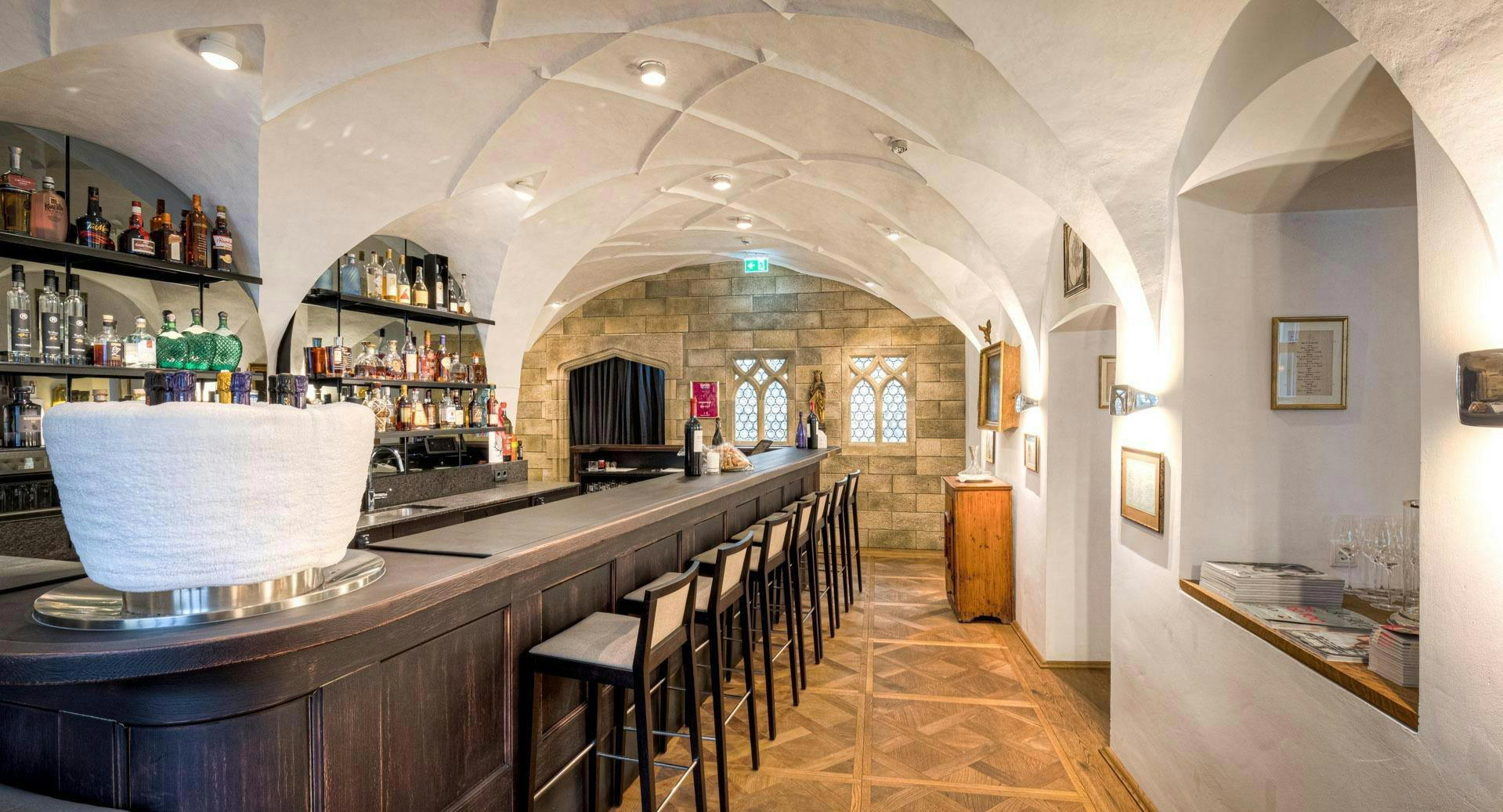
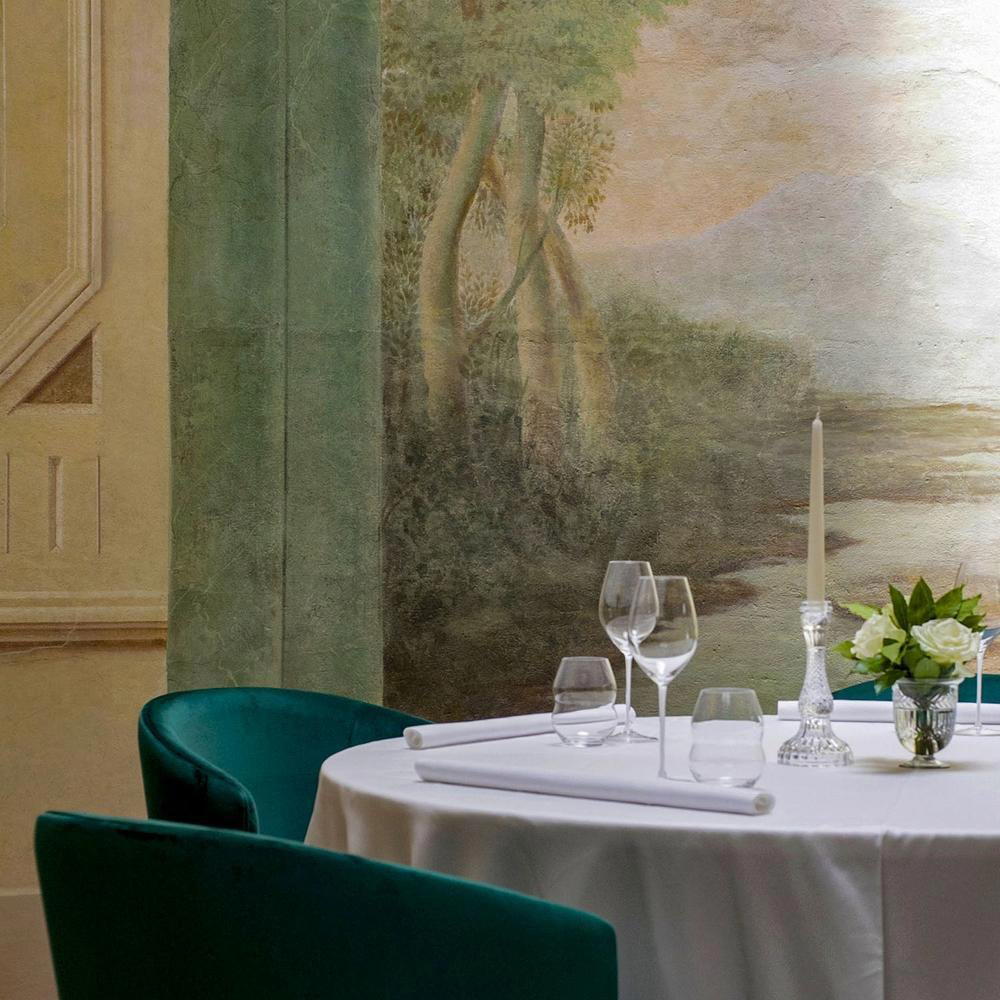
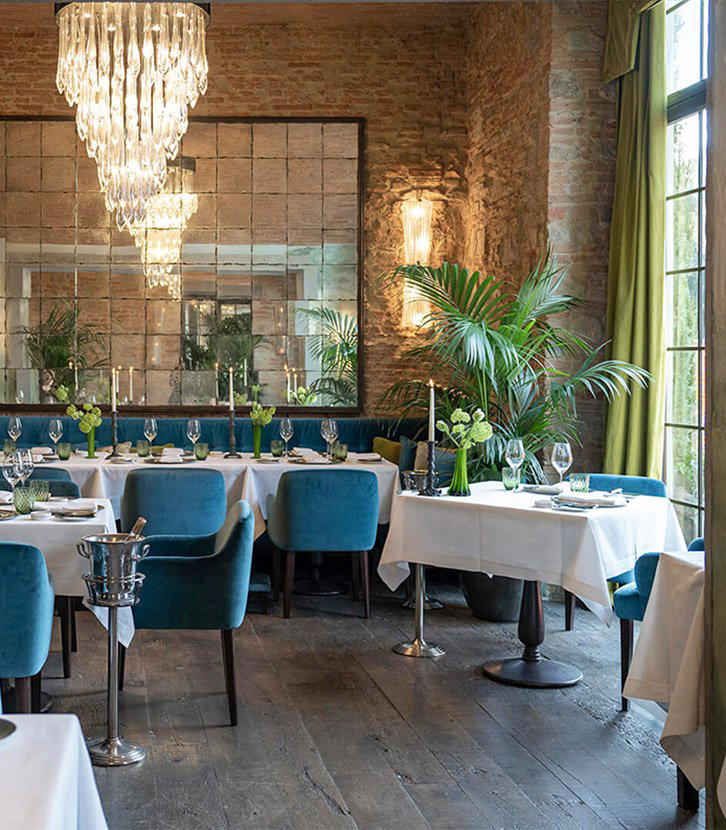
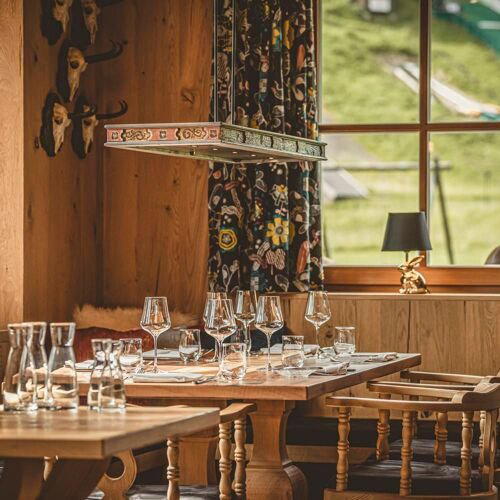
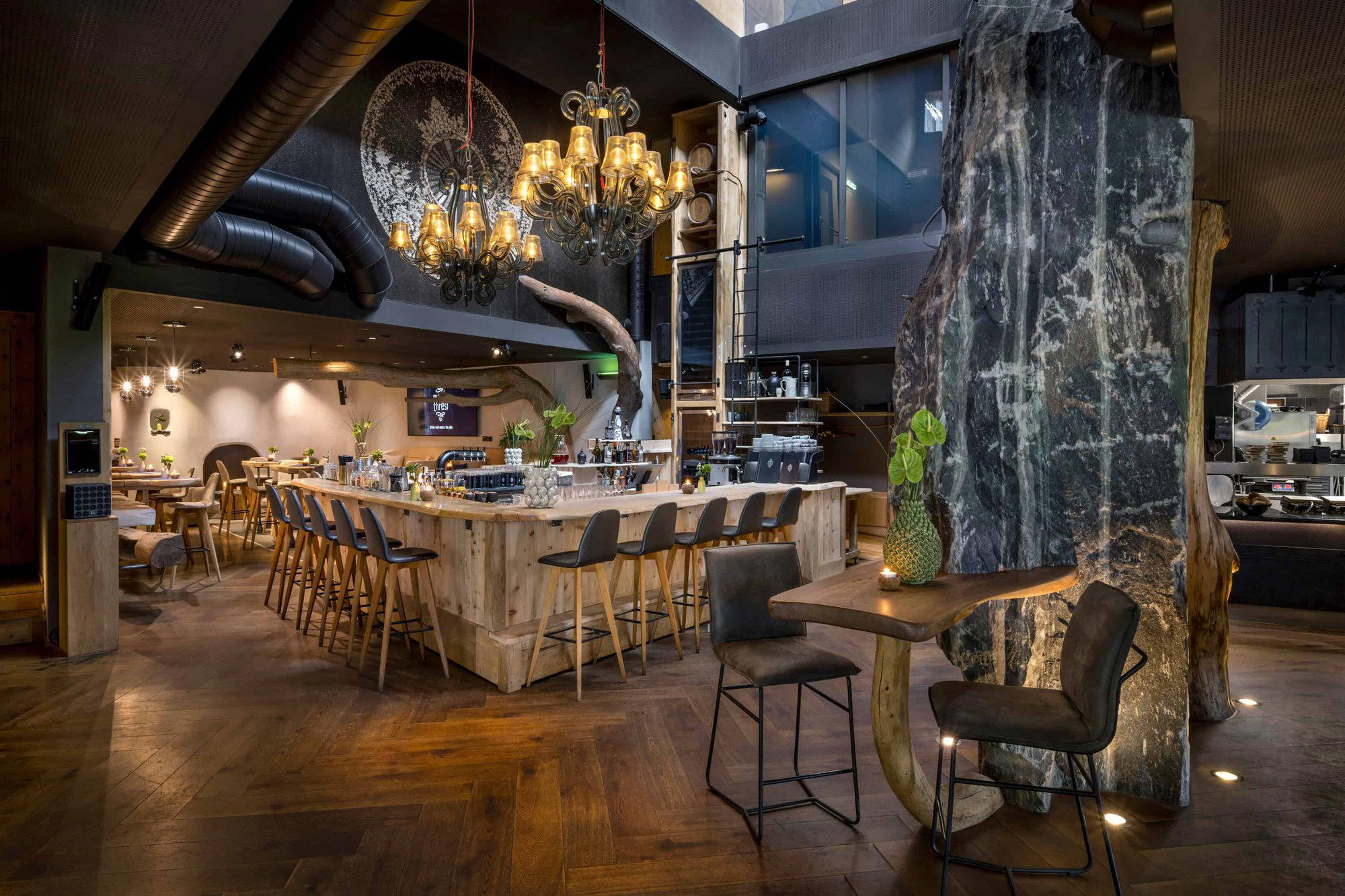
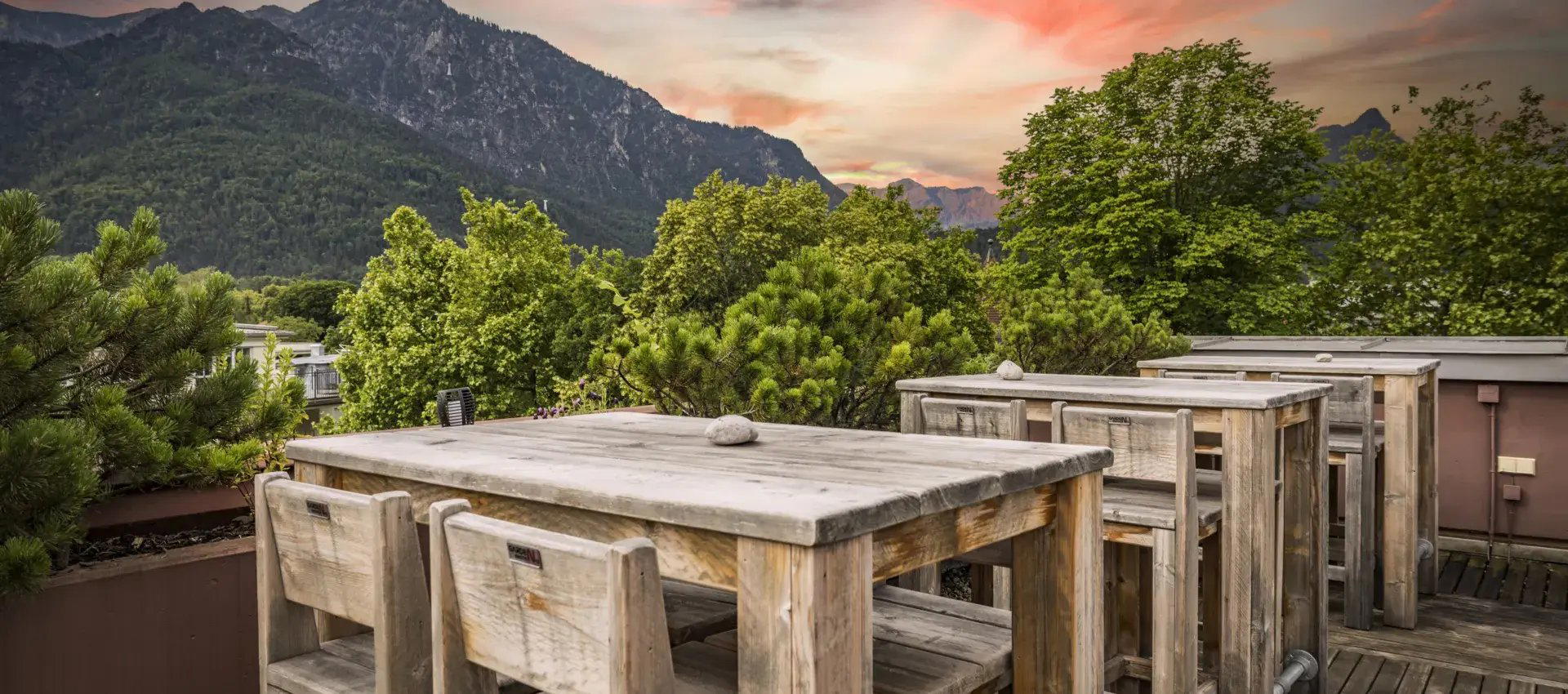
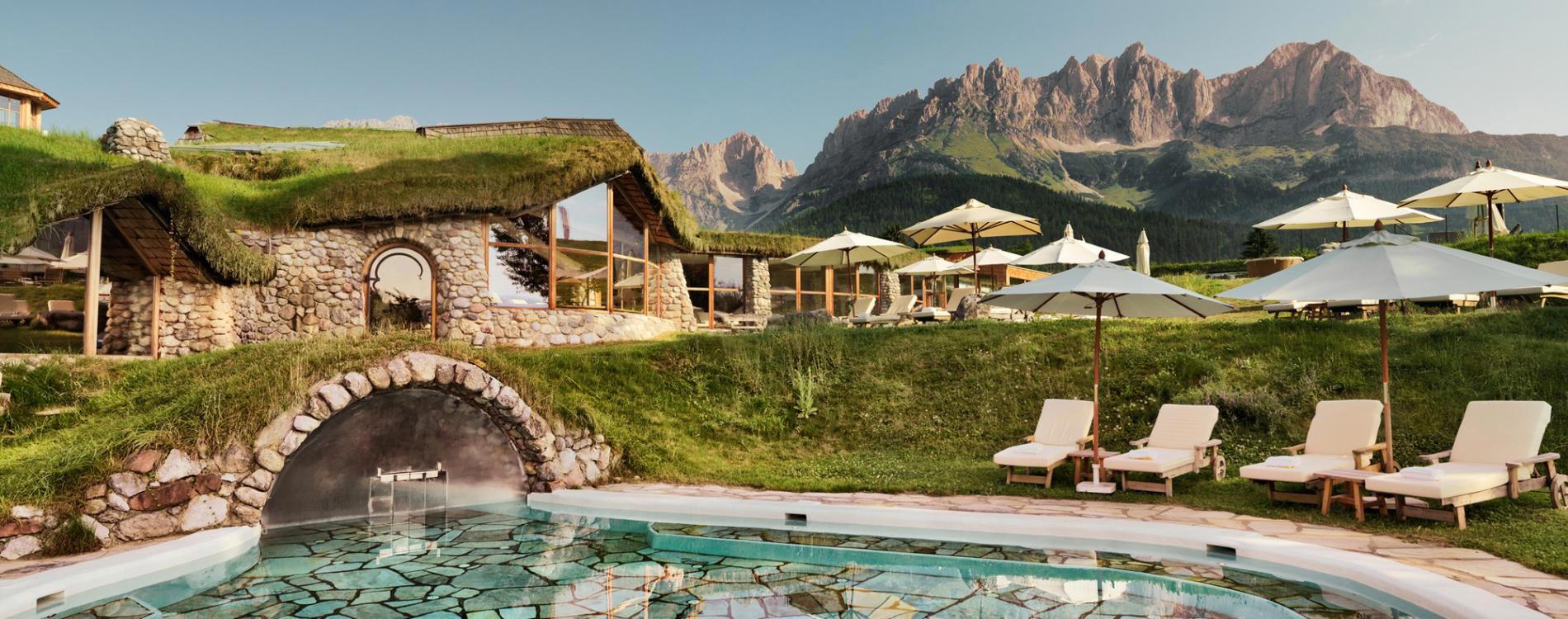
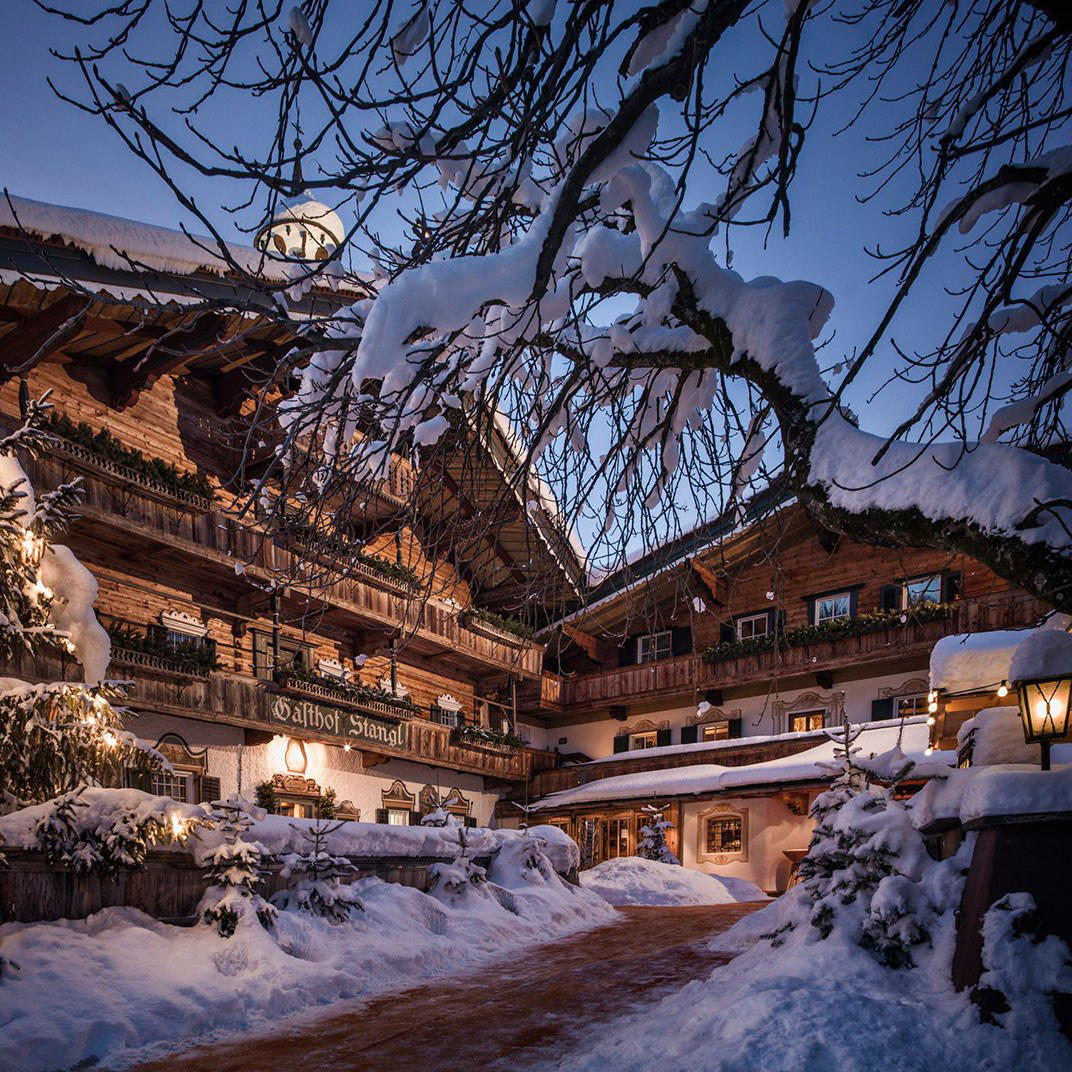
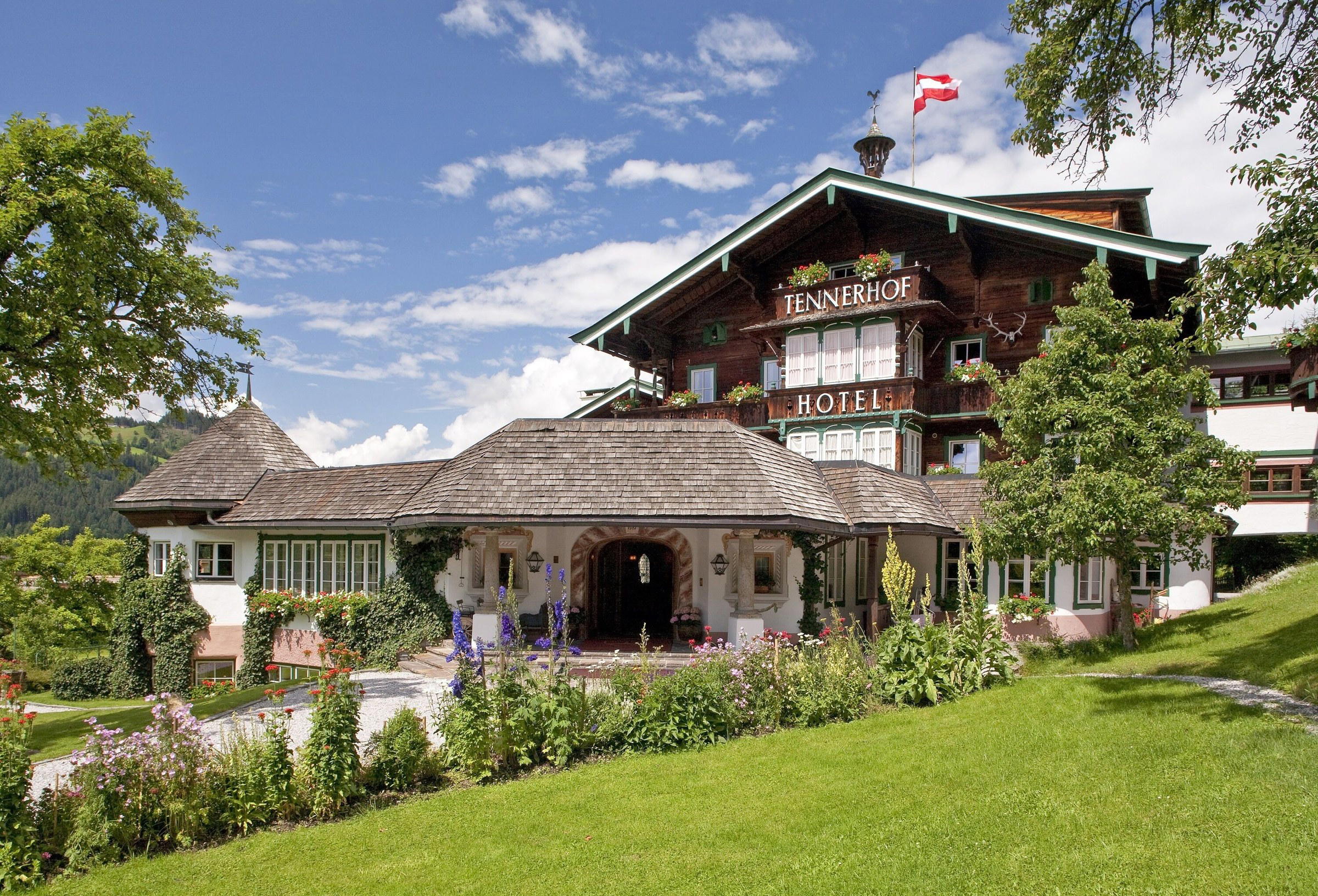
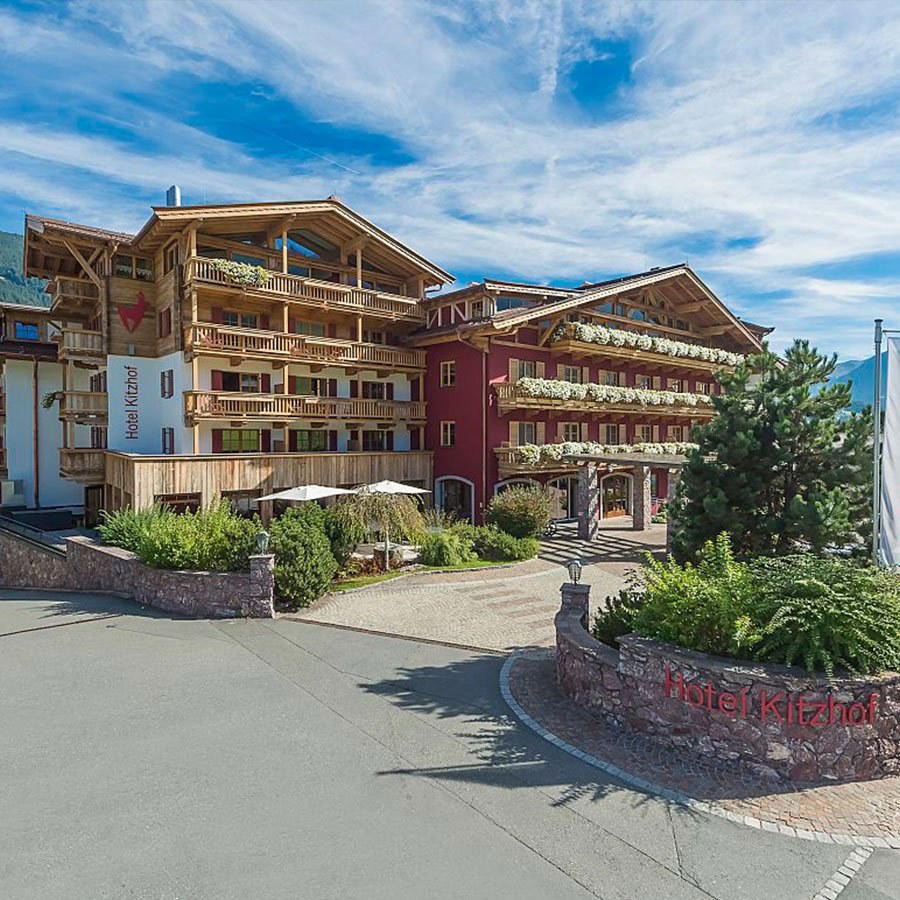
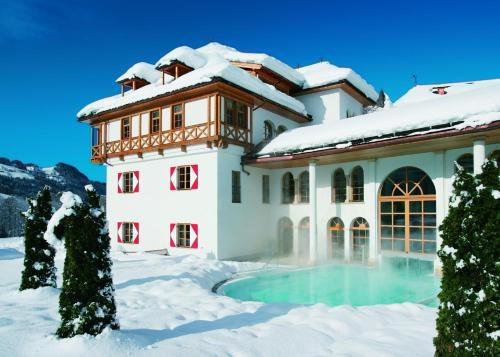
Modern Alpine-style dining rooms with light wood panelling, historic walls blended with contemporary flair, friendly and welcoming atmosphere.