Post Oak Barbecue
Post Oak Barbecue serves Texas barbecue in a casual, lively setting with an open kitchen, beer program, and lunch-or-dinner pacing.
Pearl is the En Primeur Club membership app — saves, bookings, and concierge access live there. Same editors, same standards.
- Address
- 4000 Tennyson St, Denver, CO 80212
- Phone
- +13034581555
- Website
- postoakdenver.com
- Directions
- Get directions
 Saves & bookings on Pearl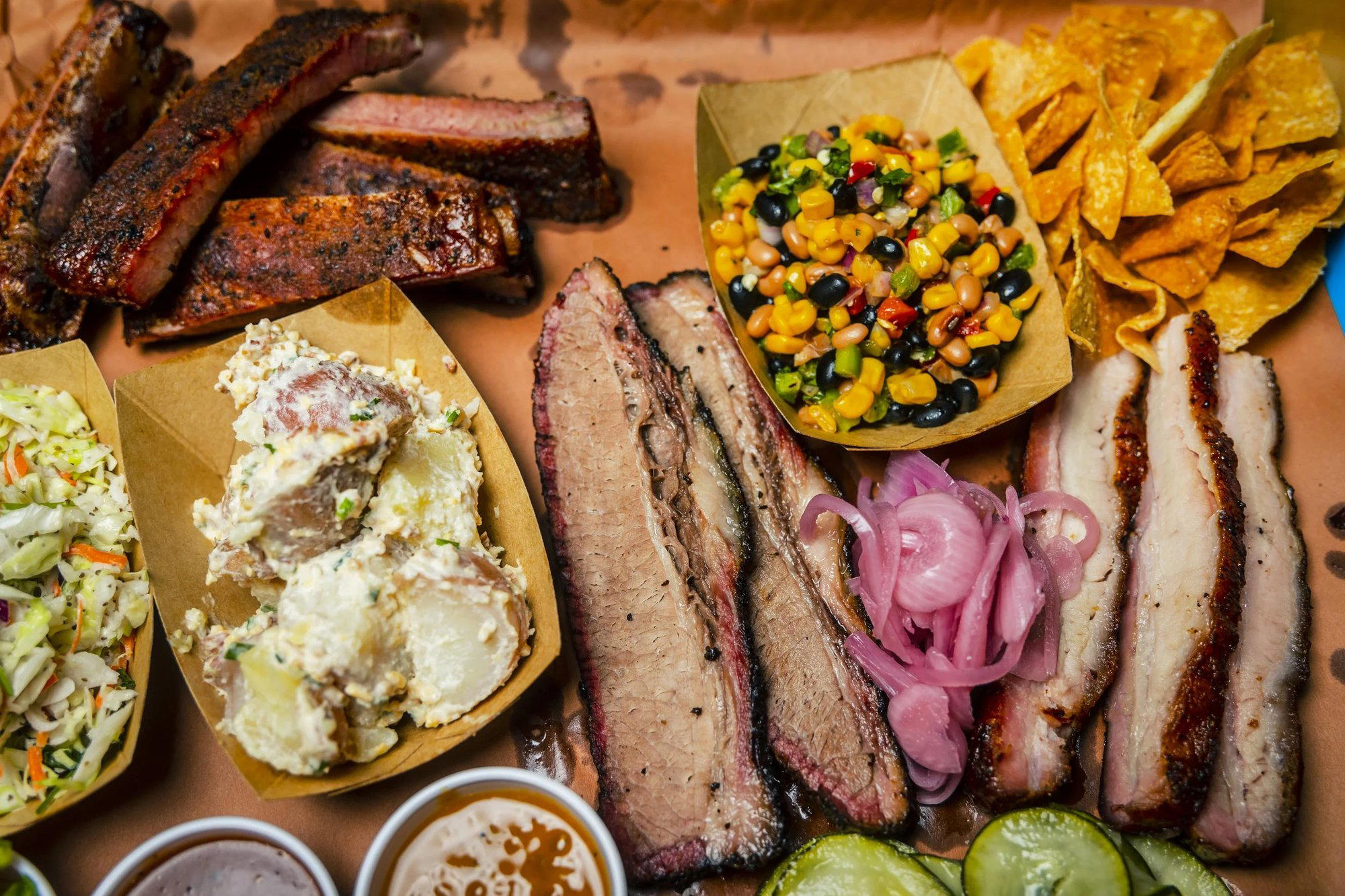
Tennyson Street and the West Denver Barbecue Tradition
The 4000 block of Tennyson Street sits in Berkeley, one of Denver's older northwest neighborhoods, where bungalows give way to a low-slung commercial strip that has accumulated independent restaurants, record shops, and coffee roasters over the past decade. It is the kind of street where dining operates at neighborhood scale rather than destination scale, and where the arrival of a serious barbecue operation carries weight precisely because the category is underrepresented in a city that has invested most of its culinary energy into farm-to-table contemporary and refined Mexican formats. Post Oak Barbecue occupies that gap.
In Denver's broader restaurant conversation, smoke-driven barbecue sits at a different price point and with a different customer contract than the tasting-menu contemporaries that draw most of the critical attention. Places like Brutø and Beckon operate on reservation systems and fixed menus; The Wolf's Tailor blends New American ambition with communal formats. Barbecue, at its most direct, offers neither, it asks you to arrive, read the board, and order by the pound or the plate. That structural simplicity is itself a statement about how a kitchen chooses to present its work.
Menu Architecture and What It Tells You
The name Post Oak is not incidental. Post oak wood is the defining fuel of Central Texas barbecue, the timber that burns long and clean at pits in Lockhart, Taylor, and Llano. To name a Denver restaurant after that wood is to plant a flag: this is Texas-style smoke cookery, not Kansas City's sweet-glaze tradition, not the vinegar-forward Carolina approach, not Memphis dry rub. The menu architecture follows from that declaration.
Central Texas menus are organized by protein weight, not by course. Brisket, pork ribs, sausage, and turkey sit at the summit of the hierarchy; sides (beans, coleslaw, potato salad, pickles, white bread) exist to balance fat and acid rather than to compete with the meat. That format reflects a philosophy about transparency: the cook has nowhere to hide. There is no sauce complexity to compensate for undercooked brisket, no reduction to mask a dry rib. The smoke and the rest time do the work, and the menu structure makes that legible to anyone reading it.
In a city where contemporary restaurants like Alma Fonda Fina build menus around layered technique and regional Mexican sourcing, and where Annette applies seasonal New American thinking in Aurora, barbecue's stripped-back architecture reads almost as a counter-argument. The proof is not in the plating or the menu language; it is in the bark, the smoke ring, and the fat render.
The Broader Smoke Tradition and Denver's Position in It
Colorado has not historically been a barbecue state in the way that Texas, Tennessee, or the Carolinas are. The altitude affects combustion and cook times, which means that techniques calibrated for sea-level pits require adjustment. That practical reality has kept the category thin in Denver relative to cities like Austin or Kansas City, where the tradition is multigenerational and the competition dense enough to enforce standards through peer pressure alone.
That scarcity means a serious barbecue operation in Denver occupies territory that its counterparts in Texas would share with dozens of competitors. The reference points for serious American smoke cookery are national: Lazy Bear in San Francisco demonstrates how a non-traditional barbecue city can produce ambitious smoke programs within a broader tasting format; at the fine-dining end, the discipline of smoke as a single technique used with precision appears at places like Blue Hill at Stone Barns and in the wood-fire-forward kitchens that have influenced American cooking broadly since the 2010s.
Post Oak Barbecue sits in the neighborhood rather than the destination tier. That is not a limitation; it is a positioning choice. The Tennyson Street address places it among locals rather than among tourists navigating downtown Denver, and the barbecue format, walk in, order at the counter, eat on paper or on a tray, matches the block's existing rhythm.
Ordering Logic
In a Central Texas format, brisket carries diagnostic weight. A kitchen that can produce a well-rested, properly barked brisket with a fat cap that has rendered without drying the flat has demonstrated real pit management. That single item tells you more about a barbecue operation than any other. Pork ribs are the second test: they should have resistance, not fall-off-the-bone softness, which in the Central Texas tradition signals overcooking rather than quality. Sausage, typically a jalapeño-cheddar or beef link, rounds out an order and gives a sense of how the kitchen handles grind and casing snap.
Sides carry less diagnostic weight in the Texas tradition but serve a structural function: the brightness of a good pickle or the tang of vinegar-dressed slaw breaks through smoke and fat in a way that makes a larger meal coherent rather than monotonous. Any barbecue order benefits from ordering at least one acidic element alongside the protein.
Tennyson Street in Context
Berkeley and the adjacent Highlands neighborhood represent an older Denver residential fabric than the RiNo and LoHi corridors that have attracted most of the city's hospitality investment in the past decade. The street-level dining on Tennyson skews independent and relatively unfussy, which makes it a reasonable environment for a barbecue format that does not rely on design spectacle or tasting-menu theater. For readers building a Denver itinerary around the city's broader dining range, Tennyson sits northwest of downtown and pairs well with neighborhoods that don't require navigating the central core.
For context on how ambitious American restaurants at different price points approach menu structure and sourcing, the EP Club archive covers a range of formats: Le Bernardin in New York City, Alinea in Chicago, The French Laundry in Napa, Addison in San Diego, Single Thread Farm in Healdsburg, Providence in Los Angeles, The Inn at Little Washington, Atomix in New York City, Emeril's in New Orleans, and 8 1/2 Otto e Mezzo Bombana in Hong Kong. Each represents a different answer to the same question that barbecue poses in its own way: how does a menu structure express what a kitchen believes about cooking?
Know Before You Go
- Address: 4000 Tennyson St, Denver, CO 80212
- Neighborhood: Berkeley, northwest Denver
- Format: Counter-service barbecue; Central Texas style
- Reservations: Walk-in friendly; arrive early for full meat selection as popular cuts sell out
- Parking: Street parking available along Tennyson; the block is walkable from Berkeley neighborhood residential streets
- Leading approach: Order brisket and ribs as primary diagnostic items; add one acidic side
Booking and Cost Snapshot
Comparable venues nearby, for context on price, style, and recognition.
| Venue | Cuisine | Price | Notes |
|---|---|---|---|
| Post Oak BarbecueThis venue — the venue you are viewing | Berkeley, Texas Barbecue | $$ | Not listed |
| Stout Street Social | Not listed | $$ | Central Business District, American Gastropub with Sushi and Seafood |
| Stellar Jay | Not listed | $$ | Central Business District, Live-Fire American Grill |
| Jelly Cafe | Capitol Hill, American Breakfast Cafe | $$ | Not listed |
| June Gap Market and Café | Not listed | $$ | Belleview Station, Sustainable Market Café |
| Bigsby's Folly Craft Winery & Restaurant | Not listed | $$ | Curtis Park, Contemporary American Small Plates |
Continue exploring
More in Denver
Restaurants in Denver
Browse all →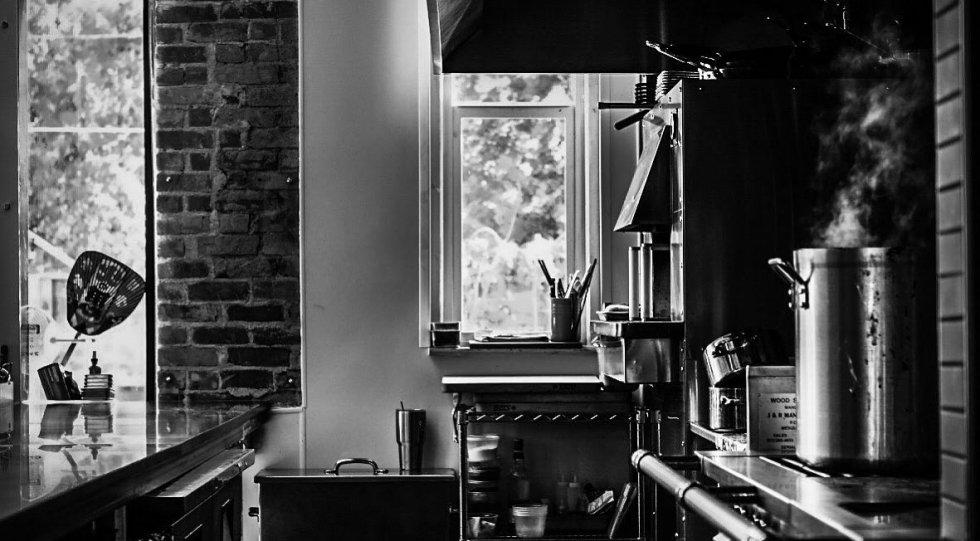
Bars in Denver
Browse all →
Hotels in Denver
Browse all →



At a Glance
- Rustic
- Lively
- Modern
- Casual Hangout
- Group Dining
- Open Kitchen
- Beer Program
Current opening hours
- Monday
- Closed
- Tuesday
- 11 AM–9 PM
- Wednesday
- 11 AM–9 PM
- Thursday
- 11 AM–9 PM
- Friday
- 11 AM–10 PM
- Saturday
- 11 AM–10 PM
- Sunday
- 11 AM–9 PM
Hours can change for holidays and private events. Last verified .
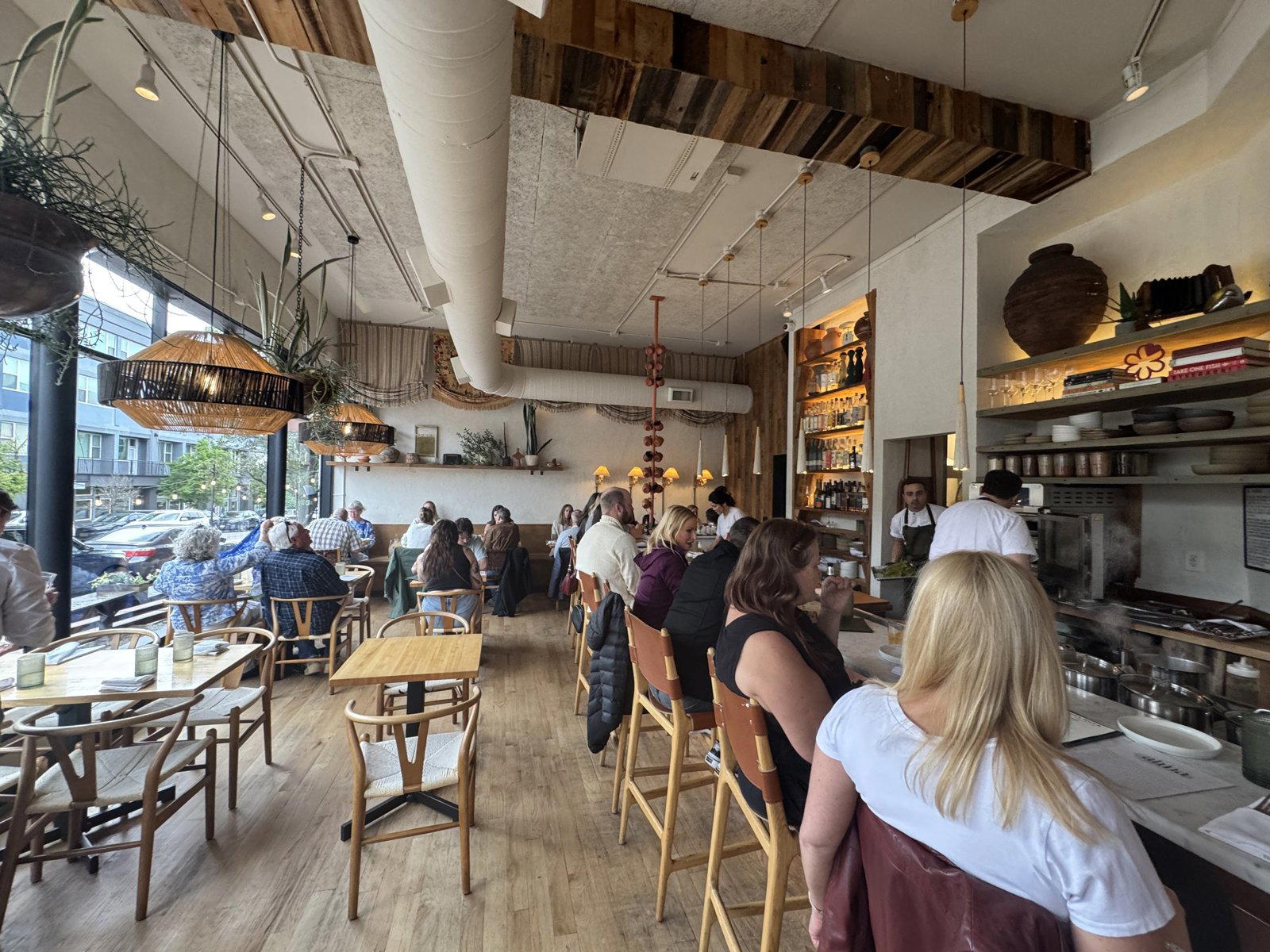
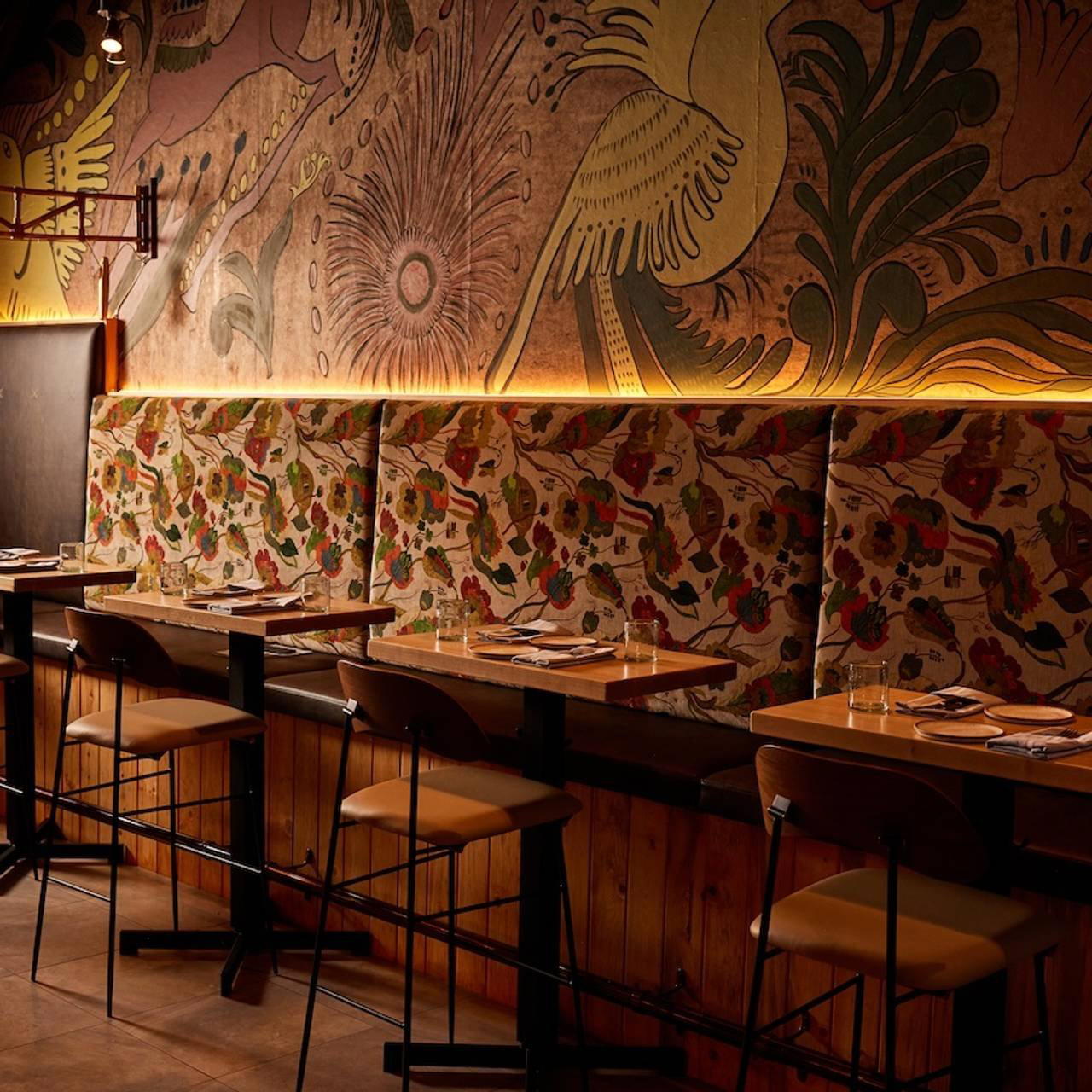
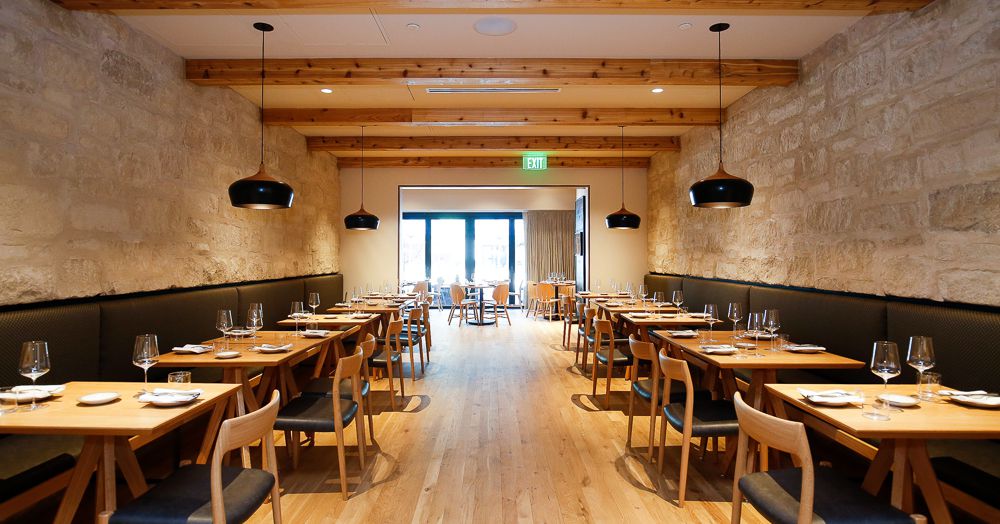
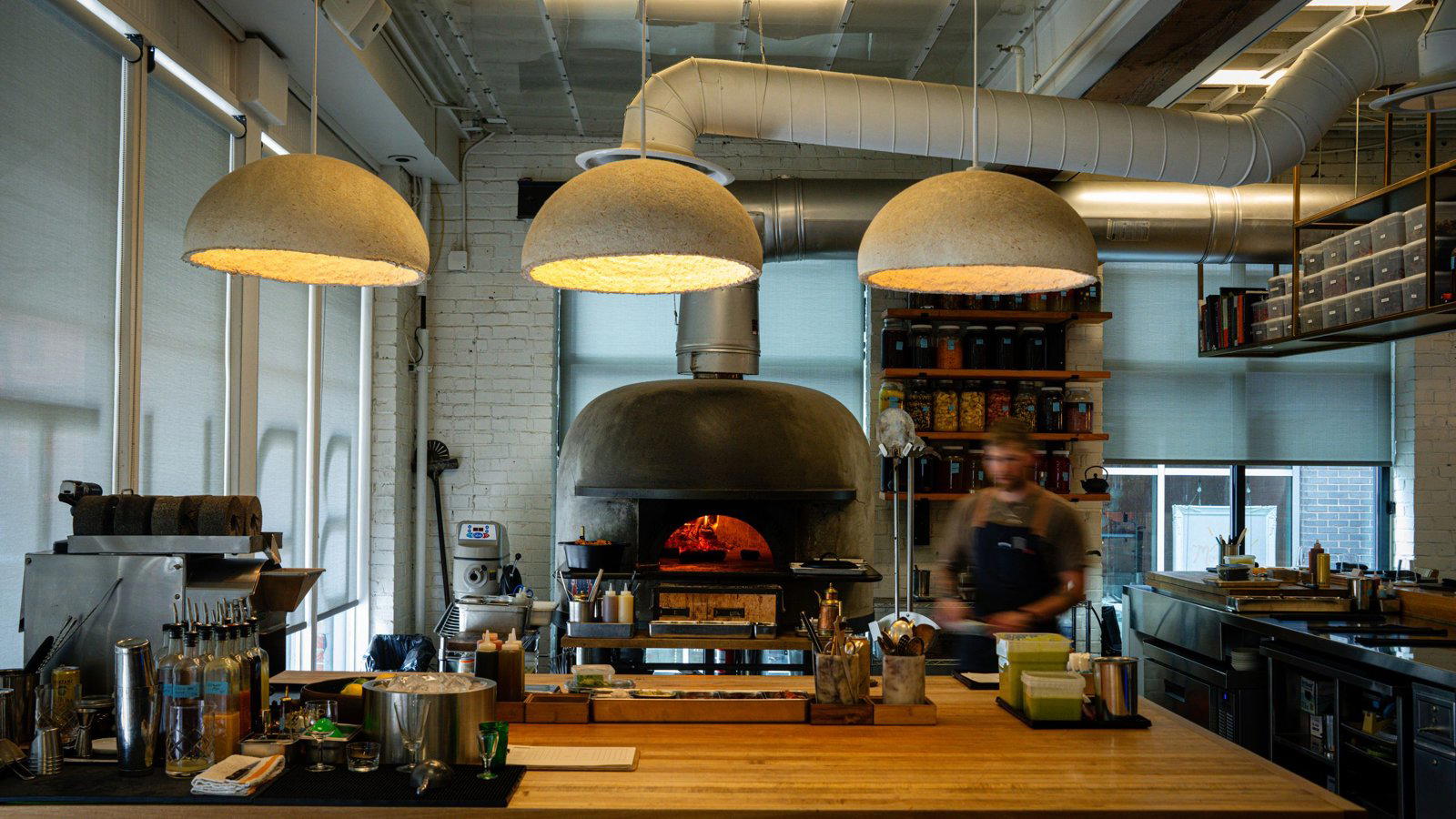
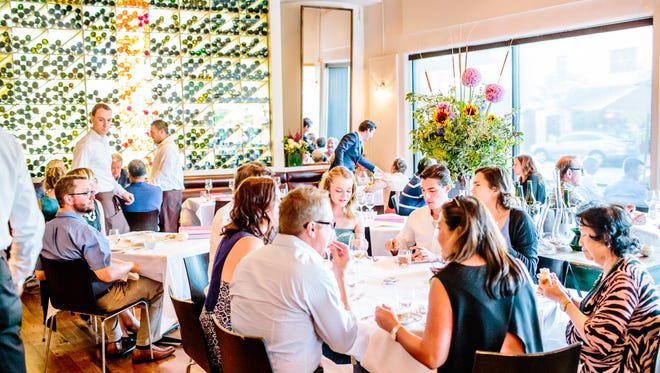
Modern upscale interior blending Texas BBQ joint aesthetics with tin tiled ceilings, reclaimed wood walls, and a high-end bar creating fun, energetic, old-school vibes.