Bigsby's Folly Craft Winery & Restaurant
A craft winery and restaurant occupying a converted industrial space on Wazee Street in Denver's RiNo corridor, Bigsby's Folly sits at the intersection of Colorado viticulture and neighborhood dining. The format pairs house-made wines with a kitchen program in a setting that reflects the district's warehouse-to-hospitality arc. For the Denver diner interested in locally produced wine alongside food, it represents a relatively uncommon proposition in a city still building its winery-restaurant category.
Pearl is the En Primeur Club membership app — saves, bookings, and concierge access live there. Same editors, same standards.
- Address
- 3563 Wazee St, Denver, CO 80216
- Phone
- +17204853158
- Website
- bigsbysfolly.com
- Directions
- Get directions
 Saves & bookings on Pearl
Wazee Street and the Case for Urban Winemaking
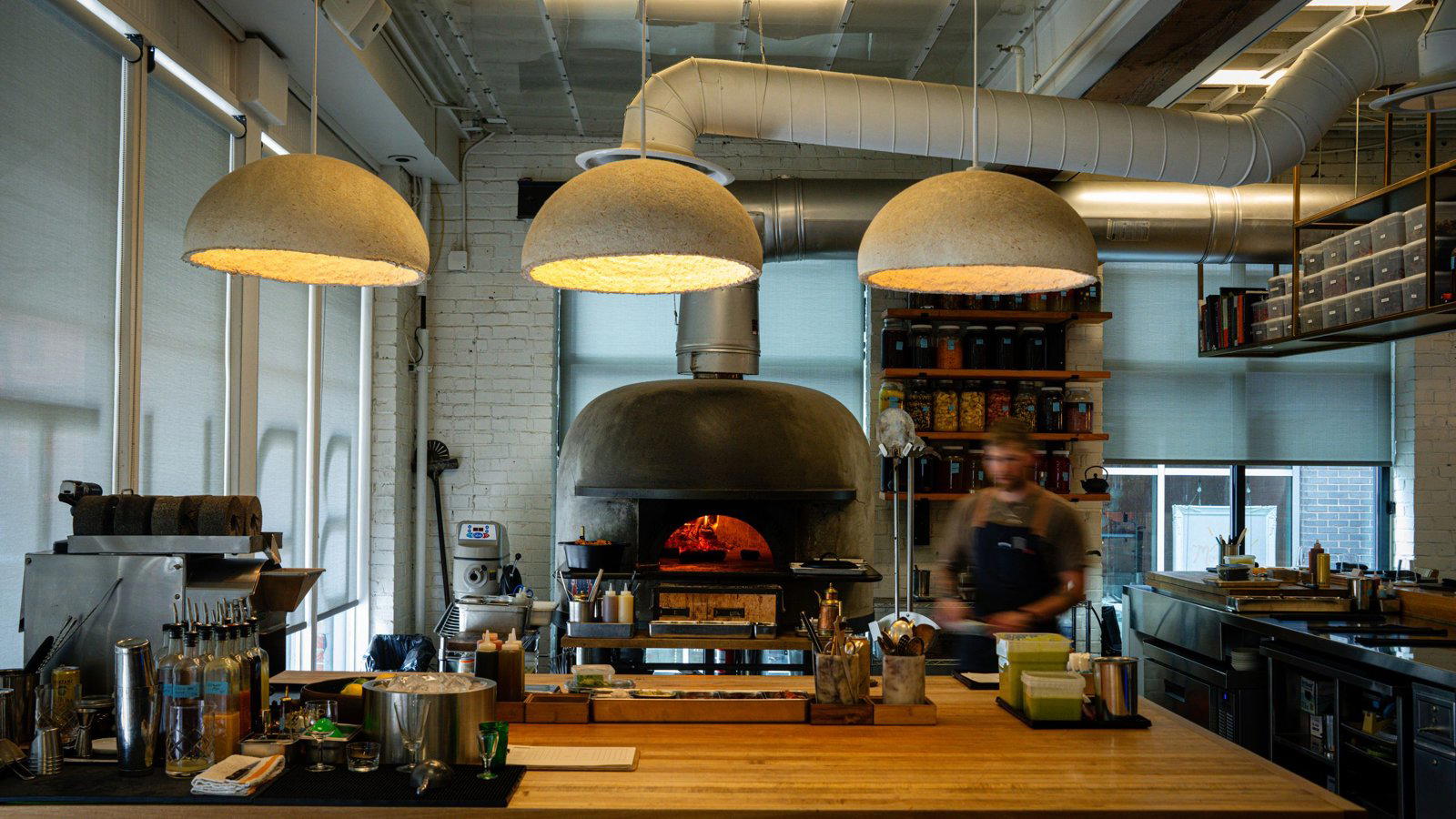
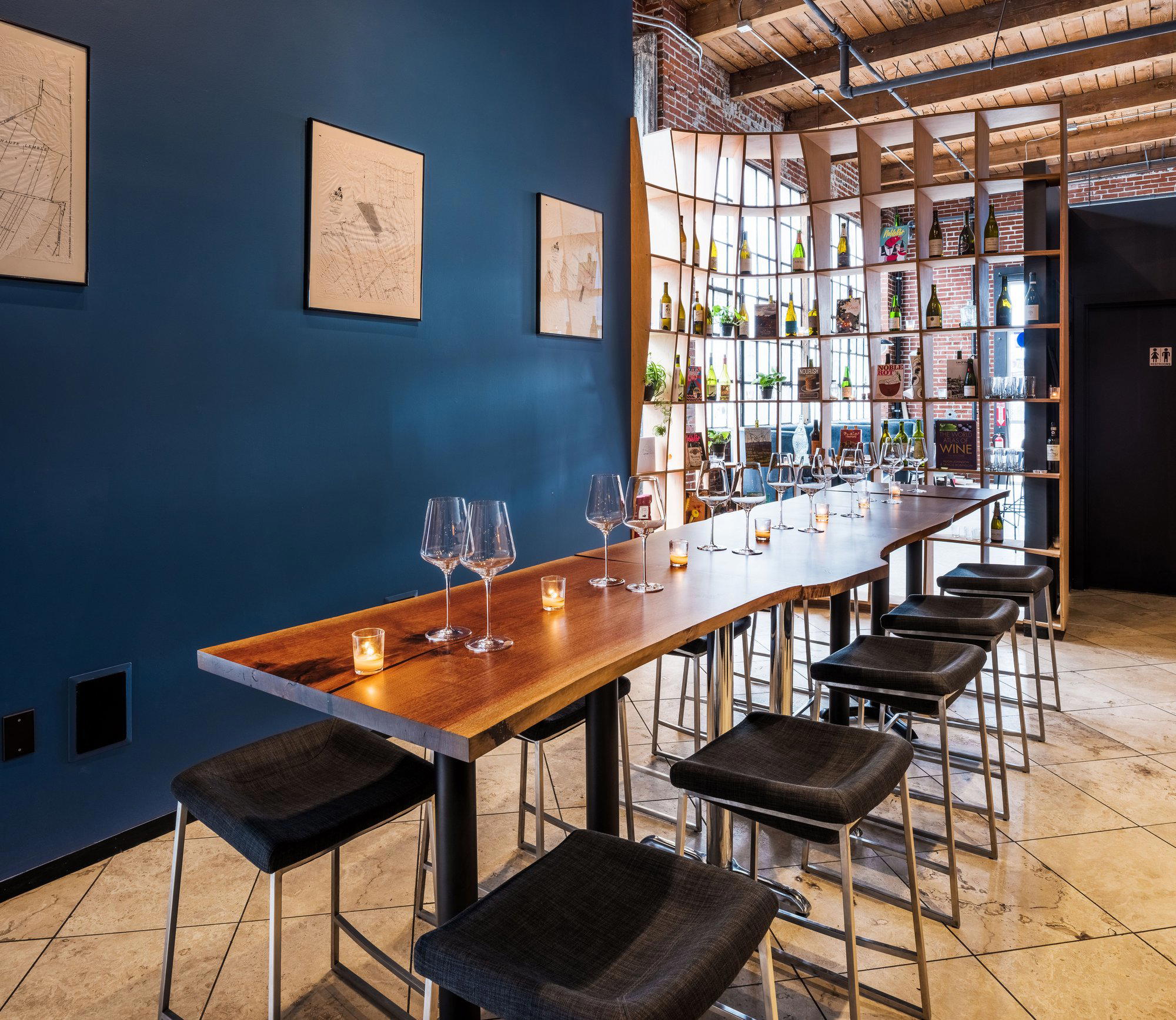
The stretch of Wazee Street running through Denver's River North Art District carries the neighborhood's industrial past: wide loading bays, exposed brick, overhead doors that once admitted freight and now frame dining rooms. Bigsby's Folly Craft Winery & Restaurant at 3563 Wazee St sits inside that conversion arc, occupying a space that reads as warehouse-origin without performing nostalgia about it. The building provides the context. What happens inside asks whether a mid-sized American city can sustain urban winemaking alongside a restaurant program built to match it.
Urban wineries are not a new phenomenon in the United States, but they remain a minority format. The dominant model separates production from hospitality: wine is made in a rural appellation, then poured in a city tasting room or sold through retail. The winery-restaurant hybrid collapses that geography, asking a single address to carry both the credibility of production and the competence of a kitchen. Denver's dining scene, which has matured considerably over the past decade through venues like Brutø and The Wolf's Tailor, has generally rewarded formats that take a clear position. Bigsby's Folly takes one: craft wine produced here, food served to support it, a room designed to hold both without apology.
Colorado Viticulture and What Urban Production Means for It
Colorado's wine identity is still forming relative to California's established appellations or Oregon's Willamette Valley. The state's primary growing regions, the Western Slope AVAs around Grand Valley and West Elks, produce fruit at elevation with diurnal temperature swings that create conditions for structured reds and aromatic whites. An urban winery in Denver does not escape that geography; it depends on it, sourcing grapes from growers operating in those mountain-adjacent zones and processing them closer to the consumer than tradition would dictate.
That compression of the supply chain carries editorial weight. When production happens in the city where the wine is consumed, the conversation about terroir, vintage variation, and winemaking decisions becomes more immediate and more verifiable for the person sitting at the table. Venues like Single Thread Farm in Healdsburg and Blue Hill at Stone Barns in Tarrytown have demonstrated at high price points that collapsing the distance between production and plate creates a different kind of dining authority. Bigsby's Folly applies a version of that logic to wine specifically, in a city that does not yet have a deep bench of comparable operations.
For the Denver diner interested in following Colorado viticulture through its current period of identity-building, a winery-restaurant in RiNo offers a more direct line to that conversation than a restaurant wine list assembled from outside the state. The autumn harvest window, roughly September through October, is the period when production activity and restaurant programming intersect most visibly at urban winery operations of this type, making it a practical time to visit if the winemaking side of the operation is part of the interest.
The Room and the RiNo Context
RiNo's hospitality density has grown faster than almost any other Denver neighborhood over the past several years. The district now holds a range of formats from quick-service to prix-fixe, and the competition for a diner's attention is meaningful. Bigsby's Folly sits within walking distance of Denver restaurants that have drawn national attention, including Beckon and Alma Fonda Fina, as well as neighborhood anchors like Annette. That proximity matters for how a venue positions itself: in a district with genuine dining ambition, a craft winery-restaurant has to deliver on both halves of its proposition to hold its ground.
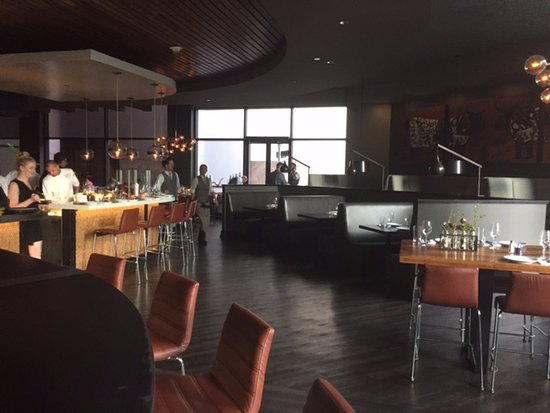
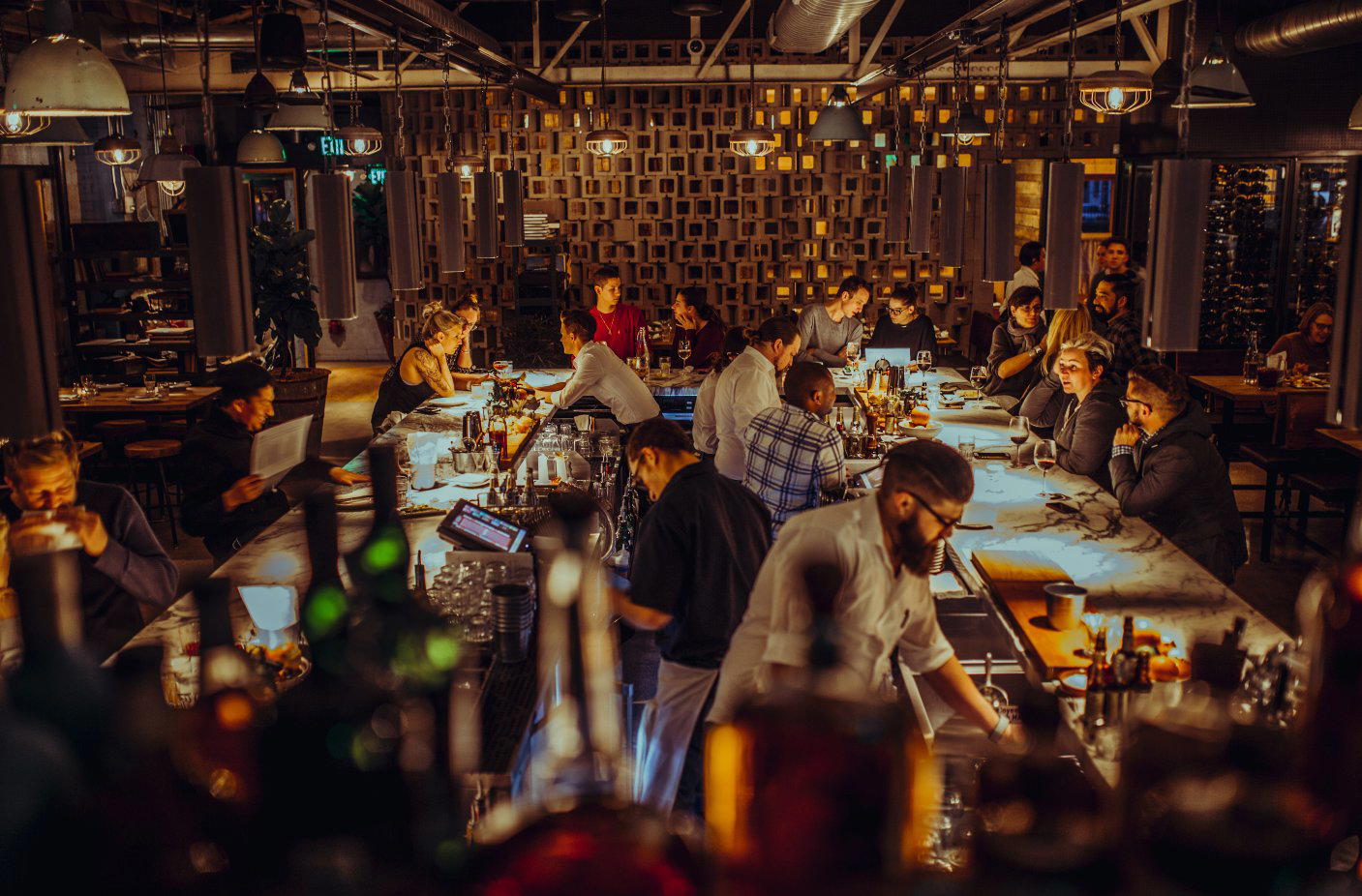
The physical environment at Wazee Street properties of this scale tends toward the open and the loud when full, which shapes the experience in specific ways. Industrial-conversion rooms carry sound differently than purpose-built dining rooms, and the energy of a weekend evening at a winery with a working production floor visible is categorically different from a quiet table at a chef's counter. Both are legitimate formats; they are not interchangeable.
How It Reads Against the Broader Winery-Restaurant Category
The winery-restaurant format at the upper end of the American market has demonstrated serious range. Operations like The French Laundry in Napa exist within wine country but at a remove from production. Lazy Bear in San Francisco and Smyth in Chicago demonstrate what happens when a kitchen program achieves national recognition on its own terms. Providence in Los Angeles, Addison in San Diego, and Le Bernardin in New York City each show how a specific culinary conviction, held consistently, builds a reputation that outlasts individual menus.
Bigsby's Folly is not competing in that tier, nor is it positioned to. It occupies a different category: a craft-production winery with a restaurant attached, embedded in a specific Denver neighborhood, serving a local and visiting audience that wants access to Colorado wine without flying to the Western Slope. The comparable set is other urban American wineries operating with restaurant programs, not Michelin-tracked tasting menus. Within that frame, the RiNo address and the format clarity represent a coherent market position. For broader context on where Denver's dining scene sits nationally, venues like Atomix in New York City, Emeril's in New Orleans, The Inn at Little Washington, and Atelier Moessmer Norbert Niederkofler in Brunico illustrate how far format specificity and culinary conviction can travel when sustained over time. Our full Denver restaurants guide maps the city's current dining range across neighborhoods and price points.
Planning a Visit
Bigsby's Folly is located at 3563 Wazee St in Denver's RiNo district, reachable on foot from the 38th and Blake commuter rail station or by rideshare from downtown. The harvest-adjacent autumn months bring one direct connection between production activity and what's being poured, which makes September and October worth prioritizing for anyone with a specific interest in Colorado viticulture. The format suits a relaxed, wine-led evening.
Comparable Options
Comparable venues nearby, for context on price, style, and recognition.
| Venue | Cuisine | Price | Notes |
|---|---|---|---|
| Bigsby's Folly Craft Winery & RestaurantThis venue — the venue you are viewing | Contemporary American Small Plates | $$ | Not listed |
| Root Down | Globally-Inspired Farm-to-Table American | $$ | Highland |
| All Is Well | American Lobby Bar | $$ | City Park |
| June Gap Market and Café | Sustainable Market Café | $$ | Belleview Station |
| The Original | Modern American Neighborhood Eatery | $$ | Ballpark |
| Honor Society Handcrafted Eatery | Modern American Fast-Fine | $$ | Central Platte Valley |
Continue exploring
More in Denver
Restaurants in Denver
Browse all →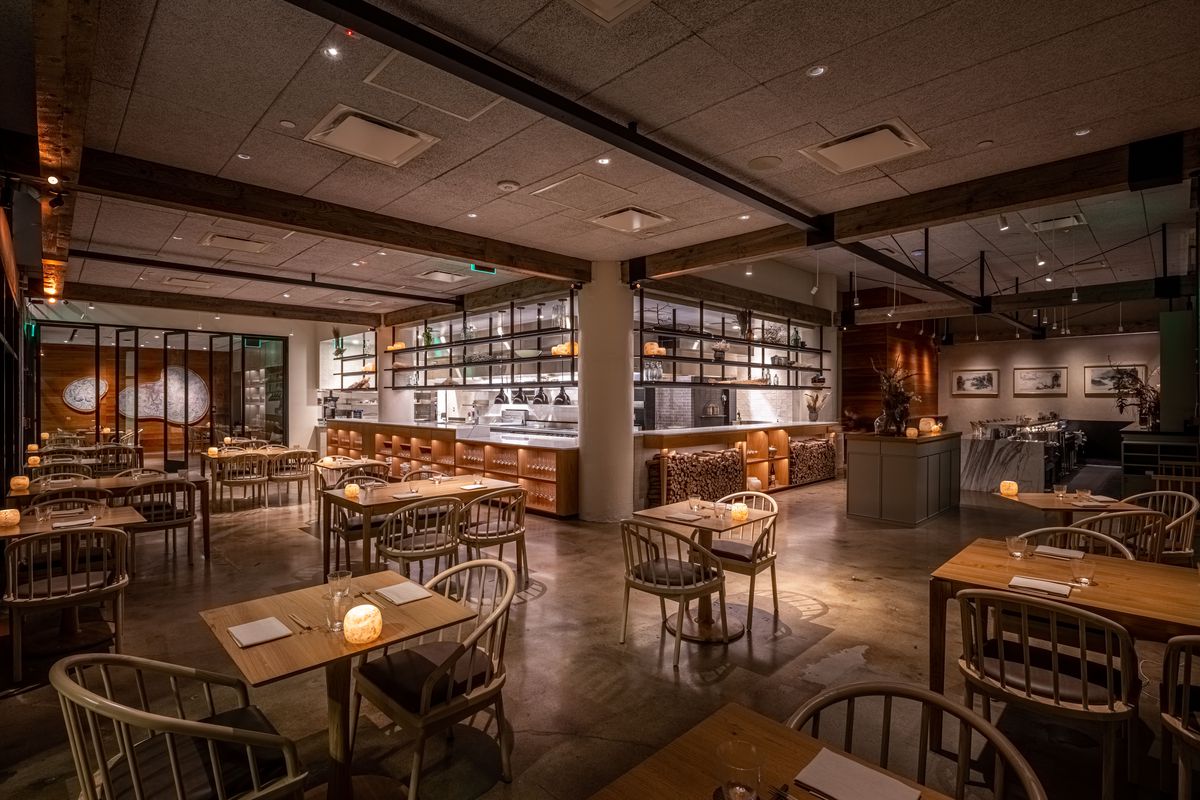
Bars in Denver
Browse all →
Hotels in Denver
Browse all →
Wineries in Denver
Browse all →
At a Glance
- Rustic
- Cozy
- Elegant
- Historic
- Industrial
- Date Night
- Brunch
- Celebration
- Casual Hangout
- Open Kitchen
- Terrace
- Historic Building
- Extensive Wine List
- Craft Cocktails
- Local Sourcing
- Mountain
Current opening hours
- Monday
- 4–10 PM
- Tuesday
- 4–10 PM
- Wednesday
- 4–10 PM
- Thursday
- 11 AM–10 PM
- Friday
- 2–11 PM
- Saturday
- 10:30 AM–11 PM
- Sunday
- 10:30 AM–8 PM
Hours can change for holidays and private events. Last verified .
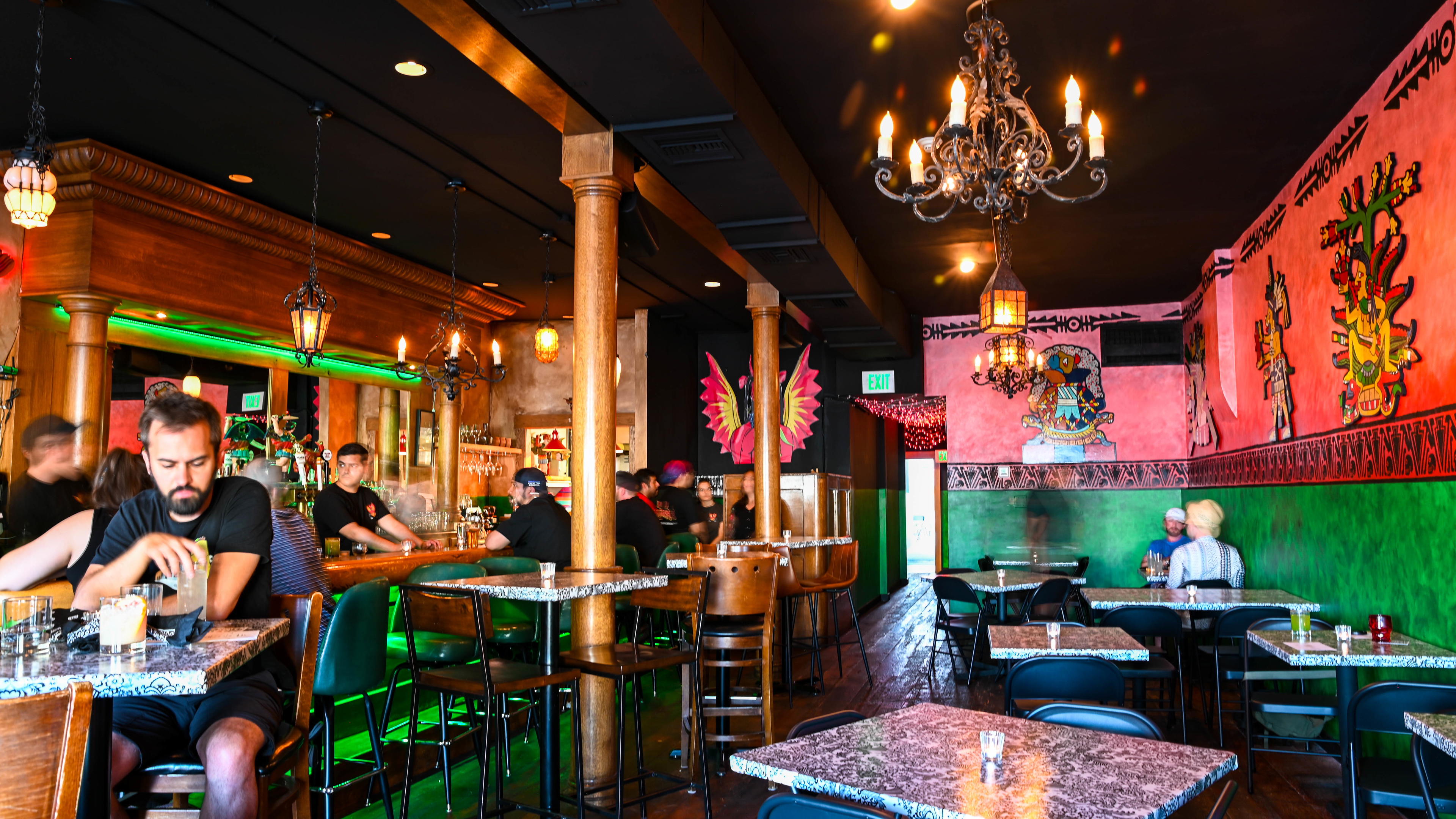
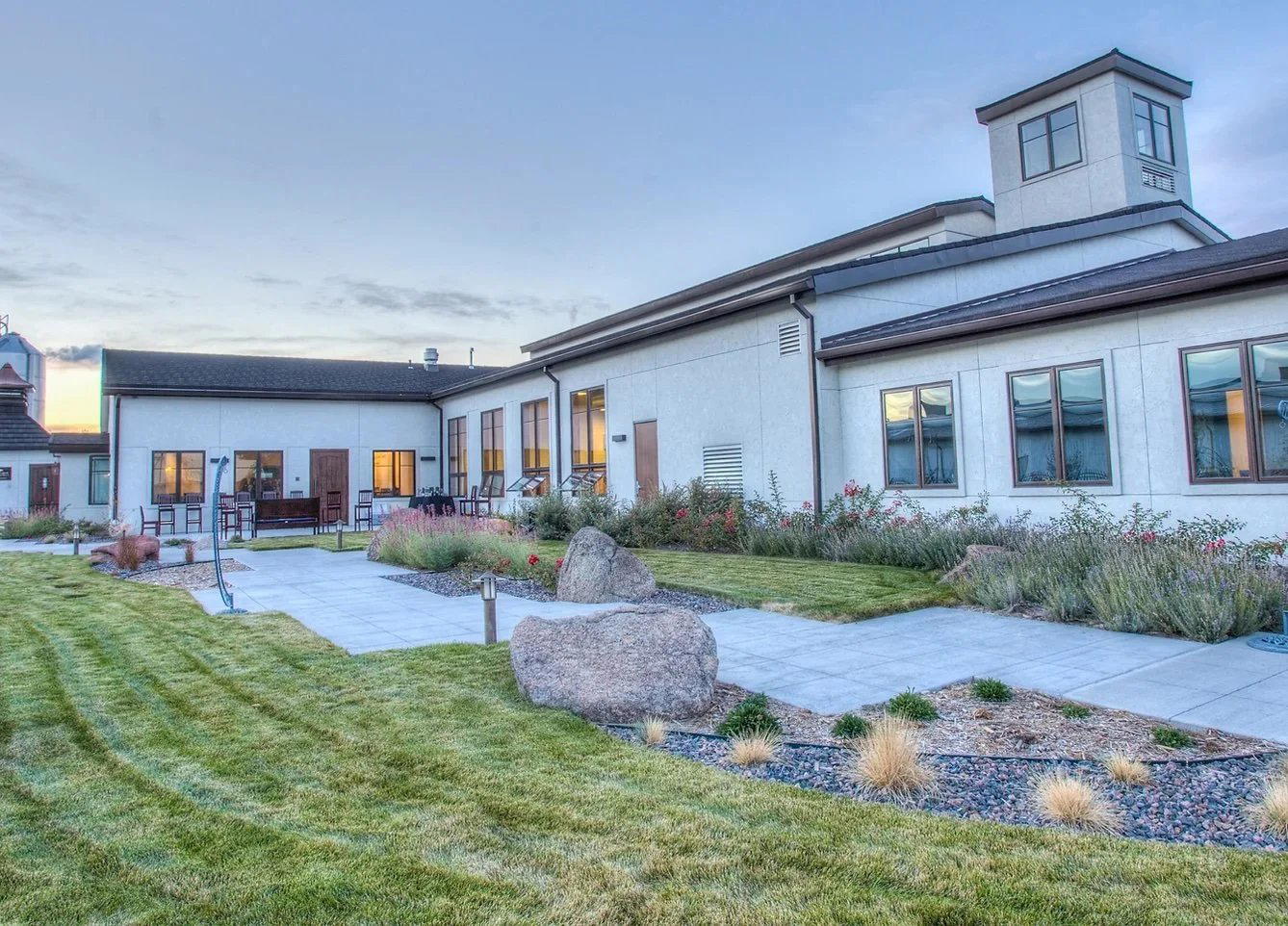
Warm inviting atmosphere blending modern industrial style with Roaring Twenties charm, exposed brick, soaring ceilings, and 10-foot chandeliers.