Pompei's Grotto
Our verdict
Pompei's Grotto sits on Jefferson Street in San Francisco's Fisherman's Wharf, a stretch of the waterfront where the city's seafood-eating tradition is oldest and most commercially pressured. Among the tourist-facing operations that dominate the block, it occupies a position that rewards visitors who look past the foot traffic for something with more historical grounding. Check current hours and booking directly with the venue.

Pearl is the En Primeur Club membership app, where members save venues, book tables and use the concierge.

The menu
What to order
- Dungeness Crab Cakes
- Clam Chowder
- Steamed Dungeness Crab
Jefferson Street and the Wharf's Seafood Legacy
San Francisco's Fisherman's Wharf is one of the few places in American dining where the gap between reputation and reality runs in both directions. The stretch of Jefferson Street around the old fish piers carries genuine historical weight, Italian-American fishing families shaped the neighborhood's food culture from the late nineteenth century onward, landing Dungeness crab and rock cod that became the city's most recognizable seafood traditions. That history did not disappear; it got buried under decades of souvenir shops and clam chowder bread bowls pitched at convention groups. Finding the thread of the real thing inside that commercial layer is the work Pompei's Grotto asks of its visitors.
At 340 Jefferson St, the address places the venue directly in the Wharf's most trafficked corridor, which is both a constraint and a context. The surrounding block draws foot traffic that few restaurant districts in California can match, but that volume does not automatically translate into depth of offering. The venues that have survived here across multiple generations tend to do so because they maintained a relationship with the fishing community rather than simply decorating around it. That distinction, between performing a seafood identity and sustaining one, defines how the Wharf's more grounded operators differ from their neighbors.
Sourcing and the Ethics of Coastal Dining
The sustainability question in West Coast seafood dining is not a marketing posture, it is a regulatory and ecological reality that shapes every serious operator from Saison in SoMa to Providence in Los Angeles. California's Dungeness crab fishery, the backbone of Fisherman's Wharf's identity, has faced seasonal closures and delayed openings in recent years tied to domoic acid monitoring and whale entanglement risk mitigation. Any restaurant operating honestly in this space has to work around those windows rather than source around them, which means menus shift with regulatory season rather than calendar season.
That constraint is, in practice, a form of environmental accountability. Restaurants that advertise year-round crab availability on the Wharf are either importing from outside the California fishery or holding product in ways that reduce quality. The operations that communicate seasonal availability honestly, adjusting what they put in front of guests based on what the Bay and the Pacific are actually producing, align more closely with the sourcing ethics that have become central to how serious food travelers evaluate coastal restaurants. Venues like Single Thread Farm in Healdsburg and Blue Hill at Stone Barns have demonstrated that supply-chain transparency can be a competitive signal rather than a liability, and that principle applies with equal force at the scale of a Wharf seafood house.
The Italian-American fishing heritage embedded in Fisherman's Wharf also carries its own form of sourcing logic. The families who built these operations historically knew their suppliers personally because they were often the same families, boats and restaurants sharing both capital and catch. That direct relationship between vessel and plate is harder to maintain at scale, but it remains the model against which Wharf restaurants are implicitly measured by the guests who understand the neighborhood's history.
Where Pompei's Grotto Sits in San Francisco's Seafood Tier
San Francisco's serious seafood dining has largely migrated away from the Wharf in the decades since the neighborhood commercialized. The city's most formally recognized fish-focused restaurants now operate in other neighborhoods, contributing to a tier structure where the Wharf occupies a distinct and sometimes underestimated middle ground. It is not the register of Benu or Atelier Crenn, both of which apply fine-dining frameworks to Northern California's coastal and agricultural produce. It is also not the no-reservation, paper-plate crab shack tier. The Wharf's surviving family-oriented seafood houses occupy a practical middle: accessible price points, recognizable dishes, and a direct claim on the neighborhood's identity that newer venues cannot replicate.
Compared to the tasting-menu format of Lazy Bear or the ingredient-forward structure of Quince, a Wharf seafood house operates by different metrics entirely: consistency of the classic preparations, quality of the primary product, and the ability to handle volume without losing the thread of what made the restaurant worth returning to.
For reference, the high-end San Francisco dining circuit that includes these venues operates at the $$$$ price tier. The Wharf's traditional seafood houses sit below that ceiling, making them the accessible entry point for visitors who want a connection to the city's coastal food identity without the tasting-menu commitment. Comparable accessible seafood traditions at the national level include Emeril's in New Orleans, where Gulf seafood heritage anchors a similarly layered dining culture.
Planning Your Visit
Fisherman's Wharf is accessible by multiple Muni lines and the historic F-Market streetcar, which runs along the Embarcadero and terminates near the Jefferson Street corridor. Parking in the immediate area is expensive and limited during peak tourist hours; arriving by transit or on foot from the Ferry Building is the practical choice for most visitors. The neighborhood operates at its highest volume between late morning and early evening, particularly on weekends and during summer months when the city's overall tourist footfall peaks.
Seasonal seafood availability, particularly for Dungeness crab, fluctuates with California Department of Fish and Wildlife opening decisions, which can shift the menu significantly depending on time of year.
Logistics at a Glance
| Venue | Neighborhood | Price Tier | Format | Booking |
|---|---|---|---|---|
| Pompei's Grotto | Fisherman's Wharf | Confirm directly | Seafood house | Confirm directly |
| Lazy Bear | Mission | $$$$ | Progressive tasting menu | Advance reservation required |
| Benu | SoMa | $$$$ | Tasting menu | Advance reservation required |
| Quince | Jackson Square | $$$$ | Contemporary Italian tasting | Advance reservation required |
| Saison | SoMa | $$$$ | Progressive Californian | Advance reservation required |
For a broader map of where San Francisco's dining scene concentrates by neighborhood and price tier, see our full San Francisco restaurants guide. Visitors comparing coastal seafood traditions across American cities may also want to reference Le Bernardin in New York City and Addison in San Diego as reference points for how differently seafood-forward dining can be structured at different price tiers and formality levels. Additional context on how sourcing-focused restaurants operate at the fine-dining level is available through profiles of The French Laundry in Napa, Alinea in Chicago, The Inn at Little Washington, Bacchanalia in Atlanta, and Atomix in New York City. For international comparison in the seafood-adjacent Italian fine dining tradition, 8 1/2 Otto e Mezzo Bombana in Hong Kong offers a useful counterpoint on how Italian culinary frameworks translate across different coastal markets.
Frequently asked questions
What is the signature dish at Pompei's Grotto?
Given the venue's location in Fisherman's Wharf and the neighborhood's established culinary identity, Dungeness crab preparations and cioppino, the San Francisco-origin tomato-based seafood stew with Italian-American roots, are the categories most associated with this type of Wharf operator. Verify current menu offerings directly with the venue before visiting.
Do I need a reservation for Pompei's Grotto?
Fisherman's Wharf restaurants at this address and price tier historically operate with both walk-in capacity and reservation options, but peak season demand (particularly summer weekends) can compress availability. Contacting the venue directly is the practical step before planning a visit, particularly if your timing is inflexible.
What is Pompei's Grotto leading at?
The venue's position on Jefferson Street and its longevity in one of San Francisco's most commercially competitive dining corridors suggests an alignment with the Wharf's core seafood tradition rather than the contemporary fine-dining circuit represented by Michelin-recognized venues elsewhere in the city. Its strongest claim is likely the direct connection to the Italian-American fishing heritage that shaped this stretch of the waterfront, a context that more recently established San Francisco restaurants cannot replicate through sourcing philosophy alone.
Is Pompei's Grotto a good choice for visitors focused on sustainable seafood?
The Fisherman's Wharf corridor sits within California's Dungeness crab fishery zone, meaning that restaurants here are directly subject to the state's seasonal regulatory framework, one of the more rigorous in the country for managing crab stocks. A Wharf operator with long-standing ties to the local fishing community is, structurally, better positioned to source within those seasonal parameters than a venue importing from outside the California fishery. Visitors with specific sourcing questions should ask the venue about current catch origins and seasonal menu adjustments, since California Department of Fish and Wildlife opening decisions can shift what is available significantly from one month to the next.
Price and Positioning
A quick snapshot of similar venues for side-by-side context.
| Venue | Cuisine | Price | Awards | Notes |
|---|---|---|---|---|
| Pompei's GrottoThis venue (the venue you are viewing) | Fresh Seafood | $30–50 | Not listed | Not listed |
| Lazy Bear | Modern American Tasting Menu | Not listed | 2 Michelin Stars · World's 50 Best #25 | Progressive American, Contemporary |
| Atelier Crenn | Contemporary French Fine Dining | $300–500 | 3 Michelin Stars · World's 50 Best #44 | Modern French, Contemporary |
| Benu | Modern Asian Fusion Fine Dining | $150–200 | 3 Michelin Stars · World's 50 Best #33 | French - Chinese, Asian |
| Quince | Contemporary Californian | $300–500 | 3 Michelin Stars · World's 50 Best #48 | Italian, Contemporary |
| Saison | Modern Fire-Forward Fine Dining | $300–500 | 2 Michelin Stars · World's 50 Best #22 | Progressive American, Californian |
Continue exploring
More in San Francisco
Restaurants in San Francisco
All restaurants in San Francisco →
Bars in San Francisco
All bars in San Francisco →

Details
- Casual
- Rustic
- Classic
- Family
- Casual Hangout
- Group Dining
- Waterfront
- Sustainable Seafood
- A La Carte
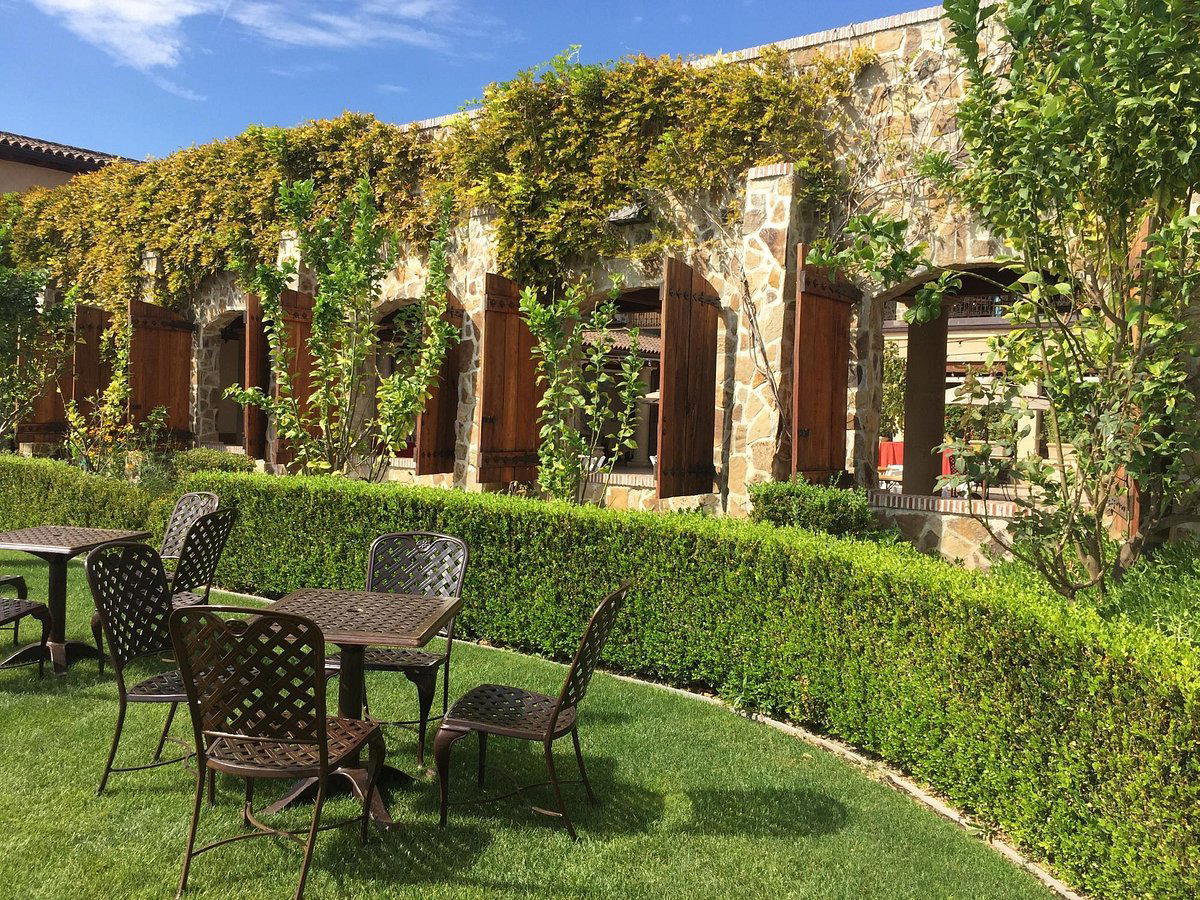
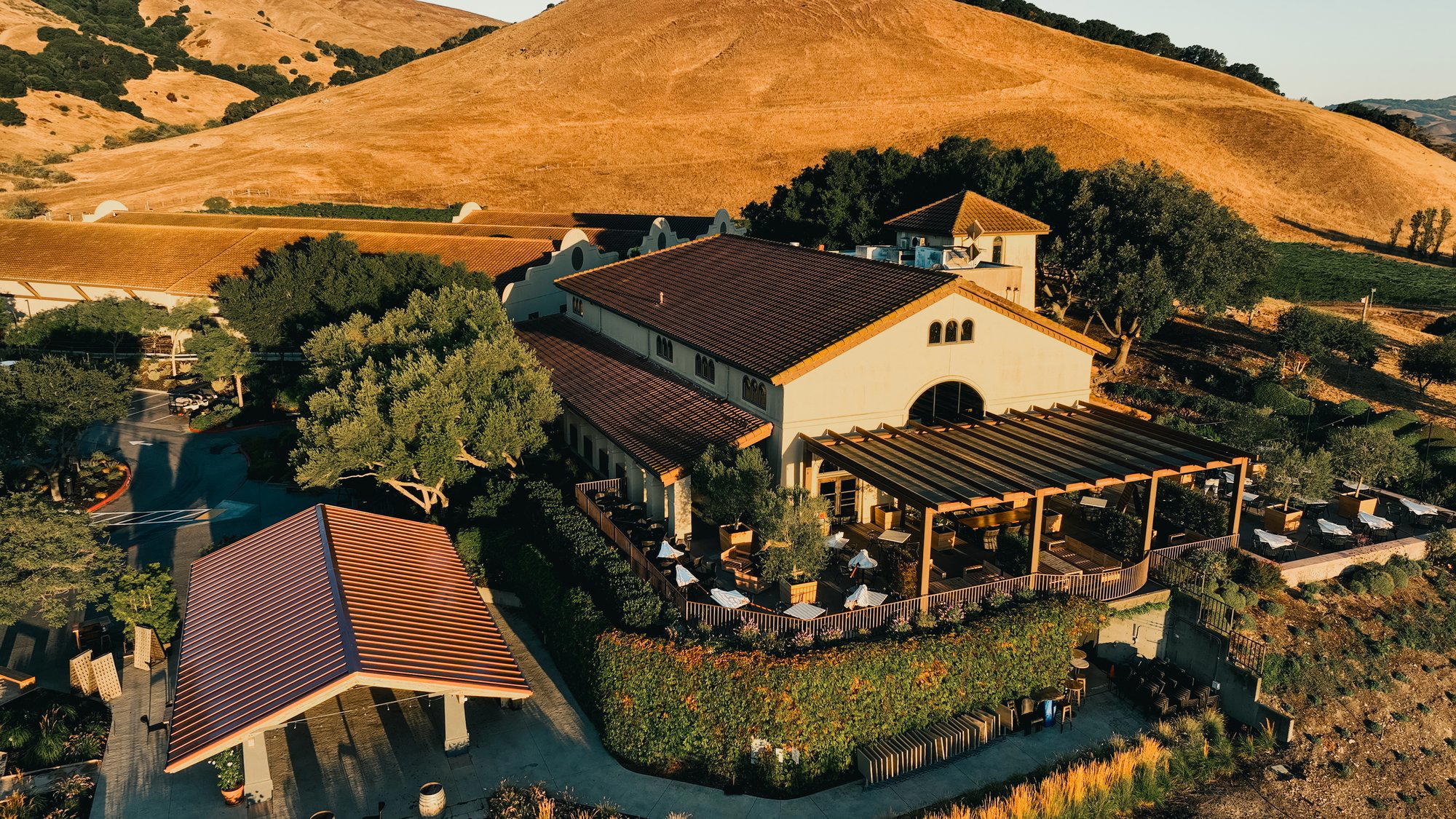
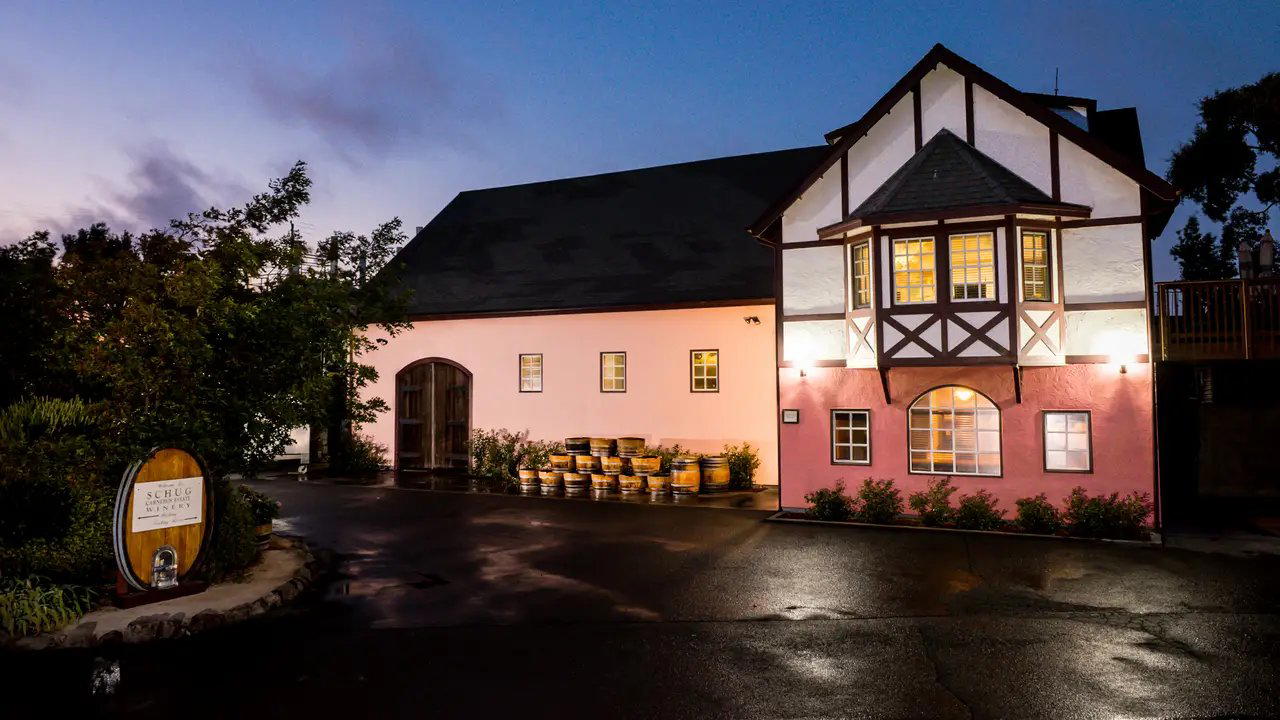
Casual and nostalgic with red and white checkered tablecloths, candles, low lighting, and wood-paneled walls evoking a traditional fisherman's wharf atmosphere.