Pier Market Seafood Restaurant
Our verdict
Pier Market Seafood Restaurant occupies a straightforward position on San Francisco's Embarcadero waterfront at Pier 39, where the bay and the city's deep fishing heritage meet at the table. The format centres on accessible, port-adjacent seafood in a setting where the view and the produce share equal billing. For visitors working through the city's broader dining scene, it represents the casual end of a spectrum that extends upward through San Francisco's nationally recognised fine-dining tier.

Pearl is the En Primeur Club membership app, where members save venues, book tables and use the concierge.

The menu
What to order
- Clam Chowder
- Cioppino
- Dungeness Crab
- Crab Cakes
Where the Bay Frames the Meal
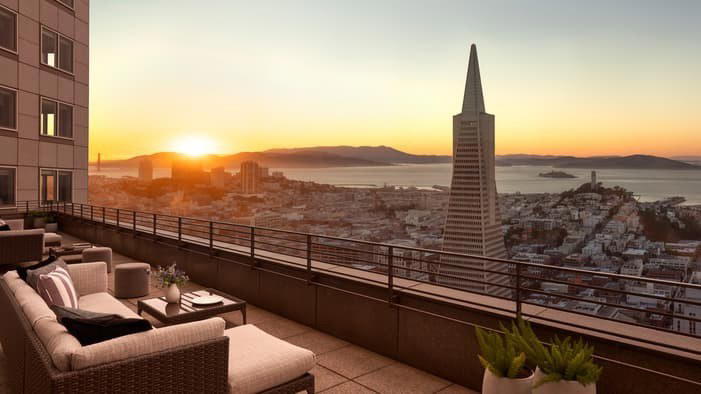
San Francisco's relationship with seafood is older than its restaurant culture. Long before the city developed a fine-dining identity anchored by venues like Atelier Crenn or Benu, it was a fishing port, and the waterfront has always carried that institutional memory. Pier Market Seafood Restaurant sits at Pier 39 on the Embarcadero, which means the backdrop is the bay itself: open water, the hills of Marin across the channel, and the ambient theatre of a working tourist waterfront. The physical approach, walking a boardwalk with salt air coming off the water, does more scene-setting than any interior decorator could.
That setting defines the dining proposition here more than any single menu decision. Pier 39 is a high-traffic, visitor-facing district, and the restaurants within it operate accordingly. The experience is calibrated for accessibility and immediacy rather than the kind of multi-hour commitment demanded by San Francisco's upper tier. Think of it as the city's seafood tradition made direct and port-adjacent, where the sell is proximity to the source as much as anything on the plate.
The Arc of a Seafood Meal at the Water's Edge
Seafood restaurants along working waterfronts tend to follow a recognisable progression, and Pier Market operates within that grammar. The meal typically opens with the cold preparations that require the least intervention, raw or simply chilled shellfish, the kind of opening that lets the ingredient speak before kitchen technique enters the conversation. On the San Francisco waterfront, Dungeness crab carries particular authority. The species is native to the Pacific Coast, seasonal in its peak runs (broadly November through June, though the precise calendar shifts year to year), and has been central to the city's fishing culture for well over a century. A properly prepared Dungeness crab needs almost nothing: cracking at the table, drawn butter, perhaps a squeeze of lemon. That ritual is the waterfront equivalent of the omakase opener, it tells you where you are before anything more elaborate arrives.
The mid-course register at venues like this typically moves toward preparations where heat and seasoning play a larger role: chowders, grilled or sautéed fish, dishes where kitchen craft shapes the experience more directly. San Francisco clam chowder served in a sourdough bread bowl has become a near-universal shorthand for the tourist waterfront, but its persistence points to something real, the combination of local sourdough culture and shellfish tradition is genuinely site-specific. Further along, seafood platters and composed plates allow the kitchen to demonstrate range across species and technique. The full arc, from raw to composed, mirrors the tasting progression logic applied in very different registers by places like Saison or Quince, the principle that a meal should build through distinct phases rather than repeat the same register across every course.
Placing Pier Market in San Francisco's Dining Spectrum
San Francisco carries one of the densest concentrations of ambitious restaurants in the United States. Lazy Bear runs a communal progressive American format with a substantial waitlist. Benu operates at the intersection of French and Chinese culinary traditions with three Michelin stars. Quince and Atelier Crenn anchor the city's contemporary fine-dining tier at price points that reflect their ambition and recognition. For a fuller map of where different venues sit across the city's range, the EP Club San Francisco restaurants guide covers the full spectrum with editorial context.
Pier Market occupies a different register entirely. In that cohort, location is the primary differentiator, and Pier 39's position on the Embarcadero, with bay views on multiple sides, is a genuine physical asset. Comparable waterfront seafood propositions exist in other American port cities: the Gulf-influenced rooms around New Orleans (see Emeril's for a different price register), or the polished seafood-forward formats of coastal California cities like Los Angeles, where Providence represents the fine-dining ceiling for the genre. The point is that seafood restaurants exist across a wide spectrum, and Pier Market's position is consciously mid-market and experiential rather than technically ambitious.
For readers whose interest runs toward the technically demanding end of American seafood cookery, the reference points extend nationally: Le Bernardin in New York City remains the benchmark for seafood precision in a fine-dining frame. On the progressive American side, Alinea in Chicago, Blue Hill at Stone Barns, and The French Laundry in Napa each represent a different model for what American fine dining can look like when sourcing and technique are the primary drivers. Closer to San Francisco, Single Thread Farm in Healdsburg demonstrates how ingredient-driven thinking translates into a structured tasting format. None of these are Pier Market's competitive set, but knowing where they sit helps locate Pier Market with precision.
Internationally, seafood-forward fine dining at the level of 8½ Otto e Mezzo Bombana in Hong Kong or the commitment levels seen at Addison in San Diego or Atomix in New York City operates in a different economy of time, money, and expectation. Bacchanalia in Atlanta and The Inn at Little Washington further illustrate how the serious American dining tier distributes itself geographically. Pier Market is not competing with any of these venues, and it does not need to.
Planning Your Visit
The Pier 39 location means Pier Market sits in one of San Francisco's most visited tourist corridors. Crowds peak on weekends and during the summer months (June through August), when the bay-view tables carry the most demand. Weekday visits in the shoulder season, April, May, September, October, allow a more relaxed pace without sacrificing the weather that makes the waterfront setting worthwhile. As with most waterfront restaurants in high-traffic tourist districts, same-day seating is often possible on weekday mornings; weekend evenings are a different calculation and benefit from advance contact.
How Pier Market Compares on Logistics
| Venue | Format | Price Tier | Booking Lead Time |
|---|---|---|---|
| Pier Market Seafood Restaurant | Casual waterfront seafood | Mid-market | Same-day possible (weekdays) |
| Lazy Bear | Progressive American tasting | $$$$ | Weeks to months ahead |
| Atelier Crenn | Modern French tasting | $$$$ | Weeks ahead minimum |
| Benu | French-Chinese tasting | $$$$ | Weeks ahead minimum |
| Quince | Contemporary Italian | $$$$ | Weeks ahead minimum |
Frequently asked questions
What should I eat at Pier Market Seafood Restaurant?
San Francisco's waterfront seafood tradition centres on Dungeness crab, Pacific oysters, and clam chowder, the species and preparations most directly tied to the bay's fishing history. At a venue like Pier Market, those preparations represent the most site-authentic choices. The broader San Francisco dining scene, tracked across venues from Benu to Atelier Crenn, demonstrates the city's range, but the waterfront register has its own logic rooted in the catch rather than the kitchen's ambition.
What's the ideal way to book Pier Market Seafood Restaurant?
Pier 39 is one of San Francisco's highest-traffic visitor zones, so timing matters more than lead time for most weekday visits. For weekend evenings or peak summer dates, contacting the venue in advance is the practical approach. San Francisco's fine-dining tier, venues like Lazy Bear or Saison, operates on multi-week booking windows that reflect a different demand structure; Pier Market sits outside that pressure zone, making it one of the more accessible waterfront options in the city.
What's the defining dish or idea at Pier Market Seafood Restaurant?
The defining idea is proximity: to the water, to the bay's fishing tradition, and to the catch that has shaped San Francisco's food culture since before the city had a fine-dining identity. In culinary terms, that points to Dungeness crab and Pacific shellfish as the most anchored choices, preparations where the ingredient's quality and provenance do the work. San Francisco's restaurant scene extends from this waterfront baseline up through venues with national recognition like Quince and Benu, but the waterfront seafood tradition has its own distinct character.
Can Pier Market Seafood Restaurant accommodate dietary restrictions?
Seafood-focused menus on the San Francisco waterfront typically offer flexibility for pescatarian diners by default, though the range of options for guests avoiding all animal products or managing shellfish allergies depends on the specific menu in place. If dietary requirements are a factor, contacting the venue directly before visiting is the practical step. San Francisco broadly has strong infrastructure for dietary accommodation across its restaurant scene, a pattern documented across venues citywide in the EP Club San Francisco guide.
Is Pier Market Seafood Restaurant a good option for visitors wanting a quick waterfront meal between other Pier 39 activities?
The Pier 39 location makes Pier Market one of the most logistically convenient seafood options on the Embarcadero, positioned within a district that draws visitors to the sea lions, the waterfront promenade, and the bay views. For guests building a day around the northern waterfront rather than a dedicated dining destination, the venue's format and location align with that pattern. The trade-off is that the same location brings peak-hour crowds; arriving outside the 12:30–2pm and 6:30–8pm windows on weekends typically means shorter waits.
Style and Standing
Comparable venues nearby, for context on price, style, and recognition.
| Venue | Cuisine | Price | Awards | Notes |
|---|---|---|---|---|
| Pier Market Seafood RestaurantThis venue (the venue you are viewing) | Sustainable Mesquite-Grilled Seafood | $30–50 | Not listed | Not listed |
| Pompei's Grotto | Fresh Seafood | $30–50 | Not listed | North Beach |
| Sinbad's Pier 2 Restaurant | Classic Seafood | Not listed | Not listed | Financial District/South Beach |
| Fog Harbor Fish House | Sustainable San Francisco Seafood | $50–100 | Not listed | North Beach |
| Pier 23 Cafe Restaurant & Bar | Classic San Francisco Seafood | $30–50 | Diners, Drive-Ins and Dives Featured Bar | Financial District/South Beach |
| Blue Mermaid | California Seafood Fusion | $30–50 | Not listed | North Beach |
Continue exploring
More in San Francisco
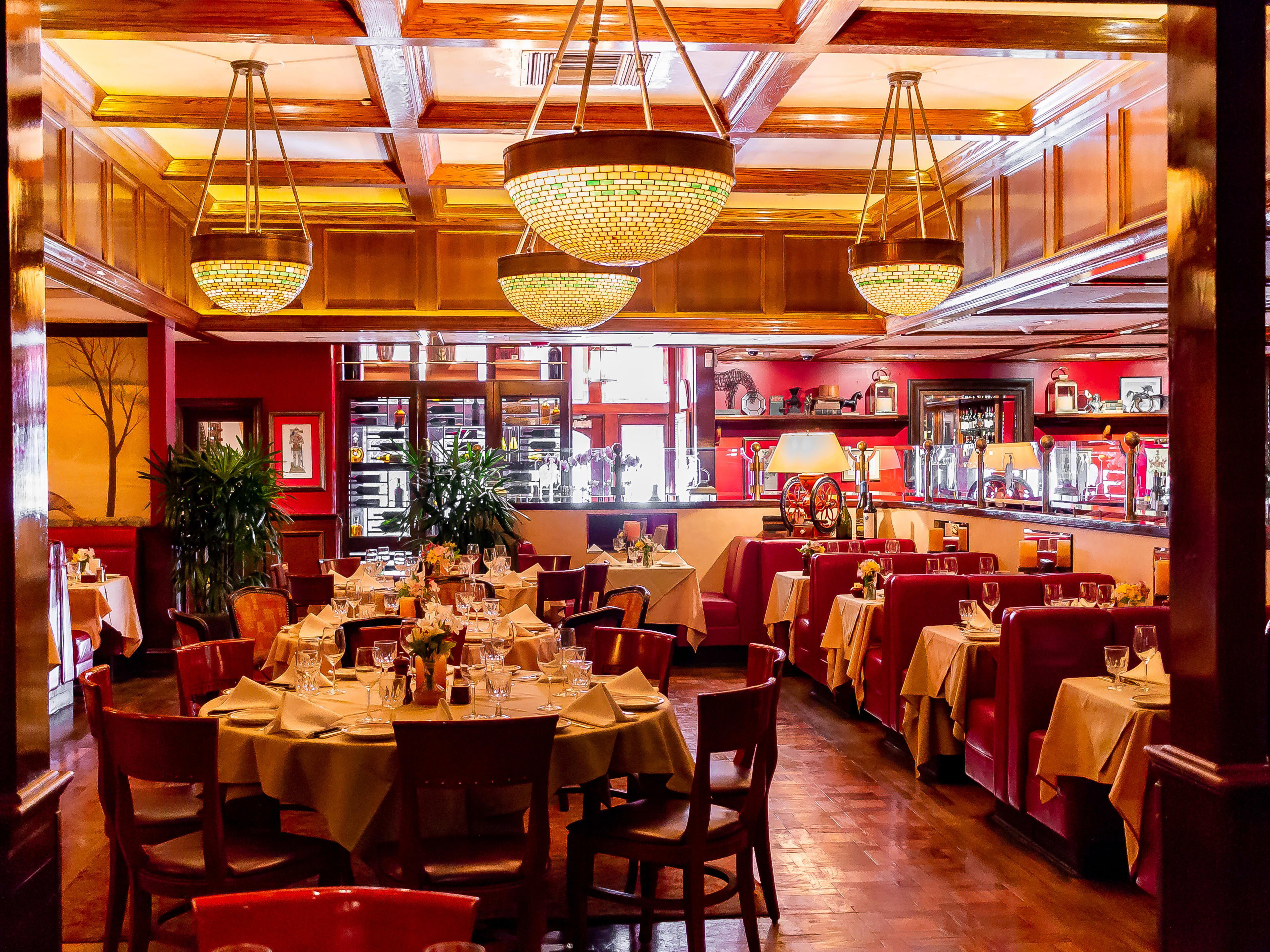
Restaurants in San Francisco
All restaurants in San Francisco →
Bars in San Francisco
All bars in San Francisco →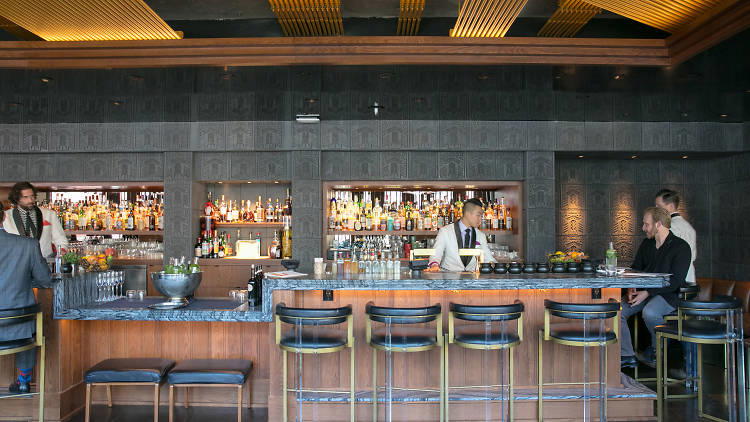

Details
- Scenic
- Classic
- Lively
- Casual Hangout
- Family
- Celebration
- Waterfront
- Terrace
- Sustainable Seafood
- Waterfront
- A La Carte
- Vegetarian Friendly
- Vegan Options
- Gluten Free Options
Current opening hours
- Monday
- 11 AM–9 PM
- Tuesday
- 11 AM–9 PM
- Wednesday
- 11 AM–9 PM
- Thursday
- 11 AM–9 PM
- Friday
- 11 AM–9 PM
- Saturday
- 11 AM–9 PM
- Sunday
- 11 AM–9 PM
Hours can change for holidays and private events. Hours as of .
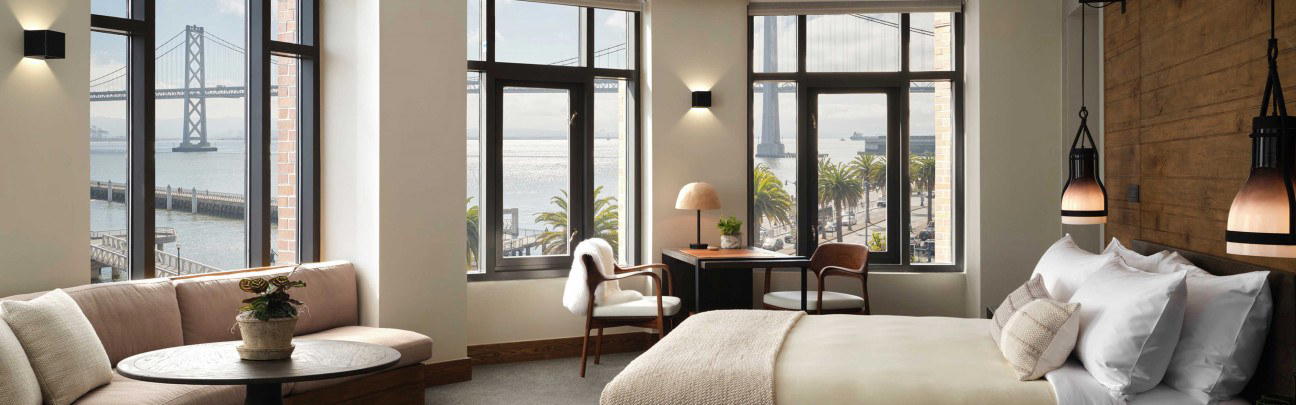
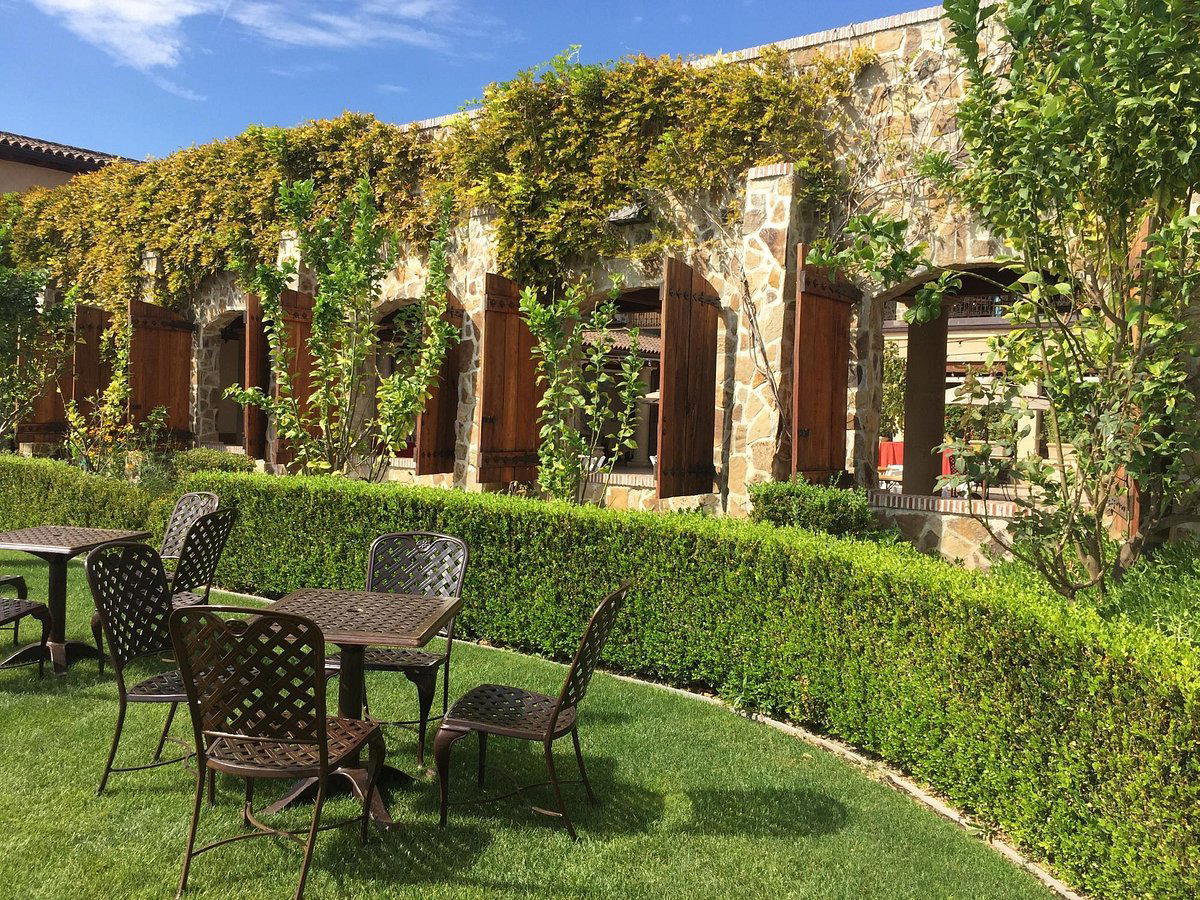
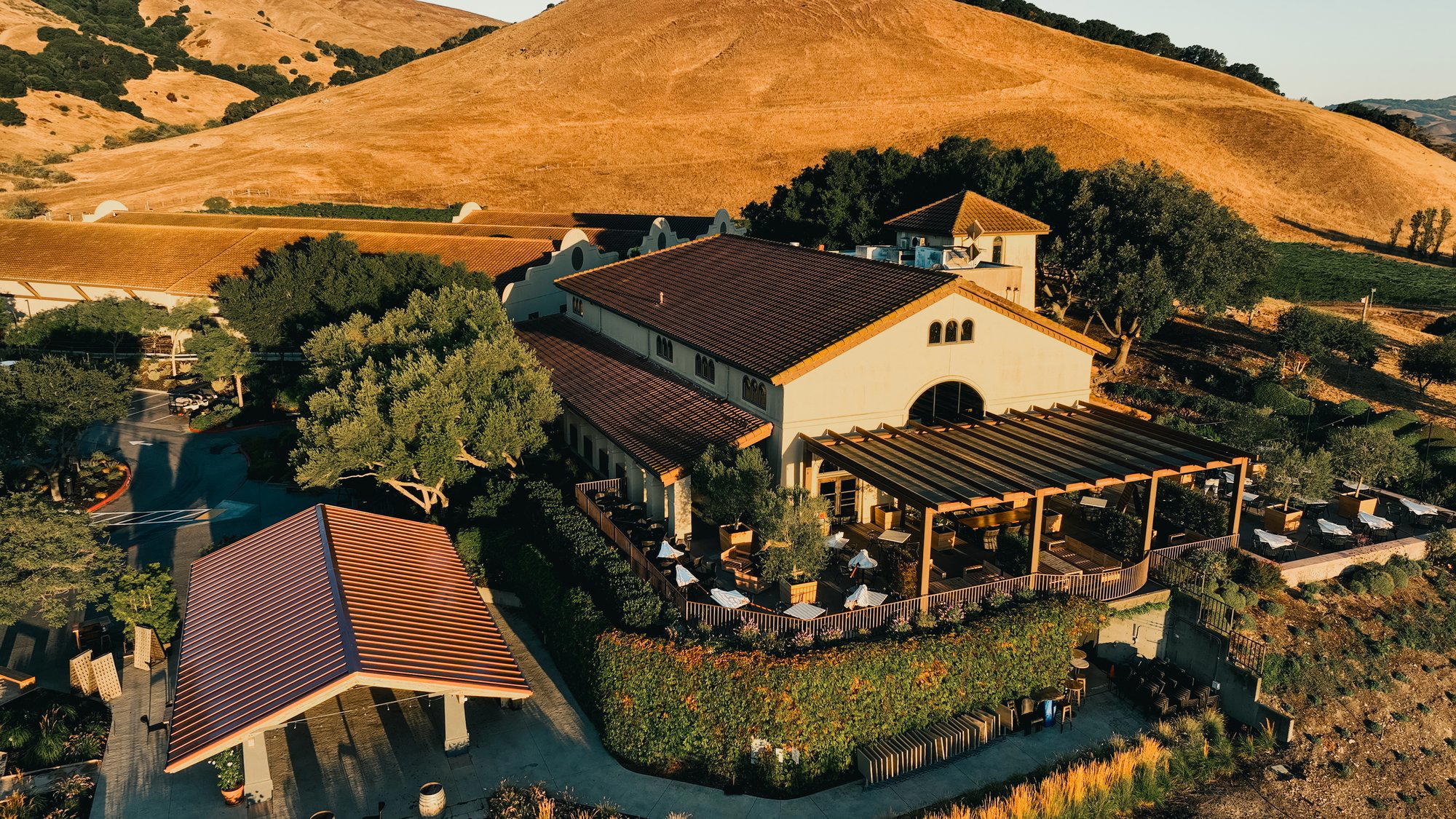
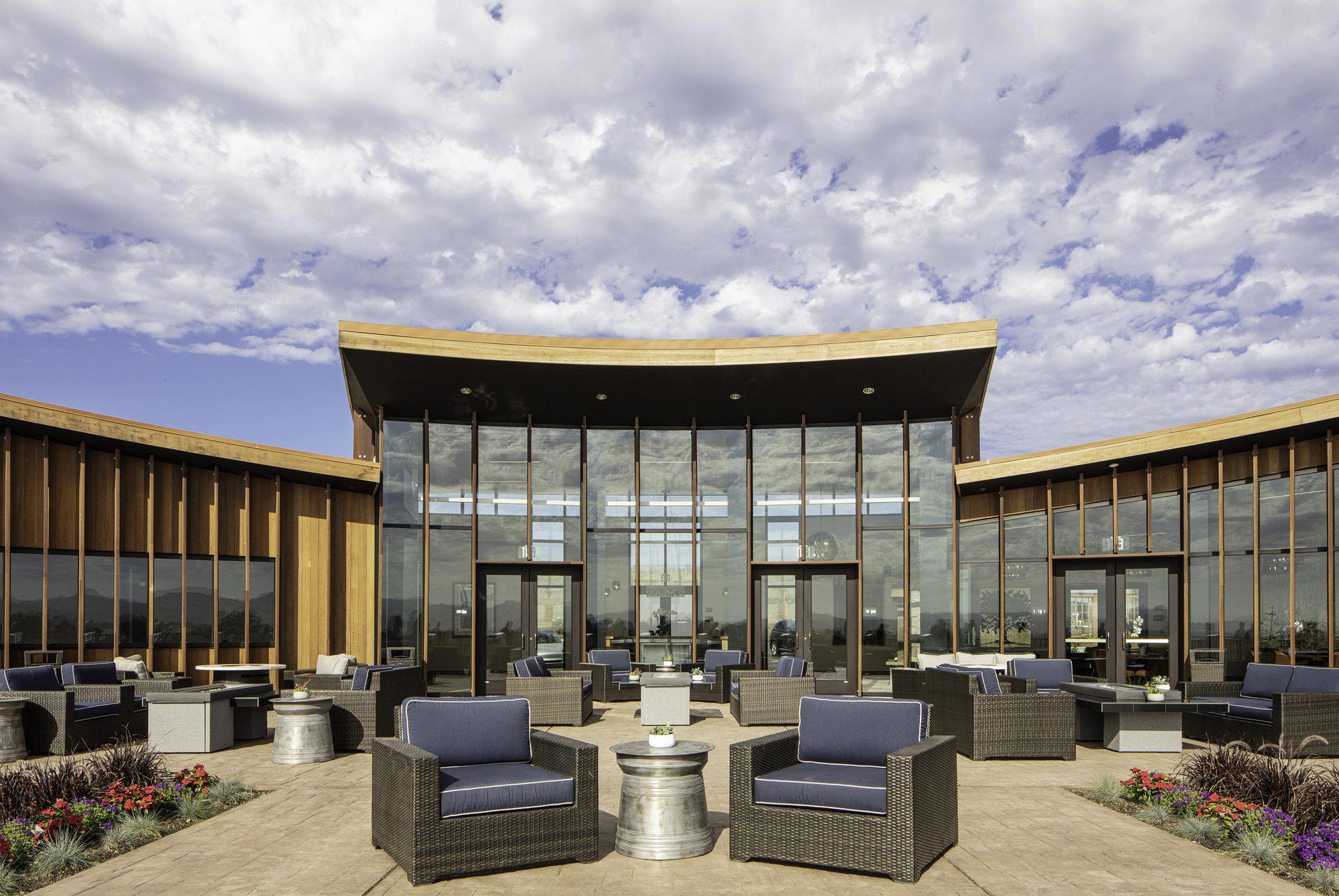
Warm and welcoming waterfront atmosphere with lovely bay views from indoor dining room and heated outdoor patios.