Our verdict
Plzeňská hodovňa sits on Pribinova street in Malacky, a town in western Slovakia where the dining scene runs close to regional tradition rather than metropolitan trend. The address places it within reach of the Small Carpathians corridor, a stretch of Slovak territory where locally sourced ingredients have long shaped everyday cooking. For travellers passing through this part of western Slovakia, it represents a grounded alternative to Bratislava's more polished restaurant circuit.

Pearl is the En Primeur Club membership app — saves, bookings, and concierge access live there. Same editors, same standards.
- Address
- Pribinova 16, 901 01 Malacky, Slovakia
- Phone
- +421948656456
- Hours
- Mon–Thu 11 AM–11 PMFri 11 AM–12 AMSat 12 PM–12 AMSun 12–10 PM
- Website
- plzenskahodovna.sk
- Directions
- Get directions
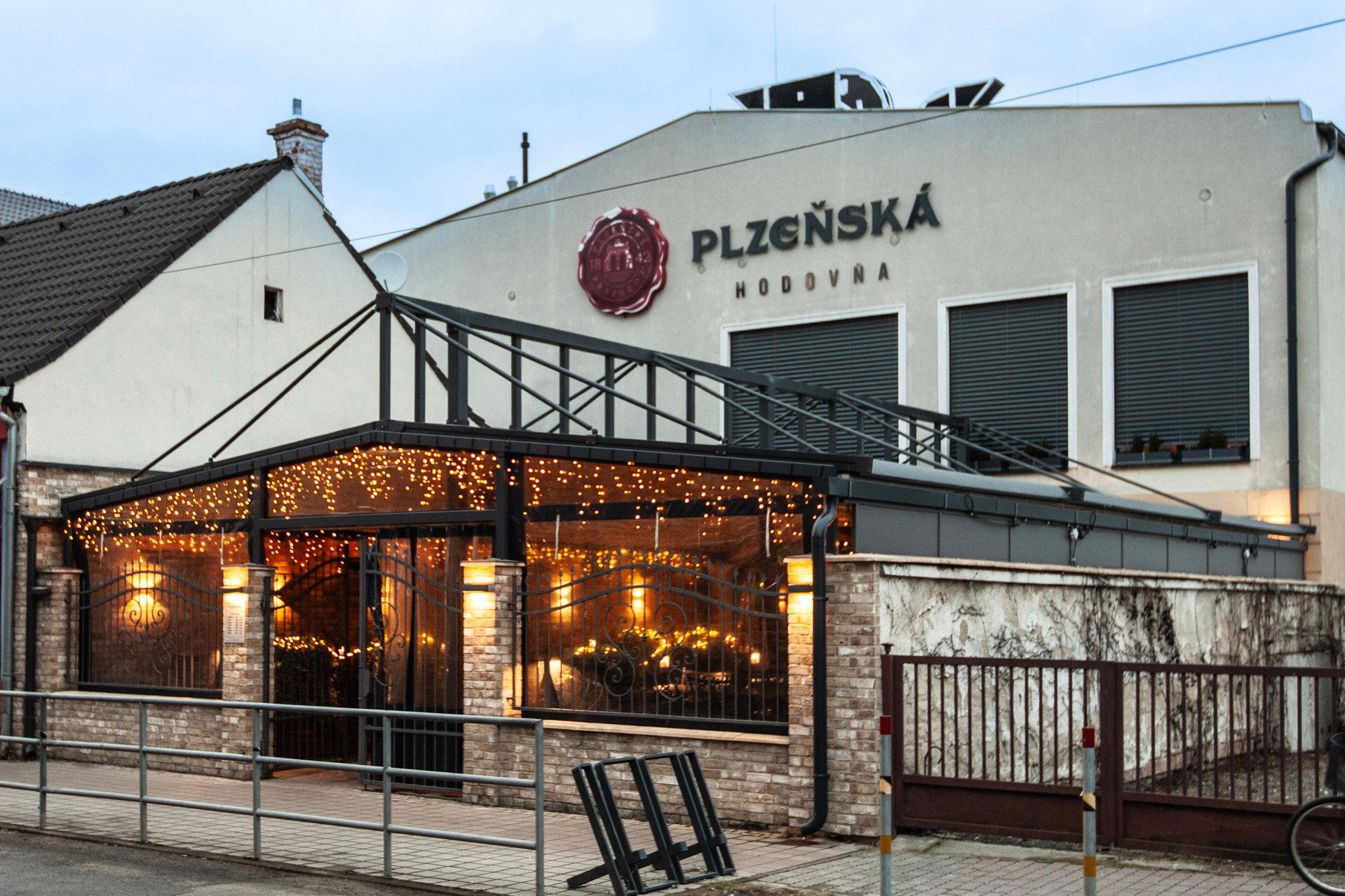
Western Slovakia's Ingredient-Driven Table
Malacky sits roughly 30 kilometres north of Bratislava, close enough to the capital that residents commute daily, yet far enough that its food culture has developed on its own terms. The town sits at the edge of the Small Carpathians, a low forested range that has historically supplied game, mushrooms, and foraged produce to kitchens across western Slovakia. Restaurants in towns like Malacky have tended to reflect that proximity: shorter supply lines, seasonal menus shaped by what grows nearby, and a directness in cooking that larger urban kitchens sometimes trade away for polish. Plzeňská hodovňa, at Pribinova 16, operates within this tradition.
The name itself signals something about format and culture. Hodovňa translates loosely as a feast hall or banquet house, a Slovak term that implies generous portions and communal eating rather than precise tasting-menu portions. The Czech prefix Plzeňská connects the address to the Pilsen brewing tradition, suggesting a kitchen that works comfortably alongside beer rather than wine, and a dining register that prioritises comfort and volume over refinement. Across Slovakia, this category of restaurant — part tavern, part regional kitchen — has remained more resistant to international trend cycles than its Bratislava counterparts, and for that reason often offers a clearer signal of local ingredient culture than the capital's more ambitious addresses.
The Regional Sourcing Context
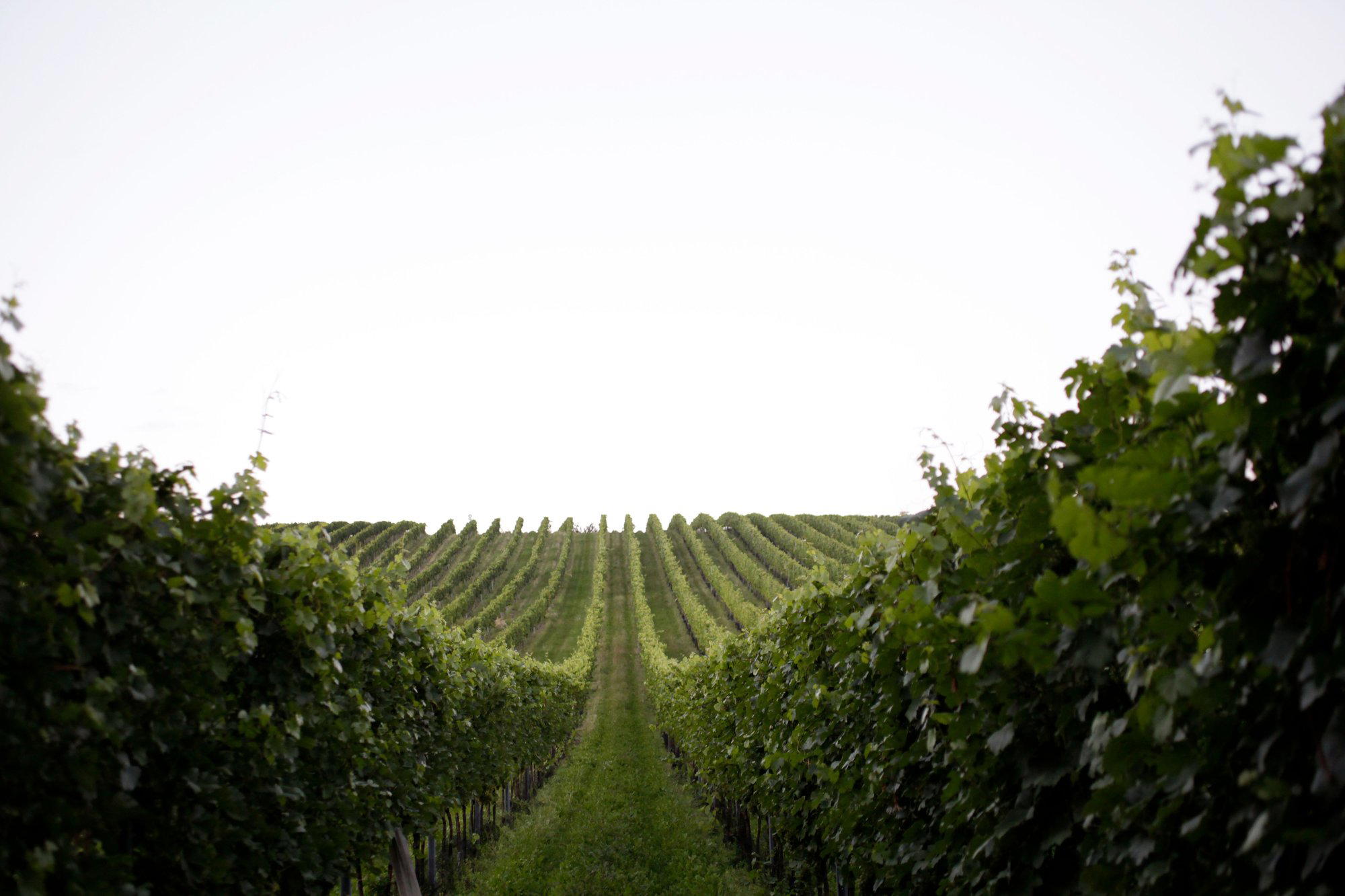
The Small Carpathians corridor running south from Malacky toward Modra and Pezinok is one of western Slovakia's most agriculturally active zones. Viticulture dominates the lower slopes, but the upland forests supply wild game year-round, and the area's market gardens have long provided the beetroot, cabbage, and root vegetables that anchor Central European cooking. Restaurants drawing on this supply chain, whether consciously or through simple geographic proximity, are working with ingredients that travel short distances and reflect the season directly. This matters more in a town like Malacky than in Bratislava, where supply chains tend to be longer and restaurant purchasing more formalised.
Central European kitchen that Plzeňská hodovňa likely represents is one built around preservation techniques: pickling, smoking, slow braising, and the use of rendered fats that characterise Slovak cooking at its most traditional. These methods exist not as retro affectation but as practical responses to a climate with hard winters and short growing seasons. The result, at its finest, is food with genuine depth, slow-cooked meats, fermented accompaniments, and broths that carry accumulated time. For comparison, Wild Kitchen Modra in Modra, a short drive south through the Small Carpathians, operates on a similar regional footing, drawing on game and foraged materials from the same upland range.
Where Malacky Sits in the Slovak Dining Picture
Slovakia's dining scene has developed unevenly. Bratislava holds the concentration of internationally recognised addresses, Michelin-adjacent kitchens, and restaurants that position themselves for a cosmopolitan clientele. Regional towns like Malacky, Žilina, and Považská Bystrica carry a different register: local loyalty, affordability, and an expectation that food should connect to place rather than signal aspiration. This is not a lesser category, it is a different one, and often a more instructive one for understanding what Slovak food actually tastes like outside the capital.
Within that regional tier, the hodovňa and koliba formats occupy distinct positions. Koliba restaurants, timber-built, mountain-inflected, often tied to tourism routes, appear throughout the Carpathians. Addresses like Koliba Patria in Štrbské Pleso and KOLIBA na Vršku in Bytča represent that tradition, with menus built around lamb, trout, and open-fire cooking. The hodovňa format is more urban and less tourism-dependent, closer to a central European beer hall in function, with heavier braised dishes and a broader grain-based accompaniment profile. The two traditions share a sourcing logic but express it differently.
Elsewhere in the Slovak dining network, kitchens at addresses like Fatrabeef in Ľubochňa have built explicit identities around provenance, naming specific cattle operations and grazing territories. That level of sourcing transparency remains relatively rare in Slovakia's regional tier, where farm-to-table rhetoric has not yet displaced the more practical, proximity-driven sourcing that has simply always existed in smaller towns. Plzeňská hodovňa sits in the latter category: a kitchen that reflects its local supply chain by default rather than by marketing position.
How to Approach the Visit
Malacky is accessible from Bratislava by regional road in under 40 minutes, and the town functions primarily as a local service centre rather than a destination in its own right. Visitors arriving from the capital will find the dining register here considerably less formal than Bratislava's centre, with pricing that reflects local rather than tourist economics. Pribinova is a central street, and the address at number 16 is walkable from the main square.
For context on the broader western Slovakia dining corridor, our full Malacky restaurants guide covers the town's address range in full. Travellers who have already worked through Bratislava's kitchen circuit, including more polished modern Slovak options, will find Malacky a useful counterpoint. Those approaching from further afield in Slovakia, particularly from the central regions covered by addresses like Hotel and Restaurant Drak in Liptovský Mikuláš or Focus Restaurant in Žilina, should expect a western Slovak flavour profile with heavier Bohemian influence given the Plzeň cultural reference embedded in the name.
The contrast with internationally positioned addresses is worth noting. Restaurants like Le Bernardin in New York City or Atomix in New York City operate within systems of global sourcing, named suppliers, and tasting-menu frameworks where provenance is curated and presented as narrative. The regional Slovak kitchen operates on an older, less mediated version of the same logic: ingredients are local because the alternative was never normalised, and the menu reflects the season because the supply chain demands it. Both represent sourcing integrity, they simply occupy opposite ends of the formality spectrum.
For those building a broader Slovak itinerary, other addresses worth cross-referencing include Holotéch víška in Košaríska, which operates in a similar Small Carpathians zone, and Klára v GOYA vitality hotel in Voderady for a comparison point further east. The full network of Slovak regional kitchens, from Kaštieľ Čičmany in Čičmany to Cafe Sissi in Trenčín, shows how consistently the country's regional identity holds even as urban kitchens trend international.
Frequently asked questions
Does Plzeňská hodovňa work for a family meal?
Plzeňská hodovňa on Pribinova 16 in Malacky is a local address that serves the town's residents rather than a destination dining crowd, which typically means a relaxed, inclusive atmosphere suited to family groups. Malacky itself functions as a community service centre rather than a tourist hub, so the pace is unhurried and the room is unlikely to feel exclusionary or high-pressure.
Is Plzeňská hodovňa better for a quiet night or a lively one?
As a neighbourhood address in Malacky, a town of around 18,000 people north of Bratislava, Plzeňská hodovňa leans toward the quieter end of the scale on most evenings. Weekends and local events can shift that, but the setting and community character of the address suggest a steadier, more convivial tone than a high-volume urban venue.
How does Plzeňská hodovňa fit into the broader dining options between Malacky and Bratislava?
Malacky sits roughly 30 kilometres north of Bratislava along the western Slovak corridor, and Plzeňská hodovňa at Pribinova 16 represents the kind of community-facing address the capital's dining scene doesn't replicate — rooted in a specific town rather than positioned for international visitors. For travellers moving between Bratislava and the Small Carpathians wine villages, it offers a practical and locally grounded stop without the pricing structure of the capital's more recognised kitchens.
What's the best thing to order at Plzeňská hodovňa?
What the name and location suggest — a Czech-Slovak style hodovňa, meaning a feast or banquet hall, in the agriculturally active Small Carpathians corridor — points toward hearty, ingredient-forward plates. Asking staff what is freshest that day is the practical approach at any address in this region.
Where do I go for Plzeňská hodovňa?
Plzeňská hodovňa is located at Pribinova 16, 901 01 Malacky, Slovakia, Malacky.
Can I walk in to Plzeňská hodovňa?
No booking policy is confirmed in the available record for Plzeňská hodovňa at Pribinova 16, Malacky. Given the venue's local character in a town that draws residents rather than large tourist flows, walk-ins are plausible on quieter weekday evenings, though calling ahead is advisable if visiting on a weekend or with a larger group.
What's the defining dish or idea at Plzeňská hodovňa?
The name hodovňa — rooted in the Slovak and Czech tradition of communal feasting — signals a kitchen oriented around generous, table-centred eating rather than refined tasting menus. Set in Malacky, within reach of the Small Carpathians growing corridor that supplies western Slovakia with wine, produce, and livestock, the venue sits in a region where ingredient provenance is a practical reality rather than a marketing position.
How It Stacks Up
Comparable venues nearby, for context on price, style, and recognition.
| Venue | Cuisine | Price | Awards | Notes |
|---|---|---|---|---|
| Plzeňská hodovňaThis venue — the venue you are viewing | Modern Slovak Cuisine | $20–30 | Not listed | Not listed |
| Ako doma | Traditional Slovak Home-Style | $10–20 | Not listed | Staré Mesto |
| Restaurant Inside | International European | Not listed | Not listed | Ružinov |
| Albrecht Restaurant | Modern Central European | $50–100 | Not listed | Staré Mesto |
| RIVERBANK Restaurant | Modern Slovak Fine Dining | $50–100 | Falstaff Restaurant - 93 Falstaff Points | Staré Mesto |
| BERG restaurant | International and Central European | $20–30 | Not listed | Petržalka |
Continue exploring
More in Malacky
Restaurants in Malacky
Browse all →
Bars in Malacky
Browse all →
Hotels in Malacky
Browse all →
Details
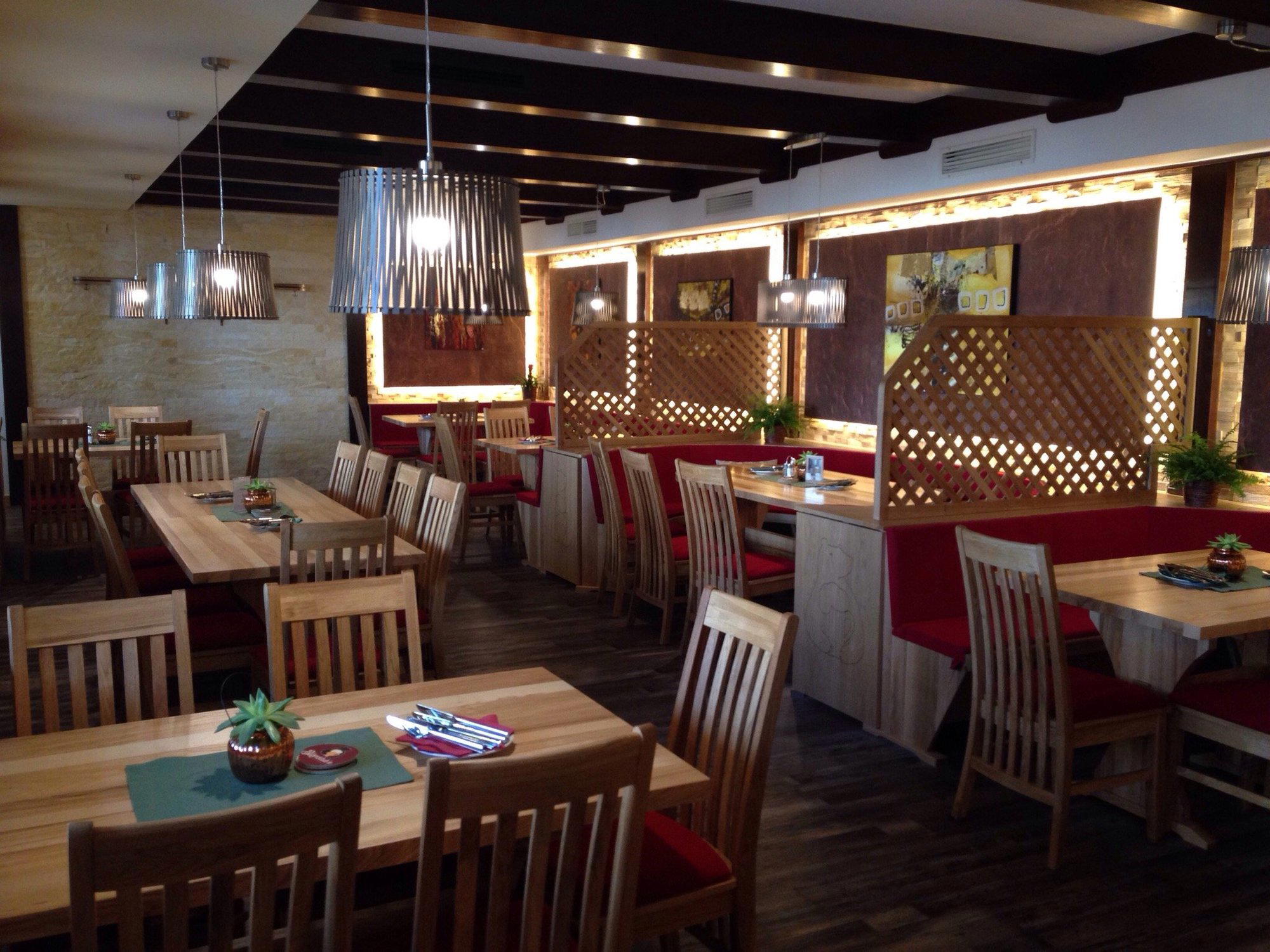
- Cozy
- Rustic
- Family
- Group Dining
- Casual Hangout
- Open Kitchen
- Beer Program
- A La Carte
- Pilsner Urquell
Current opening hours
- Monday
- 11 AM–11 PM
- Tuesday
- 11 AM–11 PM
- Wednesday
- 11 AM–11 PM
- Thursday
- 11 AM–11 PM
- Friday
- 11 AM–12 AM
- Saturday
- 12 PM–12 AM
- Sunday
- 12–10 PM
Hours can change for holidays and private events. Last verified .
Inviting and charming with professional friendly service in a beautiful setting.