Plume Algiers
Our verdict
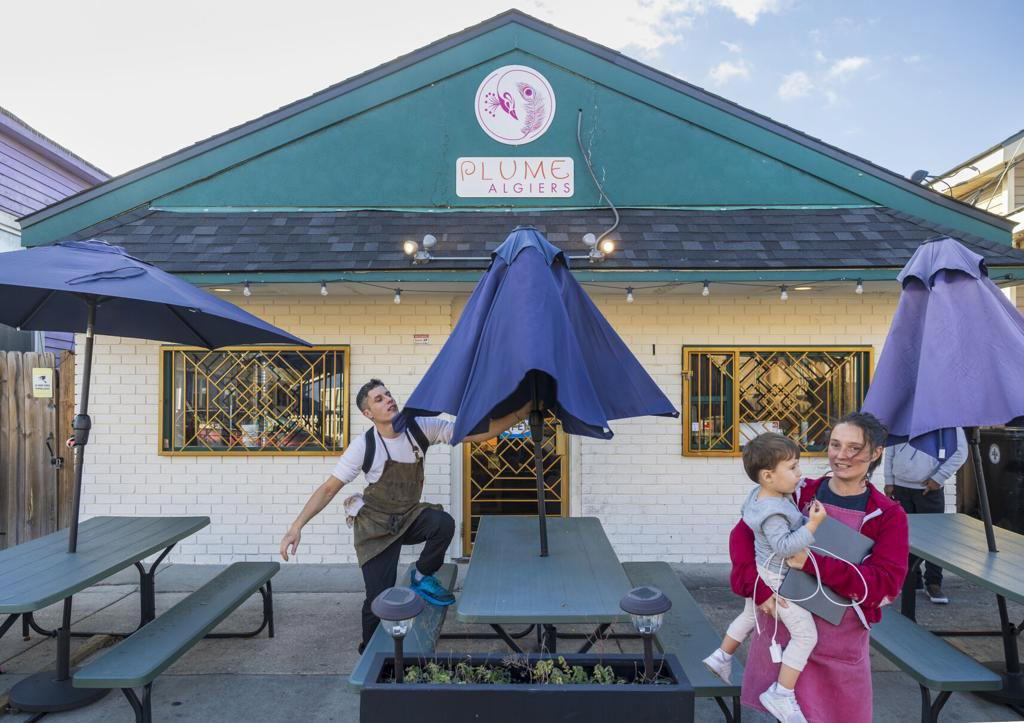
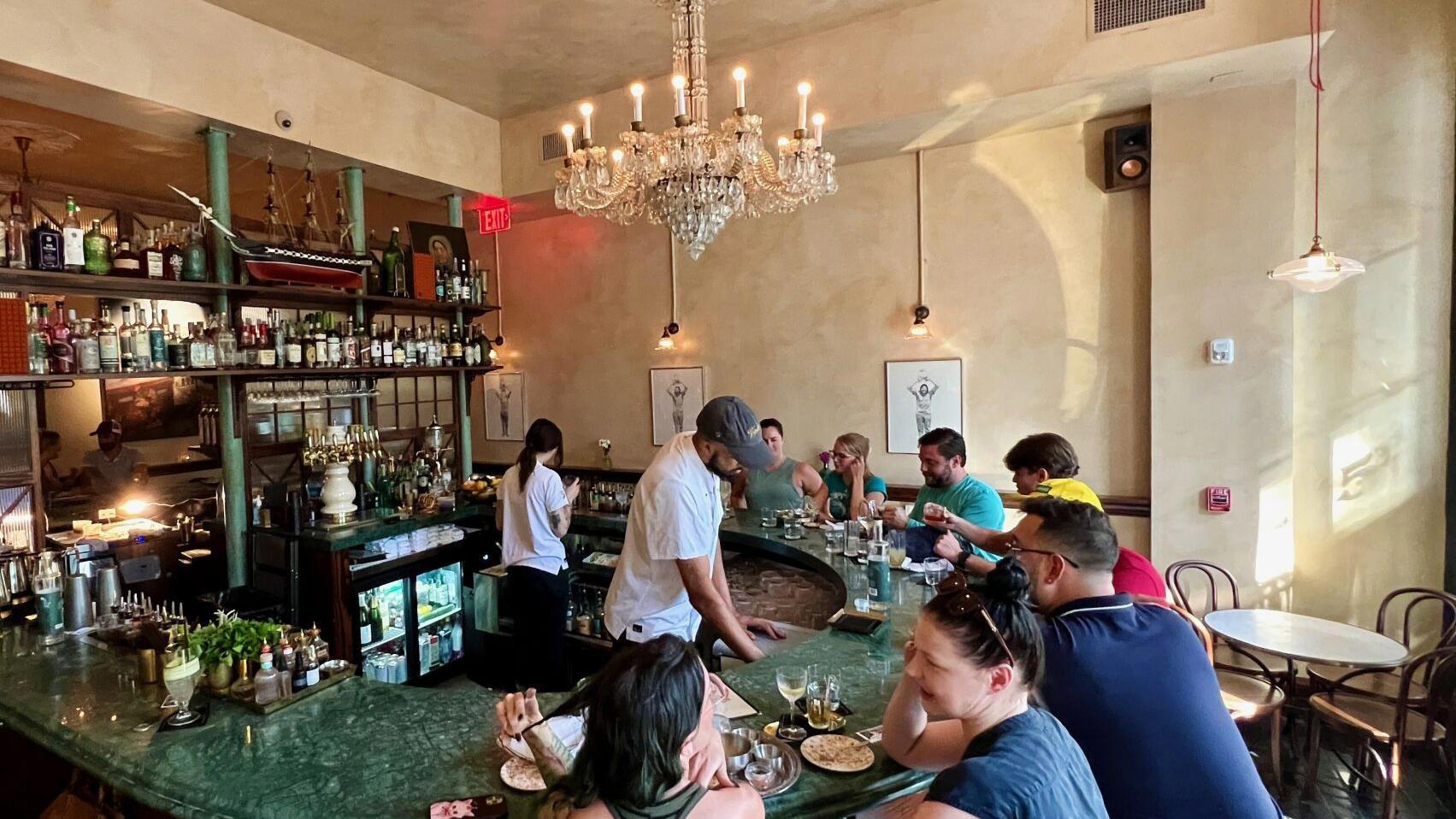
Plume Algiers serves regional Indian lunch and dinner in a quiet, casual setting, with Beef Nihari, Kaathi Rolls, and Keralan Fried Chicken.

Pearl is the En Primeur Club membership app, where members save venues, book tables and use the concierge.
The menu
What to order
- Beef Nihari
- Kaathi Rolls
- Keralan Fried Chicken
Algiers Point and the Quieter Side of New Orleans Dining
Cross the Mississippi on the Canal Street Ferry and the city shifts register immediately. Algiers Point, the oldest neighborhood in New Orleans outside the French Quarter, trades the French Quarter's performance for something closer to residential conviction. The streets are narrower, the shotgun houses sit closer to the pavement, and the restaurants that have taken root here operate on a different logic than their counterparts upriver. Plume Algiers, at 1113 Teche Street, sits inside this quieter orbit, a dining room that earns its following from a neighborhood that does not particularly need to impress tourists.
The broader pattern in American fine dining over the past decade has been a migration away from downtown density toward neighborhoods where rents allow more deliberate, less volume-driven operations. You see it in cities like San Francisco, where Lazy Bear operates as a ticketed communal dinner in the Mission rather than a traditional restaurant, and in New York, where Atomix has built one of the country's most serious Korean tasting menus in a quieter stretch of Midtown. Algiers Point represents the New Orleans version of that shift: a neighborhood with genuine character, not a manufactured dining district, providing the conditions for a certain kind of focused operation.
What the Address Signals
Teche Street runs through a part of Algiers that feels insulated from the event-driven economy of the French Quarter and the Warehouse District. The neighborhood's dining identity is still forming, which means the venues that have established themselves here are doing so on the strength of what they serve rather than foot traffic or adjacency to convention hotels. That context matters when reading a place like Plume Algiers: it is not positioned against the city's highest-profile Creole institutions like Commander's Palace or the Cajun legacy operations like Emeril's. It occupies a different tier and draws a different kind of regular.
New Orleans dining has always been more stratified than its reputation as a party city suggests. The contemporary side of the scene, represented by places like Re Santi e Leoni and the serious tasting menus at Saint-Germain, coexists with neighborhood-rooted operations that draw less critical attention but maintain loyal, informed clientele. Plume Algiers belongs to that second category, at least in terms of its geography and residential positioning.
The Wine Question in a Cocktail City
New Orleans is a cocktail city by identity and by history. The Sazerac, the Ramos Gin Fizz, the Vieux Carré: the city's bar tradition runs deep and specific. That cultural emphasis has sometimes meant that wine programs at New Orleans restaurants receive less attention than they deserve, with resources directed toward spirits programs and the showmanship that cocktail culture rewards. The more considered dining operations in the city have pushed back against that default, and the pattern is visible at restaurants like Bayona and Zasu, where wine lists are curated with the same seriousness applied to the kitchen.
Across American fine dining more broadly, the wine list has become a primary differentiator between operations that are merely accomplished and those that operate at a more serious level. At The French Laundry in Napa, the wine program is inseparable from the dining experience, with a list that references California's own vinous geography while reaching into Burgundy and the Rhône. Even regional American operations like Single Thread Farm in Healdsburg have built wine programs that carry as much editorial weight as the tasting menu itself.
A wine list in a neighborhood restaurant operates differently from those larger-scale programs, but the underlying logic is the same: curation philosophy, range across regions and price points, and the ability to match a list to food without defaulting to safe international selections. In a city where the food culture leans heavily toward local identity, wine programs have an opportunity to provide contrast and complement simultaneously.
Comparing Positions in the New Orleans Scene
The restaurant most frequently invoked as a benchmark for serious New Orleans dining is Commander's Palace, which has maintained its reputation across decades and generations of kitchen talent. Below that tier, the contemporary operations represent a different ambition: smaller, often less ceremonial, built around tighter menus and more personal selections. Saint-Germain sits at the upper end of that contemporary bracket; Plume Algiers, based on its Algiers Point address and neighborhood positioning, operates at a register that is more accessible and more rooted in local rhythm.
Nationally, the pressure on neighborhood fine dining comes from the comparison set that well-traveled diners carry with them: Providence in Los Angeles, Addison in San Diego, Bacchanalia in Atlanta, and Blue Hill at Stone Barns in Tarrytown all represent operations where the totality of the experience, including the wine program, is held to a higher standard. The Inn at Little Washington and Alinea in Chicago represent the more theatrical end of American fine dining, where spectacle is part of the proposition. Plume Algiers, by virtue of its location and its neighborhood audience, is unlikely to compete in that register, which is not a criticism so much as a positioning observation.
Planning a Visit
Reaching Plume Algiers requires the short ferry crossing from Canal Street, which takes approximately five to seven minutes and runs frequently enough that it functions as a practical transit option rather than an event. The crossing also provides a clean break from the sensory load of the French Quarter, which can be useful if you are arriving from a longer day in the city. The address at 1113 Teche Street is walkable from the Algiers ferry landing. Given the limited public information currently available about reservation policy, hours, and booking method, contacting the venue directly before visiting is advisable. Visitors who want broader context on the New Orleans dining scene, including which neighborhoods are worth building itineraries around, can consult our full New Orleans restaurants guide.
Frequently asked questions
at Plume Algiers?
Is Plume Algiers reservation-only?
What makes Plume Algiers worth seeking out?
Is Plume Algiers allergy-friendly?
Is Plume Algiers worth it?
Is Plume Algiers part of a larger restaurant group or independent?
Reputation First
Comparable venues nearby, for context on price, style, and recognition.
| Venue | Cuisine | Price | Awards | Notes |
|---|---|---|---|---|
| Plume AlgiersThis venue (the venue you are viewing) | Regional Indian | $20–30 | Not listed | Not listed |
| St. Pizza | Pizza & Italian Tavern | Not listed | 50 Top Pizza USA Slice #7 | New Orleans |
| Three Muses | American Small Plates with International Flair | $30–50 | Not listed | Marigny |
| NOLA Brewing & Pizza Co. | New York-Style Pizza & Craft Beer | $20–30 | Not listed | Irish Channel |
| Cafe Conmigo | Cuban Bakery Cafe | $10–20 | Not listed | Freret |
| Tal's Hummus | Israeli Street Food | $10–20 | Not listed | Uptown |
Continue exploring
More in New Orleans
Restaurants in New Orleans
All restaurants in New Orleans →
Bars in New Orleans
All bars in New Orleans →
Details
- Intimate
- Cozy
- Date Night
- Solo
- Standalone
- Local Sourcing
- A La Carte
- Prix Fixe
- Vegetarian Friendly
- Gluten Free Options
Current opening hours
- Monday
- Closed
- Tuesday
- 5:30–9 PM
- Wednesday
- 5:30–9 PM
- Thursday
- 5:30–9 PM
- Friday
- 11 AM–2 PM, 5:30–9 PM
- Saturday
- 11 AM–2 PM, 5:30–9 PM
- Sunday
- Closed
Hours can change for holidays and private events. Hours as of .
Simple decor with colorful mural, unpretentious neighborhood cafe atmosphere.