Pepperclub Hotel

World Luxury Hotel Awards WLHA Continent Winner
Pepperclub Hotel sits on Loop Street in Cape Town's City Centre, holding both a Country Winner award for Luxury Contemporary Hotel and a Continent Winner designation for Luxury City Hotel from the World Luxury Hotel Awards. The address places guests within walking distance of the CBD's creative and culinary core, with Table Mountain as an ever-present backdrop. For travellers after a contemporary urban base with serious continental recognition, it represents a considered choice.

Pearl is the En Primeur Club membership app — saves, bookings, and concierge access live there. Same editors, same standards.
- Address
- 167 Loop St, Cape Town City Centre, Cape Town, 8005, South Africa
- Phone
- +27 21 812 8888
- Website
- pepperclub.co.za
- Directions
- Get directions
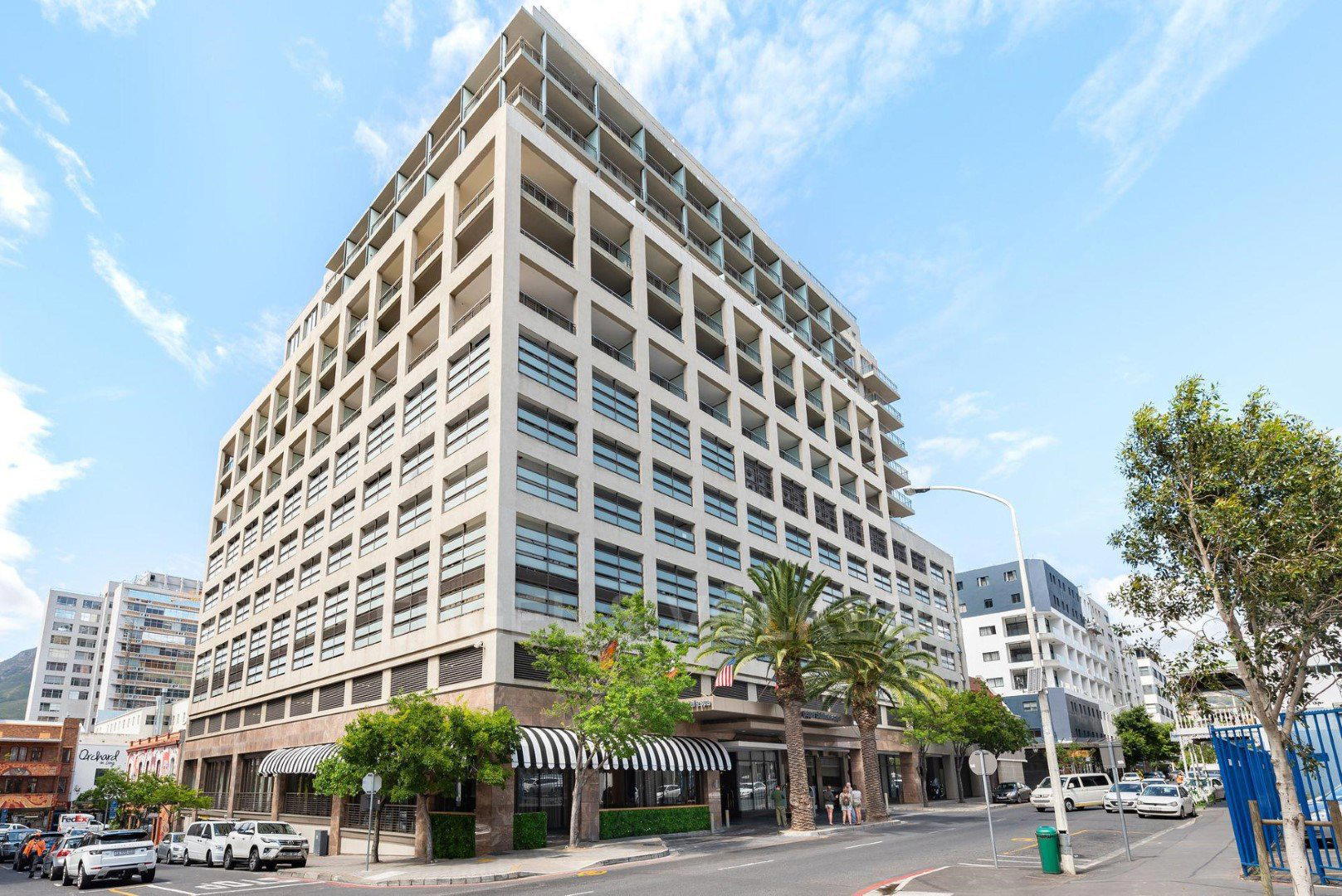
Loop Street and the Contemporary Hotel Tier
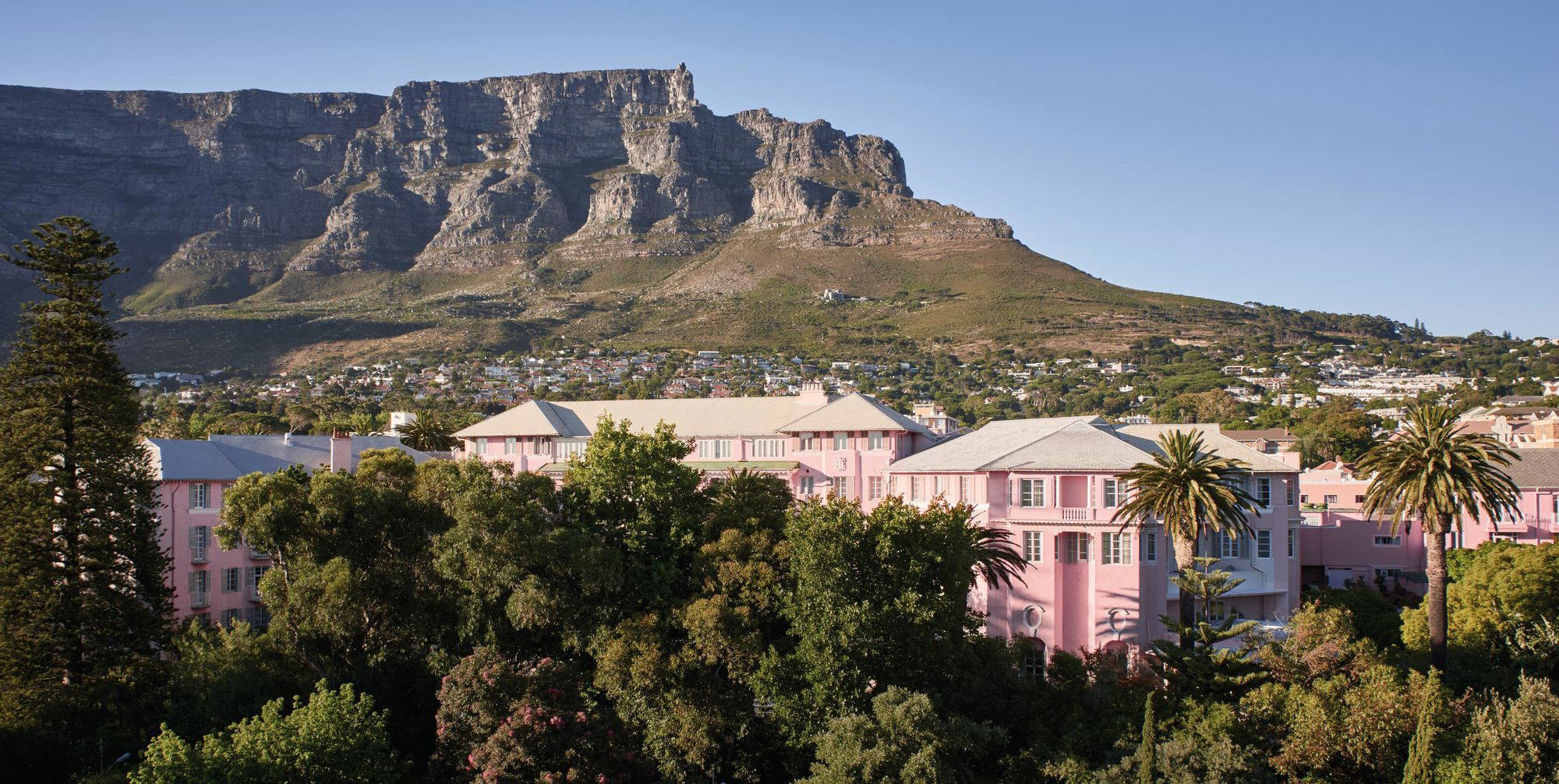
Cape Town's hotel market has stratified sharply over the past decade. At one end sit the grand colonial properties — properties like Mount Nelson and Mount Nelson, A Belmond Hotel, Cape Town, which trade on heritage, gardens, and a particular idea of old-world southern Africa. At the other end, a newer generation of contemporary city hotels has taken root in the CBD and De Waterkant, designed around a different set of priorities: walkability, design language, and proximity to the city's working creative and culinary quarters. Pepperclub Hotel at 167 Loop Street belongs firmly to the second group.
Loop Street itself is one of the city's more instructive addresses. It runs through the upper edge of the CBD where galleries, design studios, and independent restaurants have gradually replaced more transactional retail. Arriving at a hotel on this street places you inside the city rather than insulated from it — the distinction that separates contemporary urban properties from resort-style retreats. That positioning is a deliberate category choice, not simply a location of convenience.
The hotel holds two significant external validations: Country Winner for Luxury Contemporary Hotel, and Continent Winner for Luxury City Hotel. That it holds both simultaneously suggests a consistent performance profile rather than a single strong year.
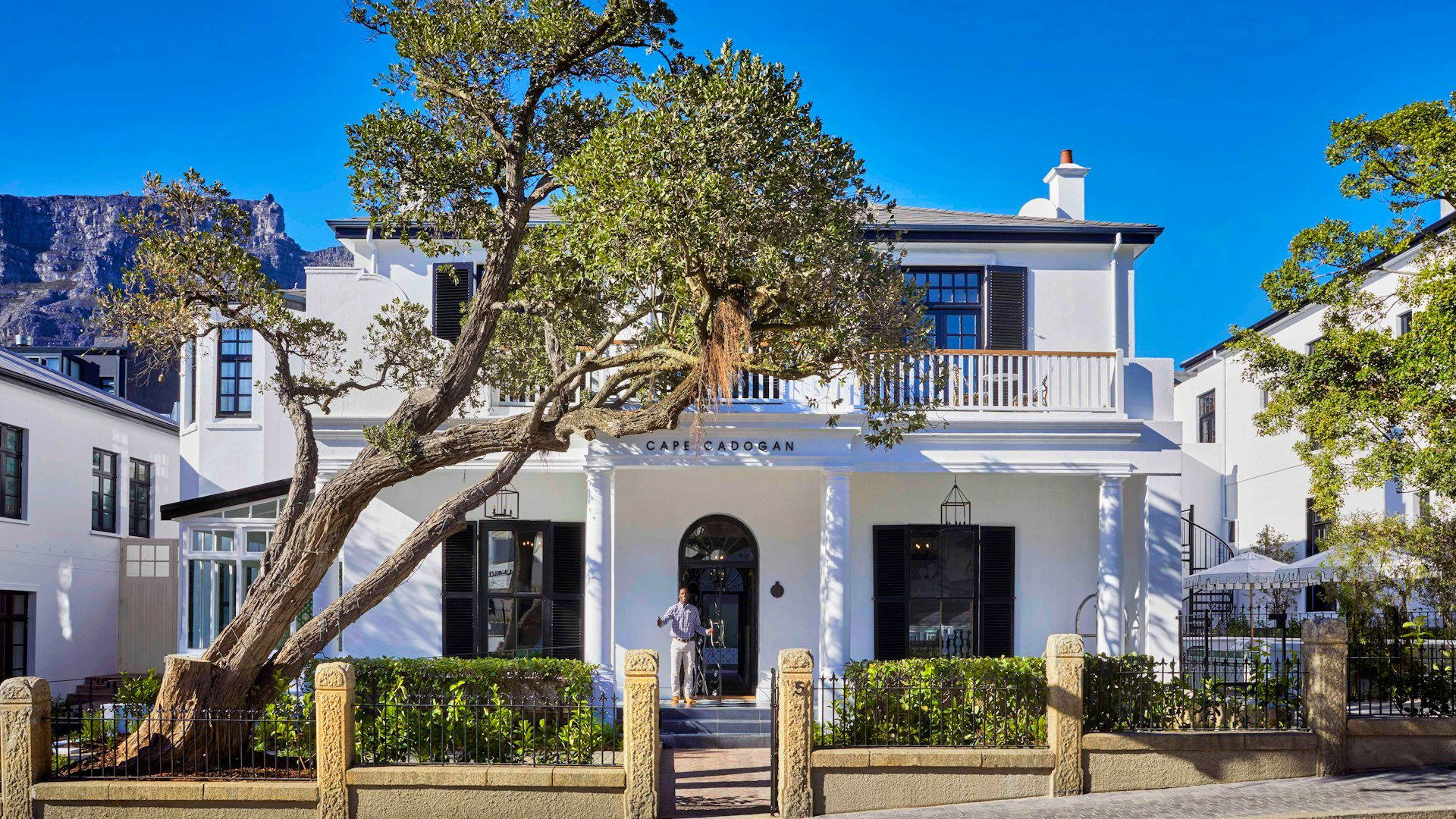
For context, the broader South African luxury city hotel tier is genuinely competitive. Properties like Cape Grace, A Fairmont Managed Hotel and Cape Royale Luxury Suites anchor the waterfront end of the market; Camissa House and Cape Cadogan Boutique Hotel occupy a quieter, more intimate register in the Gardens neighbourhood. Pepperclub's award category, Luxury Contemporary, is distinct from the boutique and heritage brackets. It implies scale, design investment, and a service model oriented toward independent travellers and business visitors rather than the small-key intimacy market.
Travellers drawn to design-led African lodges elsewhere in South Africa, say, Clouds Estate in Stellenbosch or the Bosjes Manor House in Witzenberg, often look for a Cape Town urban counterpart that shares a contemporary sensibility without drifting into anonymous international-chain territory. The Pepperclub sits in that gap.
The City Centre as a Dining and Cultural Platform
Where a hotel sits in Cape Town determines which version of the city a guest experiences. The waterfront district delivers spectacle and convenience but relatively little that reads as authentically local. The southern suburbs, Constantia, Newlands, offer residential quiet but require a car for almost everything. The City Centre, and Loop Street specifically, gives access to the dining corridors that have made Cape Town one of Africa's most compelling food cities.
South African cuisine at its current frontier operates at the intersection of indigenous ingredients and internationally trained technique, fynbos-infused spirits, Karoo lamb prepared with French or Japanese precision, fermented rooibos in dessert courses, Cape Malay spice traditions filtered through contemporary plating discipline. The restaurants within walking distance of the Loop Street address sit squarely inside this movement. For a guest whose interest in Cape Town extends beyond beaches and wine estates, the City Centre location is an asset that coastal or suburban properties cannot replicate. For the full picture of where to eat around the city, our full Cape Town restaurants guide maps the relevant neighbourhoods and venues.
The broader South African travel circuit often pairs Cape Town with a bush or wine experience. Properties like Singita in Kruger National Park, Makanyane Safari Lodge in Thabazimbi, or Abelana River Lodge in Phalaborwa serve the bush end of that itinerary; Pepperclub functions as the urban anchor, a place to decompress after long drives or to front-load a trip with city time before heading to more remote terrain.
Contemporary Hotel Format in an African Context
The continent winner designation for Luxury City Hotel situates Pepperclub in a conversation that includes properties far outside South Africa. City hotel luxury in Africa is an evolving category, Johannesburg properties like African Pride Melrose Arch and the Hyatt Regency Johannesburg in Sandton compete in the same general tier, as does the Hyatt Regency Cape Town locally. What separates the continent-level award winners from the large-chain competitors in this space tends to be design coherence and service responsiveness, qualities that international flags can deliver inconsistently across markets.
For travellers building a South Africa itinerary that includes Johannesburg, the comparison between Cape Town contemporary hotel options and Joburg's Sandton corridor is worth making explicitly: the two cities offer quite different urban textures, and a hotel that reads as contemporary in Cape Town's relatively walkable CBD has a different spatial logic from a tower property in Sandton's car-dependent business district. Neither is superior in absolute terms; the fit depends on the travel purpose.
Planning Your Stay
Pepperclub Hotel is located at 167 Loop Street in Cape Town's City Centre, close enough to the CBD's commercial core to be useful for business travellers, and well-positioned for independent exploration of the Bo-Kaap, the Company's Garden precinct, and the restaurant and bar strip that has developed along Bree and Kloof Streets. Cape Town's shoulder seasons (April to May and September to October) tend to offer more favourable conditions than the December-January peak, when prices across the city rise and the waterfront fills with domestic and international summer visitors simultaneously. For travellers considering the Winelands as a day trip or overnight extension, Akademie Street Boutique Hotel in Franschhoek provides a considered base in the valley. Those looking at a more intimate Cape Town stay within a different neighbourhood register might also compare 21 Nettleton or Cape Heritage Hotel, both of which operate in smaller-key formats with distinct architectural characters.
Cuisine-First Comparison
Comparable venues nearby, for context on price, style, and recognition.
| Venue | Cuisine | Price | Awards | Notes |
|---|---|---|---|---|
| Pepperclub HotelThis venue — the venue you are viewing | Contemporary luxury suites in the city center | $1–100 | World Luxury Hotel Awards WLHA Continent Winner | Not listed |
| Compass House Boutique Hotel | Intimate boutique villa with five-star personalized service | Not listed | La Liste Top Hotels | Bantry Bay |
| South Beach Camps Bay Boutique Hotel | Miami-inspired luxury self-catering suites in a beachfront boutique setting | Not listed | Michelin Selected · La Liste Top Hotels | Camps Bay |
| The Westin Grand Cape Town | Modern luxury conference hotel integrated with convention centre | $200–300 | Michelin Selected | Schotschekloof |
| MannaBay | luxury boutique hotel in former residential home | Not listed | La Liste Top Hotels | Vredehoek |
| Mount Nelson, A Belmond Hotel, Cape Town | Timeless colonial luxury retreat in lush gardens | Not listed | 2 Michelin Keys · World's 50 Best #34 | City Bowl |
Recognition history
Dated appearances from independent guides and award organizations, with the underlying list record or original source where available.
World Luxury Hotel Awards WLHA Continent Winner
World Luxury Hotel Awards
Full recognition history (2 entries)
World Luxury Hotel Awards WLHA Country Winner
World Luxury Hotel Awards
Continue exploring
More in Cape Town
Hotels in Cape Town
Browse all →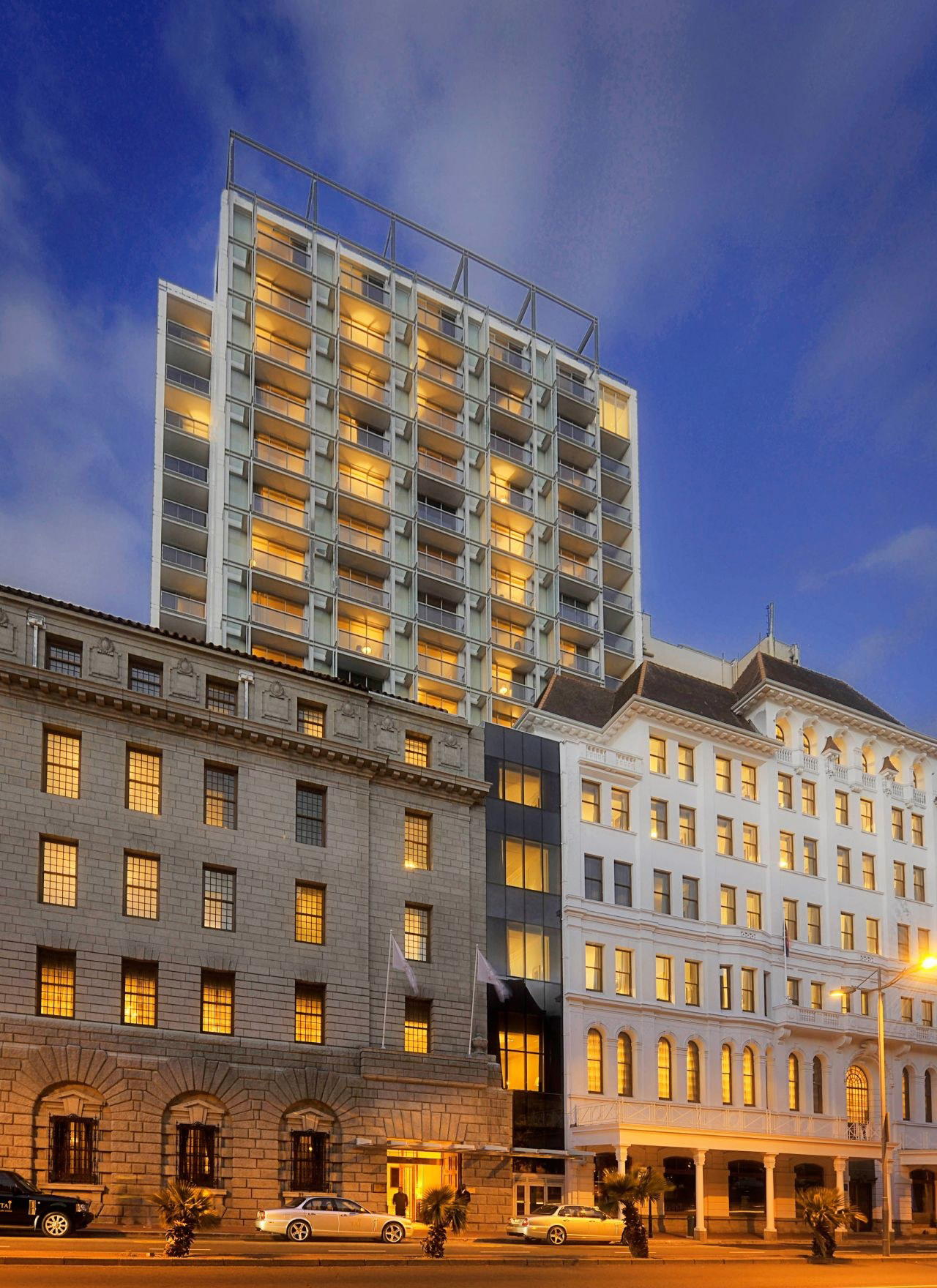
Bars in Cape Town
Browse all →
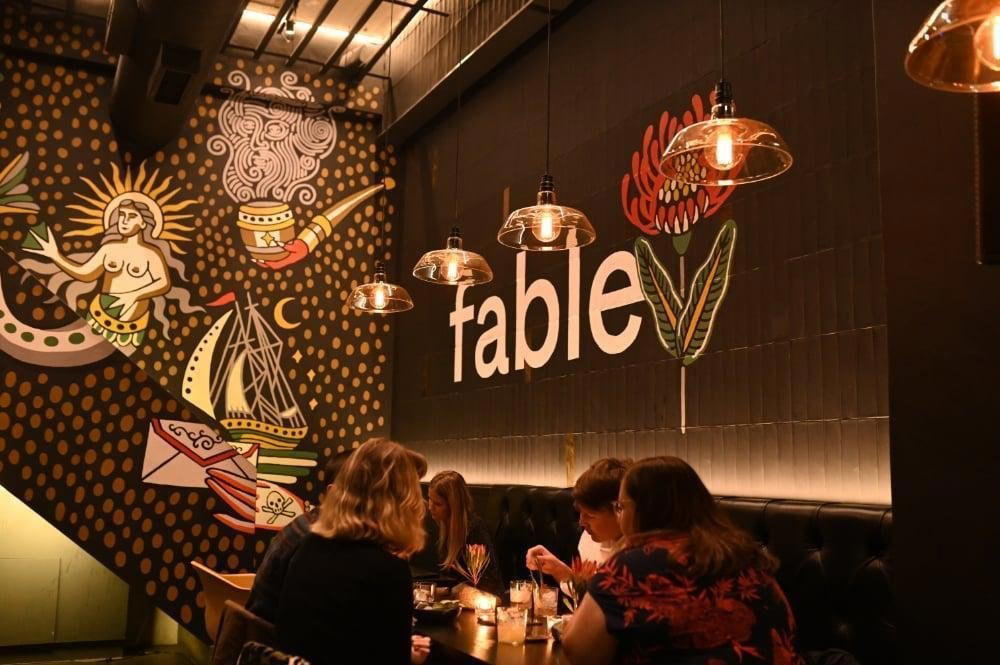
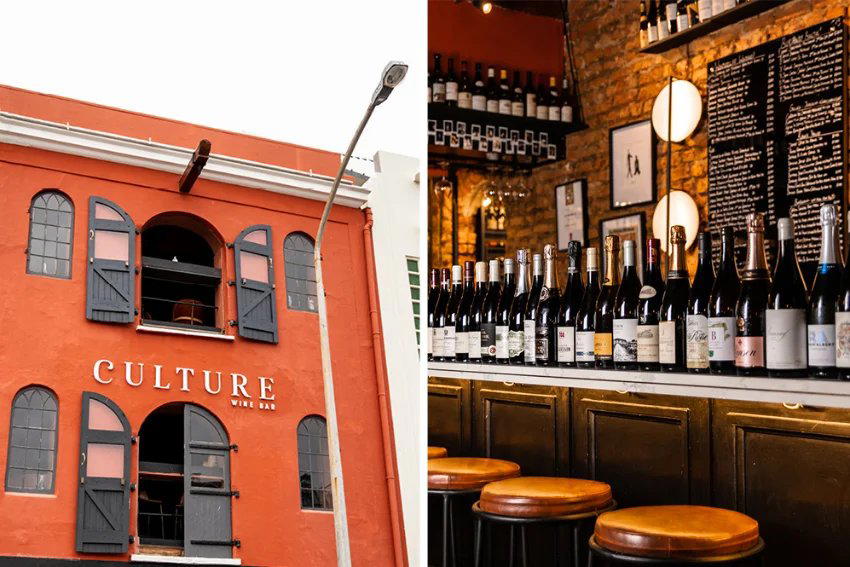
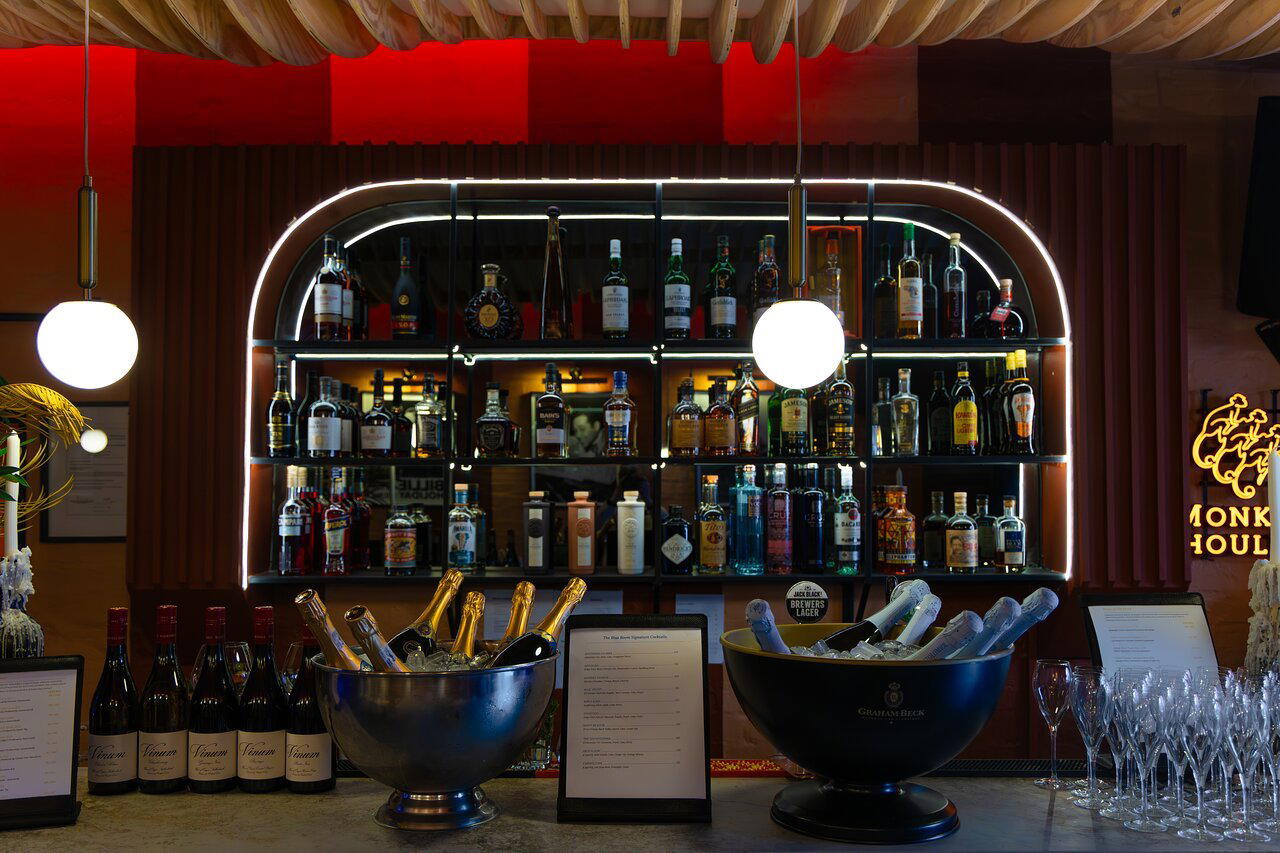
Restaurants in Cape Town
Browse all →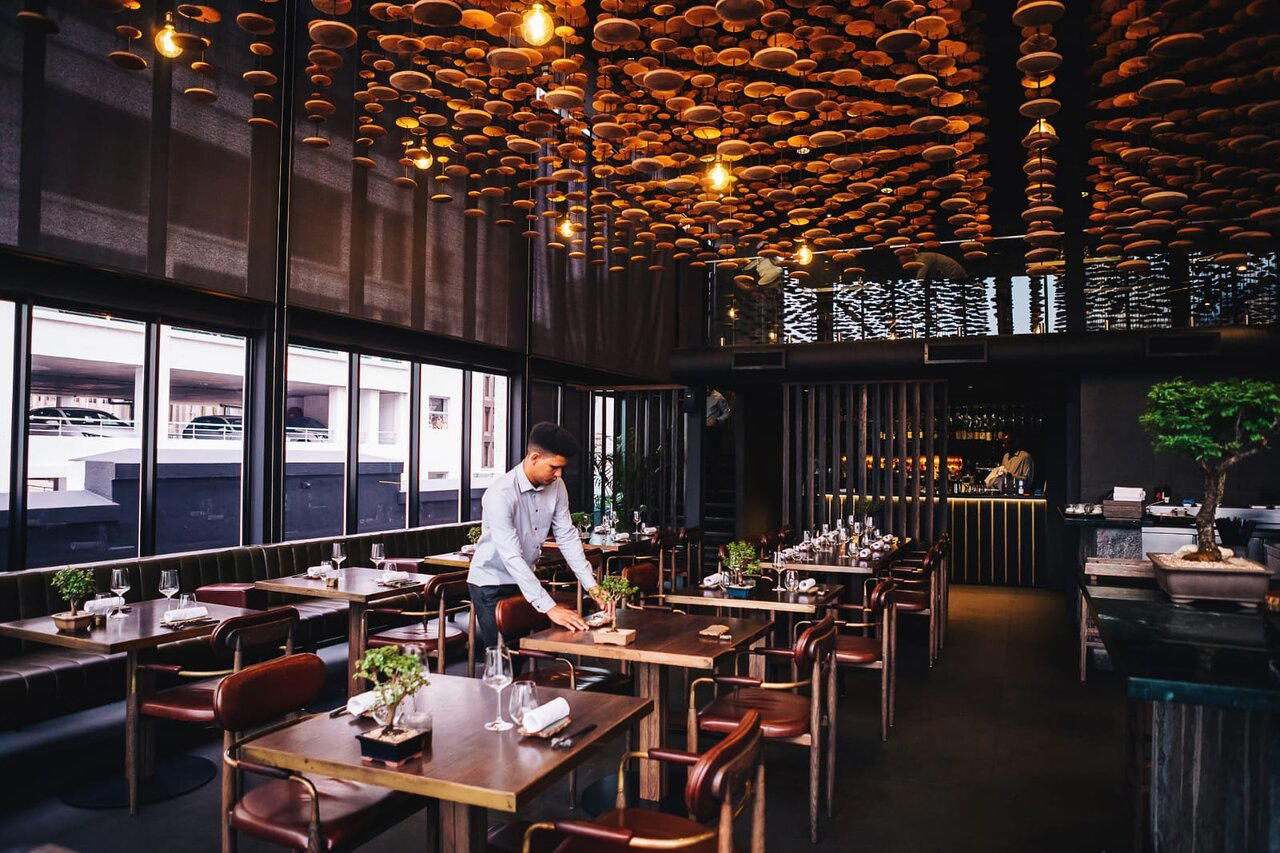
Details
- Modern
- Elegant
- Sophisticated
- Ornate
- Romantic Getaway
- Business Trip
- Weekend Escape
- Rooftop Pool
- Panoramic View
- Wi Fi
- Pool
- Spa
- Fitness Center
- Room Service
- Concierge
- Business Center
- Valet Parking
- Skyline
- Mountain
- Wheelchair Accessible
Modern and elegant with ambient lighting, spacious rooms, and city views, though some noise from nearby nightlife noted.