Bodega Ramen
On Wale Street in Cape Town's CBD, Bodega Ramen brings a format rarely seen at this depth in South Africa: a ramen-focused kitchen operating in the city's restaurant-dense central precinct. The space and bowl are the whole proposition here, placing it in a different register from the fine-dining South African cuisine dominating the upper tier of the city's scene.
Pearl is the En Primeur Club membership app — saves, bookings, and concierge access live there. Same editors, same standards.
- Address
- 64A Wale St, CBD, Cape Town, 8001, South Africa
- Phone
- +27 78 241 3285
- Website
- instagram.com
- Directions
- Get directions
 Saves & bookings on Pearl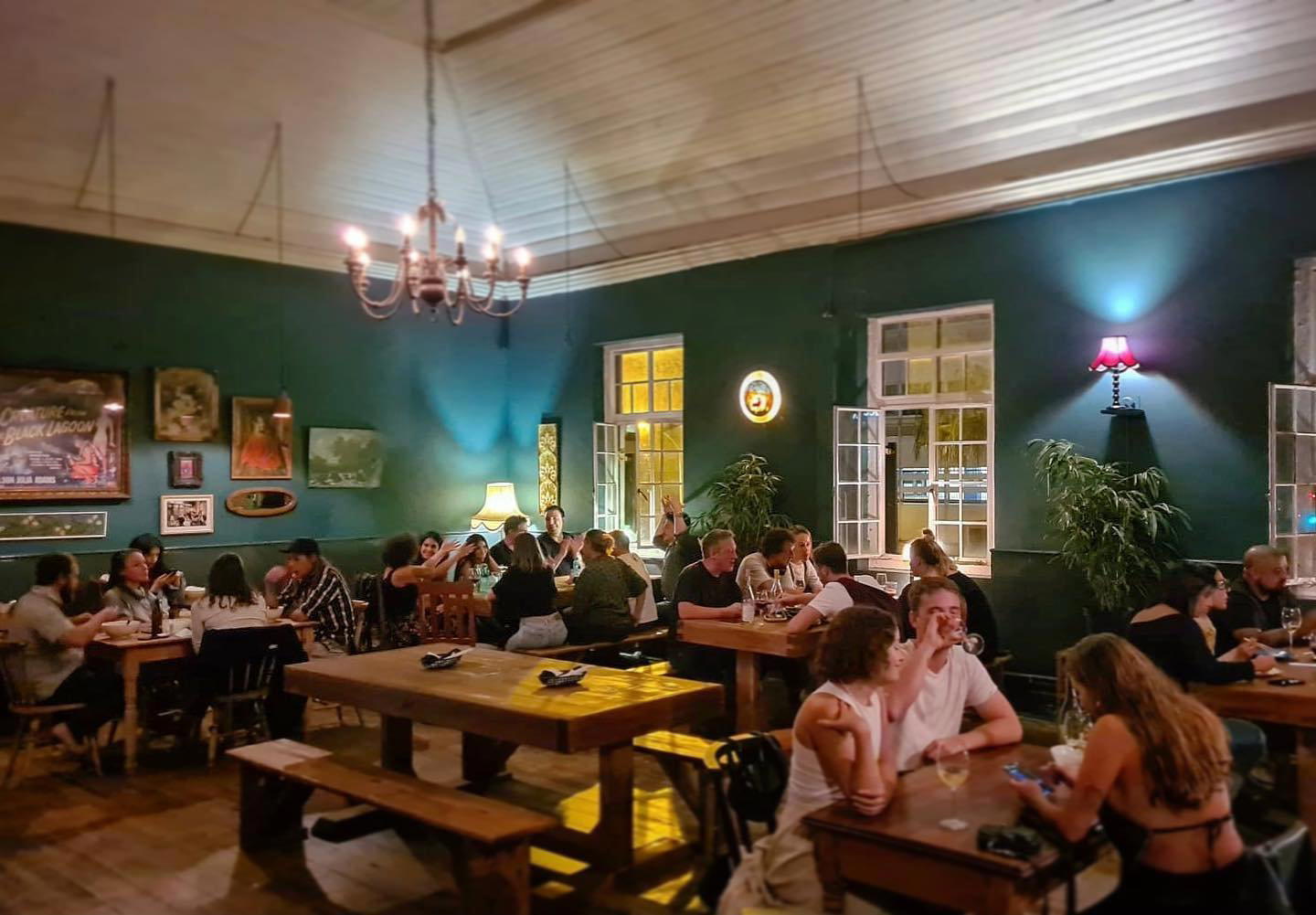
A Bowl on Wale Street: What Ramen Looks Like in Cape Town's CBD
Cape Town's central business district has spent the better part of a decade consolidating its identity as a serious dining neighbourhood. The blocks around Bree Street and the Bo-Kaap fringe drew independent restaurants away from the Atlantic Seaboard, and the CBD now holds a concentration of kitchens that span everything from open-fire South African cooking to technically precise international formats. Wale Street sits inside this broader shift, and Bodega Ramen at number 64A is a Japanese Ramen Noodle Bar in Cape Town's CBD.
Ramen as a restaurant format carries particular pressure. Unlike omakase or a prix-fixe structure, where the chef controls every variable across a sequenced meal, a ramen-focused kitchen lives or dies on the broth, which means the production choices made before service begins matter as much as what happens on the pass. In Japanese cities, the format splits between multi-day tonkotsu operations and lighter, more seasonal shoyu or shio styles. Cape Town's version of the format is still finding its footing, which makes any kitchen operating with genuine commitment to the bowl a point of reference rather than just a neighbourhood option.
The Physical Container: Space as Signal
The design logic of a ramen shop carries cultural coding that predates the global spread of the format. In Tokyo's narrow alleys, the archetypal ramen-ya is compact by necessity: counter seating, minimal decoration, a kitchen visible enough that the steam from the broth becomes part of the room's atmosphere. That spatial compression is not just aesthetic, it communicates focus, the idea that the operation is built around one thing done repeatedly and well. When ramen moves into a different urban context, the design choices made around it either reinforce or dilute that signal.
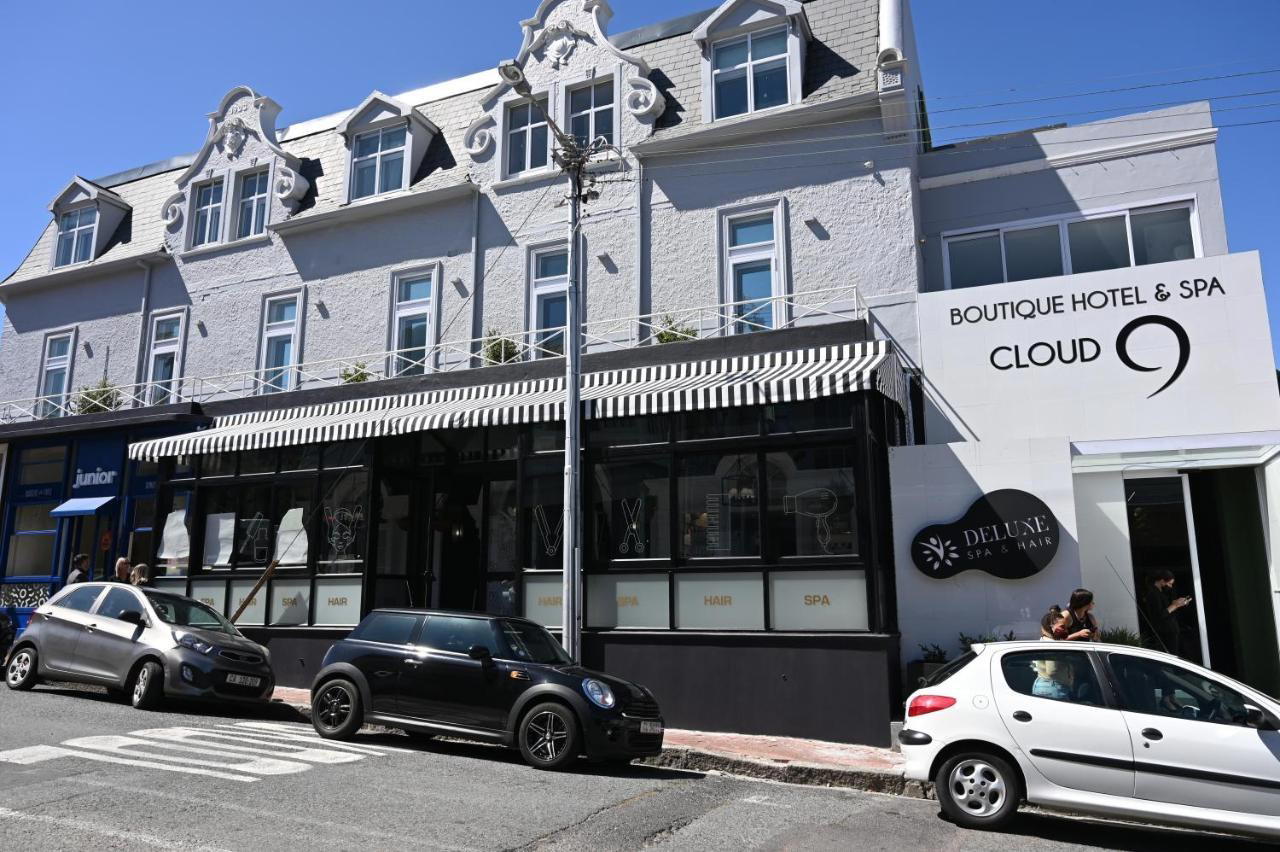
At 64A Wale Street, the address places Bodega Ramen within walking distance of the Company's Garden and the upper end of the CBD retail and hospitality corridor. Cape Town's CBD buildings in this zone tend toward nineteenth-century commercial stock, which means the interior spaces often come with structural character, high ceilings, old timber, masonry walls, that newer builds in the Atlantic Seaboard suburbs lack. How that building fabric interacts with a Japanese-inflected food format is part of what makes the CBD an interesting context for a kitchen like this. The tension between local material character and an imported culinary tradition is something Cape Town's better restaurants have learned to work with rather than resolve away. Fyn, operating a Japanese fusion format in the city, handles a similar tension at a higher price point and with more formal architecture around the experience.
Where Bodega Ramen Sits in Cape Town's Dining Map
The upper tier of Cape Town's restaurant scene is dominated by kitchens working in a South African idiom: La Colombe, Salsify at the Roundhouse, and The Test Kitchen all operate within that frame, using local produce and South African culinary references as the primary language. That concentration means international formats, particularly single-discipline ones like ramen, occupy a different and somewhat less crowded register. A diner choosing the restaurant is not choosing between it and a tasting menu; they are choosing between it and other casual-to-mid formats in the CBD, a category that has grown substantially as the neighbourhood has matured.
South Africa's broader restaurant scene outside Cape Town is producing its own points of reference for international formats. Foundry in Sandton and Sympathy's Restaurant in Johannesburg each reflect the Gauteng market's appetite for formats that move outside the South African fine-dining template. Cape Town's version of this expansion into international idioms is happening faster, partly because the city's tourist volume supports more experimental positioning.
Within the Western Cape more broadly, the culinary gravity has historically pulled toward wine-country dining. Le Quartier Français in Franschhoek and Wolfgat in Paternoster represent the coast-and-winelands axis that defines the region's premium dining identity. Urban formats in the CBD operate against that backdrop, serving a different audience, office workers, hotel guests, and the growing cohort of international visitors who want the city's food scene without the forty-minute drive to Stellenbosch or Franschhoek. Delheim Wine Estate in Stellenbosch represents the estate-dining format that CBD kitchens are not competing with so much as complementing.
Planning a Visit to Bodega Ramen
Wale Street is accessible on foot from most CBD accommodation and a short distance from the Kloof Street corridor that connects the city bowl to Gardens. For visitors staying further out, along the Atlantic Seaboard or in Bantry Bay near Ellerman House, the CBD is a direct drive or rideshare. The neighbourhood around 64A is active during lunch and early dinner hours, and the CBD's restaurant density means that the restaurant sits near enough to other options that a pre- or post-dinner drink is rarely more than a short walk.
Travellers whose South Africa itinerary extends north into the bushveld will find a different register entirely at Silvan Safari Lodge in Kruger and Londolozi Game Reserve in Kruger National Park, or in Pretoria at Capito. The contrast between those formats and a bowl of ramen on Wale Street is part of what makes South Africa's restaurant map worth reading as a whole rather than city by city. The discipline required to run a single-format kitchen in a competitive urban environment has parallels at Le Bernardin in New York City and Lazy Bear in San Francisco. Equally, the coastal foraging lens at Wolfgat in Saldanha Bay shows how South African kitchens can build identity through constraint.
Cuisine and Credentials
Comparable venues nearby, for context on price, style, and recognition.
| Venue | Cuisine | Price | Notes |
|---|---|---|---|
| Bodega RamenThis venue — the venue you are viewing | Japanese Ramen Noodle Bar | $$ | Not listed |
| Willoughby & Co. | Fusion Japanese Sushi & Seafood | $$ | Schotschekloof |
| Jade Court | Japanese Sushi | $$ | Tyger Waterfall |
| Plant | Vegan Cafe | $$ | City Bowl |
| Lievita | Authentic Neapolitan Pizza & Pasta | $$ | Schotschekloof |
| Love Thy Neighbour | Authentic Greek Meze | $$ | Bo-Kaap |
Continue exploring
More in Cape Town
Restaurants in Cape Town
Browse all →
Bars in Cape Town
Browse all →
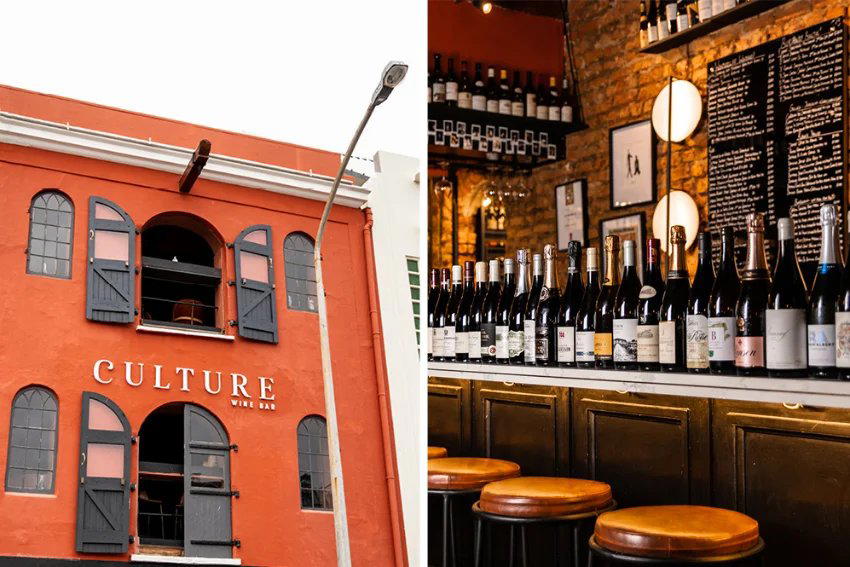
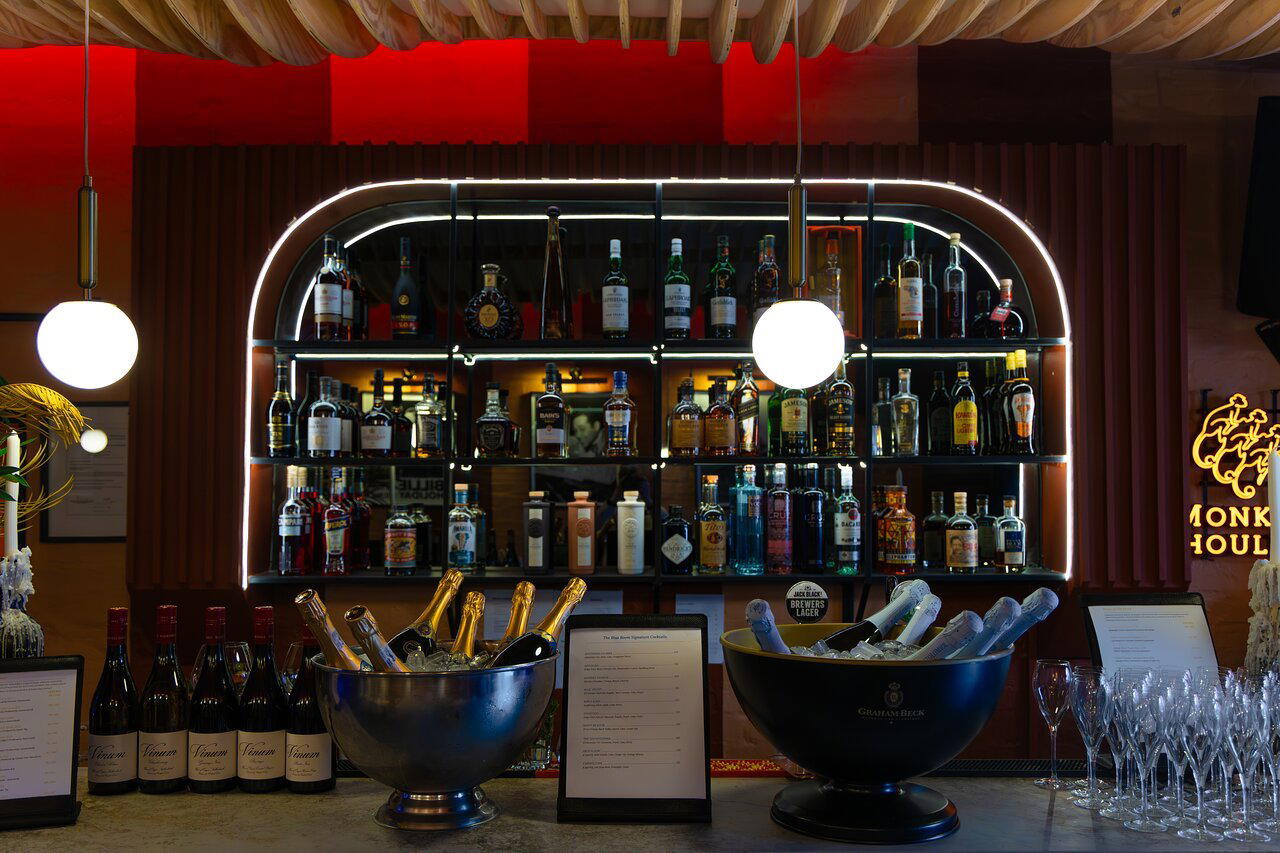
Hotels in Cape Town
Browse all →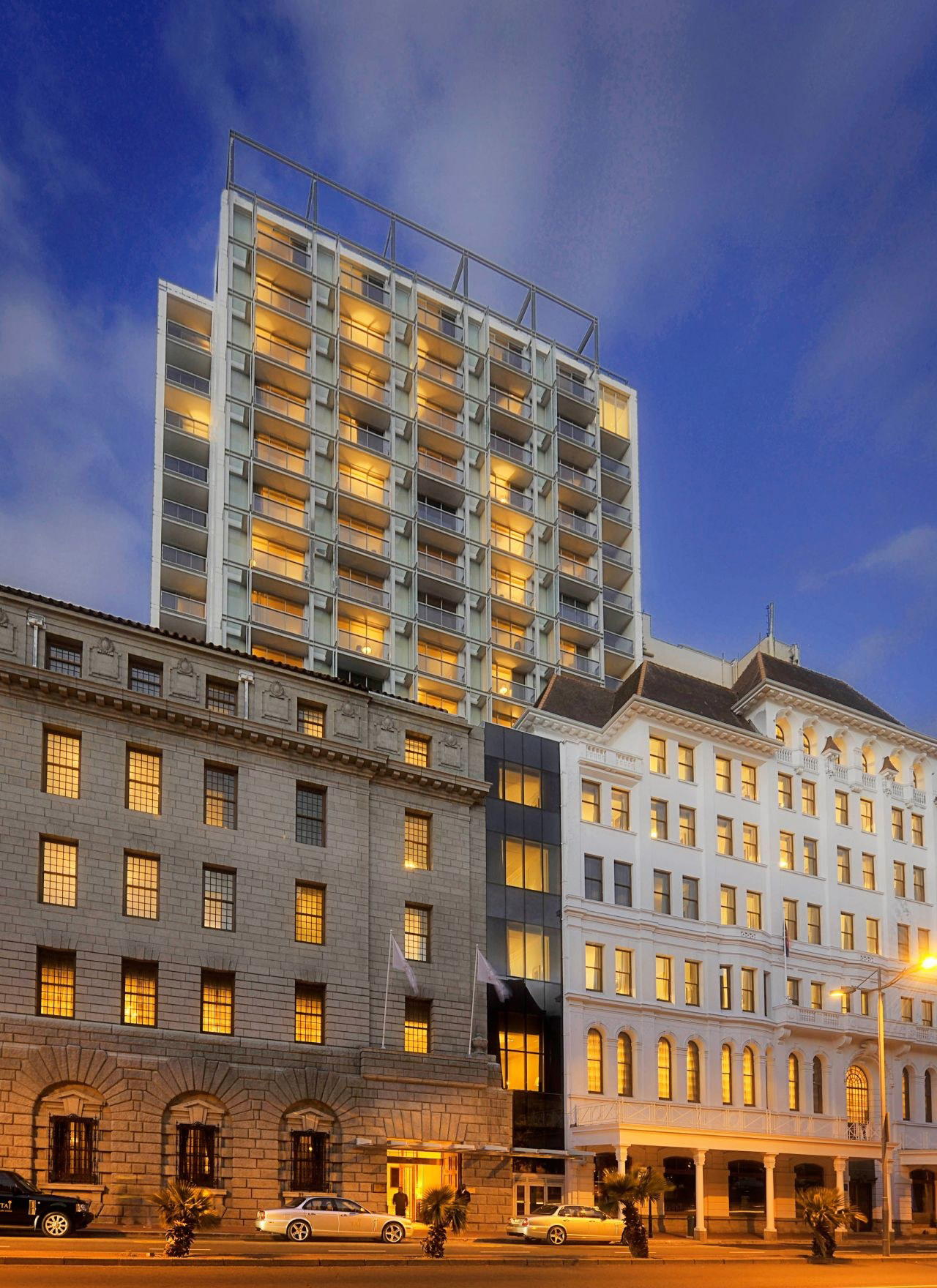
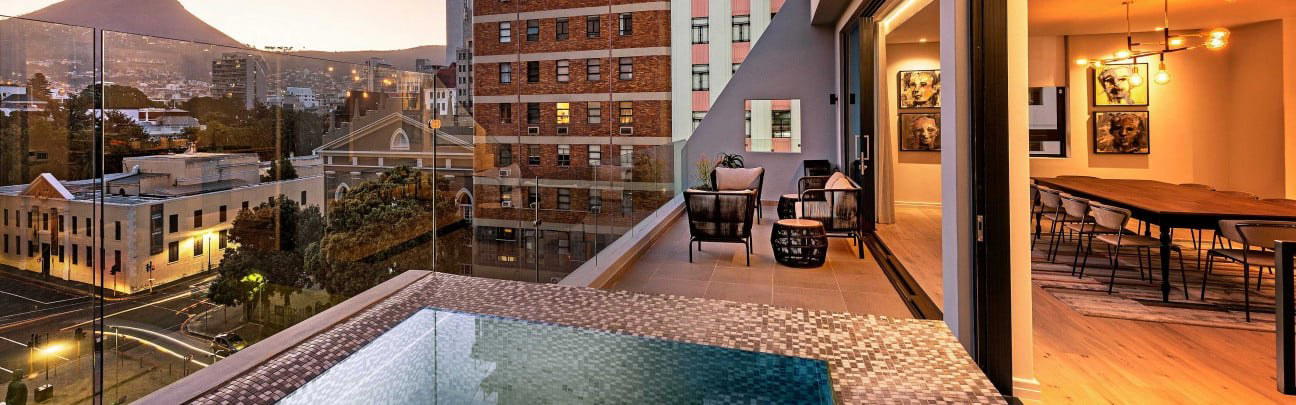
At a Glance
- Cozy
- Modern
- Trendy
- Casual Hangout
- Date Night
- Group Dining
Current opening hours
- Monday
- Closed
- Tuesday
- 6–9:30 PM
- Wednesday
- 6–9:30 PM
- Thursday
- 6–9:30 PM
- Friday
- 6–9:30 PM
- Saturday
- 6–9:30 PM
- Sunday
- Closed
Hours can change for holidays and private events. Last verified .
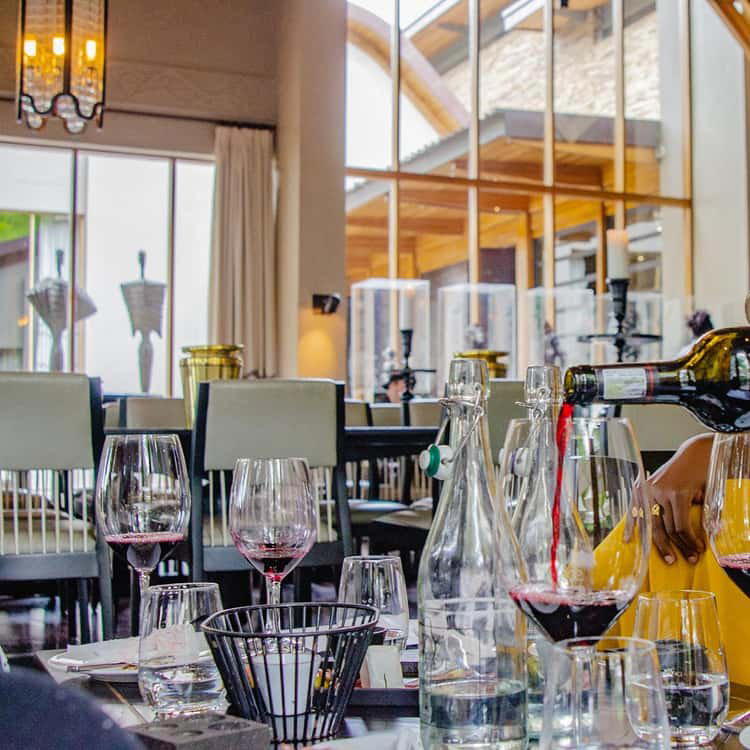
Warm and welcoming with modern touches in a tucked-away small space.