Place du Marché
Place du Marché sits on Havenstraat in Philippine, a small Zeeland village whose identity has long been shaped by the Westerschelde estuary and its oyster and mussel harvests. The address places it within reach of one of the Netherlands' most ingredient-rich coastal corridors, where the line between sea and table has historically been short. For visitors exploring Zeeland's dining scene, it represents a grounded, locally anchored option in an area better known for produce than for restaurant density.
Pearl is the En Primeur Club membership app — saves, bookings, and concierge access live there. Same editors, same standards.
- Address
- Havenstraat 12, 4553 AV Philippine, Netherlands
- Phone
- +31115491524
- Website
- placedumarche.nl
- Directions
- Get directions
 Saves & bookings on Pearl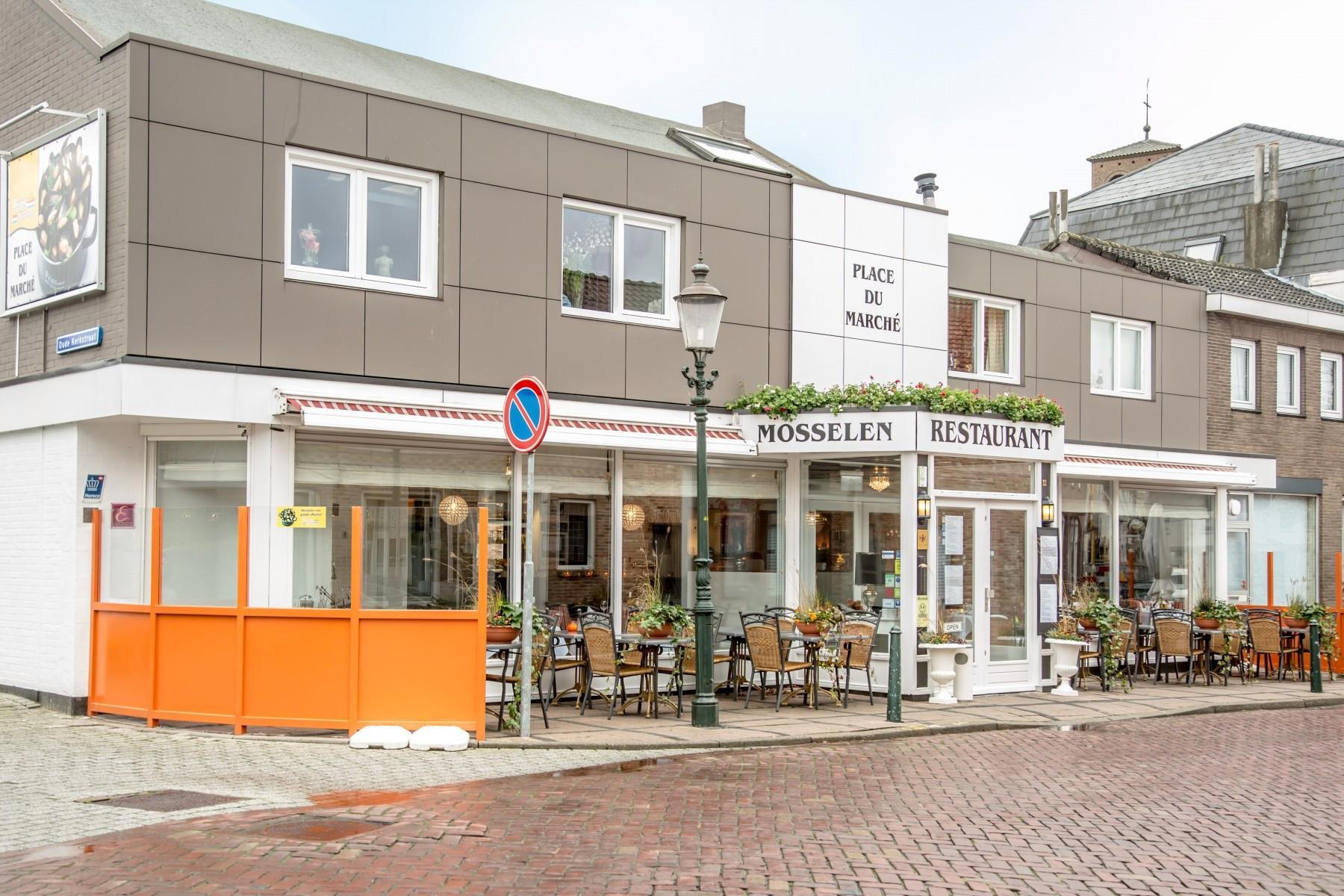
Philippine and the Zeeland Coastal Pantry
The village of Philippine sits in the far southwest of Zeeland, a province whose reputation among Dutch food producers and chefs rests on what the Westerschelde and the surrounding tidal flats yield. Oysters from Yerseke, mussels from the Oosterschelde, flat-fish from the North Sea approaches: this is ingredient country, and the region's leading tables have always drawn their authority from proximity to those sources rather than from population size or restaurant density. Place du Marché is a casual seafood restaurant specializing in mussels at Havenstraat 12 in Philippine, Zeeland.
Philippine itself is a working village with a harbour history. The Havenstraat address is not incidental: it places the restaurant in the kind of small-town harbour quarter that once existed to serve fishermen and traders, and that now serves as a reminder of why the Zeeland interior developed a distinctly ingredient-led approach to eating. The village is small enough that a restaurant here draws both locals and visitors who have made the deliberate trip, which tends to produce a different kind of room than you find in larger tourist centres.
Ingredient Geography: Why Zeeland Matters at the Table
To understand what a Zeeland address means for a restaurant's sourcing potential, it helps to know the geography. The Westerschelde estuary creates the specific salinity and tidal conditions that make Zeeland shellfish particularly sought-after in Northern Europe. Dutch chefs at the level of De Librije in Zwolle and Inter Scaldes in Kruiningen have built significant parts of their menus around Zeeland produce, with Inter Scaldes operating directly within this same coastal corridor. The distance from field, estuary, and sea to plate in this part of the Netherlands is shorter than in urban settings.
That proximity matters not just in terms of freshness but in terms of seasonal rhythm. Zeeland mussel season runs from July through April; oyster harvests are concentrated in the cooler months; North Sea plaice and sole follow their own cycles tied to water temperature and migration. A restaurant working with local suppliers in this region is, by necessity, a seasonal operation, with the menu's logic driven by what the tidal flats and fishing boats are producing rather than by a fixed kitchen philosophy imposed from outside.
This is the sourcing context that differentiates the better Zeeland tables from the broader Dutch dining scene. Where restaurants in Amsterdam or Rotterdam must source Zeeland produce through distribution chains, an address like Havenstraat in Philippine sits at the origin point. That structural advantage is what distinguishes ingredient-led dining in this part of the country from ingredient-led dining elsewhere.
The Room and the Setting
Harbour-quarter buildings in Zeeland villages tend toward the compact and functional: brick construction, low ceilings in older structures, and windows that face the street. The character of a room in this kind of setting is determined less by design ambition than by how well it reads the scale of the village. Philippine is not a place for grand gestures. The dining experience here is shaped by the physical modesty of the setting and by the concentration of the local clientele, which gives these rooms a density of purpose that larger tourist-facing venues often lack.
The Havenstraat address runs through the village core, close to the old harbour. By car, Philippine is roughly 15 kilometres from Terneuzen, making it accessible from within Zeeland and across the Belgian border.
Where Place du Marché Sits in the Dutch Fine Dining Map
The Netherlands has a concentration of serious restaurants outside its major cities. Properties like Brut172 in Reijmerstok, De Groene Lantaarn in Staphorst, and De Lindenhof in Giethoorn demonstrate a pattern in which Dutch fine dining has followed ingredient sources and rural settings rather than concentrating exclusively in urban centres. Zeeland fits this pattern precisely: Auberge des Moules in Philippine itself represents the more established, shellfish-specialist end of the local offer, while the broader Zeeland corridor includes Michelin-recognised addresses that have built their reputations on exactly the kind of tidal-flat sourcing that defines this coastline.
At the higher end of the Dutch spectrum, restaurants such as Aan de Poel in Amstelveen, Ciel Bleu in Amsterdam, FG - François Geurds in Rotterdam, and De Bokkedoorns in Overveen operate in a different competitive register. The Zeeland village table occupies a distinct tier: the draw is ingredient access and setting rather than tasting-menu ambition. That distinction shapes expectations. Internationally, the tension between urban fine dining and ingredient-source dining is equally visible at addresses like Le Bernardin in New York City and Atomix in New York City, where sourcing philosophy and setting each tell a different kind of story.
Further afield in the Dutch network, De Lindehof in Nuenen, De Treeswijkhoeve in Waalre, Tribeca in Heeze, 't Nonnetje in Harderwijk, and De Nieuwe Winkel in Nijmegen each demonstrate how provincial Dutch dining has developed strong identities tied to local geography and supply. Place du Marché sits within that broader national pattern, with Zeeland's specific coastal larder as its defining geographic asset.
Planning Your Visit
Philippine is reached by car from Terneuzen, making it a viable lunch or dinner destination from both sides of the Dutch-Belgian border. The restaurant is casual, reservations are recommended, and the price tier is about $25 per person.
At-a-Glance Comparison
Comparable venues nearby, for context on price, style, and recognition.
| Venue | Cuisine | Price | Awards | Notes |
|---|---|---|---|---|
| Place du MarchéThis venue — the venue you are viewing | Seafood specializing in mussels | $$ | Not listed | Not listed |
| Auberge des Moules | Traditional Zeeland Seafood | $$$ | Michelin Plate | Philippine |
| Oesterij | Fresh Oysters, Mussels & Lobster | $$ | Not listed | Yerseke |
| De Gouden Bock | Dutch Seafood Bistro | $$ | Not listed | centrum |
| Basalt | Fresh Seafood | $$$ | Not listed | Historic Center |
| De Cleenne Mossel | Modern Dutch Seafood Brasserie | $$ | Not listed | Bruinisse |
Continue exploring
More in Philippine
Restaurants in Philippine
Browse all →
Bars in Philippine
Browse all →

At a Glance
- Cozy
- Casual Hangout
- Family
- Waterfront
Current opening hours
- Monday
- 11:30 AM–9:30 PM
- Tuesday
- 11:30 AM–9:30 PM
- Wednesday
- Closed
- Thursday
- Closed
- Friday
- 11:30 AM–9:30 PM
- Saturday
- 11:30 AM–9:30 PM
- Sunday
- 11:30 AM–9:30 PM
Hours can change for holidays and private events. Last verified .
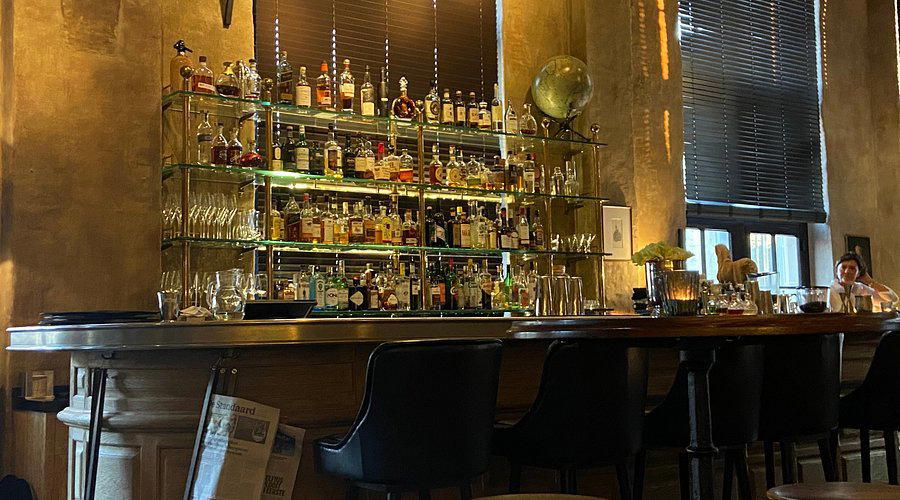
Warm and welcoming with friendly service.