Auberge des Moules

On the estuary edge of Philippine in Zeeland, Auberge des Moules has held consecutive Michelin Plates through 2024 and 2025, positioning it as one recognised seafood address in this small fishing village. The kitchen draws on the surrounding Westerschelde waters, where mussel and shellfish cultivation has shaped local food culture for generations..
Pearl is the En Primeur Club membership app — saves, bookings, and concierge access live there. Same editors, same standards.
- Address
- Visserslaan 3, 4553 BE Philippine, Netherlands
- Phone
- +31 115 491 265
- Website
- aubergedesmoules.com
- Directions
- Get directions
 Saves & bookings on Pearl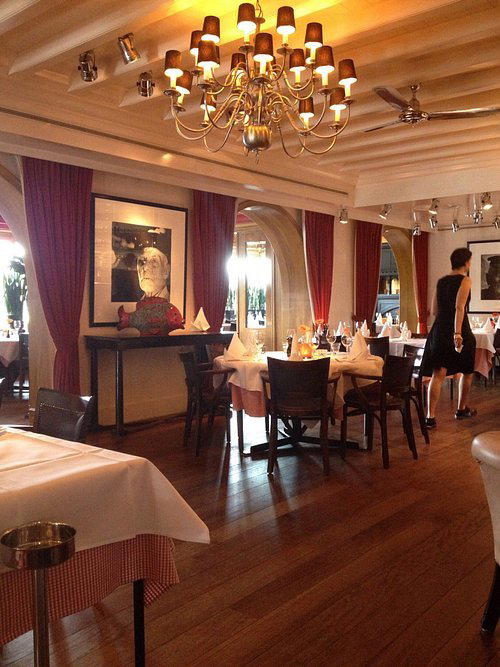
Where the Westerschelde Meets the Table
Philippine sits on the Zeeland coast of the Netherlands in a way that most Dutch towns do not: it is small, tidal-facing, and commercially organised around what comes out of the water rather than what passes through on a motorway. The village has long been associated with mussel and shellfish harvesting on the Westerschelde estuary, and Auberge des Moules, at Visserslaan 3, occupies precisely the kind of address that communicates this at a glance. The street name translates roughly as Fisherman's Lane. The setting is not incidental to what you eat here; it is the entire premise.
Across Zeeland broadly, the mussel trade has been centred on nearby Yerseke, where the Oesterbeurs in Yerseke operates as an oyster exchange and restaurant in the same tradition, but Philippine represents an older, quieter variant of that same coastal economy. Restaurants here don't need to import a fishing village identity; it is physically surrounding them. The editorial question worth asking about any seafood restaurant in this corner of Zeeland is whether the kitchen is genuinely connected to that supply chain or simply trading on postcode proximity. At Auberge des Moules, the answer is reflected in both the Michelin recognition and the public response.
The Sourcing Logic of Zeeland Seafood
Zeeland's position on the North Sea delta gives it particularly productive shellfish beds in northern Europe. The combination of cold tidal water, high salinity from the North Sea channel, and slower-moving estuary conditions in the Westerschelde produces mussels and oysters with a flavour density that is difficult to replicate in farmed open-ocean conditions. The mussel season runs from late July through spring, with the earliest-harvested product, often from the first boats of the new season, considered particularly sought-after by kitchen buyers in the region.
Restaurants working this corridor, from the oyster houses of Yerseke to smaller address like this one in Philippine, are operating in a port-to-plate chain that is geographically compressed. The distance between the water and the kitchen is measured in minutes rather than days. That logistical reality changes what a kitchen can do: texture is different when shellfish hasn't travelled, and flavour accumulates at lower temperatures when there's no extended cold-chain transit involved. Whether a given kitchen exploits that advantage is a separate matter from whether the infrastructure exists, but its Michelin Plate recognition in 2024 and 2025 suggests the kitchen is using the supply chain rather than ignoring it.
For context on how Michelin assesses seafood-focused kitchens in the Netherlands, it is worth noting that the upper tier of Dutch fine dining, including De Librije in Zwolle at three stars and 't Nonnetje in Harderwijk at two, operates in a different price bracket and format category altogether. The Michelin Plate, which sits below star level, recognises good cooking without the tasting-menu architecture or price point of those addresses. For a three-euro-sign seafood restaurant in a coastal village, consecutive Plates represent meaningful, category-appropriate recognition.
The Room and What to Expect
Philippine is not a restaurant destination in the way Amsterdam or The Hague functions. There are no competing dinner options on adjacent blocks, no hotel bar to carry the evening forward, no late-night neighbourhood to dissolve into. The experience is self-contained, and the atmosphere reflects the village's character: understated, functional, oriented toward the water. Restaurants in this format, small coastal auberge rather than metropolitan dining room, tend to draw a mix of local regulars and visitors making a deliberate trip for the seafood specifically.
A score at that level, sustained over that volume, typically signals consistent hospitality and a kitchen that performs reliably rather than brilliantly on one visit and poorly on the next. It also suggests that expectations are being met for a broad range of visitors, which at a €€ price point in a village setting means the kitchen is not over-promising and under-delivering. For comparable Zeeland seafood experiences, the trajectory of venues like Oesterbeurs in Yerseke shows how the region's shellfish culture can sustain serious restaurant credentials without requiring a metropolitan setting.
Auberge des Moules in the Wider Dutch Seafood Picture
The Dutch fine dining scene, as documented by Michelin, has expanded its geographic range considerably over the past decade. Recognised kitchens now appear in smaller provincial cities and rural settings that would previously have been overlooked in favour of urban clusters. Venues like De Groene Lantaarn in Staphorst, De Lindenhof in Giethoorn, and Brut172 in Reijmerstok are all examples of this dispersal. Auberge des Moules in Philippine fits the same pattern: a kitchen earning recognition in a location that requires deliberate travel, where the terroir and local product are doing as much work as the brigade.
For those exploring the Dutch seafood tier more broadly, the contrast between an address like this and the creative fine dining programmes at Aan de Poel in Amstelveen or Ciel Bleu in Amsterdam is instructive. Those kitchens work at four-euro-sign price points with tasting menus and wine programmes designed around global sourcing. The restaurant is solving a different problem: delivering well-prepared, regionally specific seafood at a price that matches where it is. That distinction matters when choosing how to spend an evening in Zeeland. Seafood-focused visitors working through Brasserij Kok Verhoeven in Tilburg and the wider low-country seafood circuit will find Philippine a logical anchor stop.
Planning a Visit
Philippine is a small village and the restaurant is its most recognised address, which means booking ahead is advisable for dinner, particularly in the summer months when Zeeland draws considerable coastal tourism and mussel season is at its most active. The price positioning makes it accessible for a weekday lunch or an unhurried evening meal without the tasting-menu commitment that characterises starred Dutch restaurants such as De Treeswijkhoeve in Waalre or De Nieuwe Winkel in Nijmegen. The venue is at Visserslaan 3, 4553 BE Philippine, accessible by car from Terneuzen, roughly 10 kilometres south, and from the broader Zeeland ferry network if travelling from Belgium. Phone and online booking details are best confirmed directly. For a fuller picture of what Philippine offers beyond this single address, see our full Philippine restaurants guide, as well as hotels, bars, wineries, and experiences in the area.
A Quick Peer Check
Comparable venues nearby, for context on price, style, and recognition.
| Venue | Cuisine | Price | Awards | Notes |
|---|---|---|---|---|
| Auberge des MoulesThis venue — the venue you are viewing | Traditional Zeeland Seafood | $$$ | Michelin Plate | Not listed |
| Place du Marché | Seafood specializing in mussels | $$ | Not listed | Philippine |
| Catch by Simonis | Seafood and Sushi | $$$ | Michelin Plate | Scheveningen |
| Oesterput 14 | Contemporary Zeeland Seafood | $$$ | Michelin Plate | Yerseke |
| Rozewied | Modern European Seafood Fine Dining | $$$ | Michelin Plate | Kortgene |
| Dell'arte | Modern Seafood Fine Dining | $$$$ | Michelin Plate | Cadzand |
Recognition history
Dated appearances from independent guides and award organizations, with the underlying list record or original source where available.
Michelin Plate
Michelin
Michelin Plate
Michelin
Continue exploring
More in Philippine
Restaurants in Philippine
Browse all →
Bars in Philippine
Browse all →
At a Glance
- Cozy
- Classic
- Rustic
- Family
- Celebration
- Date Night
- Private Dining
- Extensive Wine List
- Local Sourcing
Current opening hours
- Monday
- Closed
- Tuesday
- Closed
- Wednesday
- 12 PM–12 AM
- Thursday
- 12 PM–12 AM
- Friday
- 12 PM–12 AM
- Saturday
- 12 PM–12 AM
- Sunday
- 12 PM–12 AM
Hours can change for holidays and private events. Last verified .
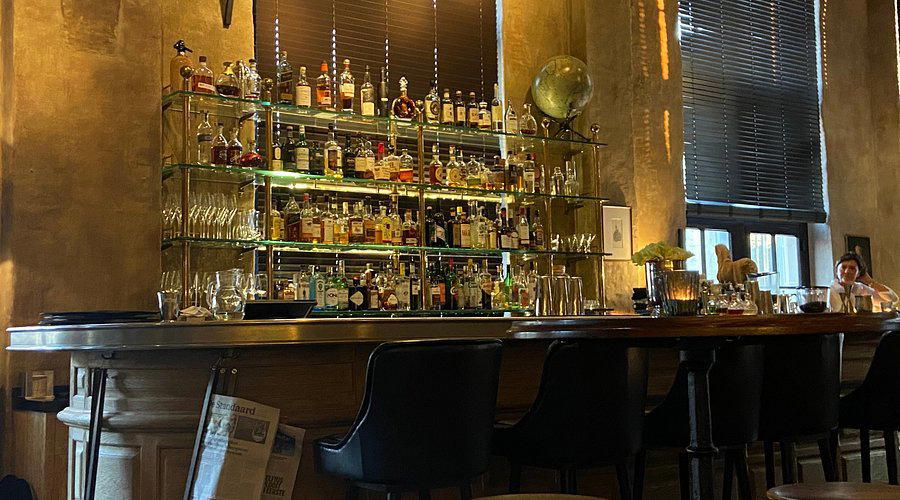
Cozy and warm with black and white historical pictures on the walls, creating an inviting and family-friendly atmosphere.