
Sapporo’s pizza scene is smaller than its ramen and soup-curry circuits, which makes a repeat Tabelog Pizza 100 selection more telling. PIZZERIA DA MASSIMO sits in the city’s specialist tier: compact, casual, counter-friendly, and built around pizza rather than a broad Italian restaurant format.
Pearl is the En Primeur Club membership app — saves, bookings, and concierge access live there. Same editors, same standards.
- Address
- 北海道札幌市白石区川下2条5丁目2-8
- Phone
- +81118757116
- Website
- tabelog.com
 Saves & bookings on Pearl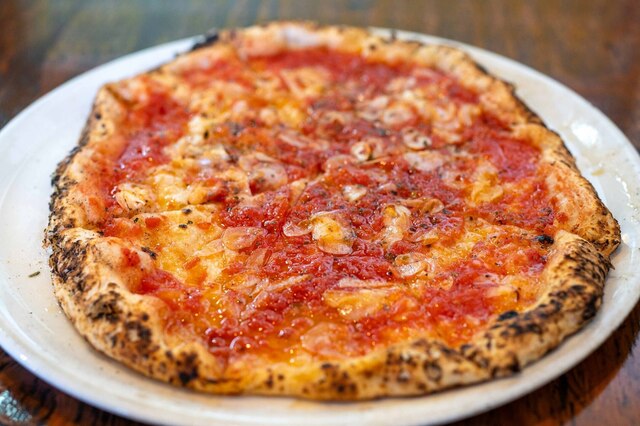
Approaching Sapporo’s outer dining districts, the city’s food rhythm changes. The central grid gives way to quieter streets where destination eating is less about spectacle and more about repetition: regulars, short menus, and rooms designed for turnover without feeling rushed. In that setting, pizza becomes a useful test of discipline. It has no broth legacy to hide behind, no seafood-market theatre, no Hokkaido dairy cliché doing all the work. The form is direct, and the room has to move with it.
PIZZERIA DA MASSIMO belongs to that specialist category. Its recognition on Tabelog’s Pizza 100 list in 2017, 2018, 2019, 2021, 2023, and 2025 places it outside the novelty cycle and inside a narrower national conversation about Japanese pizzerias that operate with consistency rather than expansion. In Sapporo, where visitors often plan meals around ramen counters, curry shops, and seafood izakaya, that matters. Pizza here is not a detour from the city’s food culture; it is evidence of how far Sapporo’s everyday dining range extends beyond the usual three or four categories.
A compact pizza room in a city known for other cravings
Sapporo has a clear comfort-food grammar. Ramen carries the late-night identity, soup curry owns the long-lunch conversation, and casual noodle shops handle a large share of solo dining. Against that backdrop, a pizza specialist has to earn attention through format. A small room, counter seating, and a tight service model suit the city better than a sprawling trattoria would. The appeal is not grandeur; it is the confidence of a place that knows exactly which category it occupies.
That is why the Tabelog Pizza 100 pattern is the key trust signal here. A single annual selection can reflect momentum; repeated selection across multiple cycles points to steadier relevance. The restaurant’s Tabelog score of 3.77 also puts it in the zone where Japanese diners have already filtered out the casual curiosity traffic. For international travellers, that combination is more useful than a generic “popular with locals” claim. It says the meal belongs in the same planning conversation as Sapporo’s established counter formats, even if the cuisine sits outside the city’s default tourist script.
The comparison inside Sapporo is instructive. Menya Nanabee Honten operates at a lower everyday-noodle price band, while Ichimonji Curry Ten, Spice&mill, Asian N Soup Curry Besu, and Curry no Furano Ya sit in the same broad casual bracket as this pizzeria. The difference is not luxury; it is specialization. Those curry and noodle rooms express Sapporo’s familiar cravings. Pizza here works as a palate reset, especially for travellers who have already worked through miso ramen, soup curry, and seafood-heavy dinners.
The service format matters as much as the oven
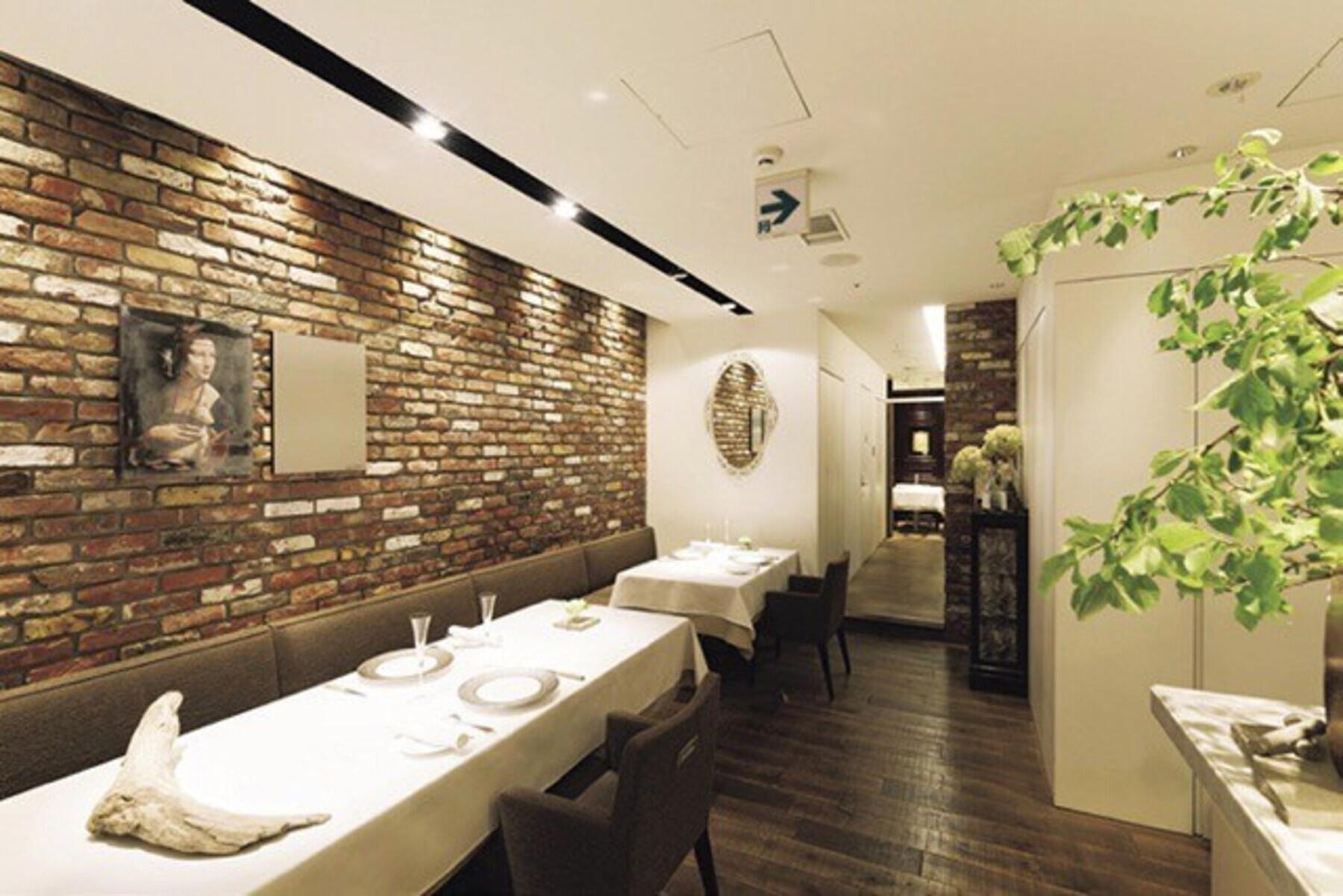
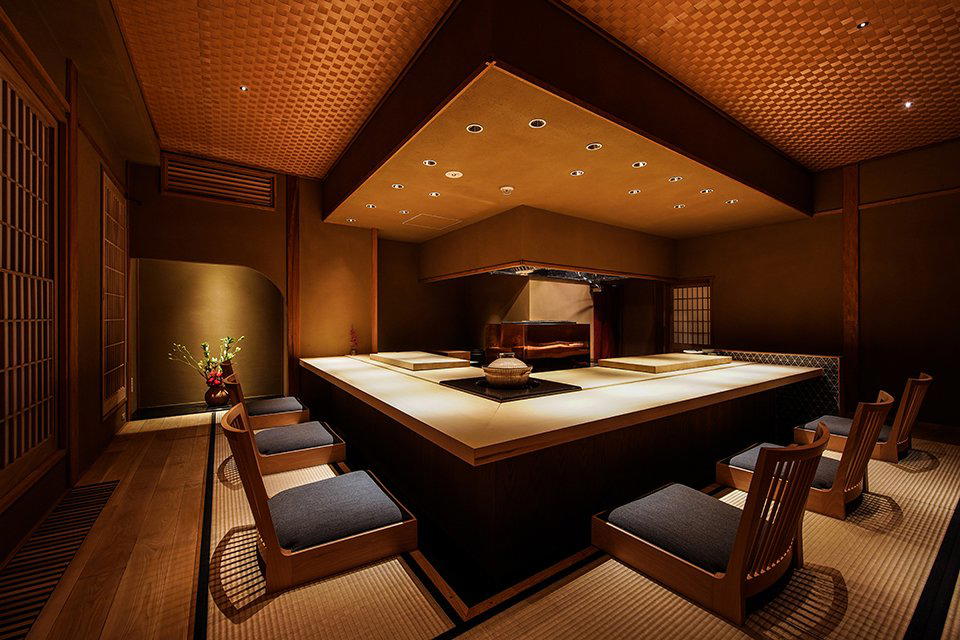
Good pizza rooms depend on choreography. The counter is not decorative; it is a signal that production, pacing, and front-of-house movement are compressed into a small radius. With 14 seats, including counter seating and two tables for four, the experience leans toward close-range observation rather than leisurely Italian dining. That scale changes the role of the team. There is less room for theatrical service, and fewer places for weak timing to disappear.
The practical personality follows from that size. It suits solo diners, small groups, and families with school-age children better than large parties. The no-smoking policy and takeaway option broaden its usefulness, while the absence of private rooms keeps expectations in the casual-specialist lane. In Japan, many serious food rooms are not expensive in the international sense; they are serious because they are narrow. This is that kind of address: modest in outlay, precise in purpose.
The restaurant opened in 2010, which gives the recognition arc more weight. Sapporo has seen enough imported dining trends come and go that longevity is a credential of its own, particularly outside the highest-visibility central neighbourhoods. A pizzeria maintaining national category attention from the late 2010s into 2025 suggests a team that has kept the format legible to regulars while remaining relevant to rating-driven diners. That balance is harder than it looks. Casual rooms lose focus quickly when they chase volume; specialist rooms lose warmth when they chase awards. The useful middle ground is disciplined, small, and repeatable.
How to place it in a Sapporo itinerary
For travellers building meals around the city rather than a single trophy reservation, the smarter move is to treat this as a counterpoint. Pair it with ramen, curry, and bakery-led stops rather than another long-form dinner. The city’s wider restaurant map rewards that approach: 175°DENO Tantanmen Sapporo kitaguchi ten covers a different noodle register, [Curry Senmon Ten] Maruyama Kyoju. points toward Sapporo’s curry depth, and Aigues Vives shows how serious bread culture fits into Hokkaido eating. Ajanta Indo Curry Ten and Ajanta Sohonke add another view of the city’s spice tradition.
Planning also needs a little friction built in. The restaurant is near Heiwa Station rather than the centre of Sapporo’s hotel-and-nightlife orbit, so it rewards diners who are comfortable leaving the main grid. Parking is available behind the restaurant, which makes the address easier for drivers than many compact urban counters. Payment is cash-only across credit cards, electronic money, and QR code systems, a detail that matters more in Japan than many visitors expect. The room’s scale and no-reservation format mean timing carries more weight than elaborate pre-planning.
For broader trip sequencing, use Our full Sapporo restaurants guide for the dining map, then separate sleep, drinks, wine, and activities through Our full Sapporo hotels guide, Our full Sapporo bars guide, Our full Sapporo wineries guide, and Our full Sapporo experiences guide. Readers comparing Japanese casual dining beyond Hokkaido can also look at -Grilled beef Sukiyaki- KAMAKURA TANUKIAN 鎌倉 たぬき庵 in Kamakura. 鮪と炭火焼き うお炭 秋葉原店 in Tokyo.cafe in Osaka.know in Kumamoto, (Shoku) Vietnam in Kawasaki, [ki:] in Kyoto, Jōdo Saké Bar in Los Angeles, and Onigiri Time in Pasadena.
A Minimal
Comparable venues at a glance for context.
| Venue | Cuisine | Price |
|---|---|---|
| PIZZERIA DA MASSIMOThis venue — the venue you are viewing | Not listed | $ |
| Ise no Jo Kikusui honten | Shiroishi, Ramen & Gyoza Shop | $ |
| Mendokoro Kyu | Toyohira, Sapporo miso ramen shop | $ |
| THIRTY FOUR | Toyohira, Soup curry restaurant | $ |
| Ramenya Kirita Seimen | Chūō, Sapporo Ramen Counter | $ |
| Ramen Sapporo Akahoshi | Chūō, Sapporo Ramen Shop | $ |
Recognition history
Dated appearances from independent guides and award organizations, with the underlying list record or original source where available.
Tabelog 100 #98 · No. 98
Tabelog · Tabelog 100 - Pizza - 2025

At a Glance
- Cozy
- Classic
- Intimate
- Rustic
- Solo
- Family
- Casual Hangout
- Group Dining
- After Work
- Open Kitchen
- Standalone
A small, non‑smoking neighborhood pizzeria with counter and a couple of tables, warm and unpretentious, focused on the wood‑fired oven and fast service rather than decor, often busy but still comfortable for solo diners and families.