
50 Top Pizza Europe #17 · Macarfi 7.2 Food Rating
Our verdict
La Balmesina on Carrer de Balmes has been among Barcelona's foremost addresses for Neapolitan-influenced pizza built on long-fermentation technique, with biga-based doughs rested for a minimum of 72 hours and milled from whole ecological flours. The dining room runs at full capacity for both lunch and dinner, backed by a tight selection of craft beers and natural wines spanning Spain and Italy.

Pearl is the En Primeur Club membership app, where members save venues, book tables and use the concierge.
Long-Fermentation Pizza in the Upper Eixample: Where the Dough Does the Work
Carrer de Balmes runs like a spine through Barcelona's Eixample and Sarrià-Sant Gervasi districts, climbing from the dense commercial grid of the lower city toward quieter residential blocks. By the time you reach number 193, the street has shed much of its tourist traffic. The neighbourhood here is largely Barcelonan: professional families, local bars, a dairy a short walk away. La Balmesina sits in this context with the composure of a place that has earned its clientele rather than stumbled onto one. The room fills for lunch and again for dinner, without variation. That consistency is itself a form of editorial statement about what the kitchen is producing.
Barcelona's pizza scene has developed more seriously over the past decade than the city's global culinary reputation might suggest. While the headline conversation circles around the Michelin-starred creative restaurants Disfrutar, Cocina Hermanos Torres, ABaC, Lasarte, and Enigma, a quieter, more technical revolution has been happening at street level. A generation of operators brought serious fermentation thinking to pizza, treating dough not as a neutral base but as the primary technical achievement. La Balmesina was among the first in the city to plant its flag there, and the accumulated weight of that early positioning still matters.
The Fermentation Argument: Biga, Whole Flour, Seventy-Two Hours
The method here is specific and worth understanding as a category signal, not just a house quirk. The kitchen uses a biga preferment, an Italian indirect-dough technique in which a portion of flour, water, and yeast ferments separately before being incorporated into the final mix. Combined with a total fermentation window of at least 72 hours, the process produces a dough with a complex, slightly acidic flavour profile and a cellular structure that holds air during baking rather than compressing into density.
The flour choice reinforces the commitment. All flours are whole and ecological, with Catalan-produced grain included in the blend. That sourcing decision connects the pizza tradition to a local agricultural logic that places La Balmesina alongside the broader movement in Spanish gastronomy toward regional provenance. It is a less dramatic version of the same territorial thinking that drives the tasting menus at El Celler de Can Roca in Girona or the hyper-local ingredient focus at Azurmendi in Larrabetzu, applied here to a democratic format rather than a destination tasting menu.
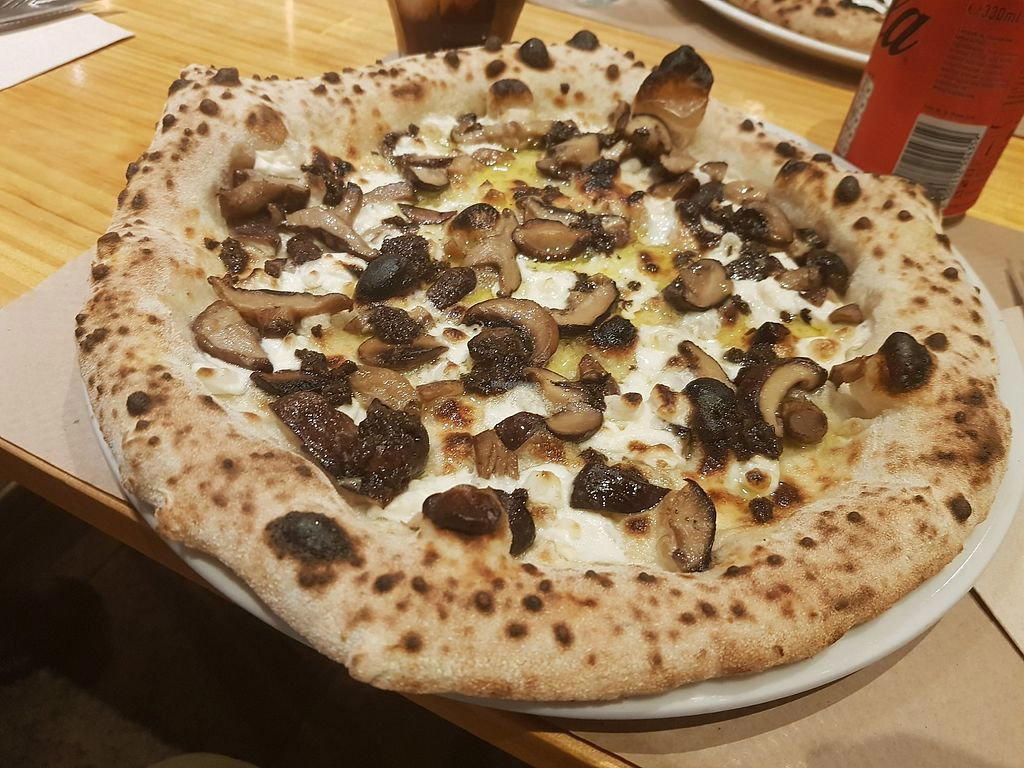
Result on the plate is a base with what the kitchen describes as excellent digestibility. The crust is light, with structural integrity at the rim but no thickness for its own sake. Whether you notice the technique explicitly or simply find yourself finishing more of the pizza than you expected, the fermentation work is present in the eating.
Ingredients as Editorial Choices
Toppings at La Balmesina read as a sourcing argument. Artisanal Julius ham, Pinullet stracchino from an urban dairy in the immediate neighbourhood, and vegan cheeses from Vacka: each supplier is chosen with the same deliberateness applied to the dough. This matters because it positions the kitchen outside the standard pizzeria calculus of imported Italian ingredients used to signal authenticity. The sourcing here is local and specific, which is a different, and in many respects more interesting, claim to make.
Manel pizza, topped with Cantabrian anchovies, black olives, and onions, is the most frequently cited dish from the menu. Cantabrian anchovies occupy the premium tier of Spanish salt-cured fish, with the leading examples coming from the Cantabrian coast and carrying a flavour intensity that puts them in a different category from supermarket alternatives. Pairing them with the mild bitterness of cured olives and the sweetness of cooked onion on a fermented base that can absorb rather than compete with strong flavours is a sound technical decision.
Desserts are made in-house, with the tiramisú receiving particular attention. In a dining room where the pizza is the primary focus, the effort applied to finishing the meal suggests a kitchen that treats every course as an extension of the same seriousness.
The Room and the Service Model
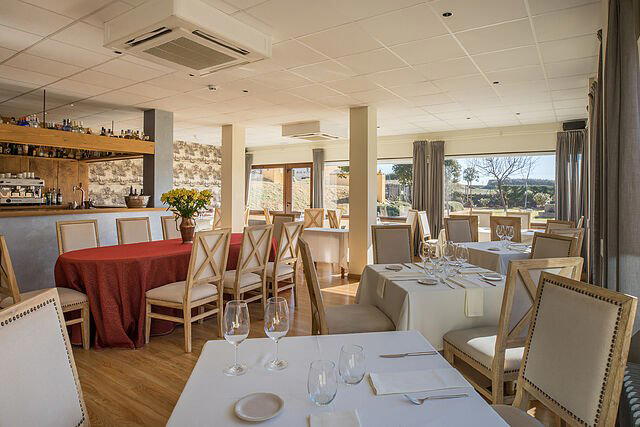
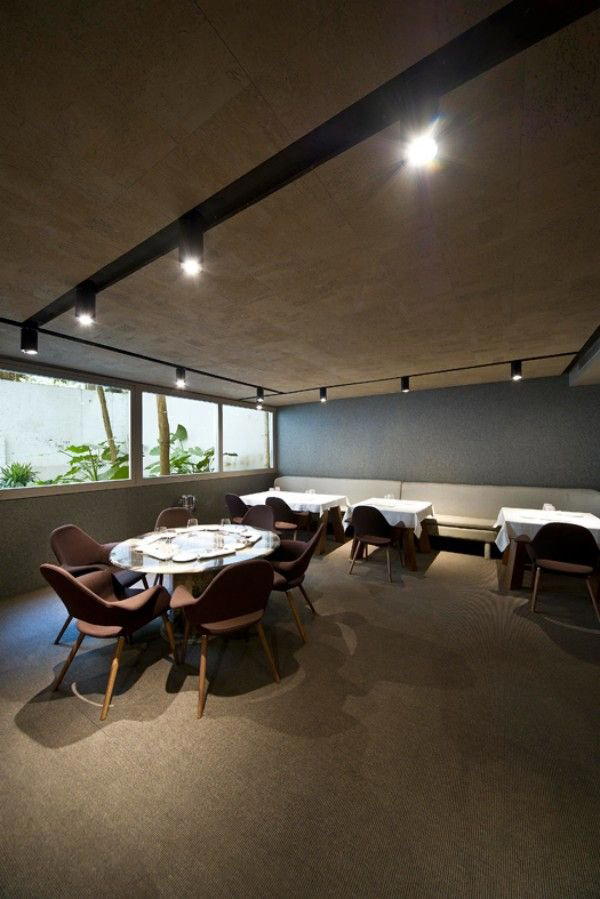
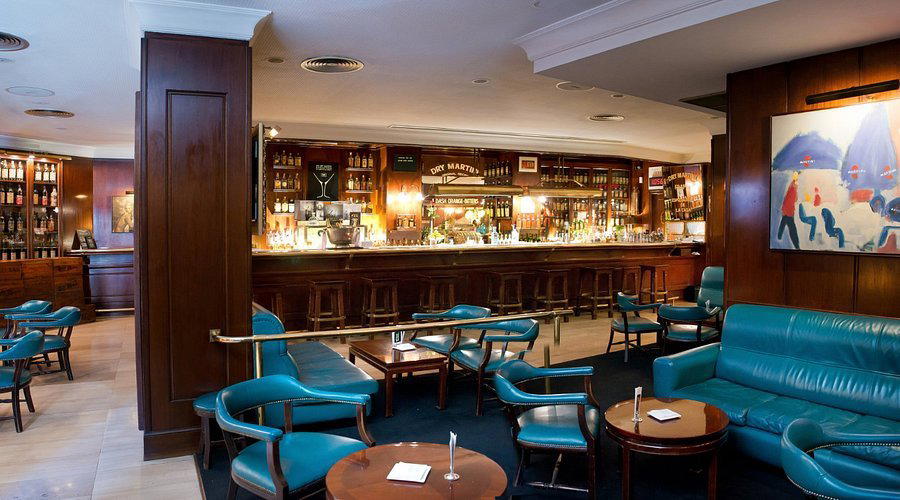
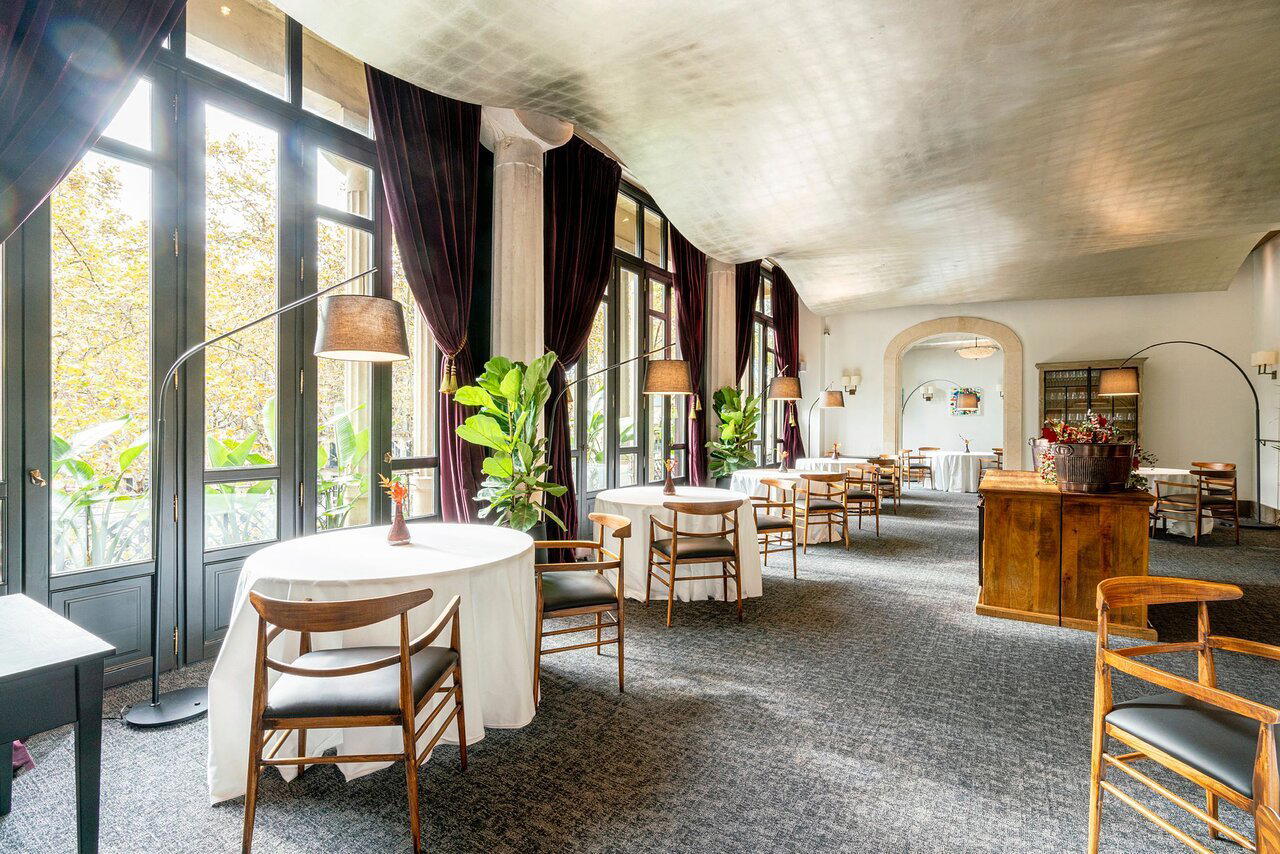
The dining room moves quickly. La Balmesina operates across both a lunch service, which includes a business menu format, and a full dinner service, and the pace reflects that dual function. Efficient turnover in a full room is not incidental here; it is the operating model that makes the kitchen's ambition accessible at a neighbourhood price point.
Service is described as competent and specific: staff can advise on both the food menu and the drinks list without deferring or generalising. The drinks programme covers craft beers and natural wines across Spain and Italy, which is a wider scope than most pizza restaurants attempt and reflects the kitchen's Italian-Spanish dual identity. That identity is also legible in the chef team: Massimo Morbi and Alessandro Zangrossi bring Italian technical training into a Barcelona context, which is precisely the combination that allowed the kitchen to work from an Italian preferment tradition while sourcing locally in Catalonia.
For context on how this Italian-Italian trained approach to a single format can operate at the highest levels elsewhere, the precision-driven kitchens at Le Bernardin in New York City or the fermentation-forward thinking visible at Atomix in New York City show how deep technical commitment to a defined format can build sustained reputations. La Balmesina operates in a different price register and format, but the underlying logic is similar: a narrow focus executed with accumulated skill over time.
Barcelona's broader dining map is documented across our full city guides, including our full Barcelona restaurants guide, our full Barcelona hotels guide, our full Barcelona bars guide, our full Barcelona wineries guide, and our full Barcelona experiences guide. For broader Spanish context, the conversations around terroir-driven cooking at Aponiente in El Puerto de Santa María, Arzak in San Sebastián, Martin Berasategui in Lasarte-Oria, and DiverXO in Madrid establish the culinary ambition that runs through Spanish cooking at multiple price points.
Know Before You Go
- Address: Carrer de Balmes, 193, Sarrià-Sant Gervasi, 08006 Barcelona
- District: Upper Eixample / Sarrià-Sant Gervasi, residential neighbourhood, accessible by FGC or metro
- Service format: Lunch (including business menu) and dinner; the room fills consistently for both services
- Booking: Walk-in possible but the room runs at capacity regularly, plan ahead for dinner, particularly on weekends
- Drinks: Craft beers and natural wines from Spain and Italy; staff can advise on pairings
- Dietary: Vegan cheese options available via Vacka; whole and ecological flours used throughout
Frequently asked questions
How do I find La Balmesina?
La Balmesina is located at Carrer de Balmes, 193, Sarrià-Sant Gervasi, 08006 Barcelona, Spain, Barcelona.
Is La Balmesina chef-led?
The chef associated with La Balmesina is Massimo Morbi - Alessandro Zangrossi.
What should I order at La Balmesina?
The Manel, topped with Cantabrian anchovies, black olives, and onions, is the most referenced pizza on the menu and a clear expression of the kitchen's sourcing approach. Beyond the pizzas, the shared appetizers are worth ordering to start, and the tiramisú is made in-house. The drinks list covers craft beers and natural wines ranging across Spain and Italy, with staff trained to advise on pairings.
What kind of recognition has La Balmesina received?
La Balmesina has received recognition including: When it comes to pioneers in the field of pizza and long fermentations in Barcelona, one cannot fail to mention La Balmesina: a well-established reality that has created its strength and gastronomic recognizability over time. This is why it….
How far ahead should I plan for La Balmesina?
La Balmesina runs full at both lunch and dinner, consistently. It operates a business menu format at midday that draws a regular crowd on top of evening demand, so same-day walk-ins carry real risk. Booking at least several days ahead is the practical baseline, with more lead time advisable for weekend dinners.
Recognition Snapshot
| Venue | Cuisine | Price | Awards | Notes |
|---|---|---|---|---|
| La BalmesinaThis venue (the venue you are viewing) | Modern Neapolitan Pizza | $20–30 | 50 Top Pizza Europe #17 · Macarfi 7.2 Food Rating | Not listed |
| Disfrutar | Avant-Garde Catalan Fine Dining | $300–500 | 3 Michelin Stars · World's 50 Best #1 | Progressive, Creative |
| Cocina Hermanos Torres | Modern Spanish Fine Dining | $300–500 | 3 Michelin Stars · World's 50 Best #78 | Creative |
| Lasarte | Modern Basque-Mediterranean Fine Dining | $300–500 | 3 Michelin Stars · La Liste Top Restaurants | Progressive Spanish, Creative |
| Cinc Sentits | Modern Catalan Fine Dining | $150–200 | 2 Michelin Stars · La Liste Top Restaurants | Modern Spanish, Creative |
| Enoteca Paco Pérez | Modern Mediterranean Seafood | $200–300 | 2 Michelin Stars · La Liste Top Restaurants | Modern Spanish, Modern Cuisine |
Recognition history
Dated appearances from independent guides and award organizations, with the underlying list record or original source where available.
50 Top Pizza Europe #17
50 Top Pizza
Macarfi 7.2 Food Rating
Macarfi
Full recognition history (4 entries)
50 Top Pizza World #87
50 Top Pizza
50 Top Pizza World Best Pizza #70
50 Top Pizza