Pizzaria Lume occupies São Martinho, one of Funchal's residential parishes, where the dining mood is local and unhurried rather than tourist-facing. The format is direct pizza, cooked with the directness that neighbourhood restaurants in Portuguese cities tend to favour. For visitors tracking Funchal's full dining range, it sits at the informal, accessible end of a city that also runs to Michelin-starred Modern Cuisine at Il Gallo d'Oro and Mediterranean-leaning fine dining at Avista.
Pearl is the En Primeur Club membership app — saves, bookings, and concierge access live there. Same editors, same standards.
- Address
- Tv. dos Piornais, São Martinho, 9000-246 Funchal, Portugal
- Phone
- +351 291 653 874
- Website
- pizzerialume.com
- Directions
- Get directions
 Saves & bookings on Pearl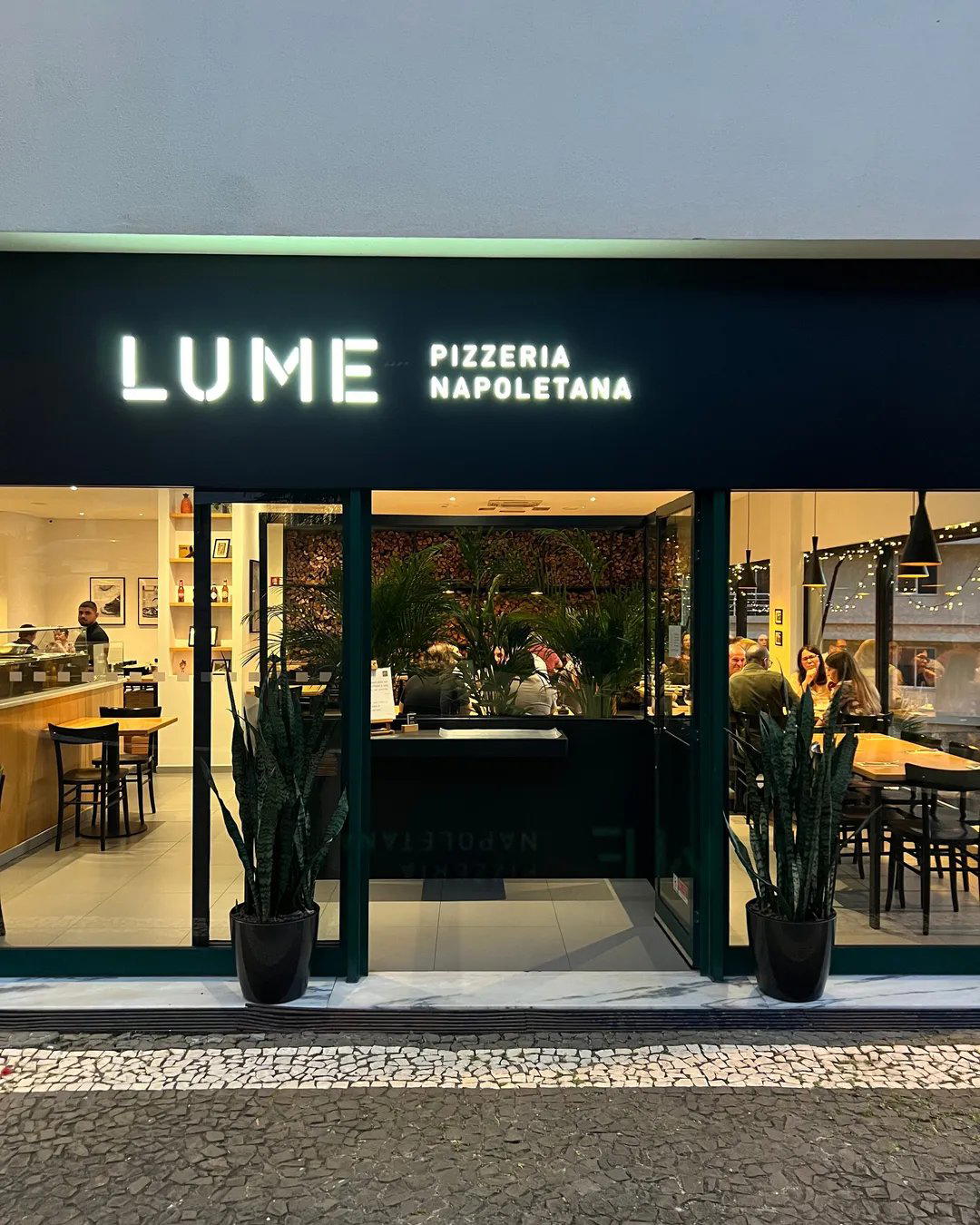
Pizza in a Portuguese Island City: Where Lume Sits in Funchal's Dining Order
Funchal's restaurant scene has sorted itself into fairly distinct tiers over the past decade. At the leading, a cluster of formally ambitious rooms competes on tasting menus, wine lists, and Michelin attention: Il Gallo d'Oro and Desarma at the €€€€ bracket, Avista and Avista Ásia occupying the mid-to-upper tier with Mediterranean and fusion formats. Below that, and often more representative of how Funchal residents actually eat, sits a layer of neighbourhood restaurants that operate without ceremony and without significant tourist footfall.
Pizzaria Lume is part of that lower, local tier. The address, Travessa dos Piornais in São Martinho, is residential rather than central: São Martinho is one of the parishes on the western edge of Funchal proper, uphill from the tourist seafront and removed from the Old Town circuit that most visitors walk. Restaurants in this kind of location calibrate their offer to the people who live nearby, which usually means direct food, accessible pricing, and a dining rhythm that follows the local clock rather than the tourist one.
The Ritual of an Informal Meal: Pace, Custom, and Expectation
Pizza, as a dining format, carries a particular set of customs that travel across cities and cultures more or less intact. The meal is social rather than contemplative, built around a table that orders quickly, shares without much ceremony, and tends to linger over the latter half of the evening rather than the food itself. In a Portuguese neighbourhood restaurant, those patterns layer with local dining customs: meals typically begin later in the evening by northern European standards, the table is expected to be held for the duration, and the service rhythm follows the kitchen rather than a front-of-house timer.
At a pizzaria in a residential Funchal parish, that means the pacing is unhurried in the specific way of places that aren't turning tables for a second sitting. The interaction tends to be direct: a short menu, a clear order, drinks that arrive without extensive consultation. That kind of directness is worth understanding before you arrive, particularly if you're coming from the more structured service formats of Audax or the fine-dining rooms further east along the coast. The informality is not indifference; it's the operating mode of a restaurant with a local clientele that already knows what it wants.
This stands in pronounced contrast to the dining ritual at the upper end of Funchal's scene, where tasting menus set the pace and courses arrive with explanation. Portugal's Michelin-starred restaurants, whether in Funchal or on the mainland at places like Belcanto in Lisbon, Ocean in Porches, or Vila Joya in Albufeira, treat the meal as a structured sequence with defined tempo. A neighbourhood pizzaria operates on the opposite logic: the format is chosen by the diner in advance, there is no sequence imposed by the kitchen, and the meal is over when the table decides it is.
São Martinho as a Neighbourhood Context
Understanding São Martinho matters for calibrating expectations. It is not a dining destination in the sense that Funchal's Zona Velha is a dining destination. There are no concentration of restaurants competing for the same tourist traffic, no strip of menus displayed in multiple languages outside the door. Restaurants in São Martinho are there because residents need them, which produces a different atmosphere from venues positioned on the visitor circuit.
The practical consequence for travellers is that getting to Pizzaria Lume requires a deliberate choice rather than a casual walk. Funchal's public transport covers much of the city, but São Martinho is more naturally accessed by taxi or rideshare from the centre, particularly for evening dining when bus frequency drops. That extra step of commitment tends to filter the clientele toward people with a specific reason to be there, which shapes the room's atmosphere accordingly.
Portugal's broader dining geography rewards that kind of deliberate movement off the main circuit. Particularly interesting meals in Porto, in Guimarães, and in smaller Algarve towns like Lagoa or Lagos are rarely on the main tourist drag. A restaurant positioned in a residential parish, cooking pizza for the people who live in that parish, is operating within that same logic.
Funchal's Informal Tier: Where Lume Compares
Within Funchal's informal dining tier, pizza restaurants occupy a position that is genuinely distinct from the island's better-known food traditions. Madeiran cuisine centres on espada (black scabbardfish), carne de vinha d'alhos (the island's signature pork preparation), and poncha-led drinking culture. Pizza is not part of that tradition; it arrived through the same internationalisation of urban Portuguese dining that brought it to Lisbon and Porto from the 1990s onward. Neighbourhood pizzerias in Funchal therefore exist slightly outside the local culinary identity, serving a reliable format to a city population that has absorbed it as normal weeknight eating.
That context places Lume in a different competitive set from the Michelin-adjacent rooms at the summit of the Funchal hierarchy and from the more specifically Madeiran experiences available elsewhere. Visitors comparing Funchal's dining options with those available at internationally recognised Portuguese restaurants like The Yeatman in Vila Nova de Gaia or Casa de Chá da Boa Nova in Leça da Palmeira are operating in an entirely different register. Lume is for evenings when the decision has already been made to eat simply, locally, and without advance planning.
Planning a Visit: What to Know Before You Go
The São Martinho address means Lume is not a walk-in stop between sightseeing points. Build it into an evening that already has you on the western side of the city, or factor in a short taxi ride from central Funchal. Check current hours before you go; reservations are recommended. Neighbourhood pizzerias in Portuguese cities of this scale typically do not require advance reservations except on weekend evenings, but that can shift with local demand.
For the full range of where to eat across Funchal, the EP Club Funchal restaurants guide maps the city's dining options from neighbourhood informality through to the fine-dining rooms that position the island within Portugal's wider restaurant conversation. That wider conversation now includes addresses ambitious enough to draw comparison with international benchmarks: the kind of precision and format discipline that, in other cities, characterises rooms like Le Bernardin in New York or Atomix. Lume operates far from that tier, and that is precisely its function. Also worth checking: A Ver Tavira for a sense of how Portuguese informal dining reads in a smaller southern city context.
Cuisine and Recognition
Comparable venues nearby, for context on price, style, and recognition.
| Venue | Cuisine | Price | Notes |
|---|---|---|---|
| Pizzaria LumeThis venue — the venue you are viewing | Neapolitan Pizza | $$ | Not listed |
| Sakura Sushi | Japanese Sushi | $$ | Funchal |
| Sabor Da India | Authentic Indian | $$ | São Martinho |
| Konsai | California-Style Fusion Sushi | $$ | Avenida Zarco |
| O. Giro | Portuguese Churros & Paninis | $$ | Sé |
| Window to Asia | Asian Fusion | $$ | São Martinho |
Continue exploring
More in Funchal
Restaurants in Funchal
Browse all →
Bars in Funchal
Browse all →
Hotels in Funchal
Browse all →
At a Glance
- Cozy
- Modern
- Casual Hangout
- Family
- Open Kitchen
- Local Sourcing
Current opening hours
- Monday
- Closed
- Tuesday
- 6–10:30 PM
- Wednesday
- 6–10:30 PM
- Thursday
- 6–10:30 PM
- Friday
- 6–10:30 PM
- Saturday
- 12–3:30 PM, 6–10:30 PM
- Sunday
- 12–3:30 PM, 6–10:30 PM
Hours can change for holidays and private events. Last verified .
Modern and cozy atmosphere with a quiet setting and friendly service.