

Located within the historic Casa Velha do Palheiro estate a few kilometres above Funchal, Oxalis holds a 2025 Michelin Plate for its contemporary Portuguese cooking and commitment to Madeiran seasonal produce. Chef Gonçalo Bita Bota works directly with local farmers and fishermen, building menus around island ingredients. Priced at €€, it offers Michelin-recognised cooking at a more accessible level than most of Funchal's recognised dining rooms.
Pearl is the En Primeur Club membership app — saves, bookings, and concierge access live there. Same editors, same standards.
- Address
- R. da Estalagem 23, 9060-415 São Gonçalo, Portugal
- Phone
- +351 291 790 350
- Website
- partner-widget.thefork.com
- Directions
- Get directions
 Saves & bookings on Pearl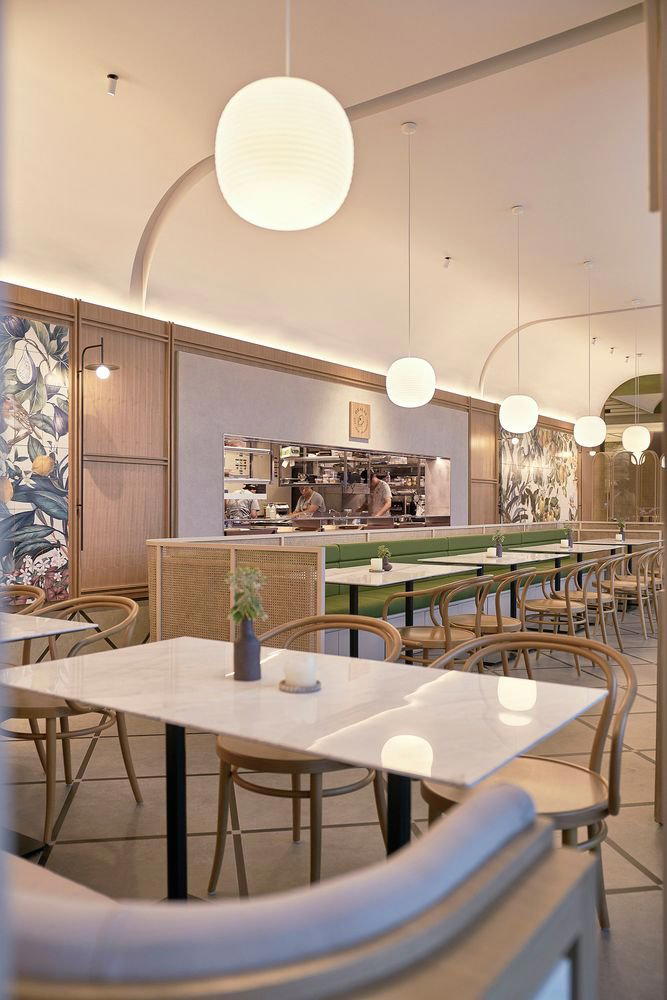
A Hotel Restaurant That Earns Its Own Reservation
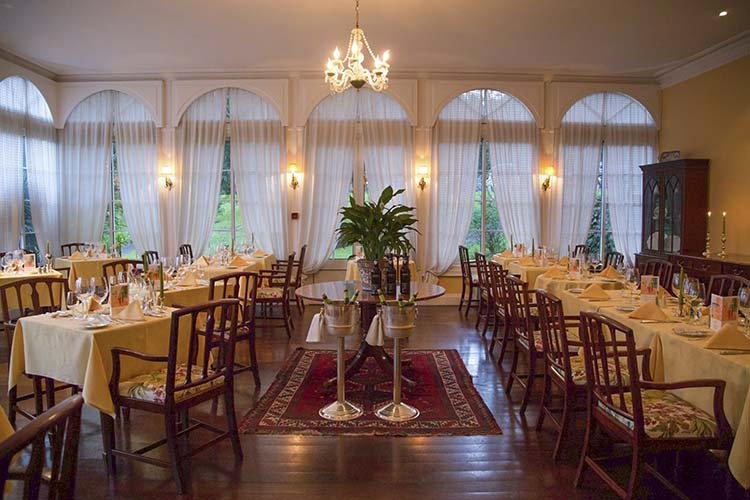
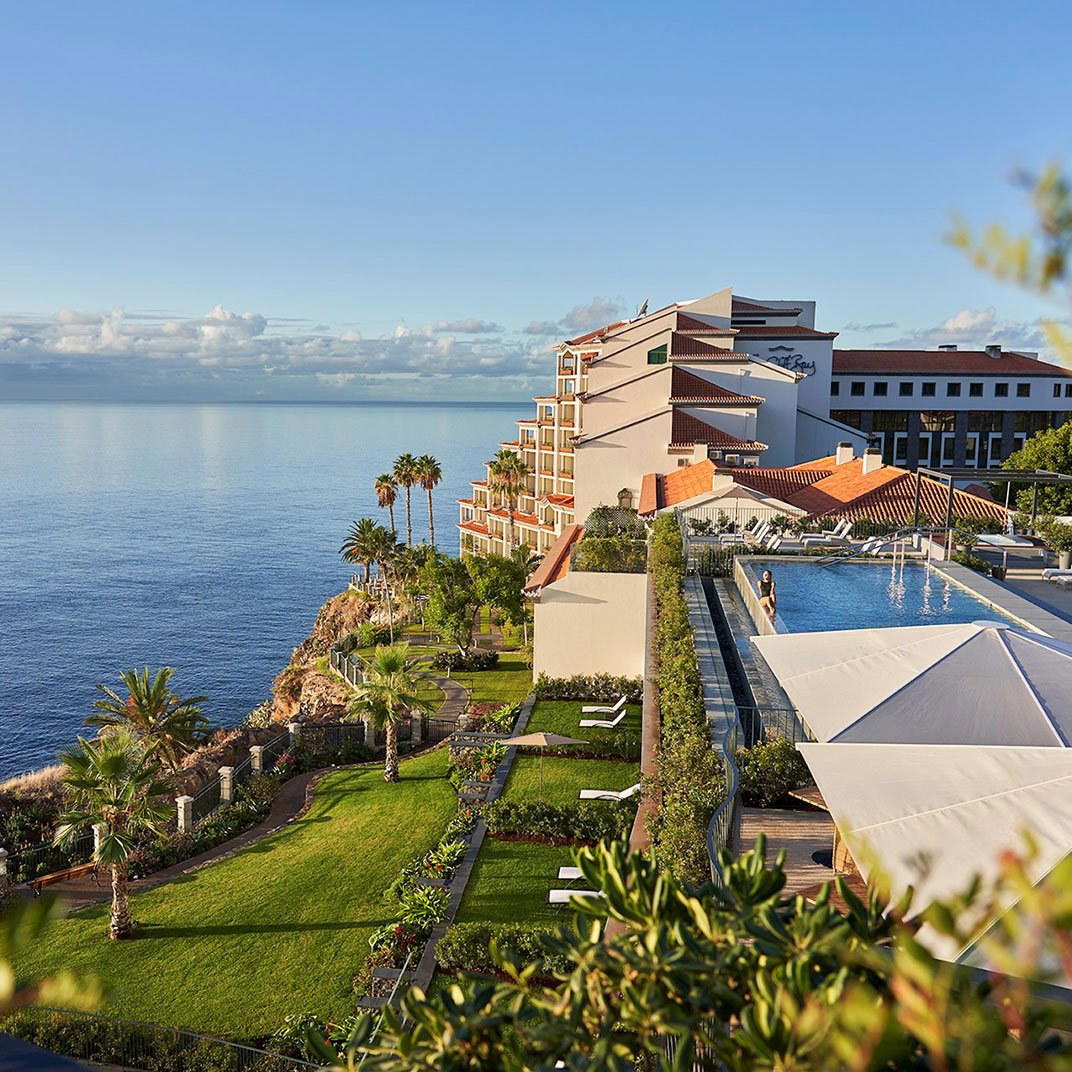
The road to Oxalis climbs away from Funchal's harbour and the compact bustle of the old town, threading through São Gonçalo toward the grounds of Casa Velha do Palheiro. By the time you arrive, the city feels genuinely distant. The hotel's two-century history is legible in the architecture: colonial-inflected stonework, mature gardens, a golf course pressing up against the property's edges. Inside, the dining room continues that register but cuts it open with a fully visible kitchen, the kind of design choice that signals the cooking is the point, not the décor.
In Funchal's restaurant hierarchy, Oxalis operates in the mid-range bracket, priced at €€ against comparators like Desarma and William, both of which sit at €€€€. That positioning matters: it makes access easier without significantly diluting the ambition of the cooking. The 2025 Michelin Plate recognition confirms the kitchen is operating at a level worth the drive out from the waterfront, and it places Oxalis in a wider Portuguese conversation that includes Belcanto in Lisbon, Antiqvvm in Porto, and Ocean in Porches, all working variations on the same national project of elevating regional produce through contemporary technique.
What the Kitchen Is Doing with the Island
Contemporary Portuguese cuisine has spent the last decade in a deliberate renegotiation with its own geography. One interesting version of that project isn't about spectacle or molecular detour; it's about making an argument for a specific place through ingredients. At Oxalis, the argument is Madeiran. Chef Gonçalo Bita Bota works directly with local farmers and fishermen, and the menus change to track seasonal availability rather than holding fixed across the year. That supply chain discipline is common enough in metropolitan kitchens, in Lisbon or Porto it reads as expected, but on an island with a smaller, more constrained local food economy, it takes more active maintenance.
The cured trout from the Chão da Ribeira river, served alongside fennel ice cream, illustrates the approach. It's a pairing that puts Madeiran terroir on the plate in two distinct registers: the cured fish locates the dish geographically; the fennel ice cream provides textural and temperature contrast without importing something foreign. The dish has drawn specific Michelin recognition, and it's the kind of plate that explains why the Plate distinction was awarded rather than simply noted. Contemporary technique applied to genuinely local material, that alignment is less common than restaurant menus tend to imply.
The broader category context is relevant here. Contemporary restaurants in the €€ tier, whether in Funchal, Seoul, or New York, have to justify their format against both the casual dining tier below and the tasting-menu tier above. Jungsik in Seoul and César in New York City demonstrate the range of positions that contemporary format can occupy. At Oxalis, the resolution is regional specificity: the menu's claim to attention isn't architectural presentation but the credibility of its local sourcing program.
Where It Fits in the Funchal Scene
Funchal's serious restaurant options have grown in range over the past several years. The city's hotel dining has historically carried disproportionate weight in the upper tier, properties like the Reid's Palace and Cliff Bay have anchored destination dining for decades. The emergence of more independent-leaning formats, alongside the elevation of hotel kitchens like Oxalis, has changed the texture of the scene without displacing its structural reliance on accommodation-linked restaurants.
Among the contemporary-format options in the city, Oxalis sits in a different tier from Audax and Ákua, while occupying a different price point from the €€€€ operators. The open kitchen format places it in a specific mode of transparency that distinguishes it from more formal room-and-service approaches. Gazebo and Avista offer Mediterranean positions at €€€, making Oxalis's Michelin-recognised contemporary-Portuguese format a distinct offer in a market that otherwise clusters at the Mediterranean or fusion end.
Planning the Visit
The address, R. da Estalagem 23 in São Gonçalo, places Oxalis a few kilometres inland from Funchal's centre, within the Casa Velha do Palheiro estate. Driving or taking a taxi is the practical approach; the estate's location on the outskirts means the visit has the character of a deliberate excursion rather than a casual drop-in. That framing works in the restaurant's favour: arriving at a two-century-old colonial property on a hillside above the city sets a different expectation than walking into a street-front room in the Zona Velha.
Reservations are recommended, especially in the winter-to-spring season when Madeira draws heavy visitor traffic.
€€ pricing makes a two- or three-course meal accessible relative to Funchal's other Michelin-recognised options. For the broader Portuguese fine-dining context, the work being done at Vila Joya in Albufeira, Casa de Chá da Boa Nova in Leça da Palmeira, and The Yeatman in Vila Nova de Gaia gives useful coordinates for where Oxalis sits in the national project of contemporary Portuguese cooking.
The Short List
Comparable venues nearby, for context on price, style, and recognition.
| Venue | Cuisine | Price | Notes |
|---|---|---|---|
| OxalisThis venue — the venue you are viewing | Palheiro, Modern Portuguese Fine Dining | $$$ | Not listed |
| Audax | Funchal, Progressive Madeiran Cuisine | $$$ | Not listed |
| Avista | Not listed | $$$$ | Estrada Monumental, Modern Mediterranean & Asian Fine Dining |
| Gazebo | Funchal, Modern Portuguese Fine Dining | $$$ | Not listed |
| Horta | Not listed | $$$ | Lido, Modern Vegetable-Forward Mediterranean |
| Sakura Sushi | Funchal, Japanese Sushi | $$ | Not listed |
Recognition history
Dated appearances from independent guides and award organizations, with the underlying list record or original source where available.
Michelin Plate
Michelin
Relais Chateaux Award
Relais Chateaux
Michelin Plate
Michelin
Relais Chateaux Award
Relais Chateaux
Continue exploring
More in Funchal
Restaurants in Funchal
Browse all →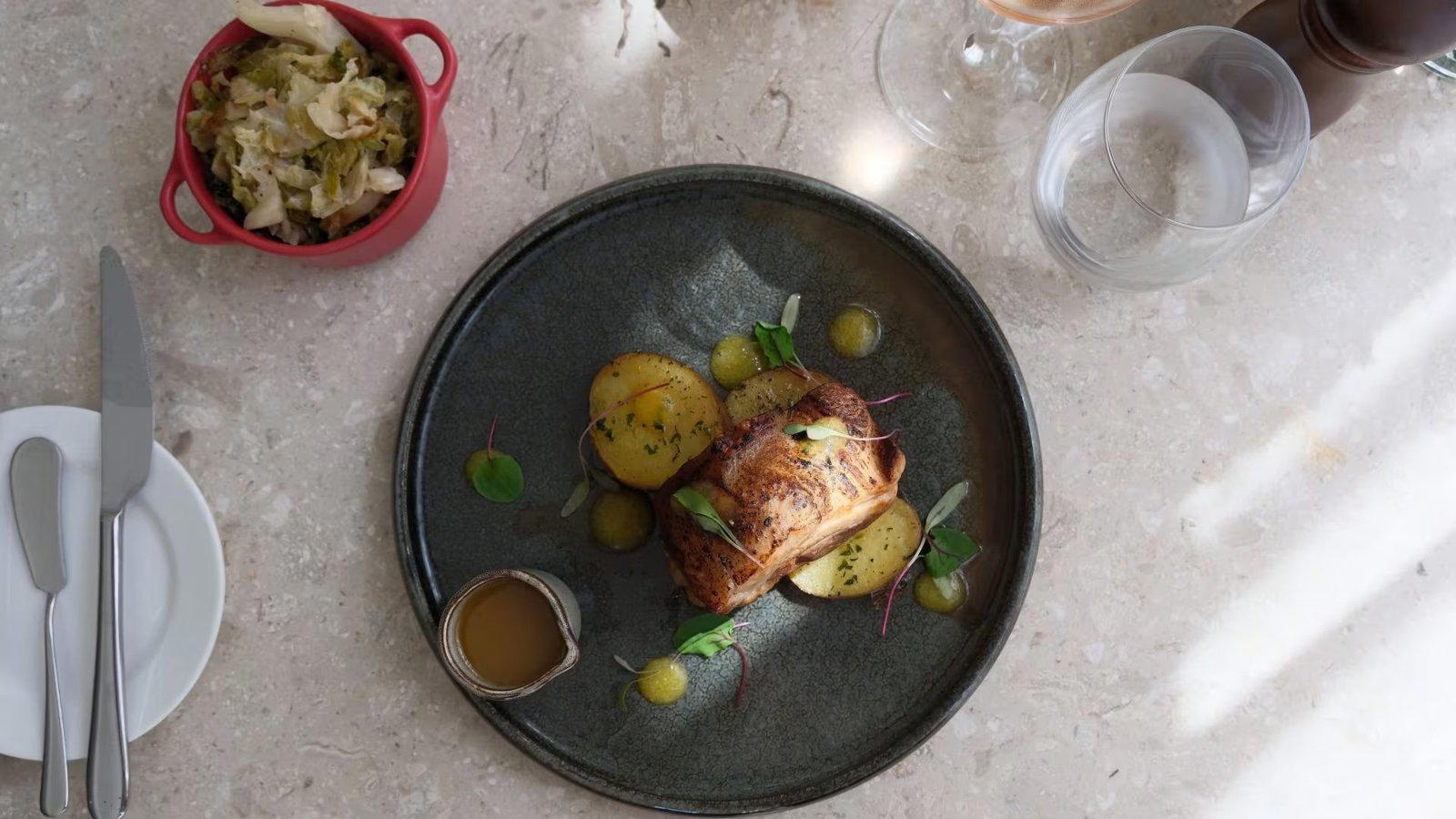
Bars in Funchal
Browse all →


Hotels in Funchal
Browse all →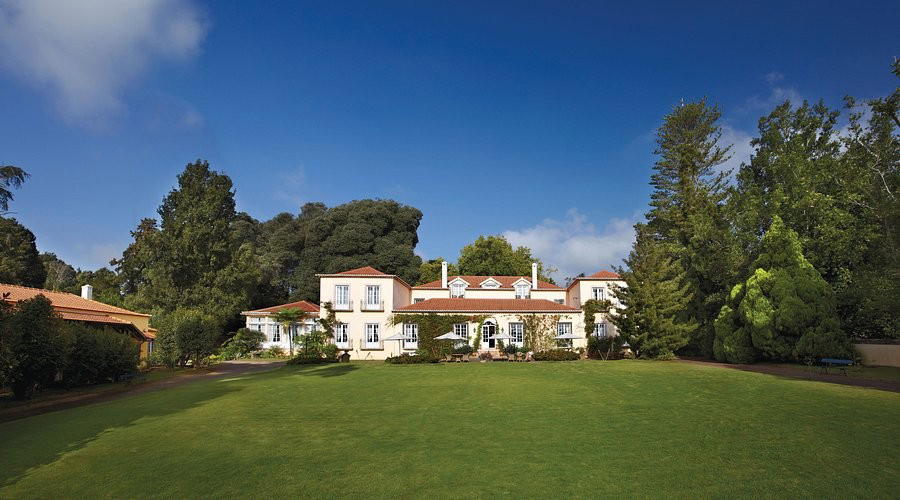
At a Glance
- Elegant
- Romantic
- Intimate
- Sophisticated
- Date Night
- Special Occasion
- Celebration
- Open Kitchen
- Historic Building
- Hotel Restaurant
- Extensive Wine List
- Local Sourcing
- Mountain
- Garden
Current opening hours
- Monday
- 7–10:30 PM
- Tuesday
- 7–10:30 PM
- Wednesday
- 7–10:30 PM
- Thursday
- 7–10:30 PM
- Friday
- 7–10:30 PM
- Saturday
- 7–10:30 PM
- Sunday
- 7–10:30 PM
Hours can change for holidays and private events. Last verified .
Elegant colonial-style dining room with warm, peaceful lighting, polished service, and views of dramatic gardens and hillsides.