Pizarro


Michelin Plate
Our verdict
On Bermondsey Street since the early 2010s, Pizarro sits a few doors from José Pizarro's original tapas bar and operates at a larger scale without abandoning the Spanish regional focus. Michelin Plate recognition in 2024 and 2025, alongside consecutive Opinionated About Dining Casual Europe rankings, signals consistent delivery across croquetas, presa Ibérica, and an all-Spanish wine list priced at the accessible end of London's Spanish dining tier.

Pearl is the En Primeur Club membership app, where members save venues, book tables and use the concierge.
The menu
What to order
- Pan con tomate
- Jamon croquetas
- Bogavante y huevos rotos
Bermondsey Street and the Spanish Restaurant Tier It Anchors
When José Pizarro opened his first venue on Bermondsey Street, the neighbourhood was a fraction of the dining destination it has since become. His tapas bar, José, came first; Pizarro, the full-service restaurant a few doors north at 194 Bermondsey Street, followed as a deliberate step up in scale and format while staying within the same culinary register. That sequencing matters. Most London restaurant groups expand outward across postcodes. Pizarro chose to deepen its presence on a single street, and the result is a concentrated Spanish identity that gives Bermondsey Street a character few other London neighbourhoods can claim around a single cuisine.
London's Spanish restaurant offer splits fairly cleanly between the high-end tasting-menu format, represented by venues like Cambio de Tercio in South Kensington, and the casual-to-mid tier where daily cooking and product quality do the work. Pizarro sits in the latter group, priced at ££, and earns its position through execution consistency rather than theatrical menus. Those rankings are not about fine-dining scores, they measure whether casual restaurants deliver reliably, and the back-to-back citations confirm that Pizarro does.
The Asador Tradition in a London Context
The editorial angle on Pizarro becomes sharpest when you read it through the Spanish grill and fire tradition. The asador format, whole-animal cookery, open charcoal, the Basque and Castilian practice of letting quality protein carry the plate, is one of the more demanding disciplines in Spanish cooking precisely because there is no sauce architecture to compensate for a mediocre piece of meat. When the menu description notes that presa Ibérica is among the larger main courses, it is signalling something specific about how the kitchen thinks. Presa is the shoulder cut of Iberian pork, deeply marbled from acorn-finished animals, and it is a cut that responds to high-heat, attentive cooking rather than slow braise. Serving it as a main course places Pizarro in conversation with the asador sensibility even within a London restaurant format.
That tradition has a long reach. The Basque grill houses that became reference points for the whole movement, Etxebarri most notably, built their reputations on restraint: the leading available raw material, fire as the primary tool, and nothing superfluous on the plate. London interpretations of that philosophy tend to work within smaller kitchens and without the sourcing infrastructure of the Basque Country, but the discipline of letting product quality determine the dish remains legible at Pizarro through its menu architecture. Dishes described as satisfying and cleanly executed are, in the context of this tradition, precisely the right ambition.
Menu Logic: Small Plates and the Larger Course
The menu at Pizarro follows a structure common to serious Spanish restaurants operating outside Spain: an opening tier of small plates drawn from the Spanish canon, followed by a section of larger main courses where the kitchen makes its most considered statement. Croquetas, boquerones, and padrón peppers form the opening register. These are dishes where skill is visible in proportion and temperature, croquetas should hold their béchamel interior against a thin, crisp shell; boquerones should be clean and acid-bright; padróns should carry the char of proper high heat. None of these are simple to execute consistently across a service, and their presence signals a kitchen comfortable with the fundamentals.
The shift to larger plates, with presa Ibérica as the clearest example, is where the fire-and-grill tradition asserts itself most directly. That transition from snack-and-share to a main course built around a single, well-sourced cut is characteristic of how Spanish cooking often works at its most honest. Elsewhere in London's Spanish tier, Donostia works a similar register with Basque-led product focus. Pizarro's version of this structure is its own, anchored to a menu that does not try to be comprehensive and is better for it.
Wine List as Position Statement
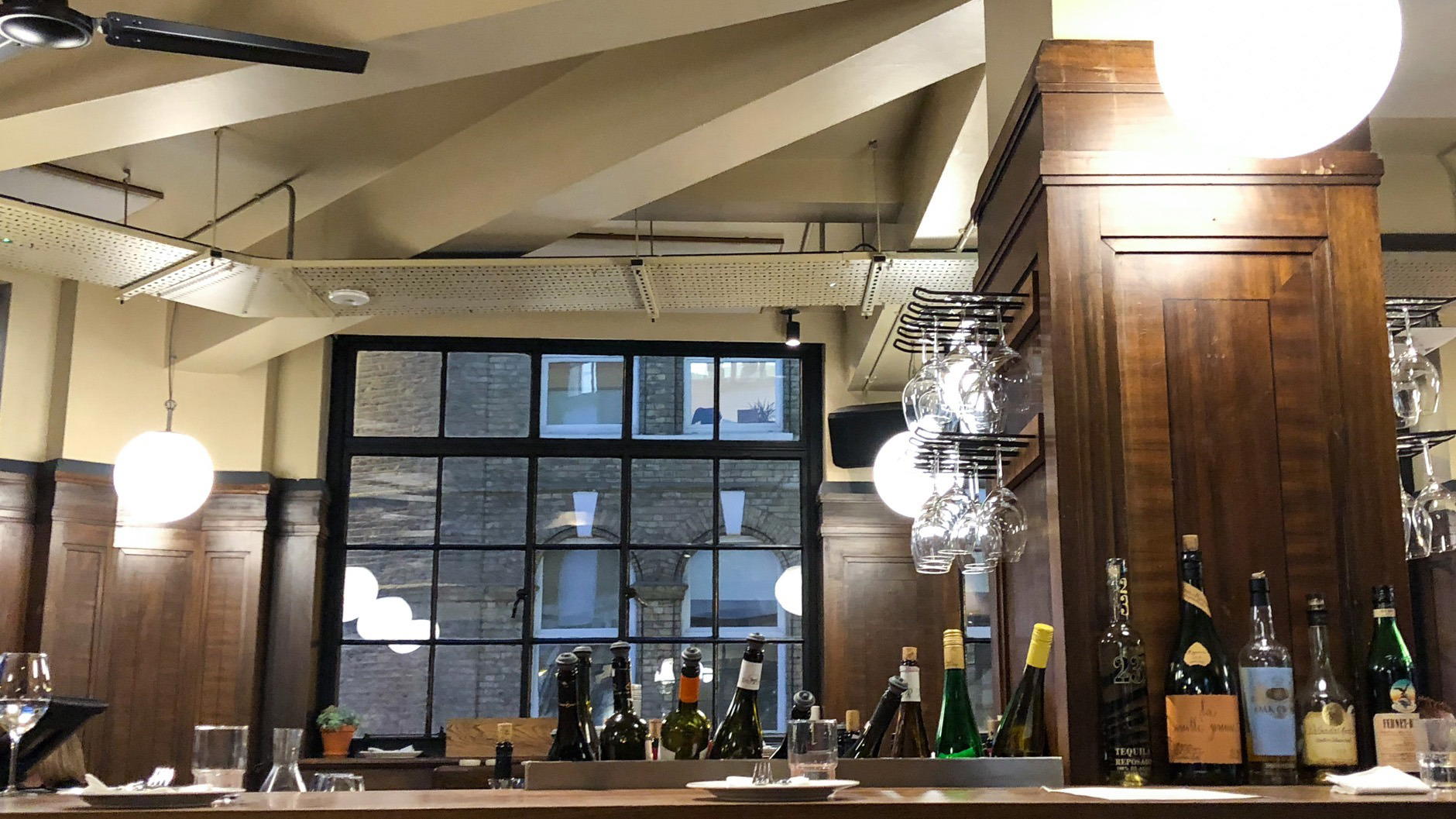
An all-Spanish wine list at a London restaurant is a commitment that carries real cost. The temptation in mid-price restaurants is to pad the list with French or Italian labels that customers already recognise, reducing the educational burden on front-of-house staff and the financial risk of slower-moving bottles. Pizarro's decision to hold an all-Spanish list, described as featuring some significant producers, is both a product statement and a guest expectation: diners here should be prepared to engage with Spanish regions and grape varieties on their own terms. Ribera del Duero, Rioja, Priorat, and Galician whites from Rías Baixas are the likely anchors, though the specific composition is for the venue to confirm. What the format signals is seriousness about the wine-food pairing logic that Spanish cooking demands.
Surroundings and the Bermondsey Street Setting
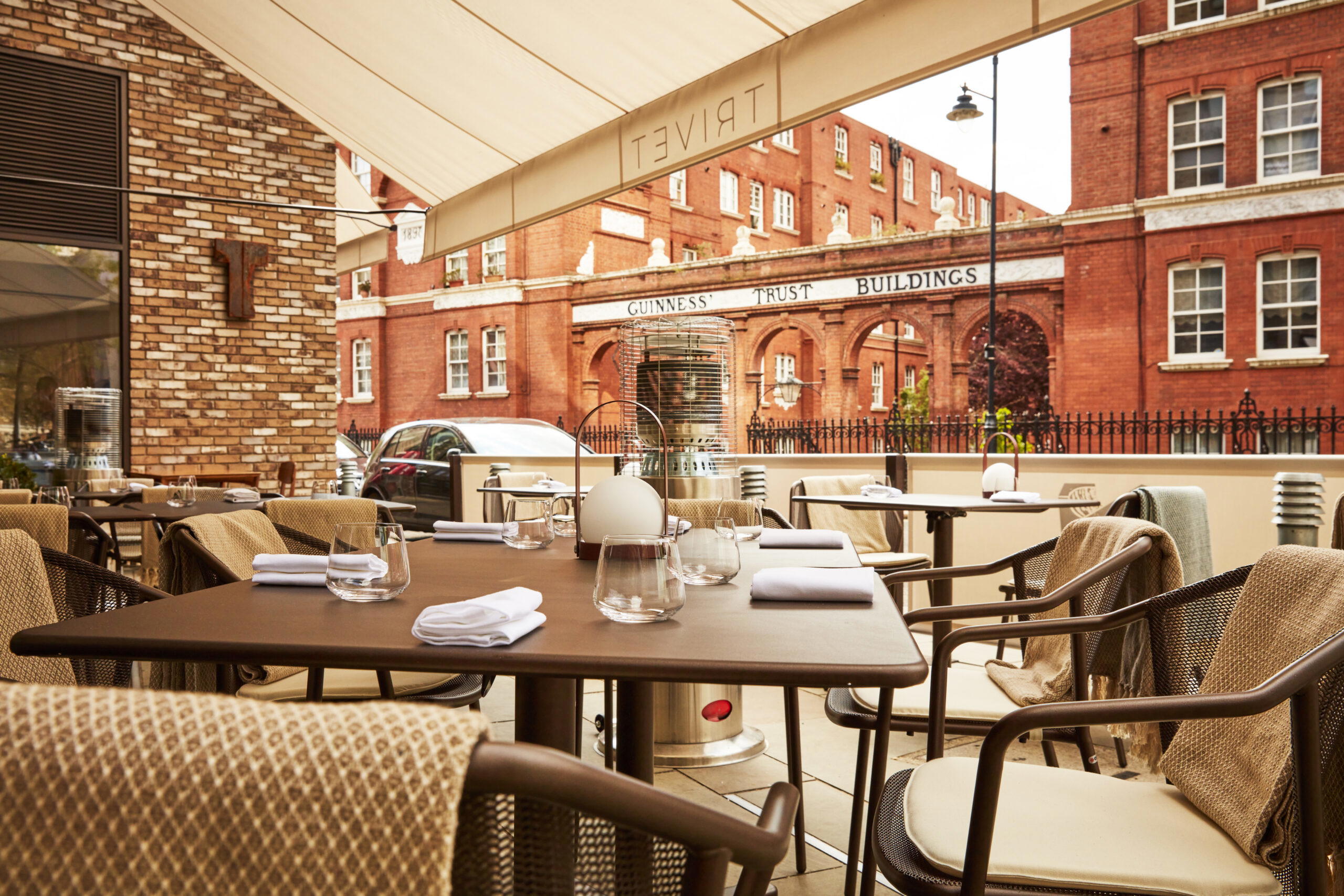
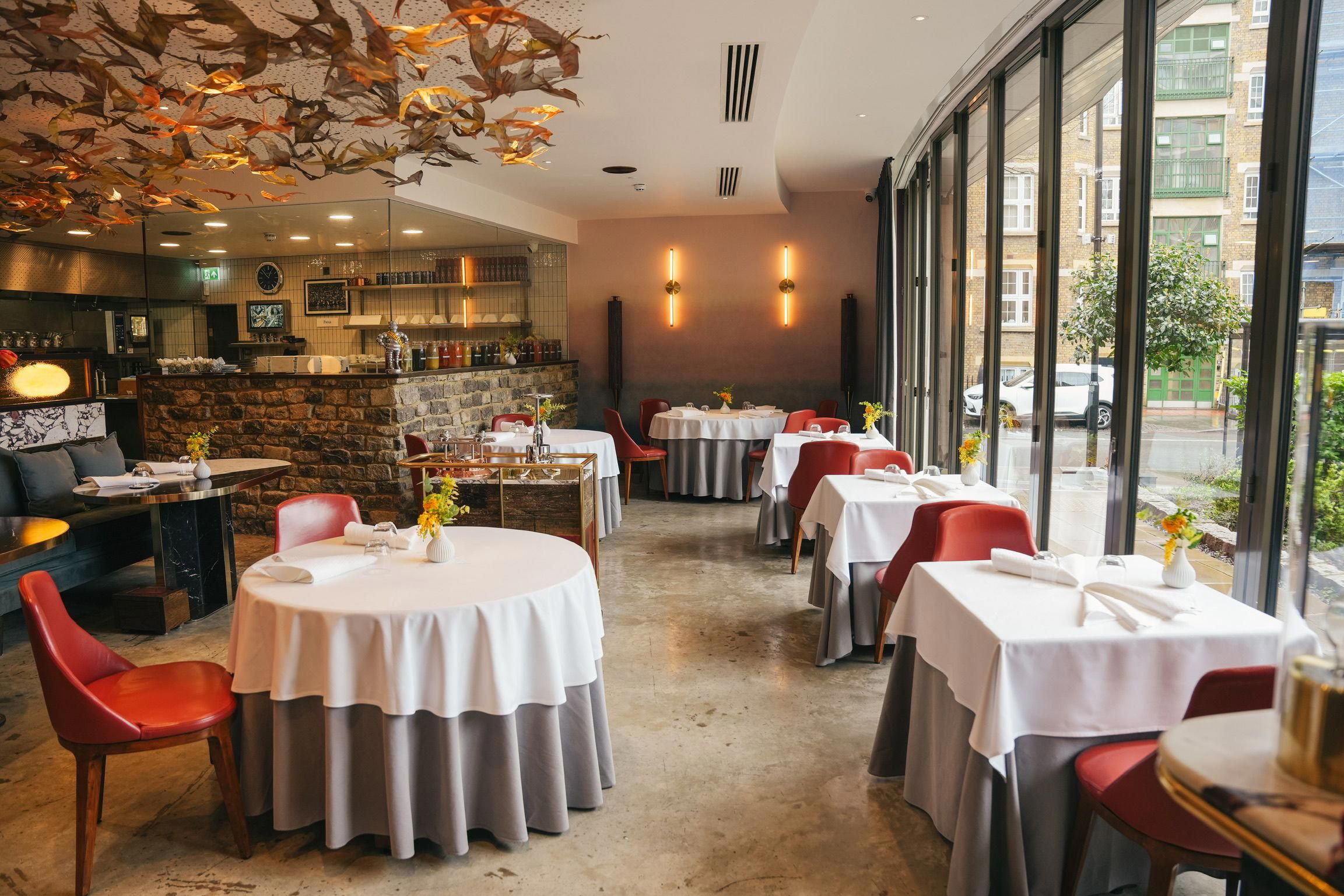
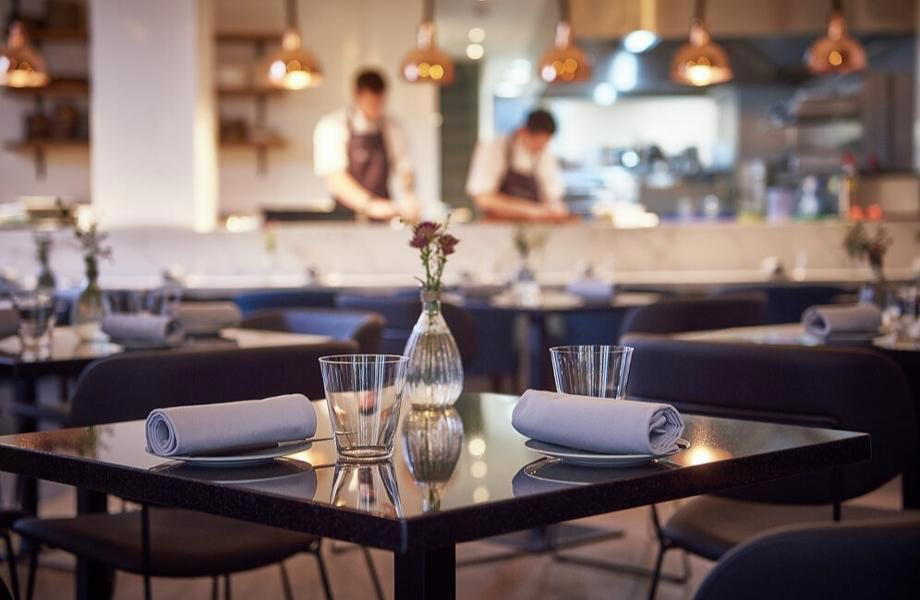
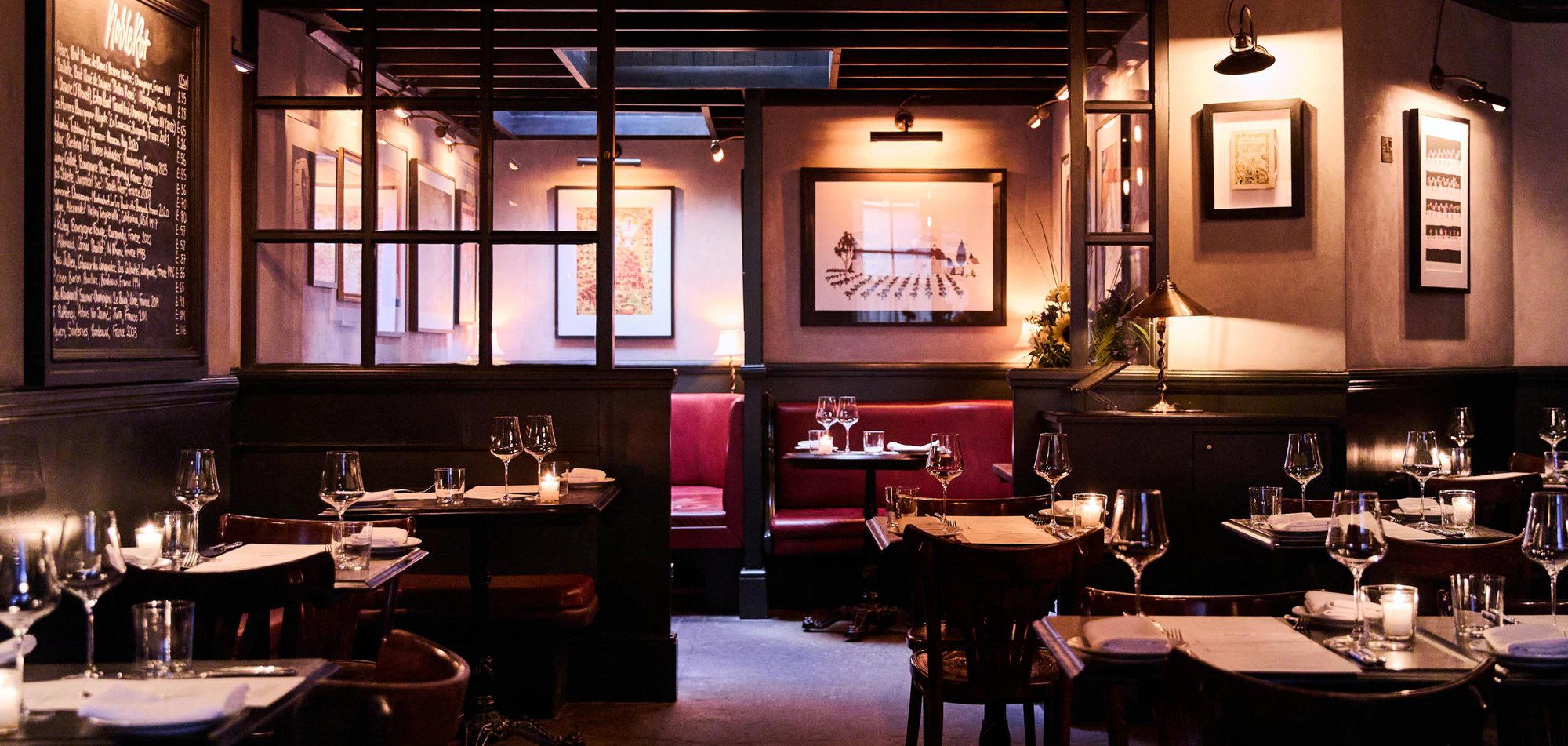
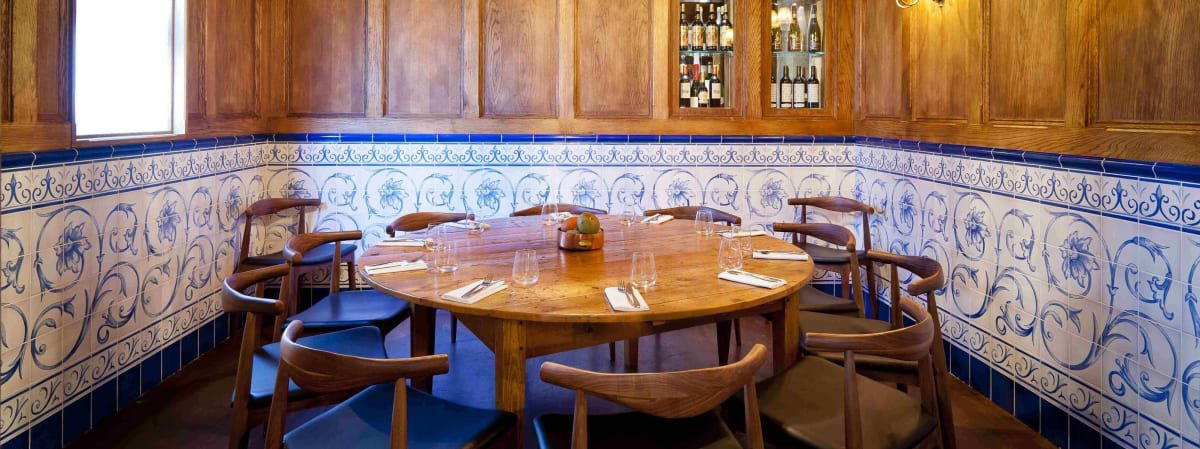
Bermondsey Street has undergone a transformation since the mid-2000s that makes it one of the more interesting dining corridors in South London. The street runs south from London Bridge with a mix of converted Victorian industrial buildings, independent galleries, and restaurants that have accumulated over two decades without homogenising into a single character. Pizarro's surroundings are described as stylish, which in this neighbourhood context means the kind of considered fit-out that works within an older building without overwhelming it. The street is walkable from London Bridge station, which connects it to the City and the wider transport network.
For comparison, London's most decorated Spanish-adjacent or European-focused restaurants, including CORE by Clare Smyth, Restaurant Gordon Ramsay, and Sketch, The Lecture Room and Library, operate at ££££ and in neighbourhoods with different demographic and tourist profiles. Pizarro's ££ positioning and SE1 address put it in a different conversation: accessible without being populist, specific without being exclusive.
Spanish cooking at this level has also found expression well beyond Spain and London. ZURRIOLA in Tokyo and Arco by Paco Pérez in Gdańsk represent the reach of the Spanish dining tradition into markets that have absorbed its discipline and product logic. Pizarro operates in a city where that tradition has deepest roots outside the Iberian Peninsula, and its consistency record reflects a kitchen that has absorbed those expectations fully.
Planning Your Visit
| Venue | Cuisine | Price Tier | Awards (2025) | Neighbourhood |
|---|---|---|---|---|
| Pizarro | Spanish | ££ | Michelin Plate, OAD Casual Europe #775 | Bermondsey Street, SE1 |
| Donostia | Spanish (Basque) | £££ | Michelin Plate | Marylebone, W1 |
| Cambio de Tercio | Spanish | £££ | Michelin Plate | South Kensington, SW5 |
Pizarro is at 194 Bermondsey Street, London SE1 3TQ. For broader London planning, see our full London restaurants guide, our full London hotels guide, our full London bars guide, our full London wineries guide, and our full London experiences guide. For destination dining further afield, The Fat Duck in Bray, L'Enclume in Cartmel, Moor Hall in Aughton, Gidleigh Park in Chagford, Hand and Flowers in Marlow, and Le Manoir aux Quat' Saisons in Great Milton represent the wider range of serious British dining.
Frequently asked questions
Is Pizarro more mid-range or high-end?
Pricing at Pizarro is listed as ££.
How would you describe the cuisine at Pizarro?
Does Pizarro have a Michelin star or similar recognition?
Pizarro has received recognition including: José Pizarro has a refreshingly simple way of naming his establishments: after José, his tapas bar, came Pizarro, a larger restaurant a few doors down. A selection of small plates – like croquetas, boquerones and padrón peppers – are joined….
What's the must-try dish at Pizarro?
The presa Ibérica has drawn consistent attention as one of the stronger larger-plate options on the menu, sitting at the more substantial end of a format that opens with small plates like croquetas, boquerones, and padrón peppers. The kitchen's approach is straightforward Iberian cookery executed cleanly rather than reinterpreted, which makes the quality of the primary ingredient the main event. Pizarro holds a Michelin Plate (2025), a recognition that points to cooking worth eating rather than spectacle. If you're ordering across the table, build from the small plates first and treat the larger courses as anchors.
Budget Reality Check
Comparable options at a glance, pulled from our tracked venues.
| Venue | Cuisine | Price | Awards | Notes |
|---|---|---|---|---|
| PizarroThis venue (the venue you are viewing) | Rustic Spanish Tapas | $50–100 | Michelin Plate | Not listed |
| The Ledbury | Modern British Fine Dining | $300–500 | 3 Michelin Stars · World's 50 Best #42 | Modern European, Modern Cuisine |
| Sketch, The Lecture Room and Library | Modern French Fine Dining | $200–300 | 3 Michelin Stars · World's 50 Best #18 | Modern French |
| CORE by Clare Smyth | Modern British Fine Dining | $150–200 | 3 Michelin Stars · World's 50 Best #97 | Modern British |
| Restaurant Gordon Ramsay | French Fine Dining | $200–300 | 3 Michelin Stars · World's 50 Best #13 | Contemporary European, French |
| Dinner by Heston Blumenthal | Historic British Fine Dining | $200–300 | 2 Michelin Stars · World's 50 Best #45 | Modern British, Traditional British |
Recognition history
Dated appearances from independent guides and award organizations, with the underlying list record or original source where available.
Michelin Plate
Michelin
Opinionated About Dining Casual in Europe Recommended
Opinionated About Dining
Full recognition history (6 entries)
Michelin Plate
Michelin
Opinionated About Dining Casual in Europe Ranked #775
Opinionated About Dining
Michelin Plate
Michelin
Opinionated About Dining Casual in Europe Ranked #634
Opinionated About Dining