
A long-running local restaurant in Phang-Nga town, Pitak serves generations-old Southern Thai recipes made to order from fresh provincial ingredients. The menu runs to bold, spice-forward dishes including yellow curry with grouper and pineapple and stir-fried pork with bitter beans. Popular with both local residents and domestic visitors, it represents the kind of uncompromising regional cooking that rarely travels beyond its home province.
Pearl is the En Primeur Club membership app — saves, bookings, and concierge access live there. Same editors, same standards.
- Address
- Thai Chang, Mueang Phang-nga District, Phang Nga 82000, Thailand
- Phone
- +66 89 648 8445
- Website
- facebook.com
- Directions
- Get directions
 Saves & bookings on Pearl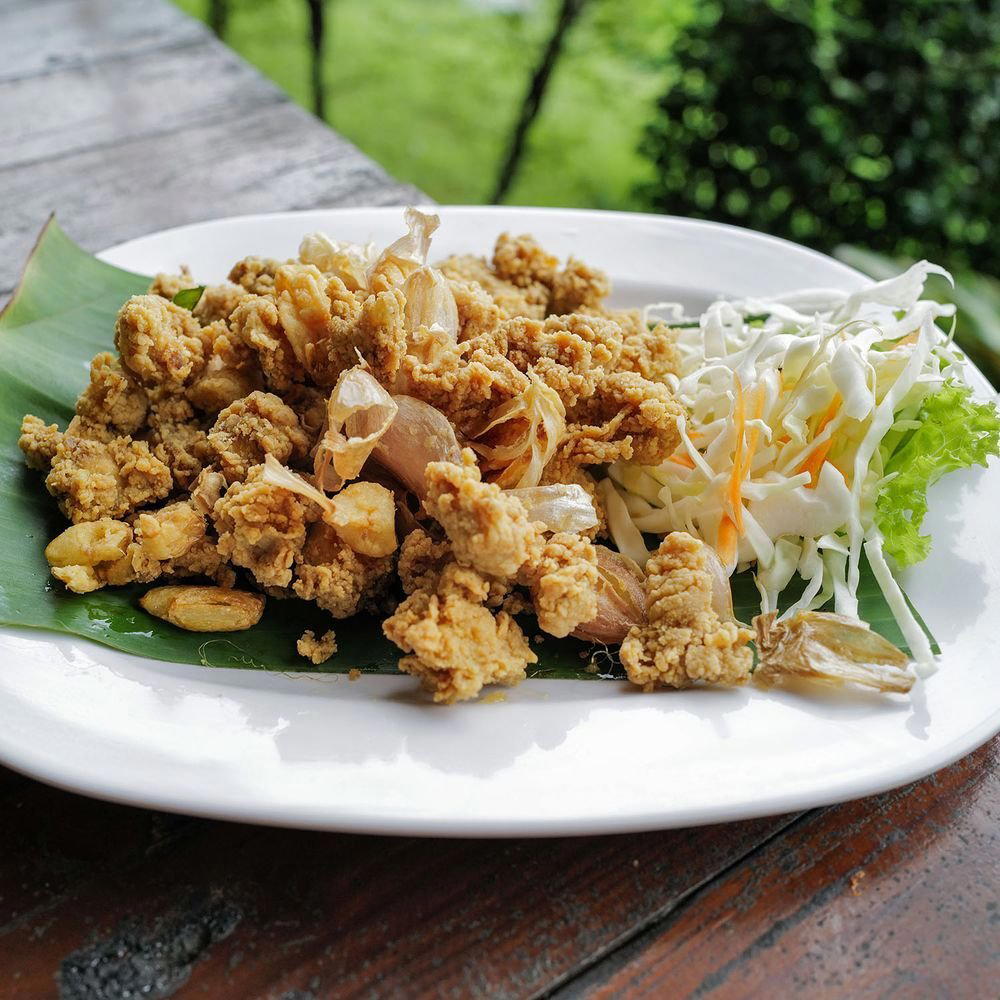
Southern Thai Cooking at Its Most Direct
In Phang-Nga town, away from the resort strips of Khao Lak and the international dining scene that has developed around Phuket, a different register of Thai cooking holds its ground. The restaurants here serve provincial Southern Thai food on its own terms: assertive heat, bitter notes from local vegetables, sour profiles from tamarind and citrus, and pastes ground fresh rather than bought pre-made. Pitak sits within this tradition.
Southern Thai cuisine is especially structurally distinct of Thailand's regional traditions. Where central Thai cooking balances sweet, salty, and sour, the southern style pushes heat and bitterness to the foreground. Turmeric features heavily, alongside dried spices that reflect centuries of trade with the Indian subcontinent and the Malay peninsula. Coconut milk appears in yellow and massaman curries but rarely softens the heat the way it might in milder northern dishes. The culinary heritage of provinces like Phang-Nga, Krabi, and Trang is shaped by geography: fishing coastlines, jungle interior, and the spice routes that once passed through these waters. A restaurant like Pitak is the living archive of that inheritance.
What the Menu Represents
The dishes that define Pitak's menu are grounded in Phang-Nga's local larder. Yellow curry with grouper and pineapple is a Southern Thai signature: the grouper sourced locally from coastal waters, the pineapple adding acidity that cuts through turmeric-heavy paste, the whole dish calibrated with a directness that differs noticeably from the softened versions that appear in tourist-facing restaurants. Stir-fried pork with bitter beans (sataw, the flat, pungent seeds of the Parkia speciosa tree) is another regional marker. Sataw has a polarising flavour profile, sharp, earthy, with a lingering aftertaste, and the willingness to feature it prominently signals a kitchen cooking for an audience that knows the cuisine, not one asking the kitchen to hold back.
The recipes are passed down through generations, a phrase that often serves as marketing shorthand but carries real meaning at this price point and scale. Multi-generational local restaurants maintain dishes not because they are fashion-proof but because the community eating there holds them accountable to a living memory of what the food should taste like. That accountability is harder to replicate at high-end Southern Thai restaurants in Bangkok, where chefs like those behind Sorn in Bangkok do extraordinary work interpreting the tradition but are necessarily working at a remove from the province itself. The source ingredient and the source community both shift when the context shifts.
Where Pitak Sits in the Regional Scene
Phang-Nga's dining options tend to cluster into two broad categories: resort and hotel restaurants serving international visitors, and local establishments serving the provincial population and the domestic Thai travellers who pass through. Pitak falls firmly in the second category. This is not a destination restaurant in the conventional sense of carrying international recognition. It is a working local restaurant with a strong, stable reputation in its own community.
That positioning matters when reading what the restaurant offers. The value here is not novelty or curation but proximity to a cooking tradition that has had little reason to change. Visitors who have eaten at PRU in Phuket, where the kitchen takes a research-led approach to Thai ingredients through a fine-dining format, will recognise some of the same base flavours at Pitak but encounter them in an entirely different register: plated simply, priced accessibly, eaten in surroundings that are functional rather than designed.
For context on how regional Thai cooking operates at the other end of the price spectrum, restaurants such as AKKEE in Pak Kret and Aeeen in Chiang Mai demonstrate how deeply local culinary identity can root itself in specific communities. Pitak operates in the same logic for the south. Meanwhile, nearby Krachang Khao Lak offers another angle on the province's food culture, for those building a fuller picture of what Phang-Nga produces at the table.
The Crowd and the Context
Pitak's following is built from two overlapping audiences: Phang-Nga residents who eat here regularly, and domestic Thai tourists who include it deliberately in a visit to the province. This is a meaningful distinction from restaurants whose reputations rest primarily on international visitors. When a restaurant's core audience is local and national, the kitchen has no commercial incentive to moderate spice levels or adjust flavour profiles for unfamiliar palates. The food is cooked for people who grew up with it.
International visitors who arrive with an open approach to heat and bitterness will find the experience rewarding and direct. Those expecting the milder, more accommodating Southern Thai flavours sometimes served outside the region may find the dishes more confrontational than expected. That is, in most respects, the point. For a broader orientation to what Phang-Nga offers across dining, lodging, and leisure, see our full Phang-Nga restaurants guide, our full Phang-Nga hotels guide, our full Phang-Nga bars guide, our full Phang-Nga experiences guide, and our full Phang-Nga wineries guide. For other regional Thai restaurants worth comparing across the country, Anuwat in Phang Nga, Angeum in Phra Nakhon Si Ayutthaya, Baan Chik Pork Noodles in Udon Thani, Baan Heng in Khon Kaen, and Agave in Ubon Ratchathani each illuminate how different provinces maintain distinct culinary identities.
Planning Your Visit
Pitak is located at Thai Chang, Mueang Phang-nga District, Phang Nga 82000. As a popular local restaurant, reservations are recommended. Pitak serves affordable Southern Thai cooking at about $8 per person.
Cost and Credentials
Comparable venues nearby, for context on price, style, and recognition.
| Venue | Cuisine | Price | Awards | Notes |
|---|---|---|---|---|
| PitakThis venue — the venue you are viewing | Not listed | $$ | Michelin Plate | Not listed |
| Anuwat | Not listed | $ | Michelin Plate | Thai Mueang District, Authentic Southern Thai Street Food |
| Rock-Un | Takua Pa, Southern Thai Small Eats | $ | Michelin Plate | Not listed |
| Khanom Chin Pa Son | Not listed | $ | Michelin Plate | Thai Chang, Mueang Phang-nga, Southern Thai Khanom Chin |
| Khun Thip's Satay | Thai Chang, Mueang Phang-nga, Thai Satay | $ | Michelin Plate | Not listed |
| Hok Kee Lao | Not listed | $$ | Bib Gourmand | Takua Pa, Thai-Chinese with Southern Thai influences |
Recognition history
Dated appearances from independent guides and award organizations, with the underlying list record or original source where available.
Michelin Plate
Michelin
Continue exploring
More in Phang Nga
Restaurants in Phang Nga
Browse all →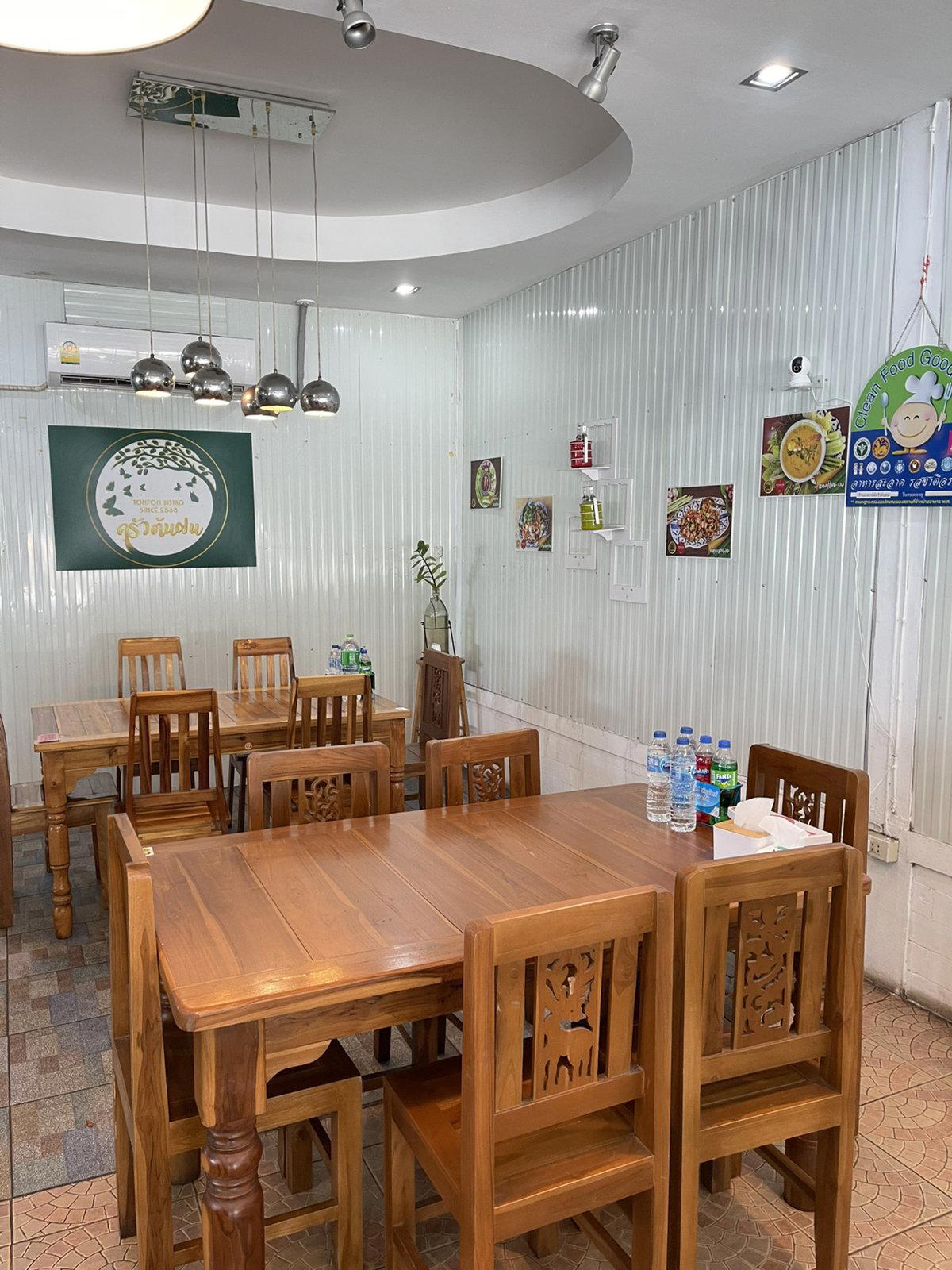
Bars in Phang Nga
Browse all →


At a Glance
- Rustic
- Cozy
- Casual Hangout
- Standalone
- Local Sourcing
Current opening hours
- Monday
- 10:30 AM–10:30 PM
- Tuesday
- 10:30 AM–10:30 PM
- Wednesday
- 10:30 AM–10:30 PM
- Thursday
- 10:30 AM–10:30 PM
- Friday
- 10:30 AM–10:30 PM
- Saturday
- 10:30 AM–10:30 PM
- Sunday
- 10:30 AM–10:30 PM
Hours can change for holidays and private events. Last verified .
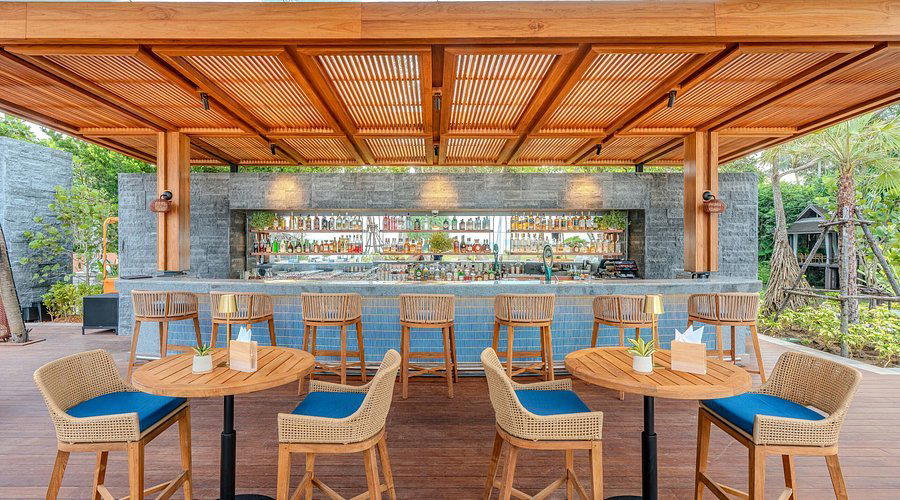
Simple, functional shophouse with practical wooden tables, bright lunch lighting softening for evening, unpretentious and efficient service focused on the bold flavors.