Pinbones Fish Market occupies a King Street address in Dundas, Ontario, bringing a fish market format to a town better known for its heritage storefronts than its seafood. The format positions it as an outlier in a dining corridor dominated by casual Canadian fare, making it a reference point for anyone tracing where ingredient-led sourcing is taking small-city Ontario dining.
Pearl is the En Primeur Club membership app — saves, bookings, and concierge access live there. Same editors, same standards.
- Address
- 65 King St W, Dundas, ON L9H 1T5, Canada
- Phone
- +12892389245
- Website
- opentable.com
- Directions
- Get directions
 Saves & bookings on Pearl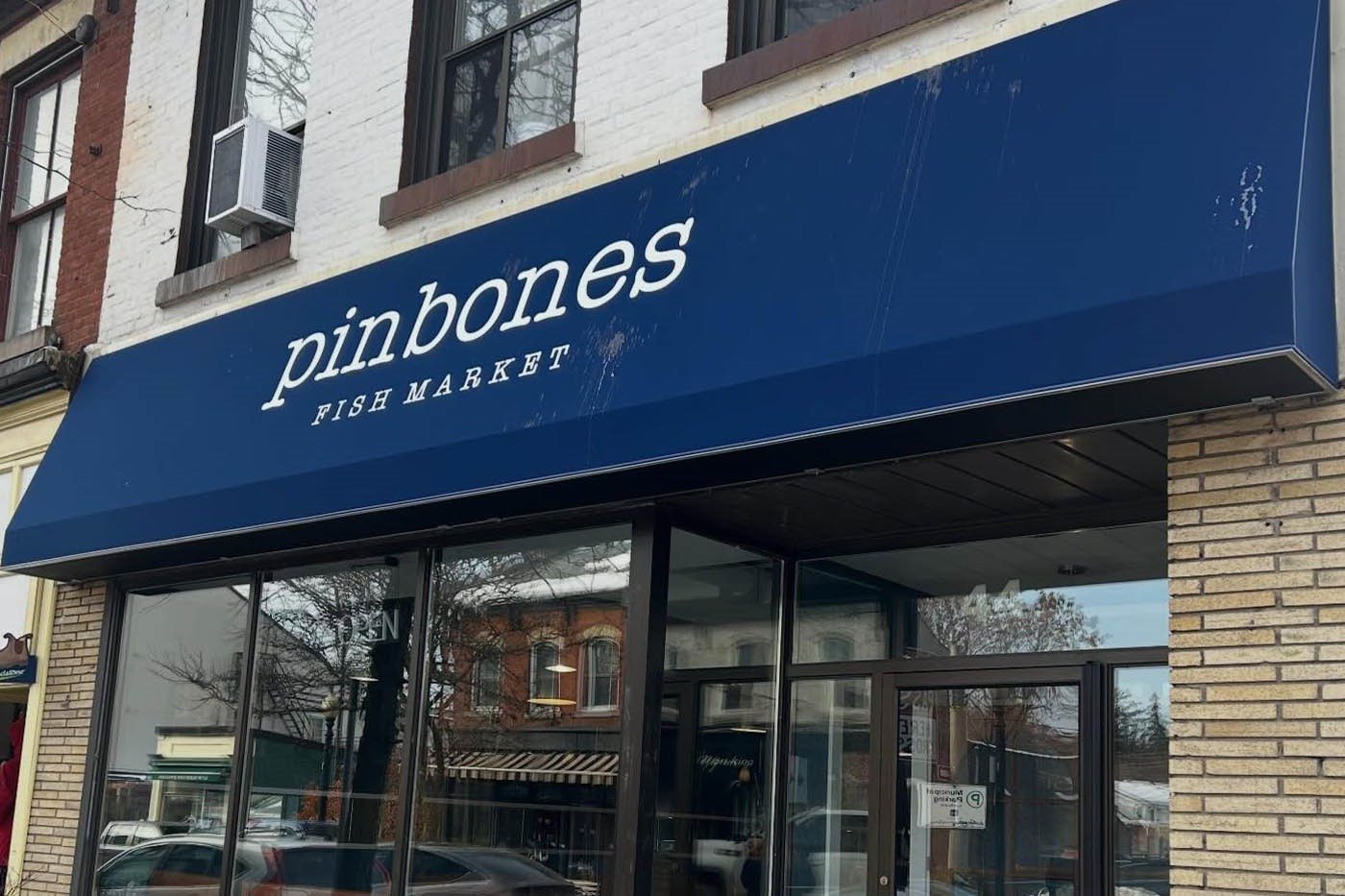
King Street, Dundas: Where a Fish Market Changes the Conversation
Pinbones Fish Market is a fresh seafood market and restaurant in Dundas, Ontario, at 65 King St W. King Street West has long attracted the kind of neighbourhood dining that relies on regulars and word of mouth rather than tourist foot traffic. Into that context, a fish market format reads as a deliberate provocation: seafood, done seriously, in a landlocked Ontario town that sits roughly an hour's drive from the nearest major port infrastructure at Lake Ontario's north shore.
That geographic reality is the first thing worth understanding about Pinbones Fish Market. Sourcing fresh, quality fish in southern Ontario requires either proximity to the Great Lakes fishery or a supply chain that reaches the Atlantic and Pacific coasts within tight cold-chain windows. The fish market format, as a retail and dining hybrid, signals a commitment to sourcing transparency that most casual restaurants in this price corridor don't attempt. When a venue names itself after the work of breaking down a whole fish, it is making an argument about where the food comes from and how it arrives.
The Fish Market Format and What It Demands
Across Canada, the fish market model occupies a specific niche between fishmonger retail and full-service restaurant. It differs from both in meaningful ways. Unlike a restaurant kitchen that receives pre-portioned fillets from a distributor, a market-style operation typically receives whole fish and breaks them down on-site, which requires skilled preparation and creates a direct relationship between the product's condition on arrival and what reaches the plate or the counter. The format also implies availability driven by supply rather than a fixed menu, which means the selection shifts with what the supply chain can deliver at acceptable quality on any given day.
This model has been gaining ground in Canadian cities over the past decade. Operations like this one in smaller markets sit downstream from the higher-volume urban fish bars and markets that established the format's credibility, but they bring the same sourcing logic to communities where the alternative is typically a supermarket fish counter or a chain restaurant's frozen product. For a town the size of Dundas, a venue that anchors its identity to the origin and handling of its fish is making a statement about what the local dining scene can sustain.
Southern Ontario's Ingredient-Led Dining Thread
Dundas and the broader Hamilton-Burlington corridor are part of a wider southern Ontario dining conversation that has been building over the past fifteen years. The region's proximity to the Niagara Peninsula wine country, the fruit belt between Burlington and Niagara-on-the-Lake, and a network of smaller producers in the surrounding countryside has created conditions where ingredient-sourcing credibility carries real currency. Venues like Restaurant Pearl Morissette in Lincoln have demonstrated that a sustained focus on provenance, applied in a small-market setting, can build a following well beyond the immediate postcode. The Pine in Creemore operates on similar logic in a comparable small-town context further north.
The fish market model applies the same sourcing discipline to a protein category that southern Ontario has historically under-served at the independent level. The Great Lakes fishery produces whitefish, pickerel (walleye), perch, and trout that, when handled with care, represent a genuinely regional product. A venue that connects to that supply chain, or to Atlantic suppliers with rigorous cold-chain standards, is drawing on a sourcing story that has depth. It is the same argument that Narval in Rimouski has been making about Gulf of St. Lawrence seafood at the other end of the country's eastern seaboard.
For context on how the highest tier of Canadian seafood cooking frames the conversation, Tanière³ in Quebec City and Alo in Toronto both treat ingredient provenance as a foundational premise rather than a marketing add-on. The fish market format at the community level carries a different set of ambitions, but the underlying sourcing logic belongs to the same broader movement in Canadian dining.
The Dundas Dining Context
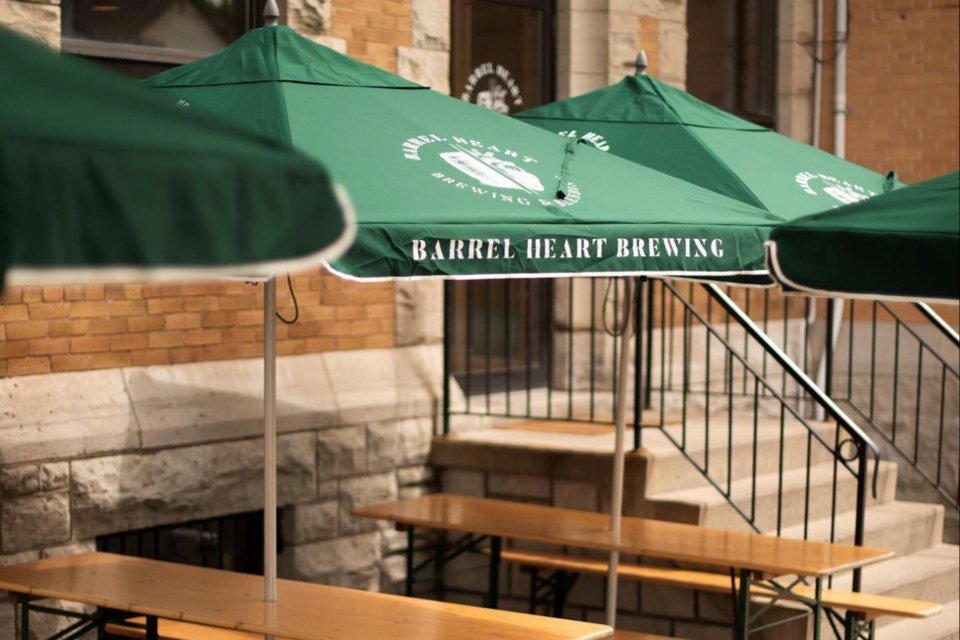
King Street West in Dundas rewards a patient walkthrough. The strip mixes heritage storefronts with a roster of independent operators that punch above what the town's population of roughly 25,000 would suggest. Barrel Heart Brewing anchors the craft beverage end of the street, and the broader corridor running toward Hamilton's James Street North connects Dundas to one of Ontario's more active independent dining scenes. Barra Fion in Burlington, a short drive east, represents the kind of neighbourhood-scale independent that the Hamilton-Burlington corridor has been producing with increasing regularity.
The fish market format sits differently in Dundas than it would in Hamilton proper or in Toronto. That is both an opportunity and a responsibility: there is no competitive pressure from a parallel operation to keep sourcing standards sharp, which means the venue's own commitment to the format carries more weight.
What the Format Signals to a First-Time Visitor
A fish market in a town like Dundas draws two distinct visitor profiles. The first is the local regular who has adopted it as a weekly or biweekly source for fresh fish to cook at home, treating the market function as its primary value. The second is the out-of-town visitor who arrives expecting the format to combine retail quality with eat-in options, a model that has become more common as fish market operators across North America have recognized that their sourcing credibility is the strongest argument they can make to a dining-out customer.
For the latter visitor, the key question is always whether the eat-in offering reflects the same sourcing logic as the retail side. Operations that maintain this consistency tend to build durable reputations; those that treat the restaurant component as a secondary revenue stream with lower sourcing standards typically fail to build the repeat visitor pattern that sustains a small-market operation. The name itself, Pinbones, suggests a practitioner's relationship with the product: pinboning is skilled, time-consuming work that most operations skip because it requires knife technique and patience rather than speed.
Visitors arriving from Toronto or Hamilton have a direct drive along Highway 403 or the King Street corridor. Parking on King Street West is street-level and generally accessible outside peak weekend hours. For those combining the visit with a broader southern Ontario itinerary, the Lincoln wine corridor is under an hour's drive, making a combination with Restaurant Pearl Morissette or the Niagara Peninsula producers a logical pairing. Visitors interested in how the sourcing-led model plays out at larger scale across Canada can cross-reference operations like AnnaLena in Vancouver, Jérôme Ferrer - Europea in Montreal, or further afield at Le Bernardin in New York City and Atomix in New York City.
Quick Comparison
Comparable venues nearby, for context on price, style, and recognition.
| Venue | Cuisine | Price | Awards | Notes |
|---|---|---|---|---|
| Pinbones Fish MarketThis venue — the venue you are viewing | Fresh Seafood Market & Restaurant | $$ | Not listed | Not listed |
| Barrel Heart Brewing | Modern Brewery Gastropub | $$ | Bib Gourmand | Dundas |
| Hooked Inc. | Sustainable Seafood Fishmonger | $$ | Not listed | South Riverdale |
| The Shore | Contemporary Seafood and Mediterranean | $$ | Not listed | Jordan Station |
| Daily Seafood Inc | Fresh Seafood Supplier | $ | Not listed | Blake-Jones |
| Symposium Cafe Restaurant Oakville | American Comfort Food | $$ | Not listed | North Oakville |
Continue exploring
More in Dundas
Restaurants in Dundas
Browse all →

Bars in Dundas
Browse all →

Hotels in Dundas
Browse all →


Wineries in Dundas
Browse all →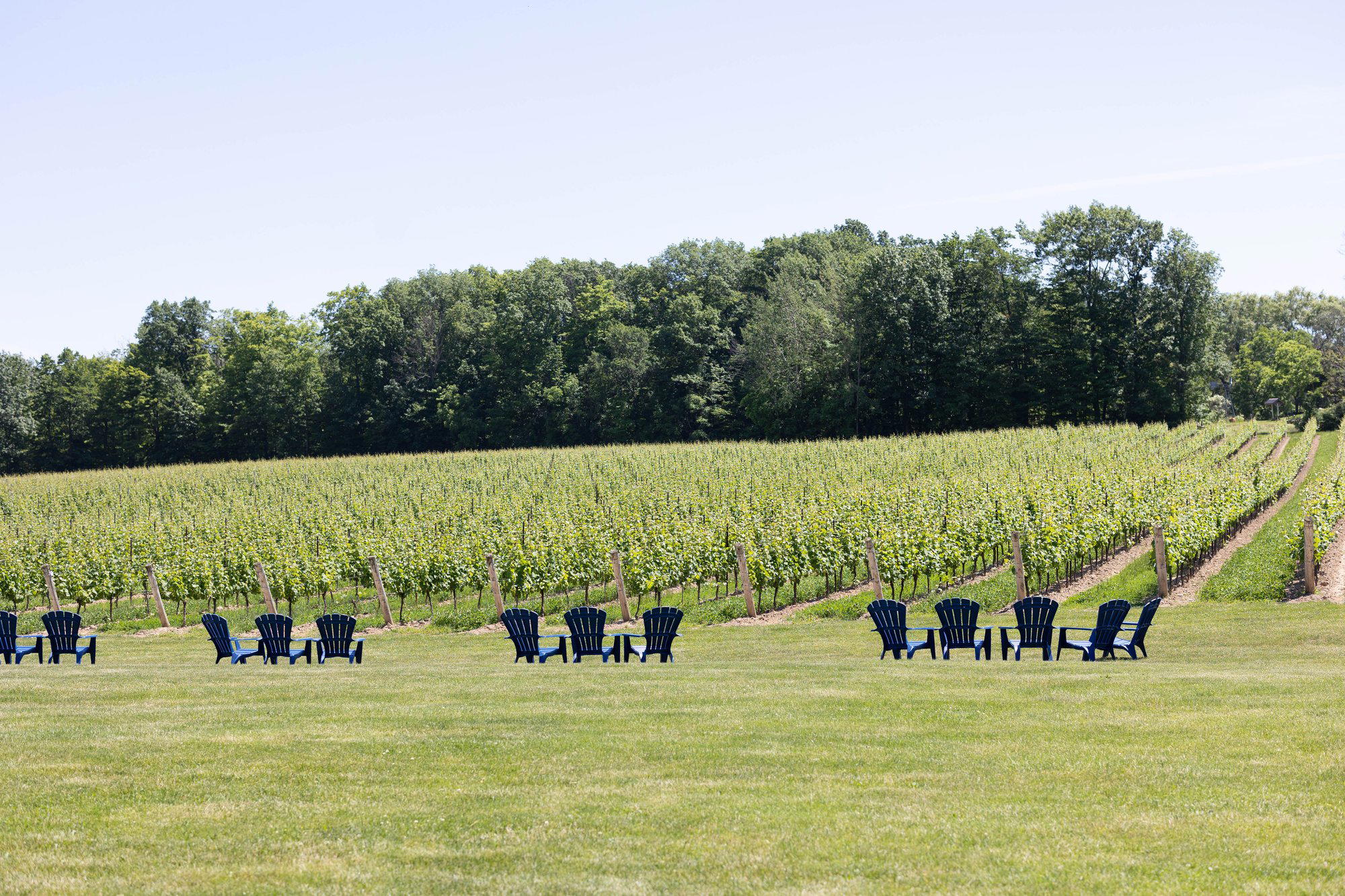
At a Glance
- Modern
- Cozy
- Date Night
- Group Dining
- Casual Hangout
- Open Kitchen
- Craft Cocktails
- Sustainable Seafood
- Local Sourcing
Current opening hours
- Monday
- Closed
- Tuesday
- 10 AM–5 PM
- Wednesday
- 10 AM–8:30 PM
- Thursday
- 10 AM–8:30 PM
- Friday
- 10 AM–8:30 PM
- Saturday
- 10 AM–8:30 PM
- Sunday
- 11 AM–8:30 PM
Hours can change for holidays and private events. Last verified .
Warm, modern vibe with efficient service in a small, intimate space.