
Inside a converted post office on Dundas's main strip, Barrel Heart Brewing pairs locally sourced, barrel-aged beers with a kitchen that rotates weekly between Korean barbecue, tacos, and globally inflected tasting menus. The collaboration between a chef and a brewmaster produces food-beer pairings with genuine technical ambition, snap peas in gochujang vinaigrette, spaghettini in corn-tamarind sauce, in a format that rewards repeat visits.
Pearl is the En Primeur Club membership app — saves, bookings, and concierge access live there. Same editors, same standards.
- Address
- 104 King St. W., Unit 1
- Phone
- +1 289-808-6501
- Website
- barrelheart.com
- Directions
- Get directions
 Saves & bookings on Pearl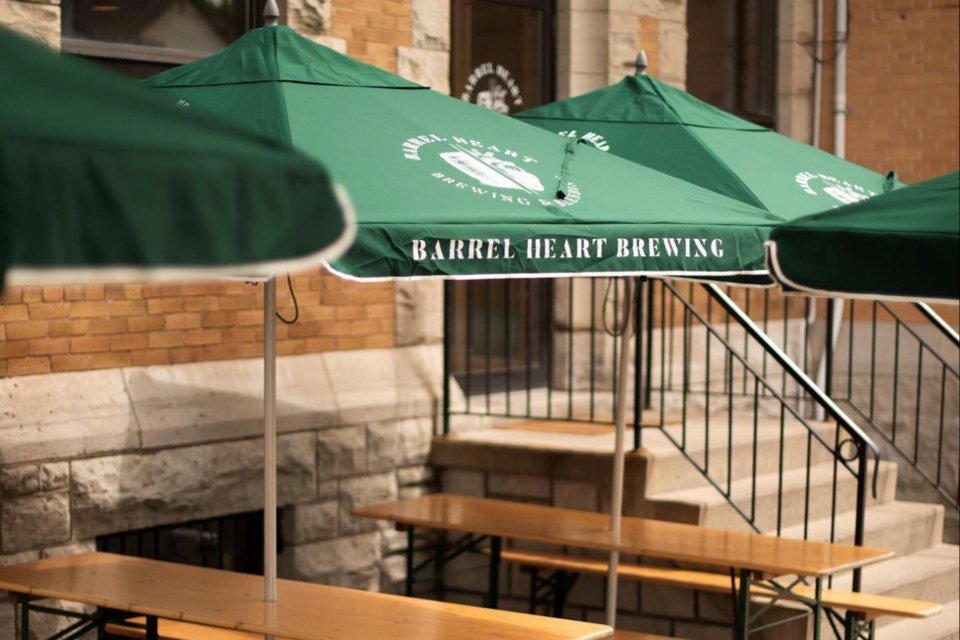
A Post Office Repurposed, a Format Built on Change
The building at 104 King St. W. in downtown Dundas spent decades as a post office, which means the bones are solid and the ceilings carry the particular authority of civic architecture. That heritage shell now holds something considerably less predictable: a brewing operation and a kitchen that refuse to settle into a fixed identity. In a small-city dining scene where consistency is usually the selling point, Barrel Heart Brewing operates on deliberate rotation, the menu this month is not the menu you ate last month, and that instability is precisely the point.
Dundas sits in Hamilton's western shadow, close enough to draw from the city's food community but distinct in character. Its downtown strip has developed a handful of serious independent operators in recent years, and Barrel Heart fits that pattern: locally rooted, technically considered, and calibrated for a repeat-visit audience rather than one-time tourists.
Where the Ingredients Come From and Why the Source Matters
The argument for sourcing-led brewing and cooking is sensory. When beer is made with locally grown fruit and aged in old wine barrels, the flavor profile is shaped by conditions specific to a place and a season. The fruit's sugar levels, acidity, and aromatic compounds at harvest become fixed into the barrel's microclimate over months of aging. The result is not a beverage that could have been produced identically in another postal code. That locality is audible in the glass, even if the drinker cannot articulate exactly why.
The same logic governs the kitchen. Dishes like snap peas glossed in a gochujang vinaigrette with house-made kimchi and pickled pears require ingredients that respond to season, snap peas at their peak carry a structural snap and sweetness that off-season product cannot replicate. The kimchi is house-made, which means the fermentation timeline is controlled in-house rather than outsourced to a commercial supplier. Pickled pears add acidity and a secondary sweetness that positions the dish somewhere between Korean pantry tradition and a more improvised, cross-cultural sensibility. This kind of cooking, where the sourcing decision shapes the flavor logic rather than decorating it, places Barrel Heart in a similar conversation to what Restaurant Pearl Morissette in Lincoln has built around agricultural sourcing on the Niagara Peninsula, though the formats are entirely different in price and formality.
Spaghettini tossed in corn and tamarind sauce is a useful illustration of how the kitchen thinks. Corn is a crop with a narrow seasonal window in Ontario, and its natural sweetness functions differently at different points in the season. Tamarind adds a concentrated sourness that balances the corn's sugar without overwhelming the pasta's starch-forward weight. The dish sits at an intersection of pantry logic and local availability that takes practice to calibrate. At Canadian restaurants working at higher price points, Alo in Toronto and Tanière³ in Quebec City both operate along sourcing-led principles, this kind of ingredient reasoning is embedded in a fine-dining context. Barrel Heart applies similar thinking at a more accessible register.
The Pop-Up Format as Editorial Commitment
Weekly pop-ups and rotating tasting menus are not a novelty gimmick here, they are a structural decision with real culinary consequences. A kitchen running tacos one month and Korean barbecue the next is not trying to be all things to all diners. It is, more accurately, signaling that the team's range of reference is wider than any single cuisine could contain, and that the beer program needs a kitchen partner flexible enough to generate new pairing opportunities on a recurring basis.
This model puts significant pressure on execution. Changing the menu frequently means the kitchen cannot rely on the muscle memory that develops when a dish is cooked hundreds of times. The reward is a dining format that generates genuine anticipation: returning guests come back to find something different, and the brewing calendar and the food calendar can be synchronized so that a new barrel release meets a menu designed around its flavor profile. Formats built on this kind of internal collaboration tend to produce either conspicuous failure or unusually coherent results. Barrel Heart's output, including gochujang vinaigrette, corn-tamarind pasta, and dulce de leche banana pudding, suggests the latter.
Among Canadian venues working at the intersection of brewing, local sourcing, and serious kitchen ambition, the comparison set is smaller than the broader farm-to-table category implies. Eigensinn Farm in Singhampton operates on an entirely different scale of formality and isolation, but shares the instinct that the sourcing decision should precede and shape the menu decision rather than follow it. AnnaLena in Vancouver and The Pine in Creemore represent other Canadian operators where the food philosophy is embedded in the format rather than appended to it as a marketing note.
The Beer Program's Structural Logic
Barrel-aging beer in old wine barrels is a practice that borrows directly from winemaking and whisky production. The barrel's previous contents, wine, in this case, leave compounds in the wood that migrate into the beer during aging. Tannins, residual sugars, and aromatic molecules from the wine become part of the beer's structure, softening the sharper edges of fermentation and adding layers that a stainless-steel tank cannot replicate. Using locally grown fruit adds a further variable: the fruit's own fermentable sugars and acids interact with the beer's yeast culture and the barrel's wood compounds simultaneously. The result is a product with a genuinely complex flavor architecture that changes from batch to batch. For reference points in the craft-forward, ingredient-led category, Narval in Rimouski and Cafe Brio in Victoria demonstrate how smaller Canadian operators can build a beverage identity around local agricultural specificity without the infrastructure of a large-scale producer.
Finishing on Dessert
The dulce de leche banana pudding merits attention not because it is a showpiece but because it is coherent. Dulce de leche is made by long, slow caramelization of milk sugar, a process that produces flavors deeper and more complex than standard caramel. Combined with banana, which carries its own natural sweetness and a slight fermented quality when fully ripe, the dessert closes a meal that has moved through acidic, fermented, and umami-forward courses with something warmer and rounder. It is a considered placement on a menu built around contrast.
Planning a Visit
Barrel Heart Brewing operates at 104 King St. W. Unit 1, in downtown Dundas. Reservations are recommended, and the regular schedule runs Wednesday through Sunday, with the venue closed Monday and Tuesday. The dining room is casual, and the price per person is about $25.
Comparison Snapshot
Comparable venues nearby, for context on price, style, and recognition.
| Venue | Cuisine | Price | Awards | Notes |
|---|---|---|---|---|
| Barrel Heart BrewingThis venue — the venue you are viewing | Modern Brewery Gastropub | $$ | Bib Gourmand | Not listed |
| Pinbones Fish Market | Fresh Seafood Market & Restaurant | $$ | Not listed | Dundas |
| Guru Lukshmi | Authentic South Indian Vegetarian | $$ | Bib Gourmand | Meadowvale |
| SumiLicious Smoked Meat & Deli | Montreal-Style Smoked Meat Deli | $$ | Bib Gourmand | Scarborough |
| Teahouse @ Royal Botanical Gardens | British Afternoon Tea | $$ | Not listed | Hendrie Park |
| The Ace | American Gastropub | $$ | Bib Gourmand | North Parkdale |
Recognition history
Dated appearances from independent guides and award organizations, with the underlying list record or original source where available.
Michelin Bib Gourmand
Michelin
Continue exploring
More in Dundas
Restaurants in Dundas
Browse all →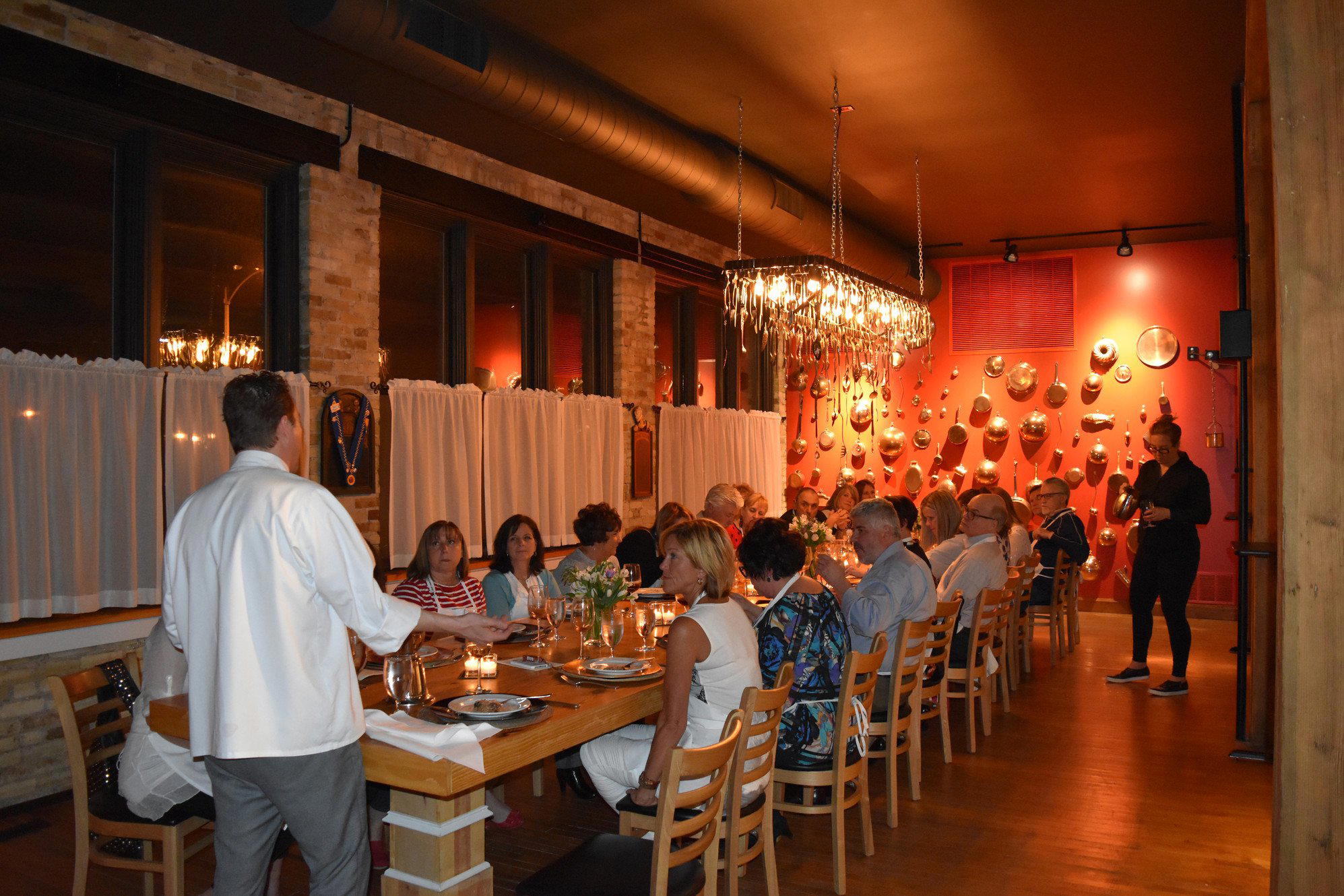
Bars in Dundas
Browse all →
Hotels in Dundas
Browse all →

Wineries in Dundas
Browse all →
At a Glance
- Cozy
- Rustic
- Trendy
- Casual Hangout
- Group Dining
- Open Kitchen
- Beer Program
- Local Sourcing
Current opening hours
- Monday
- Closed
- Tuesday
- Closed
- Wednesday
- 4–9 PM
- Thursday
- 4–9 PM
- Friday
- 4–9 PM
- Saturday
- 12–9 PM
- Sunday
- 12–7 PM
Hours can change for holidays and private events. Last verified .
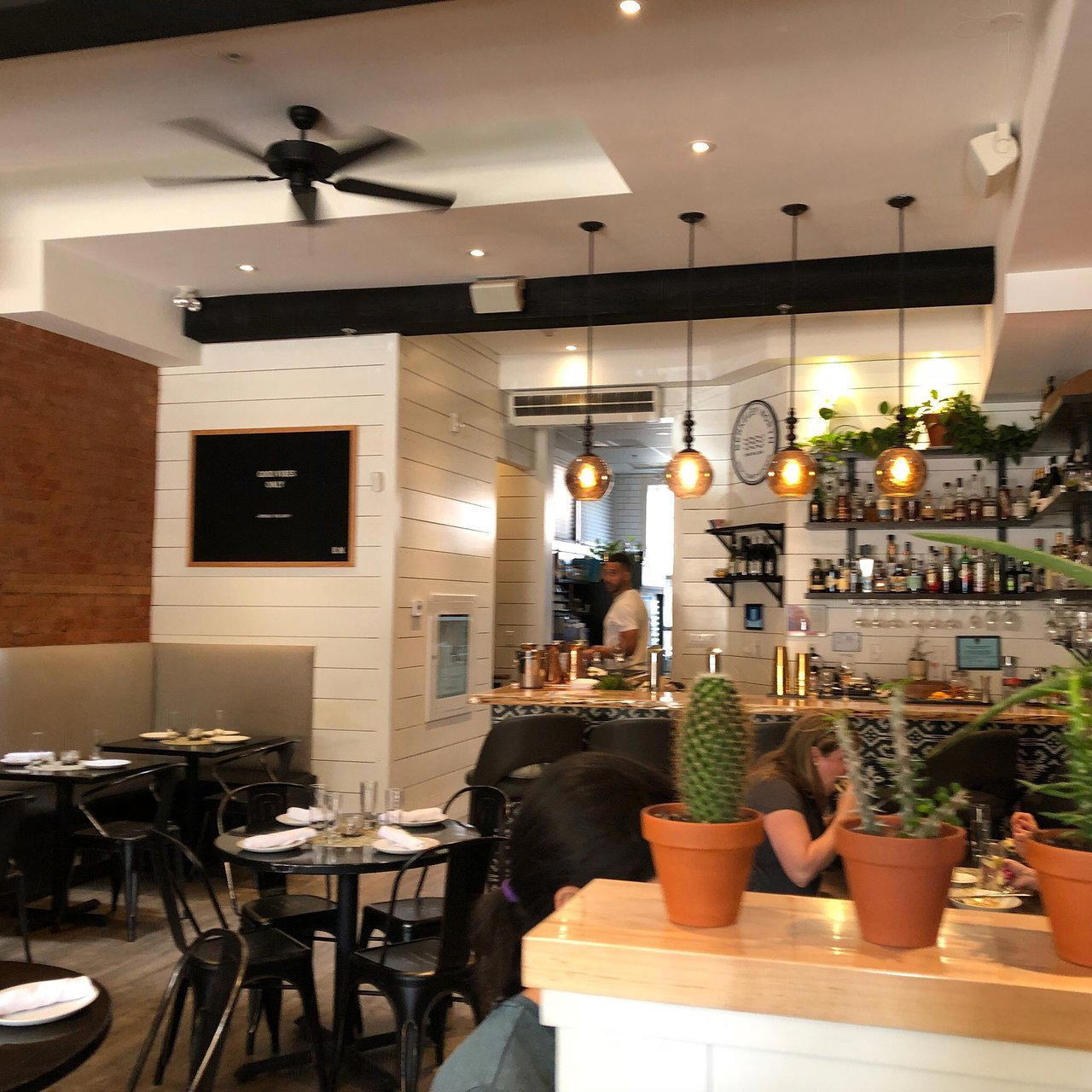
Cozy candlelit taproom in a converted post office with warm, intimate atmosphere.