Pier 500
Our verdict
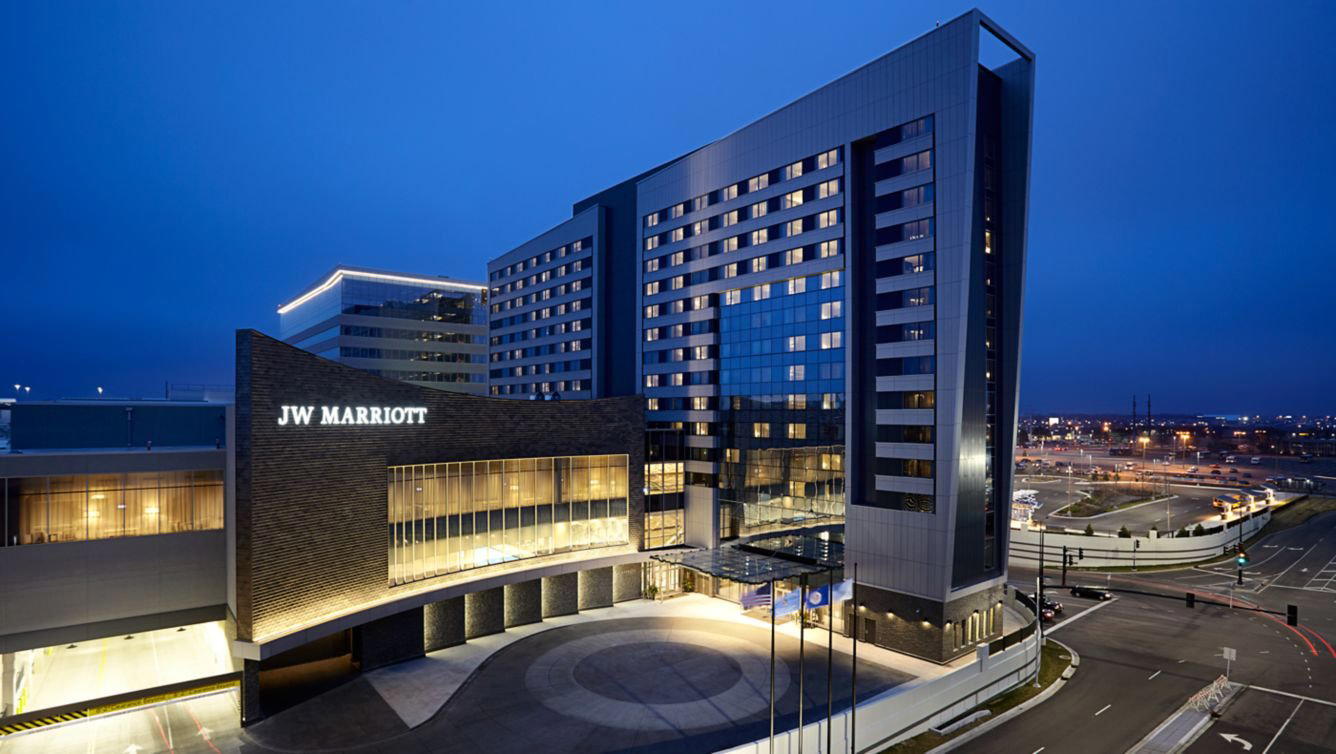
Pier 500 sits along the Hudson waterfront at 500 1st Street, positioning itself within a small city that has developed one of the more interesting dining scenes in the Hudson Valley. The address alone signals proximity to the river, and in a town where ingredient provenance has become a genuine point of difference, that waterfront context carries editorial weight worth examining.

Pearl is the En Primeur Club membership app — saves, bookings, and concierge access live there. Same editors, same standards.
- Address
- 500 1st St, Hudson, WI 54016
- Phone
- (715) 386-5504
- Website
- pierfivehundred.com
- Directions
- Get directions
- Booking
- Book on Tock
The menu
What to order
- Rotisserie Chicken
- Pan-seared Walleye
- Walleye Cakes
Where the River Shapes What Ends Up on the Plate
Hudson, New York has spent the better part of two decades remaking itself into something the food world pays attention to. The city sits roughly two hours north of Manhattan by train, and what began as a trickle of transplanted chefs and gallerists has settled into a dining scene with genuine range: from the Caribbean-inflected cooking at Lil' Deb's Oasis to the sharper, more European register of Cafe Mutton. Within that context, the waterfront address at 500 1st Street gives Pier 500 a physical orientation that most of Hudson's dining options lack. Proximity to the Hudson River is not decorative here; in a region defined by working farms, seasonal harvests, and producers who have built supply relationships with city restaurants for decades, a venue anchored to the water represents a specific kind of ingredient logic.
The broader Hudson Valley has been a sourcing reference point for serious American kitchens for years. Blue Hill at Stone Barns in Tarrytown made the farm-to-table argument rigorously, framing it not as a marketing posture but as an operational discipline. That sensibility has worked its way into smaller Hudson Valley towns, where the conversation around sourcing has shifted from novelty to expectation. In Hudson specifically, restaurants now compete partly on the specificity of their producer relationships, and a waterfront address raises natural questions about what arrives by proximity and what is simply sourced well from the surrounding region.
The Ingredient Geography of the Hudson Valley
To understand what a Hudson waterfront restaurant is working with, it helps to map the supply chain. The valley runs through Columbia County, where dairy farms, heritage-grain mills, and vegetable growers have built a year-round infrastructure that urban restaurants spend considerable effort tapping. The Hudson River itself has a complicated fishing history: shad runs that once defined the region's spring tables, striped bass subject to periodic advisories, and a gradual environmental recovery that has made certain river-sourced ingredients viable again in ways they were not twenty years ago.
This ingredient geography is what separates Hudson's dining scene from comparable small cities further from agricultural infrastructure. A restaurant at Pez, which works a contemporary Mexican and East Coast seafood-focused format, or at San Pedro Cafe, is not importing its sourcing logic from somewhere else. The region supplies it. For Pier 500, the waterfront position is the clearest possible statement of orientation: the river is present, the valley is present, and the question is how deliberately the kitchen engages with both.
At a national level, the farms-and-waters sourcing model has produced some of the country's most closely watched restaurants. Single Thread Farm in Healdsburg built an entire property around integrated farming and hospitality. The French Laundry in Napa maintains a working kitchen garden across the road from the restaurant. Further down the coast, Providence in Los Angeles has built its reputation on sustainable seafood sourcing with documented supply chain transparency. These are different scales than a Hudson waterfront address, but the underlying discipline is the same: the sourcing decision is a culinary decision, and it shapes everything downstream from it.
Hudson's Position in the Wider Dining Conversation
What makes Hudson worth the attention of serious diners is not any single restaurant but the density of independent, non-formula kitchens operating within a small city that has no real tourist infrastructure to coast on. The restaurants here succeed or fail on food and hospitality, not footfall from a convention center or cruise itinerary. That pressure produces a dining scene with a higher editorial signal-to-noise ratio than most comparably sized American cities.
The reference points are instructive. Le Bernardin in New York City and Atomix in New York City operate at a level of technical precision and institutional recognition that Hudson's kitchens do not claim to match, nor should they. The relevant comparison is within a regional tier of restaurants that take sourcing and cooking seriously without the Michelin ecosystem around them. Places like Bacchanalia in Atlanta or The Inn at Little Washington made their reputations in similarly non-metropolitan contexts by deciding that geography was an asset, not a limitation.
Hudson has taken a version of that path. The city's dining scene is small enough that each opening registers, and experienced enough now that a waterfront address like Pier 500's carries specific expectations about what the kitchen will do with its position. For visitors arriving from New York City, the train from Penn Station or Hudson Station runs frequently and the journey is comfortable. The city's compact street grid means most restaurants are walkable from the Amtrak stop, which is part of what makes Hudson function as a genuine day-trip or weekend destination rather than a detour.
What to Know Before You Go
Hudson's dining scene runs at a pace where hours shift seasonally and formats evolve, so checking current availability in advance is standard practice for any of the city's independent restaurants. The address at 500 1st Street places Pier 500 on the waterfront edge of the city, making it worth orienting your visit around if you are combining it with stops at other Hudson restaurants. Our full Hudson restaurants guide covers the city's dining scene in depth and can help structure an itinerary across multiple meals.
For broader context on what American restaurants are doing at the intersection of sourcing discipline and fine dining ambition, the comparisons worth reading include Lazy Bear in San Francisco, Alinea in Chicago, Addison in San Diego, Emeril's in New Orleans, and 8 1/2 Otto e Mezzo Bombana in Hong Kong, each of which represents a different answer to the same underlying question: how does geography shape what a kitchen can credibly claim to do.
Frequently asked questions
Where is Pier 500 located?
Pier 500 is located at 500 1st St, Hudson, WI 54016, Hudson.
Is Pier 500 a good option for dining in Hudson, NY after exploring the Warren Street galleries and shops?
Pier 500 sits at 500 1st St on Hudson's waterfront, roughly a short walk from the Warren Street commercial corridor that anchors the city's gallery and retail scene. Hudson has built a concentrated independent dining circuit over the past two decades, and the First Street waterfront is part of that network. Specific hours have not been confirmed through EP Club's records, so verifying evening availability before planning a post-gallery visit is advisable.
What's the signature dish at Pier 500?
What is clear is that the restaurant occupies a waterfront position in Hudson, New York, where proximity to Columbia County farms and Hudson River produce has shaped what independent kitchens in this city put on the plate.
Do I need a reservation for Pier 500?
Current booking policy and hours for Pier 500 at 500 1st St, Hudson have not been confirmed through EP Club's verified sources. Given Hudson's growing reputation as a serious dining destination with high weekend demand across its independent restaurant strip, contacting the venue directly ahead of any visit is the prudent approach.
What has Pier 500 built its reputation on?
Pier 500 operates on Hudson's First Street waterfront, a corridor that has drawn food-focused attention for the better part of two decades as the city repositioned itself within the broader Hudson Valley dining conversation. The restaurant's address places it within reach of one of the Northeast's most productive agricultural supply chains, running through Columbia County dairy, orchard, and produce operations.
Can Pier 500 handle vegetarian requests?
Cuisine type and menu format for Pier 500 have not been confirmed in EP Club's verified data. Hudson Valley kitchens in this region generally draw on a wide range of local produce, which tends to support flexible dietary accommodation, but for confirmed vegetarian or dietary options at Pier 500 specifically, contact the restaurant at 500 1st St, Hudson directly.
Side-by-Side Snapshot
| Venue | Cuisine | Price | Awards | Notes |
|---|---|---|---|---|
| Pier 500This venue — the venue you are viewing | Classic American Rotisserie with River Views | $30–50 | Not listed | Not listed |
| Cafe Mutton | Rustic Hyperlocal American Brunch | $30–50 | James Beard Award Semi Finalist | Not listed |
| Pez | Mediterranean Tavern | Not listed | Not listed | Contemporary Mexican / East Coast seafood-focused |
| Lil' Deb's Oasis | Tropical Comfort Food | $30–50 | Not listed | Not listed |
| San Pedro Cafe | Caribbean & Latin American Grill | $20–30 | Not listed | Not listed |

Details
- Scenic
- Cozy
- Rustic
- Brunch
- Group Dining
- Casual Hangout
- Waterfront
- Open Kitchen
- Private Dining
- Terrace
- Craft Cocktails
- Farm To Table
- Local Sourcing
- Waterfront
- A La Carte
- Vegetarian Friendly
- Vegan Options
- Gluten Free Options
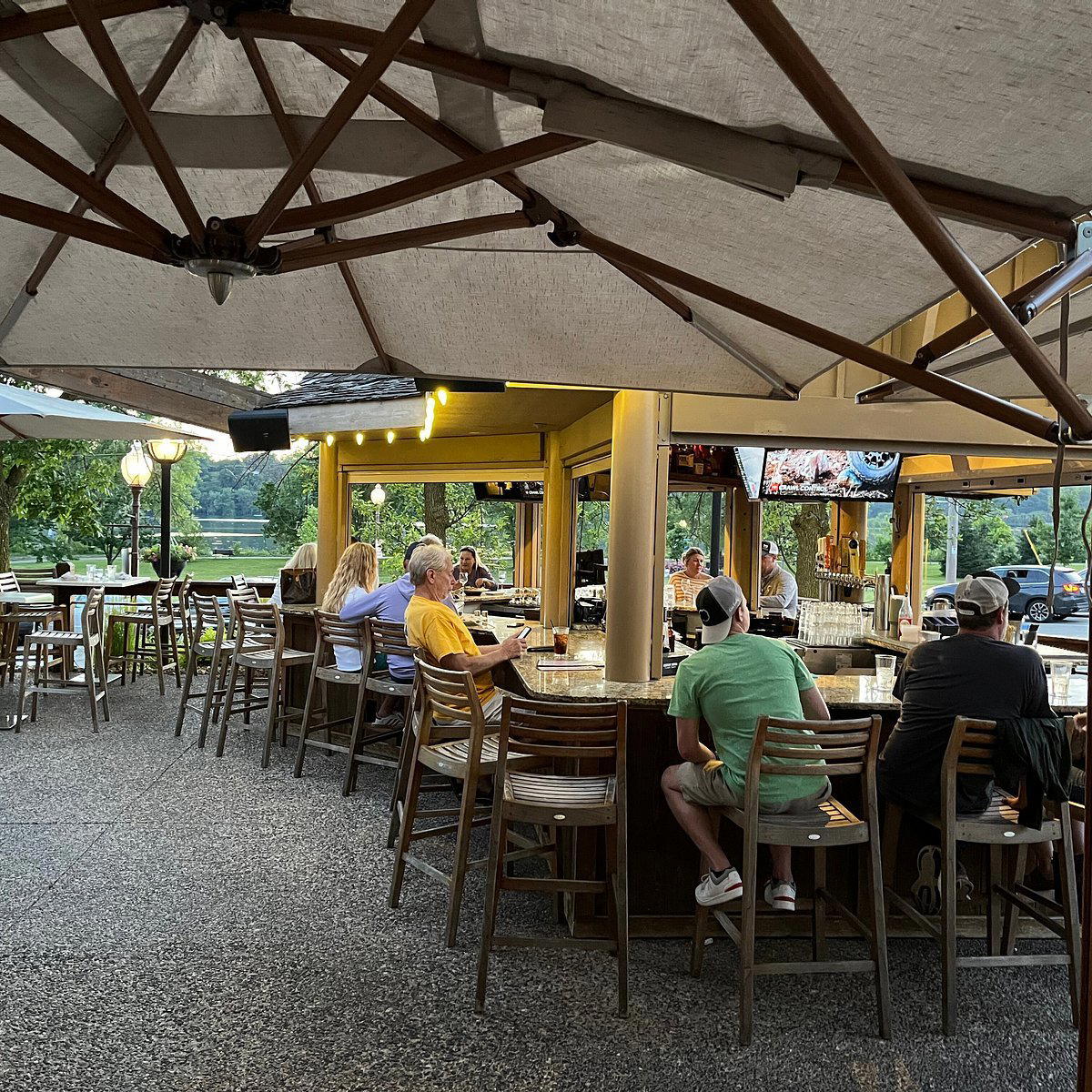
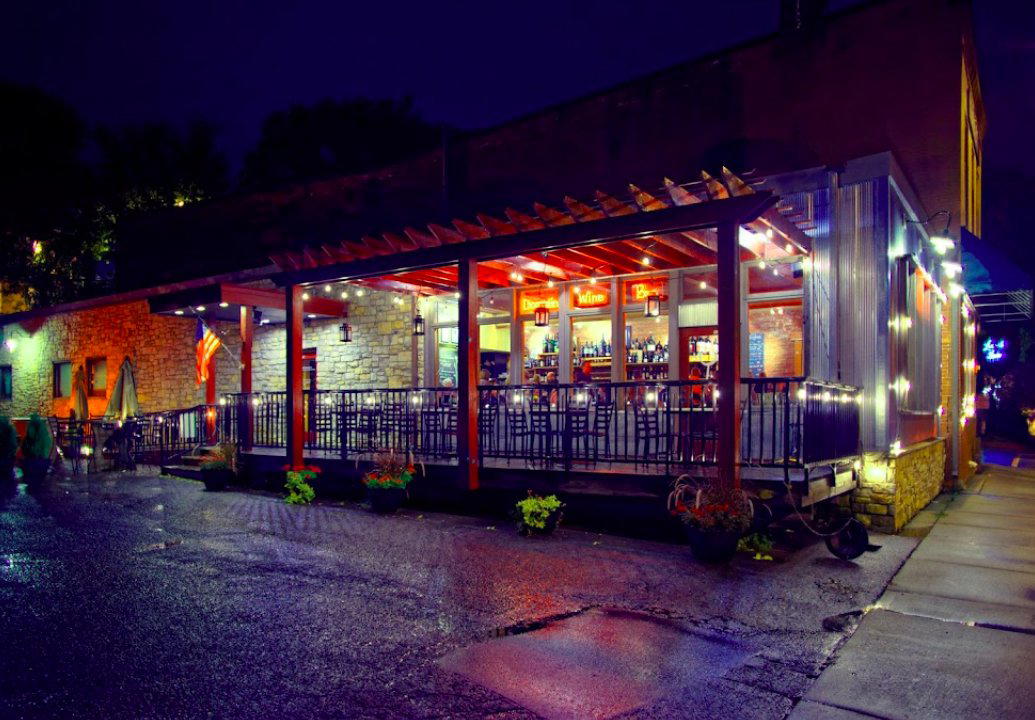
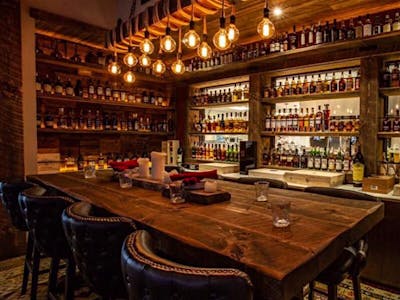
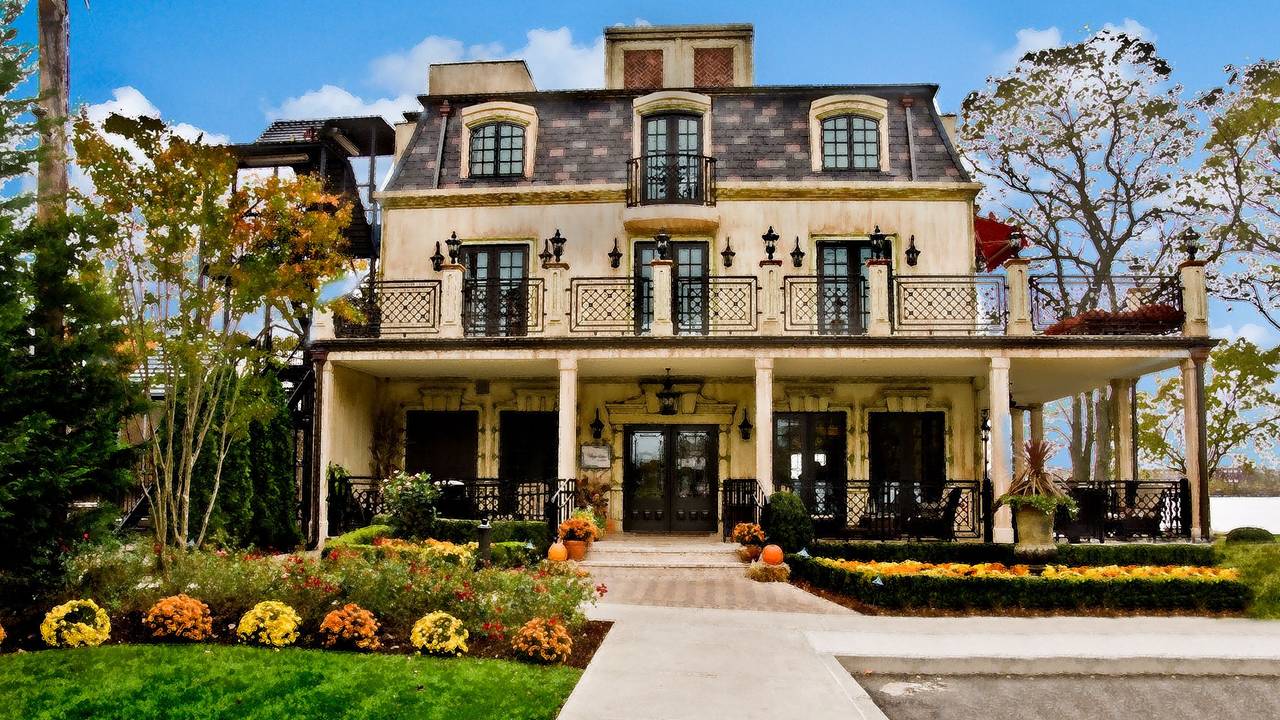
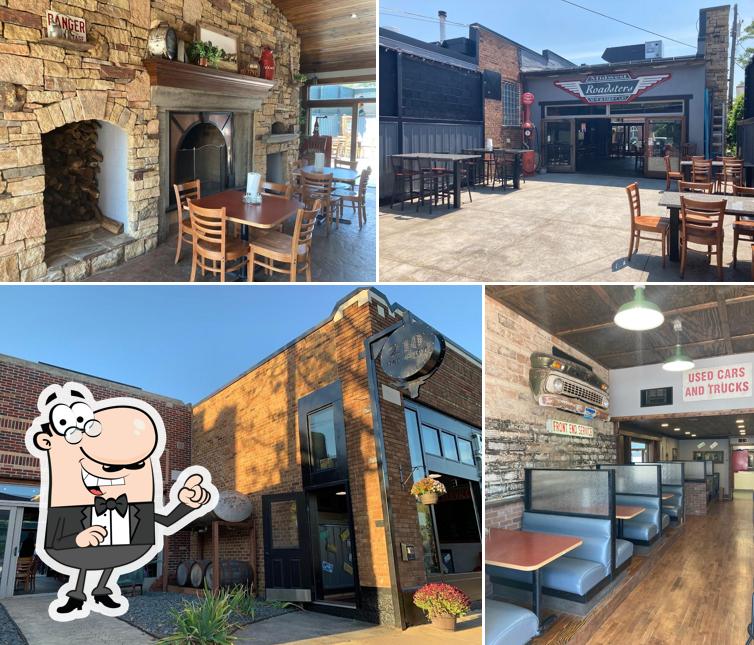
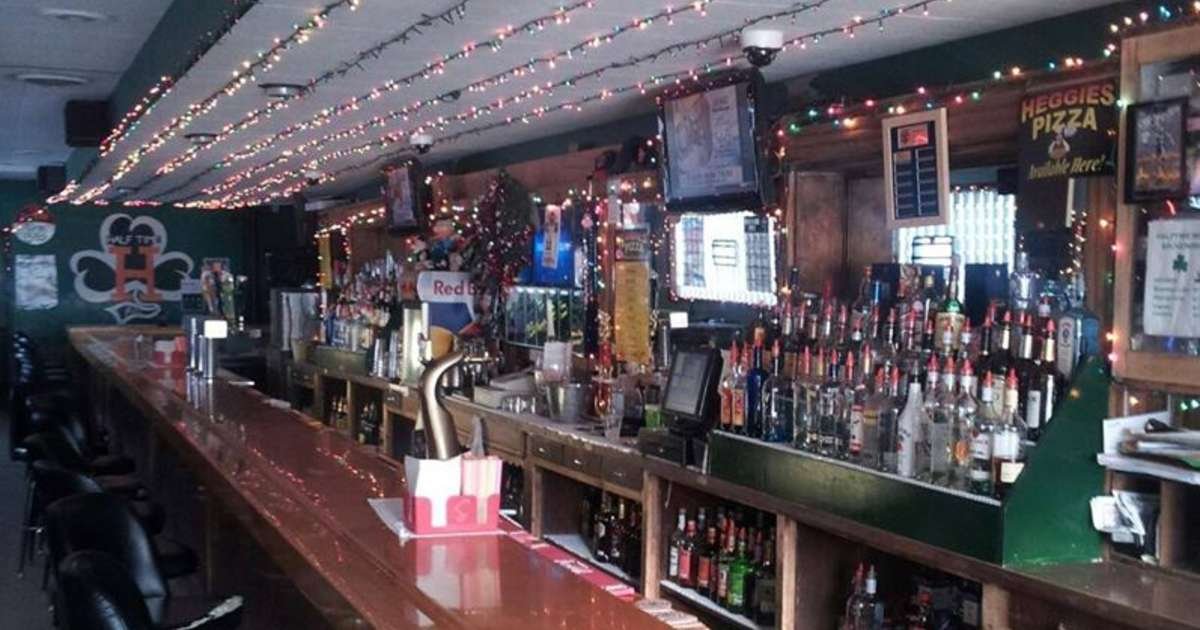
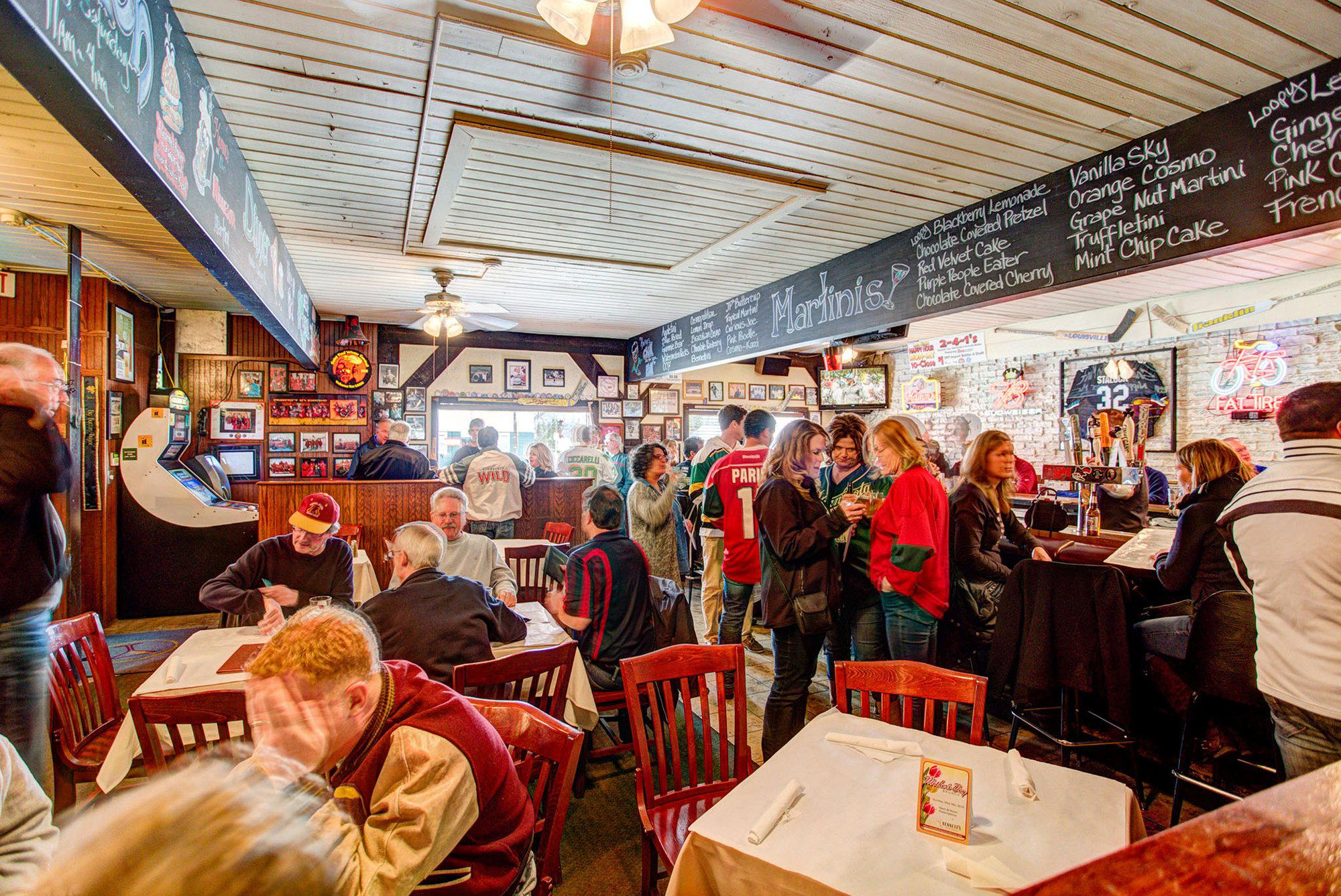
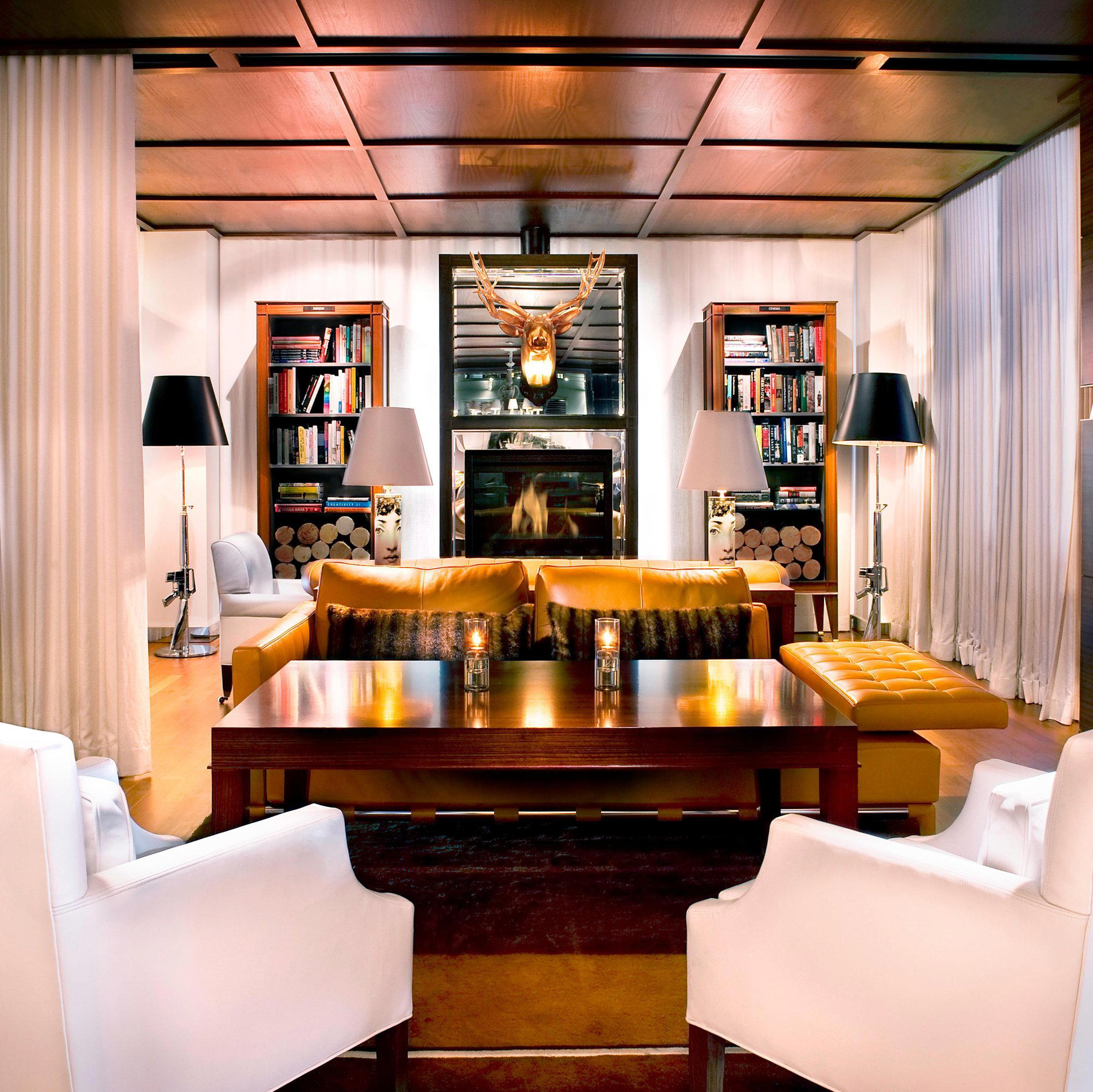
Casual and comfortable with cozy fireside booths in winter and a spacious patio overlooking the river in summer.