Graze
Our verdict
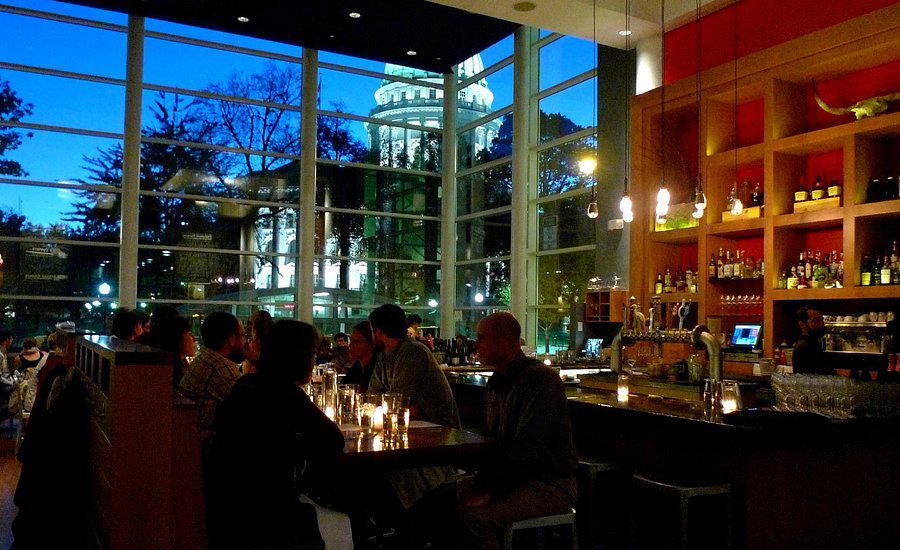
Graze occupies a prominent corner address on Capitol Square in Madison, Wisconsin, placing it at the centre of a downtown dining scene that has grown increasingly serious about sourcing and technique. The restaurant draws on the Upper Midwest's agricultural depth, positioning itself within a regional tradition where producer relationships and seasonal discipline shape what ends up on the plate.

Pearl is the En Primeur Club membership app, where members save venues, book tables and use the concierge.
The menu
What to order
- Cheese Curds
- Bibimbap Burrito
- Eggs Benedict
- Beet Salad
- Mac N' Cheese
Capitol Square and the Midwest Farm-to-Table Argument
Madison's Capitol Square has long functioned as the geographic and symbolic centre of the city's dining ambitions. The square's perimeter collects the restaurants that take Wisconsin's agricultural identity seriously, and the address at 1 S Pinckney St places Graze squarely inside that conversation. In a state where cheese, dairy, and small-scale grain farming are economic and cultural facts rather than marketing abstractions, the restaurants that do this well treat the supply chain as a culinary framework, not a branding exercise. The farm-to-table premise that can read as a cliché in coastal cities carries genuine weight in Madison, where a Saturday morning at the Dane County Farmers' Market a few steps from Capitol Square represents one of the most consequential produce markets in the Upper Midwest.
That agricultural context is the right lens for understanding what kind of restaurant Graze is and what it is competing against. The Madison dining scene has developed a recognisable tier of restaurants that take local sourcing as a structural commitment rather than an optional garnish. L'Etoile, long considered the standard-bearer for this approach in Madison, established the template: French-influenced technique applied to Wisconsin ingredients, with producers named on the menu. Fairchild (American cuisine with a focus on classic dishes prepared using local Wisconsin ingredients) operates at the upscale end of that same tradition, with a price point in the $$$$ tier that signals a different competitive set. Graze sits within this broader local-sourcing cohort, occupying a position defined less by formal credentials than by its commitment to the same regional pantry.
What the Upper Midwest Brings to the Plate
Wisconsin's culinary identity is frequently reduced to cheese and bratwurst in outside shorthand, but the actual range of what the state's farms and food producers supply is considerably more varied. The Great Lakes region's dairy depth is real, but so are its heritage grain growers, small-scale pig farmers, and the kind of year-round root vegetable production that forces kitchen discipline in winter months. Restaurants in Madison that take this seriously operate under a kind of productive constraint: the seasonal calendar is genuinely limiting in a way that California or Florida kitchens do not experience, and that limitation tends to produce either menus that rotate with real frequency or menus that become expert at what they can consistently access.
This regional approach places Madison's better restaurants in a broader national conversation about what American cooking looks like when it is grounded in place. Restaurants like Blue Hill at Stone Barns in Tarrytown and Single Thread Farm in Healdsburg have made the farm-to-table argument at the highest tier of American fine dining, where the farming operation is integral to the restaurant's identity. Madison's version of this tradition is less theatrical and operates at a different price point, but the underlying logic is the same: the landscape around the city is the menu's primary author.
Downtown Madison's Dining Character
The Capitol Square area draws a dining public that is more diverse than a typical Midwestern downtown. The University of Wisconsin's presence, the state government employment base, and a tech sector that has grown steadily over the past decade have produced a local audience with higher-than-average familiarity with serious food. This matters because it creates demand for restaurants that operate with genuine ambition, rather than the kind of broad-appeal programming that dominates in smaller Midwestern cities. Graze's location on this square puts it in daily competition with that audience's expectations.
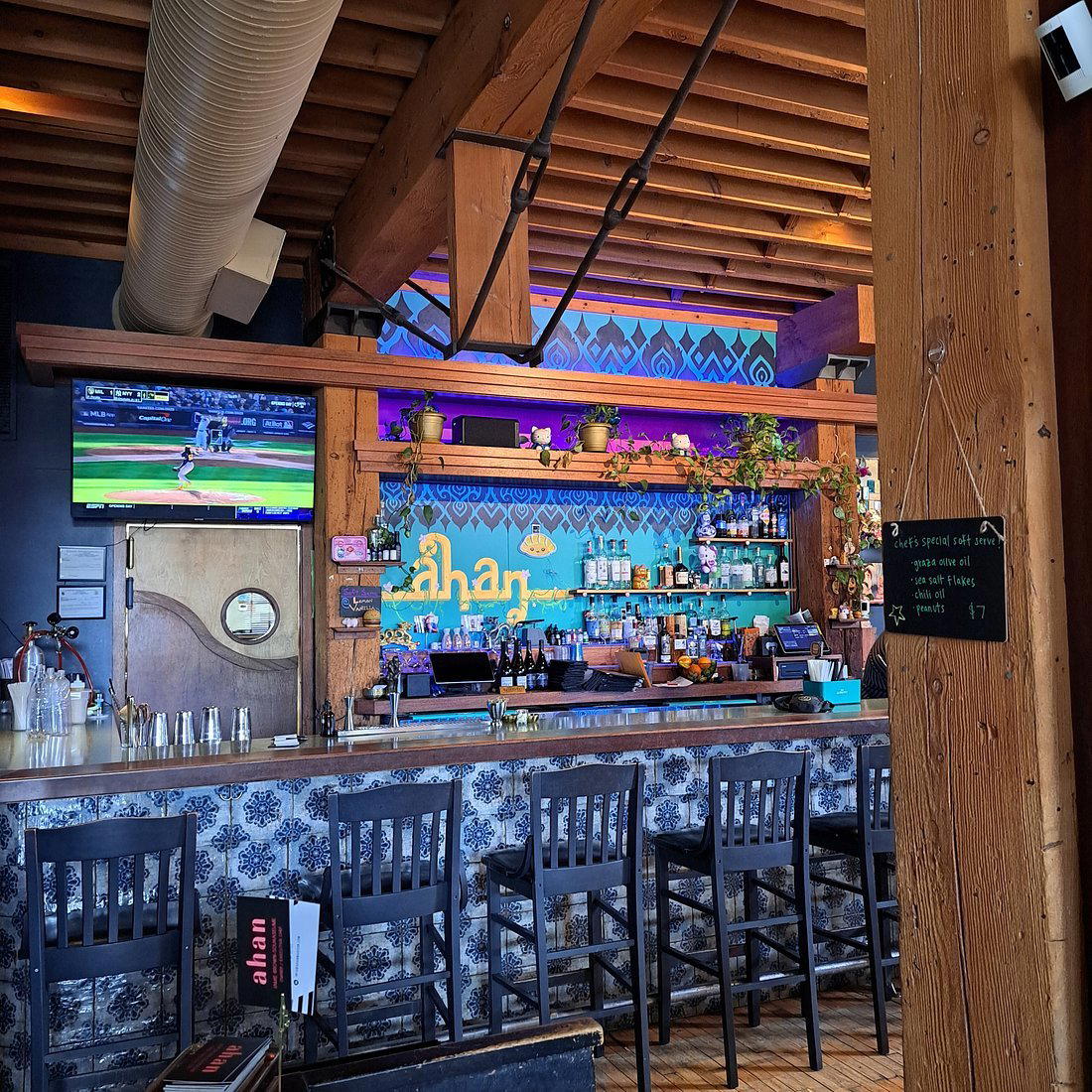
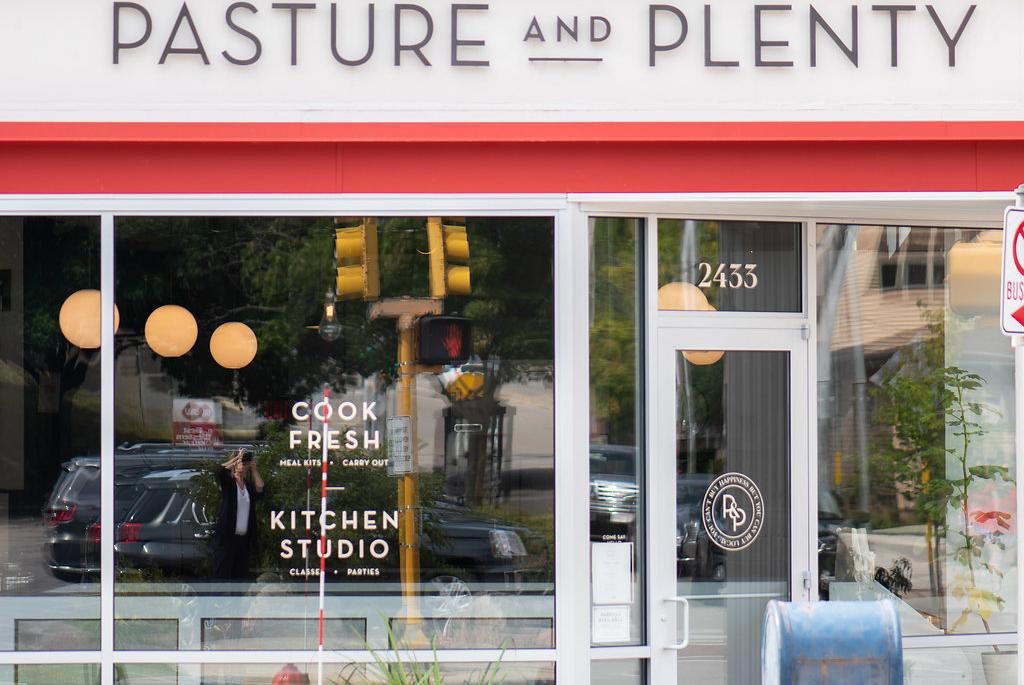
The restaurants clustered around the square and its immediate surrounds cover a range of formats and price points. Ahan brings a different culinary tradition to the same downtown geography, while Original Valentina's Pizzeria & Wine Bar anchors the more casual end of the spectrum. Pasture and Plenty has built a reputation on the same local sourcing ethos, approaching it through a different format. Together, these restaurants form a scene that is coherent enough to be worth visiting as a destination, rather than simply passing through. For a complete picture of where Graze sits within Madison's broader dining offer, the our full Madison restaurants guide maps the full range.
The National Frame: Farm-Driven American Cooking
Placing Graze against the national tier of American farm-driven restaurants is useful for calibrating expectations. At the top of that category, restaurants like The French Laundry in Napa, Alinea in Chicago, and Le Bernardin in New York City operate with Michelin recognition and tasting-menu formats that place them in a different category entirely. The mid-tier of serious American restaurants, including places like Lazy Bear in San Francisco, Providence in Los Angeles, and Emeril's in New Orleans, demonstrates that regional ambition and national recognition are not mutually exclusive. Madison's dining scene, including Graze, operates at a scale where local reputation and community anchoring matter as much as formal critical recognition. Restaurants like Addison in San Diego, The Inn at Little Washington, and Atomix in New York City show what happens when that local anchoring gets combined with sustained technical investment. The internationally recognised tier, represented by restaurants like 8 1/2 Otto e Mezzo Bombana in Hong Kong, makes clear how far the global appetite for serious, place-rooted cooking now extends.
Planning a Visit
Graze's address at 1 S Pinckney St on Capitol Square places it within easy walking distance of Madison's central hotels and the Dane County Farmers' Market, which operates on the square on Saturday mornings from late April through early November. Visiting on a Saturday morning and following the market with a meal in the area is a practical way to experience Madison's food culture as a connected whole, rather than as separate stops. The downtown location means parking is most easily handled by one of the nearby Capitol Square area ramps, or by foot from centrally located accommodation.
Frequently asked questions
Is Graze a family-friendly restaurant?
Graze sits at 1 S Pinckney St on Capitol Square, an address that draws a predominantly adult dining public shaped by state government, the university, and the professional sector. The setting skews toward a composed, sit-down experience rather than a casual family format. Younger diners are not excluded, but the restaurant's register suits adults more naturally than it does families with small children.
What is the atmosphere like at Graze?
Capitol Square defines the tone here: the clientele tends toward university affiliates, state workers, and Madison's professional class, which produces a room that is engaged without being loud. The address on Pinckney Street places Graze directly in the civic heart of downtown Madison, so the crowd on any given evening will reflect that mix. Expect a convivial but purposeful atmosphere rather than a scene-driven one.
How close is Graze to the Dane County Farmers' Market, and does that proximity matter?
Graze's address at 1 S Pinckney St places it directly on Capitol Square, where the Dane County Farmers' Market runs on Saturday mornings and ranks among the largest producer-only markets in the United States. For a restaurant built around Wisconsin farm sourcing, that proximity is more than geographic convenience: it situates Graze inside the supply network that defines Madison's local food culture. Few Capitol Square restaurants can claim the same structural alignment between address and culinary approach.
What do regulars order at Graze?
Confirmed dish-level data is not available for a definitive answer. What the restaurant's position on Capitol Square and its farm-sourcing orientation suggest is that the menu follows Wisconsin's seasonal production cycle closely, with ingredients drawn from the same Dane County agricultural network that supplies the Saturday farmers' market operating steps from the front door. Regulars in this format tend to return for whatever reflects current-season sourcing rather than fixed signature plates.
Where is Graze in Madison?
Graze is located at 1 S Pinckney St, Madison, WI 53703, Madison.
Budget and Context
Comparable venues nearby, for context on price, style, and recognition.
| Venue | Cuisine | Price | Awards | Notes |
|---|---|---|---|---|
| GrazeThis venue (the venue you are viewing) | Farm-to-Table American Gastropub | $30–50 | Not listed | Not listed |
| Pasture and Plenty | Farm-to-Table American Deli | $10–20 | Not listed | University-Highland, Farm-to-Table American Deli |
| Tornado Steak House | Classic Wisconsin Steakhouse Supper Club | $50–100 | Not listed | Downtown, Classic Wisconsin Steakhouse Supper Club |
| Ahan | Modern Lao & Southeast Asian Fusion | $50–100 | James Beard Award Semi Finalist | Isthmus, Modern Lao & Southeast Asian Fusion |
| L'Etoile | French-inspired Farm-to-Table Fine Dining | $150–200 | James Beard Award Best Chefs | Capitol Square, French-inspired Farm-to-Table Fine Dining |
Continue exploring
More in Madison
Restaurants in Madison
All restaurants in Madison →
Bars in Madison
All bars in Madison →

Details
- Lively
- Modern
- Scenic
- Brunch
- Casual Hangout
- Group Dining
- Panoramic View
- Standalone
- Craft Cocktails
- Beer Program
- Farm To Table
- Local Sourcing
- Street Scene
- A La Carte
- Craft Cocktails
- Local Beer
- Vegetarian Friendly
- Vegan Options
- Gluten Free Options
Current opening hours
- Monday
- Closed
- Tuesday
- 5–8 PM
- Wednesday
- 4–8 PM
- Thursday
- 4–8 PM
- Friday
- 4–8:45 PM
- Saturday
- 10 AM–2 PM, 5–8:45 PM
- Sunday
- 10 AM–2 PM
Hours can change for holidays and private events. Hours as of .
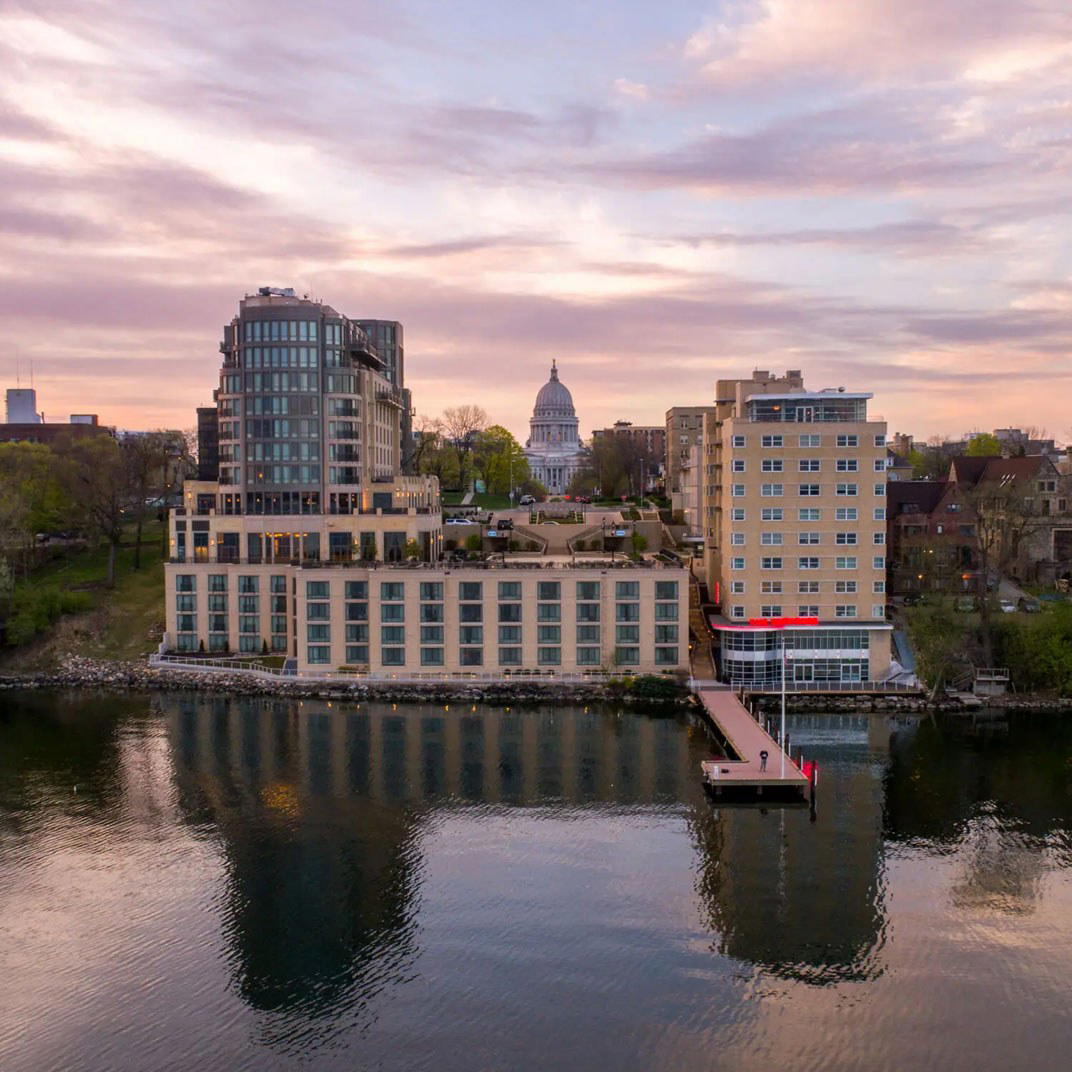
Bright, airy, and lively modern glass venue with natural light and sweeping views of the Wisconsin State Capitol building.