Rivertown Tavern
Our verdict
Pez brings a focused combination of contemporary Mexican cooking and East Coast seafood to Hudson, New York, a small city whose restaurant scene has outgrown its size on the map. The kitchen leans into sourcing as its organizing principle, placing the provenance of fish and shellfish at the center of a menu that sits outside the typical Hudson comfort-food template. For anyone moving through the Hudson Valley, it represents a distinct register in a town with real dining range.

Pearl is the En Primeur Club membership app — saves, bookings, and concierge access live there. Same editors, same standards.
- Address
- 731 Warren St, Hudson, NY 12534
- Phone
- (518) 512-0954
- Hours
- Mon ClosedTue 5–10 PMWed–Sun Closed
- Website
- rivertownlodge.com
- Directions
- Get directions
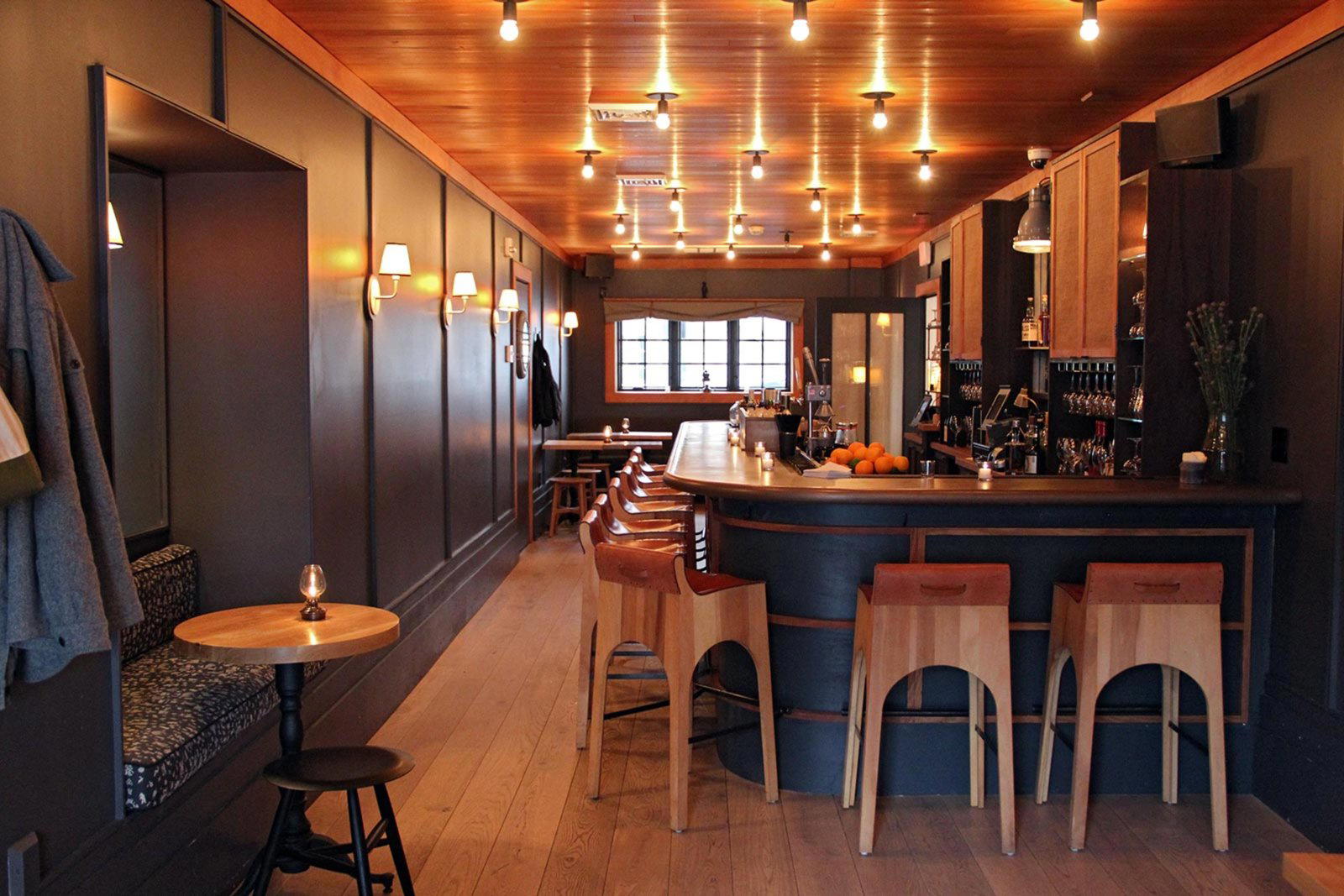
Where the Hudson Valley Meets the Atlantic
Hudson, New York operates at a scale that defies its dining density. The city of roughly 6,000 people on the east bank of the Hudson River has accumulated a restaurant scene that reads closer to a mid-sized metropolitan neighborhood than a small upstate town. Warren Street alone carries enough serious kitchens to anchor a full evening of deliberate eating. Within that context, Pez occupies a specific position: a kitchen working at the intersection of contemporary Mexican technique and East Coast seafood sourcing, two traditions that don't often share a menu but that, when handled with discipline, reinforce each other in ways that are hard to find elsewhere in the Valley. For a broader look at where Pez sits among the city's options, see our full Hudson restaurants guide.
The Sourcing Logic Behind the Menu
The culinary argument for combining Mexican technique with Atlantic seafood is stronger than it might appear on paper. Mexico's Pacific and Gulf coastlines have produced some of the most refined fish cookery in the Americas, built around acidity, heat, and the structural use of corn, allium, and dried chile. Applied to East Coast catches, that framework offers something the region's more conventional preparations rarely attempt: a disciplined approach to brightness and texture that lets the fish speak without disappearing into cream or butter. The editorial angle at Pez is the catch itself. What arrives from the water determines what the kitchen builds, and that daily dependency creates a menu with inherent variation and a supply chain that connects the plate to specific coastal sources rather than a broadline distributor.
This sourcing-first approach has parallels in the way American seafood cooking has evolved at reference points like Le Bernardin in New York City and Providence in Los Angeles, where the identity of each dish begins with the provenance of the protein rather than the architecture of a sauce. Pez operates at a different price tier and in a radically different setting, but the sourcing logic rhymes with that tradition. The fish is the argument. Everything else serves it.
Hudson as a Dining City: The Wider Scene
Understanding Pez requires understanding Hudson's transformation as a dining destination. Through the late 1990s and into the 2000s, the city's restaurant scene was thin and unremarkable. The wave of creative migration from New York City that reshaped the Hudson Valley's residential character also rebuilt its food economy. Antique dealers gave way to wine bars; a handful of serious kitchens appeared alongside the galleries on Warren Street. By the 2020s, Hudson had developed a dining culture capable of supporting restaurants with genuine culinary ambition rather than just weekend-traffic convenience.
That context matters for how to read Pez. The kitchen isn't working in isolation or operating as a novelty in a gastronomically thin market. It sits alongside other serious operators and is assessed by a dining public that, particularly on weekends, includes people who also eat regularly in New York City. Comparisons are available and implicit. Diners moving through the Hudson Valley with an eye on serious eating might already have Blue Hill at Stone Barns in Tarrytown on their itinerary; Pez offers a different register entirely, tighter in format and sharper in its Mexican-seafood focus, but it operates in the same broader ecosystem of destination-oriented Hudson Valley dining.
What to Expect at the Table
The atmosphere at Pez tracks the city's broader aesthetic: considered but not precious, with the kind of room energy that comes from a restaurant that has developed a local following rather than living entirely off tourist traffic. Hudson's dining rooms tend to be compact, and the rhythm of service reflects that intimacy. This is not the format of a sprawling tasting-menu destination like Alinea in Chicago or the controlled ceremony of The French Laundry in Napa. The register is more direct: a kitchen with a clear point of view, a room where conversation carries, and a menu structured around what's available rather than what's been printed months in advance.
Contemporary Mexican cooking at this level borrows from a wide technical vocabulary. Masa preparations, acid-forward sauces, charred alliums, and the layered heat of dried chiles appear alongside raw preparations that require fish of genuine quality to work at all. A ceviche or aguachile at a kitchen serious about sourcing is a different object than the same dish made with commodity fish: the acidity does something more interesting when the protein can hold its texture and carry flavor through it. That's the case Pez is making with every plate that moves from the kitchen to the table.
Among the restaurants that define the contemporary American approach to seafood-forward cooking, Pez sits in a specific niche: geographically removed from coastal fish markets, working in a small-city format, and filtering its sourcing through a Mexican technical lens rather than a French or New American one. That's a narrower position than the flagship seafood destinations in major American cities, but it's a coherent one. The kitchen at Single Thread Farm in Healdsburg or Lazy Bear in San Francisco operates with a different scale of resources and a more elaborated format, but the underlying discipline, letting sourcing define what appears on the plate, connects them to the same broader trend in American cooking.
For Hudson specifically, Pez occupies a slot that no other kitchen in the city fills in quite the same way. The Mexican-seafood combination isn't a common template in the Northeast, where the region's fish tend to get processed through New England, Italian-American, or French frameworks. That distinctiveness makes it worth tracking for anyone building a Hudson itinerary around real culinary range. Pair it with a stop from our Hudson bars guide and consider the wineries and experiences the city and surrounding Valley offer for a fuller picture of what the region has become.
Planning Your Visit
Hudson sits roughly two hours north of Manhattan by car and is accessible by Amtrak from Penn Station, with the station walkable to most of Warren Street. The city's restaurant scene runs hottest on Friday and Saturday evenings, when the New York City diaspora and weekend visitors compress the booking window significantly. Weekday visits, particularly mid-week, offer a noticeably different experience: the room is more local, the pace is less pressured, and the kitchen has more bandwidth. For those combining Pez with a longer Hudson Valley stay, our Hudson hotels guide covers the accommodation range from boutique conversions to larger properties in the area.
Frequently asked questions
Is Pez good for families?
Hudson's restaurant culture generally skews toward adult diners, and Pez's contemporary Mexican and East Coast seafood format follows that pattern. The room energy, described as considered but not precious, suggests a relaxed enough setting that older children comfortable with adventurous eating would manage well. It is not a purpose-built family dining destination.
What should I expect atmosphere-wise at Pez?
Pez tracks Hudson's broader aesthetic: the kind of room that takes its food seriously without performing seriousness at you. Hudson has spent two decades attracting a creative, urban-adjacent crowd to a city of roughly 6,000 people, and Pez sits inside that sensibility — engaged and lively rather than hushed or formal.
What makes Pez different from other Mexican restaurants in the Hudson Valley?
Pez occupies a specific niche: a contemporary Mexican kitchen oriented around East Coast seafood rather than the landlocked interpretations that dominate most Mexican restaurants upstate.
What should I eat at Pez?
The menu works at the intersection of Mexican coastal technique and Atlantic seafood, a combination with genuine culinary logic given Mexico's own deep Pacific and Gulf Coast traditions. The seafood-forward approach is the throughline to follow. Specific current dishes are best confirmed directly with the restaurant before your visit.
Do they take walk-ins at Pez?
Walk-in availability at Hudson restaurants varies considerably by season, and Pez sits in a city that draws significant weekend traffic from New York City via Amtrak and the two-hour drive north on the Taconic. Weeknight visits are a safer bet for walk-ins; weekend evenings during warmer months carry more risk. Booking ahead is advisable.
Continue exploring
More in Hudson
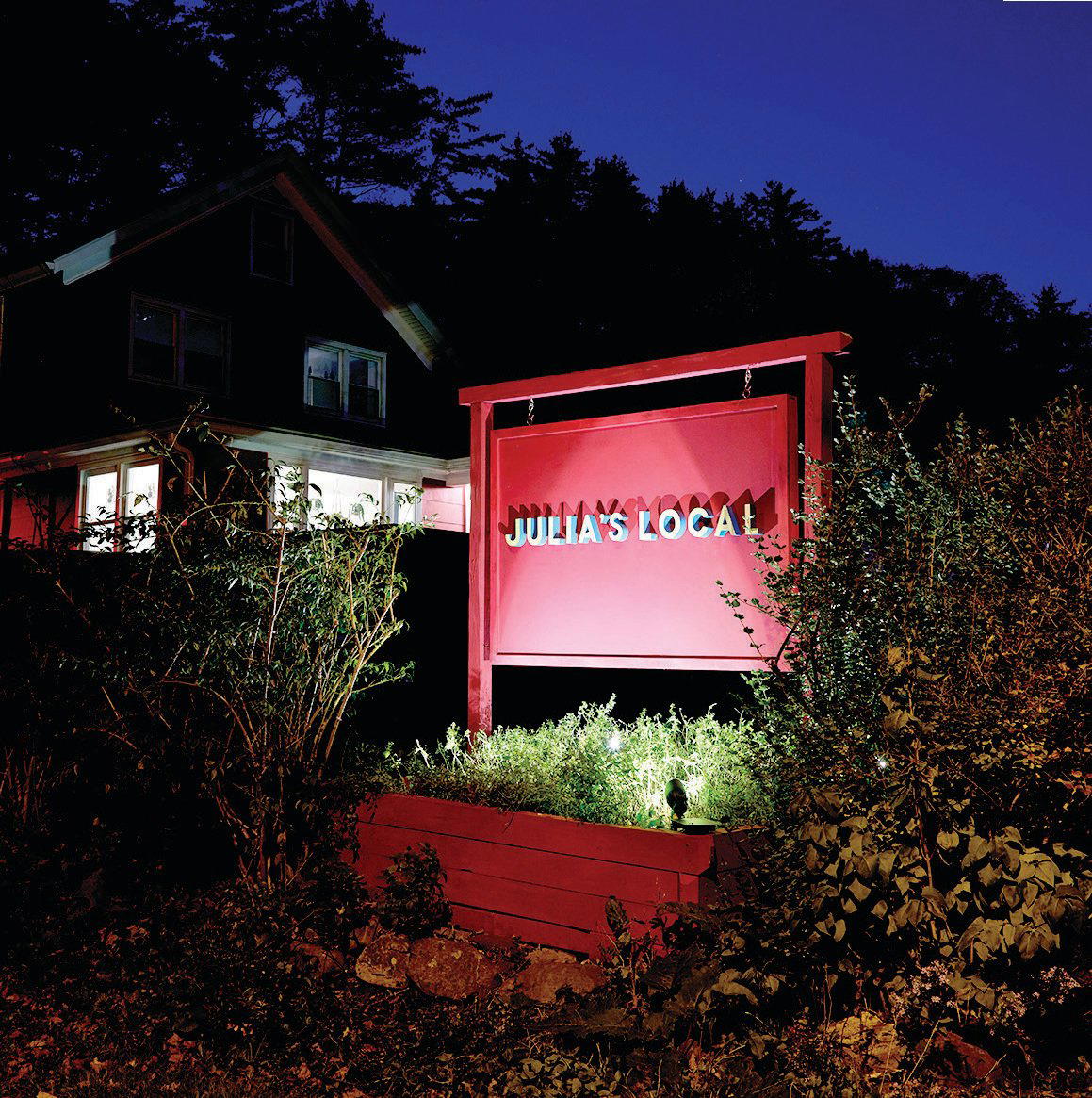
Restaurants in Hudson
Browse all →
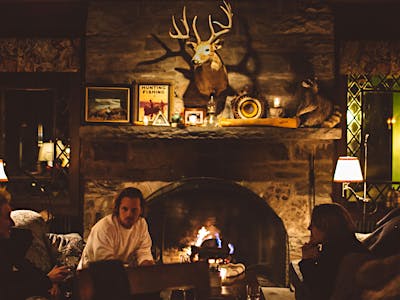
Bars in Hudson
Browse all →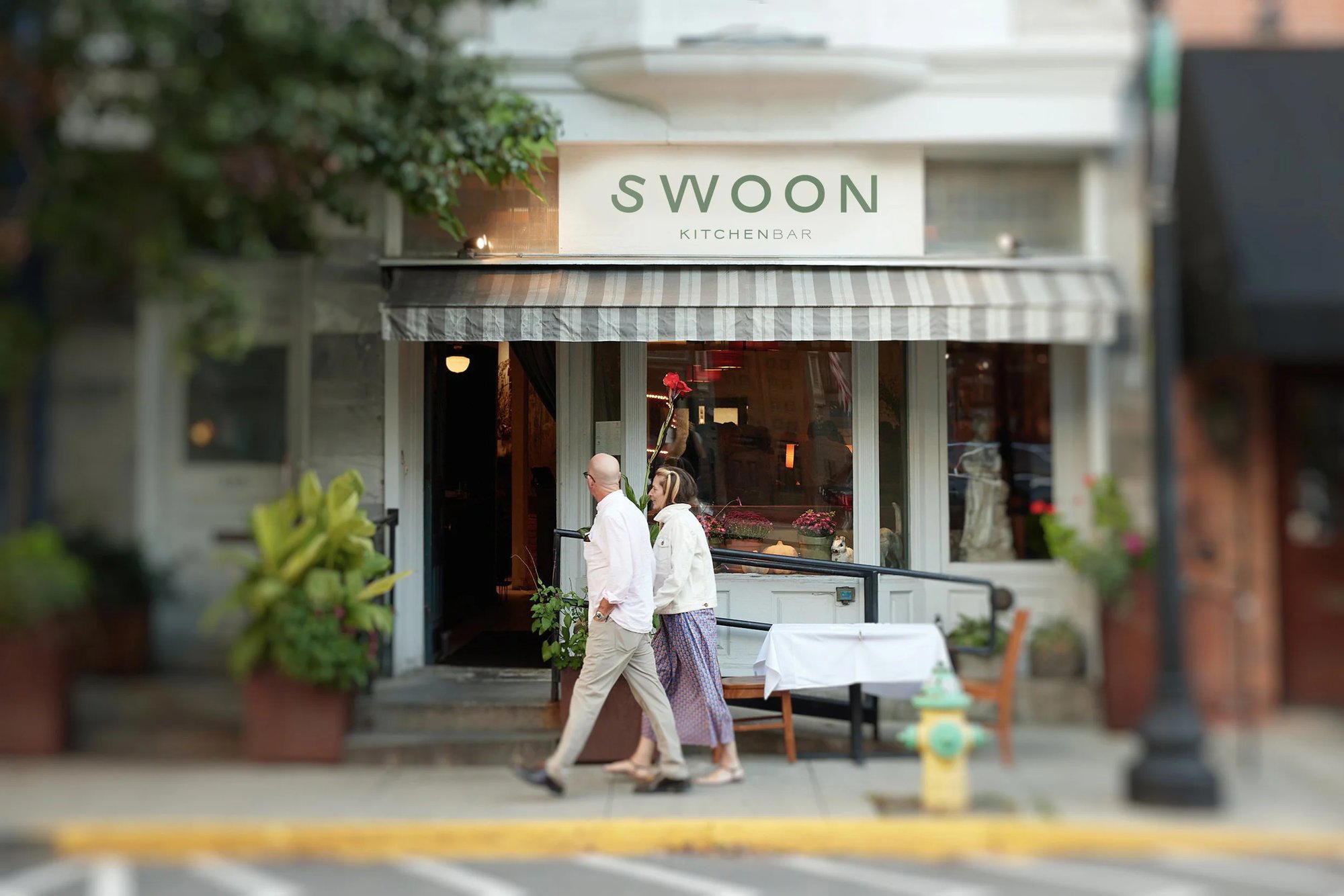

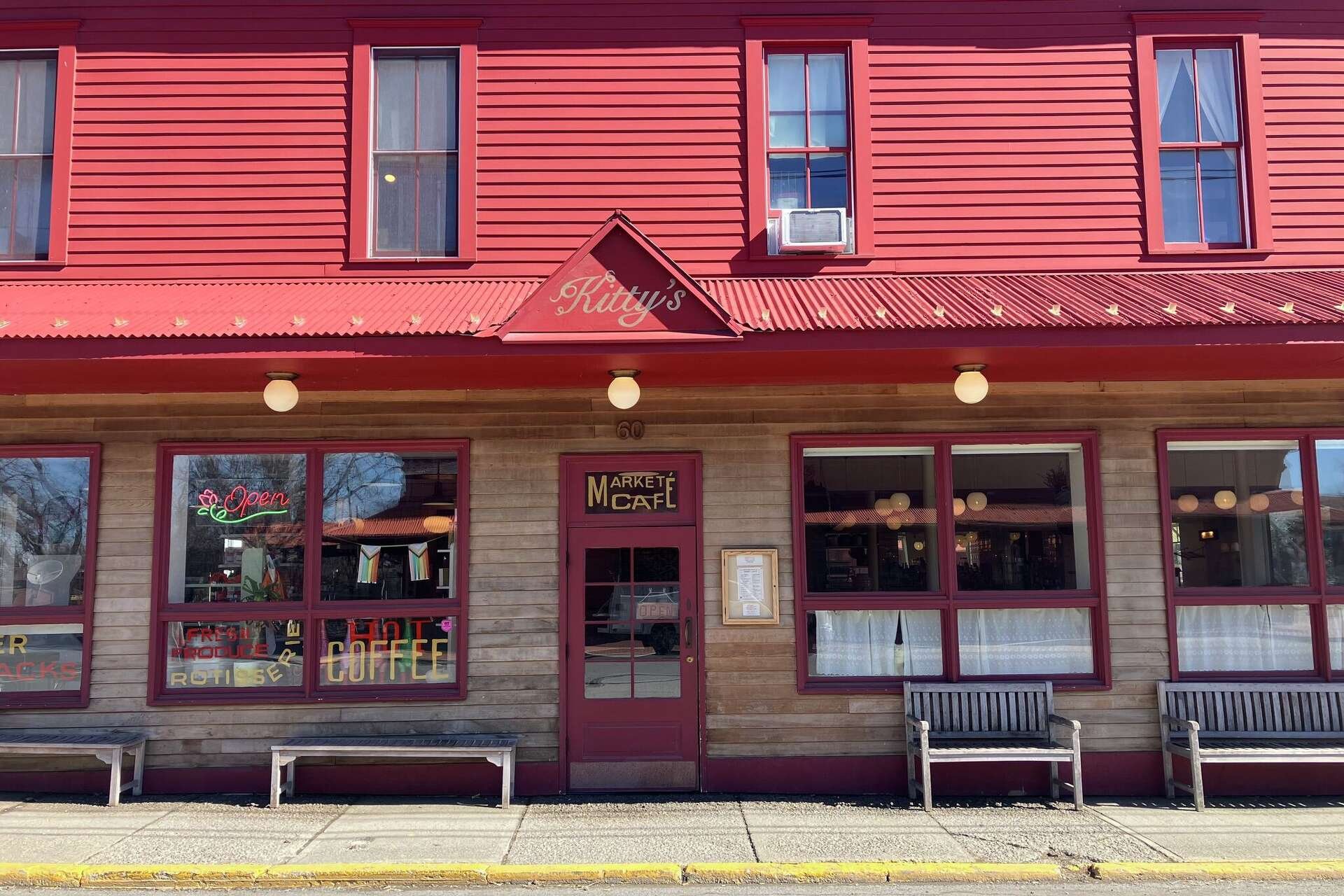
Hotels in Hudson
Browse all →



Details
- Lively
- Modern
- Cozy
- Casual Hangout
- After Work
- Hotel Restaurant
- Standalone
- Drinks
Current opening hours
- Monday
- Closed
- Tuesday
- 5–10 PM
- Wednesday
- Closed
- Thursday
- Closed
- Friday
- Closed
- Saturday
- Closed
- Sunday
- Closed
Hours can change for holidays and private events. Last verified .
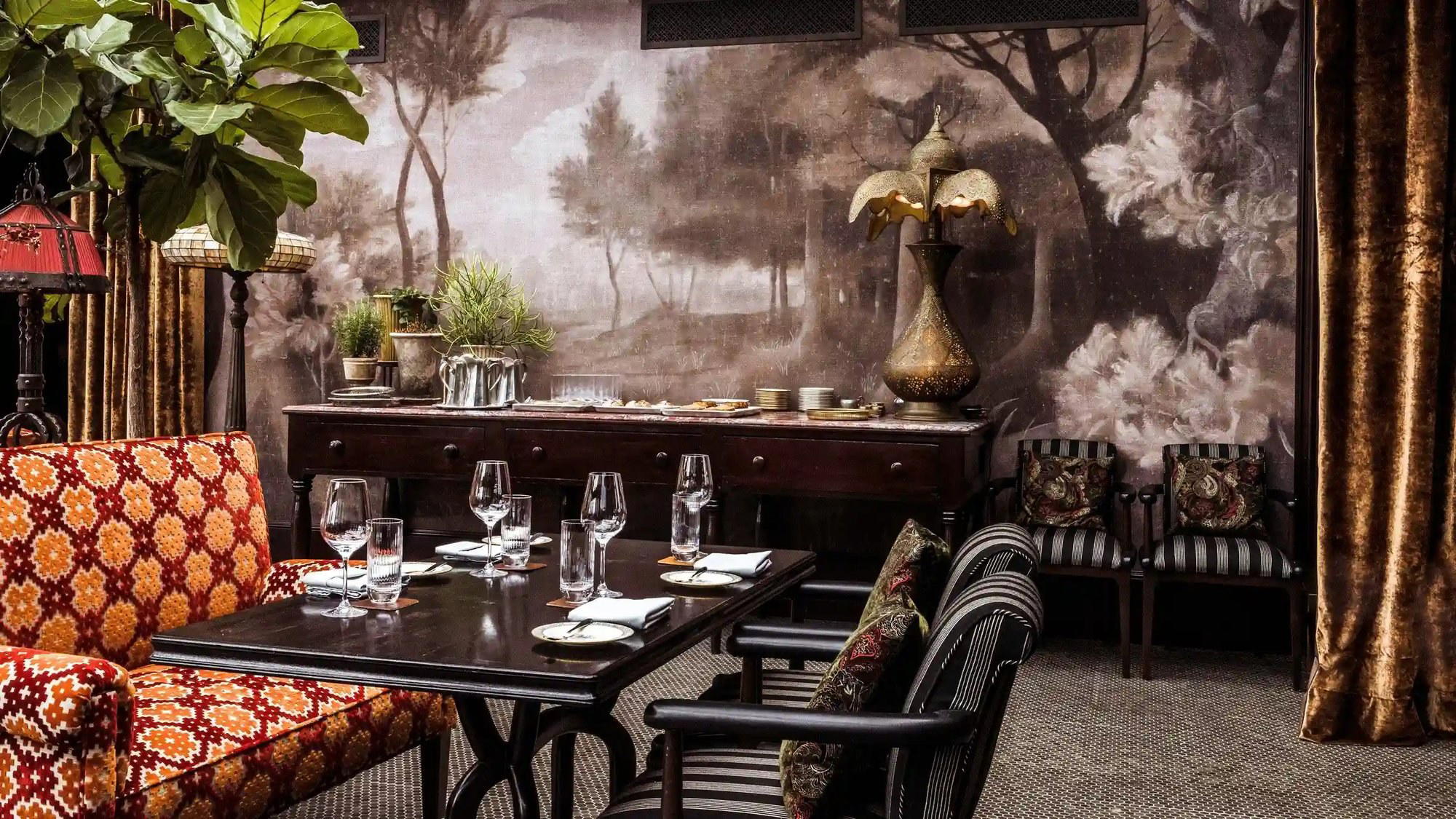
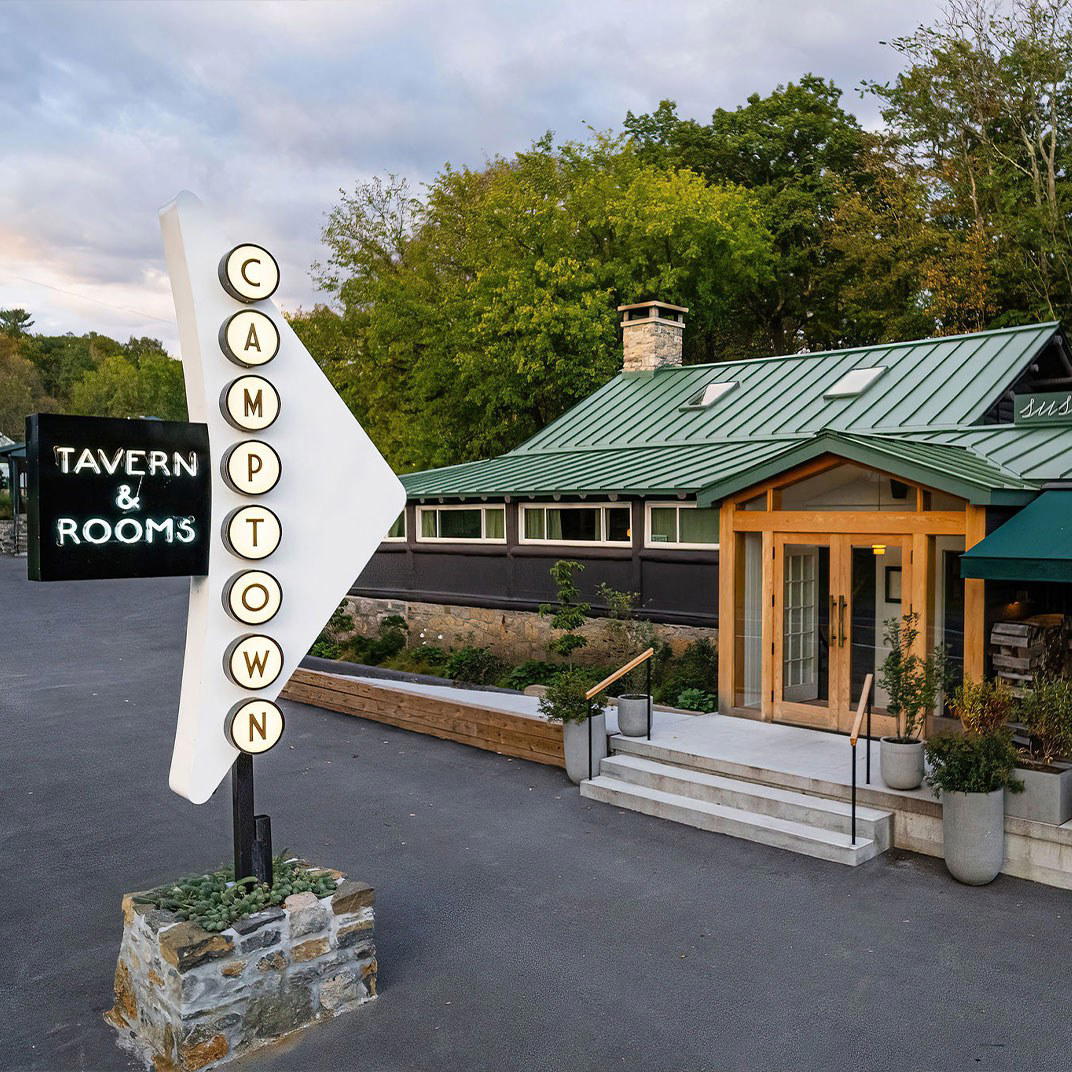
Modern and lively, with a social hotel-lobby tavern feel and a busy bar/dining room atmosphere.