Can Can Wonderland - St. Paul
Can Can Wonderland occupies a converted industrial space in St. Paul's Hamline-Midway neighborhood, pairing a full-service craft cocktail bar with a hand-built miniature golf course. The format sits in a small national tier of entertainment venues that treat the bar program with the same seriousness as the activity. It draws a broad age range and books ahead on weekends.

Pearl is the En Primeur Club membership app, where members save venues, book tables and use the concierge.
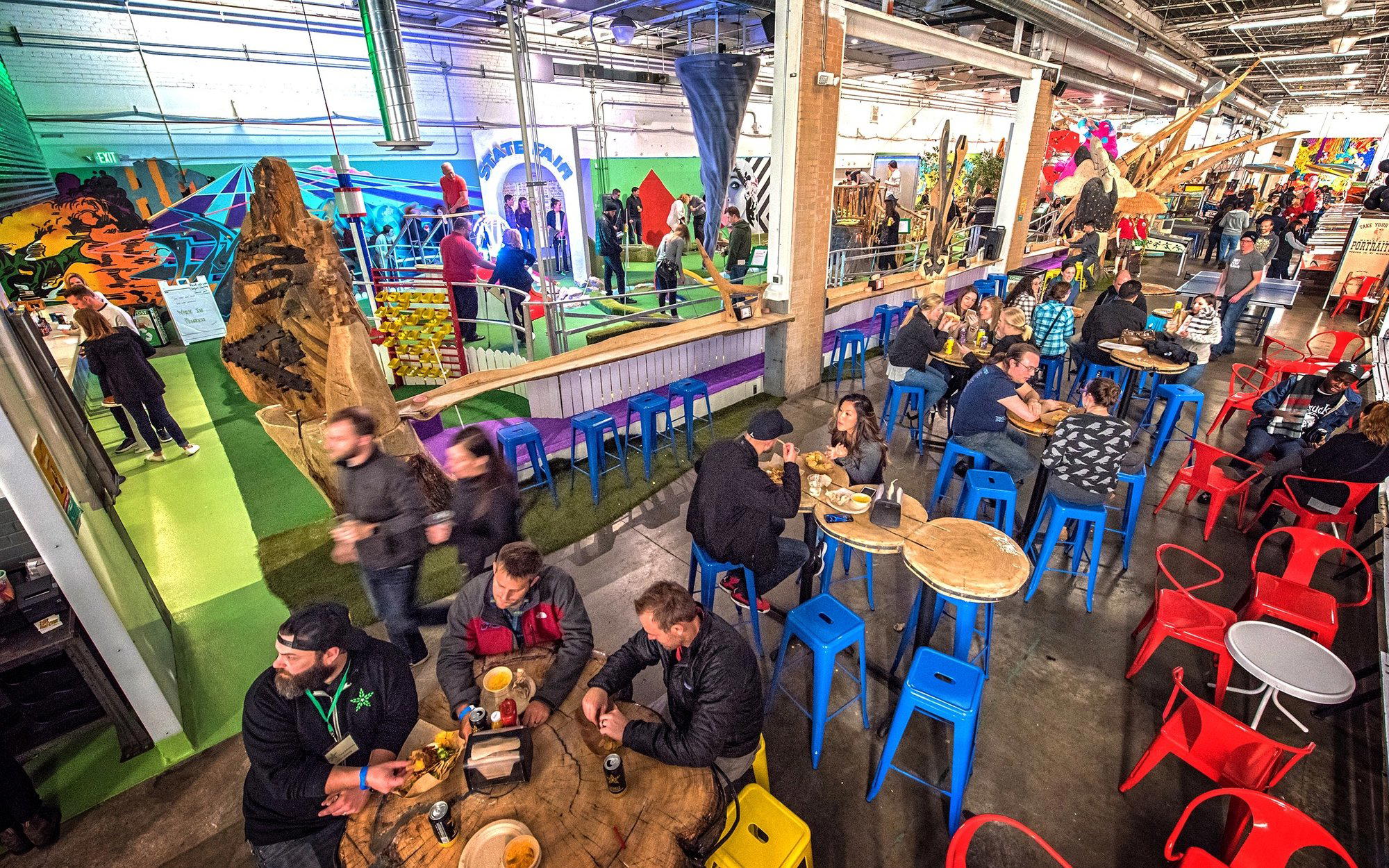
Where St. Paul's Bar Culture Meets Hand-Built Play
There is a specific category of American entertainment venue that treats its bar program as a serious undertaking rather than an afterthought to the activity on offer. Bowling alleys with perfunctory beer taps, arcade bars with well-liquor speed rails, mini golf concepts that treat the cocktail menu as a footnote, these are the norm. Can Can Wonderland, occupying a repurposed industrial building at 755 Prior Ave N in St. Paul's Hamline-Midway corridor, positions itself at the opposite end of that spectrum. The space is expansive, deliberately designed, and loud in the leading sense: neon signage, artist-built miniature golf holes, and a bar that commands attention on its own terms, separate from whatever is happening on the course behind it.
Hamline-Midway is not a neighborhood that typically draws out-of-city visitors the way the Summit Hill or Cathedral Hill drinking scenes do, but Can Can has functioned as an anchor in the area since opening in 2017. The building's history as a factory space gives it the kind of ceiling height and raw square footage that most bar concepts in the Twin Cities can only approximate. That physical scale is part of the draw: it accommodates groups, celebrations, and spontaneous visits in a way that smaller craft cocktail rooms cannot.
The Bar Program in Context
Across the American Midwest, the cocktail bar scene has matured considerably over the past decade. Cities like Chicago, with venues such as Kumiko, have pushed Japanese-influenced precision into the mainstream conversation. Houston's Julep built a national profile around Southern spirits and technique. New York's Superbueno and San Francisco's ABV each represent the kind of program where the bartender's craft is the explicit editorial subject of the room. Can Can Wonderland is not competing in that same specialist tier, but that is beside the point. Its bar program sits in a different, arguably harder-to-execute niche: delivering credible cocktail work inside a high-volume, multi-format entertainment space where the baseline customer expectation is fun, not refinement.
What that demands of the people behind the bar is less about the meditative precision of a Bar Leather Apron-style counter and more about hospitality under pressure, reading a room that contains a bachelorette party, a family with teenagers, and a couple celebrating an anniversary, all at the same time. That kind of range is a distinct skill set. The bar teams at venues like Jewel of the South in New Orleans or The Parlour in Frankfurt operate in controlled environments calibrated for a narrow audience. Can Can's bar operates in controlled chaos, and the hospitality approach has to flex accordingly.
St. Paul's Broader Drinking Scene
St. Paul's bar and brewing culture spans a range of formats. Bang Brewing Company represents the neighborhood taproom model, focused and low-key. Bennett's Chop and Railhouse and Brunson's Pub anchor the more traditional bar-and-kitchen format, while Cafe Latte holds a long-standing position in the city's casual daytime scene. Can Can occupies none of these categories. It is the only venue in the Twin Cities that combines a full artist-designed miniature golf installation with a cocktail program of this scale, and that specificity has kept it relevant well beyond the novelty window that claims most entertainment concepts within two or three years of opening.
The miniature golf course itself deserves its own mention, not because it is incidental to the bar but because the two are genuinely co-equal draws. Each hole was designed and built by local and regional artists, which places the installation closer to a pop-up gallery than a commercial entertainment product. That framing matters for understanding why the space has the visual density it does: you are not walking through a themed corporate environment. You are walking through someone's particular idea of what a hole should look and feel like, multiplied across eighteen installations. For visitors oriented by our full St. Paul restaurants and bars guide, Can Can sits in a category of its own within the city's nightlife map.
Planning a Visit
The venue is located at 755 Prior Ave N, Suite 004, in the Hamline-Midway neighborhood, which sits between Minneapolis and downtown St. Paul along University Avenue. The area is accessible by the Metro Green Line, which runs along University Avenue and connects directly to both downtown cores. Driving is direct, with street and lot parking available in the surrounding blocks. Weekends book ahead, particularly for the golf component, and the space draws large groups for private events, so checking availability before arriving on a Friday or Saturday evening is advisable. The format accommodates walk-ins at the bar itself, which functions independently of the golf reservation system. Groups planning around a specific date should allow at least one to two weeks of lead time for weekend slots.
A Minimal comparable set
Comparable venues nearby, for context on price, style, and recognition.
| Venue | Cuisine | Price | Notes |
|---|---|---|---|
| Can Can Wonderland - St. PaulThis venue (the venue you are viewing) | Hamline-Midway, pub | $20–30 | Not listed |
| Shamrocks | West Seventh, pub | $20–30 | Not listed |
| Bang Brewing Company | Not listed | $20–30 | St. Anthony, beer_bar |
Continue exploring
More in Saint Paul
Bars in Saint Paul
All bars in Saint Paul →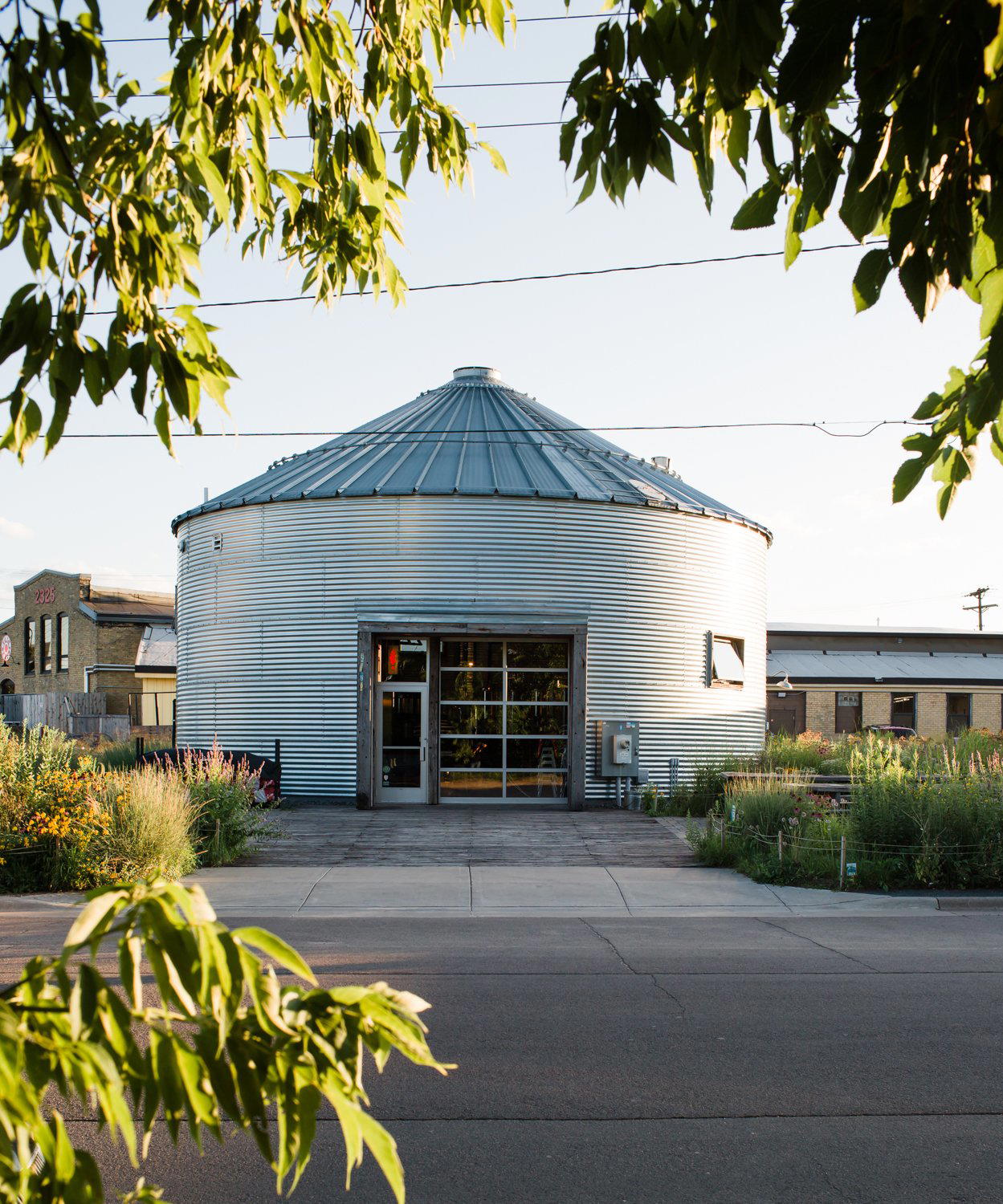
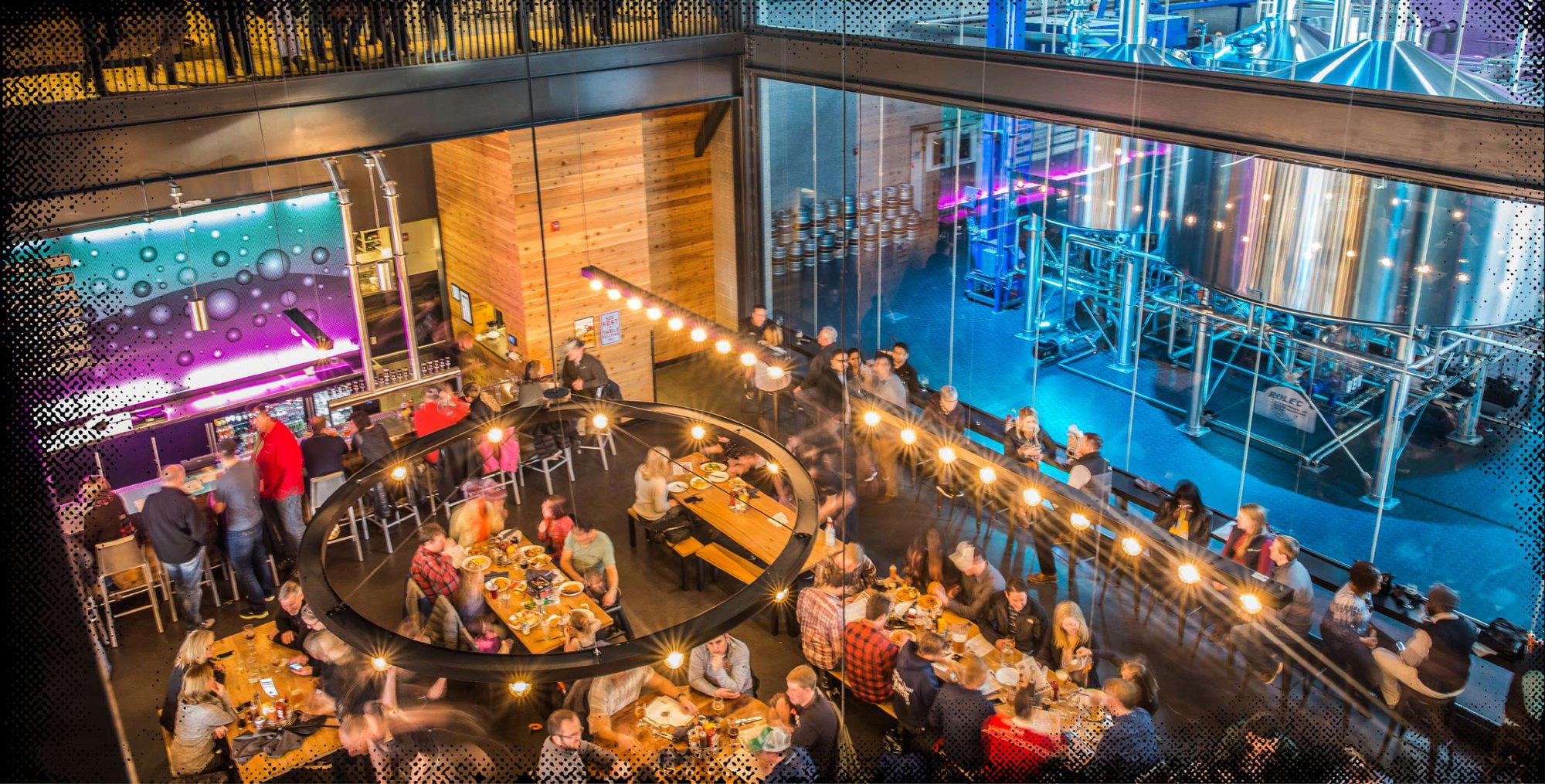
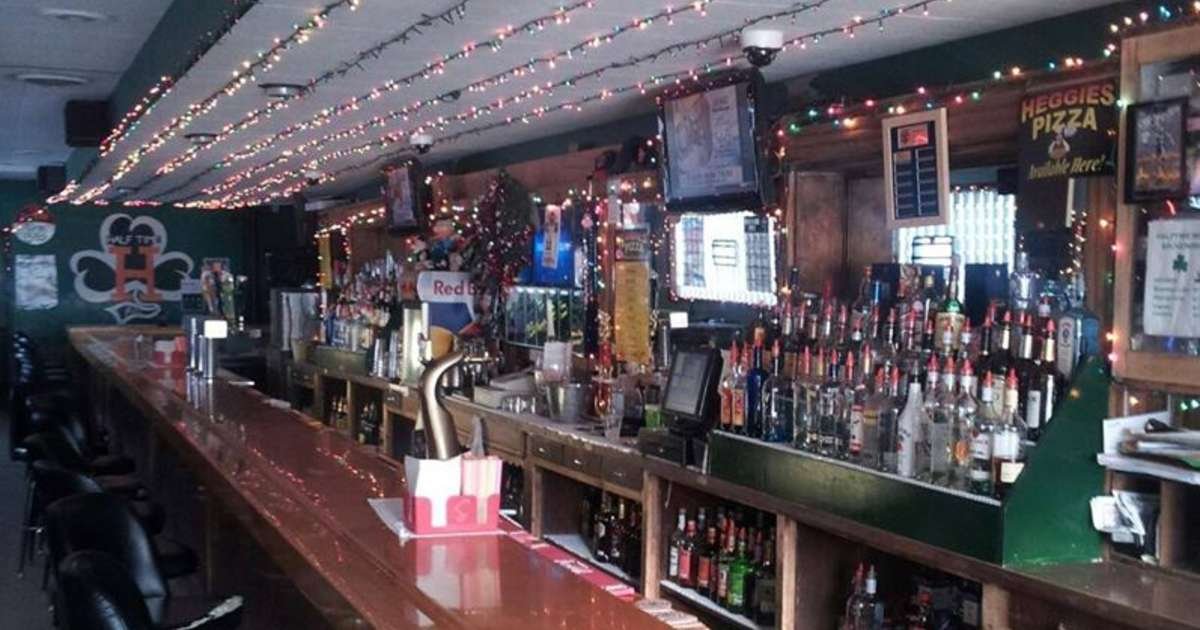
Restaurants in Saint Paul
All restaurants in Saint Paul →
Can Can Wonderland - St. Paul
The drinks
- Craft cocktails
Signature drinks: Subtle Beast.
Details
- Whimsical
- Lively
- Energetic
- Trendy
- Group Outing
- Casual Hangout
- Celebration
- Live Music
- Standing Room
- Communal Tables
- Craft Cocktails
Current opening hours
- Monday
- Closed
- Tuesday
- 4–10 PM
- Wednesday
- 4–10 PM
- Thursday
- 4–10 PM
- Friday
- 11 AM–12 AM
- Saturday
- 11 AM–12 AM
- Sunday
- 11 AM–7 PM
Hours can change for holidays and private events. Last verified .
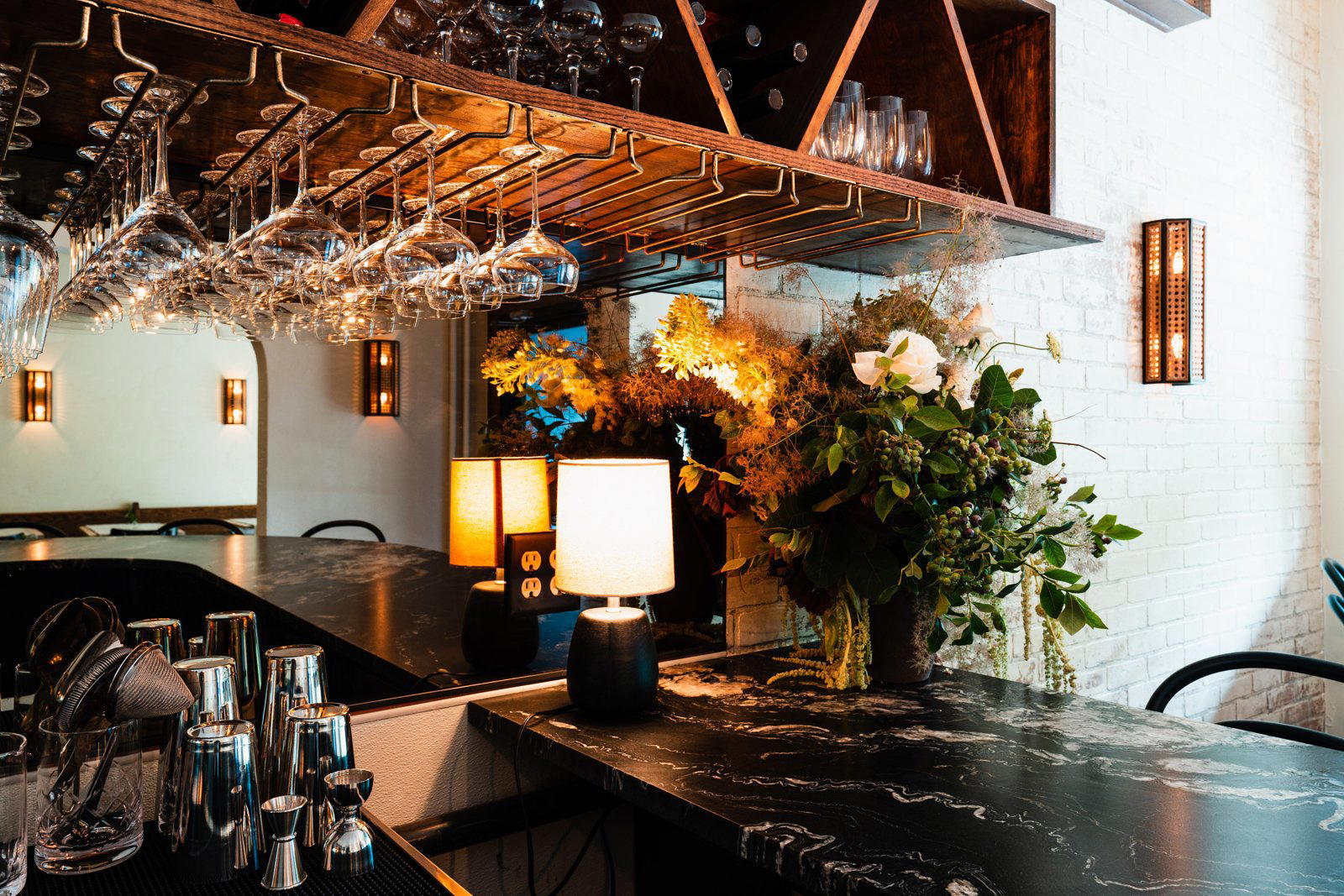
Whimsical and energetic atmosphere filled with lively art installations, arcade lights, and lively crowds enjoying games and performances.