Kyoto Sushi
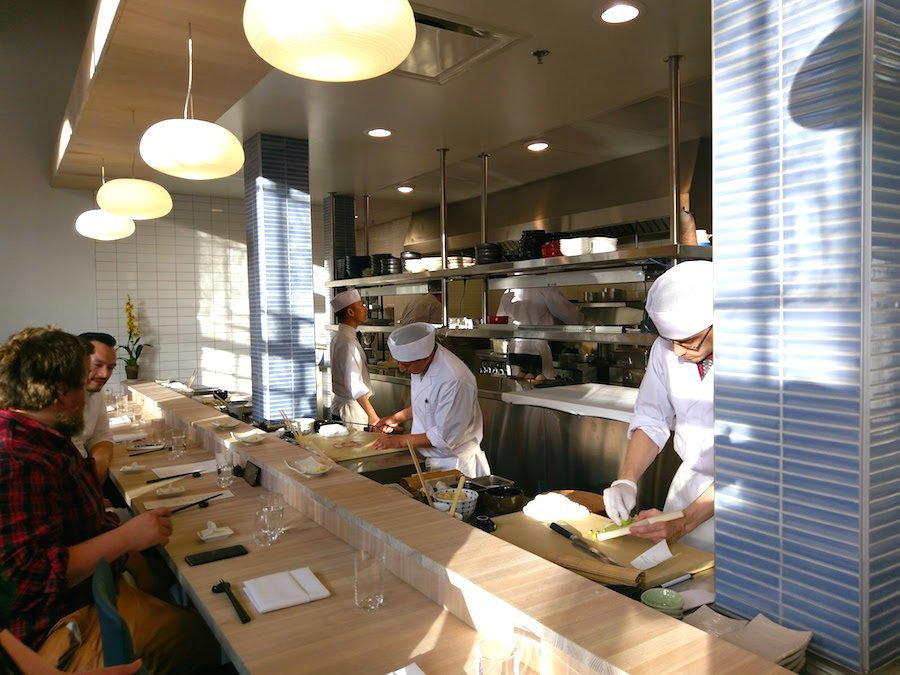
Kyoto Sushi on Snelling Ave N in Roseville pairs a seated bar with lounge seating and a casual service style, so it suits a relaxed, sit-down visit.
Pearl is the En Primeur Club membership app — saves, bookings, and concierge access live there. Same editors, same standards.
- Address
- 2100 Snelling Ave N #80, Roseville, MN 55113
- Phone
- +1 651 636 5888
- Website
- kyotosushimn.com
- Directions
- Get directions
 Saves & bookings on Pearl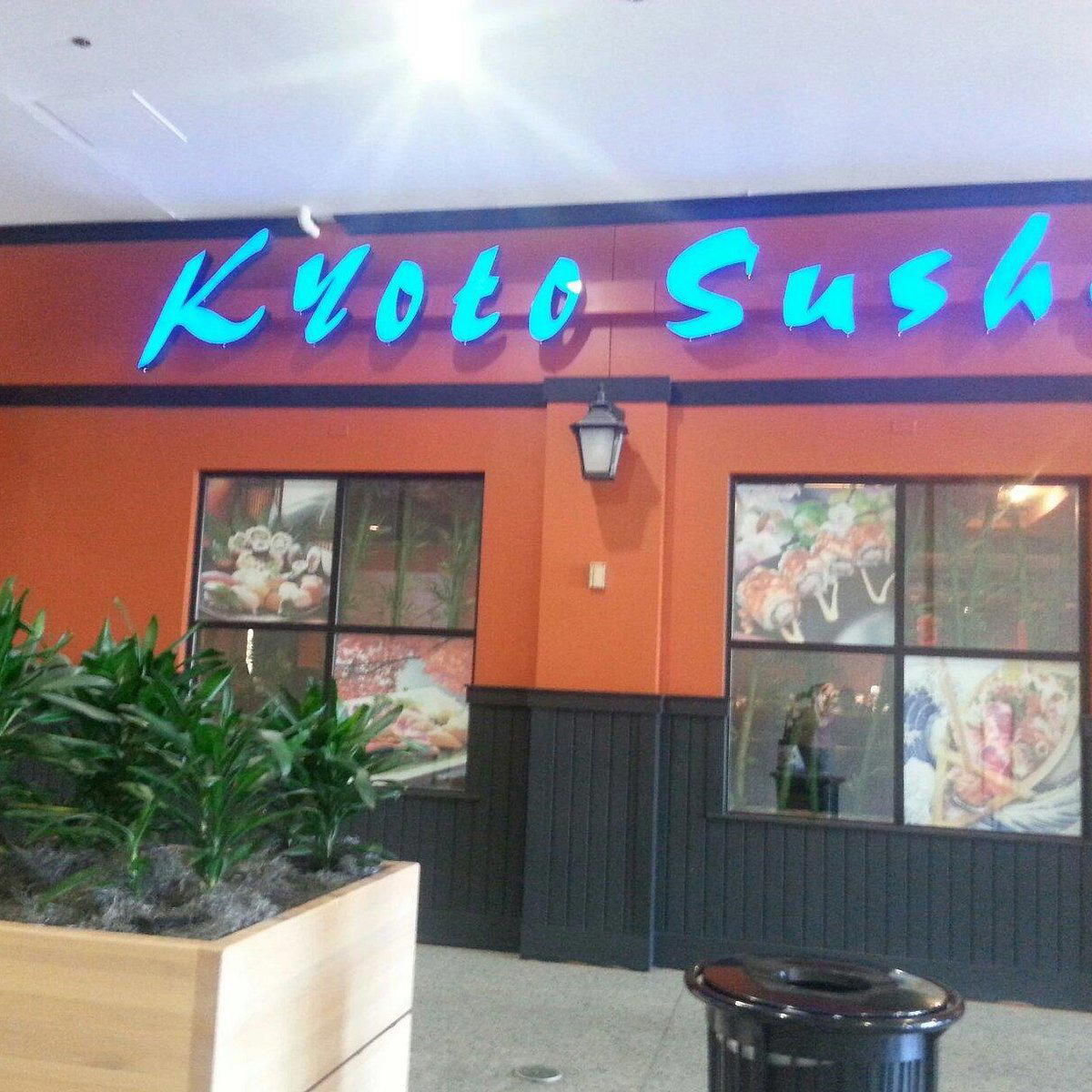
Sushi in the Suburbs: What Roseville's Japanese Counter Scene Looks Like
Suburban sushi in the Twin Cities occupies a different register than the omakase-only counters of a major metropolitan core. The format here tends toward accessible rather than ceremonial: approachable price points, walk-in-friendly seating, and menus that balance traditional nigiri with the Americanized rolls that built the category's mass appeal outside Japan. Kyoto Sushi, located at 2100 Snelling Ave N in the Rosedale-adjacent retail corridor of Roseville, Minnesota, operates within that suburban Japanese-American dining tradition. The address places it inside a strip-center format typical of the area, which shapes the entire experience before a single piece of fish is ordered.
Snelling Avenue North in Roseville functions as one of the city's primary commercial spines, running through a stretch of mixed retail that includes everything from chain restaurants to independent operators. For diners oriented toward the neighborhood's dining options, Kyoto Sushi sits within reasonable distance of several other independent spots that define Roseville's casual dining character, including Carmelita's Méxican Restaurant and El Azteca Taqueria, both of which anchor the area's Latin dining options. The broader Roseville dining picture is covered in our full Roseville restaurants guide.
The Format and What It Signals
Strip-center Japanese restaurants in American suburbs follow a recognizable pattern: counter seating if available, booth seating for larger groups, a menu that runs from miso soup and edamame through nigiri sets and specialty rolls to teriyaki plates for the table members who aren't eating raw fish. That format, while sometimes dismissed by purists, serves a real function. It makes Japanese food accessible across multiple price sensitivities at the same table, which is why it has sustained itself across decades of American dining culture. Kyoto Sushi's positioning within that format is consistent with the broader category in mid-sized Midwestern markets.
What the suburban Japanese counter does well, when it does it well, is consistency and value density. A well-run neighborhood sushi spot in this tier delivers reliably fresh fish at prices that undercut downtown Japanese restaurants by a meaningful margin, without asking diners to navigate a reservation system or tasting menu format. The trade-off is that the experience is transactional rather than theatrical, and the beverage program rarely extends beyond a short sake list, Japanese beer, and a basic cocktail menu.
The Beverage Question: What This Category Typically Offers
The editorial angle here matters because it exposes a real gap in the suburban sushi format. The spirits curation at neighborhood Japanese restaurants in American suburban markets is almost uniformly thin. The back bar, where it exists at all, tends toward a handful of well-known whiskey labels, a single or double sake offering, a Japanese lager on draft, and perhaps a shochu or two if the operator has made any effort toward authenticity. The depth that defines destination bar programs, the kind of bottle curation you encounter at places like Kumiko in Chicago, ABV in San Francisco, or Bar Leather Apron in Honolulu, is simply not part of the operating model at this price tier and in this format.
That context is worth stating plainly because it sets expectations correctly. Diners approaching a suburban sushi counter in Roseville looking for the kind of Japanese whisky depth or curated sake flight that defines specialist programs in Chicago or New York will need to recalibrate. The beverage program at venues in this category is designed to complement the food without becoming a destination in itself. If whisky depth and rare bottle curation are priorities for an evening, programs like Jewel of the South in New Orleans, Julep in Houston, or Superbueno in New York City represent a different tier of investment. For comparison across European markets, The Parlour in Frankfurt on the Main illustrates how specialist programs operate at the other end of that spectrum.
For Roseville itself, the more relevant local comparison in the drinks category is Final Gravity Taproom and Bottleshop, which applies genuine curation discipline to its beer selection and represents what depth looks like within the neighborhood's independent operator set. That's a different category entirely from sushi, but it illustrates the contrast between a program built around bottle selection and one where beverages play a supporting role. Flour Dust Pizza CO offers another point of reference for how Roseville's independent dining operators approach the casual end of the market.
Situating Kyoto Sushi in the Roseville Dining Tier
Roseville's dining scene is anchored by the Rosedale Center corridor and the surrounding retail development, which skews toward chain restaurants and fast-casual formats. Independent operators occupy a smaller slice of the market, which makes each one worth knowing for residents who prefer to eat outside the chain ecosystem. Within the Japanese and pan-Asian category in this part of the Twin Cities metro, neighborhood sushi spots like Kyoto Sushi serve a consistent local need: a familiar format, reasonable prices, and the ability to seat a mixed group that might include both raw-fish enthusiasts and those who prefer cooked options.
The competitive frame for a venue like this isn't the omakase counters of downtown Minneapolis or the specialist Japanese dining rooms that have emerged in more densely populated urban cores. It's the other neighborhood sushi spots in the suburbs, measured on fish freshness, rice quality, roll consistency, and whether the kitchen handles volume without losing execution. Those are the variables that determine whether a suburban sushi counter builds a loyal local following or cycles through customers without retaining them.
Planning Your Visit
Kyoto Sushi is located at 2100 Snelling Ave N, Suite 80, Roseville, MN 55113, within a strip-center retail complex on one of the area's main commercial corridors. Visitors arriving by car will find the format typical of suburban Minnesota retail: surface parking adjacent to the building. Current hours, contact information, and any online ordering or reservation options are best confirmed directly through a current search, as those details were not available at time of publication. For the broadest view of where Kyoto Sushi fits within Roseville's independent dining options, the EP Club Roseville guide covers the full range of neighborhood picks across categories.
Price and Recognition
| Venue | Price |
|---|---|
| Kyoto SushiThis venue — the venue you are viewing | This venue |
Continue exploring
More in Roseville
Bars in Roseville
Browse all →

Restaurants in Roseville
Browse all →
At a Glance
- Lively
- Casual
- Group Outing
- Casual Hangout
- Seated Bar
- Lounge Seating
Current opening hours
- Monday
- 11 AM–2:30 PM, 4:30–9 PM
- Tuesday
- 11 AM–2:30 PM, 4:30–9 PM
- Wednesday
- 11 AM–2:30 PM, 4:30–9 PM
- Thursday
- 11 AM–2:30 PM, 4:30–9 PM
- Friday
- 11 AM–2:30 PM, 4:30–9:30 PM
- Saturday
- 12–9:30 PM
- Sunday
- 12–9 PM
Hours can change for holidays and private events. Last verified .
Casual and lively with projection TV and music playing; not formal or fancy
Know Before You Go
- Getting there
- 2100 Snelling Ave N #80, Roseville, MN 55113