Piazza Pasticcio

Star Wine List
Our verdict
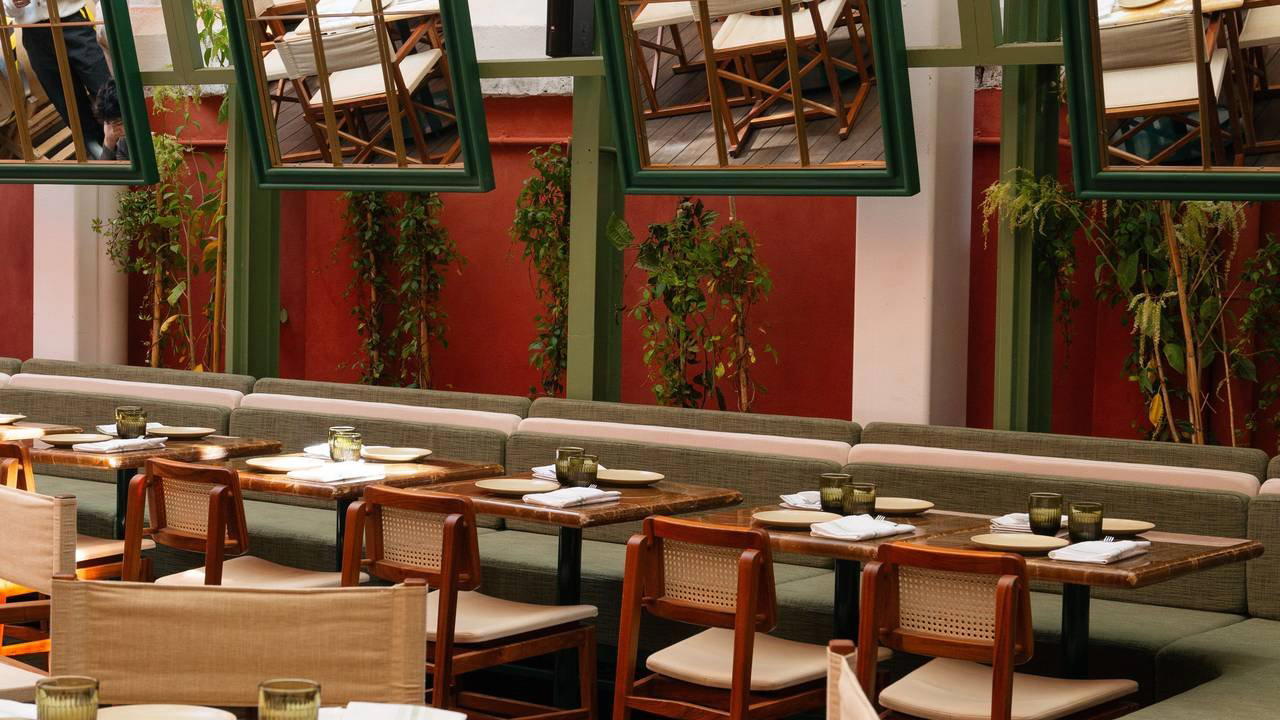
Piazza Pasticcio on Calle Praga in Colonia Juárez operates around a single organizing principle: beauty assembled from disorder. The wine program anchors on Italian bottles across whites, sparkling, orange, and rosé categories, positioning the room as a serious Italian-leaning wine destination inside one of Mexico City's most concentrated dining corridors. It earns its place in any conversation about the neighbourhood's emerging restaurant tier.

Pearl is the En Primeur Club membership app — saves, bookings, and concierge access live there. Same editors, same standards.
- Address
- Praga 33, Juárez, Cuauhtémoc, 06600 Ciudad de México, CDMX, Mexico
- Phone
- +52 56 3857 9996
- Hours
- Mon ClosedTue–Thu 1–10 PMFri–Sat 1–11 PMSun 1–7 PM
- Website
- opentable.com
- Directions
- Get directions
- Booking
- Book on OpenTable
The menu
What to order
- Cacio e Pepe
- Tiramisu
- Cannoli
- Wagyu Beef Tartare
- Gorgonzola and Pear Gnocchi
Colonia Juárez and the Italian Question
Mexico City's Colonia Juárez has spent the better part of the last decade reshaping itself into one of the capital's most active dining corridors. The streets around Génova, Praga, and Hamburgo now carry a density of independent restaurants that rivals Polanco for ambition while maintaining a neighbourhood scale that Polanco largely lost. Within that context, venues with a European wine identity occupy a specific and growing niche: they serve a Mexico City dining public that increasingly reads Italian and Spanish labels with the same literacy it brings to domestic producers from Valle de Guadalupe or Baja California. Rosetta, also in the Roma-Juárez axis, helped establish that Italian-influenced creative space years ago. Piazza Pasticcio, at Praga 33, works from a different premise entirely.
The Premise: Disorder as Method
The name is the starting point for understanding what Piazza Pasticcio is trying to do. Pasticcio in Italian carries the sense of a mess, a muddle, a productive chaos — something assembled from disparate parts without pretending they belong to a single clean tradition. That framing is not incidental. It signals a deliberate refusal of the kind of formal coherence that defines tasting-menu institutions like Pujol or Quintonil. Where those rooms operate through carefully edited menus and controlled narrative arcs, Piazza Pasticcio opens the frame. The declared belief that beauty comes from chaos is an editorial position about what a restaurant is supposed to feel like.
In practice, this kind of philosophy tends to show up in a room's physical character before it registers in the food. Spaces built around controlled disorder typically layer materials, sources, and eras rather than committing to a single design register. They resist the interior decorator's instinct to resolve all visual tension. For a venue on Praga, a street already defined by a mix of residential conversions and new-build interventions, that aesthetic reads naturally against its surroundings.
The Wine Program: Italian as Backbone
The most concrete data point available for Piazza Pasticcio is the wine list, and it is specific enough to position the venue clearly. Italian wines form the backbone, with coverage across whites, sparkling, orange, and rosé categories. That is a meaningful structural choice in Mexico City, where most wine programs at independent restaurants blend French classics with Chilean, Argentine, and Mexican domestic labels. A list that anchors decisively on Italian production — and that specifically calls out orange wines alongside conventional categories, signals a curatorial stance rather than a crowd-pleasing sweep.
Orange wines, made with extended skin contact on white grape varieties, represent a subset of Italian production that requires a specific kind of customer confidence to stock seriously. They are polarising, often tannic and oxidative in ways that conventional white-wine drinkers find difficult. Venues that stock them in depth are making a statement about the room they want to attract. Mexico City's wine-bar tier has expanded considerably since 2018, and within that expansion there is a recognizable cohort of operators who have chosen to lead with natural and skin-contact wines rather than defaulting to international varietals. Piazza Pasticcio's list places it in that cohort.
For readers building a Mexico City itinerary around serious wine, the pairing across the city might also include Sud 777 for its domestic Mexican wine advocacy, or Em for a Mexican-focused tasting experience. Piazza Pasticcio occupies a different lane: the Italianate, wine-forward room where the bottle list is doing at least as much editorial work as the kitchen.
Where Praga 33 Sits in Mexico City's Dining Tier
Colonia Juárez is not a neighbourhood that rewards casual walk-in strategy on weekend evenings anymore. The blocks between Insurgentes and the Paseo de la Reforma have sufficient reservation demand at the upper-mid tier that planning ahead is standard practice. Piazza Pasticcio, with a positioning built around a specific wine identity and a deliberate aesthetic philosophy, is the kind of room where showing up with intent, knowing what you want from the list, being open to the logic of the program, produces a different experience than arriving without context.
For visitors covering Mexico's broader dining geography, the capital's Juárez corridor represents one pole of a wider conversation about where serious independent restaurants are operating. Animalón in Valle de Guadalupe, Levadura de Olla in Oaxaca, and Lunario in El Porvenir each operate in regional contexts with distinct ingredient logic. Mexico City pulls from all of those regions while layering in European influence, the Italian wine backbone at Piazza Pasticcio is one expression of that cosmopolitan overlay. Further afield, venues like HA' in Playa del Carmen, KOLI Cocina de Origen in Monterrey, and Le Chique in Puerto Morelos each define the range of what serious dining looks like across Mexico's regions.
How to Approach a Visit
Praga 33 in Juárez is accessible from Insurgentes metro or by Uber from most central neighbourhoods, with the address sitting within the grid bounded by Reforma and Álvaro Obregón. The Juárez corridor is walkable from Roma Norte, making Piazza Pasticcio a natural component of an evening that might begin elsewhere in the neighbourhood. The wine program's Italian orientation suggests that the list warrants attention before defaulting to cocktails or a familiar label: the orange and sparkling categories in particular represent the more distinctive end of what the venue is known for.
Mexico City's full dining scope extends well beyond any single street. Our full Mexico City restaurants guide covers the range from Polanco tasting rooms to market-adjacent lunch counters. For accommodation context, our full Mexico City hotels guide maps the options by neighbourhood. Our full Mexico City bars guide, wineries guide, and experiences guide complete the picture for visitors building a longer itinerary in the capital.
Globally, the comparison point for a wine-forward room built around Italian production and a deliberate aesthetic chaos might fall somewhere between the enoteca tradition and the contemporary natural wine bar format that cities like New York have refined at venues such as Le Bernardin (for the standard of what serious wine service looks like) or that older American restaurant culture captured at Emeril's in New Orleans in a different register entirely.
Frequently asked questions
Is Piazza Pasticcio a family-friendly restaurant?
Piazza Pasticcio's identity is built around a wine-forward program with Italian bottles as its foundation — whites, sparkling, oranges, and rosés. That positions it firmly as an adult-oriented venue rather than a family dining destination. Praga 33 in Juárez draws a crowd oriented toward drinking well, not accommodating children's menus.
Is Piazza Pasticcio formal or casual?
The name itself signals the register: pasticcio means disorder or chaos in Italian, and that philosophy shapes the atmosphere. This is not a white-tablecloth operation. Expect a relaxed, convivial setting that takes its wine list seriously without demanding formality from its guests.
What's Piazza Pasticcio known for in terms of accolades?
Piazza Pasticcio has received recognition including: Piazza Pasticcio is the result of the belief that beauty comes from chaos (pasticcio means “disorder,” or “chaos”). The wine list has a backbone of Italian wines: whites, sparkling, oranges, rosés and....
What dish is Piazza Pasticcio famous for?
The available record on Piazza Pasticcio centres on its wine program rather than a signature dish. Italian wines — spanning whites, sparkling, oranges, and rosés — are the documented anchor of the experience at Praga 33. Food offerings are not detailed in current sources.
Where is Piazza Pasticcio located?
Piazza Pasticcio is located at Praga 33, Juárez, Cuauhtémoc, 06600 Ciudad de México, CDMX, Mexico, Mexico City.
Do they take walk-ins at Piazza Pasticcio?
Colonia Juárez no longer rewards casual walk-in strategy on busy evenings — the blocks along Praga and the surrounding grid fill quickly on weekends. Arriving early or visiting on a weekday gives the best chance without a reservation. No booking policy is published for Piazza Pasticcio at this time.
What's the standout thing about Piazza Pasticcio?
The wine list is the clearest differentiator: an Italian-backbone selection covering whites, sparkling, orange wines, and rosés, curated under a philosophy that frames disorder as a creative method. In a Juárez neighbourhood now dense with serious dining options, that wine focus gives Piazza Pasticcio a specific point of view rather than a broad menu strategy.
Side-by-Side Snapshot
Comparable venues nearby, for context on price, style, and recognition.
| Venue | Cuisine | Price | Awards | Notes |
|---|---|---|---|---|
| Piazza PasticcioThis venue — the venue you are viewing | Authentic Italian Pasta | $50–100 | Star Wine List | Not listed |
| Enrico Caruso | Classic Italian Ristorante | $20–30 | Not listed | San Mateo |
| Romina | Classic Italian with Fresh Pasta and Seafood | Not listed | Wine Spectator Award of Excellence | Polanco Reforma |
| Sepia | Modern Italian Fine Dining | Not listed | Star Wine List | Condesa |
| Farina Polanco | Traditional Italian Pizza | $20–30 | Not listed | Polanco Chapultepec |
| Vicinato | Italian Pasta and Neapolitan Pizza | $20–30 | Not listed | Centro Urbano Benito Juarez |
Recognition history
Dated appearances from independent guides and award organizations, with the underlying list record or original source where available.
Star Wine List
Star Wine List
Continue exploring
More in Mexico City
Restaurants in Mexico City
Browse all →
Bars in Mexico City
Browse all →

Piazza Pasticcio
The wine
- Wine program
- Curated wine list
- Extensive wine list
- Sommelier-led
- Craft cocktails
Details
- Cozy
- Intimate
- Elegant
- Romantic
- Date Night
- Celebration
- Special Occasion
- Group Dining
- Open Kitchen
- Courtyard
- Historic Building
- Design Destination
- Extensive Wine List
- Craft Cocktails
- Sommelier Led
- Local Sourcing
- A La Carte
- Tasting Menu
- Italian Wines
- Craft Cocktails
- Vegetarian Friendly
Current opening hours
- Monday
- Closed
- Tuesday
- 1–10 PM
- Wednesday
- 1–10 PM
- Thursday
- 1–10 PM
- Friday
- 1–11 PM
- Saturday
- 1–11 PM
- Sunday
- 1–7 PM
Hours can change for holidays and private events. Last verified .
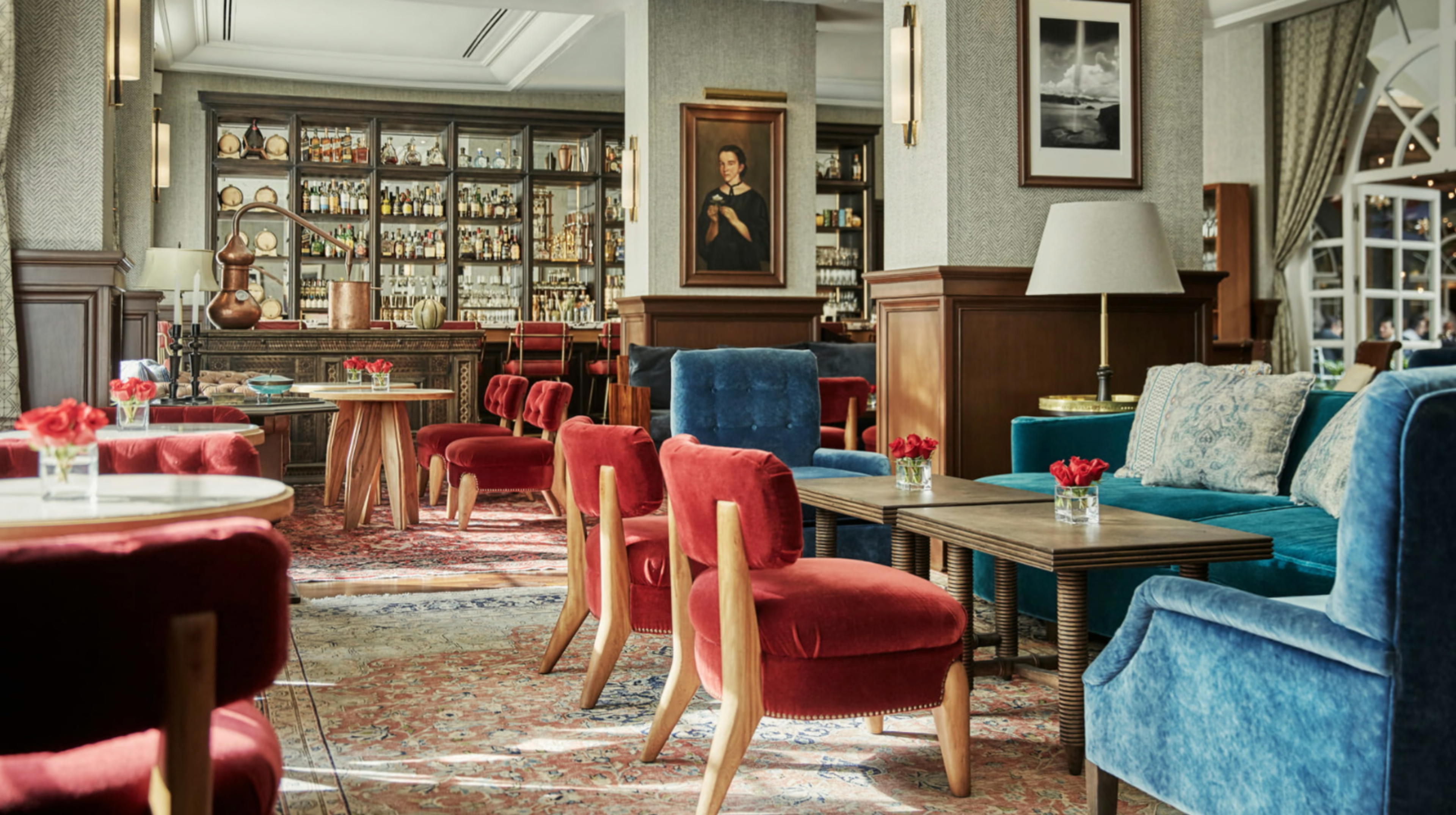
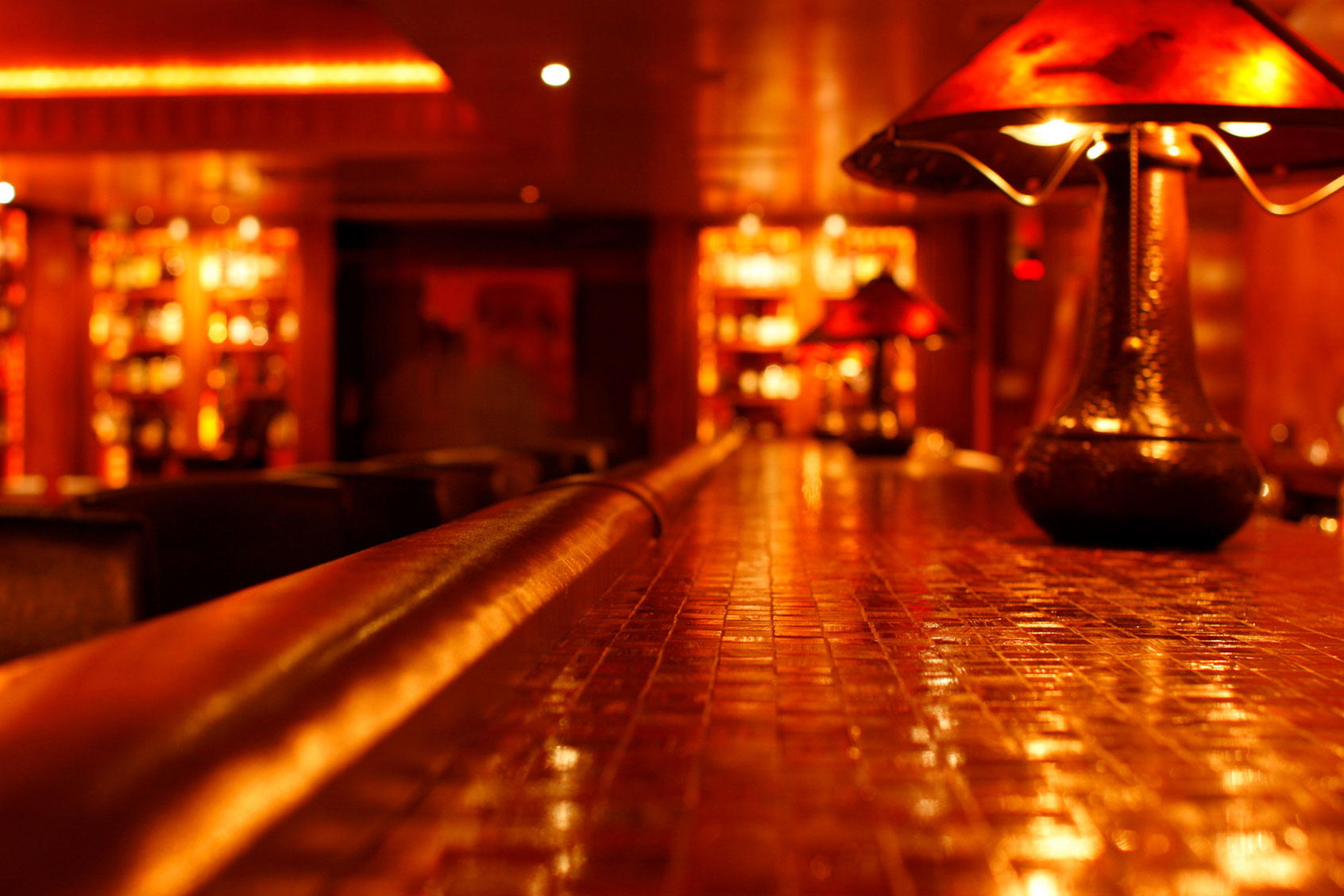
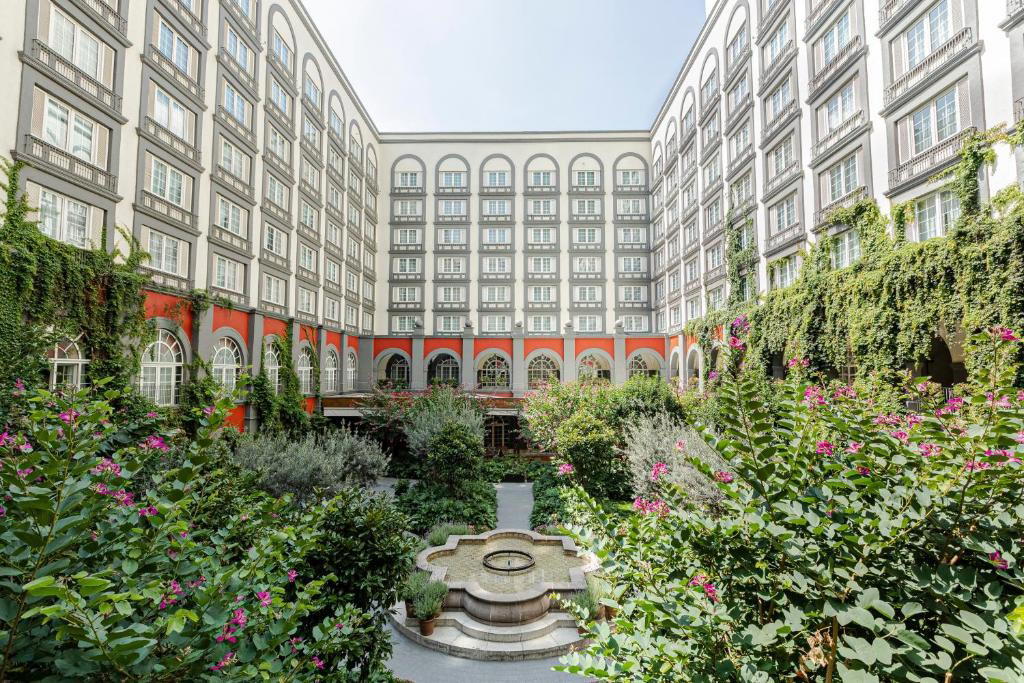
Warm, intimate setting with natural light during day and dimmed lighting at night; vintage Italian aesthetic with muted greens, wine reds, and mustard tones; central courtyard with vertical gardens and stone fountains.