Sepia

Sepia brings Italian kitchen traditions to Roma Norte, with handmade pasta, seafood, risotto, and charcuterie at the centre of a focused menu. The address on Sinaloa 170 places it within one of Mexico City's most active dining corridors, where it competes quietly against a wider field of creative Italian and European cooking. The wine list reinforces the Italian commitment throughout.
Pearl is the En Primeur Club membership app — saves, bookings, and concierge access live there. Same editors, same standards.
- Address
- Sinaloa 170, Roma Norte, Ciudad de México
- Phone
- +52 1 55 7827 9395
- Website
- cocinasepia.mx
- Directions
- Get directions
 Saves & bookings on Pearl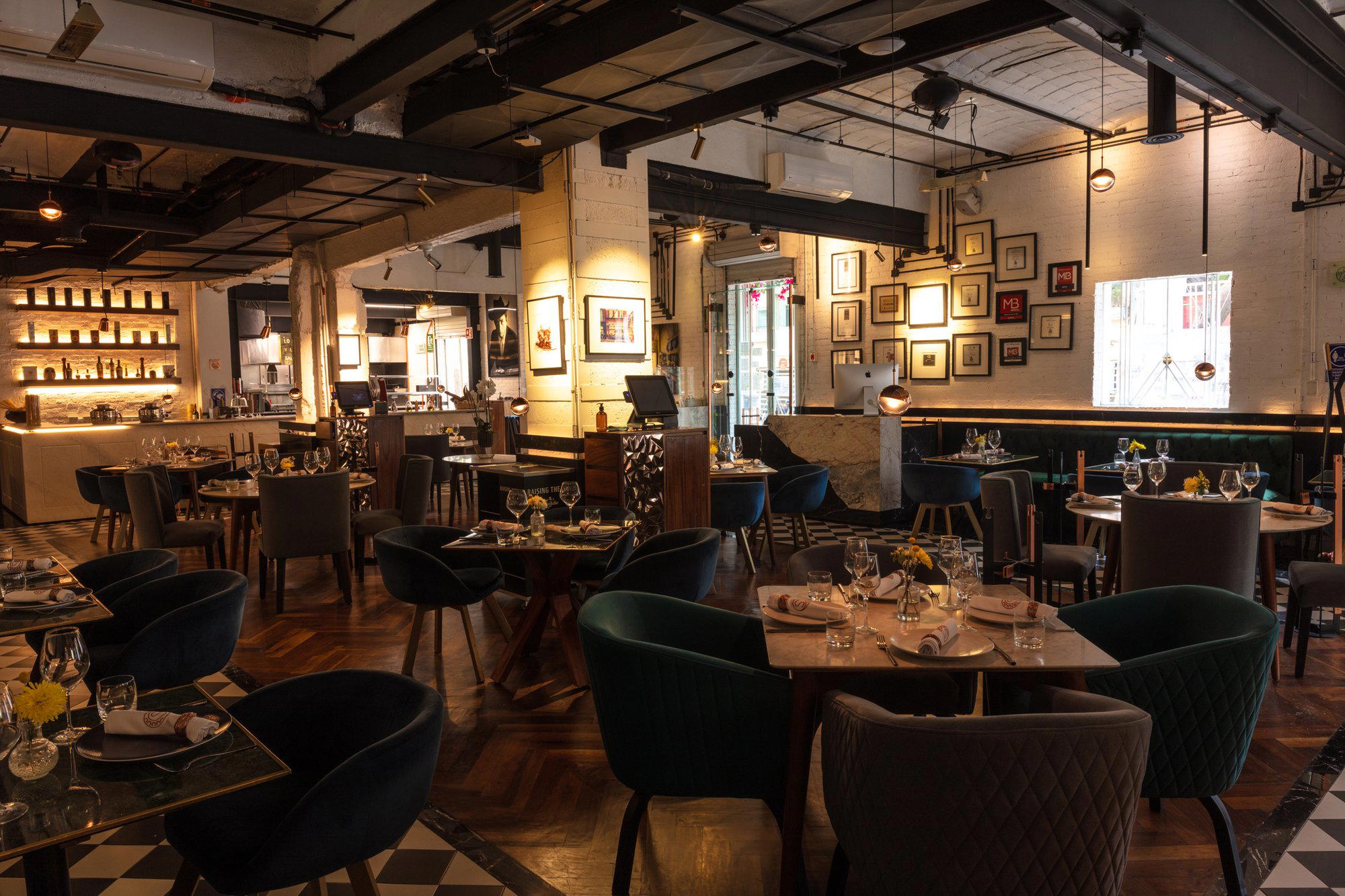
Italian Cooking in Roma Norte: Where Sepia Sits
Roma Norte has become the neighbourhood against which most of Mexico City's mid-to-upper casual dining is measured. The streets around Álvaro Obregón and Orizaba host a dense concentration of European-influenced kitchens, from Elena Reygadas's Rosetta, which operates as the benchmark for creative Italian in the city, to a wider field of bistros and wine-forward spots that have colonised the area's converted townhouses over the past decade. Sepia, at Sinaloa 170, sits in this corridor and focuses on modern Italian fine dining: handmade pasta, seafood preparations, risotto, and charcuterie boards anchored by a considered Italian wine selection.
The positioning matters because Roma Norte is not short of competition. Pujol and Quintonil define the city's high-end Mexican category a few kilometres north in Polanco, while Sud 777 and Em anchor a creative Mexican tier elsewhere in the city. Sepia's choice to commit to Italian traditions rather than fold into that Mexican-creative conversation is a clear editorial decision: it is building a different kind of credibility, one based on pasta craft and product sourcing rather than on regional Mexican narrative.
The Room and How It Reads
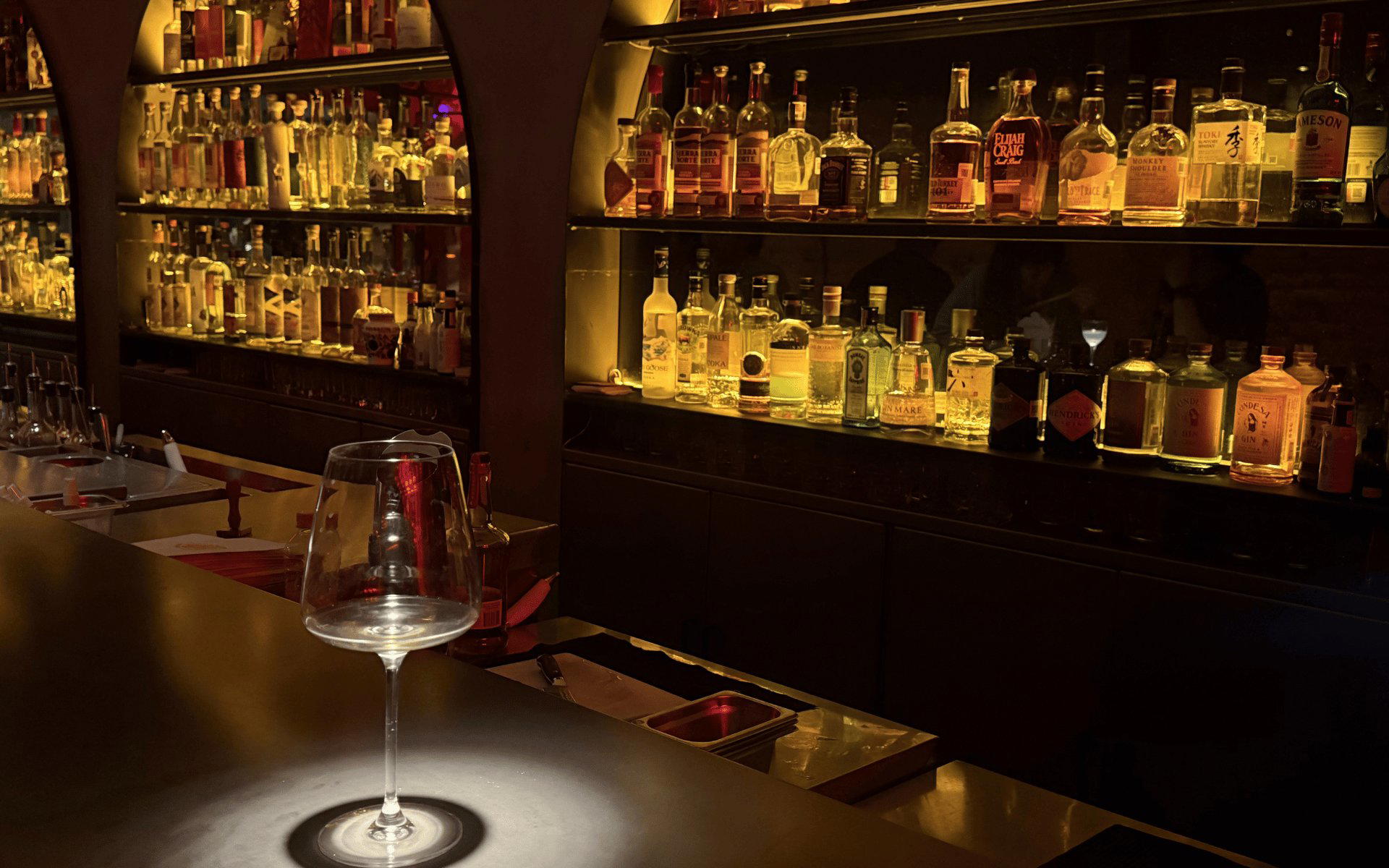
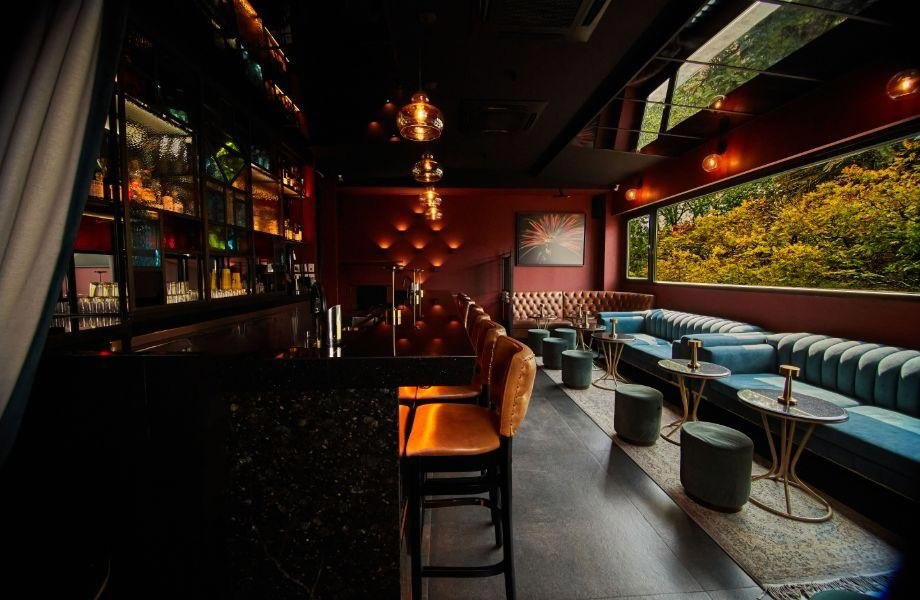
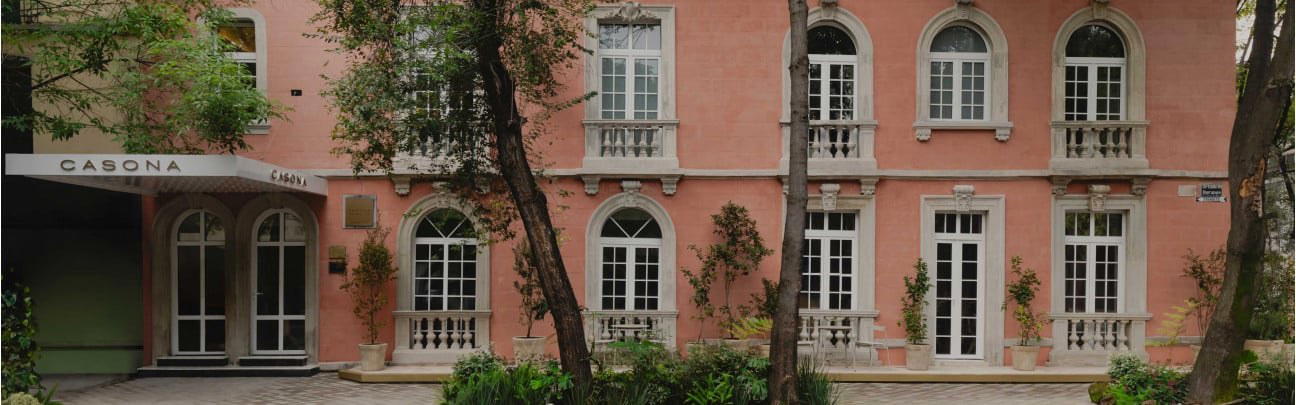
Roma Norte's dining rooms tend toward a particular aesthetic grammar: high ceilings inherited from Porfirian-era architecture, stripped plaster or exposed brick, and lighting calibrated to feel warm without tipping into the theatrical. The neighbourhood's better restaurants have learned to let the room speak quietly while the food does the louder work. Sepia operates within that same tradition. The address on Sinaloa sits on a residential stretch, giving the arrival a slightly private quality that distinguishes it from the busier corner restaurants on the main avenues.
The front-of-house register at Italian restaurants in this tier of Mexico City has shifted in recent years. The old model, where Italian restaurants in the capital leaned on formality and stiff white-tablecloth service, has largely given way to something more fluent and less hierarchical. The interaction between floor staff and guests at the better Italian kitchens now more closely resembles the Roman trattoria model: knowledgeable without being ceremonial, able to move through wine conversation and pasta explanation in the same breath. That coordination between the dining room team and the kitchen output is where the quality signal lives at places like Sepia, and it is what separates a focused Italian operation from a generic European bistro.
The Menu: Pasta, Seafood, and the Risotto Question
Handmade pasta is especially technically demanding commitment an Italian restaurant can make, and it is also the revealing. The quality of fresh pasta, whether in the texture of the dough, the precision of the cut, or the way sauce adheres to each shape, tells a kitchen's story more honestly than almost any other dish category. For Sepia, this is reported as a speciality, which places it in a small peer group of Mexico City Italian restaurants that have invested seriously in that craft rather than sourcing dried pasta or treating fresh pasta as a secondary feature.
The seafood programme adds a second axis of ambition. Italian coastal cooking, from Ligurian to Sicilian to Adriatic traditions, uses seafood as a central structural element rather than as a supplement to meat. Risotto appears as a third signature category, and it is worth noting that a well-executed risotto requires both technique and timing: it cannot be prepared in advance, held in a bain-marie, or rushed. The presence of risotto as a stated speciality is, in effect, a claim about kitchen discipline and pace management.
Charcuterie completes the picture. At Italian-focused restaurants that take their cured meats seriously, the charcuterie selection functions as a window into the sourcing philosophy. Whether the salumi are imported Italian, produced domestically, or sourced from Mexico's small but growing artisan charcuterie community tells a different story about the kitchen's orientation. For context, Mexico has producers in Querétaro and Hidalgo working in Italian and Spanish cured-meat traditions, and some of the city's better Italian restaurants have begun incorporating those into their boards alongside European imports.
The Wine Conversation
A restaurant that commits to Italian cooking without a parallel commitment to Italian wine is making an incomplete argument. Italy's vine diversity, covering everything from Friulian whites to Sicilian reds, Barolo to Vermentino, offers a matching range that no single other country's wine list can replicate across the full arc of an Italian meal. At Sepia, the wine selection is reported to hold up its end of that conversation. The sommelier or floor team's ability to move fluently between pasta pairings, seafood courses, and risotto suggests a list built around the actual food programme rather than assembled generically.
In the broader Mexico City context, the Italian wine category has grown substantially over the past several years as diners and restaurateurs have moved past the French-dominated fine wine default. Smaller producers from Campania, Friuli-Venezia Giulia, and Le Marche now appear on the better Italian restaurant wine lists in the capital, sitting alongside the more recognisable Tuscan and Piedmontese appellations. A wine programme that reflects this range positions a restaurant differently from one that defaults to Chianti and Pinot Grigio.
How Sepia Fits the Mexico City Italian Category
Italy's culinary traditions have a longer footprint in Mexico City than many visitors expect. The capital's Italian immigrant communities, concentrated partly in Roma and Condesa from the early twentieth century onward, seeded both domestic recipes and restaurant culture. Today's Italian restaurants in the city operate against that background while also referencing contemporary Italian kitchen movements. Strong examples among them, Rosetta being the discussed, have absorbed Italian techniques and applied them with a degree of local inflection. Sepia appears to occupy a more classically oriented position within that spectrum: pasta, seafood, risotto, and charcuterie as the core vocabulary, Italian wine as the liquid counterpart.
Visitors planning around Mexican fine dining will naturally anchor around the major names in the Mexico City restaurant scene. But the Italian tier in Roma Norte offers a different kind of evening: lower intensity, less conceptually demanding, and often more straightforwardly pleasurable for a mid-week dinner or a meal where conversation takes precedence over the kitchen's intellectual programme. Sepia slots into that role.
For those building a wider itinerary across Mexico, the country's restaurant scene now extends well beyond the capital. Animalón in Valle de Guadalupe, Levadura de Olla in Oaxaca, Le Chique in Puerto Morelos, HA' in Playa del Carmen, KOLI Cocina de Origen in Monterrey, and Lunario in El Porvenir together represent a national dining circuit that has few equivalents in Latin America. For international comparisons in the seafood-focused Italian register, Le Bernardin in New York and Emeril's in New Orleans provide useful reference points for how European-trained seafood kitchens translate across different city contexts.
Planning Your Visit
Sepia is located at Sinaloa 170 in Roma Norte, a neighbourhood walkable from the Insurgentes metro station and well-served by rideshare services. Roma Norte's restaurant density means the area rewards arriving early or staying late to explore; the bars and wine bars on the surrounding streets make it a natural before-or-after destination.
Style and Standing
Comparable venues nearby, for context on price, style, and recognition.
| Venue | Cuisine | Price | Notes |
|---|---|---|---|
| SepiaThis venue — the venue you are viewing | Modern Italian Fine Dining | $$$ | Not listed |
| Marcello | Italian Dolce Vita Pizza & Pasta | $$$ | Roma Norte |
| Prego | Authentic Italian Trattoria | $$$ | Polanco Chapultepec |
| Barolo | Italian Trattoria | $$$ | Centro Urbano Benito Juarez |
| 7 osteria | Italian Osteria with Pizza and Pasta | $$$ | San Ángel Inn |
| Negroni Arcos Bosques | Rustic Italian Trattoria | $$$ | Cooperativa Palo Alto |
Recognition history
Dated appearances from independent guides and award organizations, with the underlying list record or original source where available.
Star Wine List
Star Wine List
Continue exploring
More in Mexico City
Restaurants in Mexico City
Browse all →
Bars in Mexico City
Browse all →


At a Glance
- Elegant
- Cozy
- Modern
- Romantic
- Sophisticated
- Date Night
- Family
- Celebration
- Business Dinner
- Terrace
- Open Kitchen
- Extensive Wine List
- Craft Cocktails
- Organic
- Local Sourcing
- Street Scene
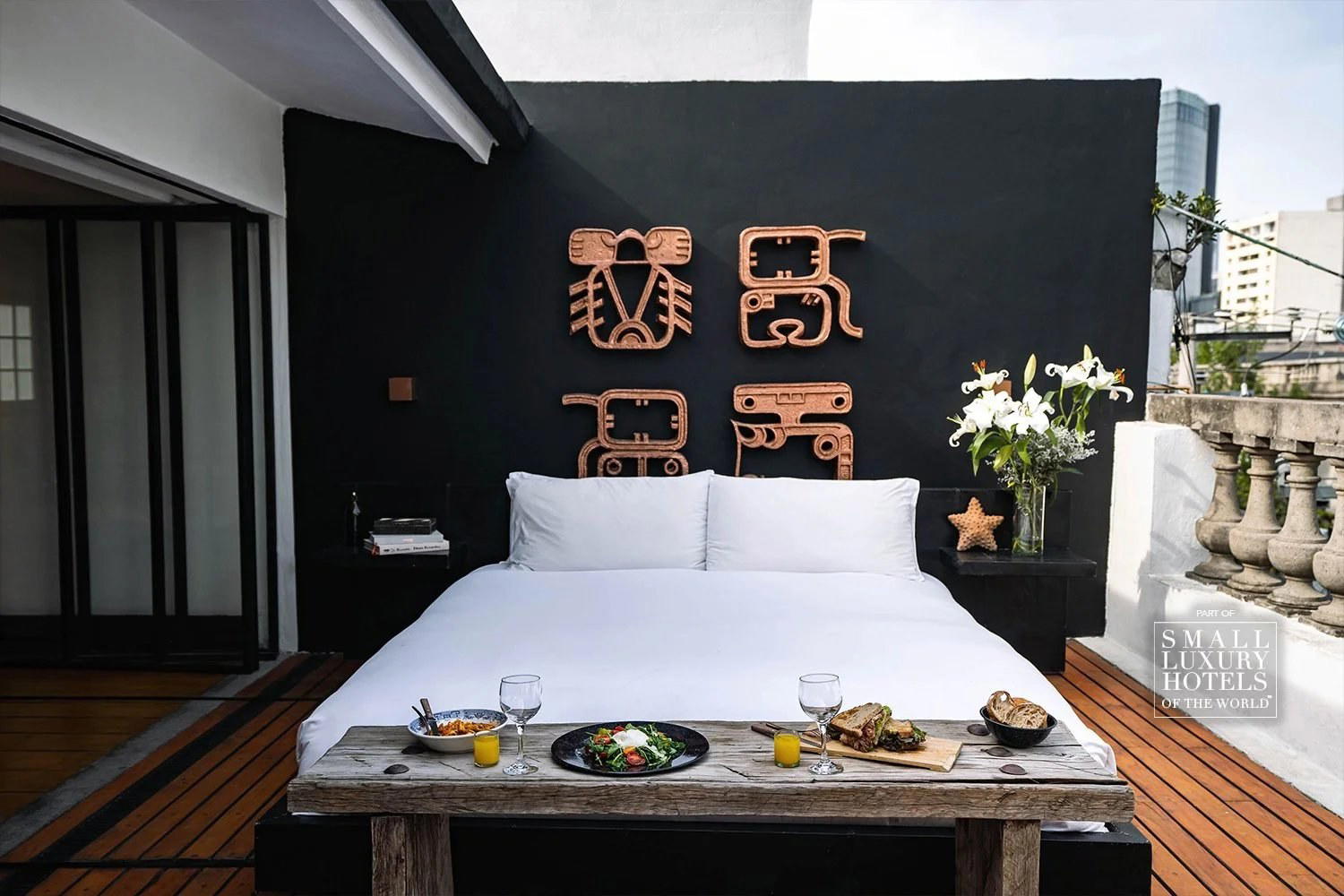
Cozy furniture suitable for conversation, terrace with DJ, warm lighting, and elegant bathrooms; some note loud music at times.