Piano Piano Colborne occupies a prominent address on Colborne Street in Toronto's Financial District, positioning itself within a downtown Italian dining scene that now stretches across multiple price tiers and formats. The room and wine program draw from a tradition of Italian hospitality that prizes conviviality over formality, making it a reference point for Italian dining in the city's core.
Pearl is the En Primeur Club membership app — saves, bookings, and concierge access live there. Same editors, same standards.
- Address
- 55 Colborne St, Toronto, ON M5E 1E3, Canada
- Phone
- +14162160295
- Website
- pianopianotherestaurant.com
- Directions
- Get directions
 Saves & bookings on Pearl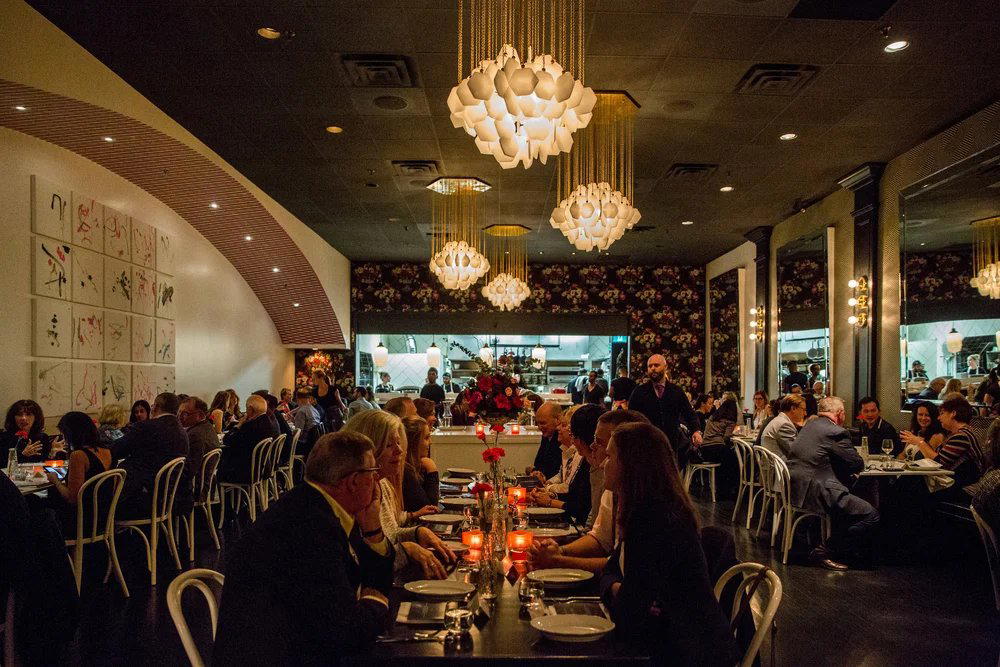
Italian Hospitality on Colborne Street
Toronto's Financial District has never been the city's most obvious address for serious Italian dining. The neighbourhood fills and empties on a corporate schedule, and the restaurants that last here tend to be ones that read the room well, places that can serve a working lunch and a celebratory dinner without changing their character. Piano Piano Colborne, at 55 Colborne Street in Toronto, is a Modern Italian Trattoria with a smart casual dress code and recommended reservations, rooted in the Italian tradition of convivialità: shared tables, generous pours, and a pace that resists the clock. The room rewards the kind of guest who arrives with time to linger.
Toronto's Italian dining scene has stratified considerably over the past decade. At the upper bracket, venues like Don Alfonso 1890 and DaNico press into fine-dining territory with tasting formats and wine programs that benchmark against European peers. At the opposite end, casual pasta counters and neighbourhood trattorias hold their own loyal followings. Piano Piano Colborne sits deliberately in the middle register: accessible in spirit, serious in execution, and built for repeat visits rather than singular occasions.
The Wine Program as Editorial Statement
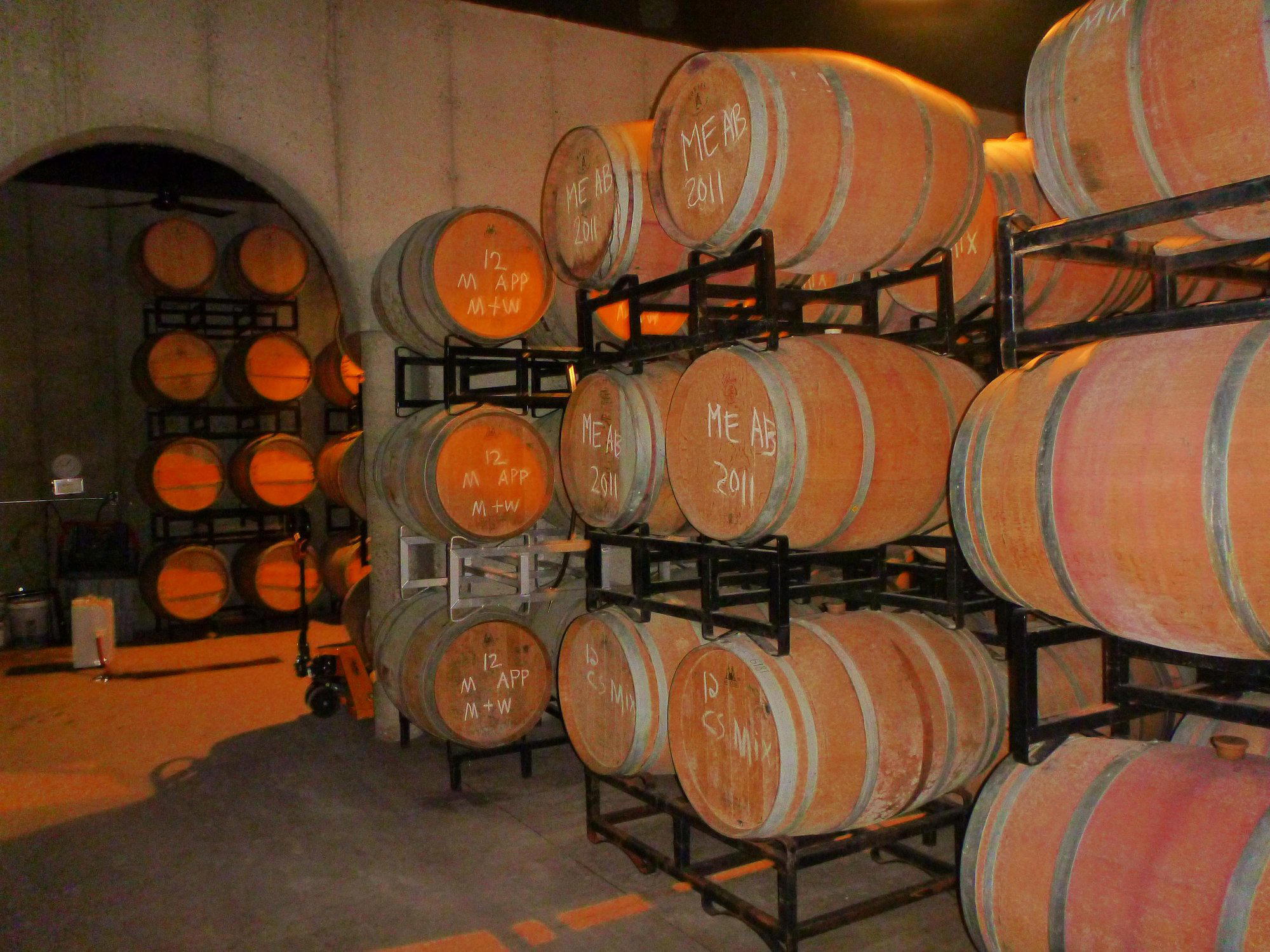
In the Italian dining tradition, the wine list is not an afterthought, it is the argument the kitchen makes about what kind of restaurant it wants to be. Italian restaurants at Piano Piano Colborne's price tier in Toronto tend to fall into two camps: those that stock the familiar international flagships (Barolo from the major négociants, Brunello from the household names) and those that use the Italian wine canon as a deeper reference, ranging into Campania, Friuli, Sardinia, and the volcanic wines of Sicily and Etna.
Particularly interesting Italian lists in North American cities right now tend to be built around producers rather than appellations, a curation philosophy that requires a sommelier team willing to explain rather than simply pour. It prioritises education over brand recognition, which is a harder sell in a Financial District room but a more durable point of difference. When a list reads that way, it signals that the restaurant is competing on knowledge rather than inventory, a distinction that separates it from venues where the wine program exists mainly to support a high average spend.
For Toronto diners building a mental map of Italian wine depth in the city, the restaurant functions as a reference alongside the more formal programs at Don Alfonso 1890. The difference is register: where Don Alfonso tilts toward the ceremonial, Piano Piano leans into the convivial. Neither approach is wrong; they answer different questions about what Italian wine is for.
Where It Sits in the Toronto Dining Picture
Toronto's restaurant geography has become more articulated in recent years. The city now sustains serious omakase counters like Sushi Masaki Saito and Aburi Hana, contemporary tasting menus at Alo, and a growing tier of mid-market venues that trade on technique and sourcing rather than ceremony. The restaurant belongs to that third category on the Italian side of the ledger, a restaurant whose value is in the experience of a full evening rather than a single headline dish or chef credential.
That positioning gives it a different comparable set than the city's Michelin-tracked venues. The relevant comparison is not against Alo but against other convivially-framed Italian rooms in the downtown core where the wine list, room energy, and service style do more work than any single element on the plate. In that frame, the question for a prospective guest is not whether the kitchen can produce technically ambitious food but whether the whole evening adds up to something worth repeating, a test that suits Piano Piano's format well.
For readers exploring Canadian dining more broadly, the country's strongest restaurant energy is distributed across several cities. Tanière³ in Quebec City and Jérôme Ferrer - Europea in Montreal anchor the Quebec end of the spectrum. AnnaLena in Vancouver represents the West Coast's produce-led school. Within Ontario, Restaurant Pearl Morissette in Lincoln and Eigensinn Farm in Singhampton define what serious rural dining looks like at the province's northern edge. The restaurant is the urban counterweight to those outlying addresses, a city restaurant built for frequency rather than pilgrimage.
The Financial District Timing Factor
Timing matters at a Colborne Street address. The neighbourhood's rhythm means the early evening fills with post-market diners and corporate tables, while later seatings tend toward smaller groups with longer plans for the night. On weekday evenings, the room can shift register between the 6 p.m. and 8:30 p.m. waves in ways that rarely happen in neighbourhoods with a more consistent residential base. Guests who want the room at its most relaxed tend to find that later seatings, past 8 p.m. on a Thursday or Friday, deliver a different energy than the business-hour crowd.
For context on how Toronto's dining geography affects the experience at specific venues, comparisons to neighbourhoods like King West or Ossington are instructive. Those areas sustain restaurants through a blend of residential and destination traffic. The Financial District runs on a tighter clock, which is why the restaurants that work there are ones like Piano Piano that build hospitality around loosening that constraint rather than accommodating it.
Know Before You Go
- Address: 55 Colborne St, Toronto, ON M5E 1E3, Canada
- Neighbourhood: Financial District, Downtown Toronto
- Booking: Reservations recommended
- Hours: Mon to Thu and Sun, 12 to 10 PM; Fri and Sat, 12 to 11 PM
- Price tier: 3, about $65 per person
- Related Toronto venues: DaNico, Don Alfonso 1890, Alo
Pricing, Compared
Comparable venues nearby, for context on price, style, and recognition.
| Venue | Cuisine | Price | Notes |
|---|---|---|---|
| Piano Piano ColborneThis venue — the venue you are viewing | Not listed | $$$ | Not listed |
| Tutti Matti | Not listed | $$$ | Entertainment District, Authentic Tuscan Italian |
| F'Amelia | Cabbagetown, Northern Italian | $$$ | Not listed |
| Trattoria Milano | Not listed | $$$ | Yorkville, Authentic Northern Italian Milanese |
| Stelvio | Little Italy, Northern Italian Lombardy | $$$ | Not listed |
| Edna + Vita | Not listed | $$$ | Financial District, Modern Italian Trattoria |
Continue exploring
More in Toronto
Restaurants in Toronto
Browse all →
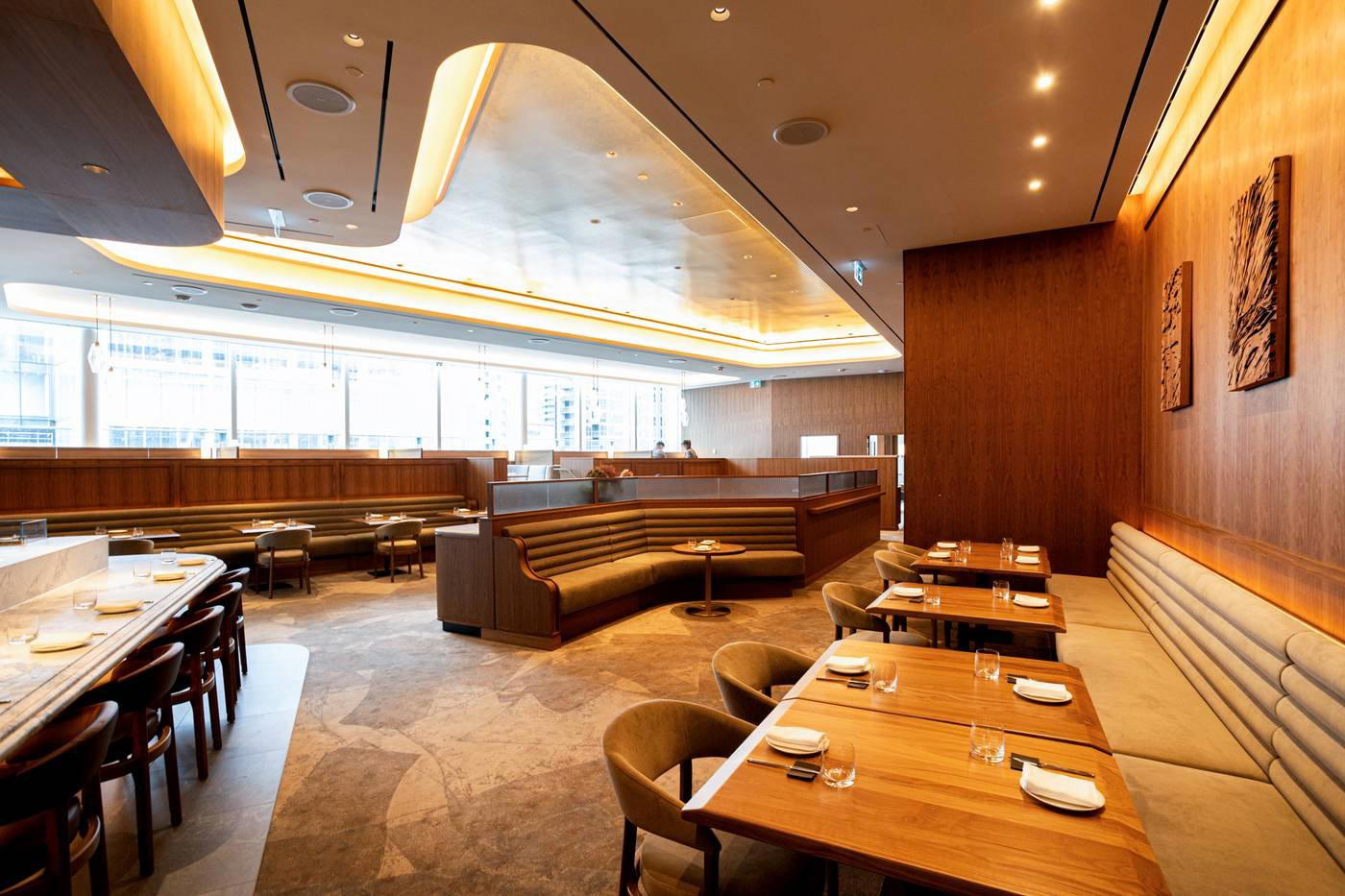
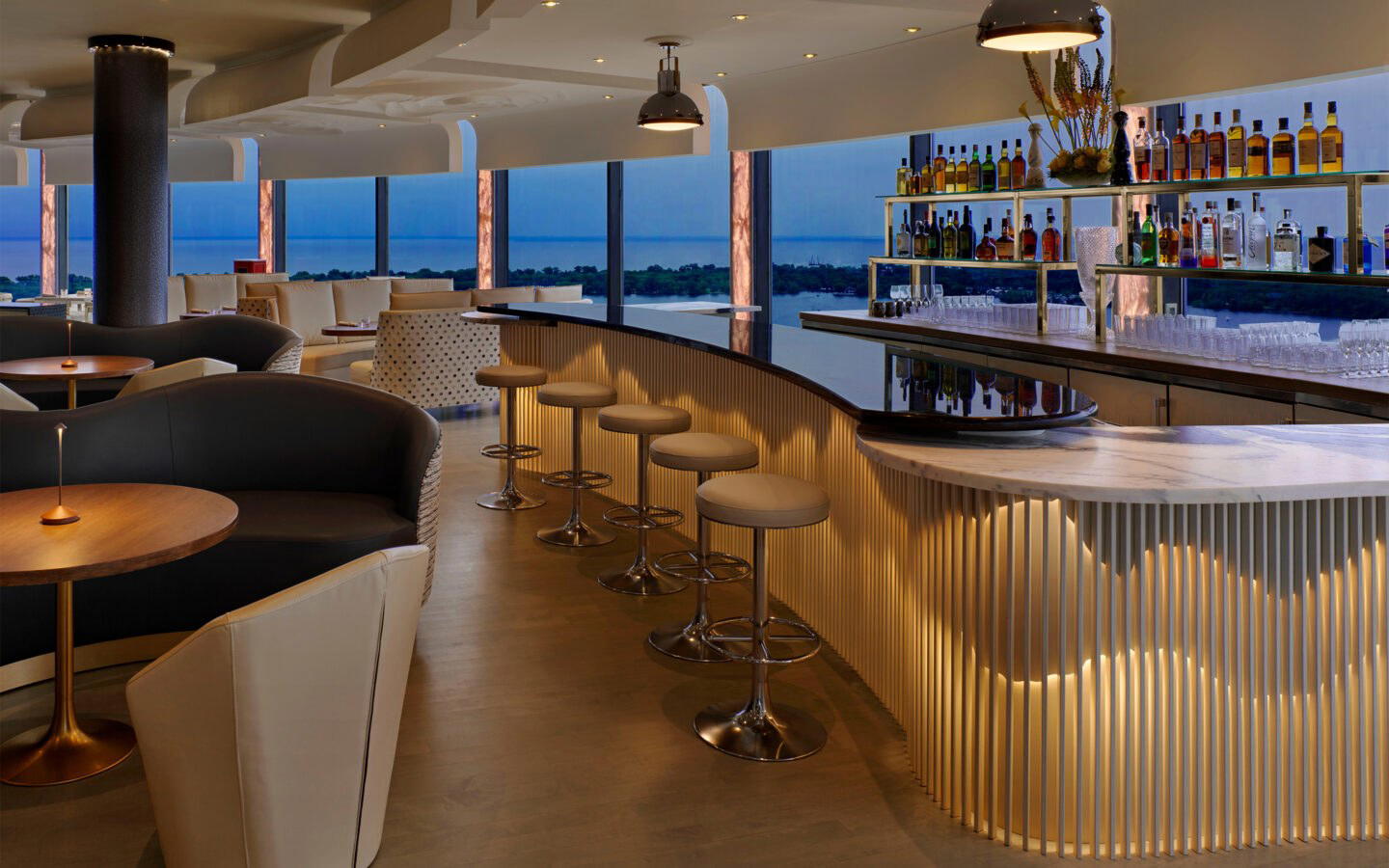
Bars in Toronto
Browse all →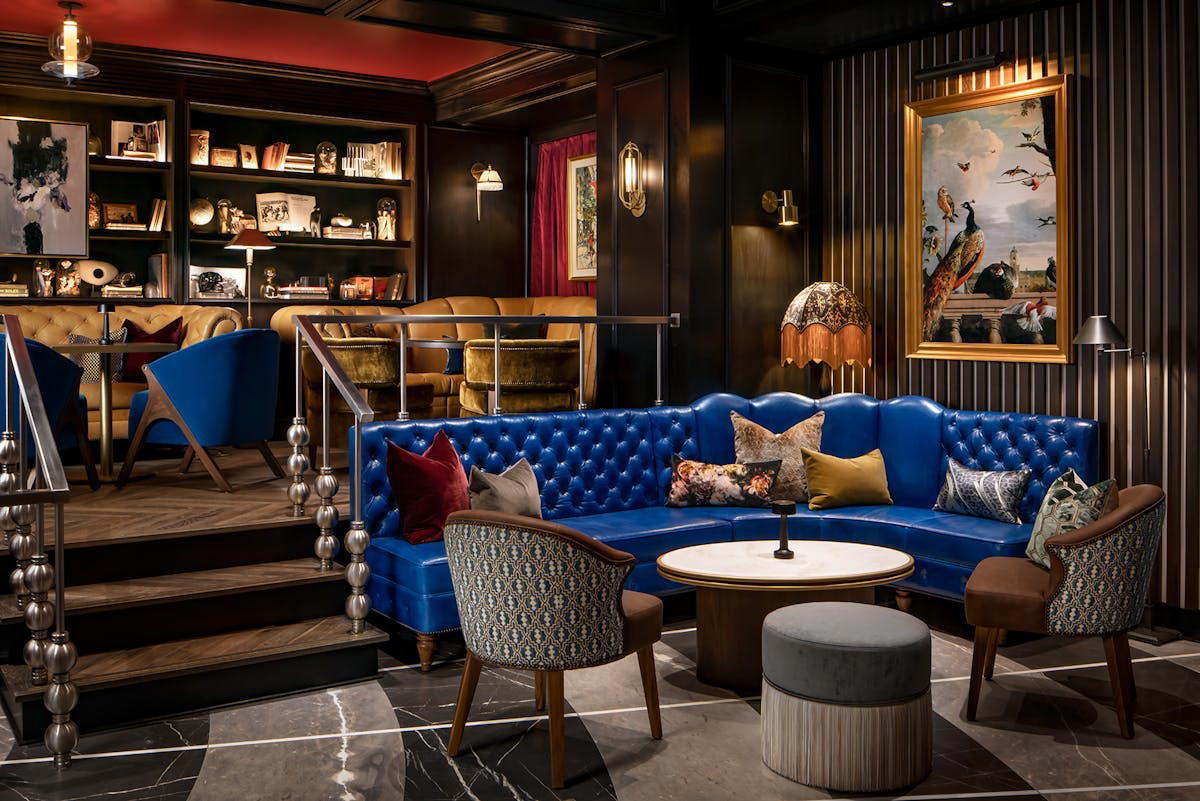
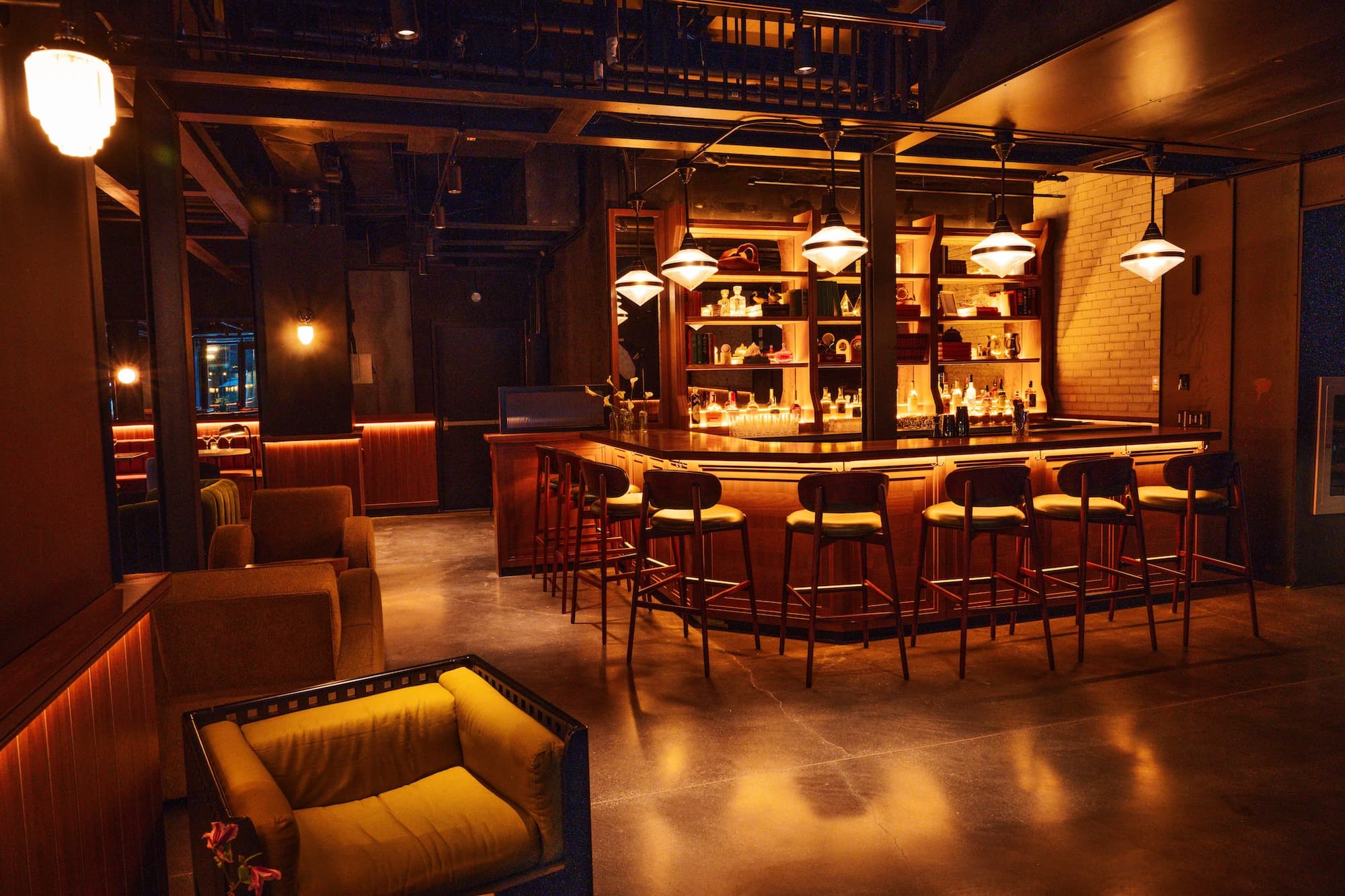
Hotels in Toronto
Browse all →

At a Glance
- Whimsical
- Sophisticated
- Cozy
- Lively
- Elegant
- Date Night
- Group Dining
- Casual Hangout
- Celebration
- Standalone
- Design Destination
- Open Kitchen
- Craft Cocktails
Current opening hours
- Monday
- 12–10 PM
- Tuesday
- 12–10 PM
- Wednesday
- 12–10 PM
- Thursday
- 12–10 PM
- Friday
- 12–11 PM
- Saturday
- 12–11 PM
- Sunday
- 12–10 PM
Hours can change for holidays and private events. Last verified .
Charming and imaginative with theatrical design elements; warm and welcoming with a playful, sophisticated energy throughout the dining space.