
Michelin Plate
Our verdict
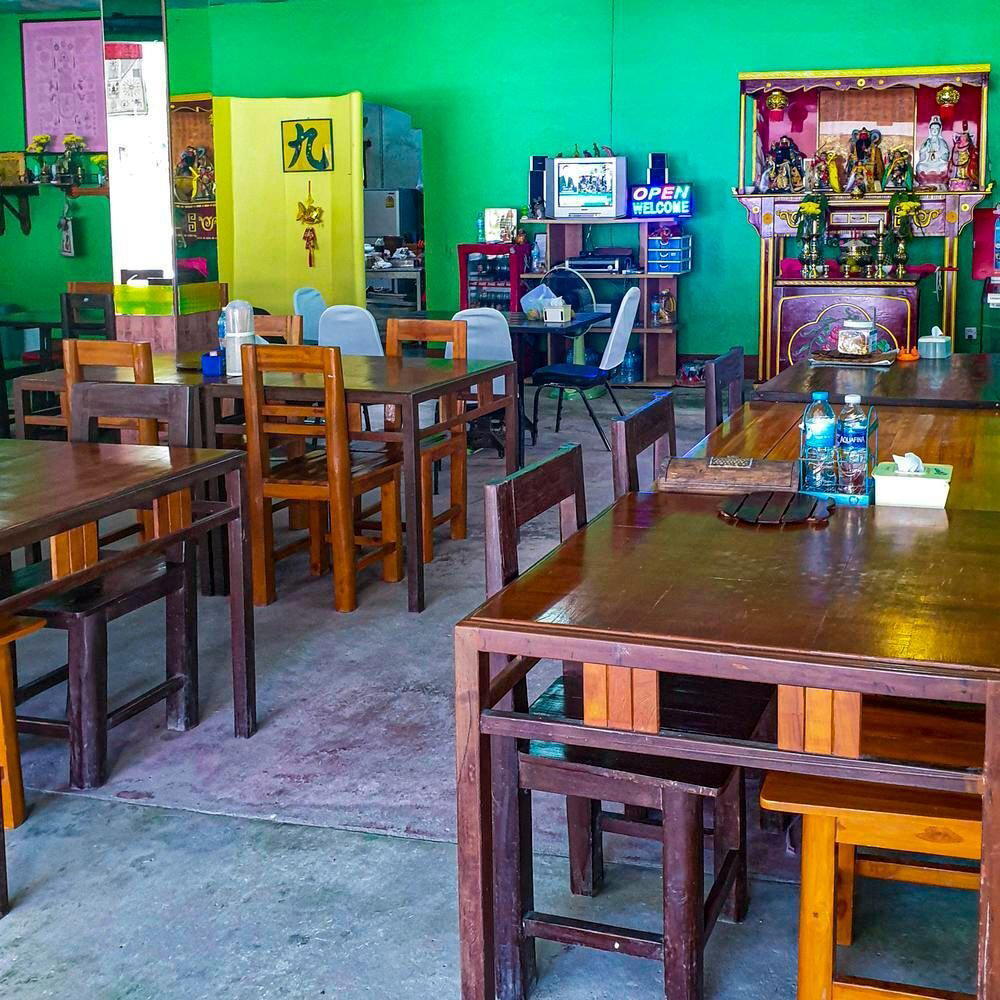
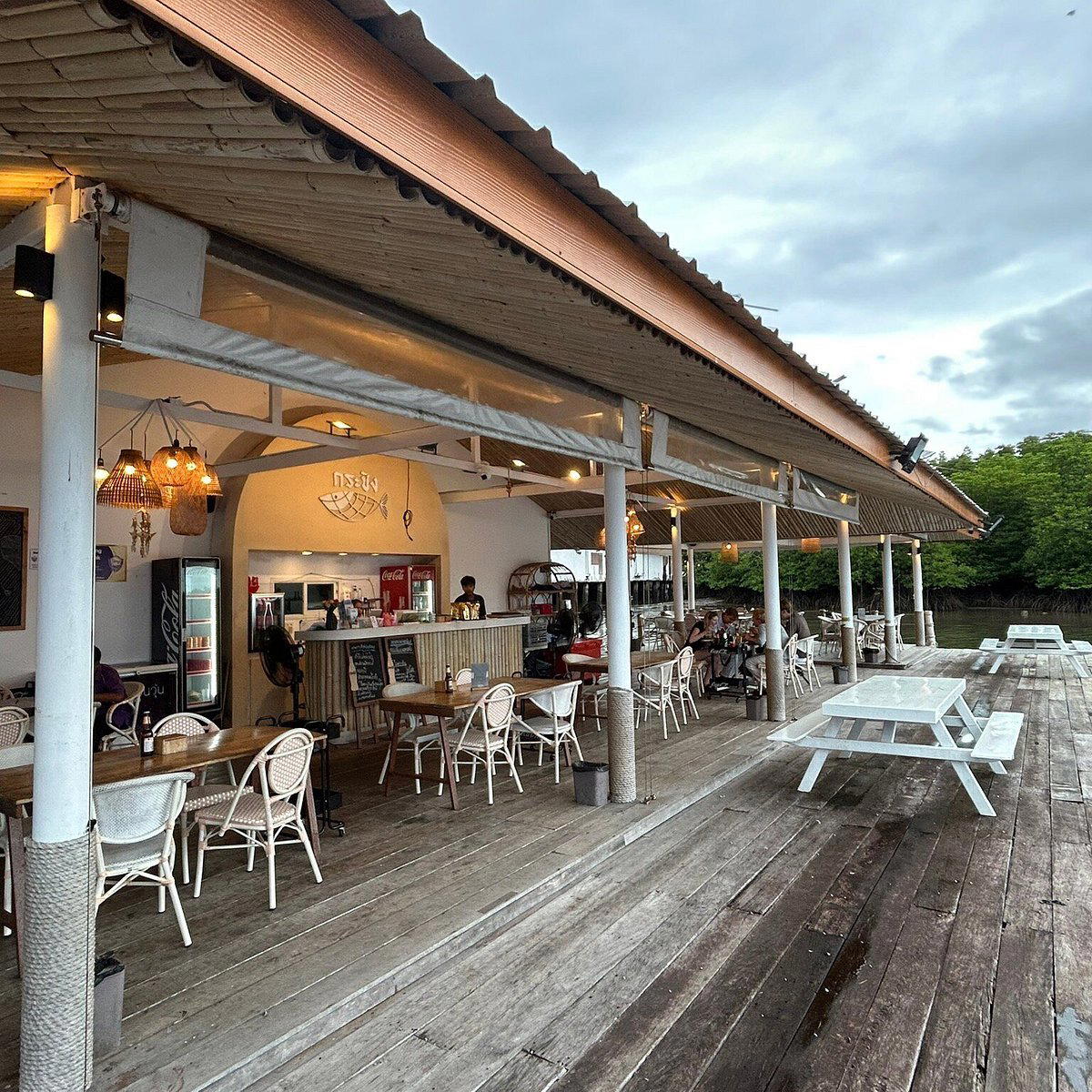
A Michelin Plate–recognised seafood eatery in Khok Kloi, Baan Rearn Mai has been operating for 25 years on a straightforward à la carte menu built around the Andaman coast's daily catch. Yellow curry crab and steamed sea bass with soy sauce are the kitchen's benchmarks, prepared light to let the seafood's natural character lead. Rated 4.7 on Google from 120 reviews, it sits in the ฿฿ tier alongside Phang Nga's mid-range local dining.

Pearl is the En Primeur Club membership app — saves, bookings, and concierge access live there. Same editors, same standards.
- Address
- 37 18 ม.4, Khok Kloi, Takua Thung District, Phang Nga 82140, Thailand
- Phone
- +66 87 819 0581
- Hours
- Daily 10 AM–6 PM
- Directions
- Get directions
The menu
What to order
- Yellow curry crab
- Steamed sea bass with soy sauce
What the Andaman Brings to the Table
Phang Nga's coastline operates on a different rhythm from Phuket's resort strip 40 kilometres to the south. The province sits at the northern end of the Andaman Sea, where the Gulf of Thailand's seasonal currents and the Strait of Malacca's influence converge, producing a year-round supply of crab, sea bass, prawns, and shellfish that the local fishing communities at Khok Kloi and Takua Thung have built their livelihoods around for generations. In this context, a small seafood eatery operating for 25 years is not a curiosity — it is a fixture, a place that has outlasted tourism cycles and ingredient trends by staying close to what the sea provides each day. Baan Rearn Mai, on a local road through Khok Kloi in Takua Thung District, sits inside that tradition. Its Michelin Plate recognition in both 2024 and 2025 confirms what regulars have understood for two decades: that the cooking here is not incidental to the ingredient quality — it is calibrated to protect it.
The Seasonal Pulse of the Andaman Catch
Southern Thailand's seafood availability shifts with the monsoon calendar in ways that matter more at a kitchen like this than at a hotel restaurant with a fixed menu and a cold-chain supplier. The southwest monsoon, running from roughly May through October, brings rougher seas and reduced fishing activity in the outer Andaman; the period from November through April, when northeast winds settle the water, is when the coastal catch at its most varied and consistent. Mud crabs, blue swimming crabs, and the reef fish that dominate the à la carte menu here tend to arrive in better condition during the dry-season window, when smaller boats from the Phang Nga Bay estuary can work the shallower areas without weather disruption.
The yellow curry crab, the dish most associated with this kitchen, is dependent on crab quality in a way that a braised or heavily spiced preparation is not. Yellow curry in the southern Thai tradition is built on fresh turmeric, dried spices, and coconut milk in a ratio that is lighter and more aromatic than the richer massaman or panang styles found further north, it frames the crab rather than overcoming it. Getting it right requires crab that is full in the shell and recently landed, which is a more reliable condition in the November-to-April peak. Visiting between December and March gives the widest range of the catch, though the kitchen sources locally year-round and the menu adjusts accordingly.
Cooking That Defers to the Ingredient
Across the broader Thai seafood restaurant category, two approaches dominate: the heavily sauced, wok-forward style where aromatics and seasoning are the lead flavour, and the restrained approach that treats the seafood as the primary variable and the sauce as a frame. Baan Rearn Mai sits clearly in the second camp. The meals described in the kitchen's 25-year reputation are light, a deliberate choice that positions the natural umami of fresh Andaman seafood at the centre of each dish.
The steamed sea bass with soy sauce illustrates this directly. Sea bass prepared this way, a Cantonese-influenced technique common across Thai-Chinese coastal communities, involves short, controlled steaming followed by a pour of hot oil and light soy over ginger and spring onion. The margin for error is narrow: overcooked fish loses the translucent, yielding texture that makes the dish work, and a soy sauce that is too heavy drowns the clean, mild flavour of the fish. That this preparation has remained a reference point at the restaurant across two decades of Michelin attention suggests the sourcing and execution have remained consistent.
The comparison that matters here is not ambition or technique complexity, it is fidelity to ingredient and consistency across time. For broader reference across globally-minded seafood cooking where the catch dictates the menu, Gambero Rosso in Marina di Gioiosa Ionica and Alici Restaurant on the Amalfi Coast operate from a similar philosophy in a Mediterranean register.
Phang Nga's Dining Tier and Where This Fits
Phang Nga town and the Khok Kloi corridor have a local dining structure that rewards some knowledge before arriving. At the ฿ end, street food operations like Anuwat and Bang Dean offer the region's snack and noodle traditions at minimal cost. At ฿฿, the mid-range bracket where Baan Rearn Mai sits alongside Hok Kee Lao (Thai-Chinese, ฿฿), the expectation is a full à la carte seafood meal with table service, a meaningful step up in both price and scope. Further up the range, Beach Grill and Bar (Mediterranean, ฿฿฿) and the creative tasting format at Aulis (฿฿฿฿) serve a different purpose entirely. For travellers staying in the province rather than passing through on a day trip from Phuket, Baan Rearn Mai occupies the position of the reliable, credential-backed local, the kind of place you return to rather than treat as a single occasion.
Among other Michelin-recognised Thai restaurants at a comparable price point, that score sits at the high end of the distribution.
Planning Your Visit
Baan Rearn Mai is located at 37/18 Moo 4, Khok Kloi, Takua Thung District, Phang Nga, a working local road rather than a tourist strip, which means the easiest approach from Phuket or Phang Nga town is by private car or hired songthaew. Given the à la carte format and the kitchen's orientation toward fresh daily supply, the menu on any given day reflects what landed that morning, a reason, beyond the seasonal argument above, to visit during the drier months when the range of available species is widest. The ฿฿ price point means a full seafood meal for two, with multiple dishes, remains accessible by any regional or international comparison. For broader trip planning across the province, see our full Phang Nga restaurants guide, our Phang Nga hotels guide, our bars guide, our wineries guide, and our experiences guide.
Frequently asked questions
What price level is Baan Rearn Mai?
Pricing at Baan Rearn Mai is listed as ฿฿.
Has Baan Rearn Mai won any awards?
Baan Rearn Mai has received recognition including: Operating for 25 years, this small eatery offers an à la carte menu focused on seafood. The freshly prepared meals are light, allowing the natural umami of the seafood to shine. In addition to their signature yellow curry crab, the steamed ….
What's the must-try dish at Baan Rearn Mai?
The yellow curry crab is the kitchen's signature, a dish that has anchored the menu across 25 years of operation. The steamed sea bass with soy sauce is equally worth ordering: it follows the same principle of minimal intervention, letting the freshness of the Andaman catch carry the dish. Both appear on the à la carte menu and reflect the restaurant's Michelin Plate-recognised approach.
What part of town is Baan Rearn Mai in?
Baan Rearn Mai is located at 37 18 ม.4, Khok Kloi, Takua Thung District, Phang Nga 82140, Thailand, Phang Nga.
Is Baan Rearn Mai reservation-only?
No reservation contact details are publicly listed for Baan Rearn Mai, and the restaurant operates as a local à la carte eatery rather than a ticketed or reservation-only counter. Arriving early is advisable given its Michelin Plate recognition in 2024 and 2025, which has raised its profile beyond the immediate Khok Kloi corridor.
Cuisine Context
| Venue | Cuisine | Price | Awards |
|---|---|---|---|
| Baan Rearn MaiThis venue — the venue you are viewing | Thai Seafood | Not listed | Michelin Plate |
| Hok Kee Lao | Thai-Chinese with Southern Thai influences | $10–20 | Michelin Bib Gourmand |
| Krua Luang Ten | Southern Thai | $10–20 | Michelin Bib Gourmand |
| Anuwat | Authentic Southern Thai Street Food | $1–10 | Michelin Plate |
| Beach Grill and Bar | Mediterranean Beach Grill | $20–30 | Michelin Plate |
| Khanom Chin Pa Son | Southern Thai Khanom Chin | $1–10 | Michelin Plate |
Recognition history
Dated appearances from independent guides and award organizations, with the underlying list record or original source where available.
Michelin Plate
Michelin
Full recognition history (3 entries)
Michelin Plate
Michelin
Michelin Plate
Michelin
Continue exploring
More in Phang Nga
Restaurants in Phang Nga
Browse all →
Bars in Phang Nga
Browse all →
Details
- Rustic
- Casual Hangout
- Standalone
- A La Carte
Current opening hours
- Monday
- 10 AM–6 PM
- Tuesday
- 10 AM–6 PM
- Wednesday
- 10 AM–6 PM
- Thursday
- 10 AM–6 PM
- Friday
- 10 AM–6 PM
- Saturday
- 10 AM–6 PM
- Sunday
- 10 AM–6 PM
Hours can change for holidays and private events. Last verified .