Phở Hoàng
Phở Hoàng on Nguyễn Tri Phương in District 10 occupies a corner of Ho Chi Minh City where pho has been served as a daily ritual rather than a restaurant occasion for decades. The address places it inside a neighbourhood known for straightforward, high-turnover Vietnamese cooking rather than the fine-dining corridors of Districts 1 or 3. Walk-ins are the norm here, and the format rewards those who understand how the bowl is meant to be eaten.
 Discover on Pearl
Pearl is the En Primeur Club membership app — saves, bookings, and concierge access live there. Same editors, same standards.
- Address
- 460 Nguyễn Tri Phương, Phường 8, Quận 10, Thành phố Hồ Chí Minh, Vietnam
- Phone
- +842839271390
- Website
- foody.vn
District 10 and the Ritual of the Morning Bowl
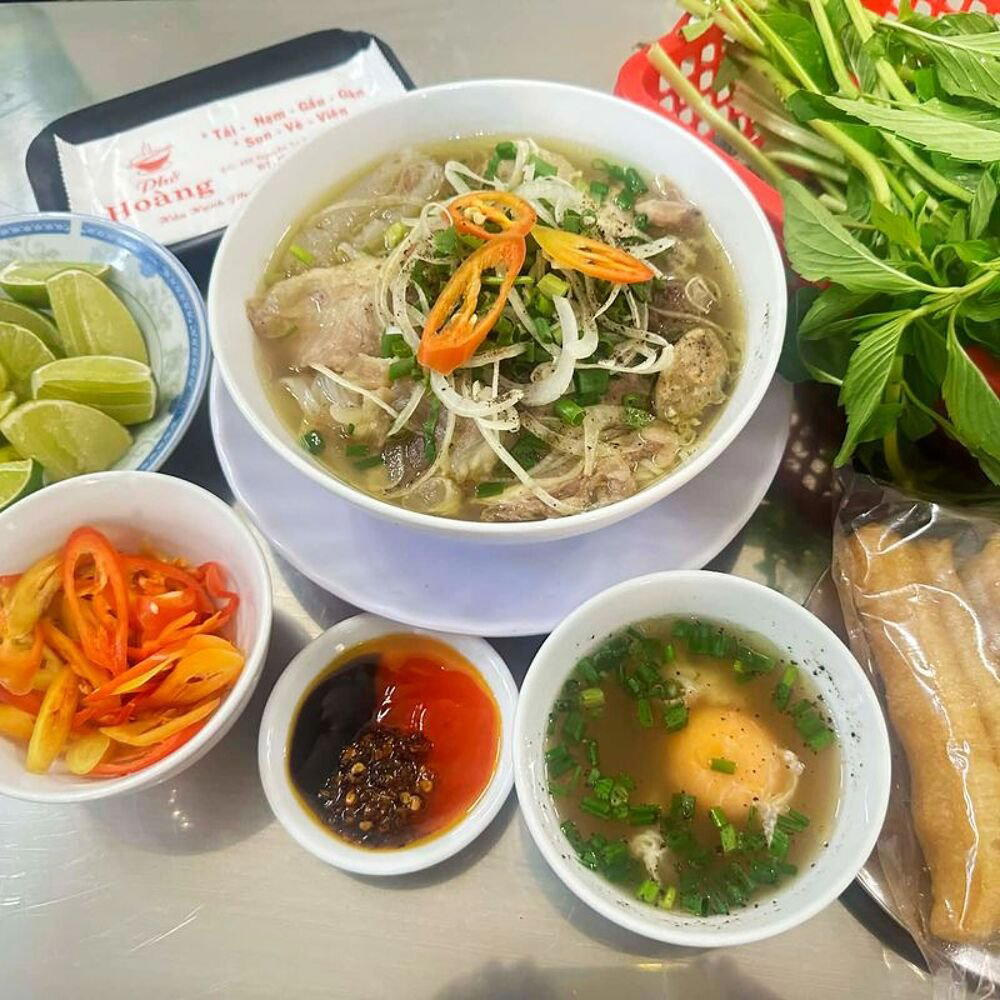
Across Ho Chi Minh City, the geography of pho breaks along clear lines. The tourist-facing shops in Bến Nghé and Bến Thành serve bowls calibrated for photographs. The mid-range spots clustered near Bùi Viện court the after-midnight crowd. And then there are the addresses in Districts 10, 11, and Tân Bình, where pho functions less as a menu item and more as a civic institution: eaten standing or perched on low plastic stools, finished in under fifteen minutes, and repeated six days a week by the same faces at the same hours. Phở Hoàng is a casual Vietnamese pho restaurant at 460 Nguyễn Tri Phương in District 10, Ho Chi Minh City, where the bowl is still understood primarily as a morning meal with a fixed social choreography.
That choreography matters more than any single ingredient. In the pho-as-ritual tradition, the sequence is understood without instruction: broth arrives first and hot, the herbs and bean sprouts come separately on a plate, lime is squeezed in last. The condiments, typically hoisin and chili sauce, sit on the table permanently. No one explains this to you. The assumption is that you already know, which is itself part of what defines the format, it rewards familiarity and punishes hesitation. Tourists who pause to photograph the bowl before eating will find the broth temperature has already dropped by the time they lift the chopsticks.
What Nguyễn Tri Phương Tells You About the Pho Scene
Nguyễn Tri Phương is one of those long arterial streets that passes through multiple district personalities as it runs north to south. By the time it reaches Phường 8 in Quận 10, the street has settled into a neighbourhood rhythm: morning markets, pharmacy clusters, family-run eateries with no signage beyond a handwritten board. This is not the part of Ho Chi Minh City that appears in most international dining coverage, which tends to concentrate on central districts or the street food corridors that have been formatted for tourism. The relative anonymity of this address is not a function of quality, it is a function of audience. The clientele here is almost entirely local and almost entirely repeat.
That local orientation places Phở Hoàng in a different competitive conversation than the venues that draw comparison across the city's more curated dining map. Spots like Anan Saigon operate at the intersection of Vietnamese street food tradition and contemporary kitchen technique, consciously positioning themselves for both local and international audiences. Akuna and CieL sit at the innovative end of the city's fine-dining tier. Coco Dining and Long Trieu draw from different culinary traditions entirely. None of those frames apply here. Phở Hoàng belongs to the category that predates and largely ignores the city's formalized dining culture.
How Pho Is Eaten Here, and Why the Pacing Is the Point
The ritual of eating pho in a neighbourhood shop like this one operates on a different clock than a tasting menu or even a casual sit-down restaurant. The bowl is not a leisurely object. In the Southern Vietnamese tradition that defines Ho Chi Minh City's pho culture, the soup is eaten quickly, while the fat is still dissolved in the broth and the noodles have not yet absorbed so much liquid that they lose their texture. The herbs on the side plate are added progressively, not all at once, because each addition changes the aromatic profile of what remains in the bowl. Bean sprouts go in early for crunch; Thai basil tears in later. The lime comes last, or near last, to cut the richness before the final few spoonfuls.
This pacing is not written down anywhere in these shops. It is transmitted through observation. A first-time visitor who watches the table next to them for sixty seconds will understand the sequence. That transfer of tacit knowledge is, in some respects, what makes this format more demanding than a formal restaurant: there is no menu explanation, no guided tasting, no server to cue the next course. The diner is expected to participate as a practitioner, not as an audience. Vietnam's broader dining culture, from the com tam rice plate shops of Saigon to the bún bò Huế counters of Central Vietnam, operates on a similar assumption of shared knowledge. For those curious about how this tradition translates into more contemporary forms, Gia in Hanoi offers one interpretation of Vietnamese culinary literacy applied to a fine-dining format.
Pho in Context: A City That Eats Soup for Breakfast
Ho Chi Minh City consumes soup at a scale and frequency that many visitors underestimate. The morning hours between 6am and 9am represent peak demand for pho, bún bò, and cháo across the city's neighbourhood shops, with many venues operating a single tight service window and closing once the pot is finished. This is not a model imported from restaurant culture; it is a food system that predates modern restaurant formats in Vietnam. The broth for these soups typically simmers overnight, and the quality of any given morning's service is directly tied to the quality of that broth batch. Across Vietnam, similar traditions shape regional variations: in Hội An, dishes like those at White Rose reflect a different set of culinary conventions rooted in Central Vietnamese cooking, while the seafood-forward traditions of the coast produce the kind of format seen at Bien 14 in Hạ Long.
Planning a Visit: What to Expect on the Ground
The address at 460 Nguyễn Tri Phương in Phường 8, Quận 10 is accessible by motorbike taxi or rideshare from central Ho Chi Minh City. The surrounding block is a working residential and commercial strip with no particular tourist infrastructure, which is accurate to the experience: this is a neighbourhood shop operating inside a neighbourhood rhythm. Walk-ins are the standard format here, as they are at most pho shops of this type in the city. No booking infrastructure of any kind applies to this category of venue. Arriving early in the morning aligns with how the format is designed to work, both in terms of service timing and broth quality. Phở Hoàng serves from 6am to 2pm daily, so arriving early fits the service window.
Price Lens
Comparable venues nearby, for context on price, style, and recognition.
| Venue | Price | Awards | Notes |
|---|---|---|---|
| Phở HoàngThis venue — the venue you are viewing | $ | , | |
| Lunch Lady | $ | , | Quan 1, Vietnamese Street Noodle Soups |
| Ốc Đào | $ | , | Quan 1, Vietnamese Shellfish and Snail Specialist |
| Cơm Niêu Sài Gòn | $$ | , | Quan 3, Traditional Vietnamese Clay Pot Rice |
| SH Garden | $$ | , | Quan 2, Regional Vietnamese Cuisine |
| Be Che Inside Ben Thanh Market | $ | , | District 1, Southern Vietnamese Sweet Soups (Chè) |
Continue exploring
More in Ho Chi Minh City
Restaurants in Ho Chi Minh City
Browse all →
Bars in Ho Chi Minh City
Browse all →
At a Glance
- Classic
- Cozy
- Casual Hangout
- Standalone
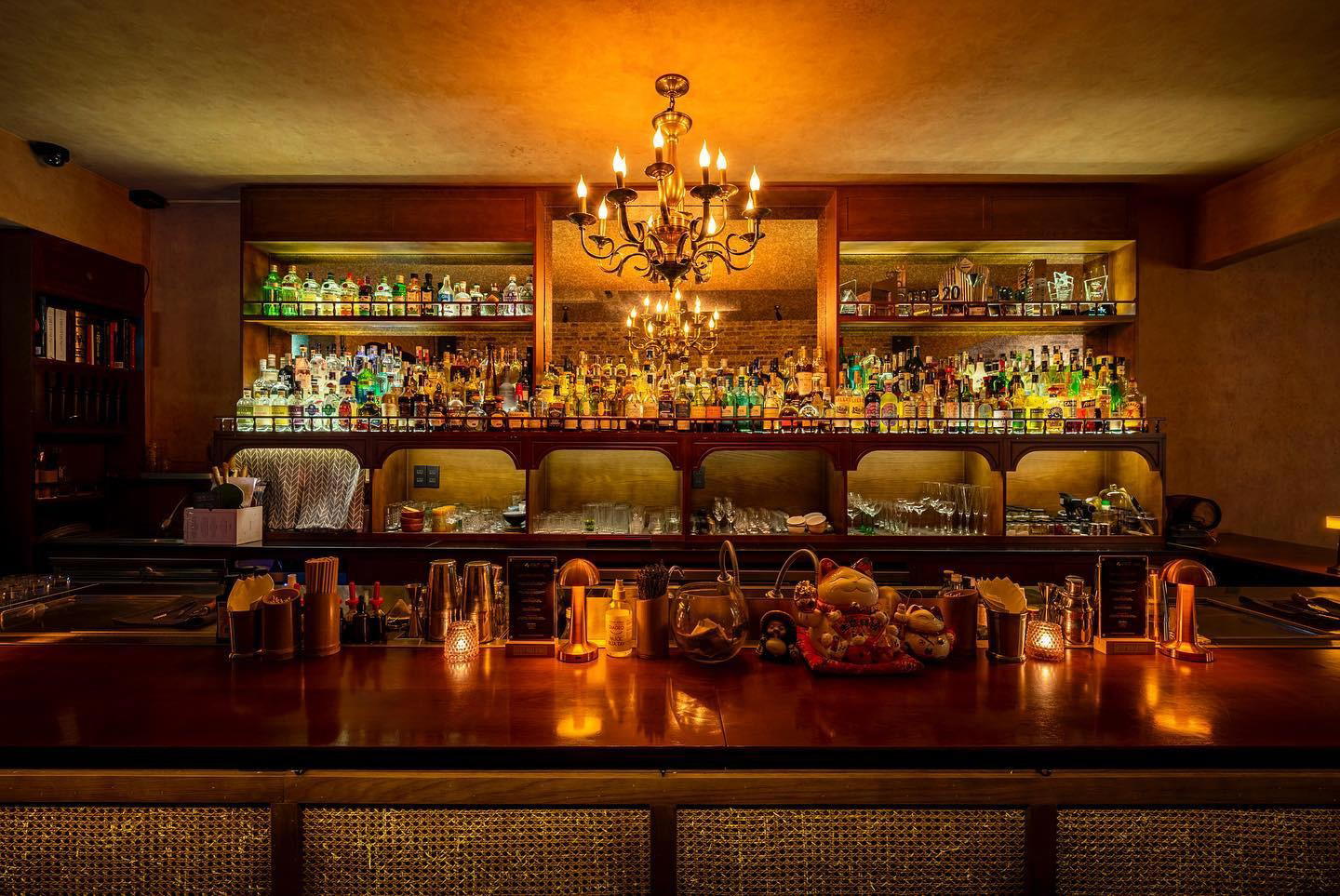
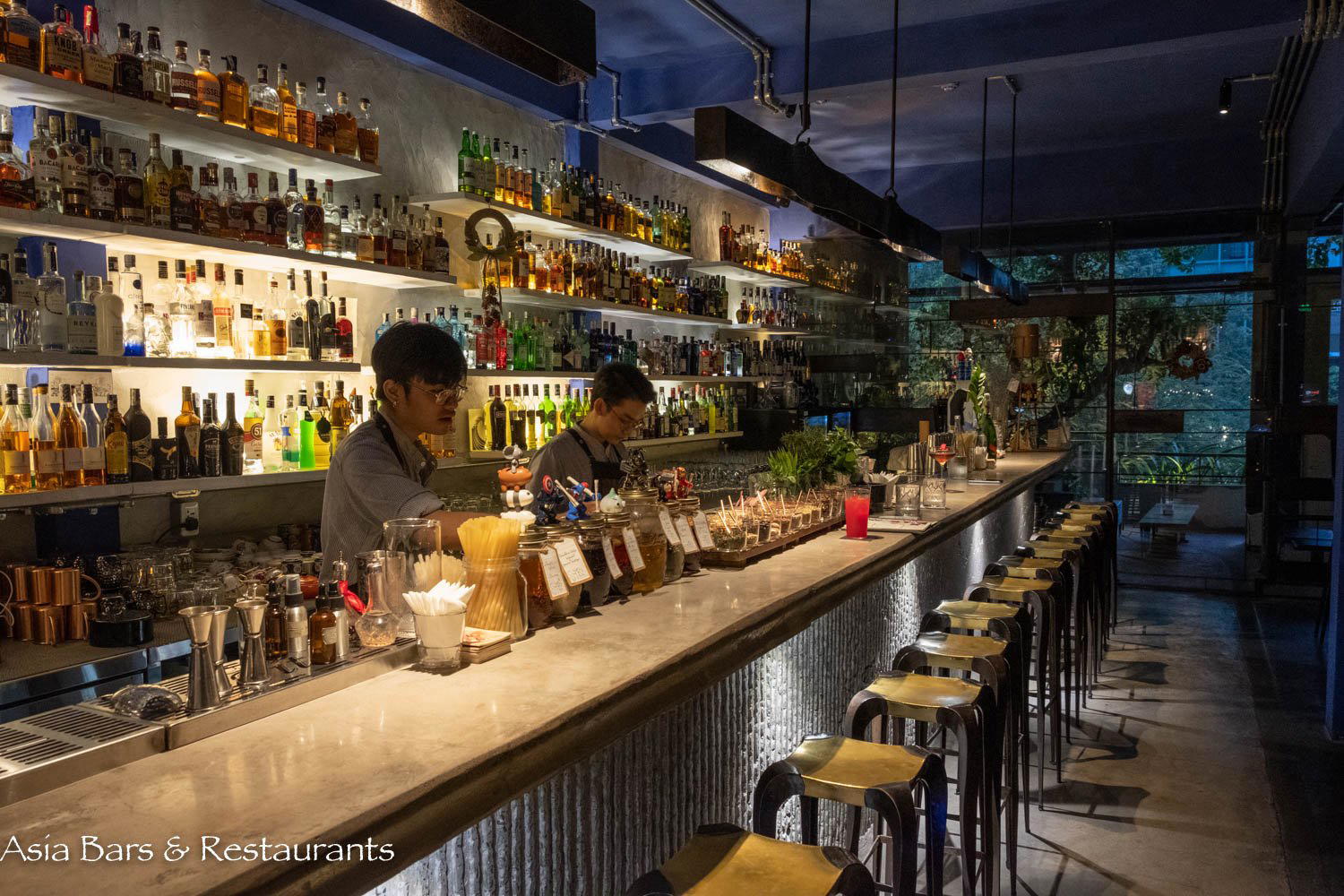
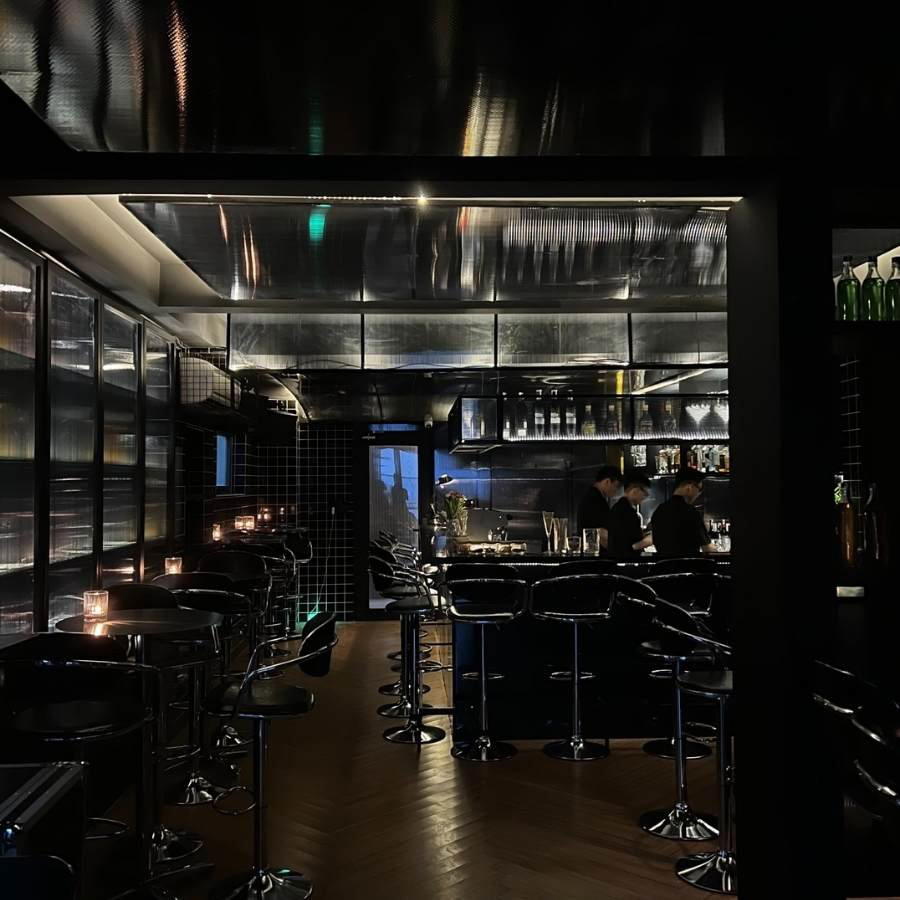
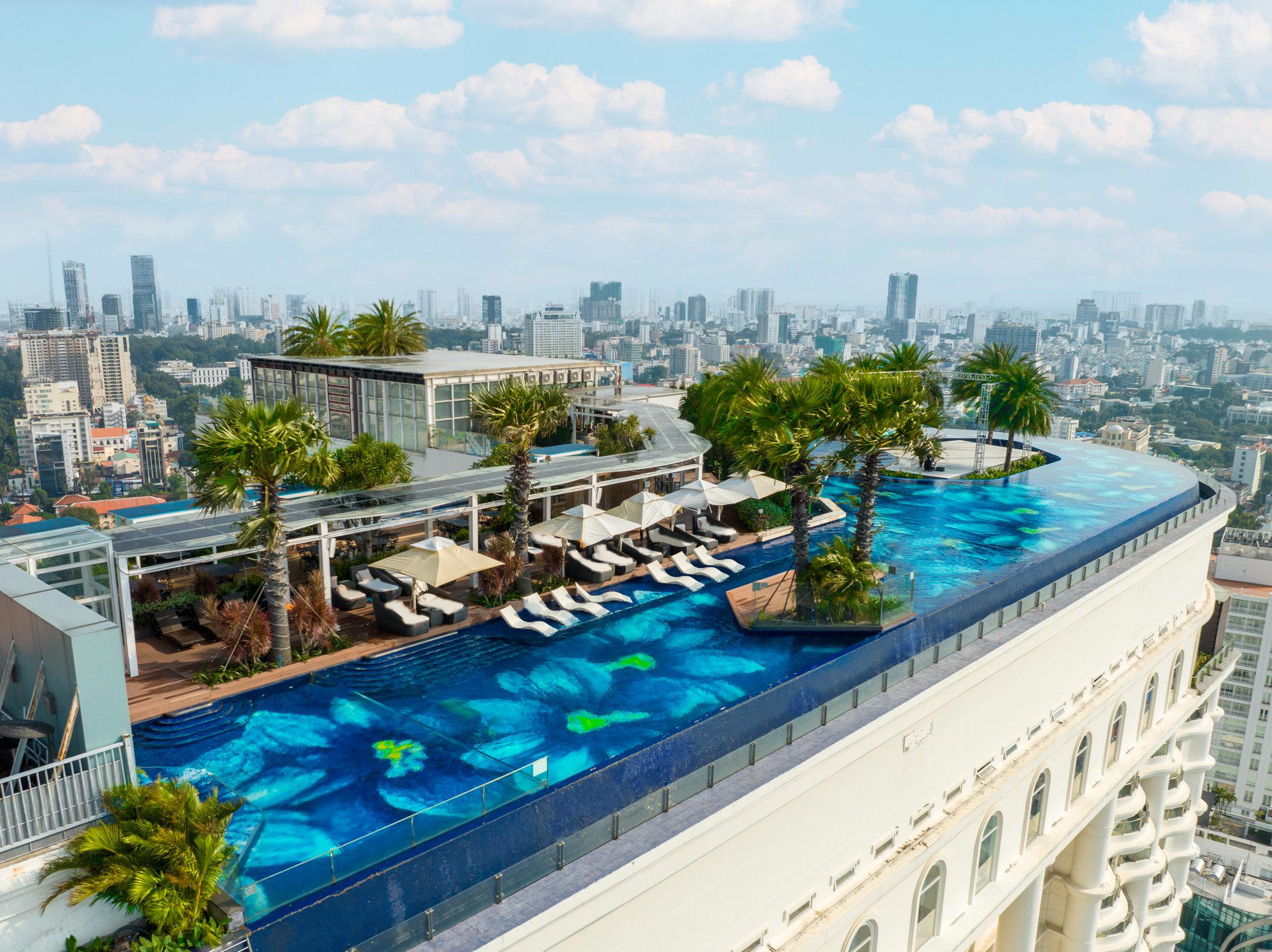
Modest, local eatery atmosphere focused on authentic pho preparation.