Ốc Đào
Ốc Đào sits on Nguyễn Trãi in District 1, one of Ho Chi Minh City's most concentrated strips for seafood and shellfish eating. The restaurant draws a local crowd for the category that defines the street: ốc, Vietnam's tradition of prepared mollusks and shellfish cooked to order at pavement-level tables. It occupies the casual, communal end of the city's seafood spectrum, where the menu does the talking.
Pearl is the En Primeur Club membership app — saves, bookings, and concierge access live there. Same editors, same standards.
- Address
- 212B/D48 Nguyễn Trãi, Phường Nguyễn Cư Trinh, Quận 1, Thành phố Hồ Chí Minh, Vietnam
- Phone
- +84909437033
- Website
- ocdaonguyentrai.com
- Directions
- Get directions
 Saves & bookings on Pearl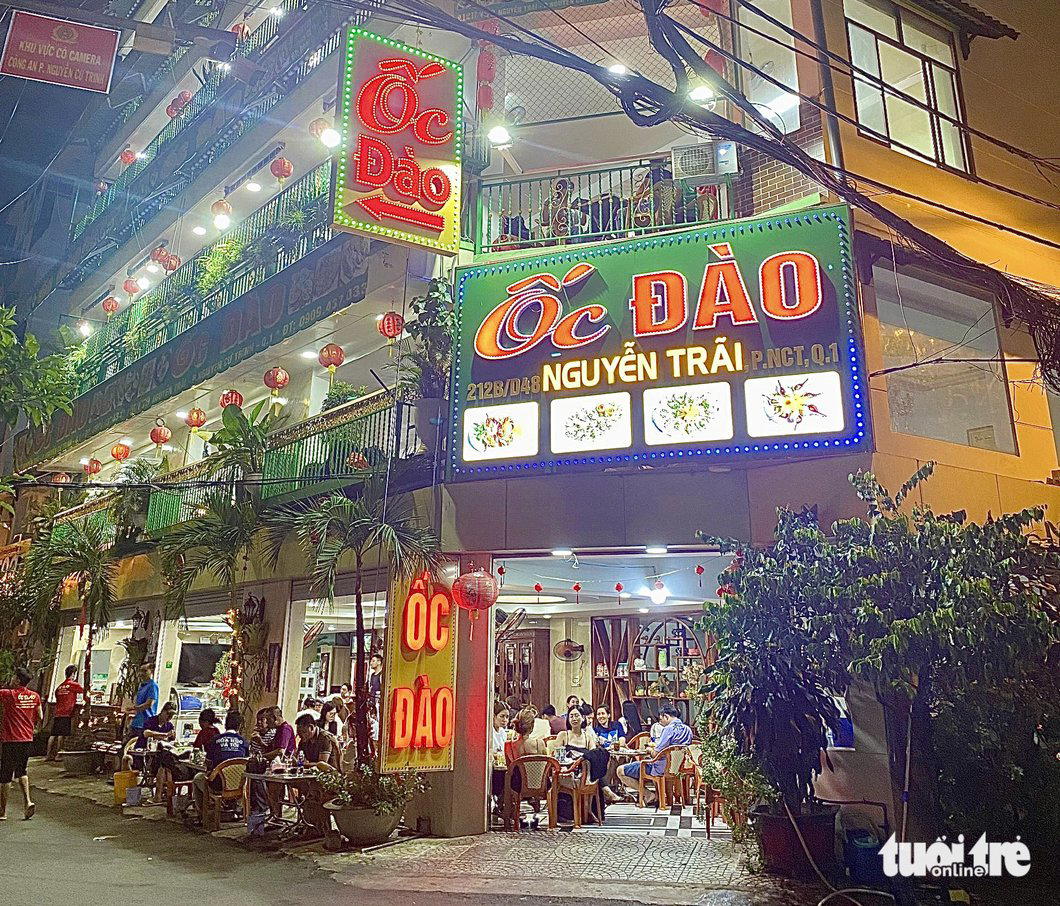
Where Shellfish Culture Meets the Street
Nguyễn Trãi, cutting through District 1 toward the edge of Cholon, is one of the city's most instructive eating corridors. The stretch around Phường Nguyễn Cư Trinh concentrates a particular Vietnamese dining mode: the shellfish house, or quán ốc, where tables spill toward the pavement, plastic stools scrape the tile, and the cooking is built around mollusks prepared in a dozen different ways. Ốc Đào at 212B/D48 Nguyễn Trãi operates inside this tradition, which has deep roots in southern Vietnamese food culture and a logic quite different from what visitors might expect of a seafood restaurant.
In Ho Chi Minh City, the quán ốc format functions as a social institution as much as a dining category. Evenings are the main event, groups gather late, order broadly, and eat across a spread of shellfish preparations that arrive piecemeal rather than in structured courses. The rhythm is the point. This is the format that Ốc Đào works within, and understanding it matters more than reading the menu item by item.
The Architecture of an Ốc Menu
The menu structure at a serious shellfish house in Ho Chi Minh City tells you a great deal about southern Vietnamese cooking priorities. The organizing logic is not protein-first in the Western sense, where a single centrepiece determines the meal. Instead, it is technique-and-seasoning-first: the same clam or snail appears in multiple preparations, steamed with lemongrass, stir-fried with butter and garlic, cooked in tamarind broth, and the table builds a spread from across those columns.
This approach reflects how ốc eating works as a tradition. The variety of mollusks available in the Mekong Delta and along the southern coast has historically given southern Vietnamese cooks a wide palette: blood cockles, periwinkles, razor clams, mantis shrimp, and various freshwater snails each carry different textures and respond differently to heat and seasoning. A well-structured ốc menu maps those distinctions, letting the diner move between types and preparations rather than committing to a single dish. The communal table strategy, ordering more than you need, sharing everything, is built into the format.
Ốc Đào's address places it in the right geography for this tradition. The Nguyễn Trãi corridor has a concentration of shellfish specialists that reflects both the neighbourhood's history and its continued role as a working-class and middle-class eating district. It is not the same tier as the hotel dining rooms on Đồng Khởi or the tasting menu addresses in Bình Thạnh, but it is not trying to be.
Where Ốc Đào Sits in the City's Seafood Hierarchy
Ho Chi Minh City's restaurant scene has stratified considerably over the past decade. At one end, venues like Akuna and CieL operate in the innovative fine-dining tier, with tasting menus and imported technique. Anan Saigon has built a distinct middle position, taking Vietnamese street food references into a more considered restaurant format. Coco Dining occupies the contemporary Vietnamese space at a mid-range price point. Long Trieu anchors the top end of Cantonese seafood eating in the city.
Ốc Đào does not compete in any of those tiers. It belongs to a separate and older category: the neighbourhood shellfish specialist, where price is low, volume is high, and the cooking is judged by freshness and seasoning rather than presentation or concept. This is a meaningful distinction for the traveller choosing between them. Visitors who come to Ho Chi Minh City specifically to understand Vietnamese food need both registers, the refined and the foundational, because the country's cooking tradition runs through places exactly like this one as much as through any tasting menu address.
The comparison extends nationally. The shellfish tradition in the south differs from what you encounter at a restaurant like Gia in Hanoi, which works within a northern Vietnamese register that is generally lighter and less assertively seasoned. In central Vietnam, the approach shifts again; White Rose in Hoi An demonstrates how a single regional speciality can define an entire eating identity. Southern shellfish cooking is its own discipline, and Nguyễn Trãi is one of the more honest places in the city to encounter it.
Planning a Visit
The Nguyễn Trãi address is accessible from central District 1 by a short ride, and the area around Phường Nguyễn Cư Trinh has enough density of eating options that it rewards a longer evening rather than a single-stop visit. Shellfish houses in this part of the city tend to be busiest from early evening onward, when local families and groups claim the tables. Arriving before the peak, closer to opening, typically means faster service and a less crowded room. Ốc Đào is walk-in friendly, and reservations are not part of the usual format here. Dress is informal by necessity, the category demands it. With a price tier of about US$5 per person, it remains an easy place to order broadly without much expense.
The Broader Shellfish Eating Tradition in Vietnam
Quán ốc tradition in southern Vietnam has some parallels with the shellfish-bar culture of coastal Europe or the raw bar model in American cities, but the social logic is different. In Ho Chi Minh City, shellfish eating is an evening street activity rather than a daylight or aperitivo ritual, and the cooking is almost always done to order rather than served raw. The seasoning palette, lemongrass, tamarind, chilli, garlic, fermented shrimp paste, is specifically southern Vietnamese, and the experience of eating across multiple preparations at a single table is closer to dim sum logic than to a Western seafood course. Understanding that architecture is what separates a productive visit from a confusing one.
The distance between that format and a District 1 shellfish house captures something real about how Vietnam's seafood culture varies by region, price point, and setting.
Recognition, Side-by-Side
Comparable venues nearby, for context on price, style, and recognition.
| Venue | Cuisine | Price | Notes |
|---|---|---|---|
| Ốc ĐàoThis venue — the venue you are viewing | Vietnamese Shellfish and Snail Specialist | $ | Not listed |
| Old Sister Broken Rice | Vietnamese Broken Rice (Cơm Tấm) | $ | Phu Nhuan |
| Lunch Lady | Vietnamese Street Noodle Soups | $ | Quan 1 |
| Phở Hoàng | Traditional Vietnamese Pho | $ | Quan 10 |
| SH Garden | Regional Vietnamese Cuisine | $$ | Quan 2 |
| Cơm Niêu Sài Gòn | Traditional Vietnamese Clay Pot Rice | $$ | Quan 3 |
Continue exploring
More in Ho Chi Minh City
Restaurants in Ho Chi Minh City
Browse all →
Bars in Ho Chi Minh City
Browse all →

At a Glance
- Lively
- Energetic
- Casual Hangout
- Group Dining
- Open Kitchen
- Beer Program
- Local Sourcing
Current opening hours
- Monday
- 11 AM–10:15 PM
- Tuesday
- 11 AM–10:15 PM
- Wednesday
- 11 AM–10:15 PM
- Thursday
- 11 AM–10:15 PM
- Friday
- 11 AM–10:15 PM
- Saturday
- 11 AM–10:15 PM
- Sunday
- 11 AM–10:15 PM
Hours can change for holidays and private events. Last verified .