On Nederkouter 42 in Ghent, Greenway occupies a stretch of the city where neighbourhood dining has quietly become one of Belgium's more interesting conversations. With sparse public data and no declared awards trail, it sits in the tier of restaurants that rewards direct investigation over reputation-led booking — the kind of address where the experience tends to outpace the profile.
Pearl is the En Primeur Club membership app — saves, bookings, and concierge access live there. Same editors, same standards.
- Address
- Nederkouter 42, 9000 Gent, Belgium
- Phone
- +3292690769
- Website
- greenway.be
- Directions
- Get directions
 Saves & bookings on Pearl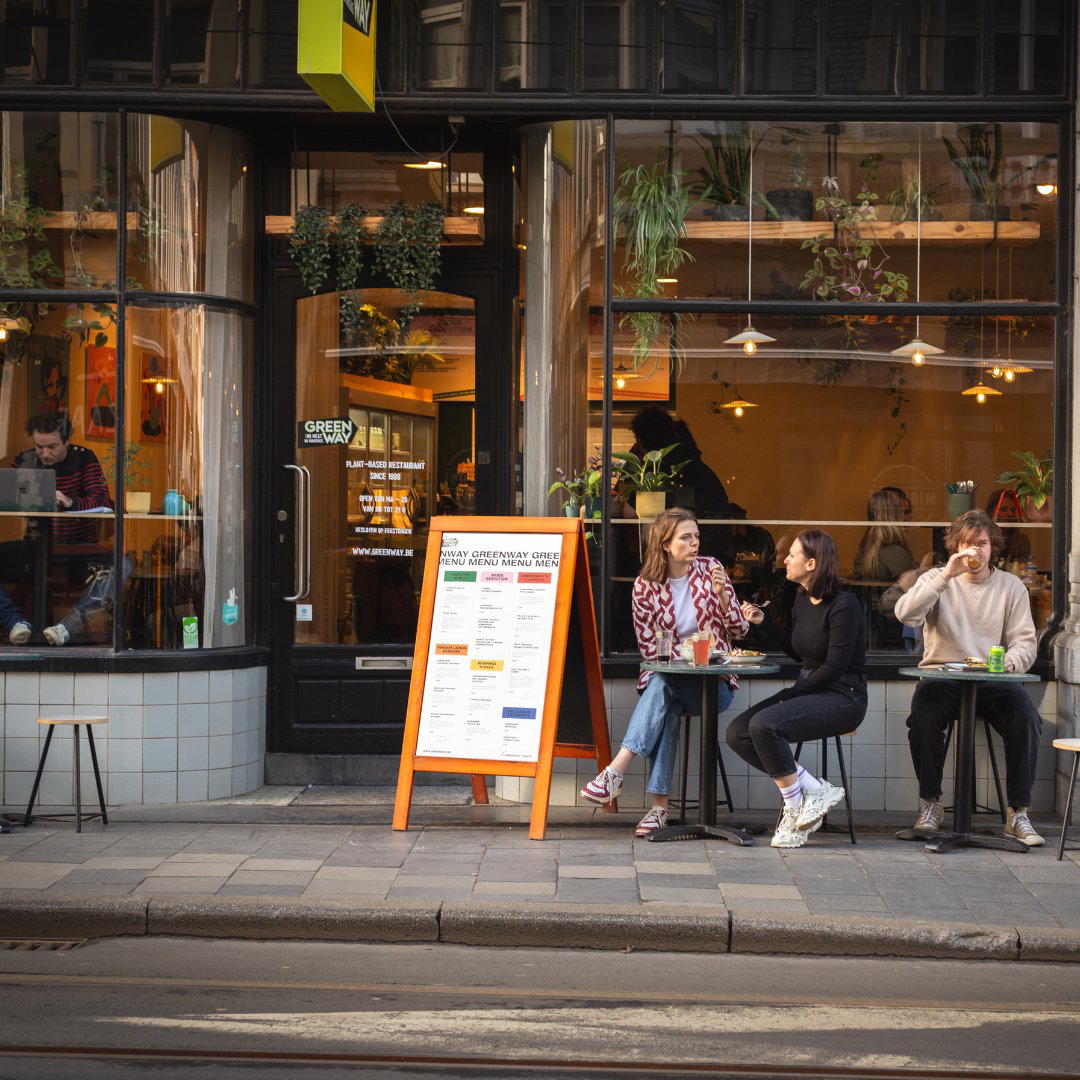
Nederkouter and the Ghent Dining Shift
Ghent has spent the better part of a decade reorganising its restaurant geography. The city's historic centre draws the reliable foot traffic, but the more considered addresses have been migrating toward residential arteries where rents allow ambition room to breathe. Nederkouter is one of those arteries: a street that runs between the older canal quarter and the quieter residential blocks to the south, long enough to hold several distinct dining registers within a few minutes' walk. Greenway, at number 42, sits in that corridor without the benefit of a marquee awards trail or a high-profile media footprint, which in contemporary Ghent is not necessarily a disadvantage. Some of the city's most discussed tables — see Arbane and Astro Boy — built their reputations on the strength of the plate and the room before the press caught up.
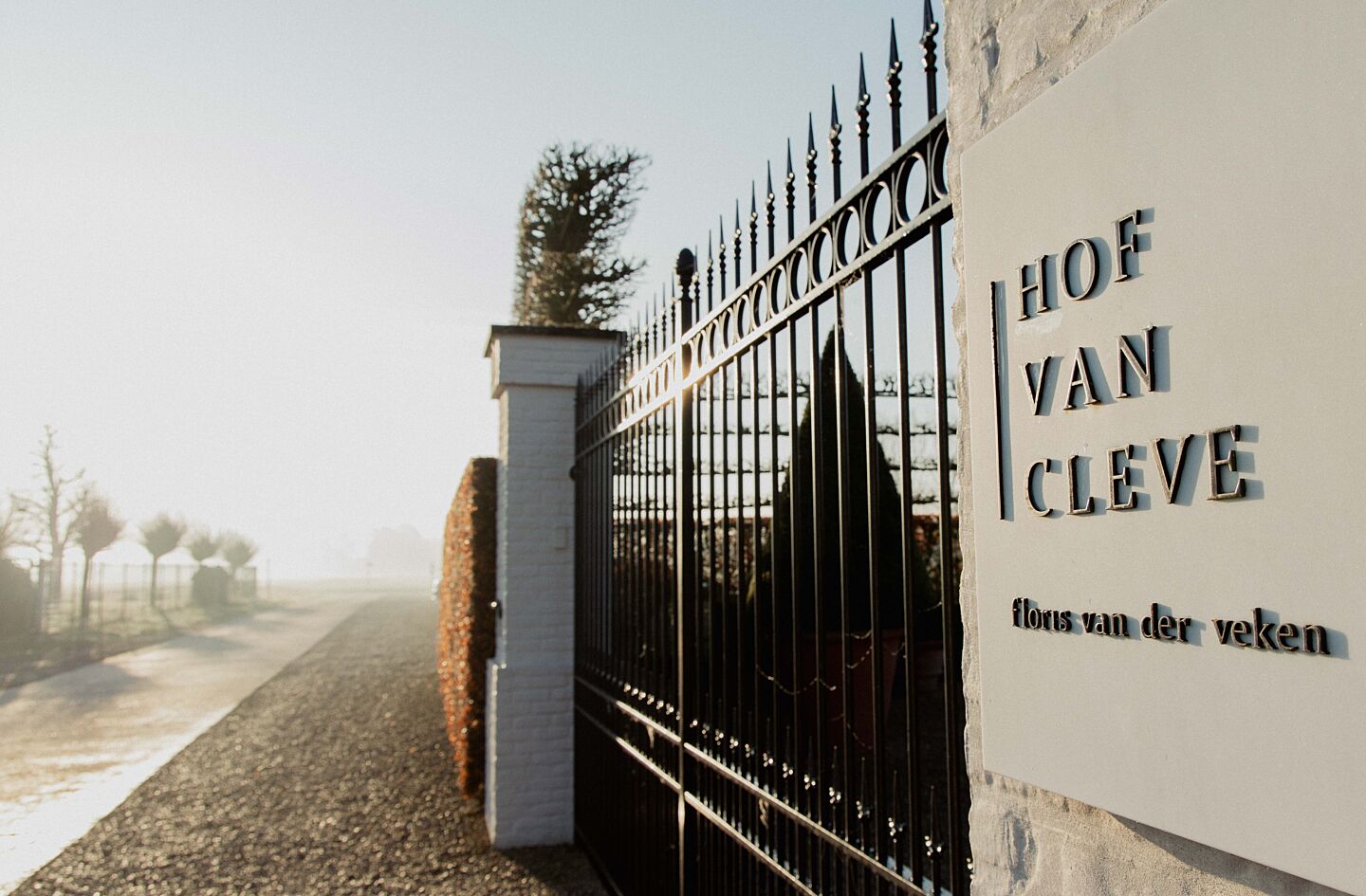
Belgium's broader fine and near-fine dining circuit is a useful frame here. The country fields addresses like Hof van Cleve in Kruishoutem, Boury in Roeselare, and Zilte in Antwerp at its highest tier, while a second layer of serious kitchens operates without the constellation of awards that defines that upper bracket. Ghent sits comfortably in both tiers simultaneously, which is part of what makes it interesting for anyone tracking Belgian dining beyond the headline restaurants.
The Room Before the Menu
Approaching Greenway on Nederkouter, the immediate context is a working residential and commercial street rather than a destination dining strip. That setting tends to filter the crowd: the people who find their way here are, by definition, making a deliberate choice rather than walking past and deciding on impulse. The physical scale of addresses on this stretch rarely runs to grand dining rooms, and the architecture of the block, mid-century and post-war Ghentse construction, practical rather than ornate, places the emphasis squarely on what happens inside.
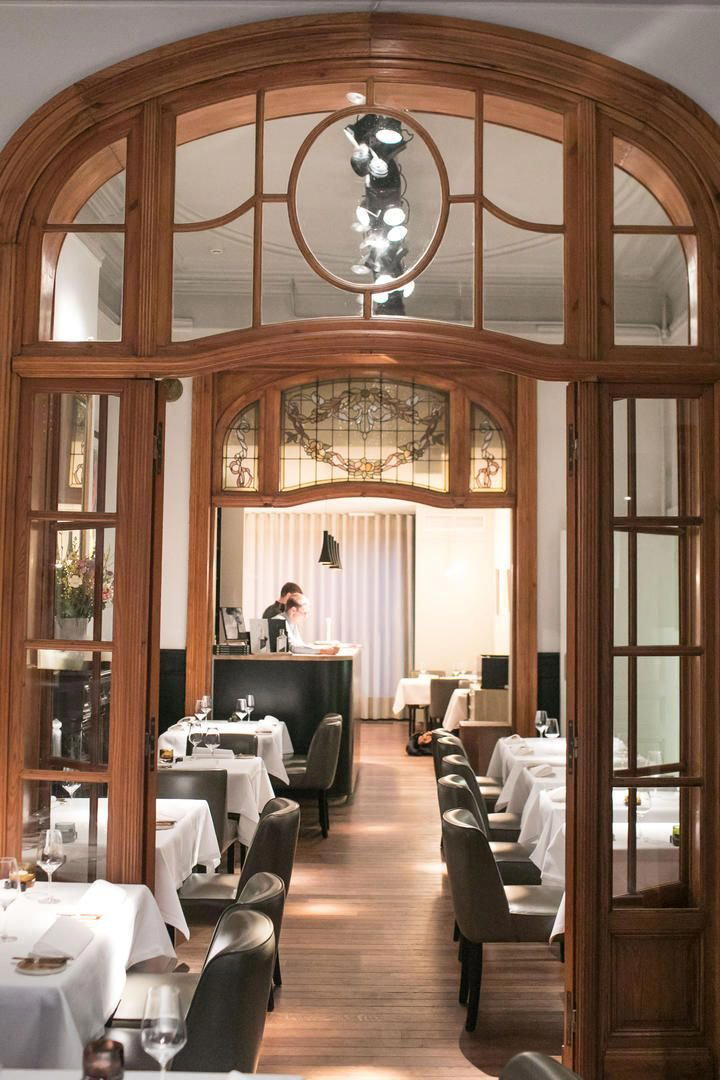
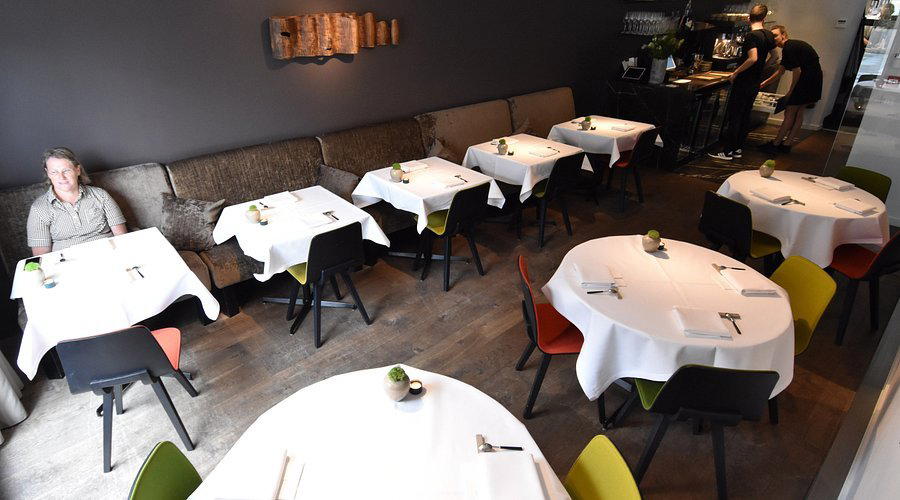
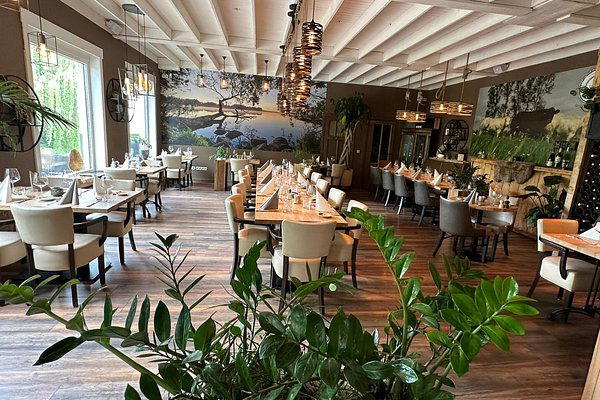
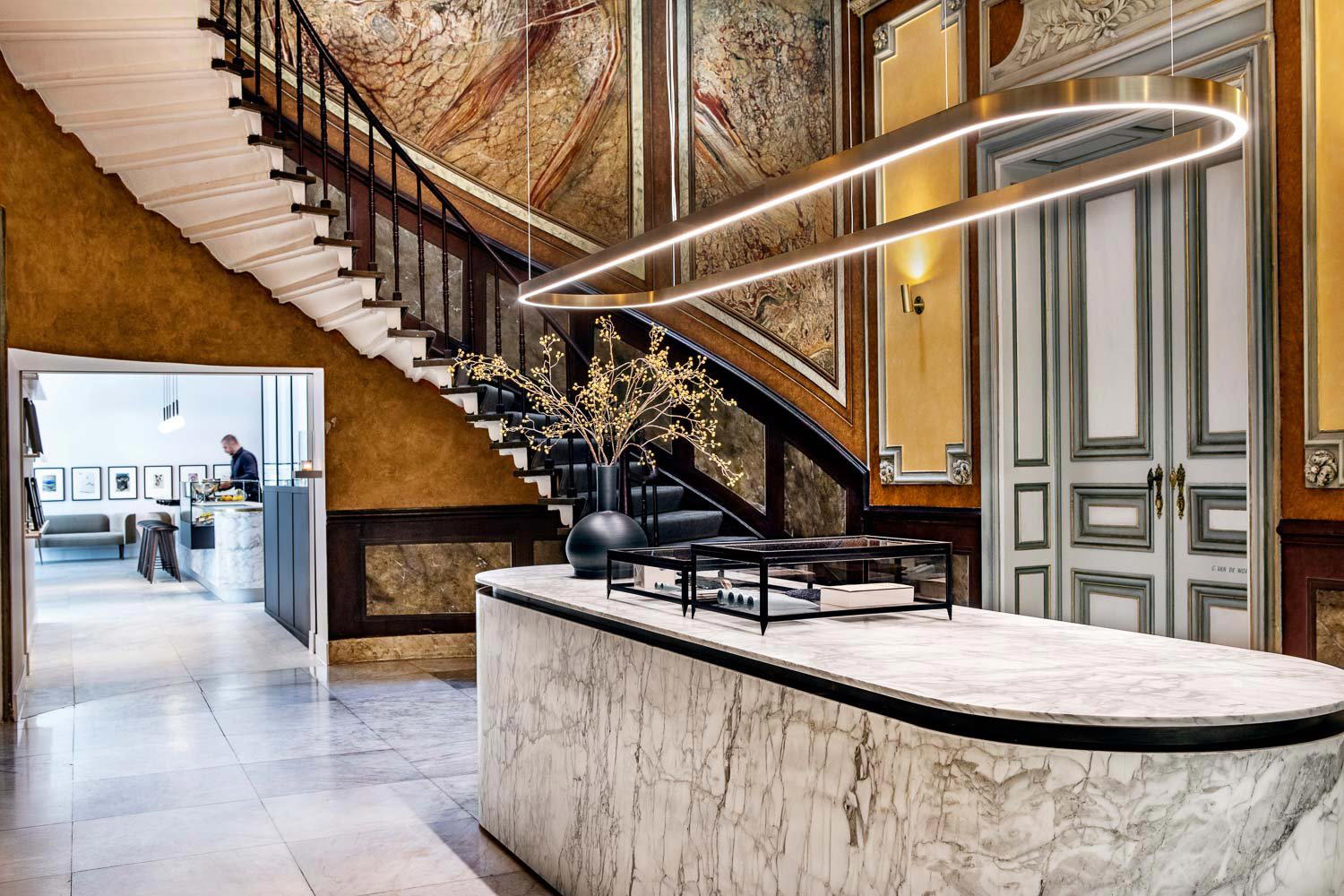
In the current Ghent scene, interiors in this part of the city tend toward the spare and material-led: exposed surfaces, considered lighting, rooms that communicate intent without performing it. Restaurants at this address type succeed when the front-of-house team reads the room as well as the kitchen reads the ingredient, and the relationship between the two functions is where Greenway's character, whatever form it takes on a given evening, will ultimately be legible.
The Collaboration Dynamic in Belgian Mid-Tier Dining
The editorial angle that matters most at an address like this one is team coherence. Belgium's restaurant culture has always been strong on technical kitchen craft, the country punches well above its size in Michelin density relative to population, and the influence of Flemish produce traditions runs through kitchens from Willem Hiele in Oudenburg to Bartholomeus in Heist. But what separates the rooms that become genuinely worth travelling for from those that merely serve competent food is the quality of the relay between kitchen and floor.
At the tier Greenway occupies on Nederkouter, where the venue carries no declared awards and no public price architecture, the service dynamic tends to carry more communicative weight than at credentialled restaurants where the frame is already set before you sit down. Without a Michelin star or a 50 Best placement to contextualise the meal, the front-of-house team is, in effect, the primary narrator of the experience. Whether that narration runs through wine pairings, pacing, or the specific knowledge the floor brings to explaining an unfamiliar dish or producer, it determines whether a guest leaves with a clear sense of what the kitchen is trying to do. In Ghent specifically, where the dining audience skews toward the informed and the locally embedded, that floor intelligence is not a supplementary quality, it is load-bearing.
Comparable questions of team dynamic arise at addresses like Castor in Beveren and De Jonkman in Sint-Kruis, where kitchens operating outside the largest cities depend on room cohesion to make the case for the drive. Greenway's city-centre position removes that particular pressure but replaces it with another: in a city where BABÚ, Beiruti, and Bij Den Wijzen en Den Zot are all competing for the same considered dining pound, a restaurant without a declared awards identity needs the evening to argue the case on its own terms.
Placing Greenway in the Wider Belgian Frame
Belgium's dining geography rewards understanding by tier and by region rather than by city alone. The Flemish kitchen tradition, rooted in seasonal produce, coastal and inland fish, and a classical technique base that has absorbed significant French influence without simply replicating it, runs through addresses from d'Eugénie à Emilie in Baudour to L'air du Temps in Liernu on the Walloon side. Ghent sits at the productive centre of that tradition, with market access, proximity to the coast, and a local dining culture that has historically been willing to support ambitious kitchens below the awards threshold.
Internationally, the conversation about what a serious urban restaurant needs to be has shifted. Addresses like Le Bernardin in New York or Atomix operate with full public profiles, verified tasting menus, and extensive critical records. Greenway's position is structurally different: it operates with minimal public data, which places the interpretive work firmly on the guest. That is not a criticism, some of the most consistent rooms in European city dining maintain exactly that kind of low public profile by design, preferring to let the regulars and the word-of-mouth circuit do the work that a press pack would otherwise perform.
Planning a Visit
Greenway is at Nederkouter 42, 9000 Gent. Because no booking platform, phone number, or hours information appears in the public record at time of writing, the most reliable approach is to walk the address directly or contact the venue through whatever channel is current at the time of your visit. For anyone building a Ghent itinerary around serious dining, the EP Club Ghent restaurants guide maps the full range of the city's dining circuit, from the established addresses to the less-documented rooms that reward the kind of investigative approach Greenway currently requires. Those planning a broader Belgian itinerary might also consider Bozar Restaurant in Brussels for a contrasting register in the capital.
Ghent is well-served by train from Brussels (around 30 minutes on the intercity service) and from Bruges (approximately 25 minutes), making it a practical base for a multi-day dining itinerary that reaches into both cities without requiring overnight changes. Nederkouter itself is walkable from Gent-Sint-Pieters station in under 15 minutes, or a short tram ride on the city's central network.

At a Glance
- Cozy
- Trendy
- Casual Hangout
Current opening hours
- Monday
- 11 AM–9 PM
- Tuesday
- 11 AM–9 PM
- Wednesday
- 11 AM–9 PM
- Thursday
- 11 AM–9 PM
- Friday
- 11 AM–9 PM
- Saturday
- 11 AM–9 PM
- Sunday
- 11 AM–9 PM
Hours can change for holidays and private events. Last verified .
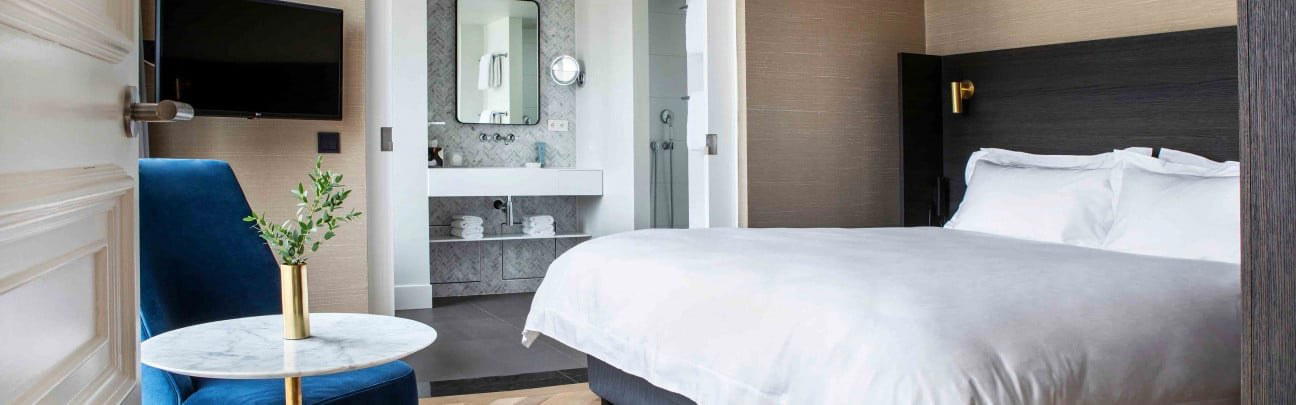
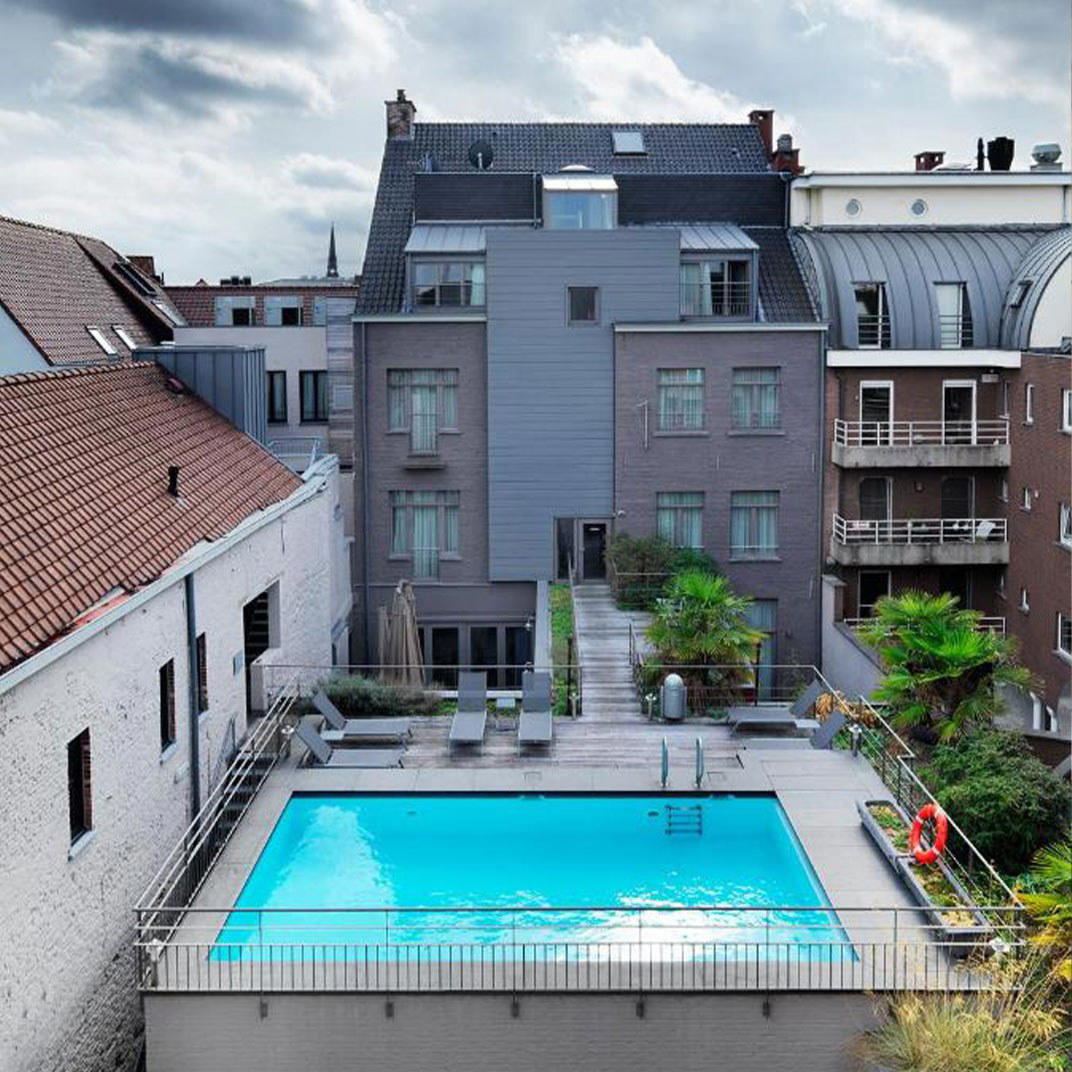
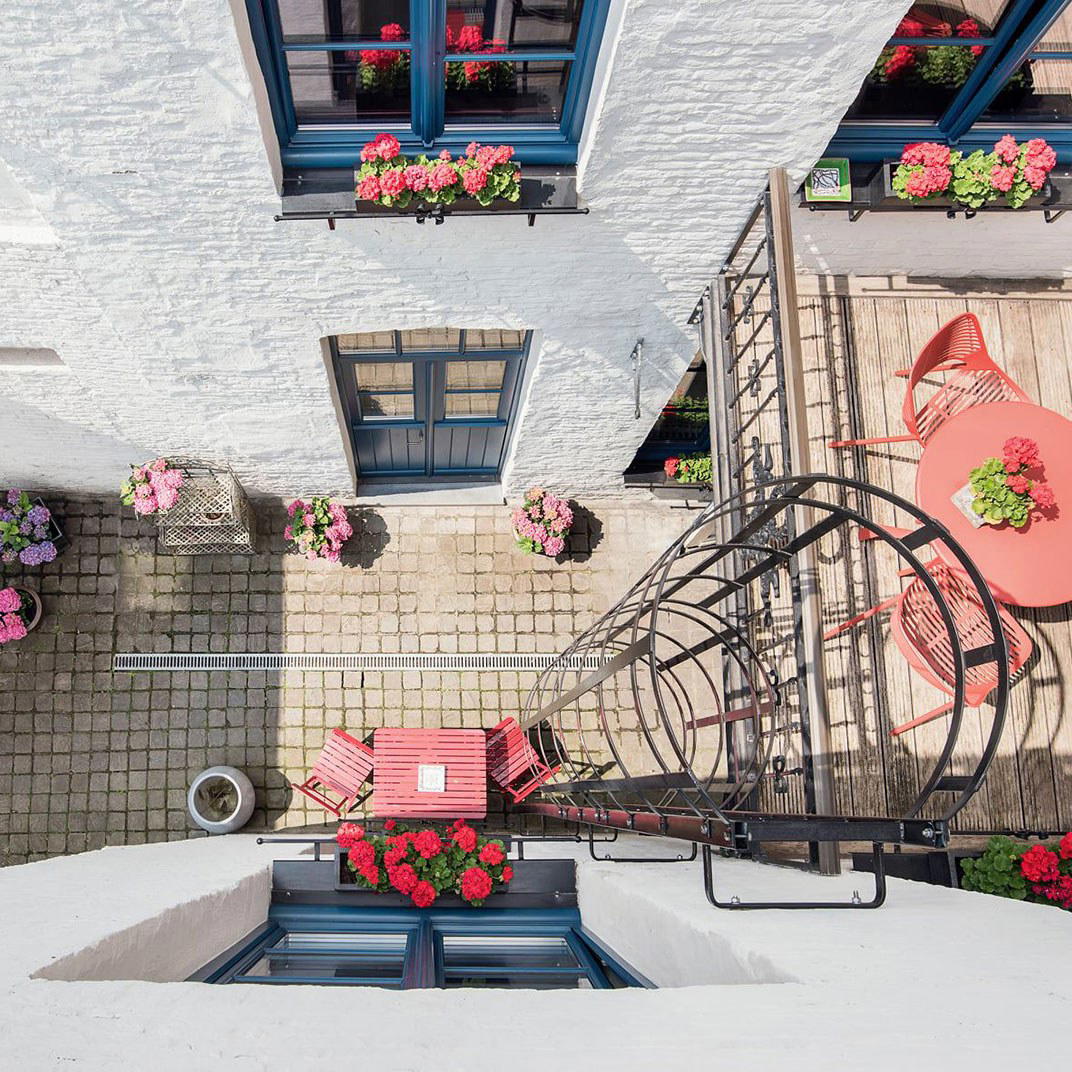
Cozy and sustainable setting with a friendly, casual atmosphere.
Know Before You Go
- Getting there
- Nederkouter 42, 9000 Gent, Belgium