Pescheria Nautilus occupies a spot on Via Papa Giovanni XXIII in Ostuni's lower town, where the Adriatic's proximity shapes the cooking more than any menu descriptor could. In a city where seafood restaurants range from tourist-facing trattorias to ingredient-driven specialists, it sits within the Italian seafood tradition that prizes sourcing over spectacle. For visitors working through Ostuni's dining scene, it represents a pragmatic, sea-focused option in a region where the catch and the kitchen are rarely far apart.
 Discover on Pearl
Pearl is the En Primeur Club membership app — saves, bookings, and concierge access live there. Same editors, same standards.
- Address
- Via Papa Giovanni XXIII, 57, 72017 Ostuni BR, Italy
- Phone
- +393456052412
Where the Sea Shapes the Plate: Ostuni's Seafood Tradition
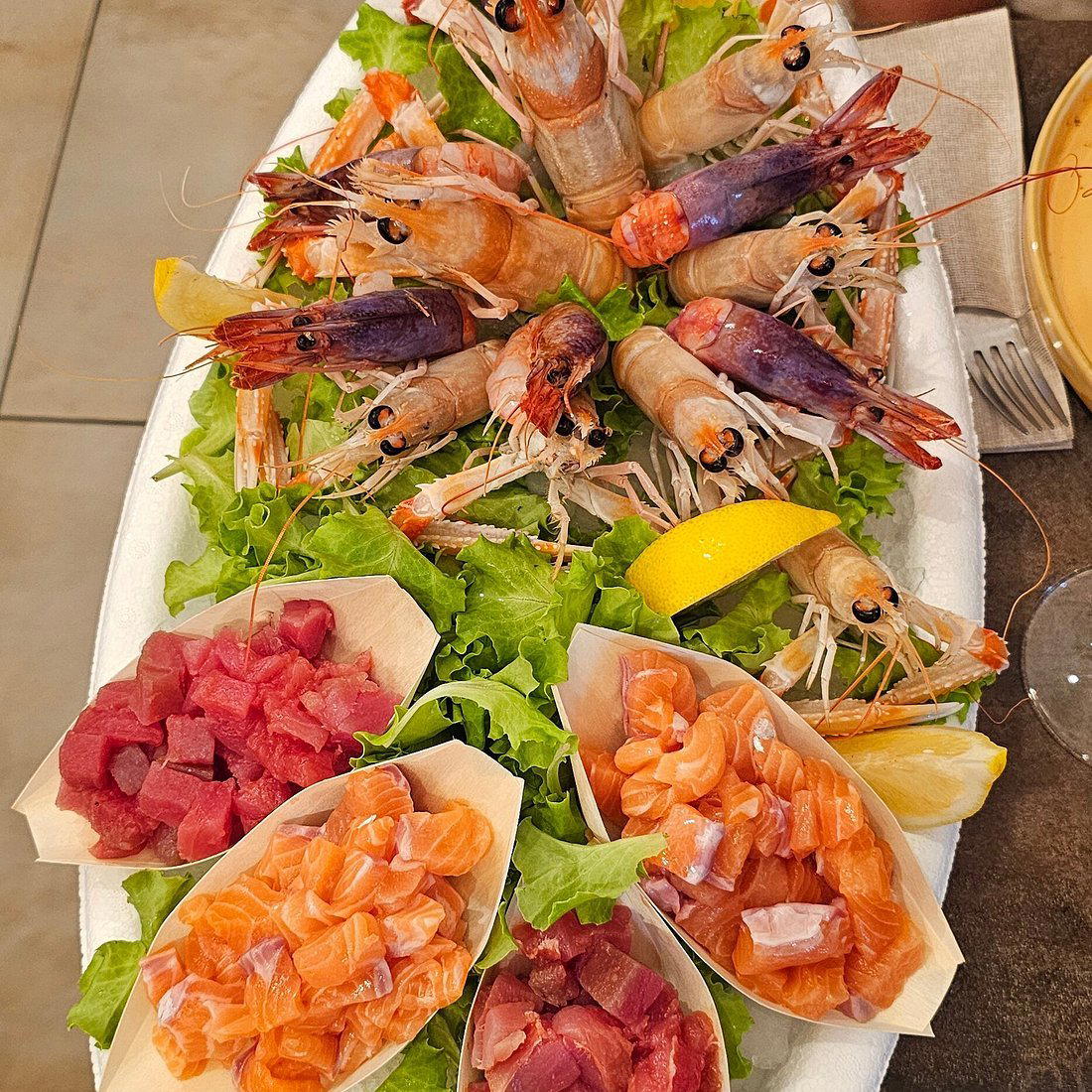
Ostuni sits roughly twelve kilometres inland from the Adriatic coast, but its cooking has never pretended otherwise. The white city draws from a coastline that runs from Villanova to Torre Canne, and the restaurants that take this geography seriously tend to organise their menus around what the morning's catch permits rather than what a fixed format demands. Pescheria Nautilus, on Via Papa Giovanni XXIII in the lower town, is a restaurant in Ostuni serving fresh Italian seafood bistro cooking.
The street itself sits below Ostuni's hilltop centro storico, in the part of the city where the architecture becomes more functional and the clientele more local. It is a different register from the cathedral-adjacent dining of Osteria Piazzetta Cattedrale, which occupies one of the old town's more theatrical settings, or the rural remove of Masseria Moroseta, where the Mediterranean framework extends to the olive groves surrounding the property. Pescheria Nautilus operates in a more grounded register, the kind of place where the conversation between kitchen and coast is assumed rather than announced.
What Apulia's Coastline Actually Puts on the Table
Apulian seafood cooking rests on a logic of proximity. The region's fishing tradition has historically centred on oily fish, shellfish, and crustaceans from the Adriatic and Ionian seas, ricci di mare (sea urchin), cozze (mussels), and polpo (octopus) appear across menus from Bari to Brindisi, prepared with varying degrees of intervention. The better kitchens in this zone treat those ingredients as a given and focus their energy on sourcing consistency and restraint in preparation: raw presentations, short cooking times, and an avoidance of the cream-heavy finish that characterises seafood cooking further north.
This places Apulia's coastline in a different conversation from the composed, technique-forward seafood of Italy's north-western addresses. Uliassi in Senigallia and Quattro Passi in Marina del Cantone operate within a more structured fine-dining framework, where the sea is a reference point for a highly evolved technical program. Apulian seafood cooking, at its most grounded, operates differently, the ingredient is the argument, and the preparation exists to confirm rather than transform it. Venues in Ostuni that hold to this principle tend to earn their following through consistency and sourcing reliability.
The Sourcing Question in a Tourist-Heavy Town
Ostuni receives significant visitor traffic through the summer months, and that pressure creates a bifurcation in its restaurant market. On one side, venues calibrate to tourist expectations: recognisable dishes, generous portions, and a price point that feels fair against the backdrop of a UNESCO-adjacent hilltop setting. On the other, a smaller group of addresses maintain supply relationships with local producers and fishermen, adjusting what they offer based on what the season and the sea allow.
This sourcing distinction matters more in Ostuni than in cities with larger, more established restaurant ecosystems. In a town this size, the gap between a kitchen buying from the same wholesale channel as every other restaurant and one with a direct line to the coast is audible on the plate. Addresses like Cielo, operating at the €€€€ tier with a modern cuisine framework, and Osteria Ricanatti at €€€, have positioned themselves in the upper bracket of the local market partly on the basis of sourcing credibility. Pescheria Nautilus occupies a position in this same terrain, where the Italian seafood label is substantiated by the specificity of what reaches the kitchen.
Further afield, the sourcing-forward argument reaches its most rigorous expression at addresses like Atelier Moessmer Norbert Niederkofler in Brunico, where alpine-region provenance is the organising principle of the entire menu, or at Reale in Castel di Sangro, which frames southern Italian ingredients through a demanding fine-dining lens. These are different ambitions at a different scale, but the underlying logic, that proximity to source changes what the kitchen can credibly offer, runs through Italian coastal cooking at every level.
How Pescheria Nautilus Fits Into the Ostuni Order
Within Ostuni's current dining market, Pescheria Nautilus reads as a seafood-specific option in a town that otherwise leans toward broader Apulian and modern Italian formats. The address on Via Papa Giovanni XXIII places it at some distance from the more curated restaurant clusters around the old town's upper reaches, which affects both the clientele and the atmosphere. Visitors arriving from Berton al Vista or the setting around the cathedral piazza will find a more functional environment and a less theatrically staged experience.
That is not a deficiency in context, it is a different pitch. Italian seafood restaurants at this level of the market compete on freshness, portion logic, and the kitchen's relationship with its suppliers, not on room design or service choreography. The comparison set is not Osteria Francescana in Modena or Le Calandre in Rubano, it is the tier of serious regional seafood addresses that prioritise ingredient integrity over formal ambition. At that level, the relevant questions are about sourcing, consistency, and whether the cooking gets out of the way of what the Adriatic has sent to the kitchen that morning.
For those mapping Italy's broader seafood dining tier, from the composed technical programs at Le Bernardin in New York City or the rigorous produce focus at Piazza Duomo in Alba down to the region-specific honesty of Apulian coastal cooking, Pescheria Nautilus represents the latter end of that spectrum, where the sea does most of the work.
Planning Your Visit
Ostuni's restaurant scene compresses during peak summer, particularly July and August, when visitor numbers push reservation windows outward across the city. Arriving without a booking at a seafood specialist during this period is a manageable risk early in the week, but less so on weekends. The address on Via Papa Giovanni XXIII is accessible by foot from the lower town, though drivers will find parking more tractable here than in the centro storico above. Ostuni is served by the Brindisi–Taranto rail line, with the Ostuni station sitting approximately five kilometres from the old town, making a taxi or local transfer the practical approach from the station.
A Quick Peer Check
Comparable venues nearby, for context on price, style, and recognition.
| Venue | Cuisine | Price | Awards | Notes |
|---|---|---|---|---|
| Pescheria NautilusThis venue — the venue you are viewing | Fresh Italian Seafood Bistro | $$$ | , | |
| Osteria Piazzetta Cattedrale | Puglian Osteria | $$$ | Bib Gourmand | Historic Center |
| Pescheria Nautilas Ostuni | Fresh Seafood Pescheria Bistrot | $$$ | Ostuni | |
| Berton al Vista | Modern Italian Fine Dining | $$$$ | Michelin Plate | at the foot of Ostuni |
| Cielo | Modern Puglian Fine Dining | $$$$ | Michelin Plate | Ostuni historic center |
| Restaurant 700 | Contemporary Puglian Fine Dining | $$$$ | Michelin Plate | historic centre |
Continue exploring
More in Ostuni
Restaurants in Ostuni
Browse all →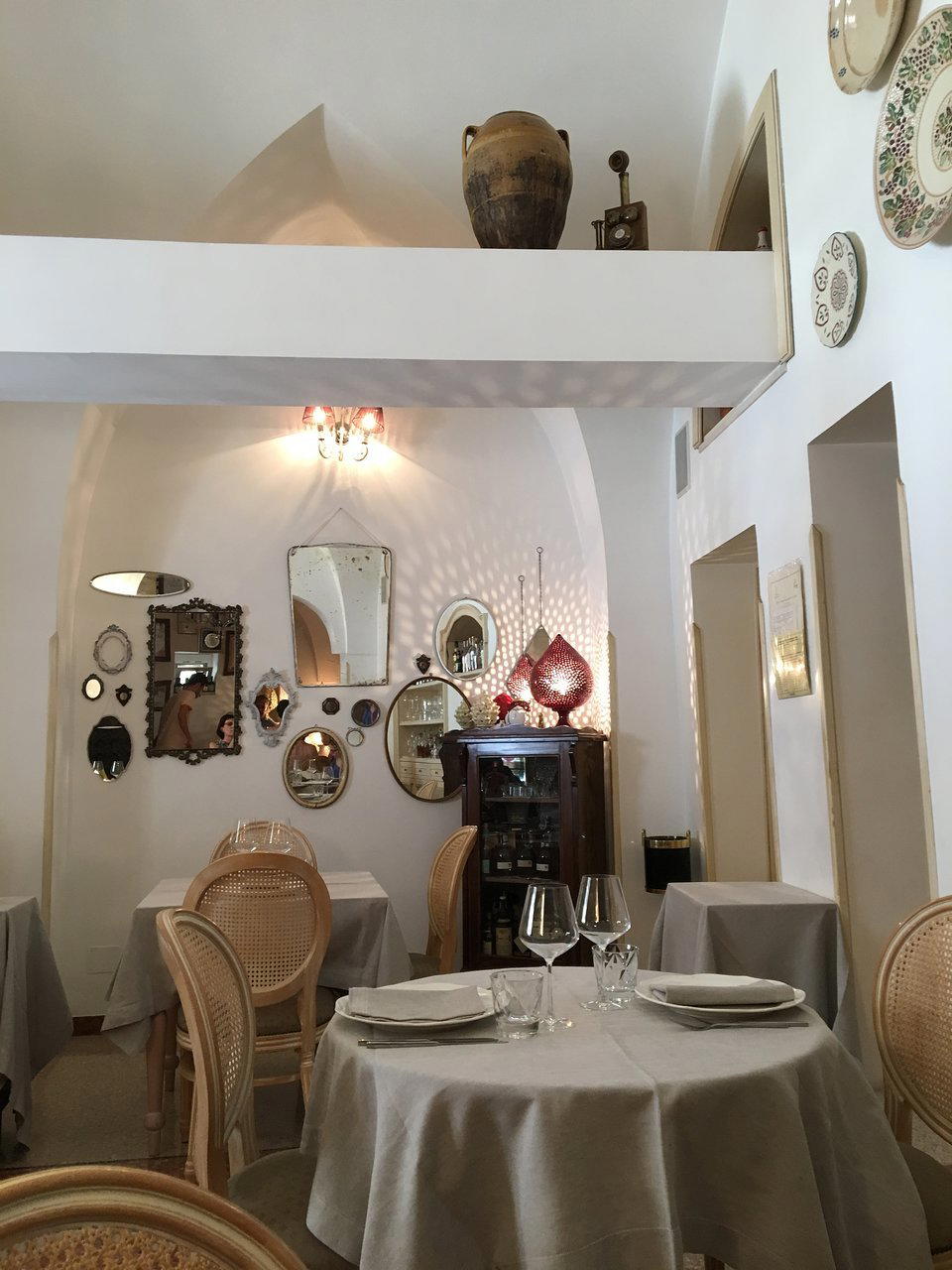




At a Glance
- Elegant
- Rustic
- Special Occasion
- Open Kitchen
- Local Sourcing
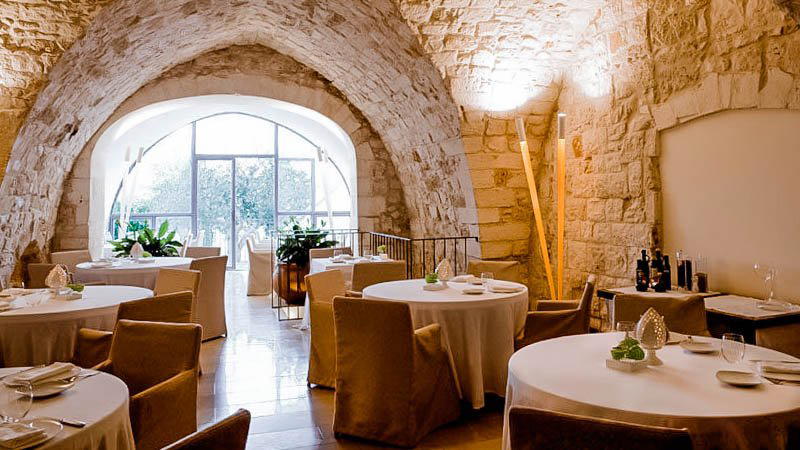
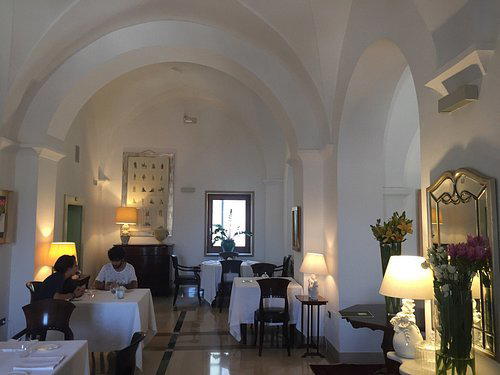
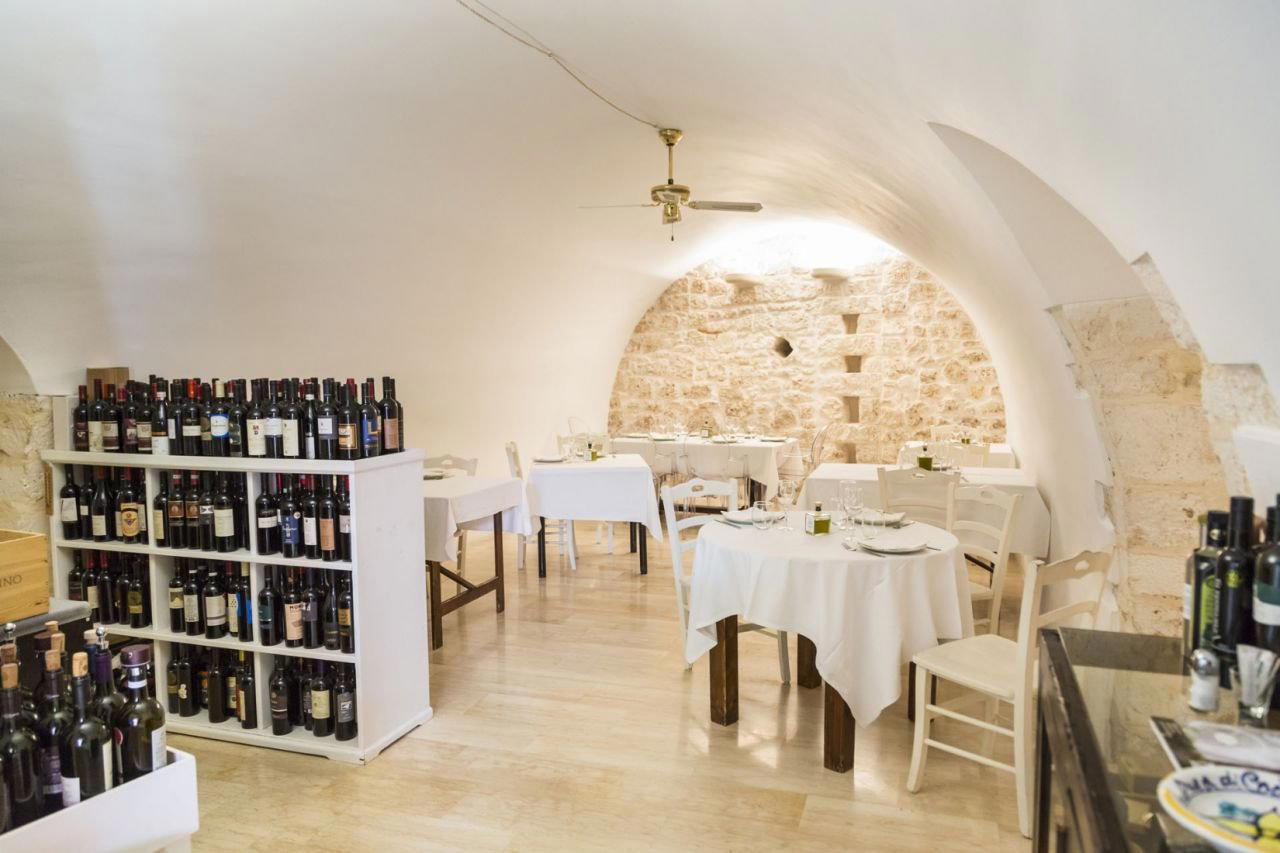
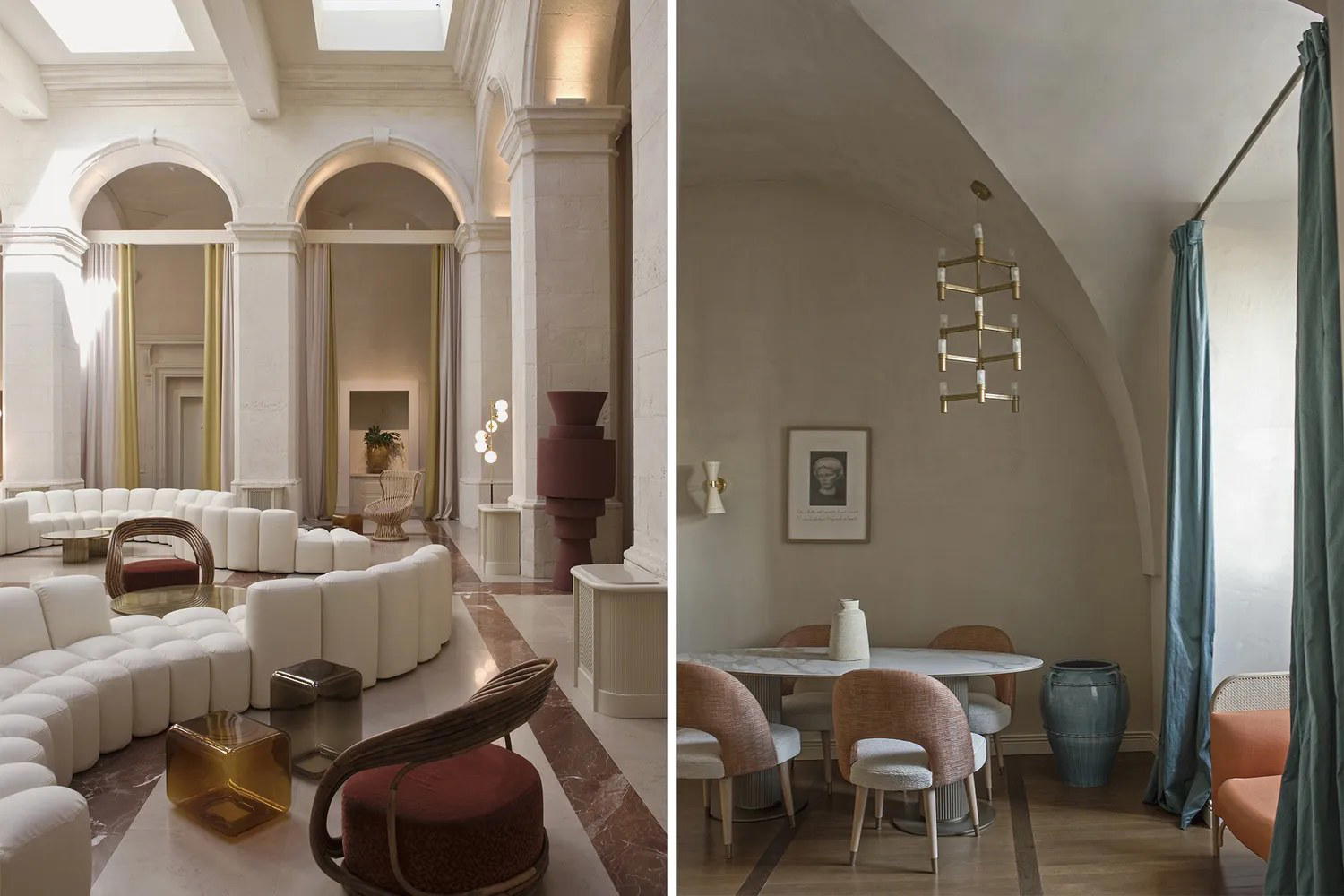
Welcoming and elegant atmosphere with a charming bistro feel.