
Michelin Plate
Our verdict
On Ostuni's main corso, Osteria Ricanatti earns consecutive Michelin Plates (2024 and 2025) with updated regional cooking built around a kitchen garden a few kilometres from the white city. The €€€ price range sits between Ostuni's casual trattorias and its top-end €€€€ properties, making it a considered entry point into modern Apulian cuisine without the premium outlay of the town's highest-tier tables.

Pearl is the En Primeur Club membership app — saves, bookings, and concierge access live there. Same editors, same standards.
- Address
- Corso Camillo Benso Cavour, 37, 72017 Ostuni BR, Italy
- Phone
- +39 0831 156 1831
- Hours
- Mon–Sat 12–2 PM, 7–10 PMSun Closed
- Website
- osteriaricanatti.it
- Directions
- Get directions
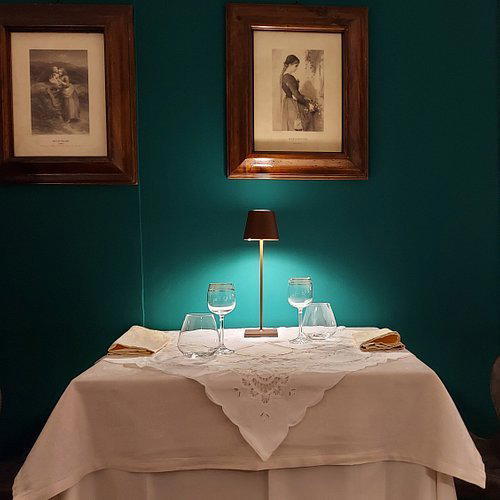
Where Corso Cavour Meets the Kitchen Garden
Corso Camillo Benso Cavour is Ostuni's civic spine, the long straight artery that connects the modern town below to the old white city climbing above. Restaurants on this stretch operate in full view of daily life rather than tucked into the honeycomb of the historic centre, and that visibility creates a different kind of pressure: the clientele is mixed, local opinion counts, and there is no tourist-captive guarantee. Osteria Ricanatti at number 37 has answered that pressure with two consecutive Michelin Plate recognitions, in 2024 and 2025, a signal that the kitchen is working at a consistent standard rather than coasting on location.
Regional Cooking Grounded in a Working Kitchen Garden
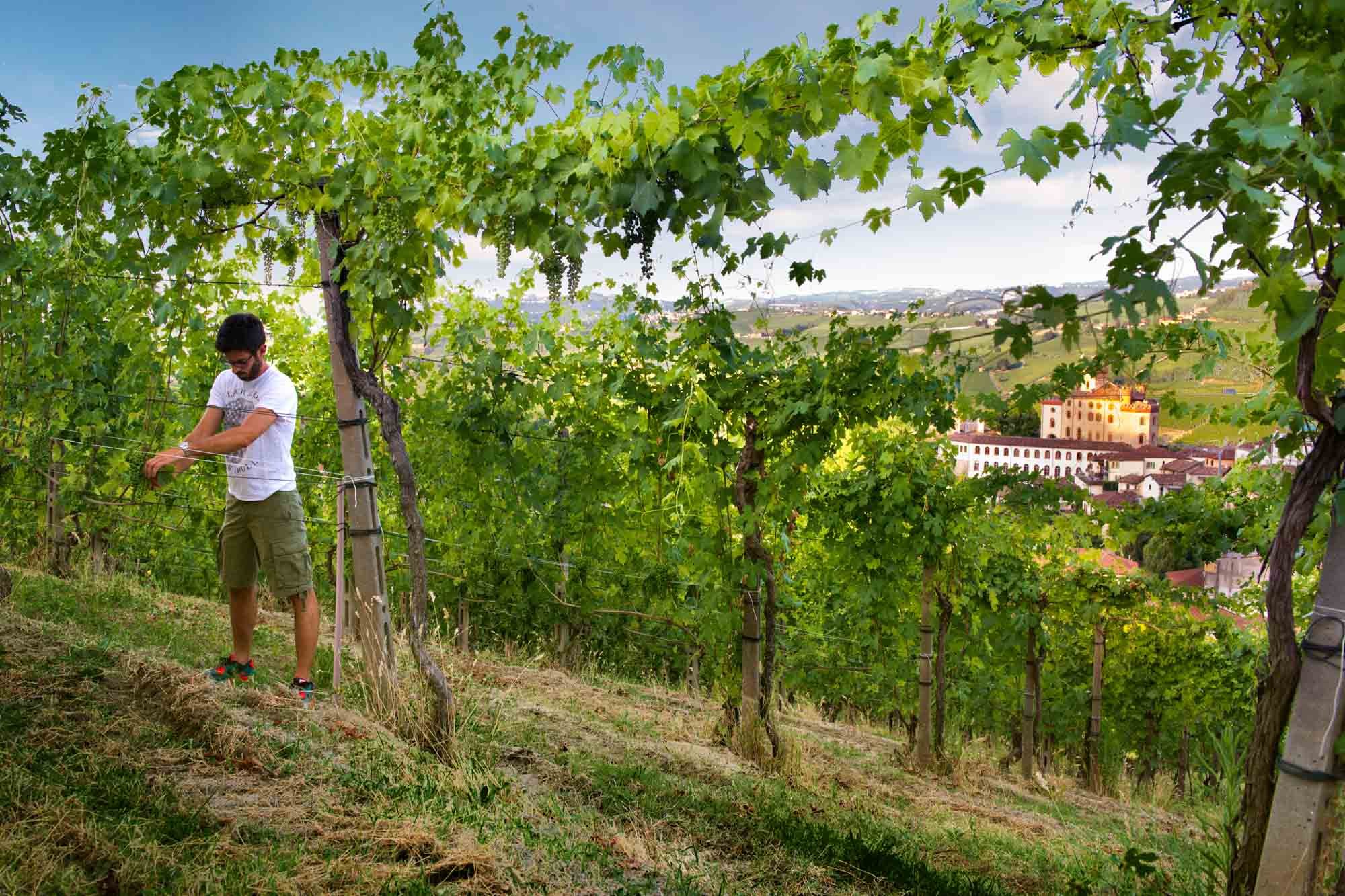
The premise at Osteria Ricanatti is agricultural before it is gastronomic. Vegetables arrive from a kitchen garden a few kilometres outside town, a supply chain short enough that what appears on the plate reflects what is actually ready to harvest rather than what a wholesaler has available. In Puglia, this is not a novelty claim. The region's culinary identity has always been rooted in seasonal produce, from the bitter chicories of the trulli hinterland to the fat Altamura tomatoes that define summer cooking in the Valle d'Itria. What the kitchen garden model does here is anchor a modern tasting menu format to a genuinely local growing cycle rather than grafting that story onto imported ingredients.
The cooking is described as updated regional, which in practice means Puglian reference points processed through a contemporary technique set. The Michelin notes cite a pecorino and potato tartare with chimichurri, a pairing that pulls a sauce tradition from Argentina into contact with a cheese-and-potato combination that is entirely southern Italian in character. That kind of lateral move, borrowing a technique or sauce format from outside the region while keeping the primary ingredients local, is a recognisable register in Italian modern cuisine. You see versions of it at Osteria Francescana in Modena at the three-star level, and across a range of regional operators who are working within Italian ingredient heritage but not constrained by a strict localist doctrine.
A second dish in the notes, paccheri cooked al dente with two types of tomato, raw red tuna and fried capers, is more straightforwardly Mediterranean. Paccheri is a large-format Neapolitan pasta that has become a southern Italian vernacular form. The double-tomato approach, which likely contrasts cooked and raw, or two varieties at different stages of processing, is the kind of sauce construction that rewards attention to seasoning and timing rather than complexity for its own sake. Raw tuna in Puglia usually means Adriatic catch handled with minimal intervention, and fried capers add the saline crunch that the dish's acidity needs. It reads as an accessible dish executed with precision.
Where Ricanatti Sits in Ostuni's Dining Spread
Ostuni's restaurant scene is not large enough to have distinct neighbourhoods, but it does have a clear price structure. At the entry level, Osteria Piazzetta Cattedrale works a direct Apulian format at €€. At the leading, Cielo and Masseria Moroseta both operate at €€€€, the latter in a rural masseria setting with a Mediterranean cooking approach that positions it as a destination evening rather than an in-town dinner. Pescheria Nautilas Ostuni handles the seafood-focused end of the spectrum separately. Ricanatti's €€€ position lands directly between the casual and the premium, which makes it the natural choice when the proposition is a serious dinner without the full outlay that the estate-based properties require.
In national terms, the Michelin Plate is a different signal than a star, but it is not a minor one. It marks a kitchen the Guide considers worth recommending at a quality threshold above the general population of restaurants. Italy's starred table ecosystem at the upper end, from Enoteca Pinchiorri in Florence to Enrico Bartolini in Milan or Dal Pescatore in Runate, operates at a scale and budget that has nothing to do with Ricanatti's format. The relevant comparison is the tier just below recognition: regional operators with clear culinary identity, consistent sourcing, and cooking that earns a repeat audience. Consecutive Plate recognition across two guide years is evidence of consistency, which matters more than a single strong performance in a small-town restaurant context.
The Value Case
The editorial angle that matters most here is what €€€ in Ostuni actually delivers compared to what the same spend achieves elsewhere. At the top end of the Italian modern cuisine register internationally, venues like Atelier Moessmer Norbert Niederkofler in Brunico or comparable formats in northern Europe, including Frantzén in Stockholm and FZN by Björn Frantzén in Dubai, command prices that reflect both the star infrastructure and the cost base of those cities. In a Puglian town of Ostuni's scale, the cost base is different, and a €€€ restaurant is drawing on local produce supply chains and a local labour market that do not carry the overhead of a metropolitan kitchen. The result is that a tasting menu format with kitchen-garden sourcing and Michelin Plate consistency costs appreciably less here than in any comparable Italian city.
This is not a bargain in the sense of low quality at low price. It is a favourable equation: a kitchen operating at a recognised standard in a setting where the structural costs allow the price to stay below what the quality would imply in Rome, Milan or Florence. Travellers who have eaten at comparable Italian modern tables, such as Quattro Passi in Marina del Cantone, will recognise the register and find the price-to-quality ratio skewed in their favour.
Service and Format
The Michelin description flags enthusiasm and modesty as the defining characteristics of the kitchen's approach, and warm welcome and excellent service as attributes of the front of house. In practical terms, this points toward a room where the cooking is serious but the atmosphere is not formal in a way that creates distance. Tasting menus and an à la carte both run, which is a meaningful option: it allows the kitchen to show its full range through a structured progression while giving guests who want a lighter or faster dinner a way in without committing to the full format.
Planning a Visit
Osteria Ricanatti is on Corso Camillo Benso Cavour 37 in Ostuni, accessible from both the lower modern town and the white city above it. At the €€€ price point, a reservation is worth securing in advance, particularly during the summer season when the Valle d'Itria draws significant visitor numbers and the town's small restaurant stock fills quickly. Hours and booking contact are not currently listed, so checking directly or through a local concierge is the practical approach. For a broader view of where Ricanatti fits within the town's full dining options, the Ostuni restaurants guide covers the full spread. Accommodation context, bars, and local wineries are mapped in the Ostuni hotels guide, bars guide, wineries guide, and experiences guide respectively. For a table at Berton al Vista, another address in the Ostuni modern dining picture, the same advance planning applies during peak season.
What should I order at Osteria Ricanatti?
The Michelin-noted dishes give the clearest steer available. The pecorino and potato tartare with chimichurri demonstrates the kitchen's willingness to bring outside technique to local ingredients, while the paccheri with two-tomato sauce, raw red tuna and fried capers represents the Mediterranean register at its most direct. Both dishes appear on the à la carte and within tasting menu formats, and both reflect the kitchen garden sourcing that defines the kitchen's approach. If the menu has changed by the time you visit, the pattern to look for is: local primary ingredients, precise sauce construction, and restraint over complexity.
Frequently asked questions
Does Osteria Ricanatti have a Michelin star or similar recognition?
Osteria Ricanatti has received recognition including: Enjoy delicious updated regional cuisine made from carefully chosen ingredients at this restaurant, where all the vegetables are sourced from the property’s own kitchen garden just a few kilometres from the village. Dishes are showcased on ….
What should I order at Osteria Ricanatti?
The two dishes singled out by Michelin inspectors offer a reliable starting point. The pecorino and potato tartare with chimichurri shows the kitchen crossing Puglian dairy tradition with a South American green sauce, while the paccheri pasta with dual-tomato sauce, raw red tuna, and fried capers is a textbook demonstration of the south Italian pantry used with restraint. Both appear within the tasting menus and on the à la carte, so either format works depending on how much of the kitchen's range you want to cover.
What's Osteria Ricanatti's location?
Osteria Ricanatti is located at Corso Camillo Benso Cavour, 37, 72017 Ostuni BR, Italy, Ostuni.
Awards and Standing
| Venue | Cuisine | Price | Awards | Notes |
|---|---|---|---|---|
| Osteria RicanattiThis venue — the venue you are viewing | Modern Apulian Italian | $50–100 | Michelin Plate | Not listed |
| Osteria Piazzetta Cattedrale | Puglian Osteria | Not listed | Michelin Bib Gourmand | Apulian |
| Cielo | Modern Puglian Fine Dining | $100–150 | Michelin Plate · Relais Chateaux Award | Modern Cuisine |
| Masseria Moroseta | Mediterranean Farm-to-Table | $100–150 | Michelin Plate | Mediterranean Cuisine |
| Pescheria Nautilas Ostuni | Fresh Seafood Pescheria Bistrot | $100–150 | Not listed | Italian Seafood |
| Restaurant 700 | Contemporary Puglian Fine Dining | $50–100 | Michelin Plate | Contemporary |
Recognition history
Dated appearances from independent guides and award organizations, with the underlying list record or original source where available.
Michelin Plate
Michelin
Full recognition history (3 entries)
Michelin Plate
Michelin
Michelin Plate
Michelin
Continue exploring
More in Ostuni
Restaurants in Ostuni
Browse all →
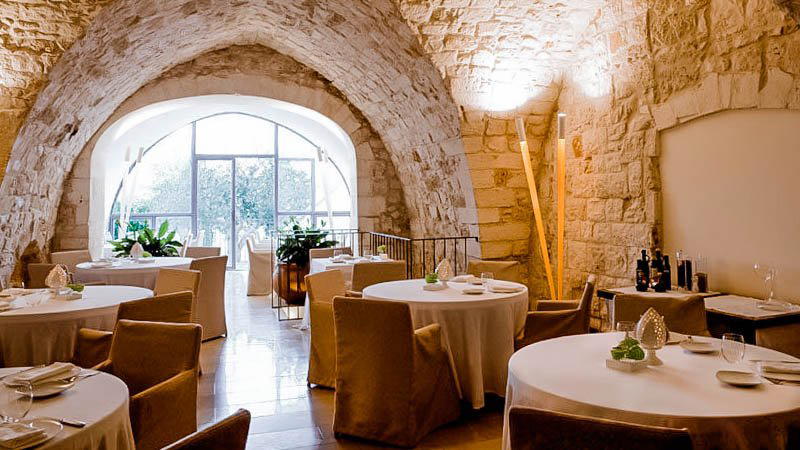
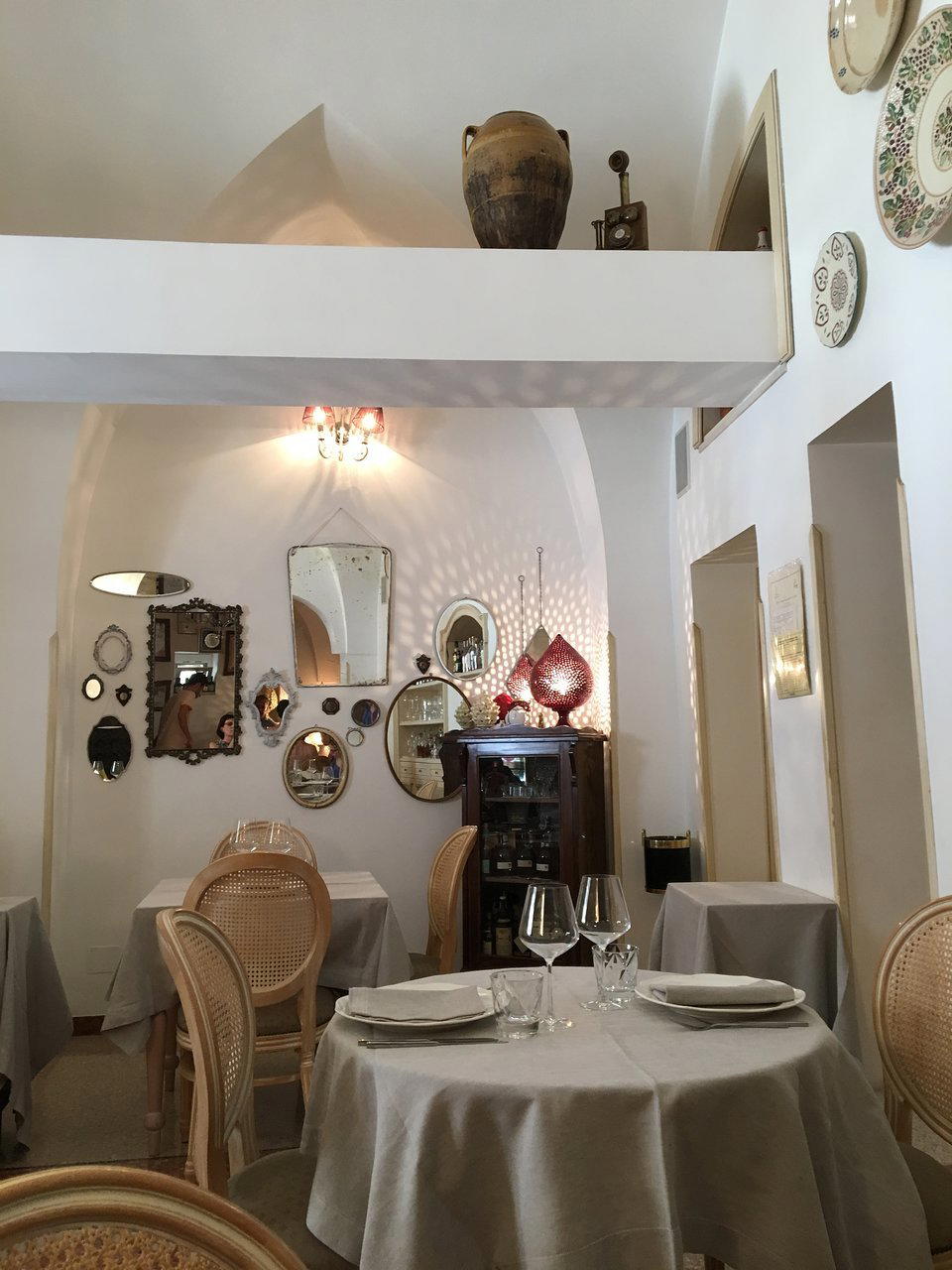
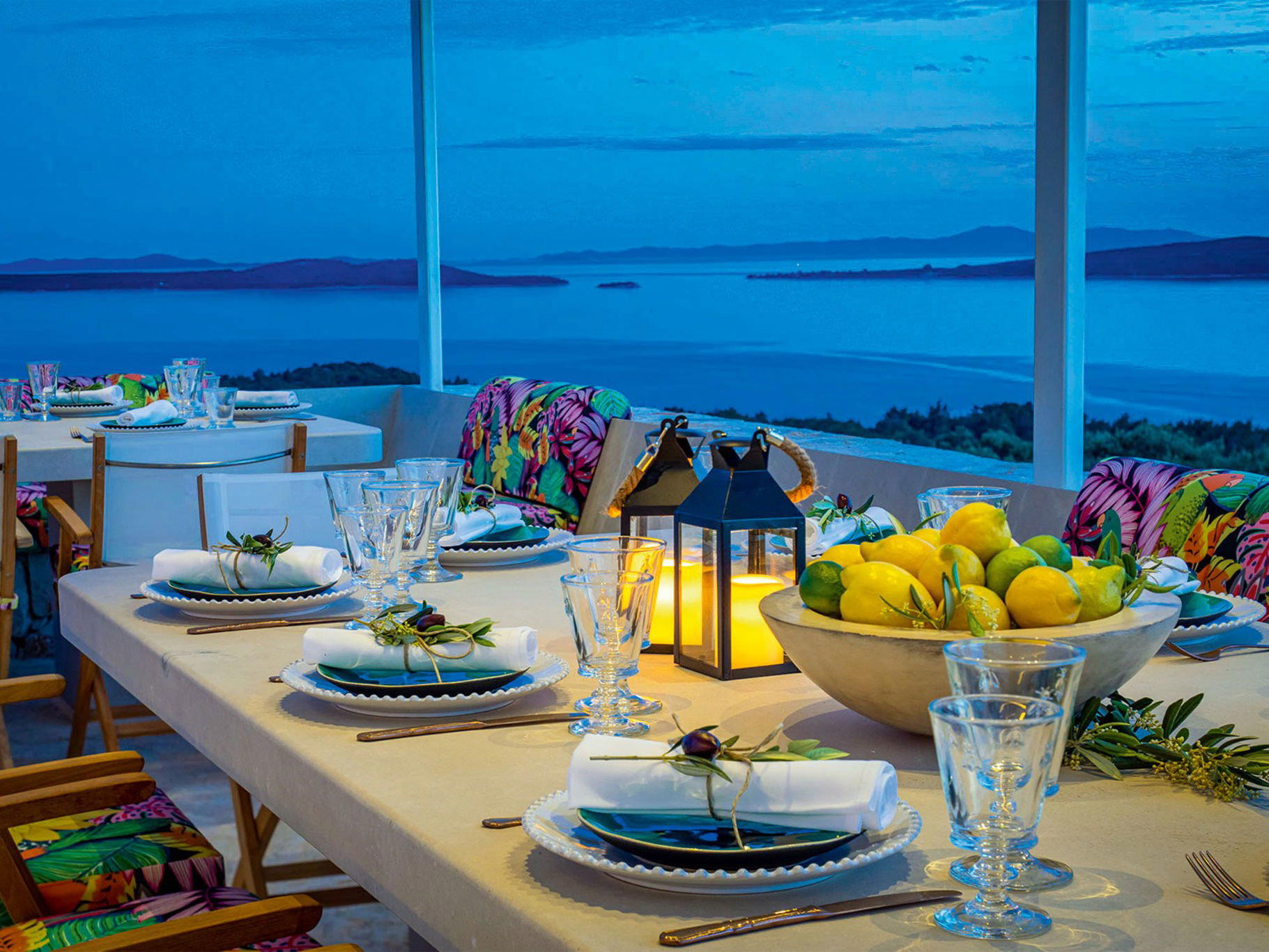
Bars in Ostuni
Browse all →
Hotels in Ostuni
Browse all →



Details
- Cozy
- Elegant
- Sophisticated
- Intimate
- Date Night
- Special Occasion
- Celebration
- Standalone
- Local Sourcing
- Farm To Table
- Tasting Menu
- A La Carte
- Wine
Current opening hours
- Monday
- 12–2 PM, 7–10 PM
- Tuesday
- 12–2 PM, 7–10 PM
- Wednesday
- 12–2 PM, 7–10 PM
- Thursday
- 12–2 PM, 7–10 PM
- Friday
- 12–2 PM, 7–10 PM
- Saturday
- 12–2 PM, 7–10 PM
- Sunday
- Closed
Hours can change for holidays and private events. Last verified .
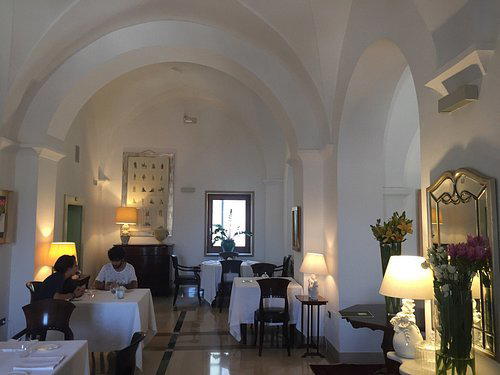
Cozy and refined, with an intimate interior suited to a leisurely, contemporary Italian dining experience.