
Set on a working masseria in the Apulian countryside outside Ostuni, Masseria Moroseta holds a 2024 Michelin Plate for its vegetable-forward Mediterranean menu priced at €90. Chef Giorgia Eugenia Goggi sources primarily from small organic gardens nearby, and the property offers six guestrooms for those who want to extend their stay into the olive groves.
Pearl is the En Primeur Club membership app — saves, bookings, and concierge access live there. Same editors, same standards.
- Address
- Contrada Lamacavallo, s/n, 72017 Ostuni BR, Italy
- Phone
- +39 376 079 8288
- Website
- masseriamoroseta.it
- Directions
- Get directions
 Saves & bookings on Pearl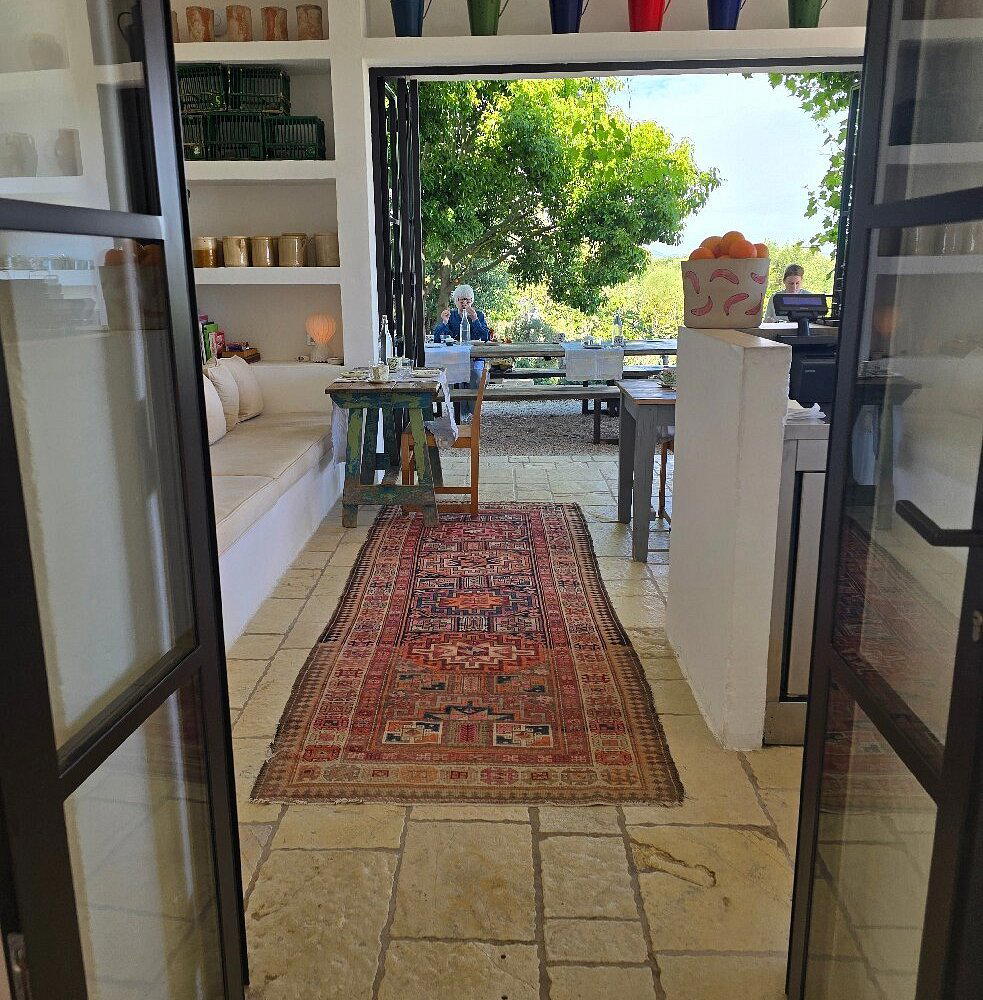
Where the Trulli Country Meets the Table
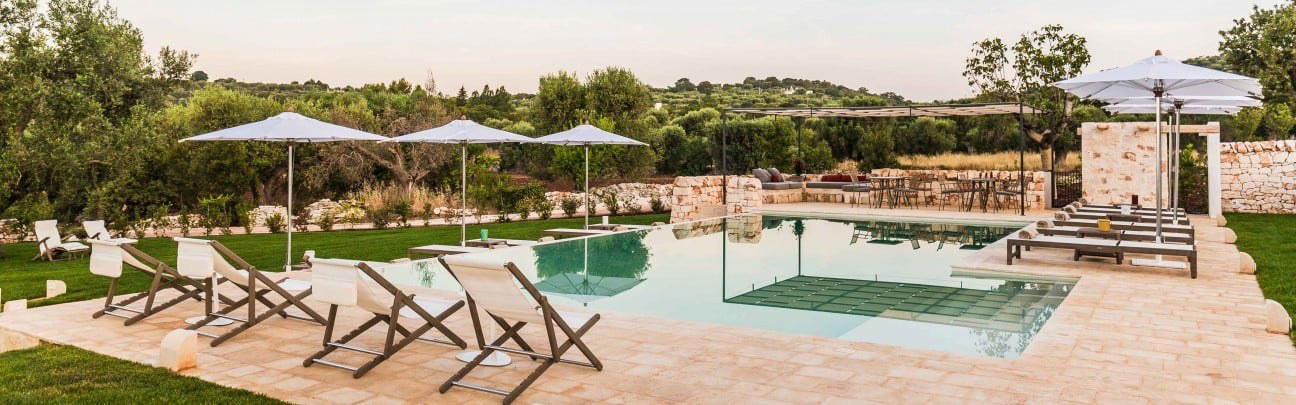
The approach to Masseria Moroseta sets the context before you reach the dining room. The road out of Ostuni's white hill town gives way to flat agricultural terrain, dry-stone walls, and the dense silver-green of centuries-old olive groves. This is the Valle d'Itria fringe, a stretch of Puglia where the masseria, the fortified farmhouse, has been the unit of rural life for hundreds of years. The building itself is working architecture: thick limestone walls designed to hold cool air, a courtyard oriented away from the summer wind, spaces that were always about function before aesthetics. That physical logic is still present at the table.
Mediterranean Cooking at the Crossroads
Puglia occupies a particular position in the broader Mediterranean story. Geographically and culturally, it sits where the western Mediterranean's Italian and Greek inheritances meet the Adriatic corridor that once connected the region to the Levant. That layered past shows in how the region cooks: a deep preference for raw materials over technique, for vegetables over protein, for olive oil over butter, and for natural fermentation over intervention. These are not local quirks; they are the throughlines of Mediterranean basin cooking from Catalonia to Lebanon, and Masseria Moroseta's menu reads within that tradition.
Chef Giorgia Eugenia Goggi's approach puts vegetables at the centre. Most produce is sourced from small organic gardens in the surrounding area, which means the menu shifts with what is viable rather than what is fashionable. The €90 fixed menu is structured around this material rather than around a tasting-menu architecture borrowed from urban fine dining. Dishes are described as colourful and ingredient-forward, which in this context signals a philosophy common to the leading agrarian-Mediterranean kitchens: the cooking exists to make the ingredient legible, not to transform it past recognition. The 2024 Michelin Plate recognises the kitchen's consistent execution rather than complexity for its own sake.
For context on what a Michelin Plate represents in Italy's increasingly competitive southern dining scene: it is the Guide's signal of good cooking without the star tier's expectation of elaborate service architecture or multi-hour format. Masseria Moroseta sits in a category that includes serious, focused cooking in settings where the environment does as much work as the kitchen. It is a different competitive set from Ostuni's more formal options like Cielo at the €€€€ tier, and distinct from the traditional Apulian offer of Osteria Piazzetta Cattedrale in the historic centre.
Natural Wine and the Agrarian Table
The wine list at the restaurant follows the same sourcing logic as the kitchen. The selection focuses on natural Italian wines, which in Puglia means producers working with Primitivo, Negroamaro, and Susumaniello, the indigenous varieties that have been grown in this specific soil for long enough to have developed genuine site expression. Natural wine is not a stylistic affectation here; it is the logical extension of cooking that values unmediated ingredient character. The same preference for minimal processing that drives the kitchen's vegetable sourcing runs through the cellar. Across the Mediterranean, from Campania to the Rhône to southern Spain, producers working this way have built a coherent alternative canon to the intervention-heavy mainstream, and southern Italian producers are among the movement's more credible contributors.
The Mediterranean Masseria Format Elsewhere
The agrarian-estate dining format that restaurant represents has parallels across the Mediterranean basin. In the Swiss-Italian borderlands, La Brezza in Ascona operates within a similar ethos of site-specific Mediterranean cooking, where the lake and the olive-growing microclimate of Ticino shape the menu. In Provence and the Côte d'Azur, the format has been refined to a high-gloss version: Arnaud Donckele and Maxime Frédéric at Louis Vuitton in Saint-Tropez represents the luxury end of that coastal Mediterranean tradition. The restaurant belongs to a more grounded tier: less about spectacle, more about the relationship between a specific piece of land and what grows on it.
Within Italy, the range of serious restaurant cooking runs from the three-Michelin-star formalism of Osteria Francescana in Modena and the long-established institution of Dal Pescatore in Runate to the technically ambitious urban kitchens of Enrico Bartolini in Milan and the wine-archive seriousness of Enoteca Pinchiorri in Florence. The restaurant operates in none of those registers. Its peer group is closer to Atelier Moessmer Norbert Niederkofler in Brunico, where the philosophy of cooking from a specific ecosystem rather than a global larder is the defining commitment.
Six Rooms and the Case for Staying
The six guestrooms at the restaurant change the calculus of a visit. Ostuni's dinner reservation culture is shaped by the drive back to town, a constraint that affects pacing and wine choices. Staying on site removes both. The masseria format historically combined working farm, accommodation, and hospitality under one roof, and the room offer here restores that logic. This is not a hotel that happens to have a restaurant; it is an agricultural property where the table and the stay are integrated. Advance booking is essential for both the restaurant and the rooms given the property's limited capacity.
Ostuni's Dining Spread
The restaurant sits outside the city, which places it in a different circuit from Ostuni's in-town offer. The white hill town has its own restaurant density: Osteria Ricanatti at the €€€ modern cuisine tier, Berton al Vista, and the seafood-focused Pescheria Nautilas Ostuni. The Ostuni wineries guide is also worth consulting before a visit to understand what is in the glass.
Planning Your Visit
The restaurant is located at Contrada Lamacavallo, s/n, 72017 Ostuni, in the Brindisi province. The €90 menu is the format, and the natural wine list completes the table. Given the property has only six guestrooms and a dining room with similarly limited covers, demand is high relative to capacity. Book well ahead, particularly for weekend evenings or if you intend to combine dinner with an overnight stay.
Cuisine Context
Comparable venues nearby, for context on price, style, and recognition.
| Venue | Cuisine | Price | Awards | Notes |
|---|---|---|---|---|
| Masseria MorosetaThis venue — the venue you are viewing | Mediterranean Farm-to-Table | $$$$ | Michelin Plate | Not listed |
| Restaurant 700 | Contemporary Puglian Fine Dining | $$$$ | Michelin Plate | historic centre |
| Berton al Vista | Modern Italian Fine Dining | $$$$ | Michelin Plate | at the foot of Ostuni |
| Cielo | Modern Puglian Fine Dining | $$$$ | Michelin Plate | Ostuni historic center |
| Nautilus | Fresh Italian Seafood Bistro | $$$ | Not listed | Centro Storico |
| Osteria Ricanatti | Italian | $$$ | Michelin Plate | Not listed |
Recognition history
Dated appearances from independent guides and award organizations, with the underlying list record or original source where available.
Michelin Plate
Michelin
Michelin Plate
Michelin
Michelin Plate
Michelin
At a Glance
- Elegant
- Romantic
- Scenic
- Minimalist
- Sophisticated
- Date Night
- Special Occasion
- Celebration
- Garden
- Terrace
- Rooftop
- Design Destination
- Private Dining
- Natural Wine
- Farm To Table
- Organic
- Natural Wine
- Local Sourcing
- Garden
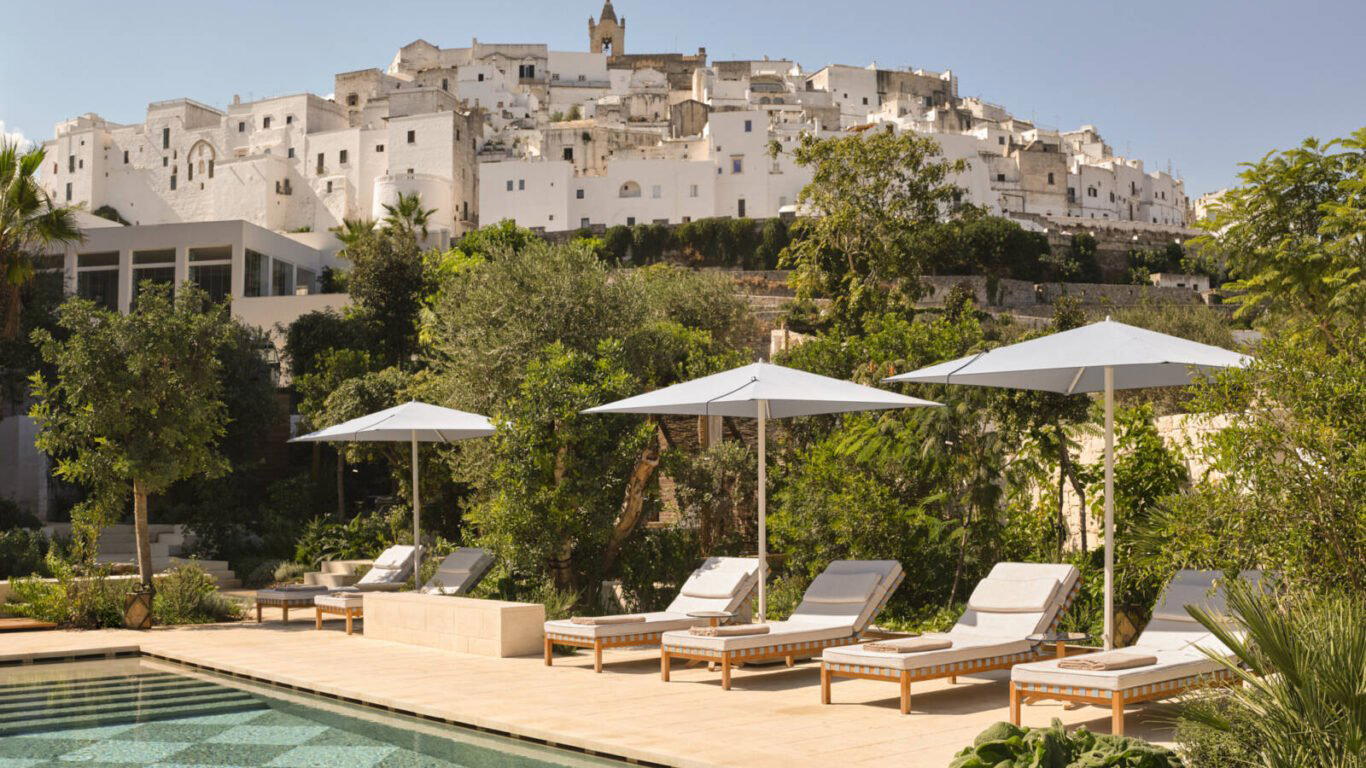
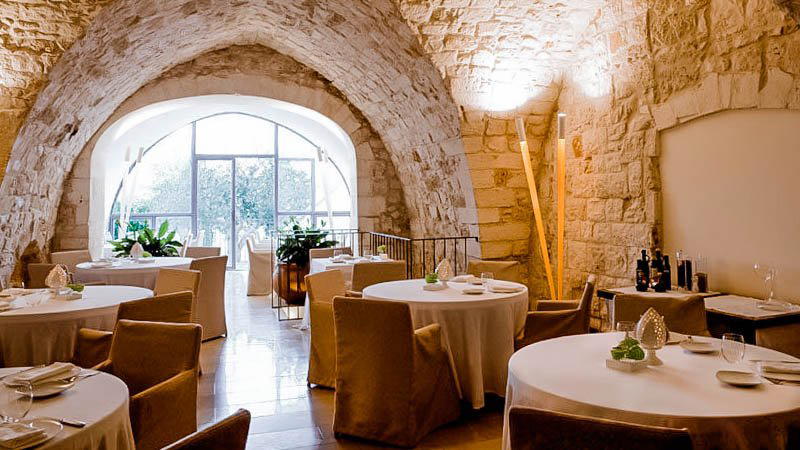
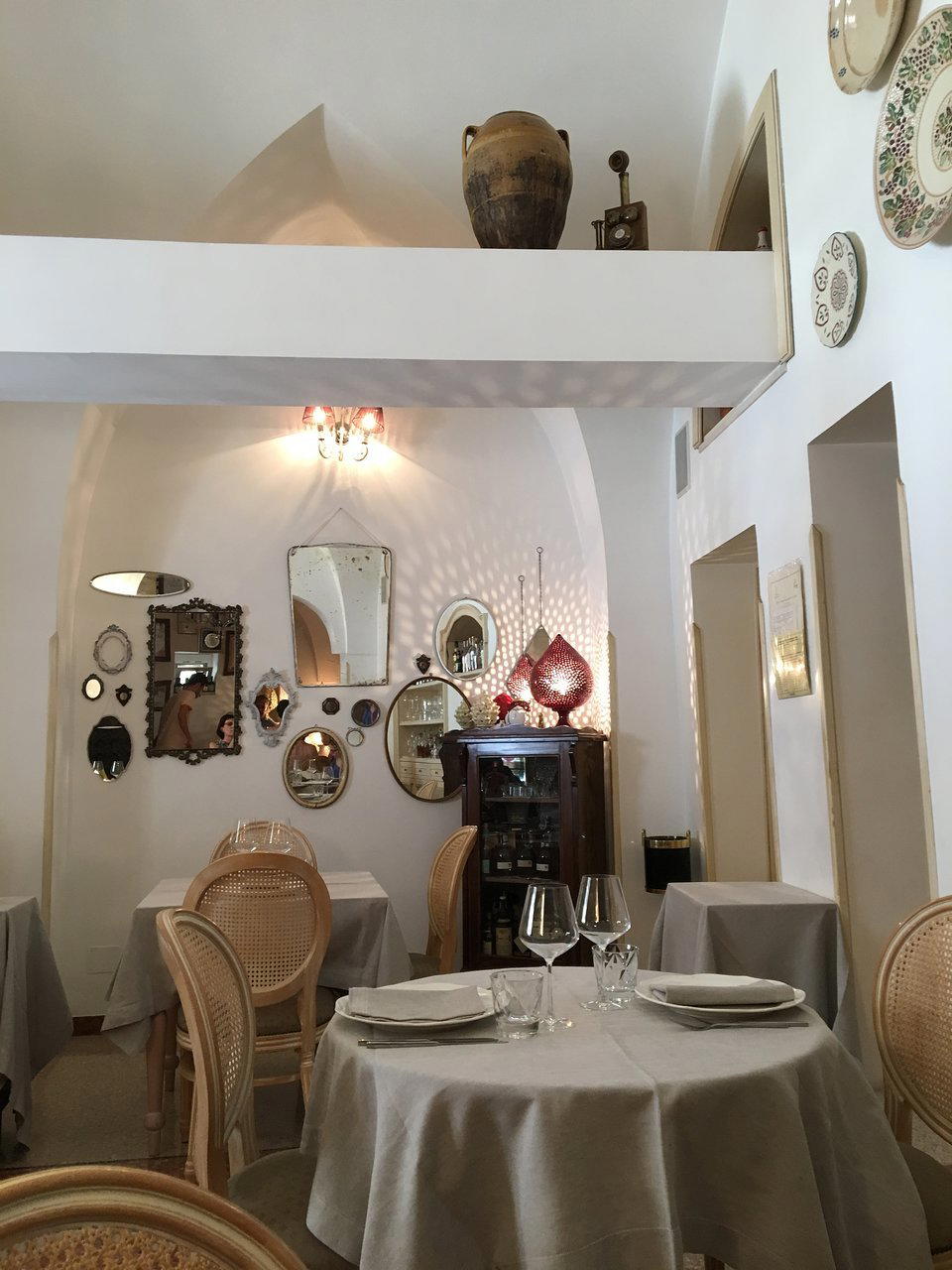
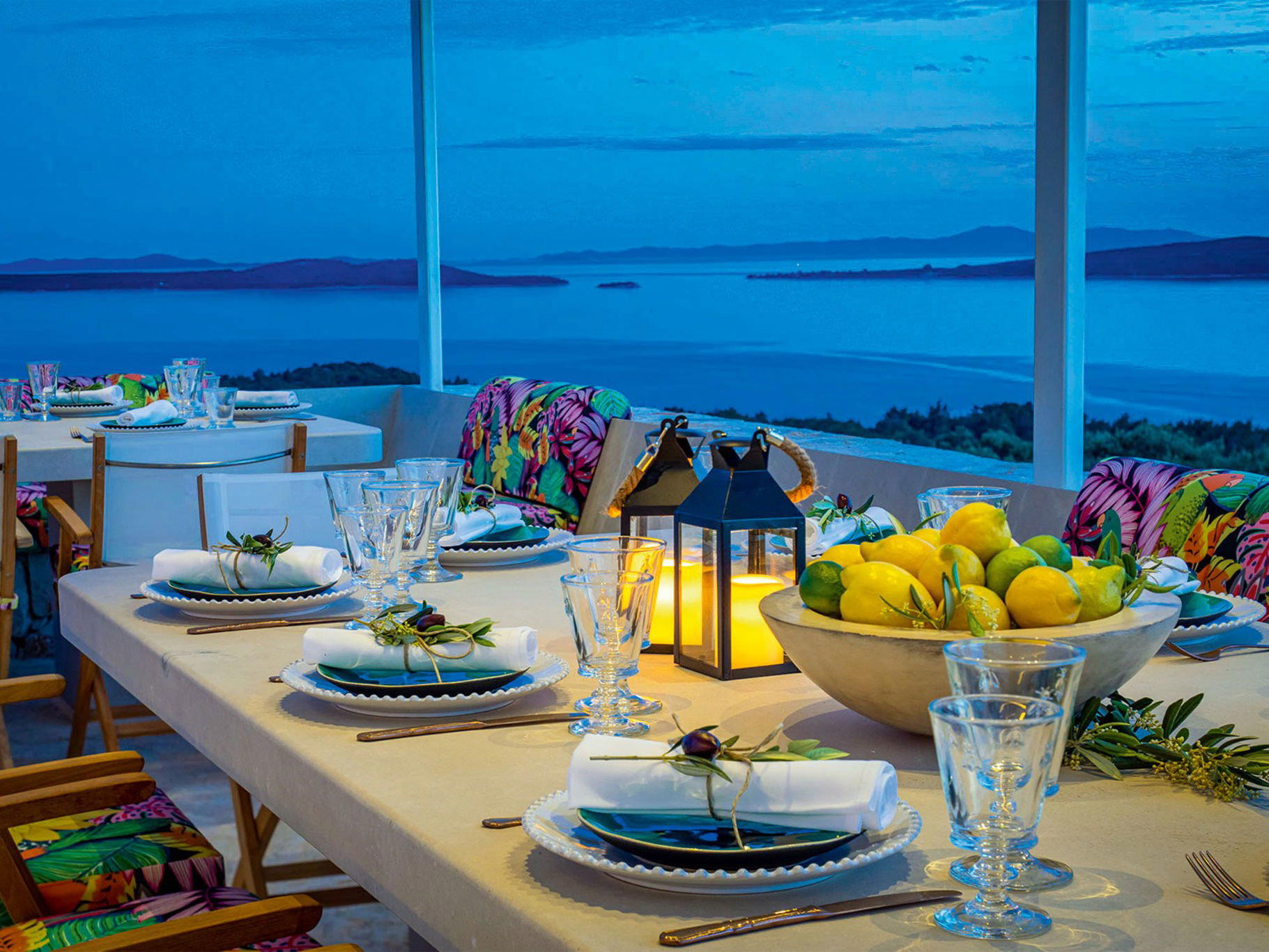
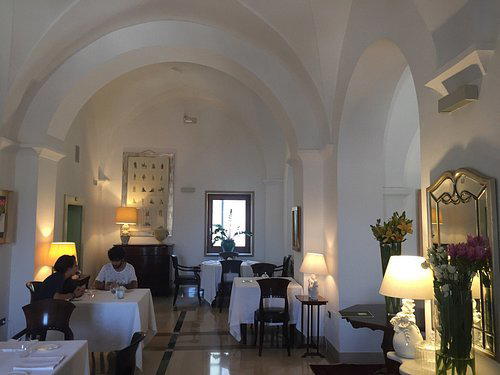
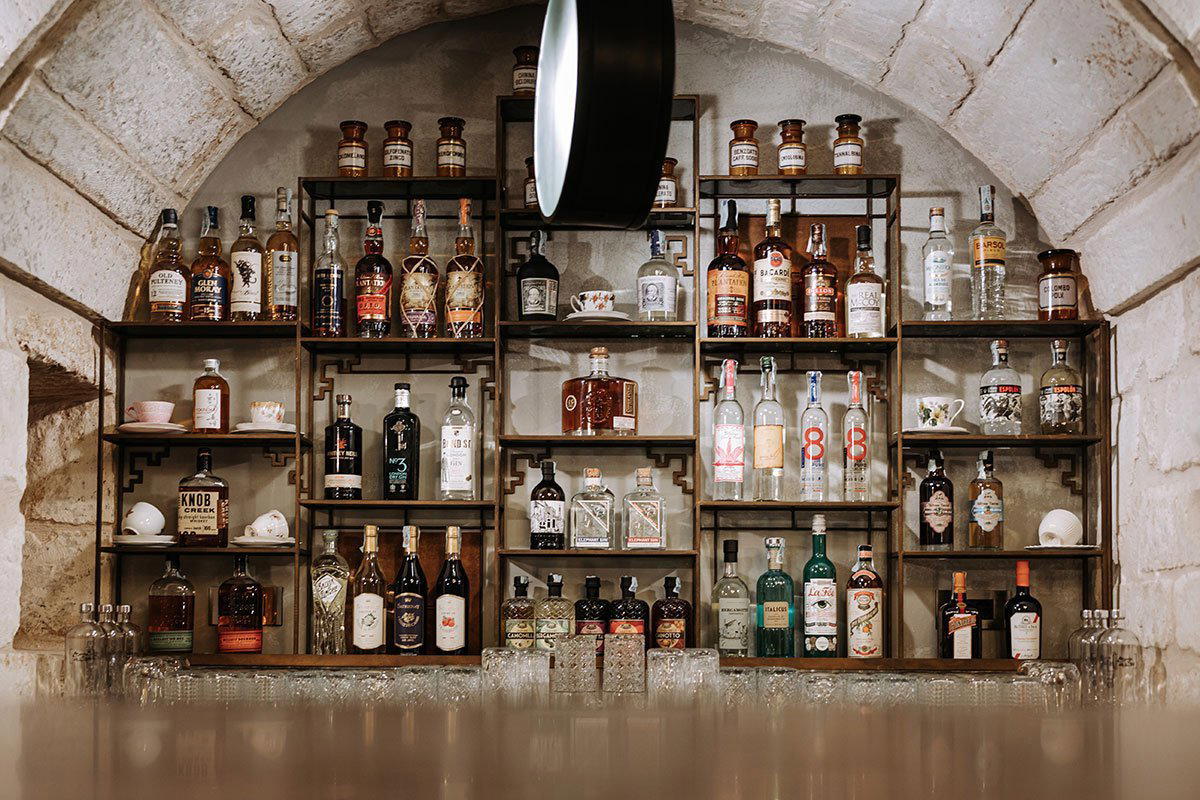
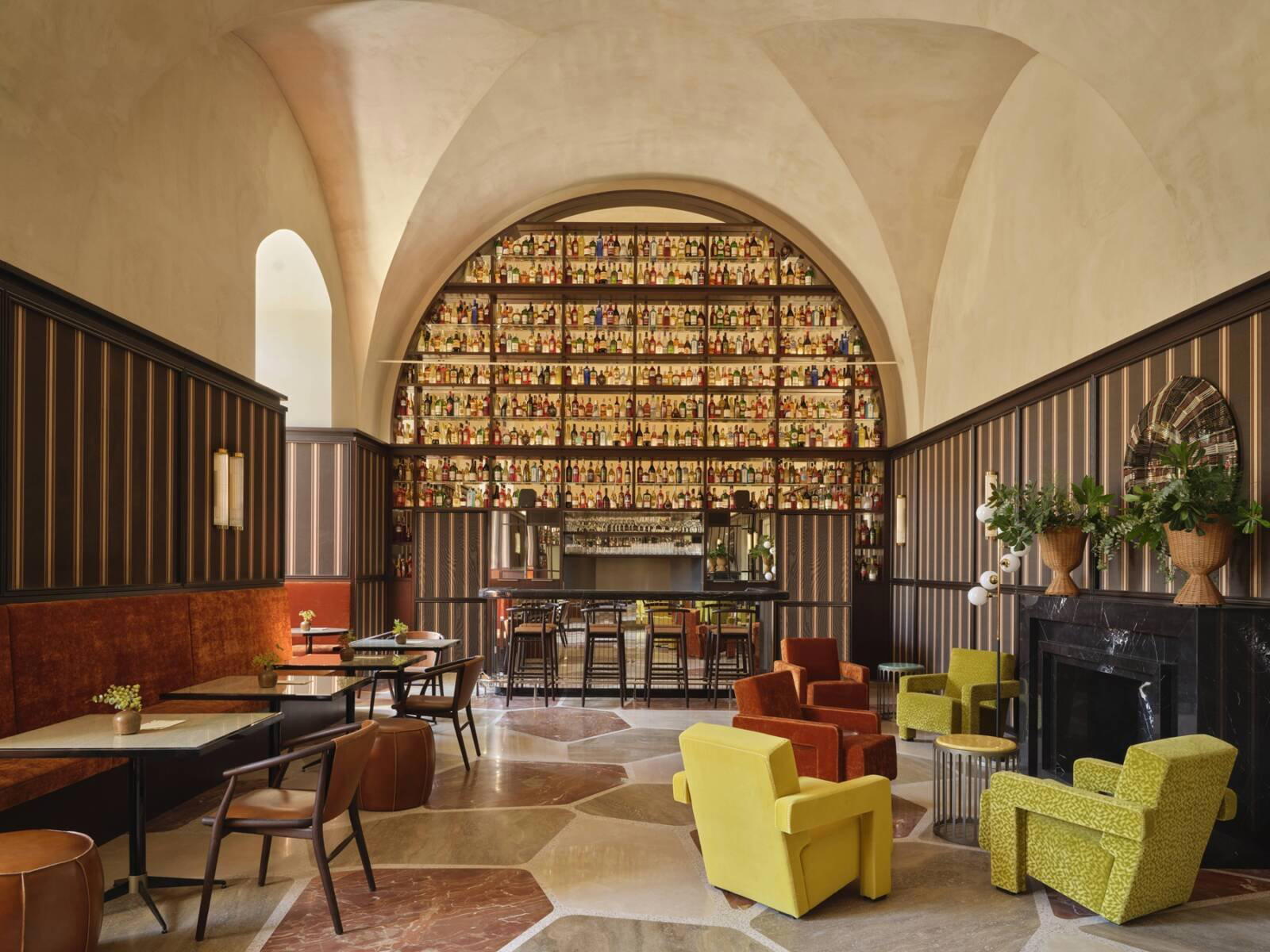
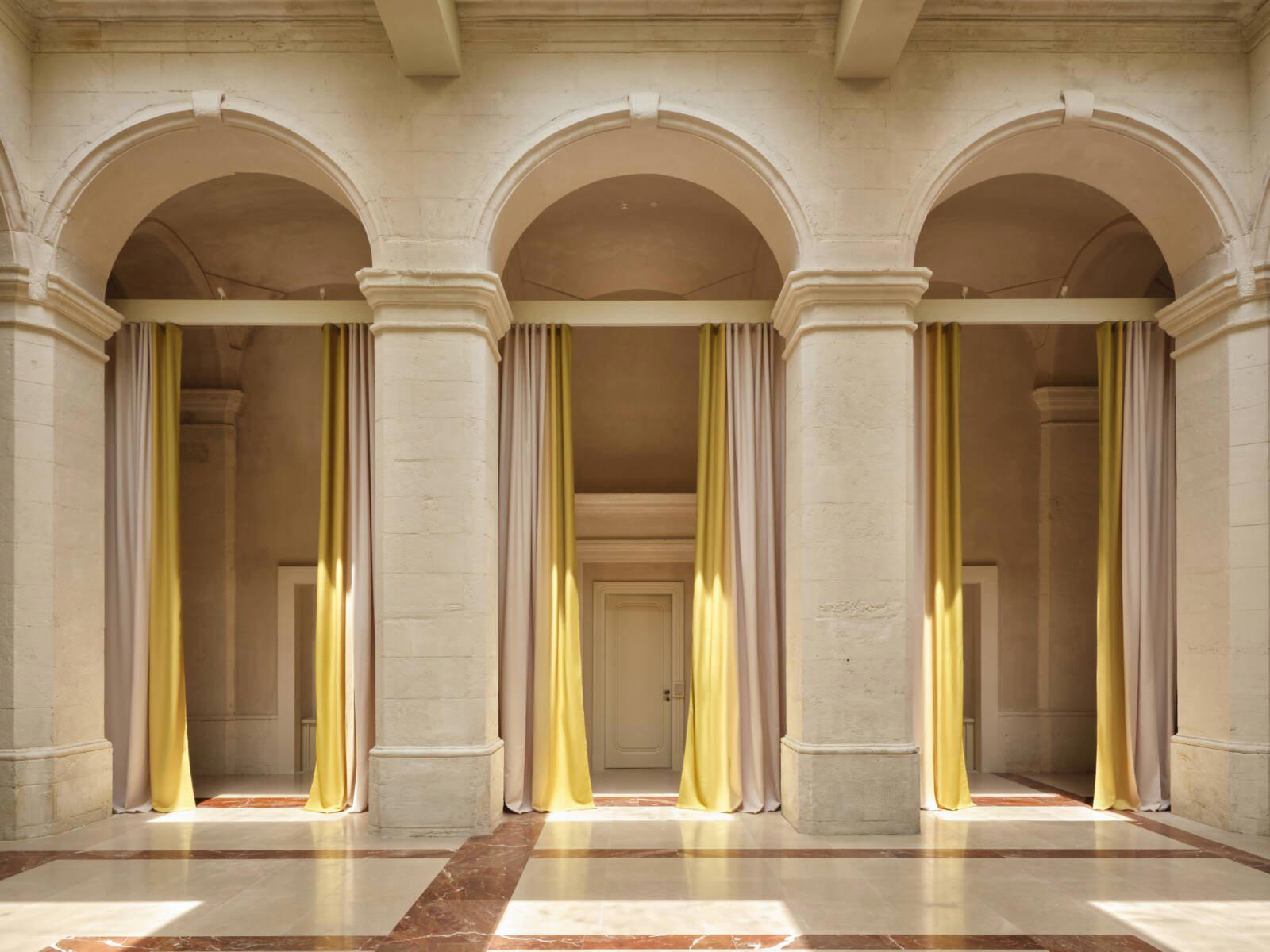
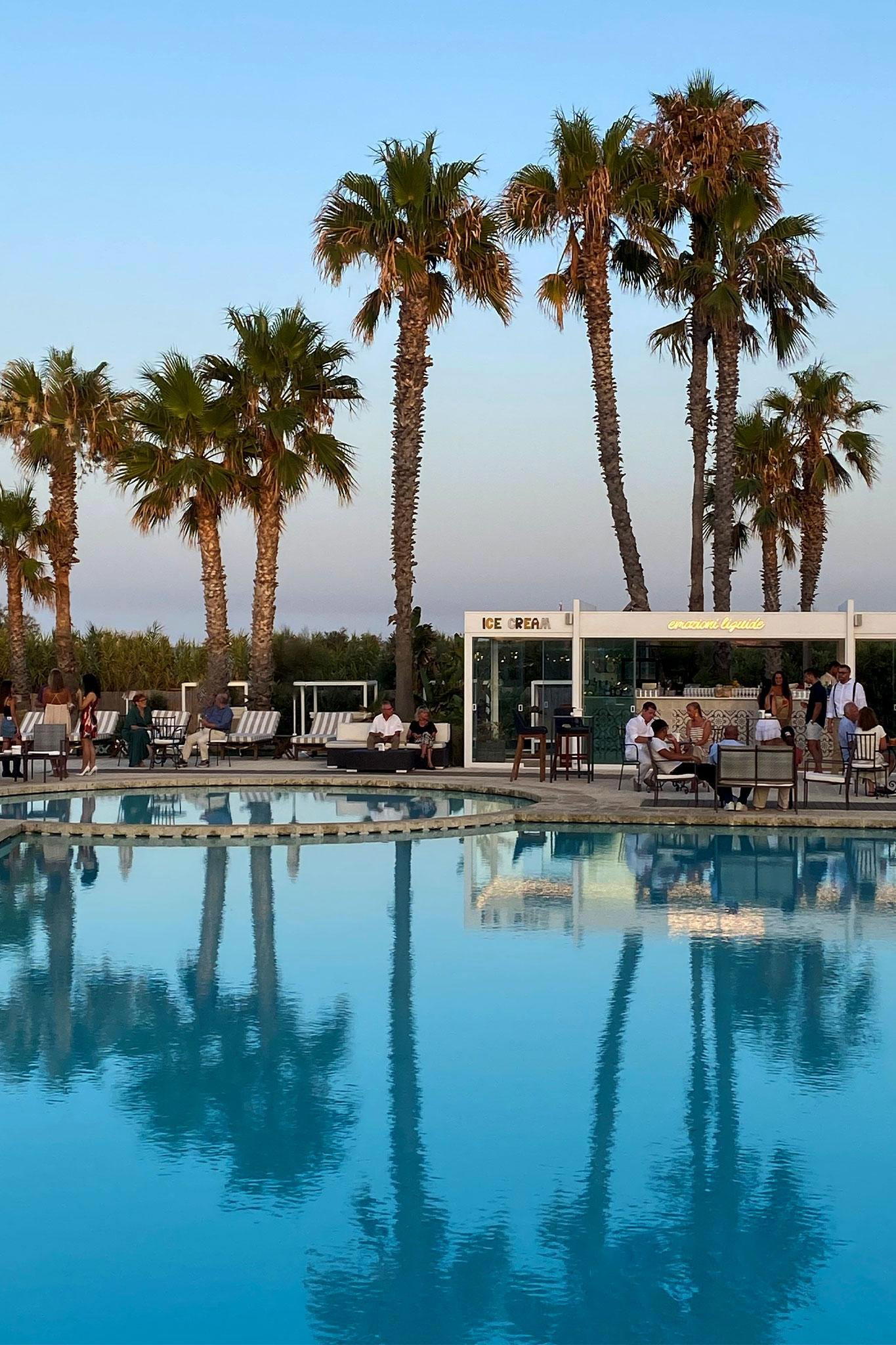
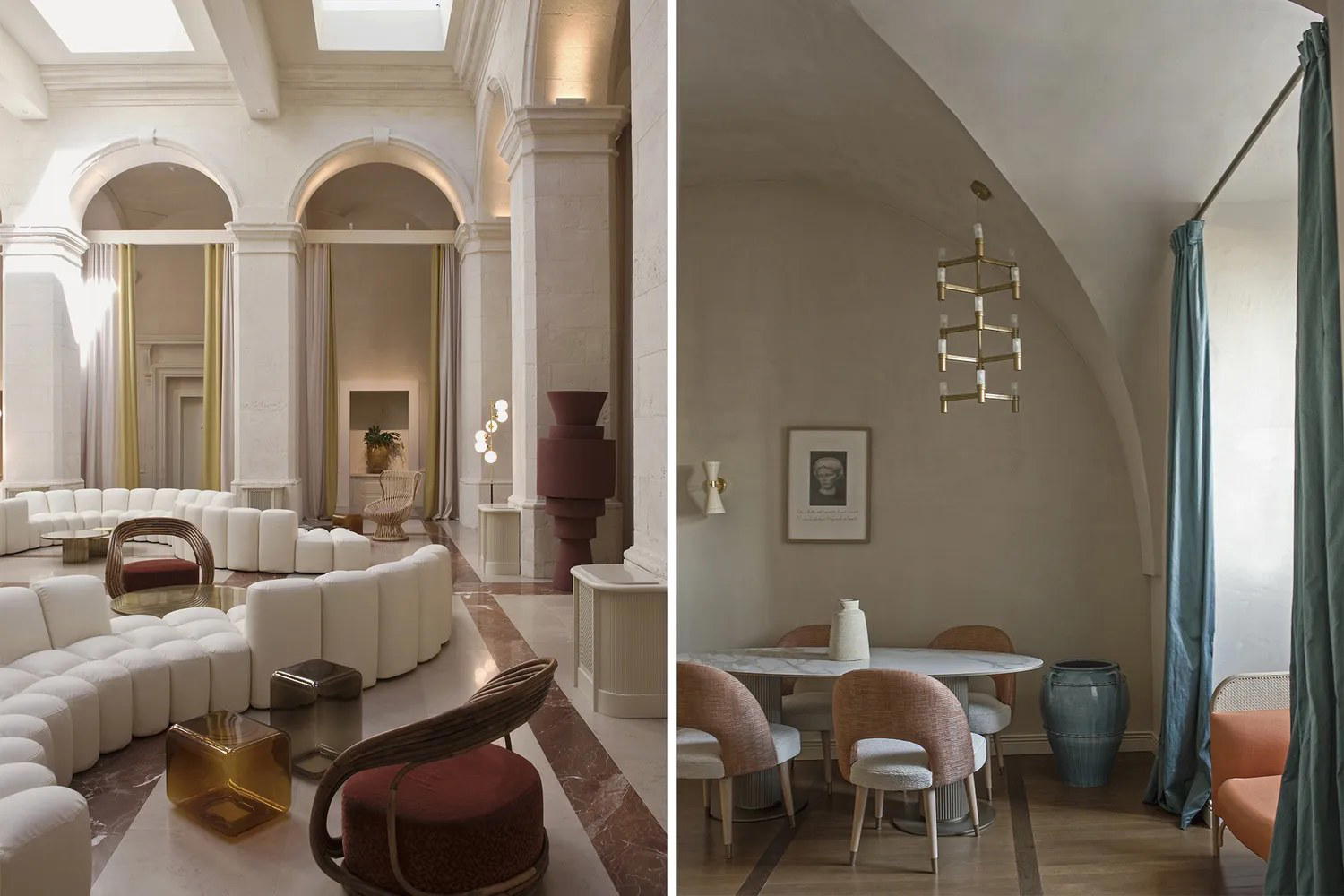
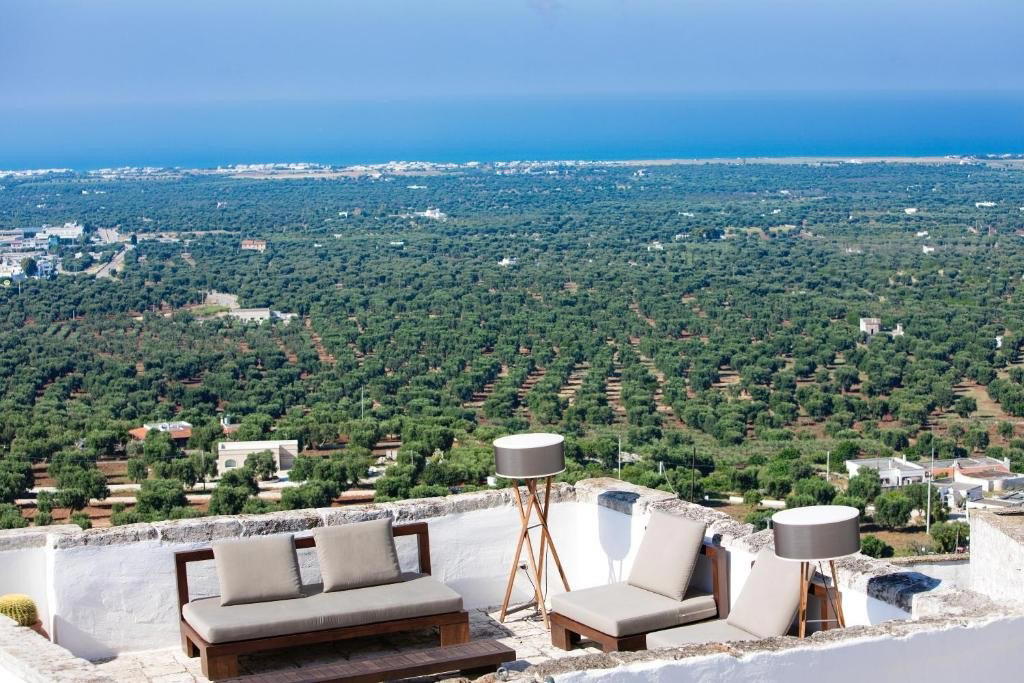
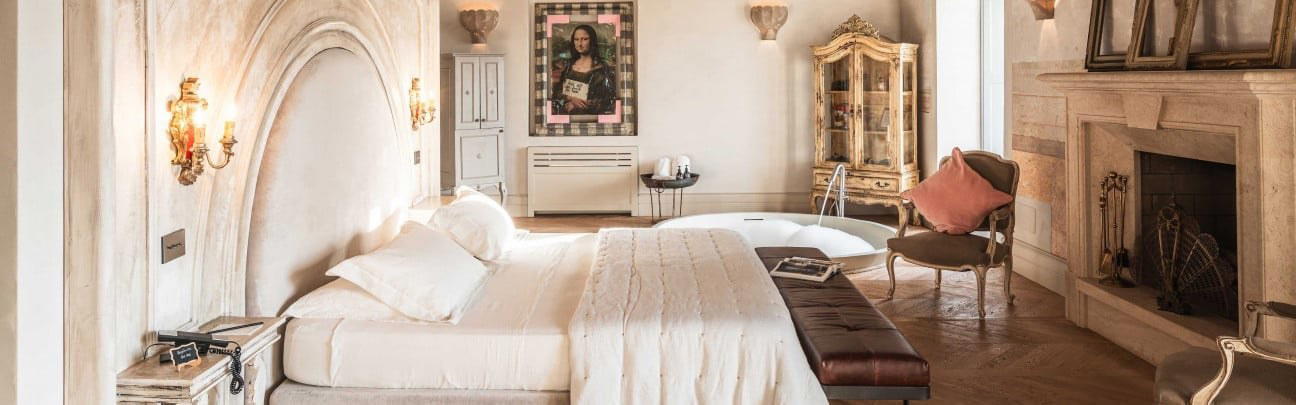
Minimalist Scandic-inspired interiors with vintage-rustic elements, warm and welcoming atmosphere with communal dining, fireplace, and rooftop terrace overlooking Ostuni and the Adriatic Sea.