On a stretch of George Town's Penang Road that has drawn hawker crowds for decades, the twin stalls serving asam laksa and Teochew chendul represent two of the city's most recognised street food stops. The queue forms early, the bowls arrive fast, and the flavours, sour, funky, sweet, make the case for why Penang's hawker culture sits at the centre of Malaysian food conversation.

Pearl is the En Primeur Club membership app — saves, bookings, and concierge access live there. Same editors, same standards.
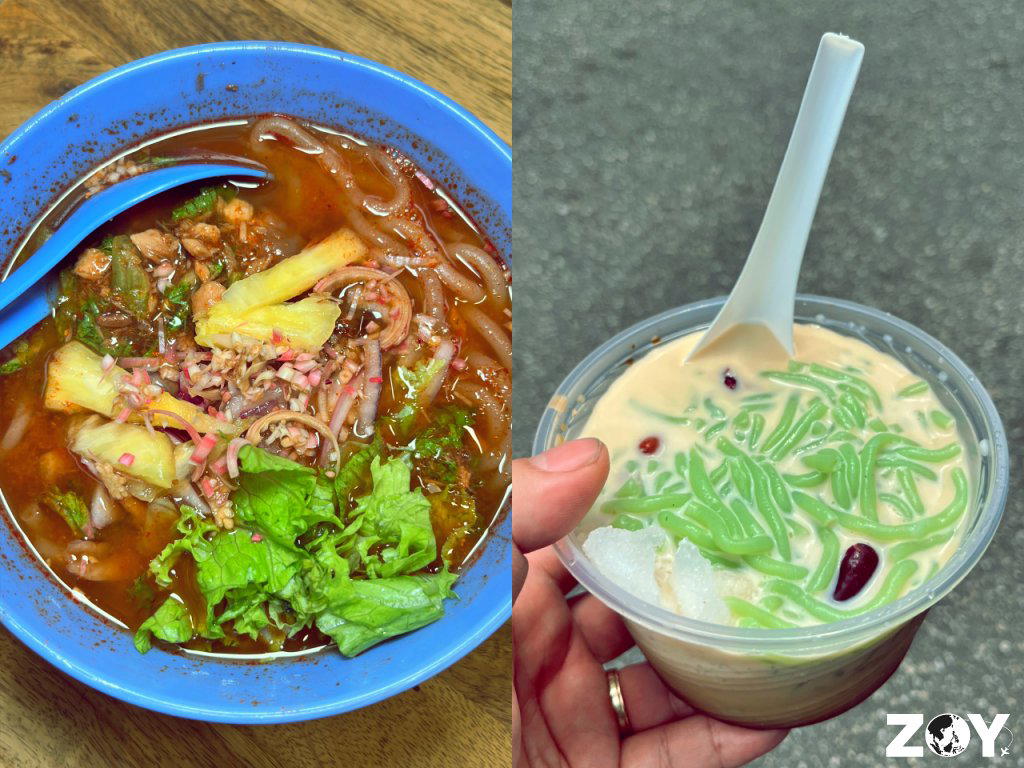
The Queue Before the Bowl
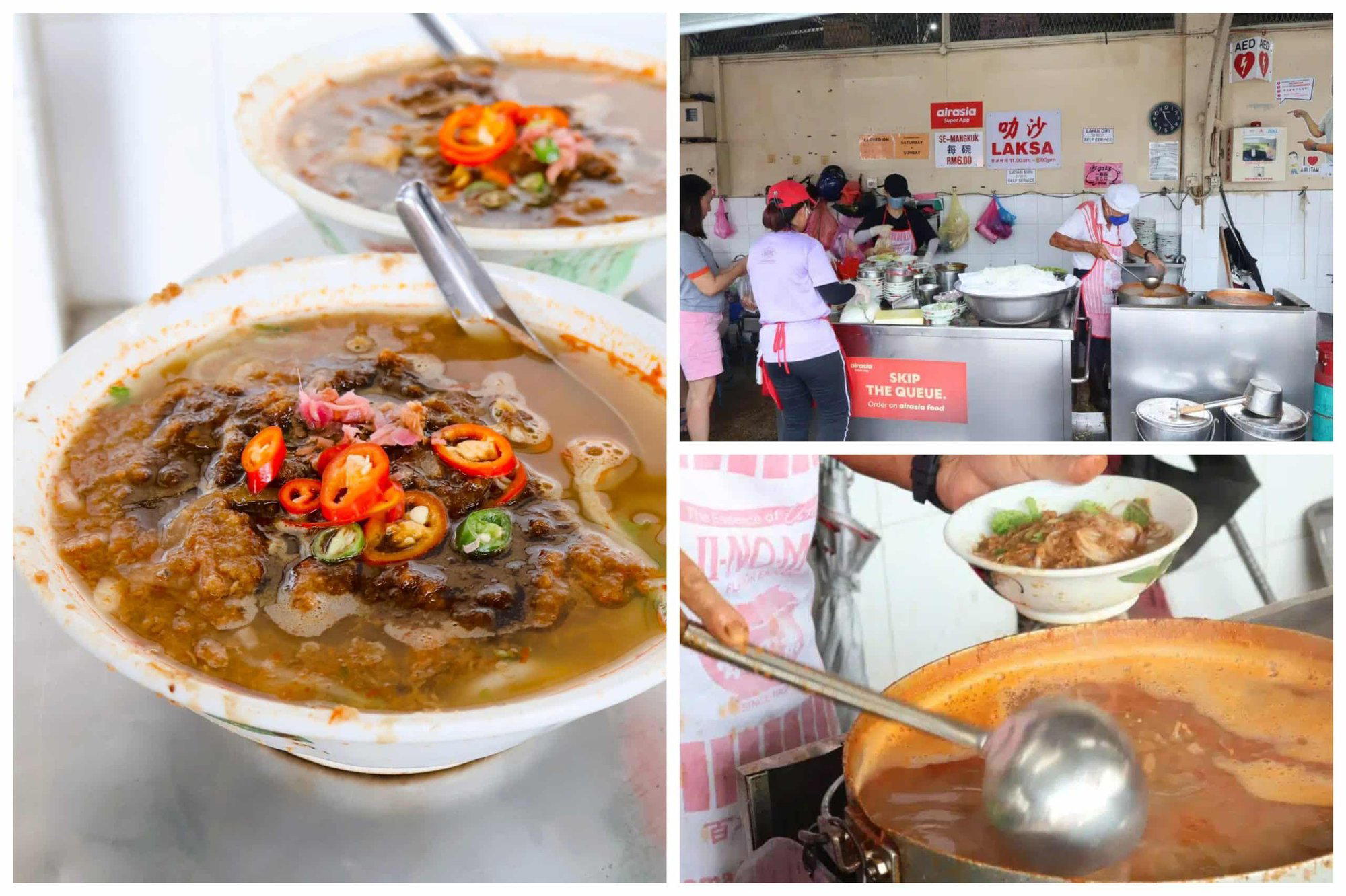
By mid-morning on Penang Road, the pavement outside the two adjoining stalls has already organised itself into a familiar pattern: one line for the asam laksa, another for the chendul, both moving at the efficient, no-ceremony pace that defines serious hawker operations across George Town. There are no menus to study, no reservations to honour, no ambient lighting calculated to set a mood. What you get instead is the smell of simmering mackerel broth cutting through the humidity, the metallic clatter of bowls being stacked and unstacked, and the visual shorthand of a stall that has been doing exactly this for a long time.
Penang Road Famous Laksa and Penang Road Famous Teochew Chendul is a casual restaurant in George Town, Penang, known for Traditional Penang Assam Laksa and chendul, with a price level of about USD 3 per person. George Town's hawker culture is not a backdrop to the city's food scene; it is the food scene. George Town's hawker culture is not a backdrop to the city's food scene; it is the food scene. The hawker stalls along Penang Road sit inside that tradition as working examples.
Asam Laksa: The Flavour Profile That Defines Penang
Penang-style asam laksa occupies a distinct position in the broader Malaysian laksa taxonomy. Where the coconut-milk laksas of Johor or the curry-forward versions found in Kuala Lumpur read as rich and fat-forward, Penang's version is built on tamarind-soured mackerel broth, producing a soup that is simultaneously funky, sharp, and herbaceous. The thick rice noodles absorb that broth rather than float in it, and the garnish, shredded fish, cucumber, pineapple, mint, torch ginger flower, adds textural and aromatic layers that make the bowl read as more complex than its street-stall setting might suggest.
Penang asam laksa is often treated as a signature dish of the city. The stall on Penang Road is among the more cited addresses when that conversation comes up, positioned alongside Ka Bee Cafe and Laksa Mamu and Air Itam Asam Laksa, Chong Char Koay Teow, and 888 Hokkien Mee as anchors of the city's laksa geography. The Air Itam stall draws its own devoted crowd and the comparison between the two is a conversation Penang food regulars have with some intensity, a sign of how seriously the dish is taken here.
Teochew Chendul: Cold, Sweet, and Structurally Specific
The chendul counter operates on different logic. Where the laksa is savoury and built on heat, chendul is a cold dessert: shaved ice pressed over pandan-green rice-flour noodles, red kidney beans, and a pour of dark Penang gula melaka (palm sugar). The quality of the gula melaka matters, and the pandan noodles should hold their structure under the ice.
Teochew-style chendul, as served here, reflects the Hokkien and Teochew diaspora heritage that shaped so much of George Town's food culture. The dessert appears at stalls across the city, but the Penang Road version draws visitors specifically, placing it alongside ChinaHouse and Auntie Gaik Lean's Old School Eatery in George Town as addresses that sit at the intersection of heritage and daily practice, places where the food connects to a longer cultural chain rather than existing purely as a commercial transaction.
George Town's Hawker Tier and Where This Stall Fits
Penang's food scene sorts itself into a few distinct tiers. Restaurants like Christoph's and CRC Restaurant in Georgetown operate with table service, printed menus, and price points calibrated to international visitors. Below that sits a layer of established kopitiam-style operations, Jit Seng Roasted Duck Rice is a representative example, where the format is slightly more structured but the hawker DNA remains intact. The Penang Road stalls occupy one direct expression of that DNA: open-air, cash-transactional, dish-specific, and priced for daily consumption.
That price accessibility matters for context. Hawker food in George Town has remained relatively low-cost compared to the dining tiers above it, which is one reason the format sustains itself as a living tradition rather than a heritage performance. The crowds at Penang Road are not predominantly tourist groups, they include regulars, office workers on lunch breaks, and families who have been coming for years. That mixed composition is, in itself, a signal of a stall's operational legitimacy. Compare this to the trajectory of hawker scenes in Singapore, where rising rents and generational succession pressures have thinned the format considerably, and the persistence of stalls like this one reads as a more specific achievement.
For visitors building a broader picture of Malaysian hawker culture across the peninsula, the contrast is instructive. Dewakan in Kuala Lumpur represents one end of the Malaysian food ambition spectrum; the Penang Road stalls represent another, equally considered end. Neither is a lesser version of the other.
Planning Your Visit
Penang Road sits in the heart of George Town, within walking distance of the heritage shophouse district and the major clan jetties. The stalls operate through the day but the laksa sells out when the broth runs out, arriving before noon significantly improves your odds of getting a bowl. The chendul counter tends to run longer into the afternoon. There is no booking mechanism; the queue is the system. Payment is cash, portions are individual, and the turnover is fast enough that even a visible queue rarely means more than a ten-to-fifteen minute wait. Eating standing or perched at a shared table is standard practice.
Particularly practical visit pairs the laksa with the chendul as a two-course street sequence, savoury heat followed by cold sweet, which is how most regulars approach it. The combination also makes the sensory contrast between the two dishes legible in a way that eating them separately, on different days, does not.
Comparable Venues
Comparable venues nearby, for context on price, style, and recognition.
| Venue | Cuisine | Price | Notes |
|---|---|---|---|
| Penang Road Famous Laksa and Penang Road Famous Teochew ChendulThis venue — the venue you are viewing | Traditional Penang Assam Laksa | $ | Not listed |
| Nasi Kandar Deen Mutiara, Padang Tembak Claypot, and Loh Kei Duck Meat | Penang Nasi Kandar | $ | George Town |
| OO White Coffee, Tiger Char Kway Teow, Gow Thew Chik Hainana Chicken Rice | Traditional Penang Kopitiam Breakfast | $ | George Town |
| Tek Sen Restaurant | Penang Chinese Zi Char | $$ | George Town |
| Sri Ananda Bahwan | South Indian Banana Leaf | $ | Little India |
| Ka Bee Cafe and Laksa Mamu | Penang Café | $ | George Town |
At a Glance
- Well Known
- Rustic
- Energetic
- Casual Hangout
- Solo
- Group Dining
- Open Kitchen
- Standalone
- Local Sourcing
- Sustainable Seafood
- Street Scene
Bustling street food stall atmosphere with queues forming before opening; casual, energetic, and authentically local with minimal seating.