


Michelin Plate · Guía Repsol 1 Sol · Macarfi 8.8 Food Rating
Our verdict
On the banks of the Nalón river outside Oviedo, Pedro Martino occupies a colourful house with a Michelin-starred past and a present defined by two distinct menus built around Asturian ingredients and tradition. The Orígenes Tradición and Orígenes Degustación formats place the region's larder at the centre of every service, from salt-cured pork cheek to the stew that preceded fabada. It is the most coherent argument currently being made for Asturian cooking as a serious fine-dining proposition.

Pearl is the En Primeur Club membership app, where members save venues, book tables and use the concierge.
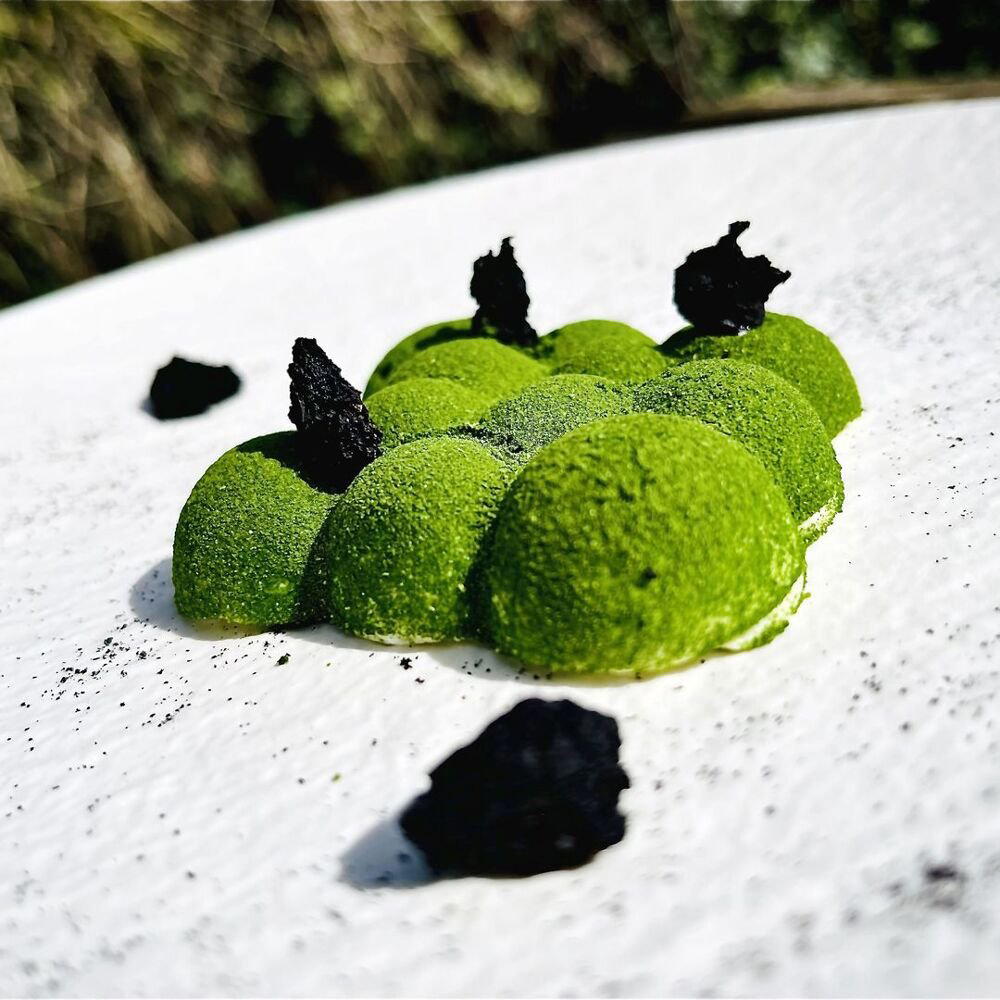
The menu
What to order
- Caramietcha
- Caldo de Pote
- Onion Stuffed with Tuna and Liquid Yolk
- Grilled Wild Turbot
A River Setting That Frames the Food Before You've Eaten a Bite
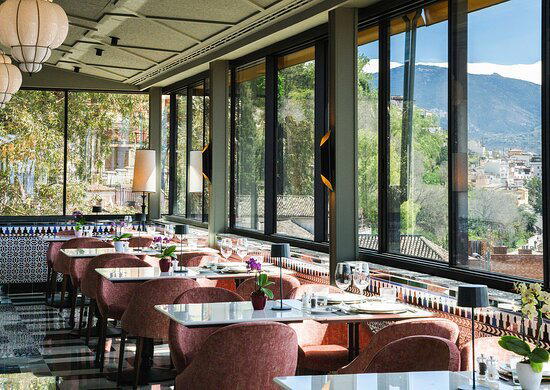
The approach to Pedro Martino sets the context before you've touched a menu. The Nalón river runs along the edge of the property, roughly four miles southwest of Oviedo, and the building itself, a colourful, distinctive house in the village of Caces, carries the kind of quiet local presence that Asturian hospitality tends to project over glass-and-steel spectacle. The panoramic dining rooms open toward the river and the surrounding landscape, and the terrace extends the meal into that same physical space. This isn't incidental atmosphere; it's a direct statement about where the kitchen draws its identity from. The room commits to its geography in a way that city restaurants rarely can.
This address has history. The premises were previously home to L'Alezna, a restaurant that held a Michelin Star from 2004 to 2008, a credential that speaks to the site's standing in northern Spain's fine-dining circuit long before the current chapter. Chef Pedro Martino, returning to these premises and giving the restaurant his own name, has reoriented the space around a single editorial principle: Asturias as subject, ingredient, and argument.
Two Menus, One Region
Spain's most discussed restaurants, El Celler de Can Roca in Girona, Arzak in San Sebastián, Disfrutar in Barcelona, operate within regional food cultures that have spent decades building international recognition. Asturias has a different position: deeply respected within Spain for its cider, cheese, and bean stews, but less visible on the international fine-dining map. Pedro Martino's menu structure is a direct response to that gap.
Each day, the kitchen offers two formats under the Orígenes umbrella. The Orígenes Tradición menu works through the region's established canon without apology, presenting the ingredients and preparations that have defined Asturian tables for generations. The Orígenes Degustación menu takes a longer, more technical route: a sequence of small bites in which traditional Asturian flavour profiles are reframed through contemporary technique. The two menus sit in productive tension with each other rather than competing, one validates the tradition, the other interrogates it.
This dual-format approach mirrors what kitchens elsewhere in Spain's creative tier have done with their own regional raw material. Aponiente in El Puerto de Santa María has built an entire programme around marine ingredients that Spanish kitchens had long overlooked. Quique Dacosta in Dénia uses the Mediterranean coast as both pantry and conceptual frame. Pedro Martino is doing something analogous for the Asturian interior and its river systems, though at a register that feels closer to the ground, rooted rather than abstract.
Where the Food Actually Comes From
The Orígenes framework is only credible if the sourcing holds it up, and the dishes that have drawn attention at Pedro Martino are legible as regional argument rather than culinary exercise. The Caramietcha, pork cheek cured in salt, points directly to Asturian charcuterie tradition, where preservation techniques evolved from practical necessity into a distinct flavour vocabulary. The Caldo de Pote is the more historically loaded dish: a stew that predates fabada, the region's most internationally recognised preparation, and in presenting it the kitchen asks the diner to consider the evolution of a cuisine rather than simply consume a polished product.
Other dishes noted from the kitchen include a delicate onion stuffed with tuna and liquid yolk, and grilled wild turbot, the latter connecting to the Cantabrian coast's fishing tradition, which sits within Asturias's broader larder even if it operates at a remove from the river setting. Wild turbot from these Atlantic waters occupies a different market position than farmed alternatives; its presence on a menu in this region carries a specific sourcing implication. These are ingredients that don't require exotic provenance to carry weight. Their authority comes from place, season, and the discipline of not over-processing them.
Compared to the maximalist vocabulary of kitchens like DiverXO in Madrid or the long avant-garde lineage of Mugaritz in Errenteria, Pedro Martino operates closer to the ingredients themselves. That's a deliberate positioning, not a limitation. The Orígenes Degustación menu uses technique to intensify and clarify rather than to transform beyond recognition, the kitchen's stated aim is to bring the powerful flavours of earlier Asturian cooking into the present tense, not to replace them.
The Competitive Context in Northern Spain
Northern Spain's fine-dining geography is dense and demanding. The Basque Country holds a disproportionate share of Spain's Michelin Stars, and restaurants like Martin Berasategui in Lasarte-Oria and Azurmendi in Larrabetzu operate at a level of international visibility that Asturian kitchens haven't yet matched. This makes Pedro Martino's position interesting rather than diminished: it occupies a less crowded field, where the regional argument is less contested and the sourcing narrative carries more weight precisely because it hasn't been repeated to exhaustion.
The site's Michelin history, the Star held by L'Alezna from 2004 to 2008, gives the address credibility in the local and national dining conversation. Whether that credential translates to the current kitchen's recognition is a separate question, but the context matters: this isn't a location starting from scratch. It carries the weight of an earlier chapter that already established the premises as a serious dining address in Asturias. For those who follow Ricard Camarena in València or Atrio in Cáceres as examples of how regional Spanish cooking builds its case beyond the Basque-Catalan axis, Pedro Martino fits that wider pattern.
Planning a Visit
Caces sits approximately four miles southwest of Oviedo, making Pedro Martino a practical destination from the Asturian capital by car. Oviedo is served by the Asturias Airport, which connects to major Spanish cities and select European hubs. The restaurant's riverside location makes it viable as a lunch destination as well as an evening commitment, the terrace and panoramic rooms work at both hours, and the Orígenes Tradición menu may suit those who want a less extended format than the full tasting sequence. Reservations should be made in advance given the restaurant's recognition and the limited dining population of the immediate area; local and regional visitors from Oviedo and Gijón account for a significant share of the clientele at serious Asturian addresses. For more on the area, see our full Caces restaurants guide, and for accommodation options nearby, our Caces hotels guide. If you're building a wider itinerary around the region, the bars guide, wineries guide, and experiences guide cover the broader Caces context.
Frequently asked questions
Is Pedro Martino suitable for children?
The restaurant occupies a colourful house on the Nalón riverbank with a terrace and panoramic dining rooms, which gives the setting a relaxed, open feel. The Orígenes Tradición menu, a shorter, more straightforward option rooted in classic Asturian cooking, would suit families better than the longer Orígenes Degustación tasting sequence. Confirm directly with the restaurant whether children's portions or simplified plates are available.
Is Pedro Martino formal or casual?
Pedro Martino occupies a riverbank house rather than a city-centre dining room, and the premise, cooking tied to Asturian origins and regional memory, suggests a grounded rather than ceremonial atmosphere. The venue offers two distinct menus, from a shorter traditional option to a multi-course tasting sequence, so the formality scales with the menu you choose. It is not a jacket-required setting, but the food commands attention.
Does Pedro Martino have a Michelin star or similar recognition?
Pedro Martino has received recognition including: On the banks of the river Nalón, approximately 4 miles southwest of Oviedo, this colourful house occupies the premises of what was once L'Alezna, a restaurant that already shone with a MICHELIN Star between 2004 and 2008. Chef Pedro Martino….
What do people recommend at Pedro Martino?
Several dishes have drawn attention in editorial coverage of the restaurant. The Caramietcha, pork cheek cured in salt, and the Caldo de Pote, a stew regarded as the forerunner of Asturian fabada, are cited as reference points. The onion stuffed with tuna and liquid yolk and the grilled wild turbot also appear consistently in accounts of the Orígenes Degustación menu.
How do I find Pedro Martino?
Pedro Martino is located at La Rienda, 14, 33174 Caces, Asturias, Spain, Caces.
How hard is it to get a table at Pedro Martino?
Booking ahead is advisable, particularly for the Orígenes Degustación tasting menu.
What's the standout thing about Pedro Martino?
The structure of the menu offer is what separates Pedro Martino from most Asturian restaurants: two dedicated Orígenes menus run daily, one shorter and tradition-led, one an extended sequence of small bites that moves classic regional flavours into a contemporary format. This is a considered editorial position, not a single signature dish, the kitchen is arguing for a particular reading of Asturian food history at every service.
In Context: Similar Options
Comparable venues nearby, for context on price, style, and recognition.
| Venue | Cuisine | Price | Awards | Notes |
|---|---|---|---|---|
| Pedro MartinoThis venue (the venue you are viewing) | Modern Asturian | $100–150 | Michelin Plate · Guía Repsol 1 Sol | Not listed |
| Éleonore | Modern Spanish Creative Fine Dining | Not listed | Michelin Plate · Guía Repsol 1 Sol | Salinas |
| Arrope | Modern Spanish Fine Dining | $50–100 | Michelin Plate · Macarfi 7.7 Food Rating | Rueda |
| Carea Bistró | Modern Spanish Bistro | $30–50 | Michelin Plate · Macarfi 7.2 Food Rating | Barrio Húmedo |
| Restaurante La Tabla | Modern Asturian | Not listed | Michelin Plate · Star Wine List | countryside |
| El Asador de Abel - Casa Farpón | Traditional Asturian Asador | Not listed | Michelin Plate | Argüelles |
Recognition history
Dated appearances from independent guides and award organizations, with the underlying list record or original source where available.
Michelin Plate
Michelin
Guía Repsol 1 Sol
Guía Repsol
Macarfi 8.8 Food Rating
Macarfi
Continue exploring
More in Caces
Restaurants in Caces
All restaurants in Caces →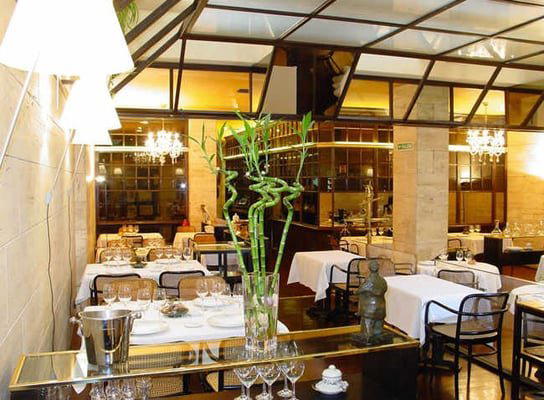
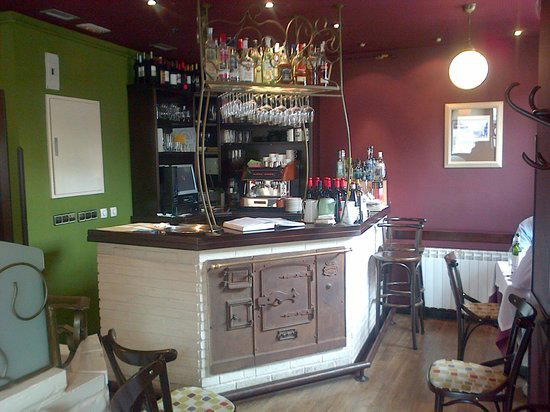

Pedro Martino
The wine
- Wine program
- Deep wine list
- Extensive wine list
- Sommelier-led
Details
- Romantic
- Scenic
- Elegant
- Sophisticated
- Date Night
- Special Occasion
- Celebration
- Panoramic View
- Terrace
- Open Kitchen
- Private Dining
- Extensive Wine List
- Sommelier Led
- Local Sourcing
- Farm To Table
- Mountain
- Waterfront
- Tasting Menu
- A La Carte
- Wine
- Local Cider
Current opening hours
- Monday
- Closed
- Tuesday
- Closed
- Wednesday
- Closed
- Thursday
- Closed
- Friday
- Closed
- Saturday
- Closed
- Sunday
- Closed
Hours can change for holidays and private events. Hours as of .
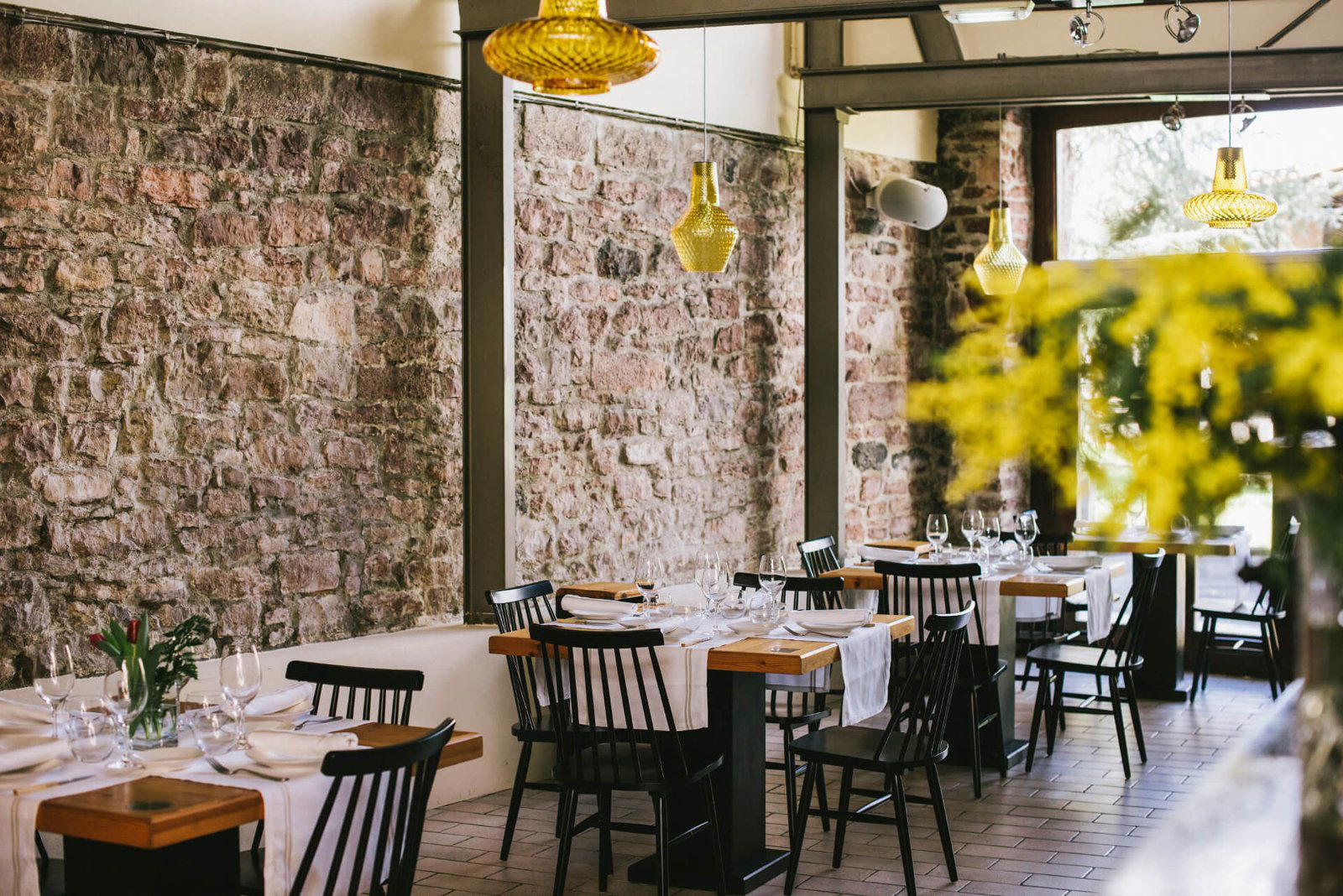
Lighting and décor in a charming renovated house overlooking the Nalón river valley, creating an intimate yet refined atmosphere with meticulous attention to detail.