Our verdict
Pearl Brasserie occupies a Georgian address on Merrion Street Upper, placing it steps from the National Gallery and the political heart of Dublin 2. The kitchen works in a register familiar to anyone who follows contemporary Irish dining: locally sourced produce handled with the precision of continental technique. For visitors calibrating Dublin's serious restaurant tier, Pearl sits in a bracket worth understanding.

Pearl is the En Primeur Club membership app — saves, bookings, and concierge access live there. Same editors, same standards.
- Address
- 20 Merrion St Upper, Dublin 2, D02 XH98, Ireland
- Phone
- +35316613572
- Hours
- Mon–Tue 5:30–9 PMWed 12–2:30 PM, 5:30–9 PMThu–Fri 12–2:30 PM, 5:30–9:30 PMSat 5:30–9:30 PMSun Closed
- Website
- pearl-brasserie.com
- Directions
- Get directions
- Booking
- Book on the venue's website
The menu
What to order
- French Squab Pigeon Rossini
- Balfego Wild Bluefin Tuna
Merrion Street and What It Signals
Upper Merrion Street is not a dining street by accident. The Georgian terraces that run from Merrion Square toward Government Buildings house a concentration of institutional weight: the National Gallery, Leinster House, a cluster of diplomatic premises. Restaurants that take space here are making a statement about permanence and register. Pearl Brasserie, at number 20, belongs to this address in the way that certain Dublin rooms do: the building does the first half of the work before the kitchen needs to do anything at all.
Dublin's serious dining tier has reorganised itself considerably over the past decade. The city's leading bracket now runs from long-standing Franco-Irish institutions like Patrick Guilbaud through contemporary Irish rooms such as Bastible and Glovers Alley, each operating with a different emphasis on tradition, technique, and provenance. Pearl sits within that conversation, occupying the brasserie end of formal dining: a format that implies regularity and confidence rather than occasion-only restraint.
The Local-Global Formula at the Core of Modern Irish Cooking
The editorial angle that leading explains Pearl, and indeed a significant portion of serious Irish restaurant cooking right now, is the intersection of imported method and indigenous product. Irish agriculture produces dairy, beef, lamb, and seafood of a consistency that most European markets would struggle to match at scale. The challenge for kitchens has always been what technique to bring to that material.
The answer, across the stronger end of Irish fine dining for the past two decades, has been predominantly French or French-adjacent: classical brigade structure, sauce-led composition, the kind of precision that comes from training in European kitchens. Chapter One by Mickael Viljanen applies that logic at the highest level, with two Michelin stars as its credential. D'Olier Street works a different register of the same instinct. Pearl operates within this lineage: a brasserie format that draws on the formal European dining tradition while grounding itself in Irish supply.
Brasserie format itself deserves attention here. Unlike the tasting-menu rooms that dominate Ireland's Michelin-tracked tier, a brasserie operates on the assumption that the same diner might return midweek without a special occasion attached. That implies a different relationship with the menu: broader, perhaps more grounded in technique than in narrative, and more responsive to the seasonal shifts that Irish agriculture produces month by month.
Ireland's wider restaurant circuit has been making this argument more forcefully in recent years. Aniar in Galway applies a Nordic-influenced terroir logic to Connacht produce. Liath in Blackrock works a tasting-menu format built on hyper-local supply chains. Across the south and west, rooms like Chestnut in Ballydehob, Bastion in Kinsale, and Campagne in Kilkenny each apply European training to regional Irish produce in ways that reflect local geography as much as culinary tradition. Pearl's Dublin positioning means it draws on a different supply geography, but the underlying logic is consistent with what the better Irish kitchens have been arguing for years: that the raw material justifies serious technique.
Dublin 2 in Context
The Dublin 2 postcode concentrates much of the city's institutional dining. That has advantages and pressures. The clientele tends toward business, politics, and the legal profession, which historically rewarded formal confidence over experimental risk. It is not the neighbourhood that produced Dublin's more restless dining energy, which tends to cluster further south toward Rathmines and Portobello, or east toward Ballsbridge. What Merrion Street offers instead is continuity: rooms that need to perform at a consistent standard across lunch and dinner, weekday and weekend, without leaning on the novelty that new openings briefly enjoy.
For anyone mapping Dublin's dining geography in full, our full Dublin restaurants guide covers the broader picture, including the neighbourhoods and formats that sit outside the formal tier Pearl occupies.
The Technique Question
What the local-global intersection looks like in practice varies considerably by kitchen. At its weakest, it produces competent but anonymous cooking where Irish produce is handled with generic European restraint and little sense of either tradition. At its strongest, as in places like dede in Baltimore or Homestead Cottage in Doolin, the technique becomes genuinely specific to the material, producing dishes that could not be made the same way anywhere else.
The brasserie format at Pearl implies a middle register of this ambition: not the maximalist tasting-menu expression, but not the casual bistro version either. It is cooking that expects the diner to pay attention, while accepting that attention has limits in a room designed for return visits rather than pilgrimage.
For a useful international comparison point, rooms like Le Bernardin in New York City demonstrate what extreme technical discipline applied to a single category of ingredient can produce at the highest level. Atomix, also in New York, applies Korean heritage and fine-dining precision in a way that reframes what local-global intersection can mean when both sides of the equation are treated with equal seriousness. Pearl operates in a different tier and a different register, but the underlying question about how imported technique serves indigenous product is the same one those rooms are asking.
Further along Ireland's southern coast, Terre in Castlemartyr, House in Ardmore, and Lady Helen in Thomastown each take that question into hotel dining contexts where the relationship between produce, setting, and technique becomes inseparable from place. Dublin lacks that countryside dimension, but Pearl's Georgian address provides a version of the same embedded quality: a room that reads as part of its city in a specific, non-transferable way.
Know Before You Go
- Address: 20 Merrion Street Upper, Dublin 2, D02 XH98, Ireland
- Neighbourhood: Dublin 2, adjacent to Merrion Square and the National Gallery
- Format: Brasserie; suitable for business lunch, dinner, and repeat visits
- Booking: Advance reservation recommended for dinner; walk-in availability varies by service
- Price tier: Mid-to-upper range for Dublin formal dining
- Getting there: Central Dublin 2 location; accessible on foot from St Stephen's Green and accessible by bus along Merrion Street
Frequently asked questions
Where exactly is Pearl Brasserie?
Pearl Brasserie is located at 20 Merrion St Upper, Dublin 2, D02 XH98, Ireland, Dublin.
Is Pearl Brasserie a good choice for a business lunch in Dublin city centre?
The address at 20 Merrion Street Upper places Pearl inside Dublin 2's core institutional dining corridor, the same stretch used by government, legal, and financial clientele who treat the neighbourhood as a default for professional meals. Brasserie format in this postcode typically means table spacing and service pacing suited to conversation-first dining. It is one of the more deliberately positioned addresses in that specific context within the city.
What should I order at Pearl Brasserie?
Pearl sits on Upper Merrion Street in Dublin 2, a postcode where kitchens tend to anchor menus in Irish produce interpreted through classical technique. The stronger choices at brasseries of this type are typically those that commit fully to that local-sourced approach rather than hedging toward generic European standards. Check the current menu directly with the restaurant, as seasonal rotation is standard practice at this address level.
Do they take walk-ins at Pearl Brasserie?
Pearl Brasserie is located at 20 Merrion Street Upper, Dublin 2, a corridor that draws consistent business and political clientele given its proximity to Government Buildings and the major hotels on that stretch. That steady demand means walk-in availability is not guaranteed, particularly at peak lunch and dinner hours. Contacting the restaurant ahead of your visit is the practical approach.
Cuisine and Credentials
Comparable venues nearby, for context on price, style, and recognition.
| Venue | Cuisine | Price | Notes |
|---|---|---|---|
| Pearl BrasserieThis venue — the venue you are viewing | Modern French Brasserie with Asian Fusion | $100–150 | Not listed |
| La Peniche | French/Italian Bistro on Canal Barge | $50–100 | Pembroke West C |
| La Maison | Classic French Brasserie with Modern Irish Influences | $50–100 | Royal Exchange A |
| The Greenhouse | Modern French Fine Dining | $50–100 | Mansion House B |
| Isabelle's | Contemporary Irish | $50–100 | Mansion House B |
| l'Gueuleton | Modern French Bistro | $50–100 | Royal Exchange A |
Continue exploring
More in Dublin
Restaurants in Dublin
Browse all →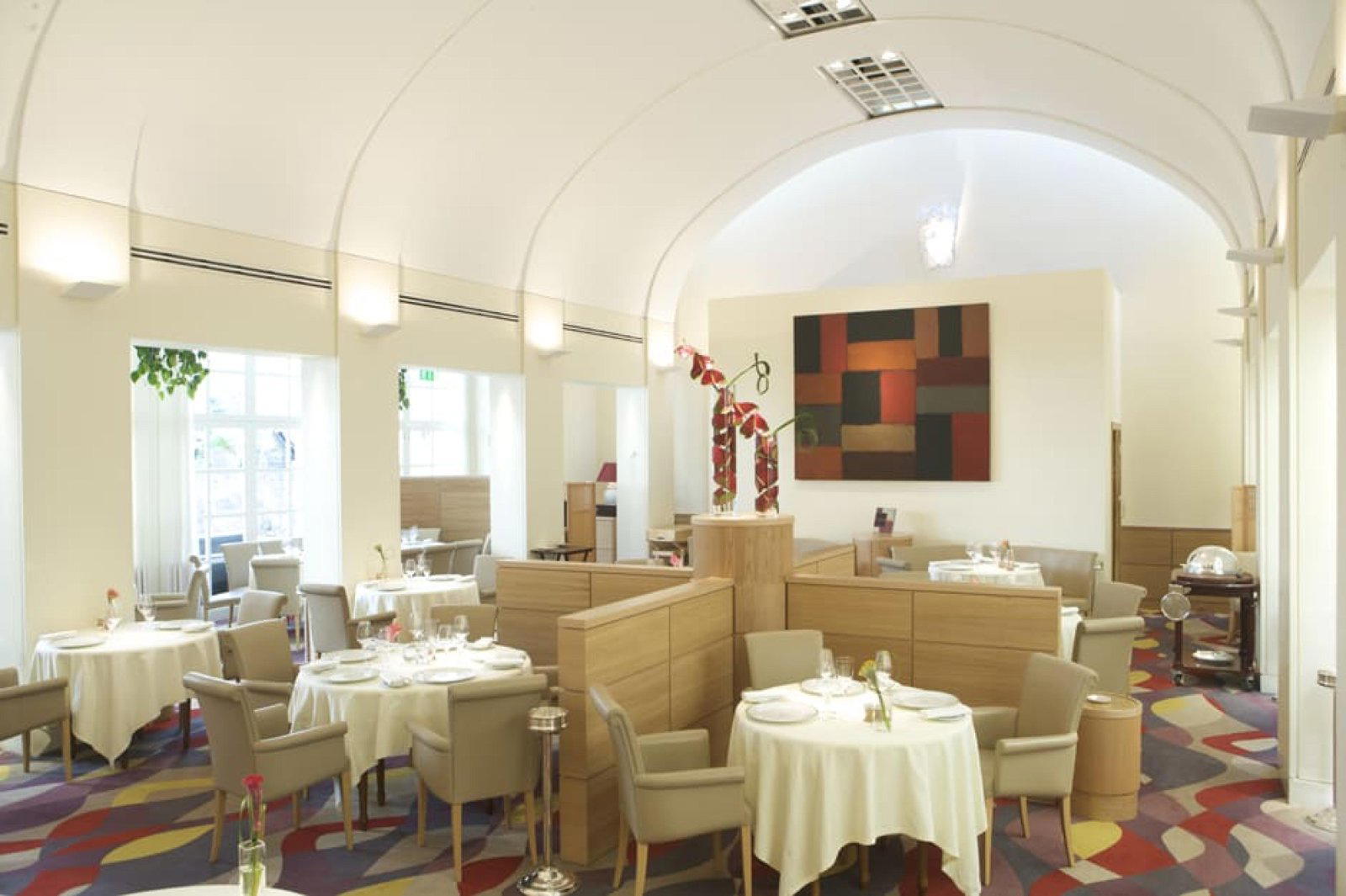
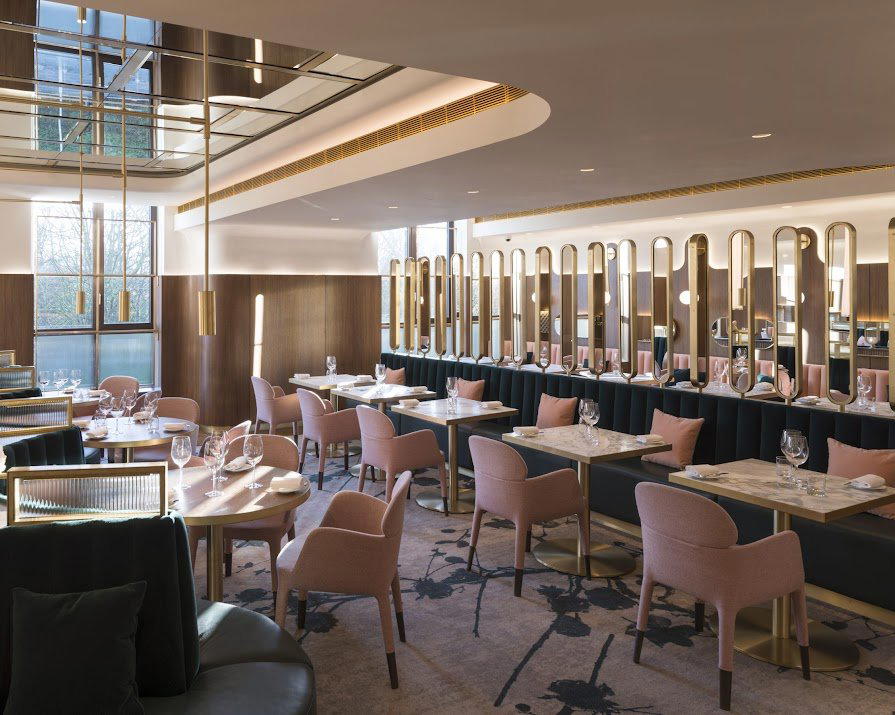
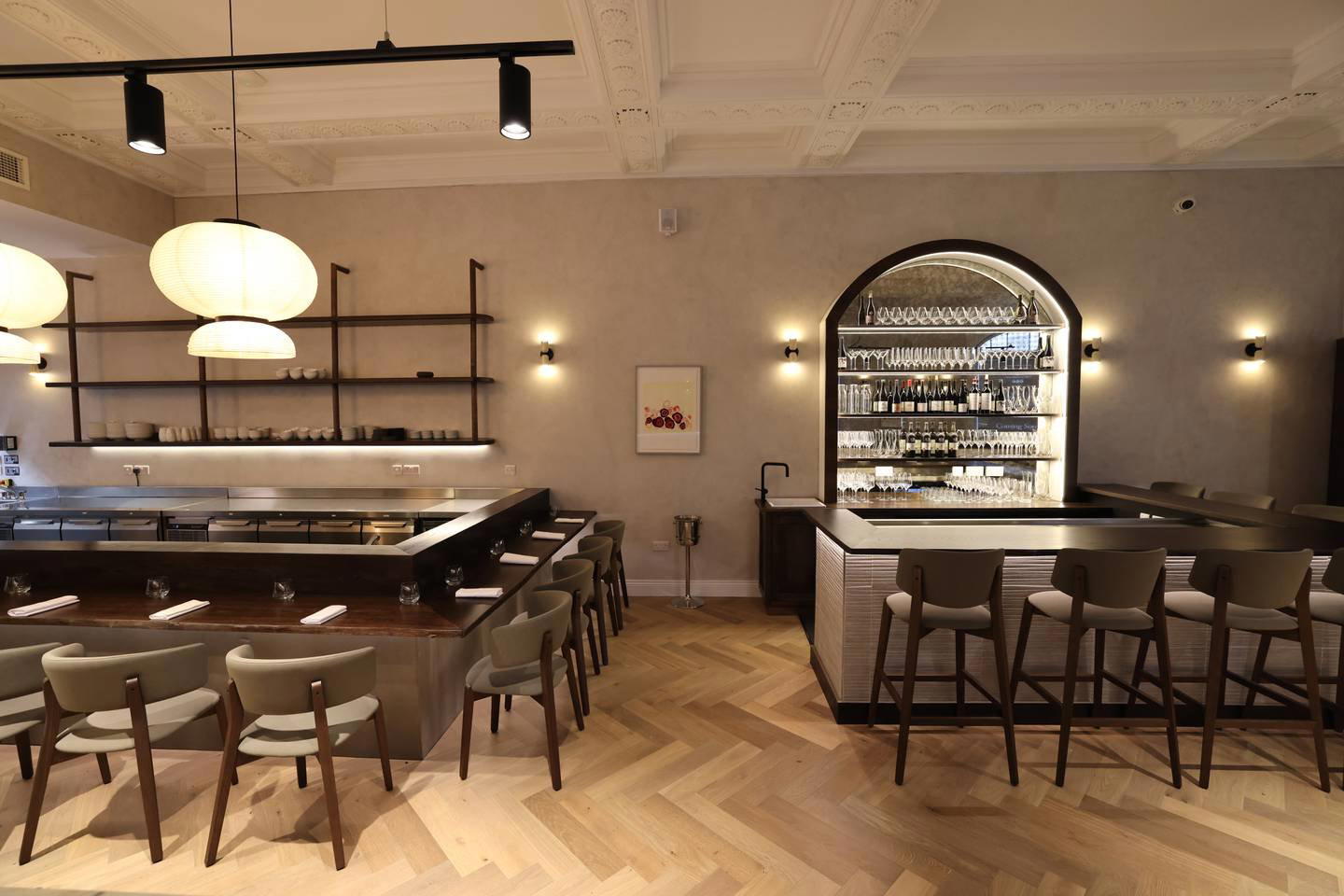
Bars in Dublin
Browse all →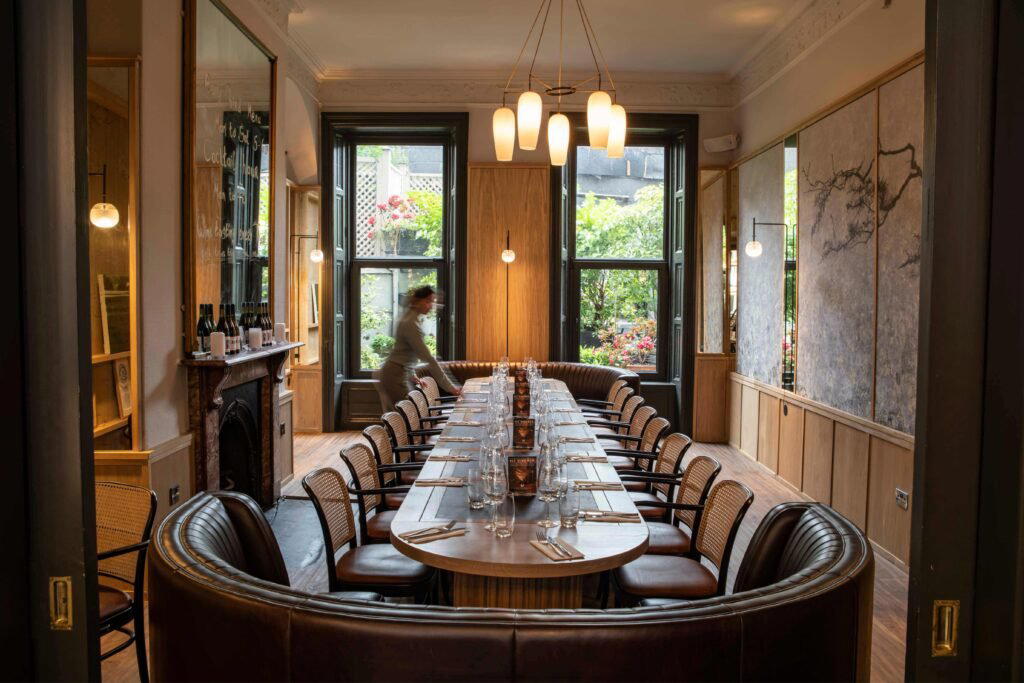
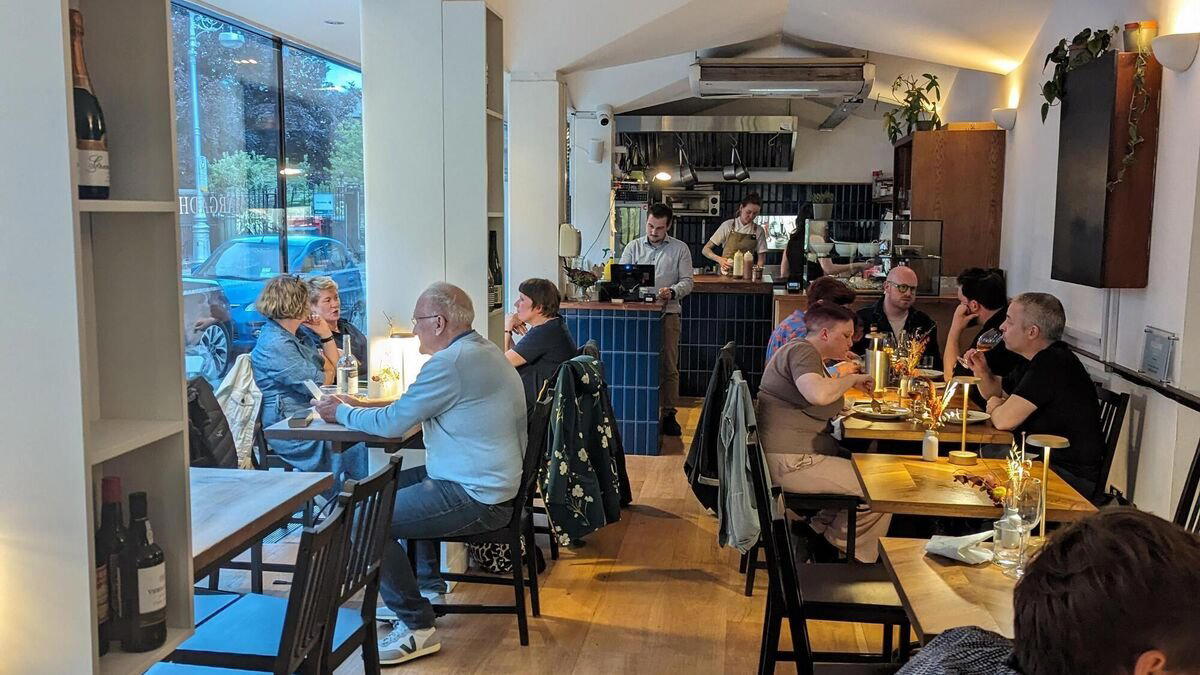
Hotels in Dublin
Browse all →
Wineries in Dublin
Browse all →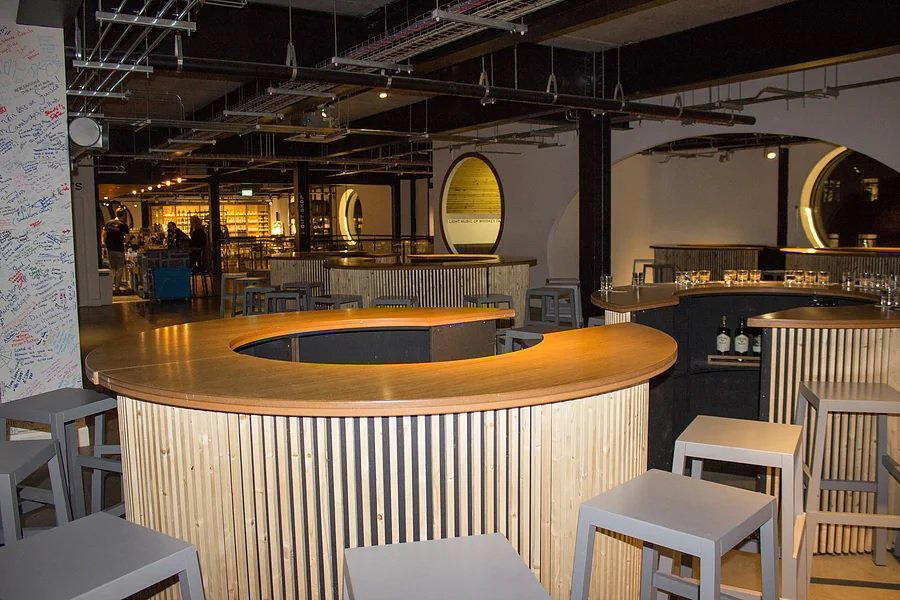
Details
- Elegant
- Sophisticated
- Intimate
- Classic
- Date Night
- Business Dinner
- Special Occasion
- Private Dining
- Extensive Wine List
- A La Carte
- Tasting Menu
- Wine
- Vegetarian Friendly
- Gluten Free Options
Current opening hours
- Monday
- 5:30–9 PM
- Tuesday
- 5:30–9 PM
- Wednesday
- 12–2:30 PM, 5:30–9 PM
- Thursday
- 12–2:30 PM, 5:30–9:30 PM
- Friday
- 12–2:30 PM, 5:30–9:30 PM
- Saturday
- 5:30–9:30 PM
- Sunday
- Closed
Hours can change for holidays and private events. Last verified .
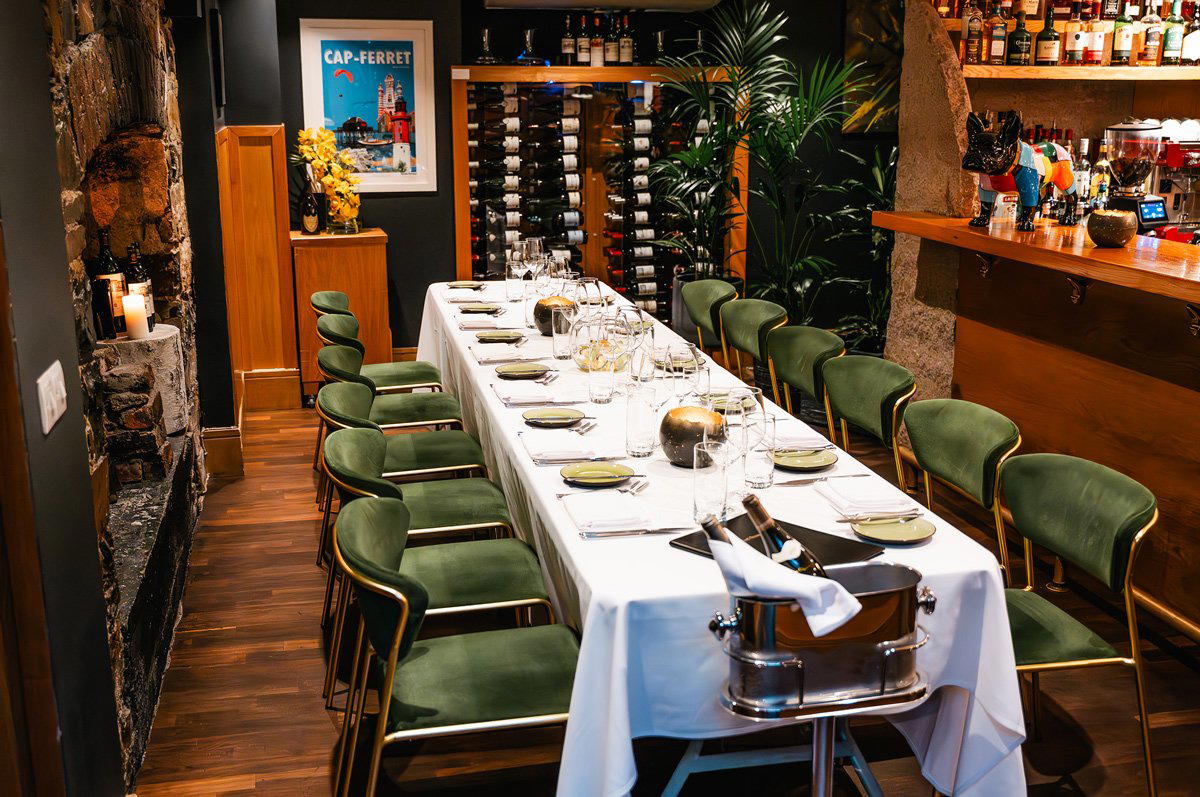
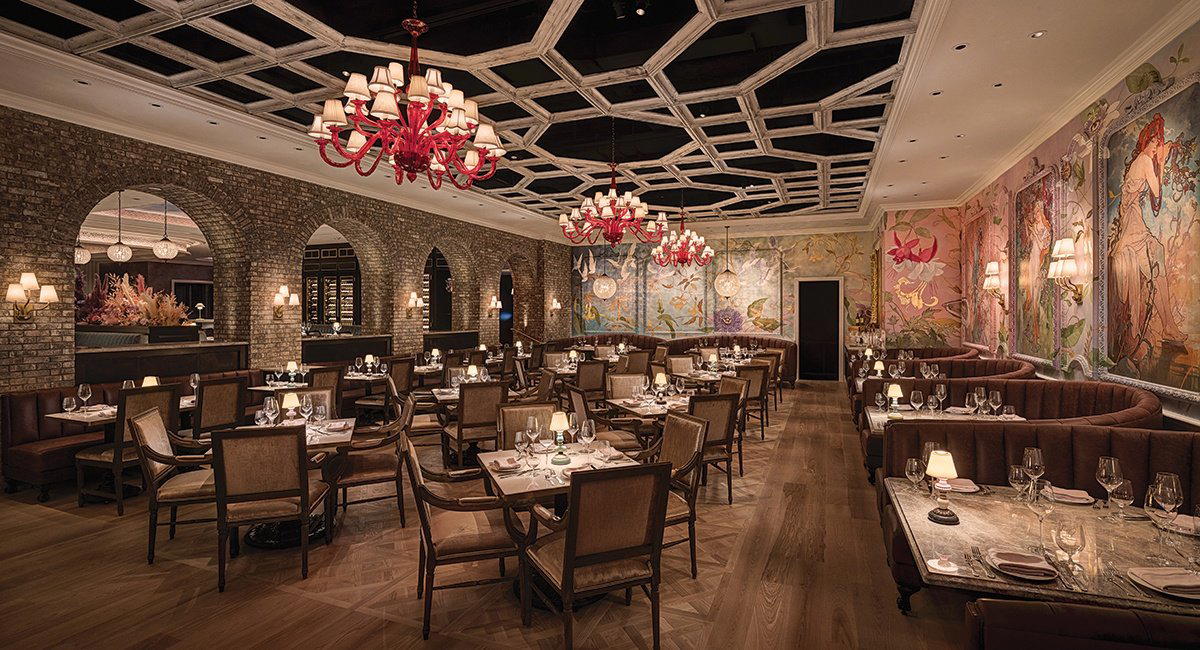
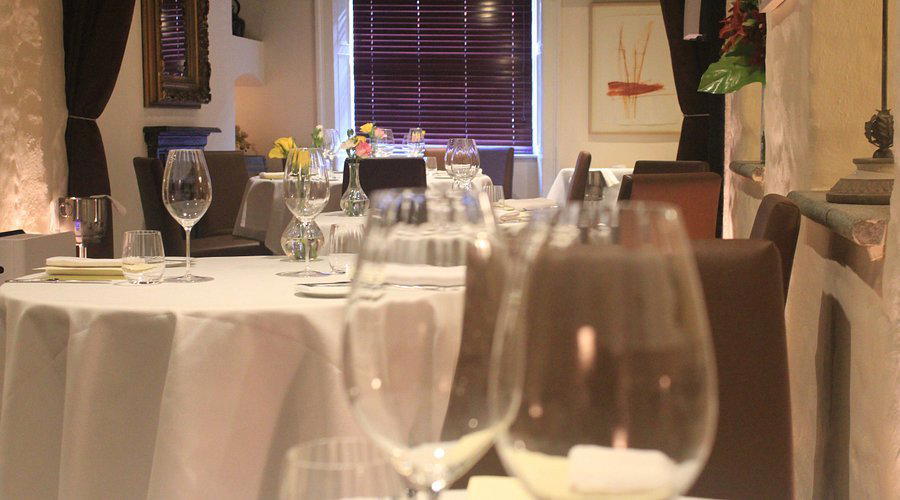
Stylish subterranean space with interconnecting rooms, cosy booths, nooks, tranquil music, peat fireplaces, and exotic aquariums creating an intimate and sophisticated atmosphere.