Peacock Room
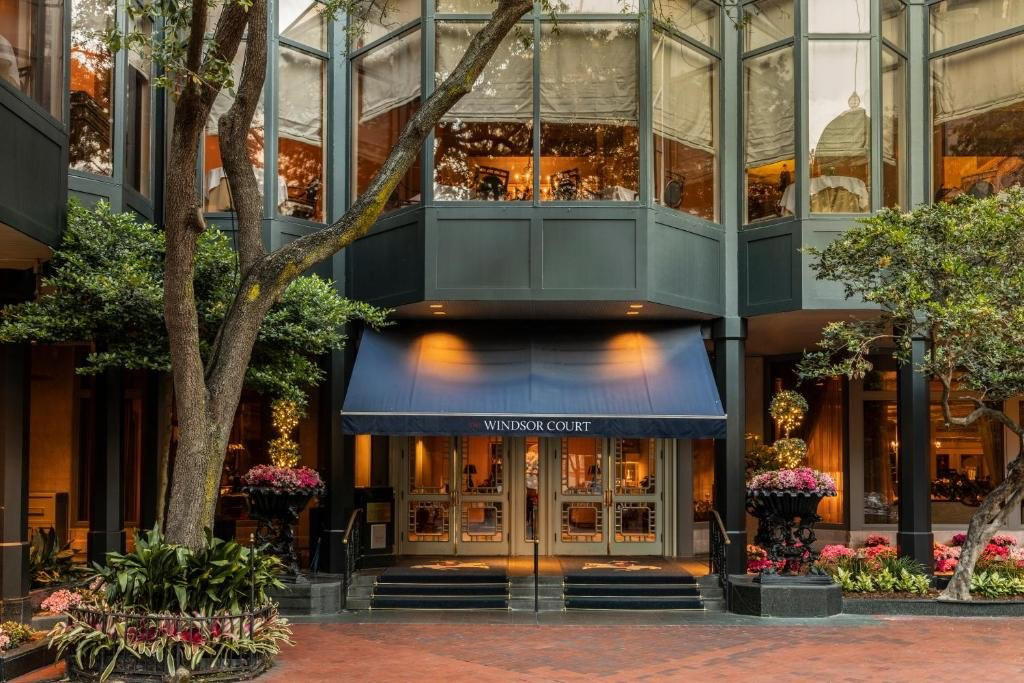
Peacock Room occupies a corner of the Warehouse District at 501 Tchoupitoulas Street, placing it inside one of New Orleans' most actively evolving dining corridors. The room itself signals a particular kind of ambition: the kind that expects front-of-house, kitchen, and cellar to move as a single unit. For visitors arriving during the city's cooler-season dining peak, it earns a close look alongside the neighborhood's other serious tables.
Pearl is the En Primeur Club membership app — saves, bookings, and concierge access live there. Same editors, same standards.
- Address
- 501 Tchoupitoulas St, New Orleans, LA 70130
- Phone
- +15043243073
- Website
- peacockroomnola.com
- Directions
- Get directions
 Saves & bookings on Pearl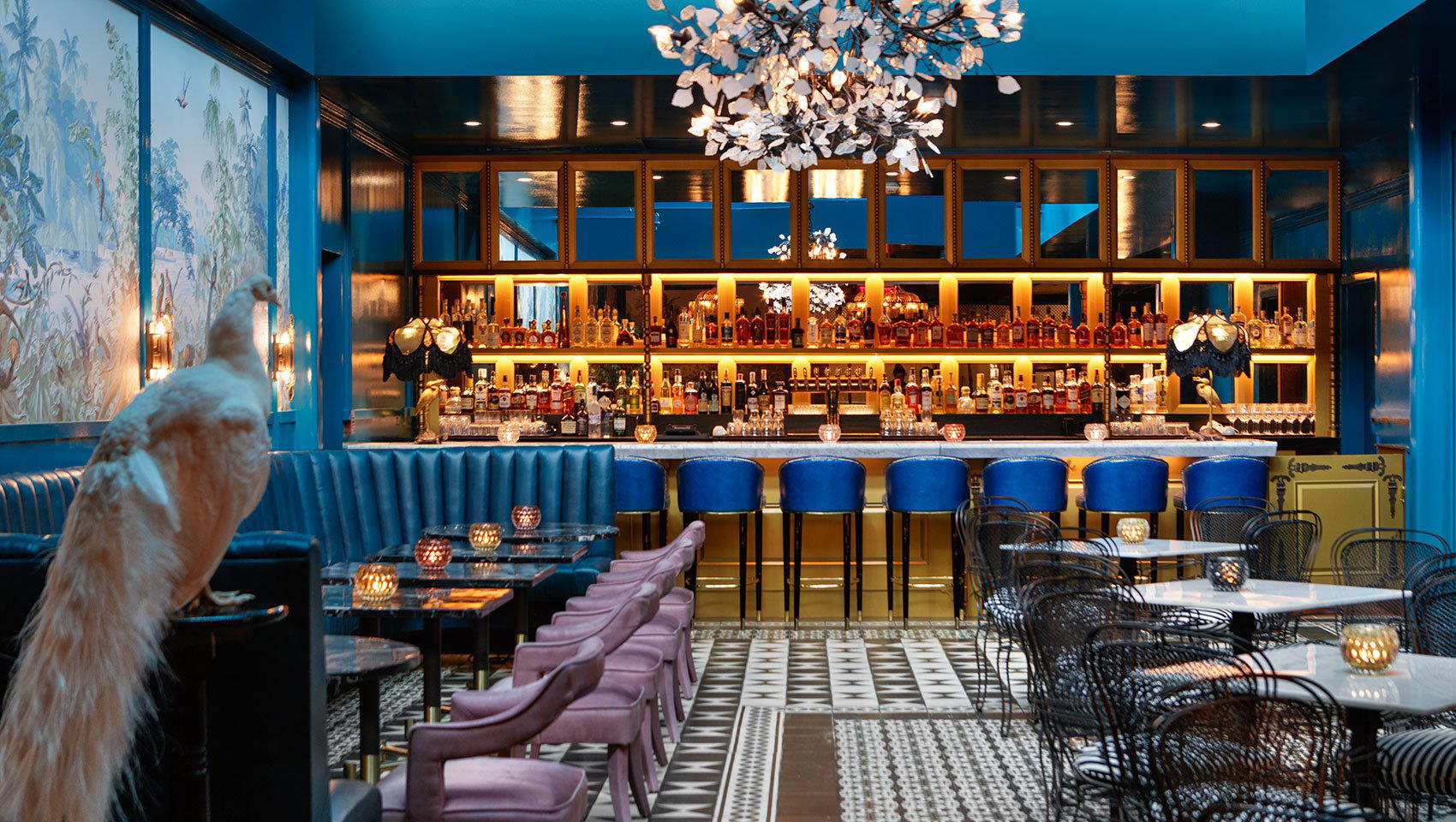
Where the Warehouse District Sets Its Own Terms
The stretch of Tchoupitoulas Street running through New Orleans' Warehouse District has accumulated a dining identity distinct from the French Quarter's tourist-facing operations and the Garden District's older-money institutions. The neighborhood draws from a post-industrial conversion logic, gallery space turned event venue, loading dock turned bar, and the restaurants that have taken root here tend to operate with a seriousness of purpose that matches the architecture. Peacock Room, at 501 Tchoupitoulas, sits inside that pattern. The address alone places it in conversation with a corridor that has been quietly setting the pace for contemporary New Orleans dining over the past decade.
New Orleans dining more broadly has undergone a structural shift. The city's most closely watched rooms now compete less on Creole heritage signaling and more on the coherence of their full operation: whether the kitchen and the floor are genuinely synchronized, whether the wine or beverage program reflects the same level of thinking as the menu, and whether the pacing of a meal holds across two or three hours. That shift, away from individual star-chef personality and toward integrated team performance, defines the tier in which Peacock Room positions itself.
The Room and What It Communicates
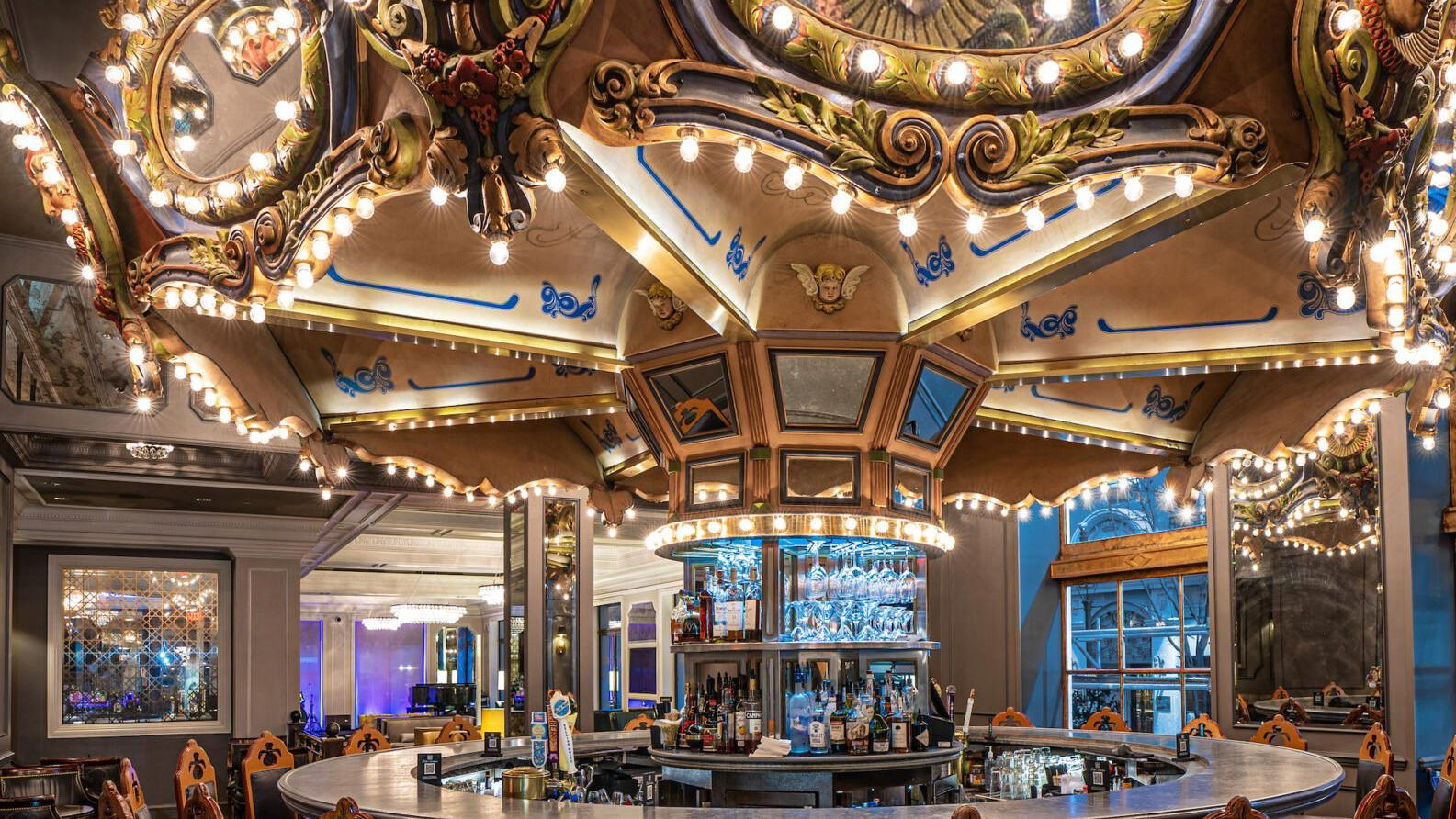
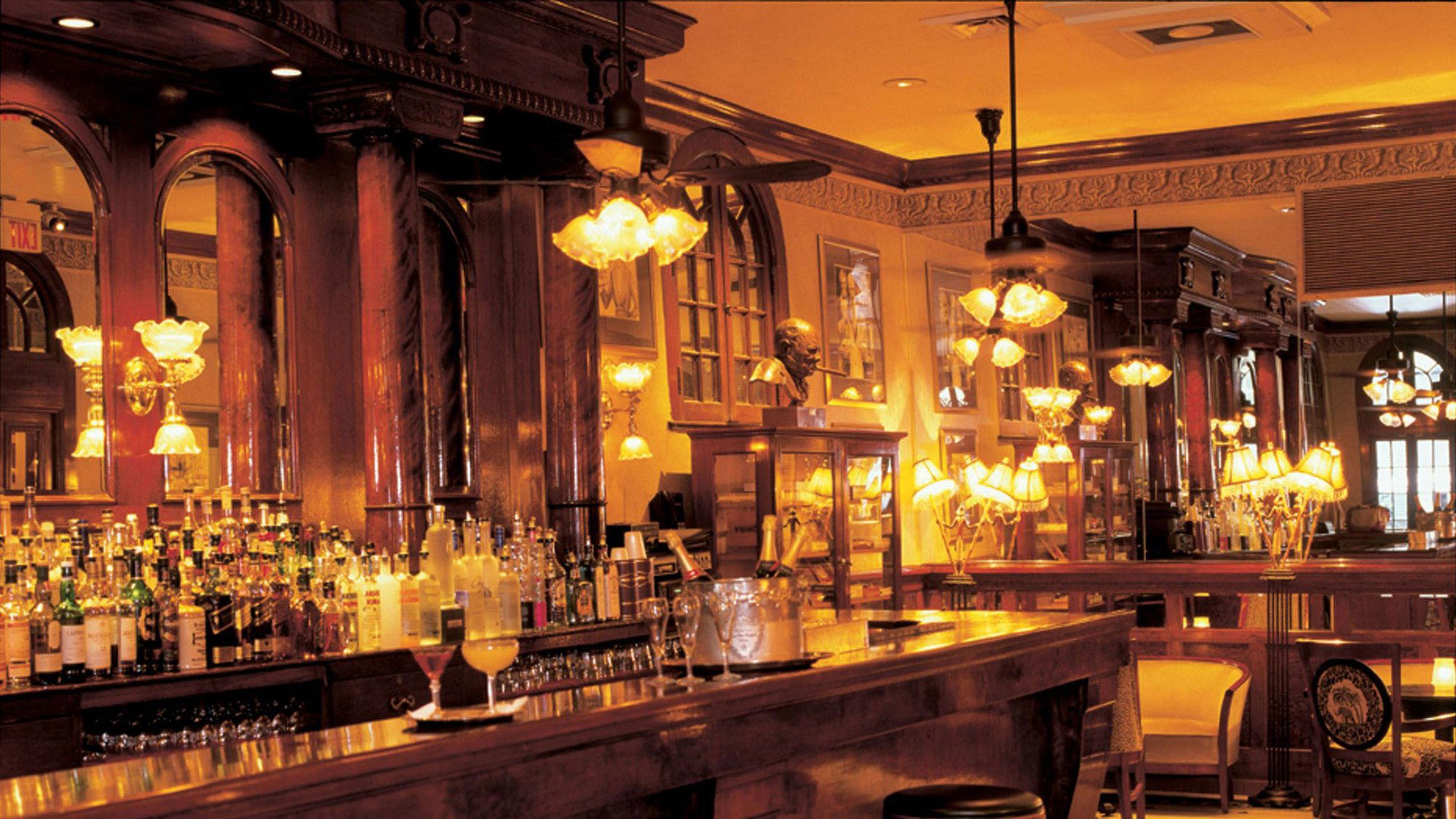
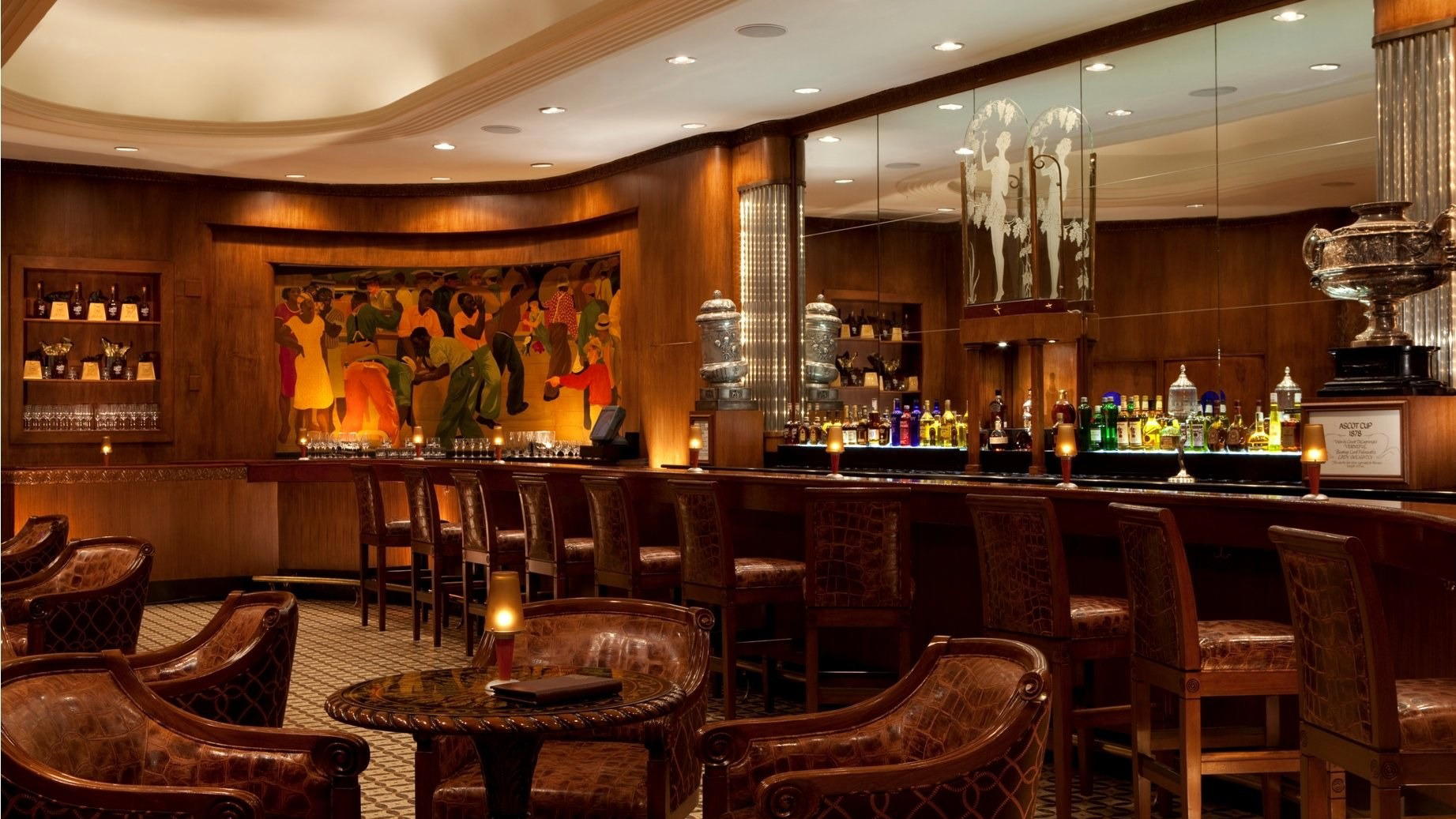
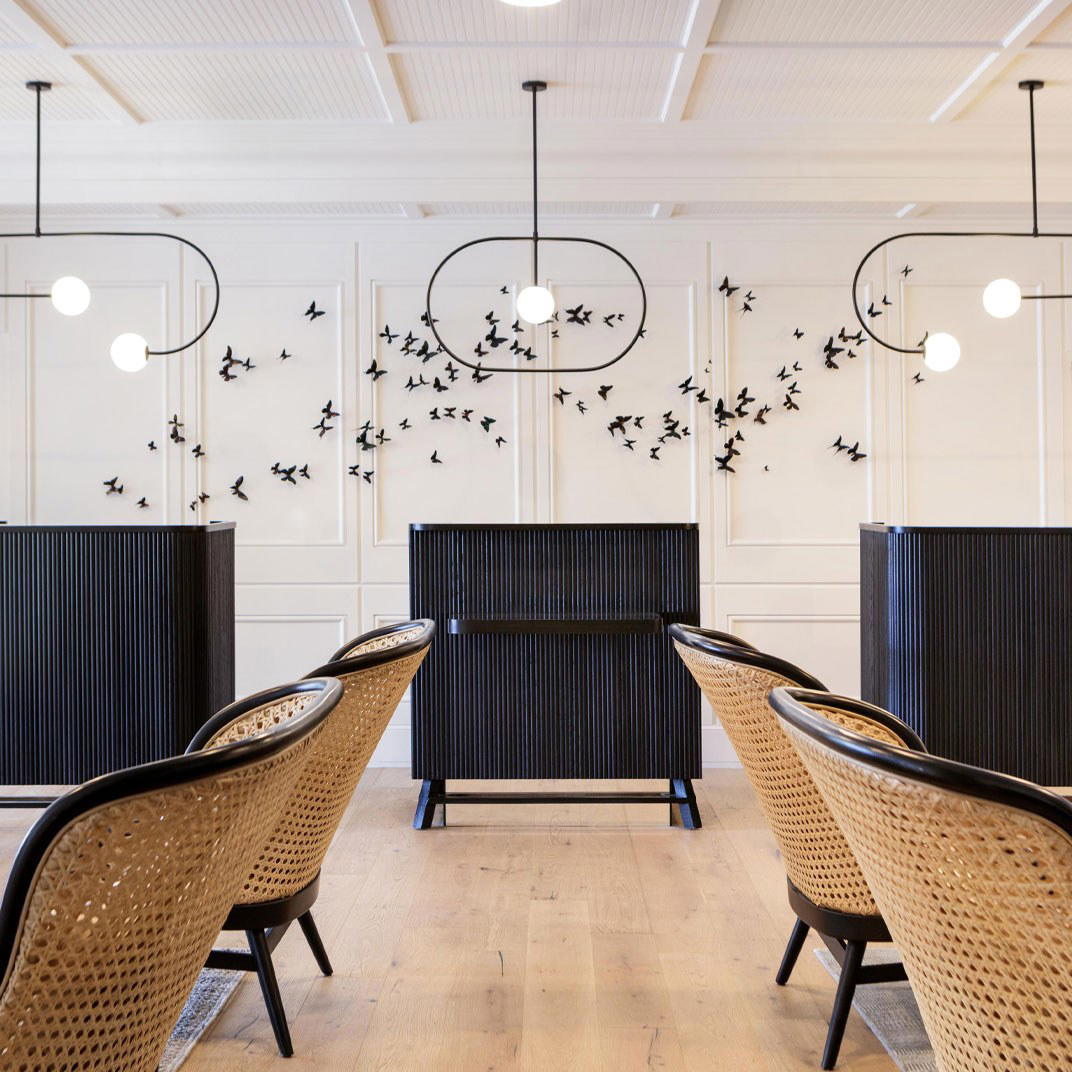
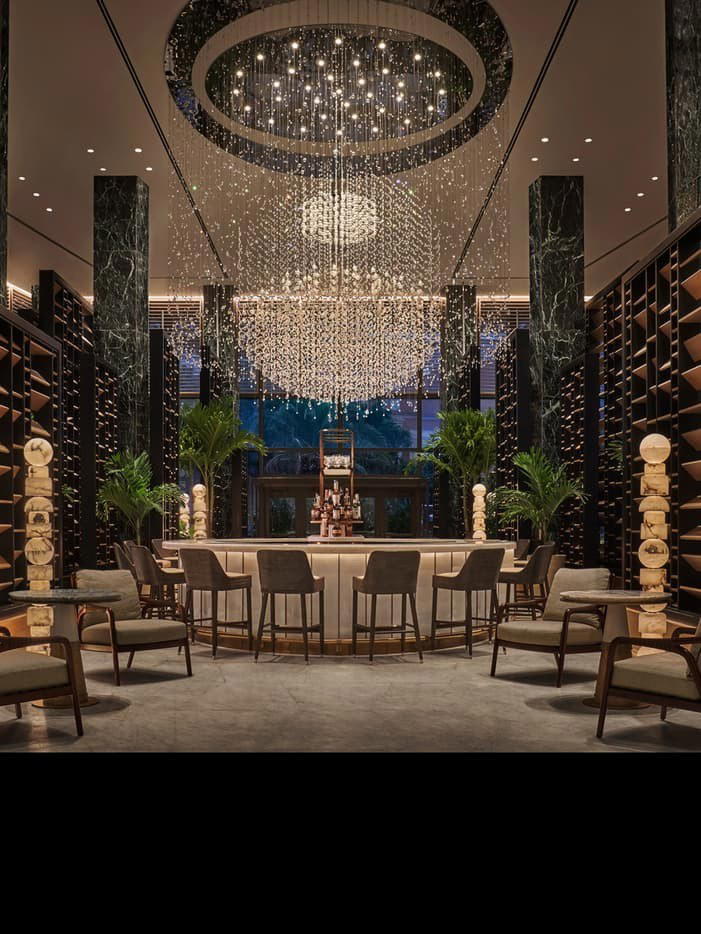
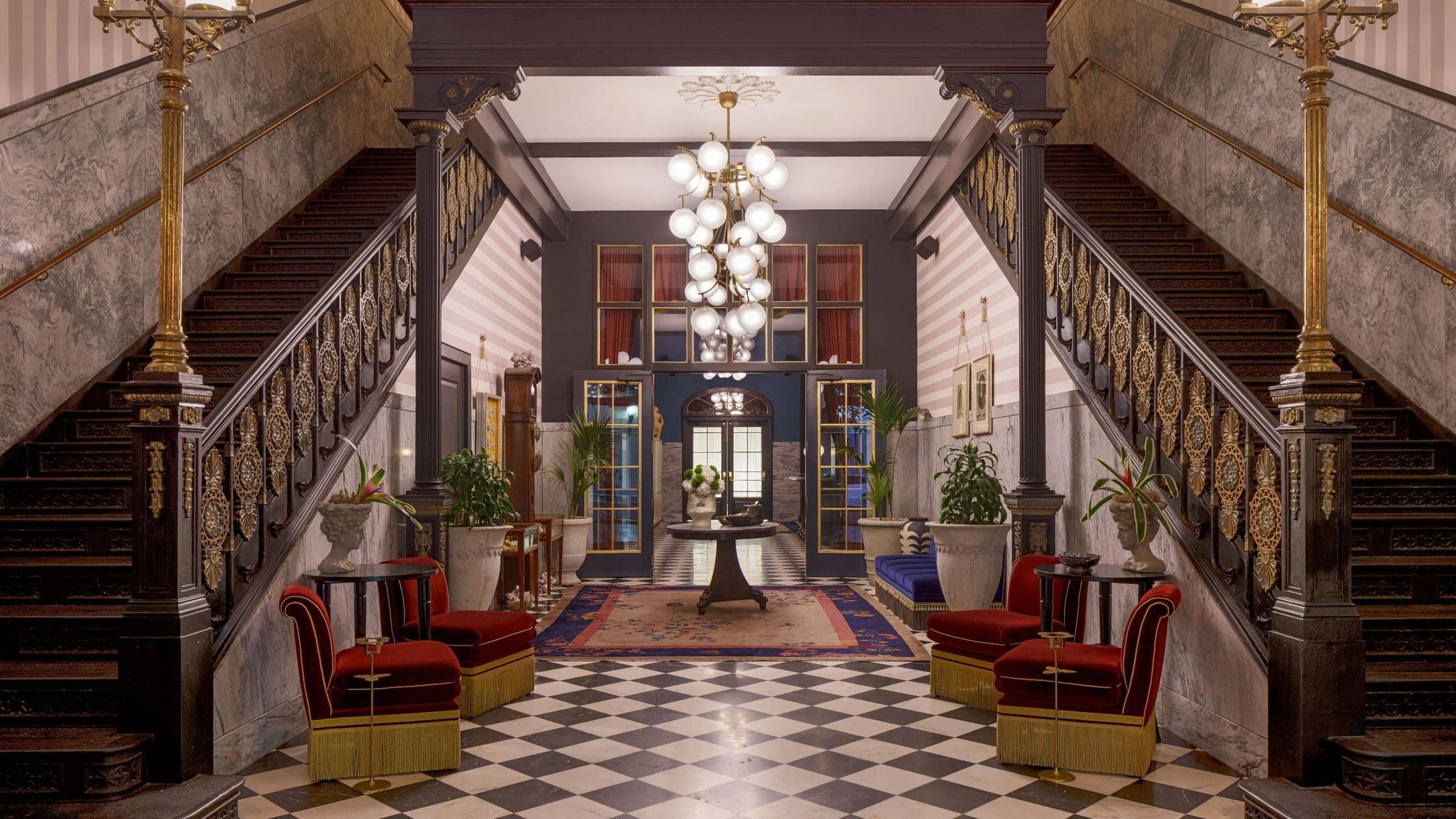
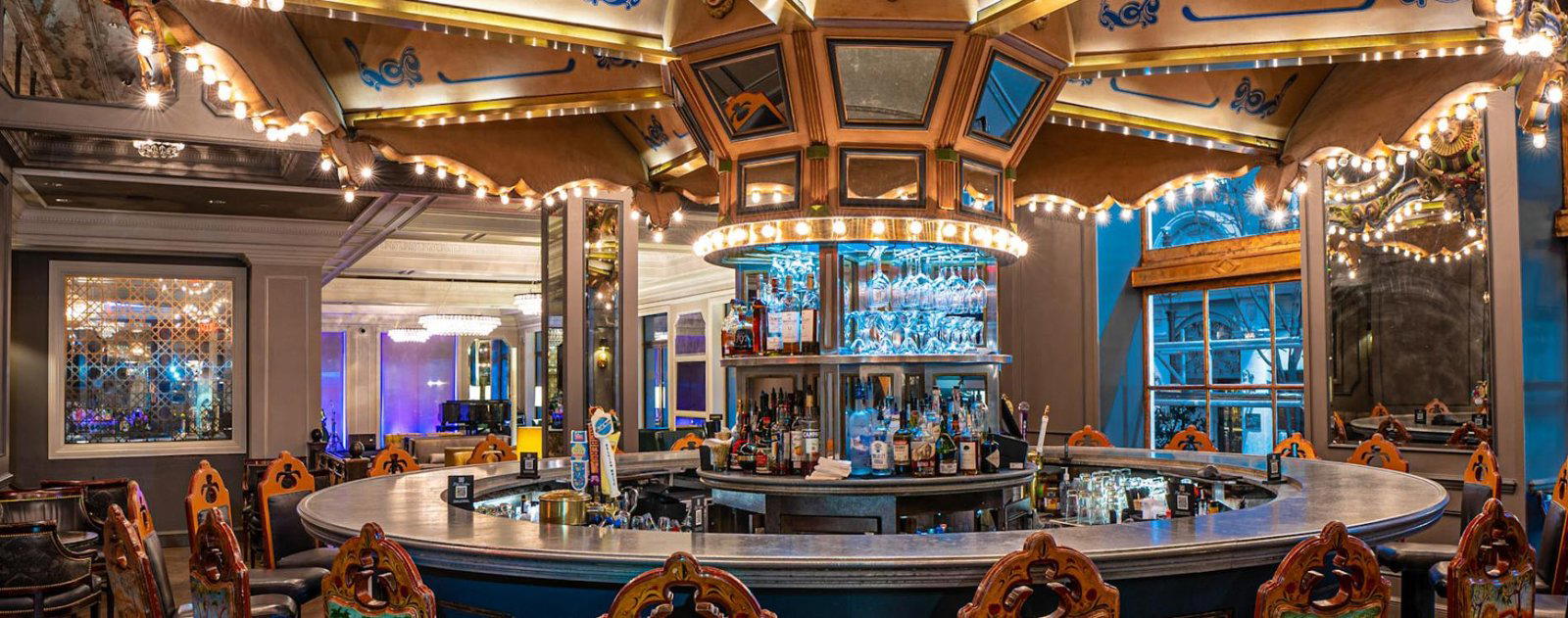
Arriving at a Warehouse District address in New Orleans carries a specific atmospheric expectation: high ceilings, converted industrial bones, and a lighting scheme that acknowledges the building's past without making it the entire point. Peacock Room delivers on that expectation with a considered interior that reads as a working dining room rather than a set piece. The name itself suggests something deliberate about presentation, a peacock displays with intent, and that sensibility appears to carry through to how the space is organized and how guests move through it.
In the current New Orleans scene, rooms in this tier tend to calibrate their front-of-house approach carefully. The French Quarter's older dining institutions trained generations of service professionals on formality and ceremony; the newer Warehouse District operations have refined that into something less theatrical but no less precise. A room called Peacock Room signals awareness of the tension between display and substance, and the better operations in this part of the city resolve it by making service feel attentive without being performative. That balance is what separates the rooms worth returning to from those worth visiting once.
Team Dynamics as the Organizing Principle
One durable shift in how serious American restaurants operate over the past fifteen years has been the move away from the singular-genius-chef model toward recognizing the dining room as a collaborative output. Kitchens at the level of Le Bernardin in New York City, Alinea in Chicago, or The French Laundry in Napa are now understood as institutional achievements as much as individual ones. The same logic applies at the regional level, and it is the logic that the better Warehouse District tables have absorbed.
At the restaurant, the question worth asking is how the three components, kitchen output, floor rhythm, and whatever beverage program anchors the experience, speak to one another. In rooms where that integration is working, you notice it in small ways: a server who can speak to a dish's sourcing without reading from notes, a beverage pairing that responds to the menu's actual texture rather than its price point, a pacing that adjusts to the table rather than adhering to a fixed schedule. These are not visible in a single detail but accumulate across a meal.
New Orleans has a particular institutional depth in front-of-house training, Commander's Palace alone has produced a disproportionate share of the city's serious dining professionals, and that tradition filters into newer operations through lineage. Whether the restaurant draws on that lineage directly or represents a departure from it shapes how the room reads against peers like Saint-Germain and Re Santi e Leoni, both of which occupy the contemporary tier of New Orleans dining and compete for the same reservation-focused audience.
Placing Peacock Room in the New Orleans Competitive Set
The Warehouse District's dining corridor now includes operations across a meaningful price and format range. Emeril's on Tchoupitoulas established the neighborhood's fine-dining legitimacy in an earlier era and still operates as a reference point, though the category has moved around it. Bayona in the French Quarter and Zasu represent different points on the contemporary New American spectrum. The restaurant's address and apparent positioning place it in a comparable set that takes the full dining experience seriously as a designed outcome rather than an accidental one.
Nationally, the rooms that have built durable reputations in this tier share a few characteristics: a beverage program that carries its own point of view, a kitchen that sources with specificity rather than vagueness, and front-of-house professionals who function as interpreters rather than just delivery mechanisms. Single Thread Farm in Healdsburg, Blue Hill at Stone Barns in Tarrytown, and Atomix in New York City each exemplify that integrated model at different price points and in different regional contexts. The rooms earning attention in New Orleans are being measured against that same standard, even if the city's culinary identity remains rooted in traditions, Creole, Cajun, Gulf Coast seafood, that those northern comparisons don't share.
For visitors with broader American fine dining as a reference frame, rooms like Providence in Los Angeles, Addison in San Diego, Bacchanalia in Atlanta, The Inn at Little Washington, and Lazy Bear in San Francisco represent the national peer context. New Orleans has historically punched below its weight in that conversation relative to its culinary depth; the Warehouse District's current generation of serious tables is the leading argument that the city is closing that gap. Internationally, the collaborative service model has long been standard at rooms like 8½ Otto e Mezzo Bombana in Hong Kong, where kitchen and floor integration is treated as foundational rather than aspirational.
Planning a Visit
The restaurant is recommended for reservations and sits at 501 Tchoupitoulas St, New Orleans, LA 70130. Reservation is recommended, especially on weekend evenings. The address at 501 Tchoupitoulas is walkable from the central business district hotels and accessible from the French Quarter on foot in under fifteen minutes, which makes it a practical choice for visitors staying in either area.
Same-City Peers
Comparable venues nearby, for context on price, style, and recognition.
| Venue | Cuisine | Price | Notes |
|---|---|---|---|
| Peacock RoomThis venue — the venue you are viewing | Modern Southern | $$$ | Not listed |
| Public Service | Contemporary American Seafood & Cajun | $$$ | Central Business District |
| Ralph's on the Park | Modern Louisiana | $$$ | City Park |
| Boucherie | Contemporary Southern | $$$ | Carrollton |
| Restaurant Rebirth | Farm-to-Table Cajun Creole | $$$ | Arts District |
| Muriel's Jackson Square | Contemporary Creole | $$$ | French Quarter |
Continue exploring
More in New Orleans
Restaurants in New Orleans
Browse all →
Bars in New Orleans
Browse all →
At a Glance
- Elegant
- Sophisticated
- Cozy
- Lively
- Date Night
- Special Occasion
- Business Dinner
- Hotel Restaurant
- Live Music
- Craft Cocktails
- Local Sourcing
Current opening hours
- Monday
- 4–10 PM
- Tuesday
- Closed
- Wednesday
- 4–10 PM
- Thursday
- 4 PM–12 AM
- Friday
- 4 PM–12 AM
- Saturday
- 10 AM–3 PM, 5–11 PM
- Sunday
- 10 AM–10 PM
Hours can change for holidays and private events. Last verified .
Dimly lit with dreamy teal tones, life-sized peacock motifs, rich velvets, and moody sultry evenings featuring wild patterns and lively music.