Restaurant Rebirth
On Fulton Street in the Warehouse District, Restaurant Rebirth occupies a corner of New Orleans dining that takes the city's deep larder seriously. The kitchen draws on Louisiana's ingredient traditions, Gulf seafood, bayou produce, regional suppliers, and frames them through a contemporary lens that sits in productive tension with the heritage formats at places like Emeril's and Bayona nearby.
Pearl is the En Primeur Club membership app — saves, bookings, and concierge access live there. Same editors, same standards.
- Address
- 857 Fulton St, New Orleans, LA 70130
- Phone
- +15045226863
- Website
- restaurantrebirth.com
- Directions
- Get directions
 Saves & bookings on Pearl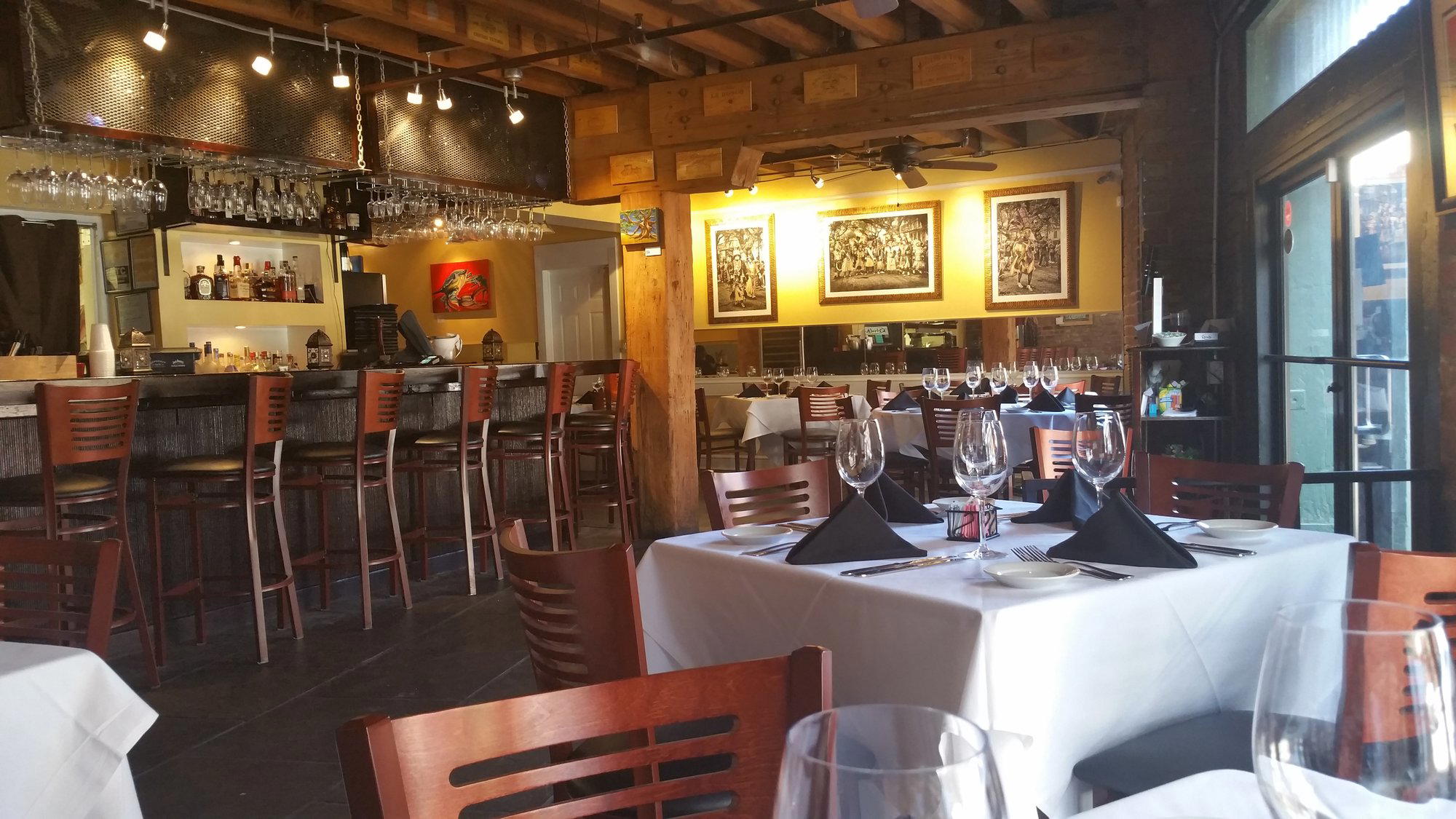
Fulton Street and the Warehouse District's Shifting Dining Identity
The Warehouse District has spent the last two decades shedding its purely industrial character and accumulating a dining scene that now pulls from both the city's deep Creole-Cajun traditions and a more restless contemporary impulse. Fulton Street, in particular, has become a corridor where those two tendencies sit side by side: heritage formats with decades of institutional memory, and newer kitchens that treat Louisiana's larder as a starting point rather than a finished script. Restaurant Rebirth at 857 Fulton St sits in the second camp, taking the city's ingredient wealth seriously while working through it in a more relaxed register than the formality of Saint-Germain or the Cajun classicism of Emeril's.
Approaching on foot from the convention district, the street has a particular quality in the early evening: the light off the river softens the brick facades, and the foot traffic thins enough that you feel the neighborhood rather than the tourist corridor. It is a useful reminder that New Orleans dining, even at its most contemporary, tends to be grounded in physical place in ways that cities with younger restaurant cultures are not. The food here is not decorative regionalism; it carries the weight of a supply chain that has been running since long before the term "farm-to-table" entered American food writing.
Why Ingredient Sourcing Defines the New Orleans Contemporary Kitchen
Louisiana has among the more concentrated regional larders in North America. The Gulf delivers white shrimp, blue crab, oysters, and speckled trout within a few hours of the city's kitchens. The surrounding parishes supply Creole tomatoes, mirliton, and sugarcane; the bayou system provides crawfish from February through May. For a kitchen that chooses to engage with this supply chain directly, the sourcing itself becomes an editorial statement: it places the restaurant in a different conversation from those that treat Louisiana produce as atmosphere rather than infrastructure.
This sourcing logic has shaped particularly serious contemporary kitchens in the region. At Bayona in the French Quarter, the kitchen has long maintained supplier relationships that predate the current American regional food movement by years. Re Santi e Leoni approaches the city's produce from an Italian-inflected contemporary perspective that reveals how transferable the local larder is across different culinary traditions. What distinguishes the more rigorous kitchens in this tier from the broader restaurant population is not just menu language but purchasing discipline: shorter supplier lists, seasonal menus with real revision cycles, and a willingness to let the available product set the direction rather than the reverse.
At the national level, this approach has become a genuine point of distinction. Restaurants like Single Thread Farm in Healdsburg and Blue Hill at Stone Barns in Tarrytown have built their entire identity around the relationship between kitchen and land. In New Orleans, the equivalent commitment is complicated by a climate that compresses seasons differently than the Northeast or Northern California, but it also means the peak product windows, particularly for Gulf seafood, are among the more concentrated and high-quality in the country.
Placing Rebirth in the City's Competitive Tier
New Orleans has a well-established hierarchy of dining formats, from the grand Creole institutions that anchor the French Quarter to the mid-tier contemporary rooms that have multiplied in the Warehouse and Lower Garden districts over the past decade. Restaurant Rebirth operates in the contemporary bracket alongside venues like Zasu, which takes an American contemporary approach at a similar price positioning. It is a tier that requires a distinct identity to avoid blurring into the background of a city where the competition for dining attention is intense.
The broader American fine dining landscape offers a useful frame. Kitchens like Le Bernardin in New York City, Alinea in Chicago, The French Laundry in Napa, and Providence in Los Angeles have built national reputations around the depth of their sourcing relationships and the discipline of their execution. Addison in San Diego and The Inn at Little Washington represent the Michelin-credentialed tier in their respective markets. In New Orleans, the question for any serious contemporary room is whether it can anchor its identity in the specificity of the city's ingredient culture rather than the generic idiom of modern American fine dining.
The name itself carries the city's particular historical weight: a place that has rebuilt itself repeatedly, most recently and dramatically after 2005. Kitchens that take that history seriously tend to treat the local supply chain as a form of civic commitment, not just culinary positioning. That is the tradition that produces, over time, the supplier loyalty and sourcing infrastructure that serious dining requires. Peer venues like Bacchanalia in Atlanta and Atomix in New York City demonstrate how a strong conceptual identity can separate a kitchen from the generalist contemporary tier and build reputation over time.
For the reader deciding between this room and the surrounding options, the relevant question is not whether Rebirth is one decorated address in the city, that ground is held by the grand Creole institutions and the handful of nationally reviewed rooms. The question is whether its particular positioning, contemporary technique applied to Louisiana's direct-sourced larder, is the version of New Orleans dining you are looking for on this visit. If you want the full historic weight of the city's Creole tradition, Commander's Palace or Bayona will serve you better. If you want to see what serious contemporary kitchens are doing with the same ingredients in a less codified format, this address on Fulton Street is the more instructive choice.
Know Before You Go
- Address: 857 Fulton St, New Orleans, LA 70130
- Neighbourhood: Warehouse District
- Booking: Recommended
- Hours: Mon: 4:30–9:30 PM; Tue: 4:30–9:30 PM; Wed: 4:30–9:30 PM; Thu: 4:30–9:30 PM; Fri: 4:30–10 PM; Sat: 4:30–10 PM; Sun: Closed
- Price range: About $60 per person
- Dress code: Smart casual
A Tight Comparison
Comparable venues nearby, for context on price, style, and recognition.
| Venue | Cuisine | Price | Notes |
|---|---|---|---|
| Restaurant RebirthThis venue — the venue you are viewing | Not listed | $$$ | Not listed |
| Toups Meatery | City Park, Contemporary Cajun | $$$ | Not listed |
| Ralph's on the Park | City Park, Modern Louisiana | $$$ | Not listed |
| Gabrielle | Not listed | $$$ | Esplanade Ridge, Modern New Orleans Creole-Cajun |
| Holmes | Not listed | $$ | French Quarter, New Orleans-Inspired Southern |
| Boucherie | Carrollton, Contemporary Southern | $$$ | Not listed |
Continue exploring
More in New Orleans
Restaurants in New Orleans
Browse all →
Bars in New Orleans
Browse all →
At a Glance
- Intimate
- Cozy
- Rustic
- Date Night
- Special Occasion
- Business Dinner
- Historic Building
- Craft Cocktails
- Extensive Wine List
- Farm To Table
- Local Sourcing
Current opening hours
- Monday
- 4:30–9:30 PM
- Tuesday
- 4:30–9:30 PM
- Wednesday
- 4:30–9:30 PM
- Thursday
- 4:30–9:30 PM
- Friday
- 4:30–10 PM
- Saturday
- 4:30–10 PM
- Sunday
- Closed
Hours can change for holidays and private events. Last verified .
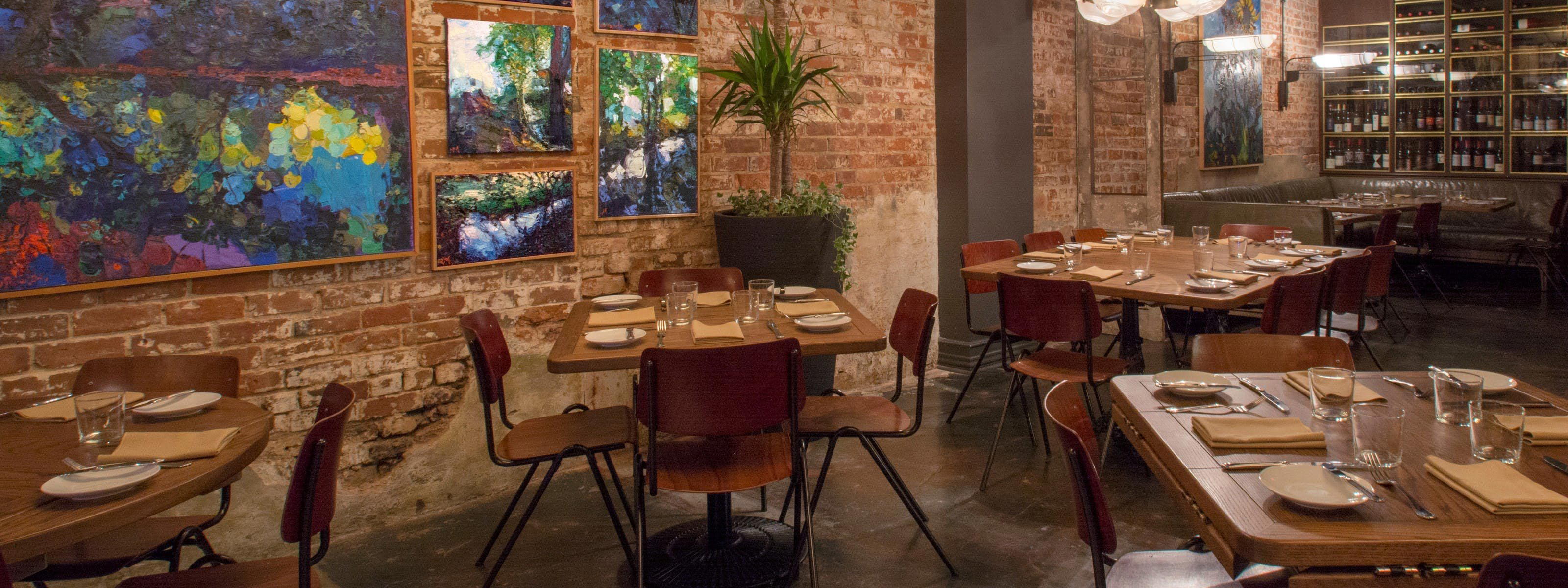
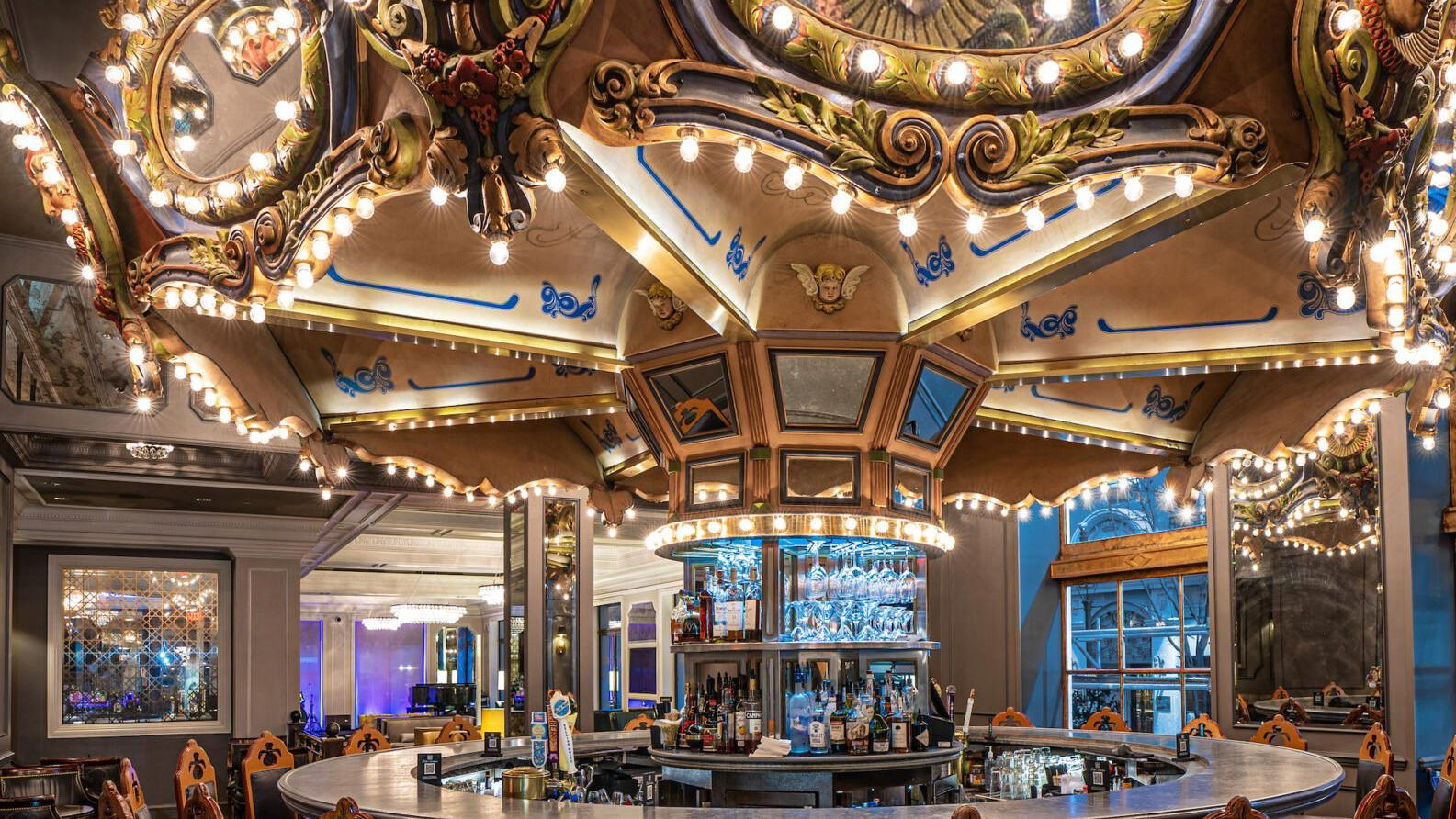
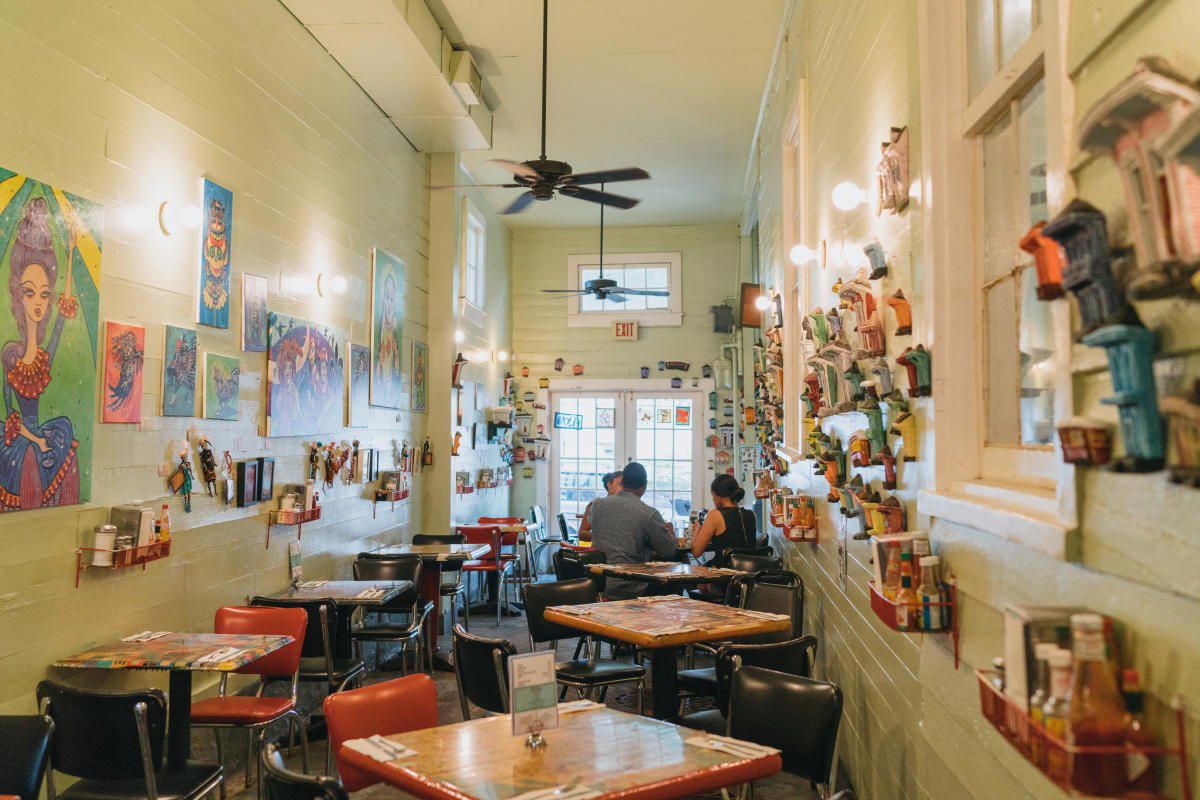
Intimate dining room featuring exposed wood beams, original brick walls, and local art, creating a cozy and authentic New Orleans atmosphere.