Muriel's Jackson Square

Muriel's Jackson Square occupies one of the French Quarter's most storied addresses at 801 Chartres Street, where the dining ritual is inseparable from the setting. The room has the feel of a city that treats its culinary heritage as living practice rather than nostalgia, placing it squarely within New Orleans' tradition of occasion dining done with theatrical conviction.
Pearl is the En Primeur Club membership app — saves, bookings, and concierge access live there. Same editors, same standards.
- Address
- 801 Chartres St, New Orleans, LA 70116
- Phone
- +15045681885
- Website
- muriels.com
- Directions
- Get directions
 Saves & bookings on Pearl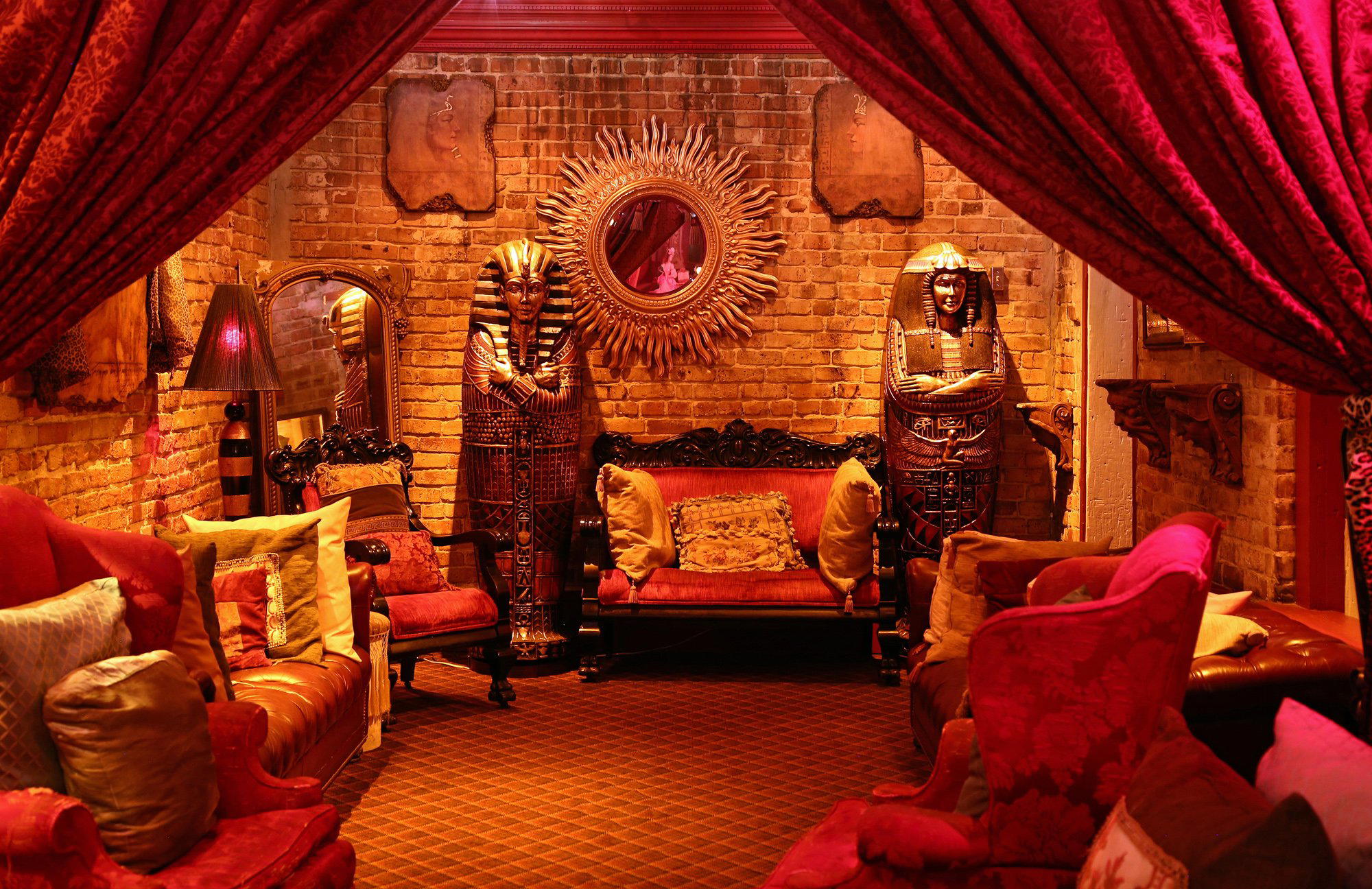
The Room Before the Meal Begins
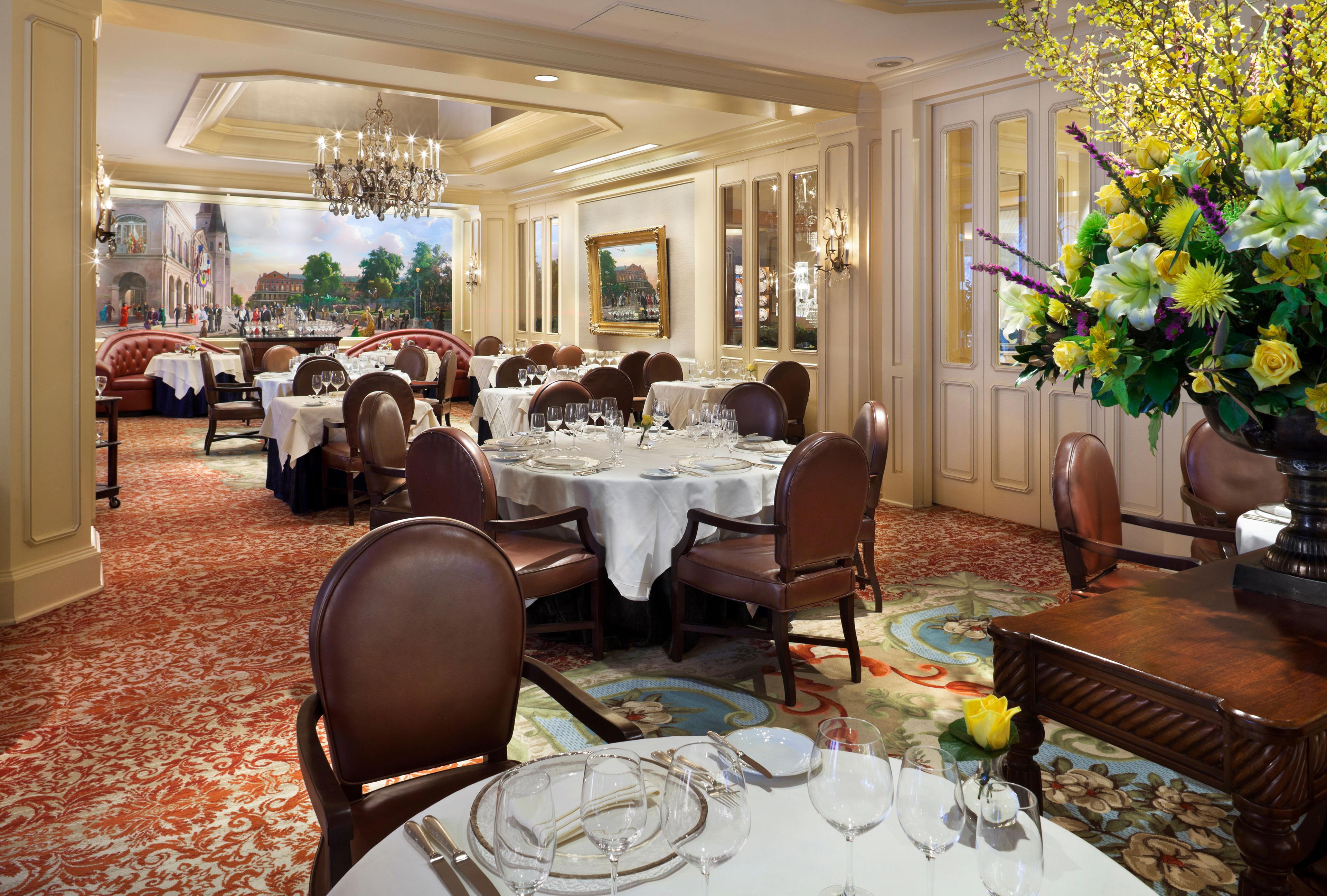
There is a particular kind of restaurant in New Orleans where the architecture does as much work as the kitchen. Muriel's Jackson Square is a Contemporary Creole restaurant at 801 Chartres St in New Orleans, with reservations recommended and an average price of about $60 per person. Muriel's Jackson Square, at 801 Chartres Street, belongs to that category. The building faces Jackson Square directly, meaning the approach alone carries a charge that few American dining rooms can claim: the cathedral at your back, the Mississippi a few blocks beyond, and the whole weight of the French Quarter pressing in around you. That physical context is not incidental to the meal. In New Orleans, place and plate have always been in conversation, and Muriel's leans into that arrangement deliberately.
The city's tradition of occasion dining, built over two centuries of Creole and French-inflected cooking, created a specific kind of restaurant culture: rooms designed for lingering, menus structured around ceremony, and a general expectation that dinner is something you schedule rather than stumble into. Muriel's sits within that tradition. It is not a casual drop-in, and the atmosphere communicates that clearly from the moment you enter.
How the Meal Is Meant to Move
The dining ritual at establishments like this in New Orleans follows a rhythm that differs from the pace you would find in, say, a contemporary tasting-menu room at Le Bernardin in New York City or the choreographed progression at Alinea in Chicago. Those rooms are built around precision and control. New Orleans occasion dining is built around ease and duration. The expectation is that you will order a cocktail before you look at the food menu, that you will take your time between courses, and that the meal will occupy two hours without anyone treating that as unusual.
This pacing is not inefficiency. It reflects a cultural logic specific to the city: meals here have historically functioned as social anchors, and the table is treated as a space to occupy rather than process through. Establishments in the French Quarter that survive across decades do so partly because they understand this. Diners who arrive expecting the tightly timed cadence of a big-city tasting menu will need to recalibrate. Those who arrive ready to settle in will find the format rewards them.
This places Muriel's in a different competitive conversation than you might expect. The comparison is closer to Bayona and the broader tier of French Quarter restaurants built around a particular kind of New Orleans atmosphere: rooms where the setting and the ritual carry as much weight as the plate.
The French Quarter Occasion Dining Tier
New Orleans has produced a distinct category of restaurant that does not map cleanly onto national fine-dining frameworks. Commander's Palace and its descendants established a template: a high-ceilinged, multi-room dining operation where Creole cooking is served with formality but not rigidity, where wine lists lean heavy on American selections alongside French, and where the room itself is considered part of the offering. That tradition shaped the French Quarter's higher-end dining culture across the twentieth century and into this one.
Within that context, a restaurant at Jackson Square occupies a specific position. The location is central enough to attract both destination diners and visitors working through the neighbourhood on foot, which means the clientele tends to be mixed in a way that some more tucked-away rooms in the Warehouse District or Marigny are not. Emeril's, further along in the Warehouse District, draws a similar mix but operates in a different physical and atmospheric register. Zasu pulls a younger crowd with a lighter contemporary format. Muriel's occupies the more traditional end of the spectrum, where the room itself signals what kind of evening you are in for.
Booking, Timing, and the Practical Shape of a Visit
The French Quarter gets heavily trafficked during festival season, particularly Jazz Fest in late April through early May, and Mardi Gras in the weeks before Ash Wednesday. During those windows, tables at the neighbourhood's established rooms fill well in advance. For Muriel's, which faces one of the Quarter's most-visited public spaces, the proximity to Jackson Square amplifies that demand further. A visit planned during those periods should assume that reservations are necessary, and that same-day availability is unlikely at prime evening hours.
Outside festival season, the Quarter settles into a more navigable rhythm. Weeknight dining in September or October, when humidity eases and the city is between major events, offers one relaxed version of the experience. The room will still be occupied, but the pace of the evening is calmer, and the neighbourhood outside has a different quality entirely from the compressed energy of a Mardi Gras weekend.
For those approaching New Orleans dining more broadly, the city's full range is worth mapping before committing to a single room.
Where Muriel's Fits in a Wider American Context
Put the address alongside the American fine-dining tier more broadly, and the positioning becomes clearer by contrast. Rooms like The French Laundry in Napa, Single Thread Farm in Healdsburg, or Blue Hill at Stone Barns in Tarrytown operate in a register where the kitchen is the clear protagonist and the setting serves that focus. At the other end of the spectrum, rooms like Lazy Bear in San Francisco or Atomix in New York City use format experimentation as part of the identity. Muriel's belongs to neither of those categories. It belongs to a tradition where setting, occasion, and culinary heritage operate together, and where the meal's meaning is inseparable from the city in which it is served.
That is also true, in different ways, of Providence in Los Angeles, Addison in San Diego, Bacchanalia in Atlanta, and The Inn at Little Washington, each of which derives part of its identity from where it sits geographically and what local culinary tradition it draws from. New Orleans has one of the deepest such traditions in the country, and a restaurant at Jackson Square is drawing on that inheritance every time a table is seated. The question worth asking on any visit is how well the kitchen honours it. New Orleans has always asked its diners to meet it partway.
In Context: Similar Options
Comparable venues nearby, for context on price, style, and recognition.
| Venue | Cuisine | Price | Notes |
|---|---|---|---|
| Muriel's Jackson SquareThis venue — the venue you are viewing | Contemporary Creole | $$$ | Not listed |
| Ralph's on the Park | Modern Louisiana | $$$ | City Park |
| 13 | Traditional New Orleans Late-Night Bites | $$$ | Marigny |
| Bistro Daisy | American Bistro with Creole Influences | $$$ | Audubon |
| Toups Meatery | Contemporary Cajun | $$$ | City Park |
| NOCHI | New Orleans-Inspired Student-Led Dining | $$ | Arts District |
Recognition history
Dated appearances from independent guides and award organizations, with the underlying list record or original source where available.
Wine Spectator Award of Excellence
Wine Spectator
Continue exploring
More in New Orleans
Restaurants in New Orleans
Browse all →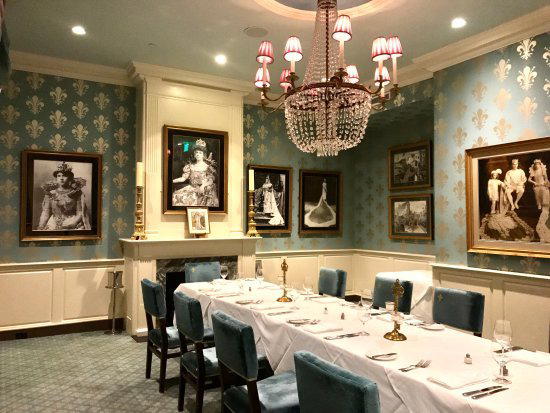
Bars in New Orleans
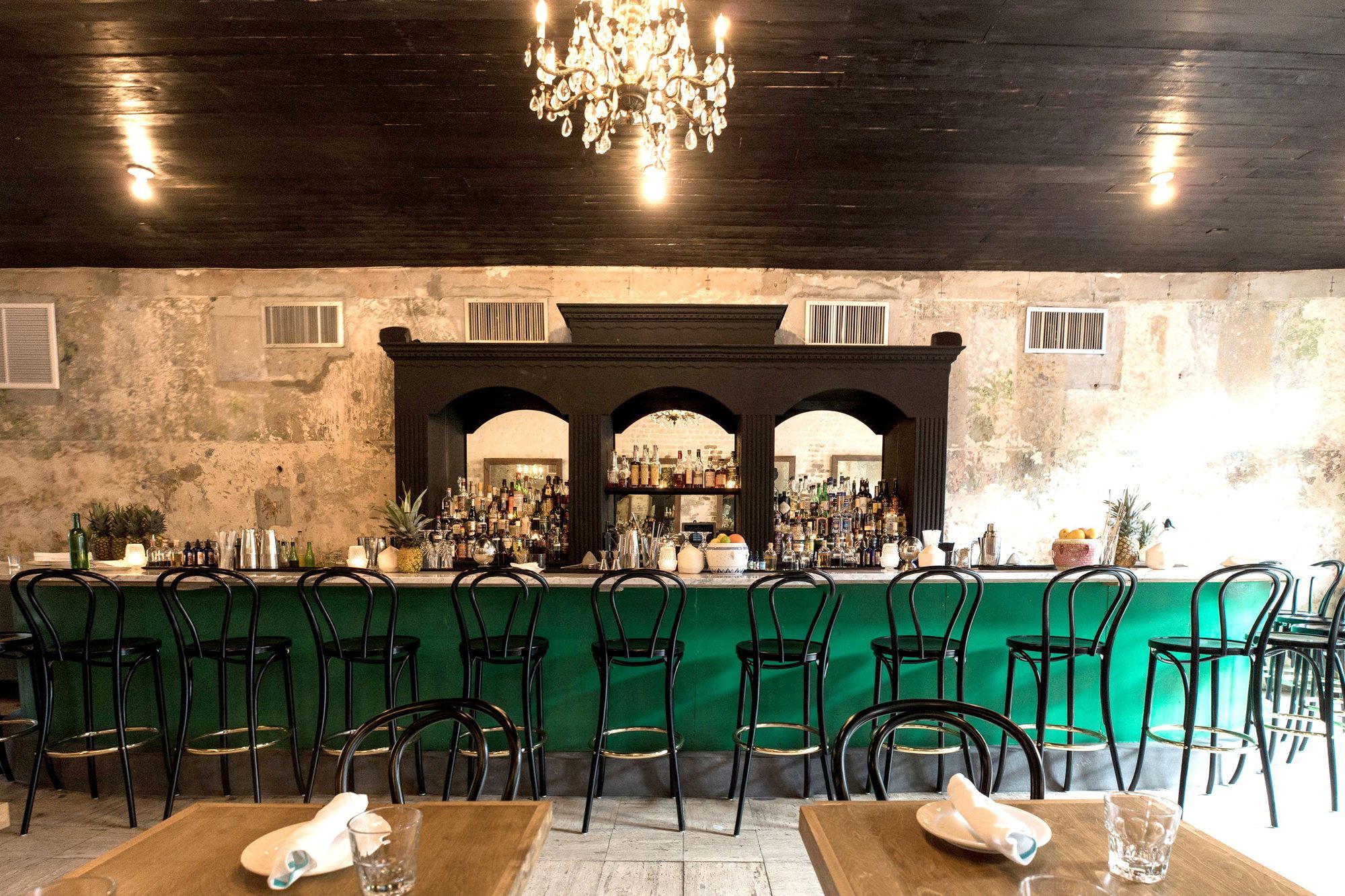
Browse all →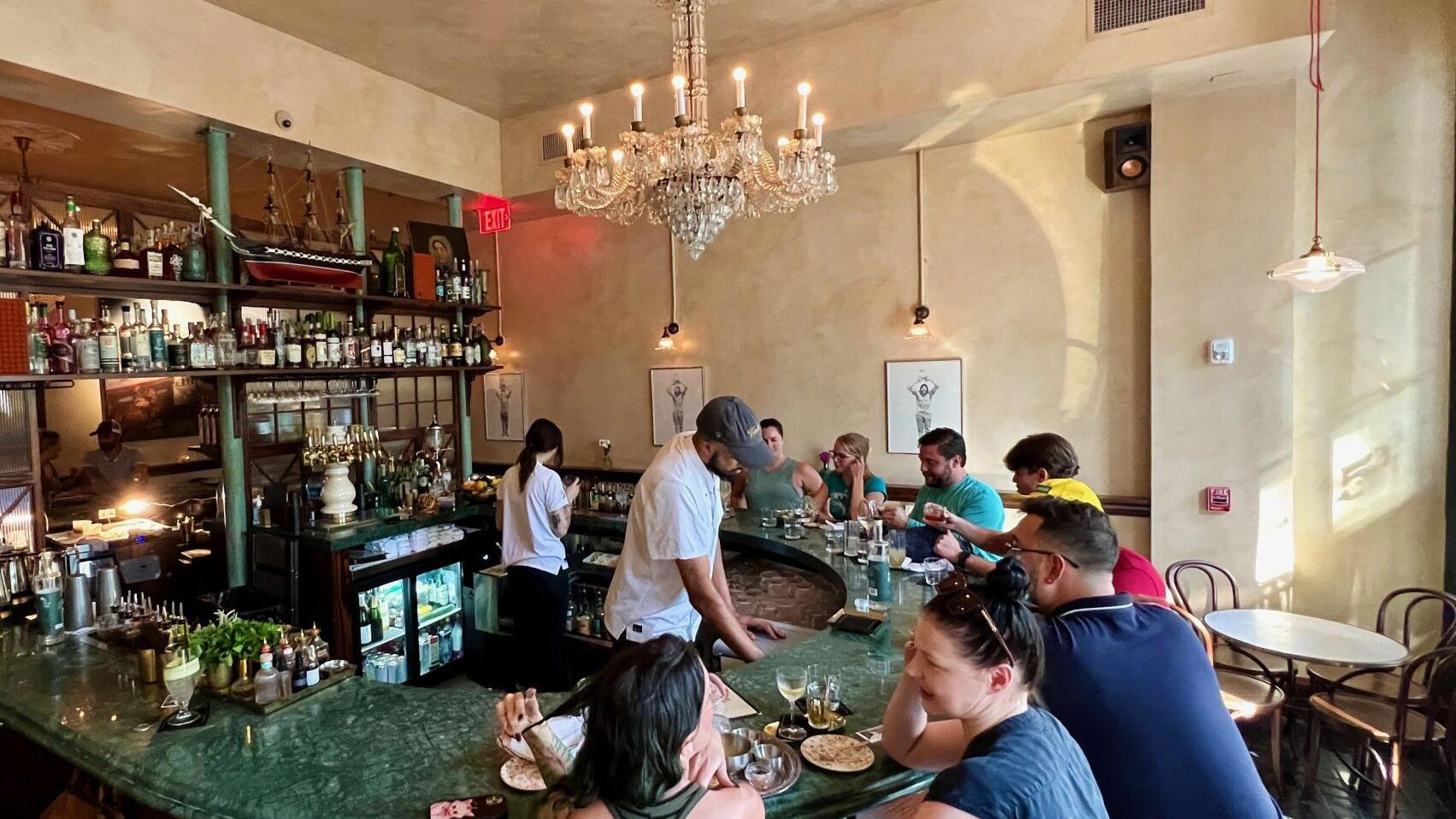
At a Glance
- Romantic
- Elegant
- Historic
- Sophisticated
- Intimate
- Date Night
- Special Occasion
- Brunch
- Celebration
- Group Dining
- Historic Building
- Private Dining
- Craft Cocktails
- Street Scene
Current opening hours
- Monday
- 3–9:30 PM
- Tuesday
- 3–9:30 PM
- Wednesday
- 3–9:30 PM
- Thursday
- 3–9:30 PM
- Friday
- 3–10 PM
- Saturday
- 10:30 AM–10 PM
- Sunday
- 10:30 AM–9:30 PM
Hours can change for holidays and private events. Last verified .
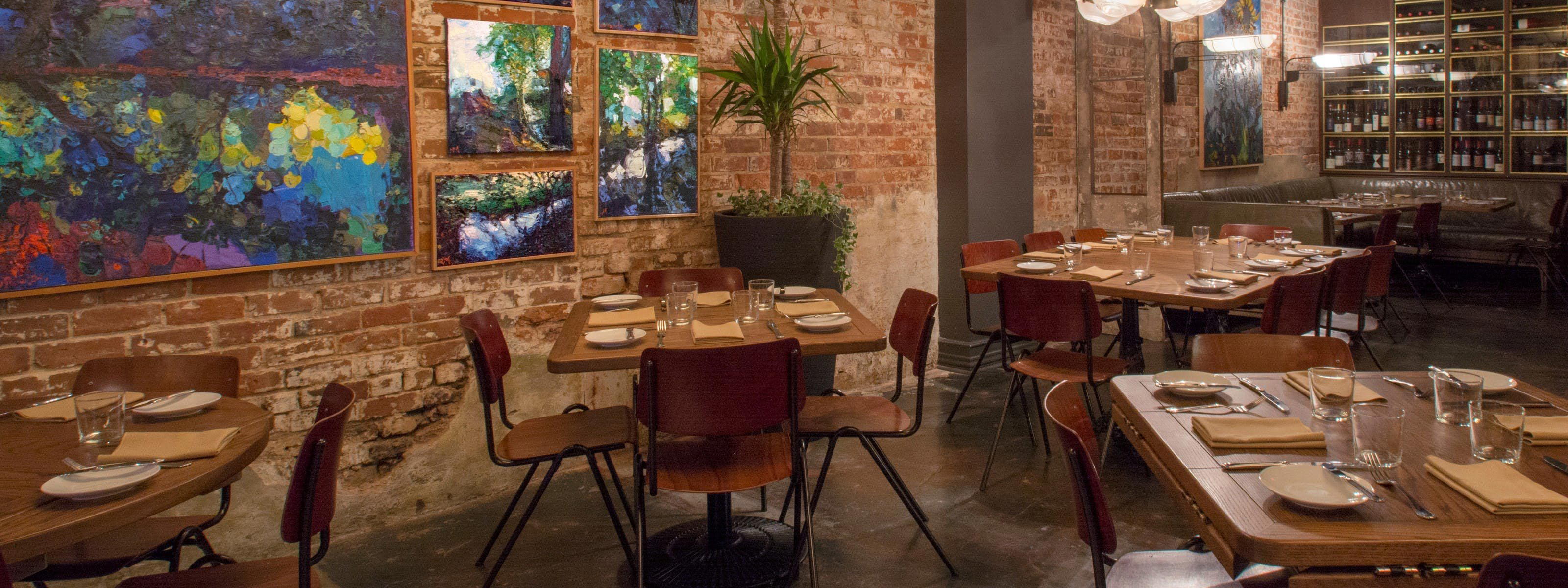
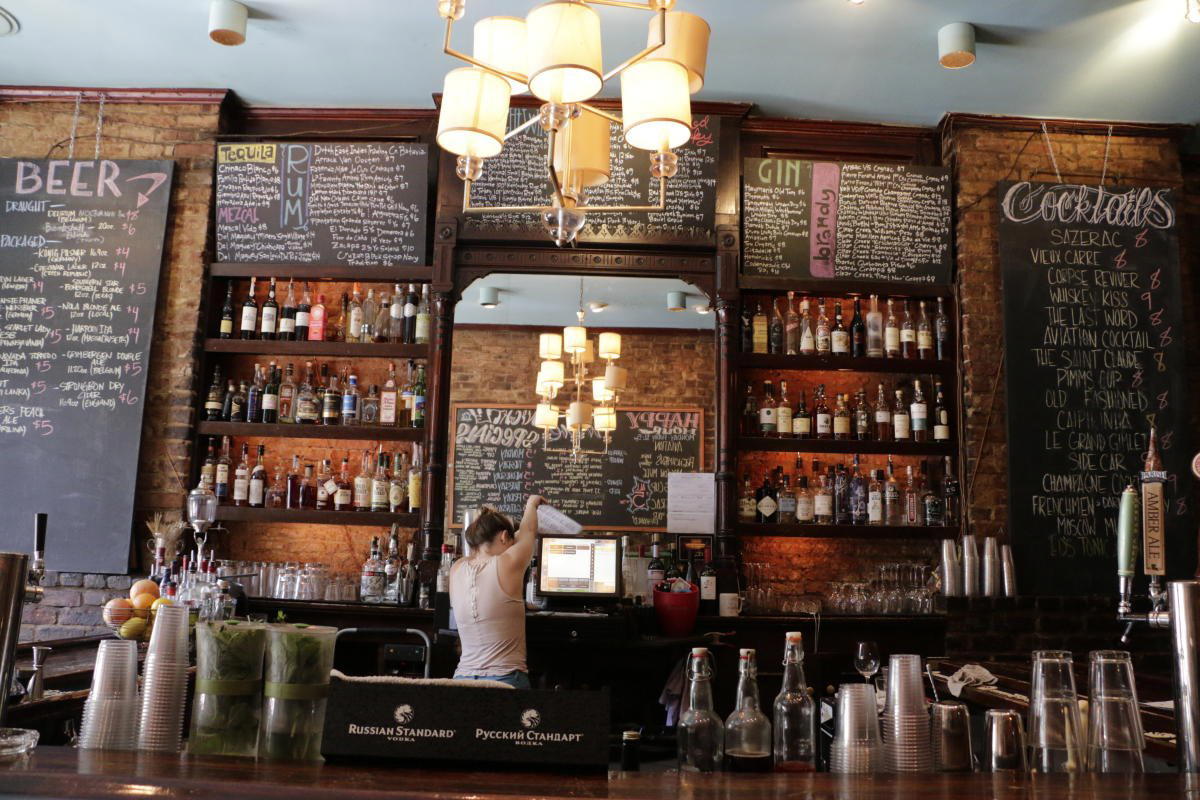
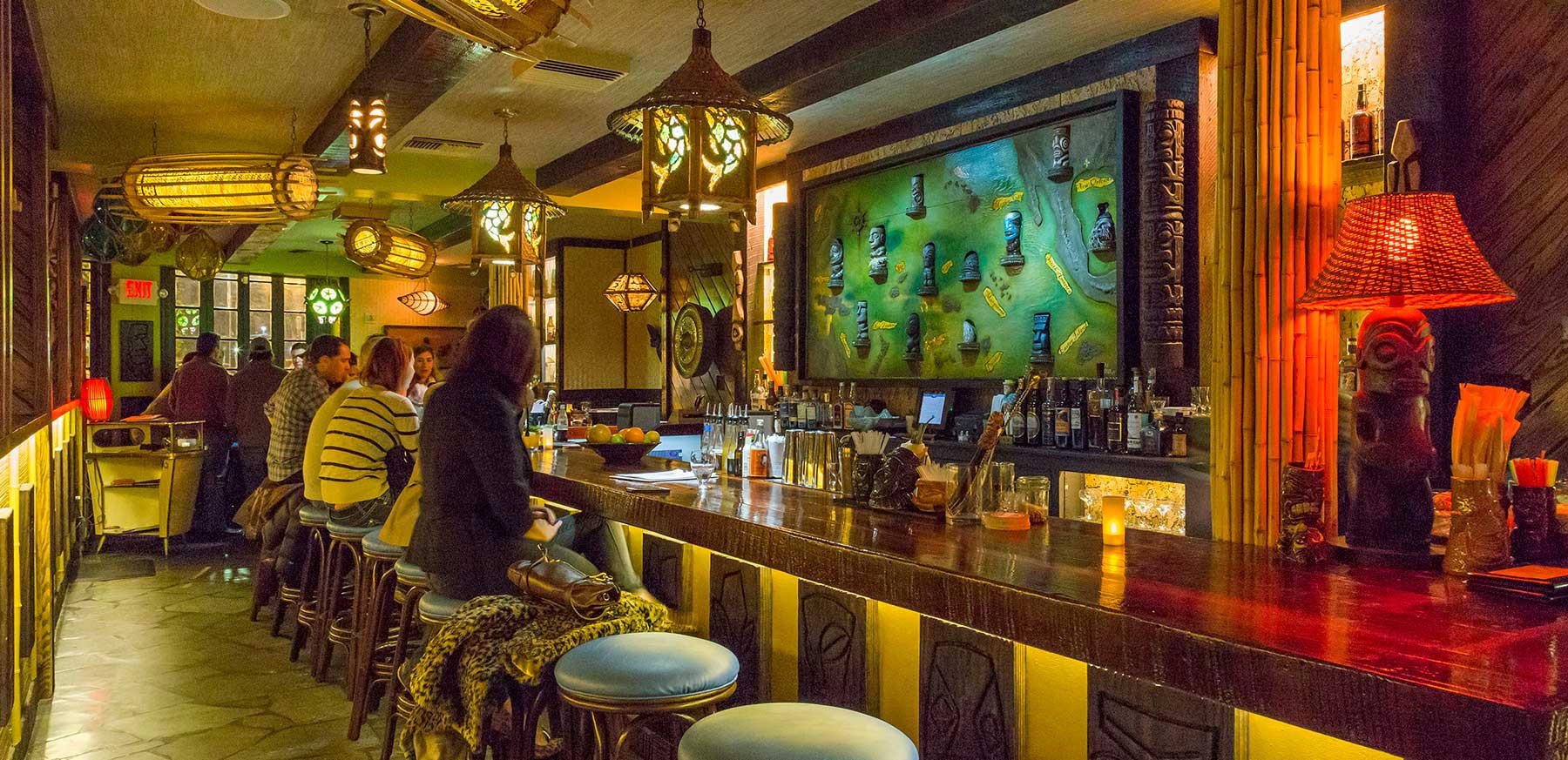
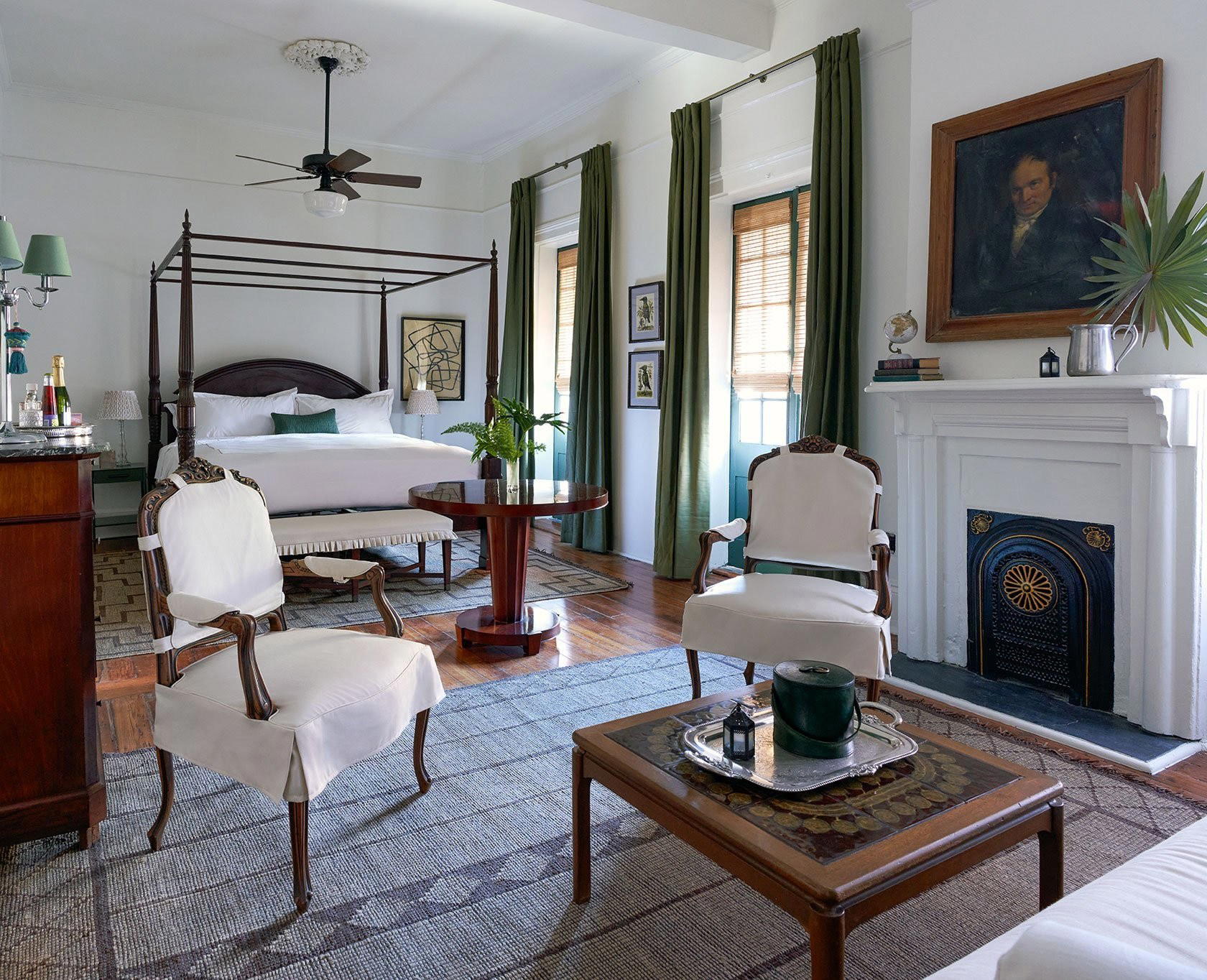
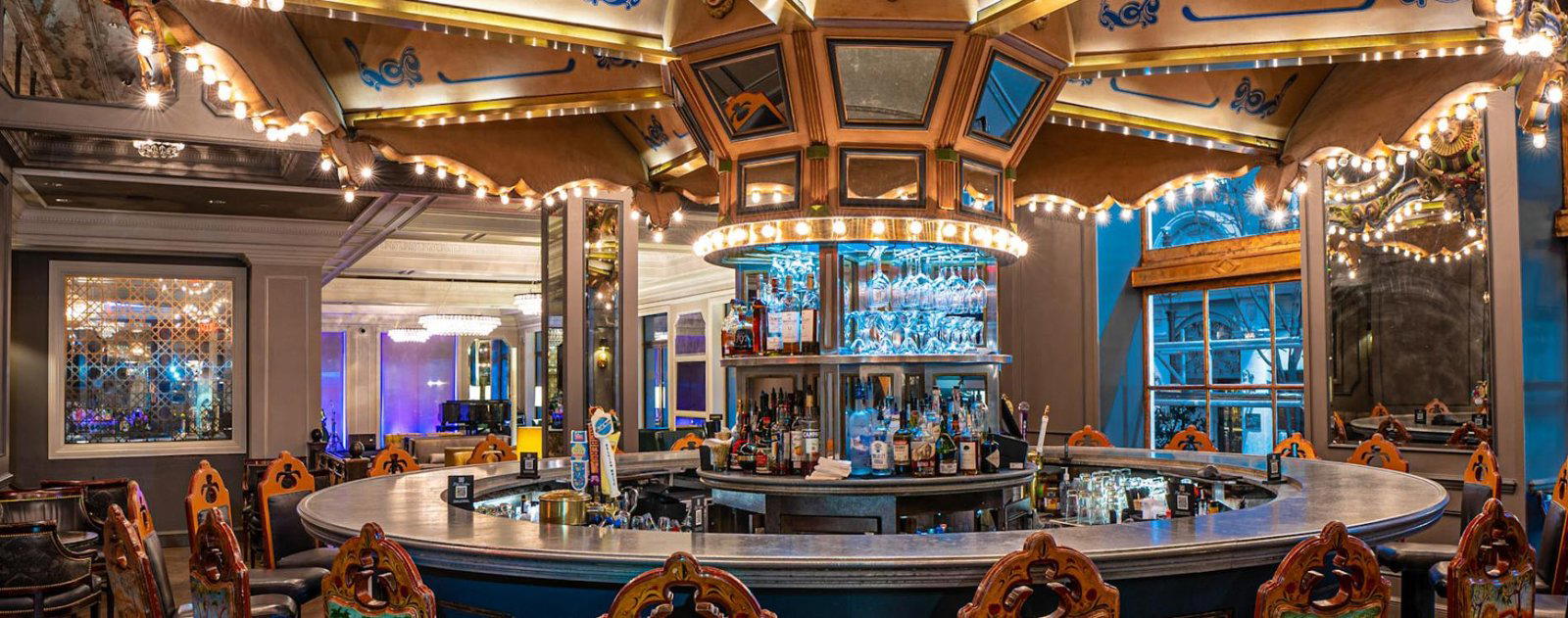
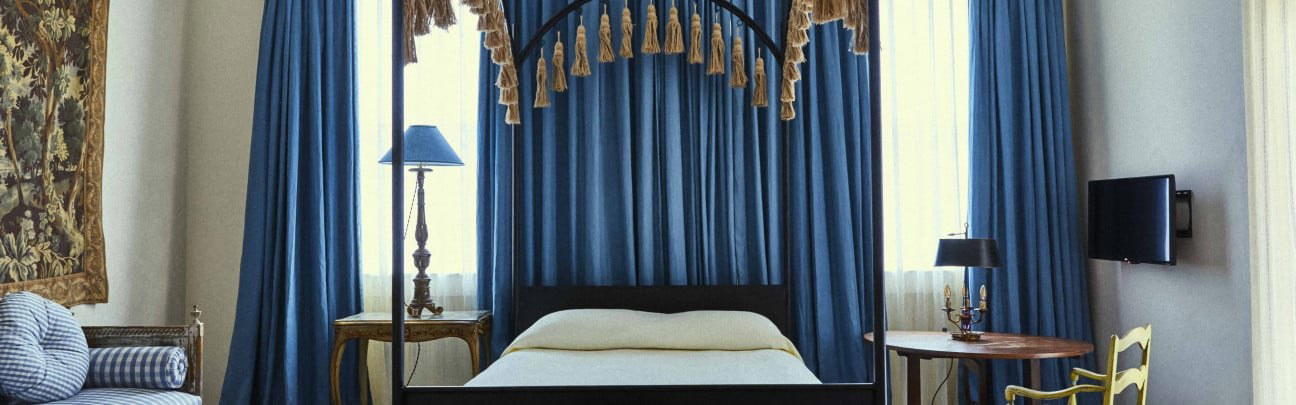
Beautifully decorated historic building with gorgeous art panels, warm lighting, and a classy New Orleans atmosphere.