Boucherie
Our verdict
Boucherie sits in Uptown New Orleans at 8115 Jeannette St, where the city's tradition of whole-animal cookery meets a serious commitment to reducing kitchen waste. Set against a peer group that includes Commander's Palace and Bayona, Boucherie positions itself as the neighborhood's most sourcing-conscious address, drawing from Louisiana's broader culture of using every part of what the land and water provide.

Pearl is the En Primeur Club membership app, where members save venues, book tables and use the concierge.

The menu
What to order
- Krispy Kreme Bread Pudding
- Smoked Wagyu Brisket
- Wagyu Beef Po'Boy
- Boudin Balls
Uptown's Appetite for Less Waste
New Orleans has always known how to use everything. The city's cooking traditions, built across generations of Creole, Cajun, and African-American kitchens, were never precious about the secondary cuts, the offal, or the bones. Waste was not a philosophy here; it was an economic reality that became a culinary identity. Boucherie, at 8115 Jeannette St in the Uptown corridor, operates squarely inside that tradition, treating whole-animal technique not as a trend borrowed from the broader farm-to-table movement but as a continuation of something New Orleans never stopped doing.
The restaurant sits in a part of the city that functions differently from the French Quarter and the Central Business District blocks where Emeril's and the older guard of Cajun-Creole dining have long attracted tourist traffic. Uptown, particularly along the residential streets near Jeannette, rewards the reader who makes the deliberate trip rather than defaulting to the obvious addresses. That deliberateness is, in part, the point. Boucherie draws a crowd that is already invested in the meal before they arrive.
What the City's Nose-to-Tail Tradition Actually Means
Across American dining, the language of sustainability has developed a gap between rhetoric and practice. Plenty of menus reference local farms in the header copy while the kitchen discards proteins at the same rate as any conventional operation. The more substantive version of ethical sourcing, one that connects to environmental outcomes rather than marketing positioning, tends to appear in restaurants that organize their menus around what comes in whole, rather than specifying cuts from a broadliner. That approach compresses waste, builds stronger relationships with producers, and forces creativity in a direction that benefits the diner.
In New Orleans specifically, this connects to a tradition much older than the contemporary sustainability conversation. The boucherie, the word itself, refers to the communal hog slaughter events that were central to Louisiana rural life, where a single animal fed an entire community and nothing went unused. Cracklins, boudin, head cheese, tasso: these were not artisan affectations but practical responses to the calendar and the larder. A restaurant that takes the name seriously is committing to a framework where the menu follows the animal, not the other way around.
Comparable commitments at the national level show up in a different register. Blue Hill at Stone Barns in Tarrytown has built its entire identity around a working farm and radically reduced waste protocols. Single Thread Farm in Healdsburg integrates agriculture, hospitality, and preservation at a scale that requires significant capital infrastructure. Smyth in Chicago runs fermentation, aging, and preservation programs that extend seasonal ingredients well past their peak window. The ambition at Boucherie is more modest in scope, but it draws from the same well: the conviction that the full animal, the full harvest, and the full seasonal moment are more interesting than the trim.
Placing Boucherie in the New Orleans Dining Map
New Orleans operates with a more layered competitive dining set than many cities its size. The foundational Creole addresses, Commander's Palace among them, carry institutional weight that no single neighborhood restaurant can displace. Bayona in the French Quarter has held a consistent critical position for years in the New American register. More recent arrivals like Saint-Germain at the higher price point and Zasu in the American contemporary tier have thickened the mid-to-upper range of the market. Re Santi e Leoni signals a contemporary European influence that would have been harder to place in the city a decade ago.
Boucherie operates in a different register from all of these. Its sourcing logic and neighborhood address place it in the tier of restaurants that are fundamentally about a point of view on ingredients, where the editorial choice is the food itself rather than service theater or dining room architecture. That peer group, nationally, includes restaurants like Lazy Bear in San Francisco and Frasca Food and Wine in Boulder, where the program is the argument. Locally, Boucherie competes less on price and more on persuasion: it asks whether you think the sourcing story and the whole-animal commitment are reasons to make the trip to Uptown.
For context on where the highest tiers of American fine dining position their sustainability commitments, The French Laundry in Napa, Le Bernardin in New York, Providence in Los Angeles, Addison in San Diego, and The Inn at Little Washington all treat sourcing transparency as a baseline rather than a differentiator. At the international level, Atelier Moessmer Norbert Niederkofler in Brunico has made zero-waste mountain cooking the central critical argument of its program. Boucherie belongs to a different scale of operation but shares the underlying logic: the discipline you apply to sourcing shows up directly in what arrives at the table. And Atomix in New York demonstrates how ingredient provenance, when treated with genuine seriousness, can drive tasting menu construction in ways that produce something formally distinct from the European fine dining model Boucherie shares some DNA with.
Planning the Visit
Boucherie is located at 8115 Jeannette St, New Orleans, LA 70118, in the Uptown neighborhood. Given the restaurant's neighborhood positioning and the type of crowd it draws, reservations are advisable, particularly for weekend service, the combination of limited seating at restaurants of this format and a loyalist local clientele means walk-in availability should not be assumed. Diners should verify current hours and booking options directly with the restaurant, as this information was not available at time of writing. For a broader orientation to where Boucherie fits within the city's dining options, see our full New Orleans restaurants guide.
Frequently asked questions
What's Boucherie's location?
Boucherie is located at 8115 Jeannette St, New Orleans, LA 70118, New Orleans.
Is Boucherie connected to the original Louisiana boucherie tradition, and how does that shape the menu?
The name directly references the communal hog-slaughter events that defined rural Louisiana food culture, where a single animal was processed collectively and nothing was discarded, every cut, organ, and rendered fat had a designated use. That tradition is the structural logic behind the kitchen's whole-animal approach in Uptown New Orleans, not a branding decision layered onto a conventional menu. New Orleans' own Creole and Cajun cooking heritage makes this one of the few American cities where that reference carries genuine culinary weight rather than novelty.
What should I eat at Boucherie?
The kitchen's whole-animal approach means preparations span cuts and offal that most American restaurants sidestep entirely, prioritize dishes that reflect that nose-to-tail commitment rather than default protein options. Boucherie's Uptown address situates it within New Orleans' Creole and Cajun tradition of waste-minimizing cookery, so the menu will likely reward guests who follow the kitchen's direction rather than ordering around it. Confirm current menu specifics directly with the restaurant before visiting, as the offering shifts with the animal and the season.
Do I need a reservation for Boucherie?
Neighborhood restaurants in Uptown New Orleans with a strong local following fill quickly, particularly on weekends, and Boucherie on Jeannette St operates in that category. Booking ahead is the practical approach rather than walking in and hoping.
What do critics highlight about Boucherie?
Critical coverage of Boucherie consistently returns to the same premise: its relationship to New Orleans' deep, generational tradition of whole-animal, waste-minimizing cookery rather than the trend-driven nose-to-tail framing that circulates across American dining. The Uptown location places it outside the tourist corridor of the French Quarter, which critics often read as a signal of a kitchen cooking for its city rather than for its visitors. That positioning, alongside the boucherie name's explicit reference to Louisiana's communal hog-slaughter heritage, gives the restaurant a contextual seriousness that press coverage tends to acknowledge.
How does Boucherie handle allergies?
Given a kitchen built around whole-animal cookery, where secondary cuts, offal, and animal fats are integral to the menu's logic, guests with significant dietary restrictions should contact Boucherie at 8115 Jeannette St directly before booking to assess fit.
Does Boucherie justify its prices?
Price range data was not confirmed at time of writing, but nose-to-tail operations in New Orleans' Uptown neighborhood typically sit in the mid-range tier, positioning them below the city's foundational Creole institutions like Commander's Palace while offering more culinary ambition than a standard neighborhood bistro. The value case at a restaurant like Boucherie rests on technique and sourcing discipline rather than portion volume, whole-animal kitchens absorb the full cost of an animal and distribute it across a menu, which tends to keep per-dish pricing reasonable relative to the craft involved.
At a Glance
Comparable venues nearby, for context on price, style, and recognition.
| Venue | Cuisine | Price | Awards | Notes |
|---|---|---|---|---|
| BoucherieThis venue (the venue you are viewing) | Contemporary Southern | $50–100 | Not listed | Not listed |
| Bistro Daisy | American Bistro with Creole Influences | $50–100 | Not listed | Audubon, American Bistro with Creole Influences |
| Muriel's Jackson Square | Contemporary Creole | $50–100 | Wine Spectator Award of Excellence | French Quarter, Contemporary Creole |
| Audubon Clubhouse by Dickie Brennan & Co. | Contemporary American with Louisiana Seafood | $30–50 | Not listed | Audubon, Contemporary American with Louisiana Seafood |
| Vessel NOLA | New American Seafood Bistro | $30–50 | Not listed | Mid-City, New American Seafood Bistro |
| Mr. B's Bistro | Creole Bistro | $50–100 | Wine Spectator Award of Excellence | French Quarter, Creole Bistro |
Continue exploring
More in New Orleans
Restaurants in New Orleans
All restaurants in New Orleans →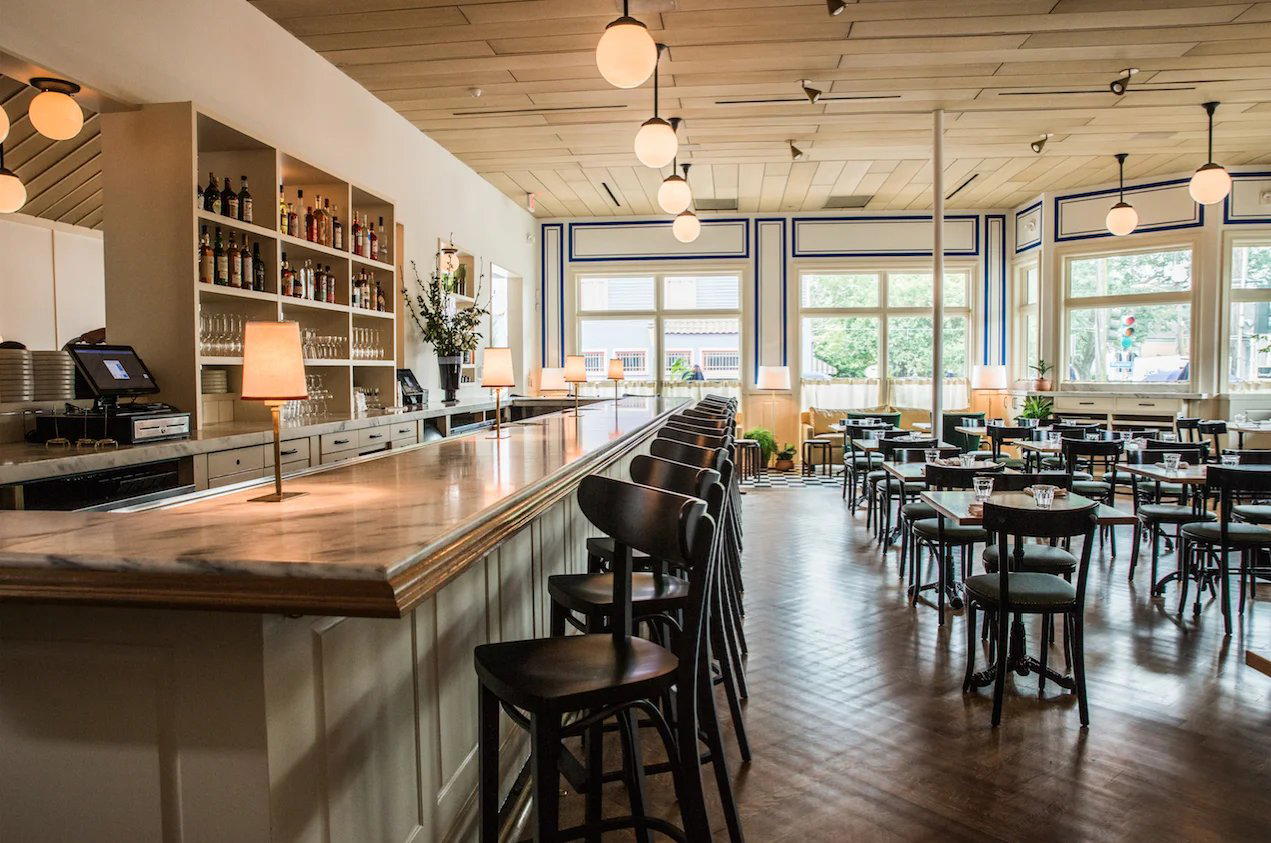

Details
- Rustic
- Cozy
- Elegant
- Date Night
- Special Occasion
- Brunch
- Open Kitchen
- Terrace
- Craft Cocktails
- Local Sourcing
- A La Carte
- Craft Cocktails
- Vegetarian Friendly
- Gluten Free Options
Current opening hours
- Monday
- Closed
- Tuesday
- Closed
- Wednesday
- 5–9 PM
- Thursday
- 5–9 PM
- Friday
- 5–9:30 PM
- Saturday
- 5–9:30 PM
- Sunday
- Closed
Hours can change for holidays and private events. Hours as of .
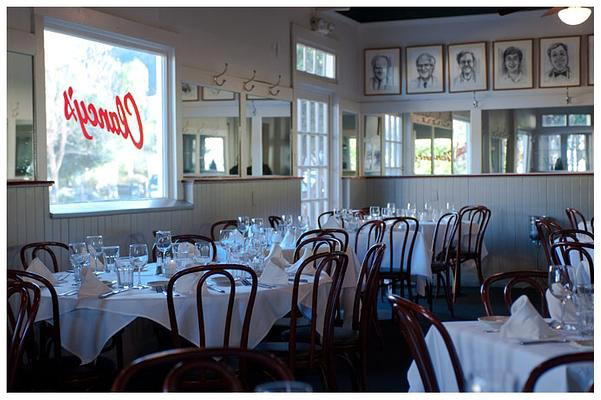
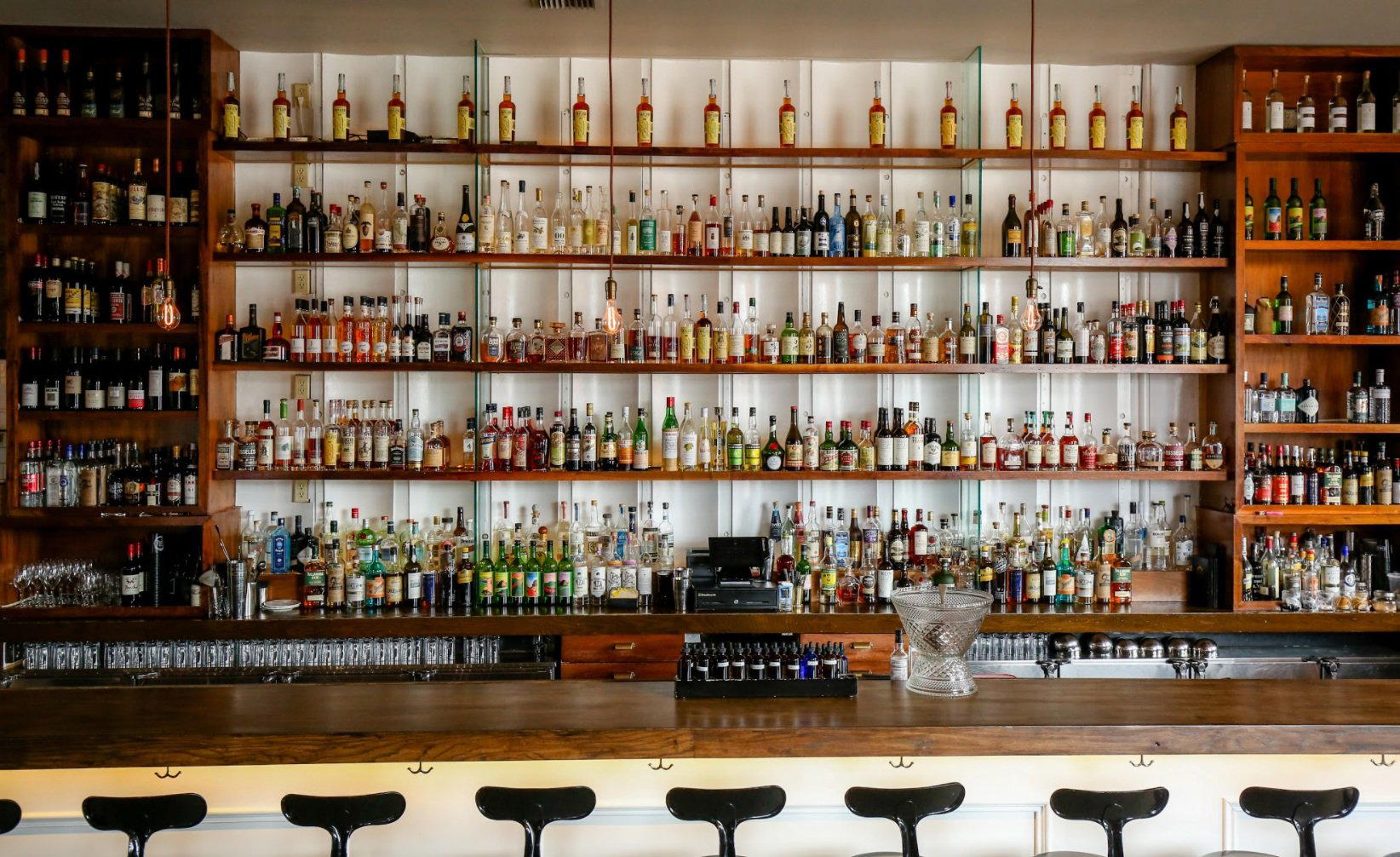
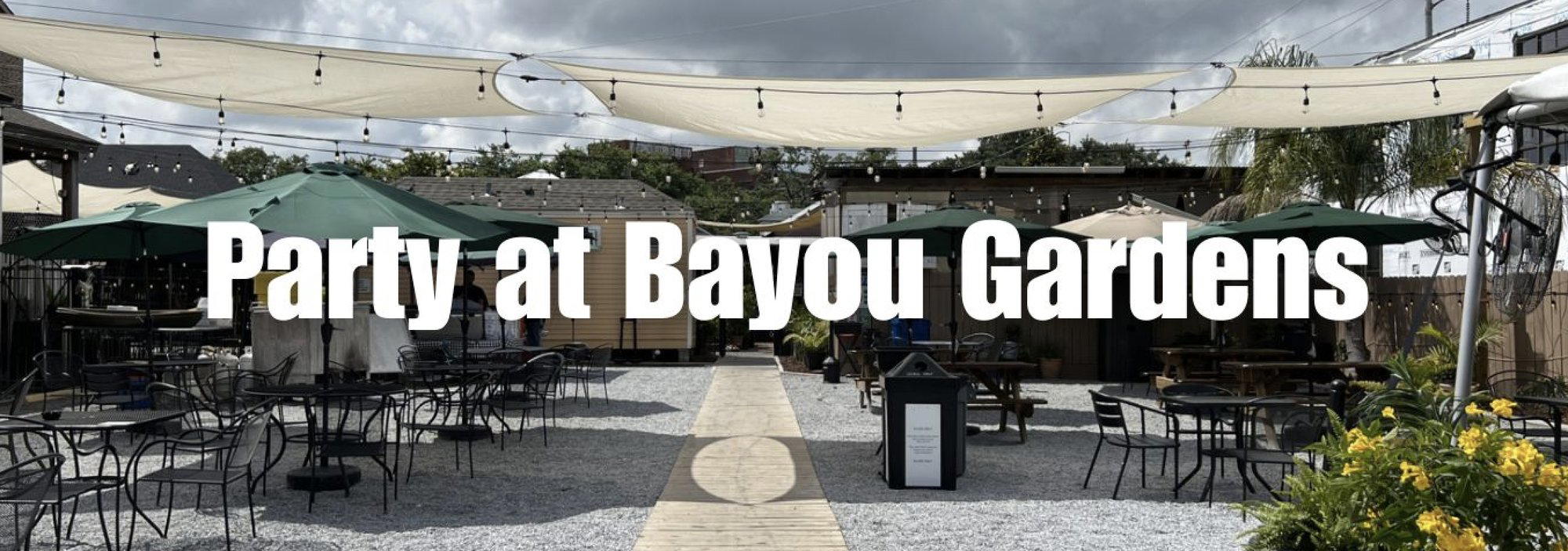
Warm and inviting atmosphere that feels like dining in a friend's home with a rustic yet elegant vibe.