
La Cocina de Frente serves updated Spanish home cooking from an open kitchen, with an extensive wine list and leisurely pacing for lunch or dinner in Retiro.
Pearl is the En Primeur Club membership app — saves, bookings, and concierge access live there. Same editors, same standards.
- Address
- C. de Ibiza, 40, Retiro, 28009 Madrid, Spain
- Phone
- +34910607220
- Website
- lacocinadefrente.com
- Directions
- Get directions
 Saves & bookings on Pearl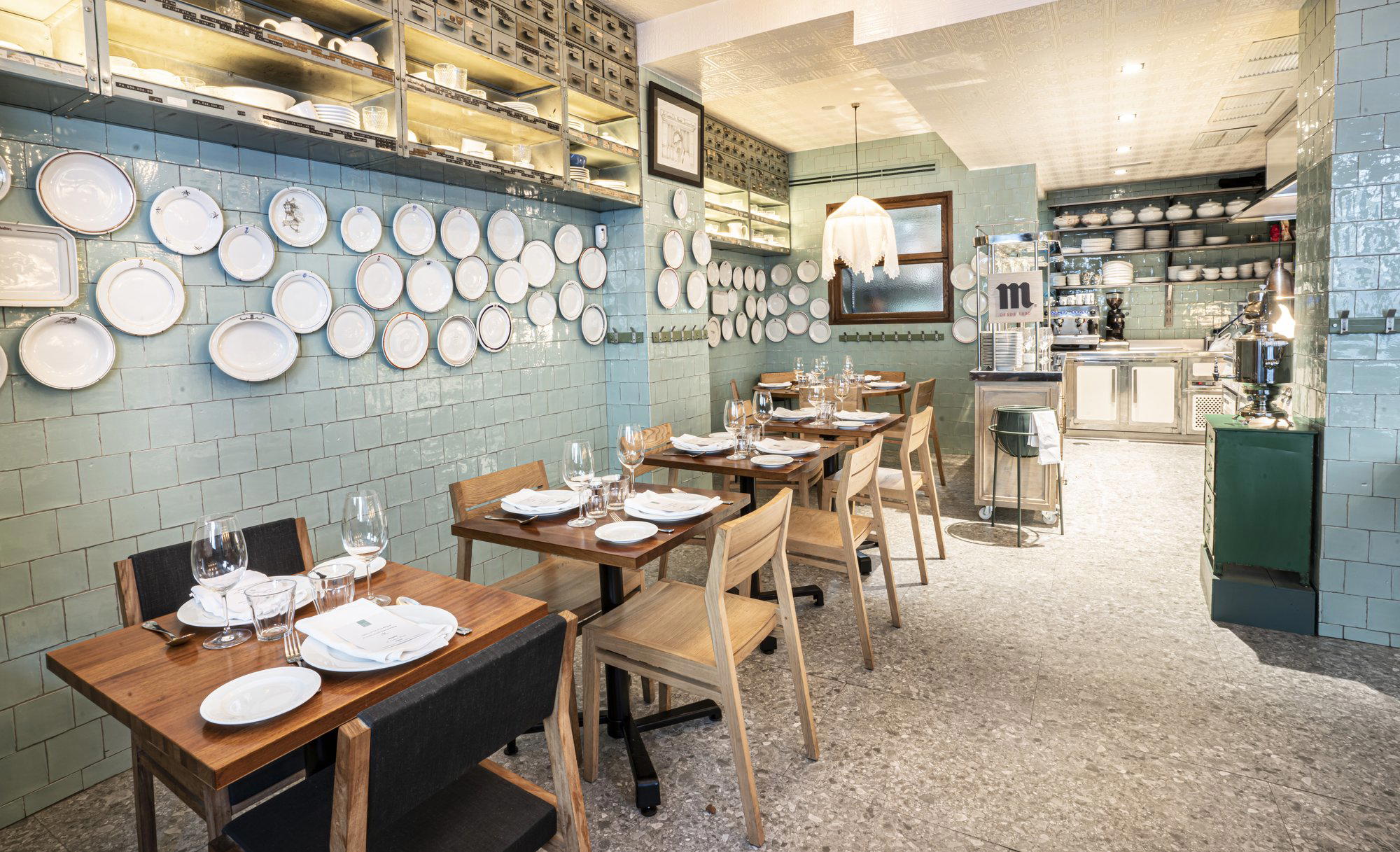
Calle de Ibiza, Retiro, and the Question of Neighbourhood Context
Madrid's Retiro district has long operated as a residential counterpoint to the high-energy dining corridors of Salamanca and the tasting-menu concentration of the city centre. Along Calle de Ibiza, the rhythm shifts: the street is quieter, the buildings residential in scale, the foot traffic more local than tourist. A restaurant at this address enters a different competitive conversation than one on Serrano or near Gran Vía. It answers to neighbours before it answers to guidebooks, and that positioning shapes what the dining room asks of a visitor.
La Cocina de Frente sits at number 40 on that street, in the Retiro quarter of Madrid's postal district 28009. The address alone tells you something about the register the kitchen is likely playing in: this is neighbourhood-anchored territory, not the trophy-restaurant corridor. Whether that means understated confidence or genuine value relative to the city's €€€€ tasting-menu tier is the more useful question for any visitor trying to allocate a Madrid dining itinerary intelligently.
Madrid's Dining Tiers: Where Neighbourhood Restaurants Fit
Madrid's fine-dining tier is anchored by a cluster of heavily awarded kitchens. DiverXO and Coque operate at the €€€€ ceiling, demanding considerable advance planning and significant per-head spend. Deessa, DSTAgE, and Paco Roncero occupy the creative-modern-Spanish layer just below, each with formal tasting formats and Michelin recognition. Between those poles and the casual tapas circuit, there is a mid-register of neighbourhood restaurants that sustain Madrid's actual daily dining culture: places where the clientele is predominantly local, the format is less ceremonial, and the kitchen's identity is legible from the menu rather than from a press biography.
Spain's most decorated kitchens outside Madrid offer a useful reference frame. El Celler de Can Roca in Girona, Arzak in San Sebastián, and Martin Berasategui in Lasarte-Oria have each built international reputations over decades. Mugaritz in Errenteria, Azurmendi in Larrabetzu, Quique Dacosta in Dénia, Aponiente in El Puerto de Santa María, Cocina Hermanos Torres in Barcelona, Ricard Camarena in València, and Atrio in Cáceres collectively define Spain's broader fine-dining geography. That context matters because it clarifies what Madrid's neighbourhood-scale restaurants are and are not competing for. They occupy a different conversation, and that is not a weakness.
Planning a Visit: What the Address Tells You Before You Arrive
The editorial angle here is practical, because one relevant question about La Cocina de Frente is a logistical one. The record for this address carries no confirmed hours, no booking method, no phone or website. That absence is meaningful. In Madrid's current restaurant environment, a venue operating on Calle de Ibiza without a prominent digital footprint is either a well-functioning neighbourhood institution whose regulars don't need a website, or a smaller operation whose booking and opening norms are best confirmed by direct visit or local enquiry.
For visitors building a Madrid itinerary, that means La Cocina de Frente belongs in a different planning bracket than a restaurant where reservations open eight weeks in advance on a specific platform. Madrid's most awarded tables, including the tasting-menu formats referenced above, typically require booking windows of four to twelve weeks for prime sittings. A neighbourhood address with limited digital presence suggests a more fluid entry point, but it also means that showing up without prior confirmation carries risk, particularly for a dinner-only visit on a limited schedule.
The practical advice is to treat this as a reservations-recommended venue rather than a walk-in-only destination. The Retiro neighbourhood rewards exactly this kind of unhurried approach: the area is residential rather than tourist-dense, and the dining culture along streets like Calle de Ibiza tends toward long, unhurried meals rather than high-turnover formats. That character aligns with how many Madrileños actually eat, particularly at weekday lunch, which remains the dominant meal format for the city's neighbourhood restaurants.
Retiro as a Dining Neighbourhood: Reading the Context
Retiro's restaurant stock reflects its demographic: affluent, residential, local-facing. The neighbourhood lacks the high-concentration fine-dining signalling of Salamanca or the creative-cluster energy of Chueca, but it sustains a consistent tier of well-run local tables that serve a clientele not especially interested in Michelin validation. This is where you find restaurants that trade on repeat custom rather than tourist footfall, and where the kitchen's identity is shaped by what the neighbourhood wants rather than what an awards committee rewards.
That distinction has practical consequences. A Retiro neighbourhood restaurant is more likely to maintain a loyal core clientele that books informally, a menu structure driven by seasonal availability rather than set-piece tasting formats, and a dining room that prioritises comfort over theatrics.
For visitors who want the full Madrid fine-dining circuit before exploring this register, the city's awarded tables remain the reference points. For international comparison, the format discipline of counters like Atomix in New York City or the seafood rigour of Le Bernardin in New York City illustrates how different a neighbourhood-residential Spanish restaurant is in format and expectation from the global fine-dining tier.
Planning Notes
The restaurant is located at C. de Ibiza, 40, in the Retiro district of Madrid (28009). Hours run Wednesday to Sunday, with lunch service and Friday and Saturday evening service. The restaurant is recommended for reservations. The Retiro neighbourhood is accessible by metro via the Ibiza station on Line 9, placing the address within comfortable reach of the city centre without the taxi dependency of some outer-district destinations. Given the residential character of the street, daytime and early evening visits are likely to reflect the neighbourhood's actual rhythm more accurately than late-night arrival.
Comparable Options
Comparable venues nearby, for context on price, style, and recognition.
| Venue | Cuisine | Price | Notes |
|---|---|---|---|
| La Cocina de FrenteThis venue — the venue you are viewing | Updated Spanish Home Cooking | $$ | Not listed |
| Osteria da Nando | Traditional Asturian Cuisine | $$ | Castellana |
| Fismuler | Modern Spanish with Nordic influences | $$ | Almagro |
| SANTANCHA | Modern Traditional Spanish | $$ | Almagro |
| Café Tatiana | Casual Spanish Café | $$ | Malasana |
| el b_US | Spanish Tapas Dinner Show | $$ | Embajadores |
Recognition history
Dated appearances from independent guides and award organizations, with the underlying list record or original source where available.
Macarfi 7 Food Rating
Macarfi
Continue exploring
More in Madrid
Restaurants in Madrid
Browse all →
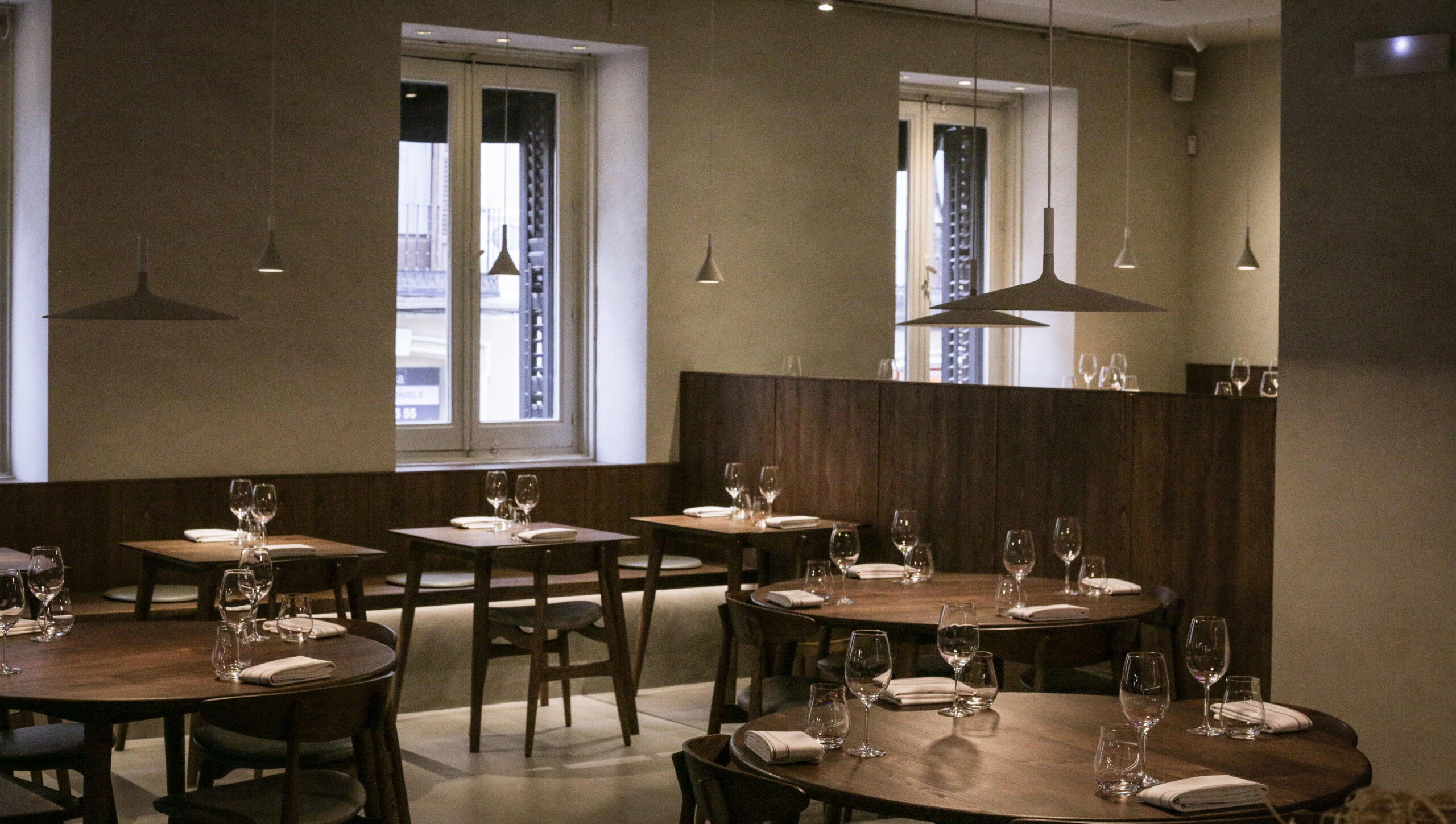
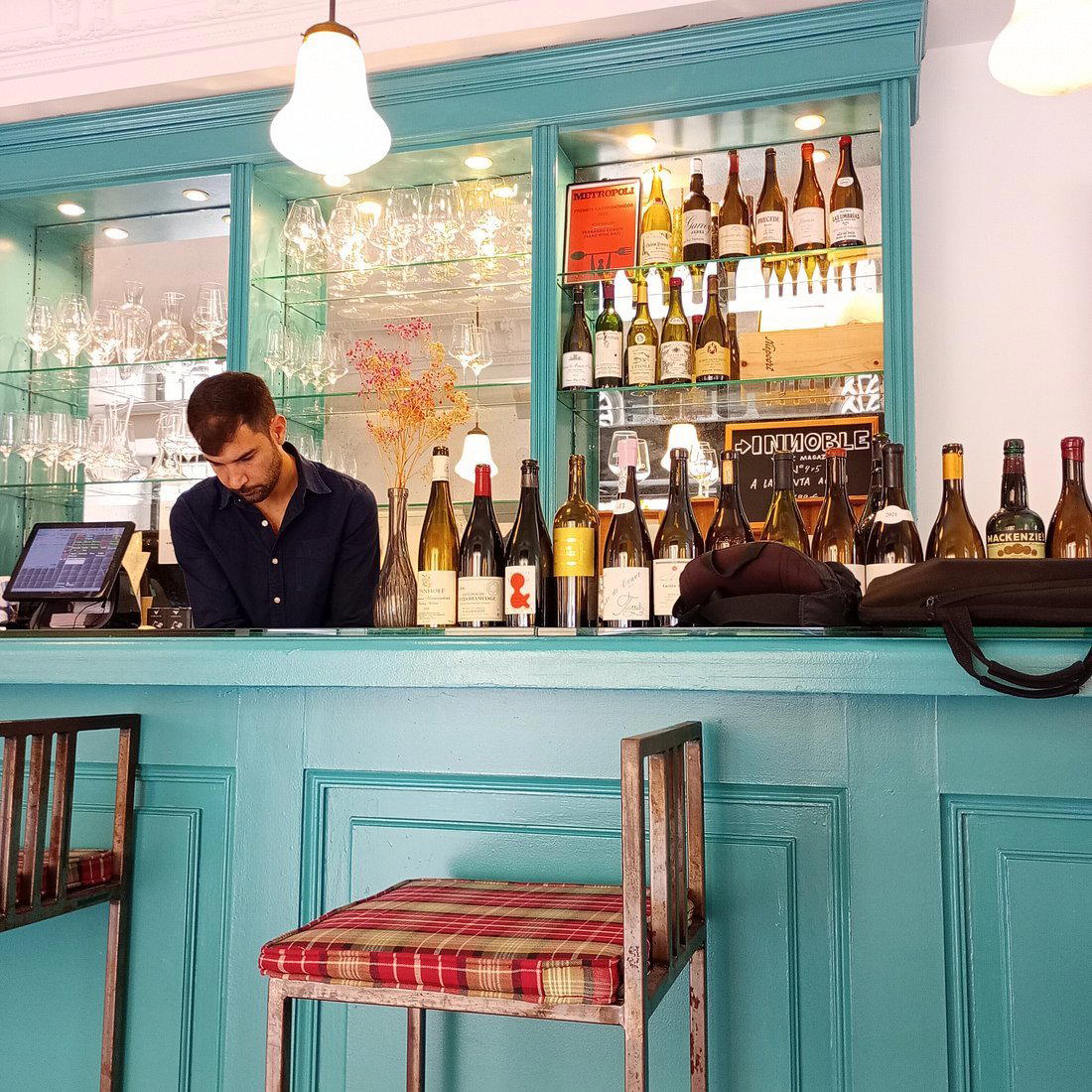
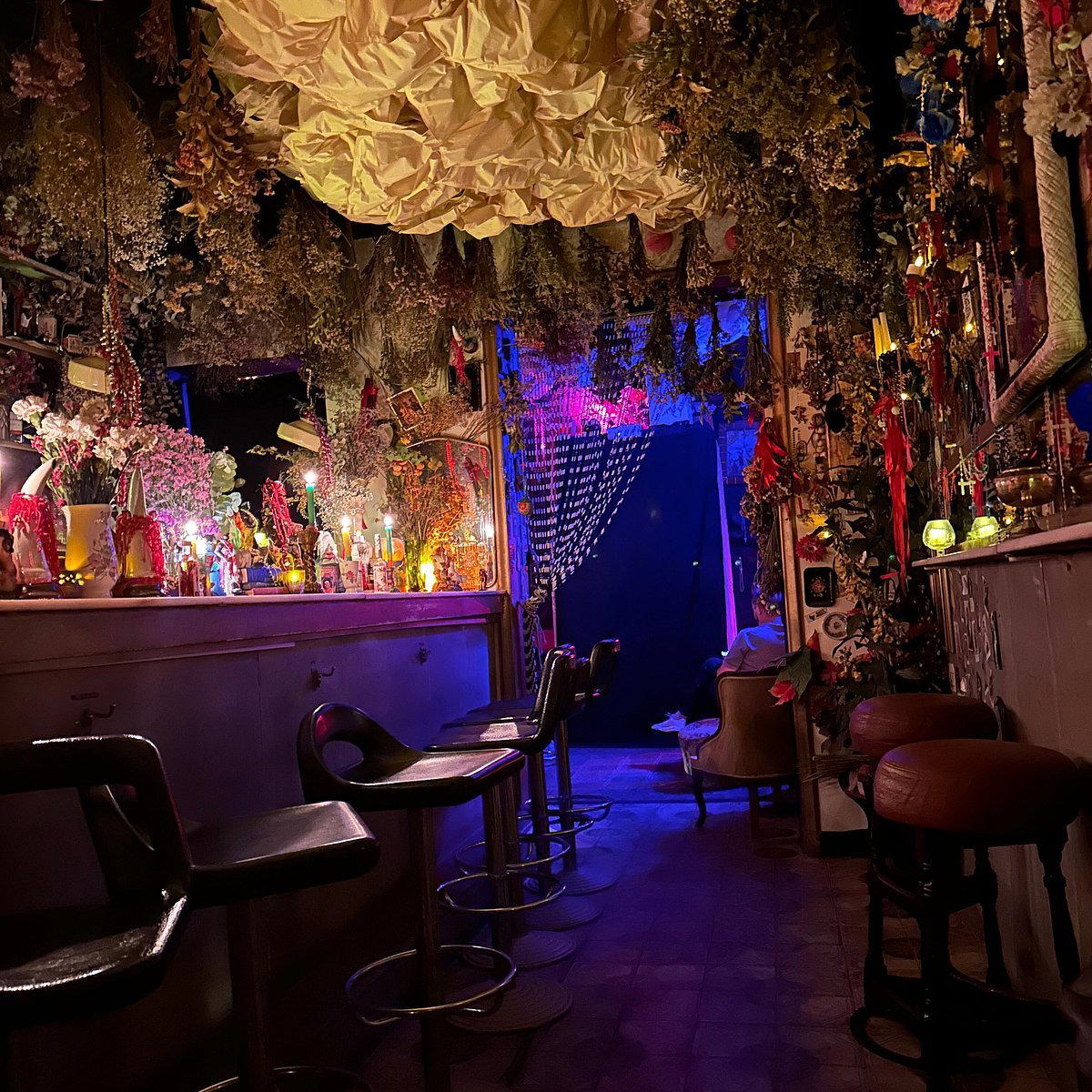
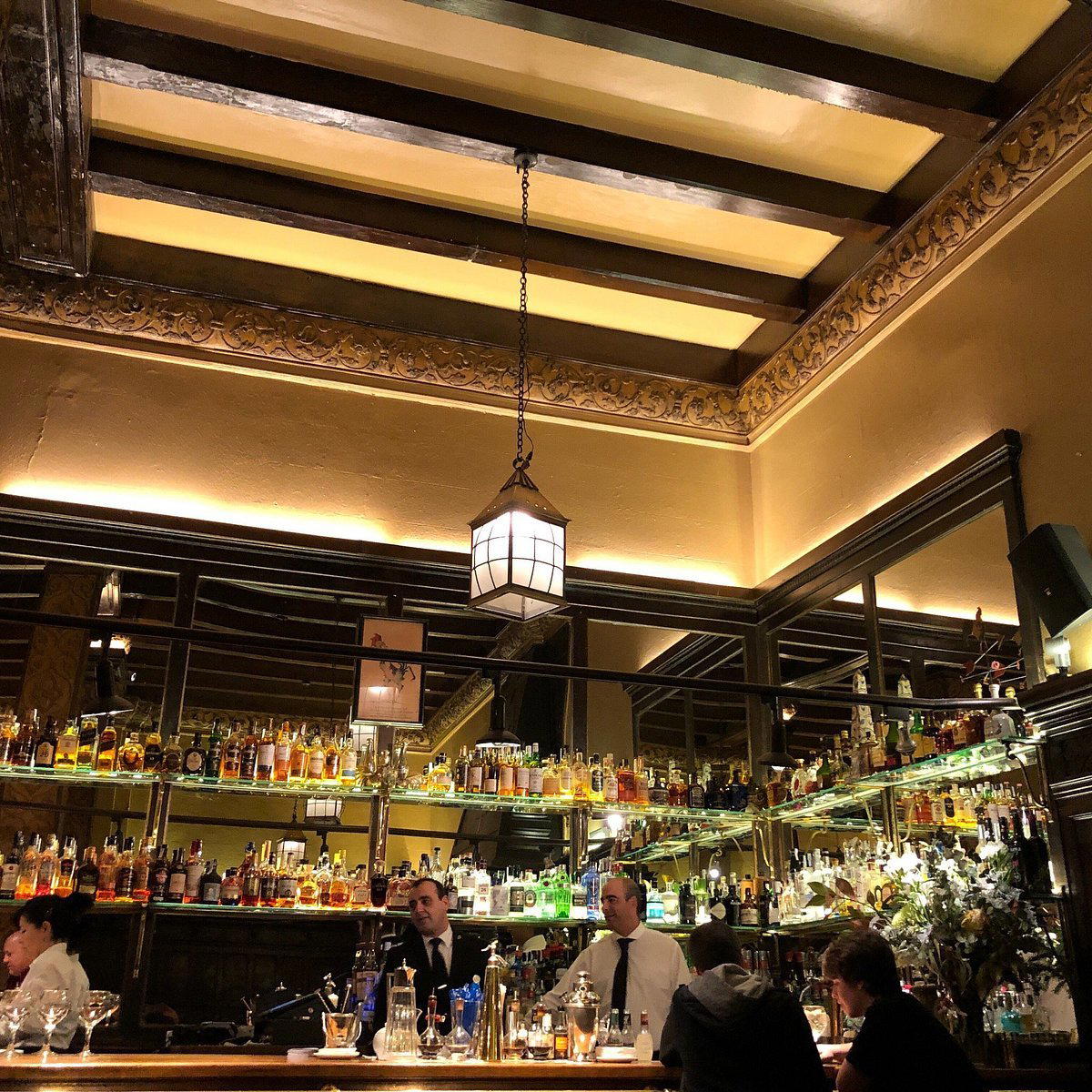
Bars in Madrid
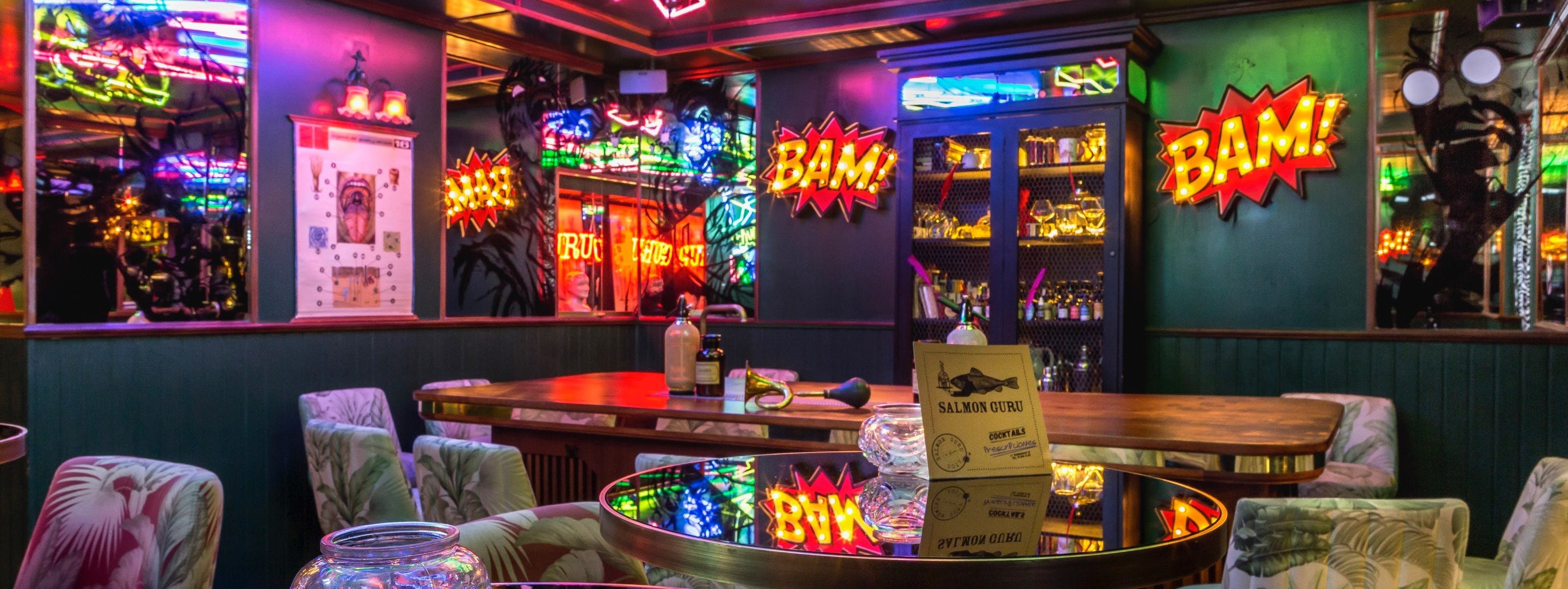
Browse all →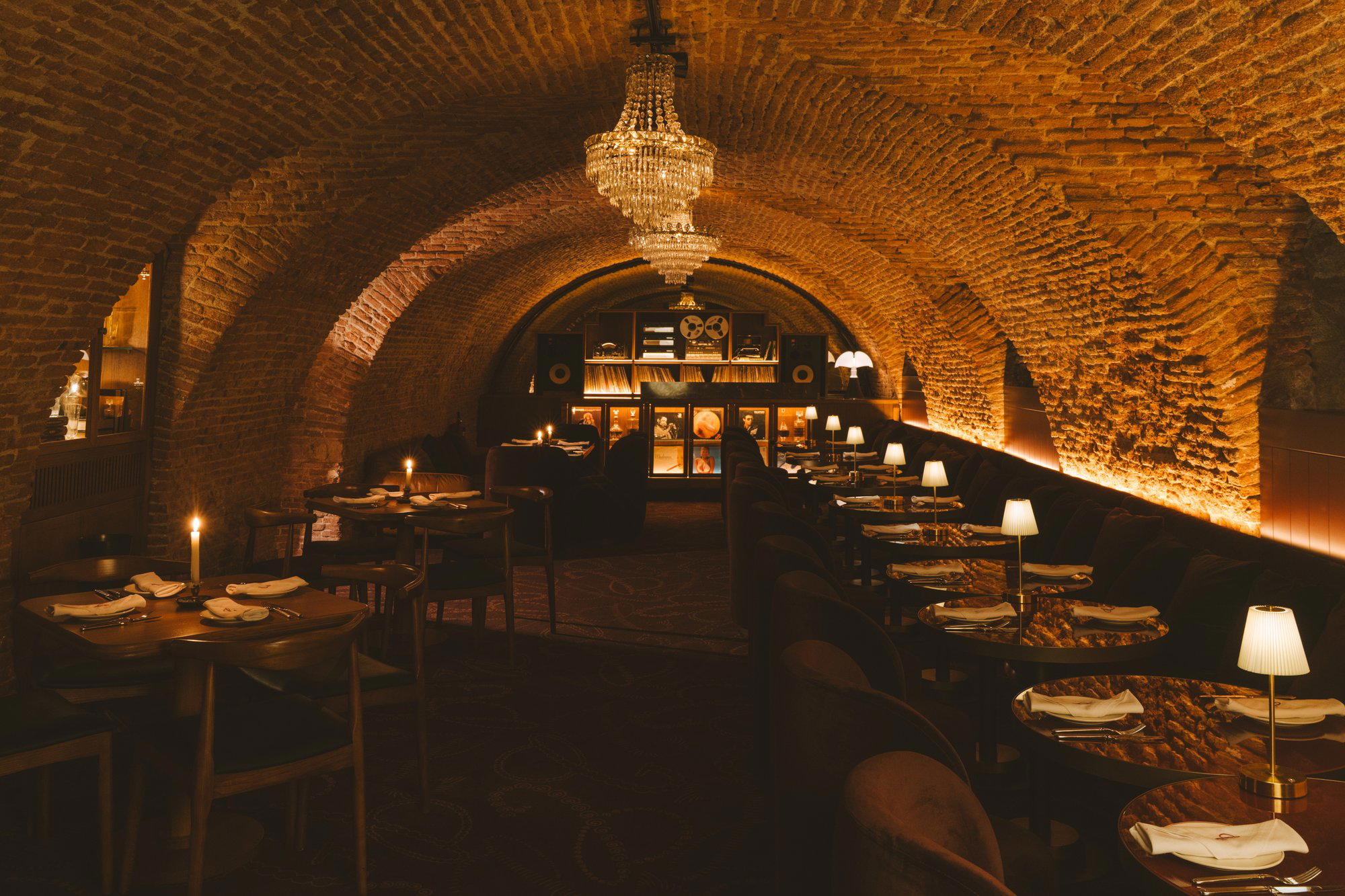
Hotels in Madrid
Browse all →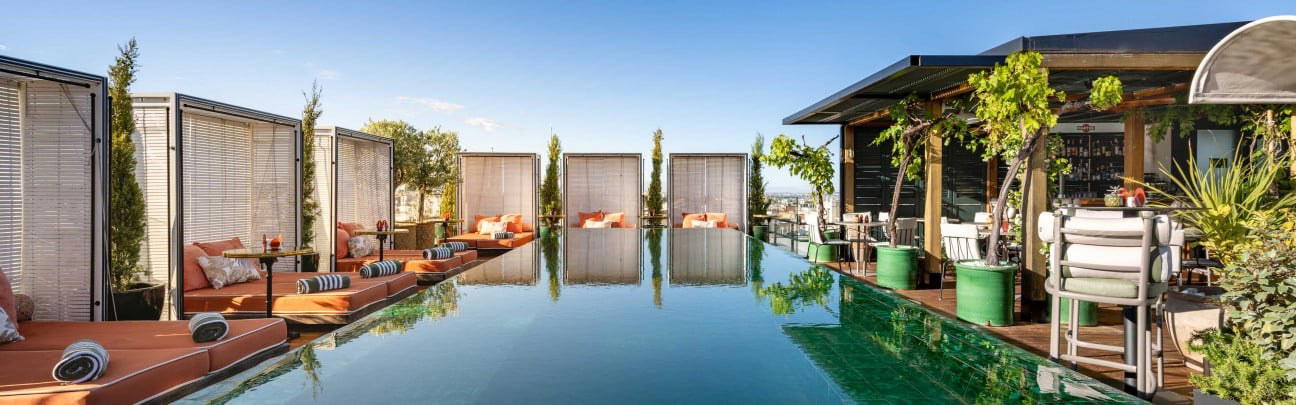



At a Glance
- Cozy
- Rustic
- Intimate
- Special Occasion
- Group Dining
- Open Kitchen
- Extensive Wine List
Current opening hours
- Monday
- Closed
- Tuesday
- Closed
- Wednesday
- 1–5 PM
- Thursday
- 1–5 PM
- Friday
- 1–5:30 PM, 8 PM–12 AM
- Saturday
- 1–5:30 PM, 8 PM–12 AM
- Sunday
- 1–5 PM
Hours can change for holidays and private events. Last verified .
Warm and embracing atmosphere with simple, soulful home cooking that highlights seasonal market ingredients.