
We're Smart World 5 Radishes
Our verdict
Pastorale in Reet was one of Belgium's most serious destination restaurants before its permanent closure, built around Bart De Pooter's garden-to-table vegetarian programme. The Flora menu drew on produce harvested at peak flavour from an on-site kitchen garden, combining vegetables with fermented, pickled and foraged elements. Its closure leaves a gap in the Belgian fine dining circuit that few regional addresses have filled.
The menu
What to order
- Wagyu beef with warm spices
- Brittany lobster with bulgur and pomegranate
- Monkfish with liver crème and kombucha
- Halibut with anchovy butter and parsley root
- Vegetable tasting menu
A Benchmark That No Longer Exists
Belgium's fine dining circuit is smaller and more concentrated than its Michelin count suggests. The serious destination restaurants, those that pull guests from Antwerp, Brussels, and beyond for a single meal, occupy a narrow tier, and Reet's Pastorale was one of them. The address on Laarstraat no longer operates; the restaurant has permanently closed. What remains is a record of what it represented: a kitchen that treated vegetable cookery not as an ethical stance or a marketing position, but as a technical discipline with its own logic and standards.
For those researching the Belgian restaurant scene, understanding Pastorale matters because of what it demonstrated was possible at the highest level of Flemish cooking, and because its closure clarifies how thin the field remains for vegetable-forward fine dining in the region. If you are planning a trip to the broader area, our full Reet restaurants guide covers what the town currently offers, alongside our Reet hotels guide, bars guide, and experiences guide.
The Sourcing Model and Why It Mattered
Among Belgian restaurants working in the leading price bracket, ingredient sourcing tends to follow one of two models: deep supplier relationships with named farms and producers, or an on-site growing programme where the kitchen controls harvest timing directly. Pastorale belonged firmly to the second category. Vegetables came from De Pooter's own garden, and the harvest decision was made on flavour readiness rather than schedule. That distinction is not trivial. A kitchen that picks when taste is optimal operates on different timing constraints from one that orders on a fixed weekly cycle, and it allows for a granularity of ripeness and texture that purchasing agreements rarely replicate.
This sourcing approach shaped the Flora menu's structure in ways that matter to anyone trying to understand where the cooking sat in its peer group. The menu combined white celery with gooseberry and green apple; eggplant with star anise, kumquat, mushroom and quinoa; and pointed cabbage with fermented green strawberry, ginger and shiso. These are not combinations that emerge from a standard supply chain. The fermented green strawberry in particular signals a kitchen preserving produce at a specific developmental stage, underripe, before peak sugar, to achieve an acidity profile unavailable from any commercial source. That level of process control is characteristic of kitchens with full growing and fermentation programmes, a category that includes very few Belgian addresses at comparable price points.
The broader significance: vegetarian fine dining in Belgium, and in Flemish cooking specifically, has historically been treated as an accommodation rather than a primary programme. Pastorale ran a full vegetarian menu called Flora as its headline offering, not a parallel option for non-meat guests. That positioning placed it closer to the philosophy operating at certain Nordic and Alpine kitchens than to the mainstream Belgian fine dining model, where meat and fish remain the structural anchors of a tasting menu. Comparable Belgian addresses, Boury in Roeselare, Zilte in Antwerp, Hof van Cleve in Kruishoutem, operate within a creative Flemish or French tradition where vegetables play supporting roles, however precisely sourced.
The Technical Register
De Pooter's stated approach prioritised techniques that strengthen a product's flavour while minimising treatment. That combination, amplification with restraint, is harder to execute than either maximalist or purist cooking, because it requires the cook to know exactly when to stop. The eggplant preparation with star anise and kumquat suggests layering aromatics that extend the vegetable's natural bitterness into something with more range, rather than masking or counteracting it. The shiso and fermented strawberry against pointed cabbage follows similar logic: fermentation adds depth and acid without heat, and shiso brings a herbaceous note that cabbage rarely receives in classical preparation.
This technical register is distinct from what you find at other high-end Belgian kitchens where vegetable courses appear as relief between proteins. At Castor in Beveren or De Jonkman in Sint-Kruis, the creative vocabulary is applied across the full range of ingredients. At Pastorale, the entire technical ambition was directed at the vegetable kingdom, which produced a different quality of attention. Whether that focus constituted a competitive advantage or a commercial constraint is a separate question, one that the closure answers, at least in part.
The Broader Belgian Context
Belgium maintains a higher density of Michelin-starred restaurants per capita than almost any European country, concentrated in Flanders and particularly in the corridor between Antwerp, Ghent, and the coast. Within that density, the Antwerp province, where Reet sits, roughly 15 kilometres south of the city, has supported serious cooking partly because of suburban restaurant culture: guests willing to drive for a destination meal rather than defaulting to city-centre options. That pattern has sustained addresses like Bartholomeus in Heist and others operating outside urban centres.
Pastorale's location in Reet followed that model. The address was not an urban restaurant drawing on foot traffic; it was a destination that required intent. For international visitors, it belonged to a planning bracket alongside Belgian addresses at the serious end of the spectrum, kitchens like Bozar in Brussels, Willem Hiele in Oudenburg, Cuchara in Lommel, d'Eugénie à Emilie in Baudour, and L'Eau Vive in Arbre, where the meal is the sole reason for the journey.
For reference, the vegetable-forward fine dining model that Pastorale represented has found more institutional support in cities with a stronger food media presence: Copenhagen, London, New York. At Le Bernardin in New York or Emeril's in New Orleans, the programming anchors remain protein-based, which underscores how singular Pastorale's full-vegetarian positioning was even by international standards. The closure removes one of the few European fine dining references in that specific register outside Scandinavia.
Planning Notes
Pastorale at Laarstraat 22, 2840 Reet is permanently closed and cannot be visited or reserved. Anyone who encountered it in older itineraries, travel guides, or recommendation lists should remove it from active planning. For current Reet options and for wineries in the area, our Reet wineries guide is a useful complement to the restaurants coverage.
Frequently asked questions
Is Pastorale child-friendly?
Pastorale operated as a destination fine dining restaurant in Reet, with a full vegetarian tasting menu, the Flora, built around precise, technique-driven courses. That format was not oriented toward younger diners. The restaurant is now permanently closed, so the question is moot for any future visit.
What kind of setting is Pastorale?
Pastorale occupied a restaurant address at Laarstraat 22 in Reet, a small municipality south of Antwerp. The kitchen operated as what De Pooter described as an experience kitchen, centred on his own garden and a philosophy of minimal intervention with maximum flavour. It was a destination in the Flemish fine dining circuit, not a neighbourhood drop-in.
Is Pastorale award-winning?
Pastorale has received recognition including: Permanently closed. The cuisine of Bart De Pooter is an experience kitchen in which balance, simplicity and power are central. He is constantly looking for techniques that strengthen the taste of a product but at the same time ensures that ….
What's the signature dish at Pastorale?
No single dish defined the menu in isolation. The Flora tasting menu rotated around garden-grown produce harvested at peak flavour: combinations such as white celery with gooseberry and green apple, or pointed cabbage with fermented green strawberry, ginger, and shiso were representative of De Pooter's approach. Pastorale is permanently closed and no current menu exists.
What's Pastorale's location?
Pastorale is located at Laarstraat 22, 2840 Reet, Belgium, Reet.
Is Pastorale reservation-only?
Pastorale is permanently closed and reservations are no longer possible. Anyone encountering it in older travel guides or itineraries should treat those references as historical. The address at Laarstraat 22, 2840 Reet is no longer an active restaurant.
What's the defining dish or idea at Pastorale?
The defining idea was restraint in service of intensity: De Pooter's stated goal was to apply techniques that amplify a product's flavour while keeping treatment to a minimum. The Flora menu, a full vegetarian programme drawing from his own garden, made that philosophy concrete, with fermented, foraged, and garden-harvested ingredients forming the structural logic of every course.
A Quick Peer Check
| Venue | Cuisine | Price | Awards | Notes |
|---|---|---|---|---|
| PastoraleThis venue (the venue you are viewing) | Modern Belgian Fine Dining with Vegetable-Forward Biotope | Not listed | We're Smart World 5 Radishes | Not listed |
| Boury | Creative French Fine Dining | $300–500 | 3 Michelin Stars · La Liste Top Restaurants | Modern Frlemish, Creative French |
| Comme chez Soi | French - Belgian, Classic Cuisine | Not listed | Michelin 1 Star | Not listed |
| Castor | Modern French Fine Dining | Not listed | 2 Michelin Stars · La Liste Top Restaurants | Modern European, Modern French |
| Cuchara | Modern Creative Cuisine with Asian Influences | $200–300 | 2 Michelin Stars · La Liste Top Restaurants | Modern European, Creative |
| De Jonkman | Modern Flemish Seafood Fine Dining | $100–150 | 2 Michelin Stars · La Liste Top Restaurants | Modern Flemish, Creative |
Recognition history
Dated appearances from independent guides and award organizations, with the underlying list record or original source where available.
We're Smart World 5 Radishes
We're Smart World
Continue exploring
More in Reet
Restaurants in Reet
Browse all →
Pastorale
The wine
- Wine program
- Deep wine list
- Extensive wine list
- Sommelier-led
Details
- Elegant
- Sophisticated
- Modern
- Whimsical
- Special Occasion
- Celebration
- Date Night
- Garden
- Historic Building
- Design Destination
- Open Kitchen
- Private Dining
- Extensive Wine List
- Sommelier Led
- Farm To Table
- Local Sourcing
- Organic
- Garden
- Tasting Menu
- Set Menu
- Wine
- Rare Champagne
- Vegetarian Friendly
- Organic Focus
- Allergy Accommodating
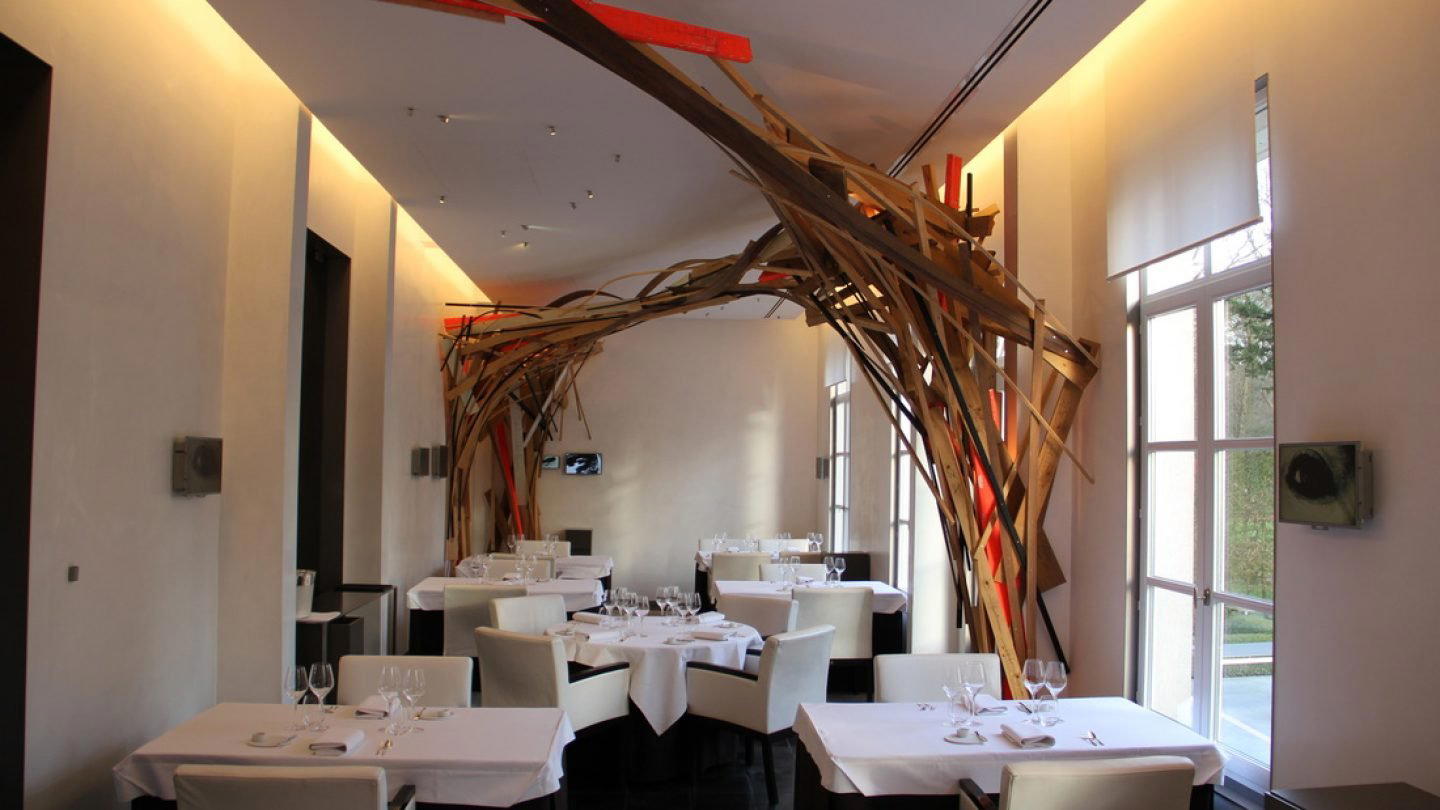
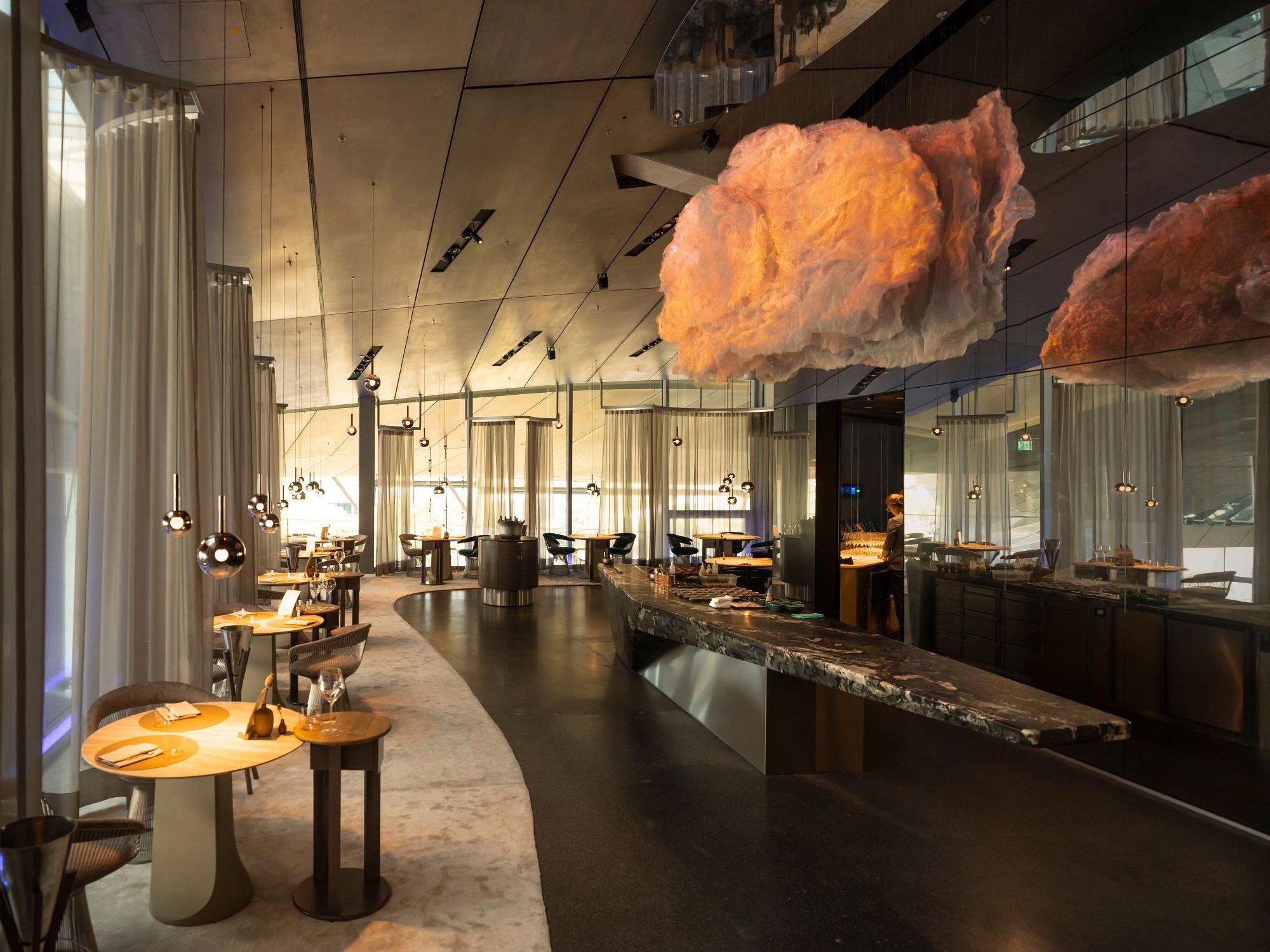
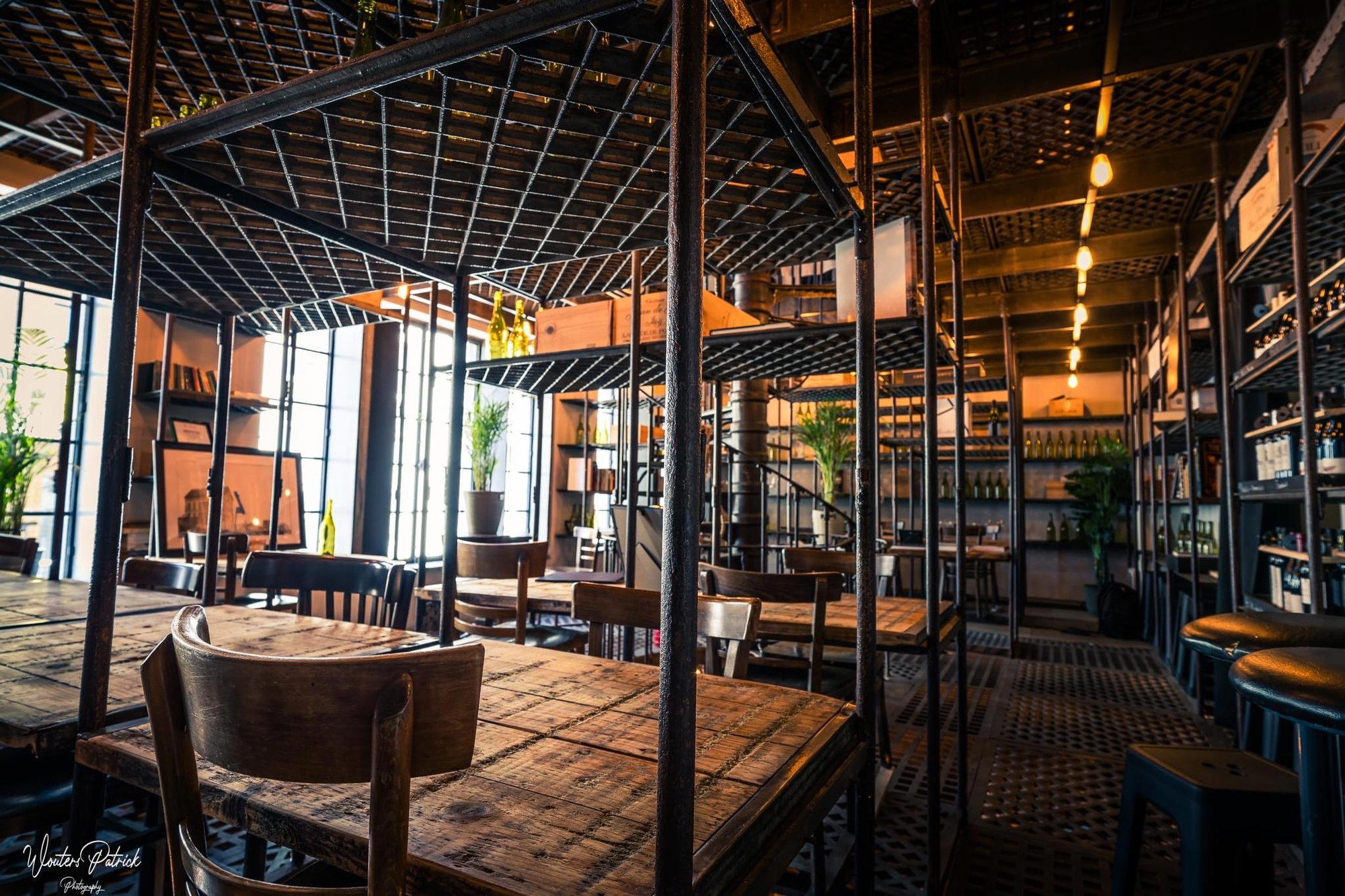
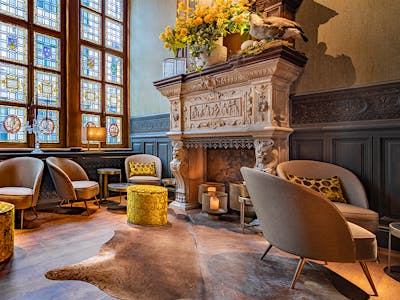
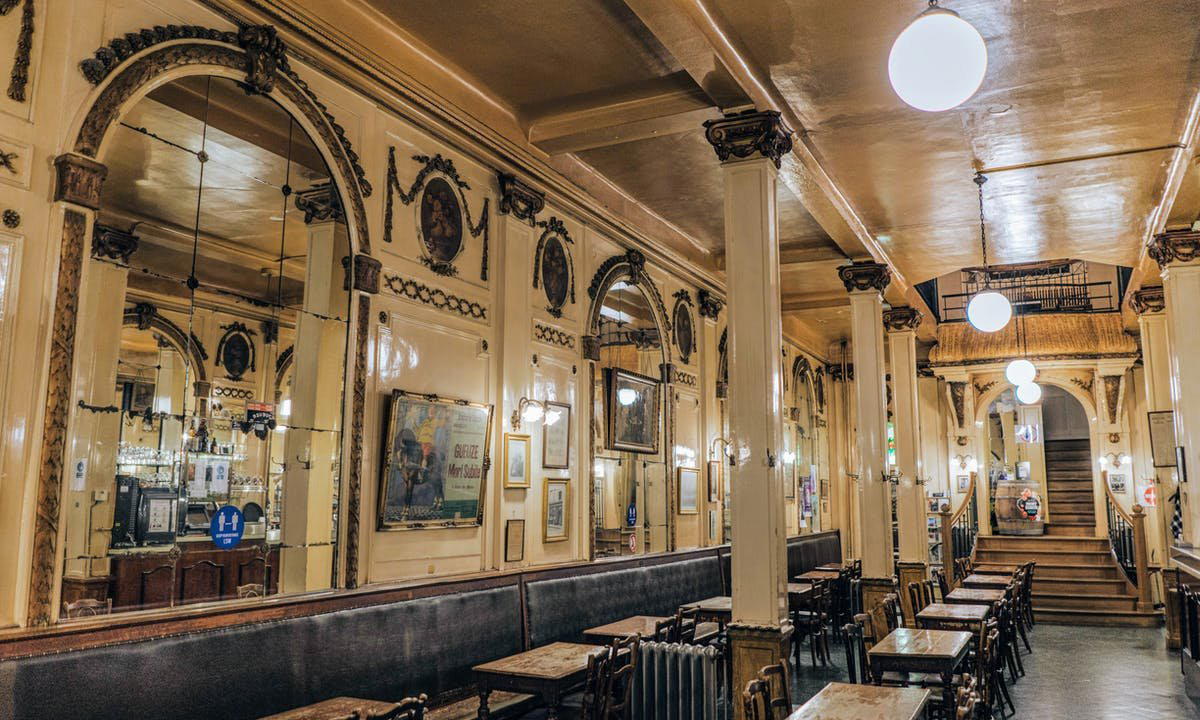
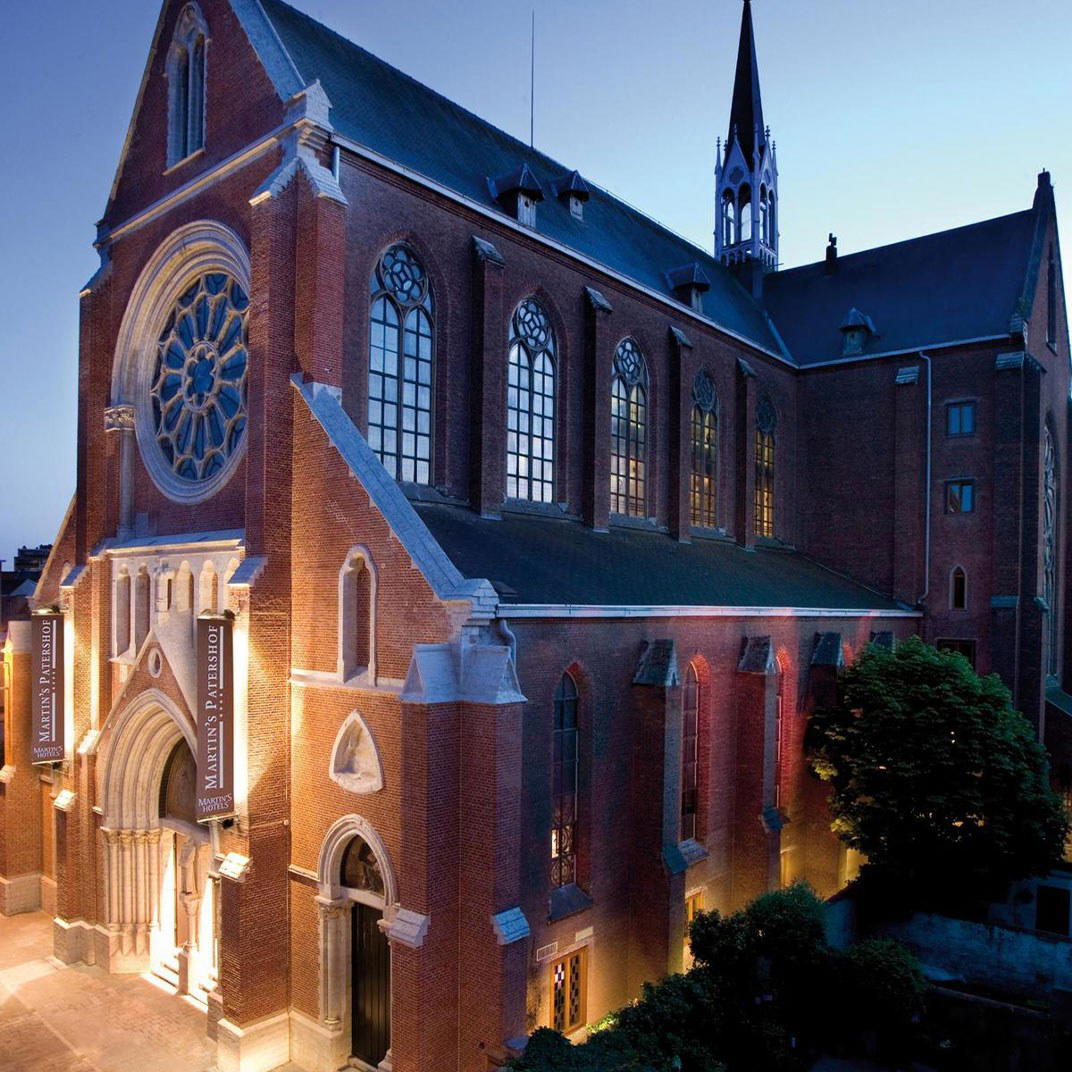
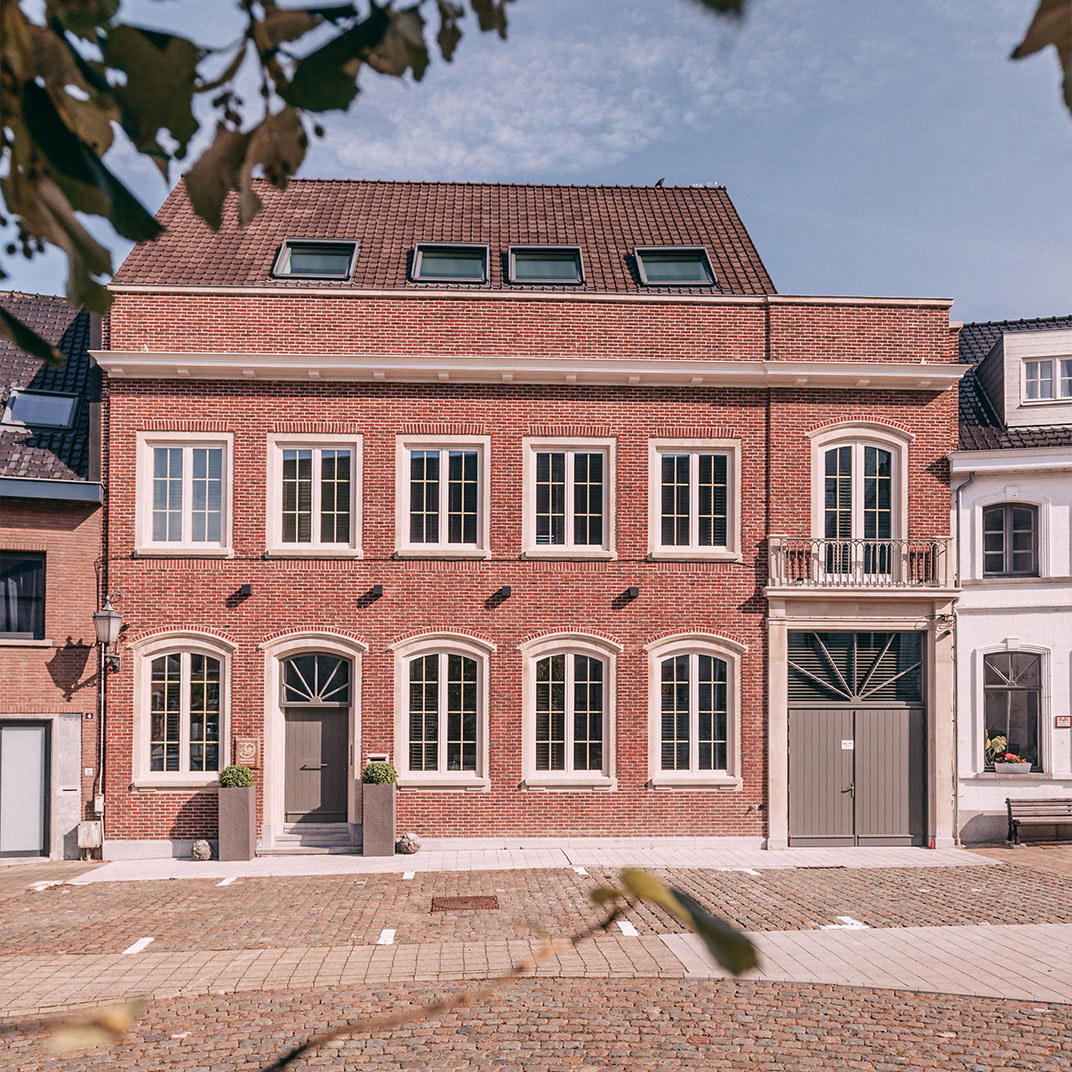
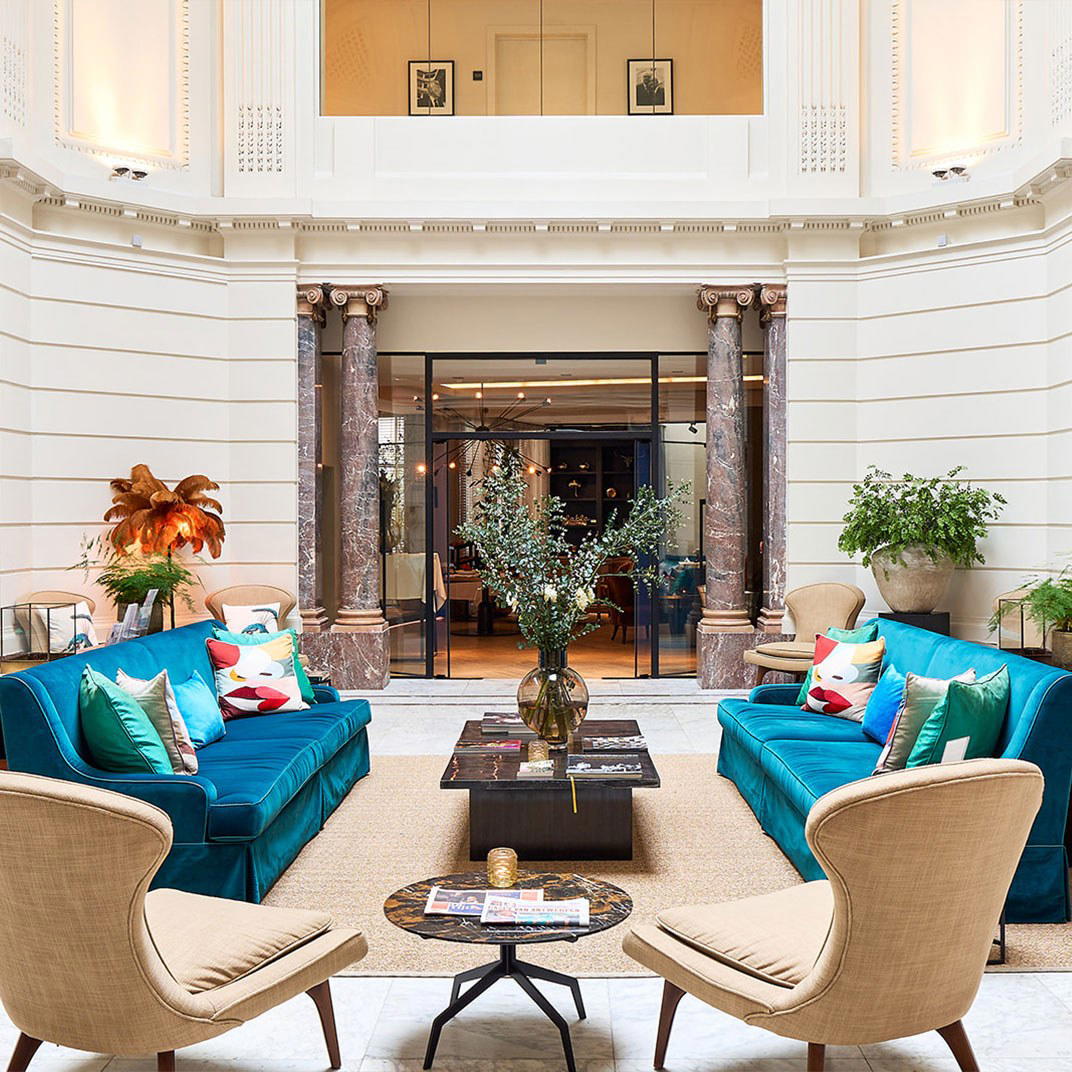
Contemporary chic dining room with art installations by Belgian artist Arne Quinze, modern bronze sculptures, and a garden filled with contemporary statues, creating a refined yet playful atmosphere that balances luxury with approachability.