
Pasta Dining ROTO brings Nagoya’s Italian dining conversation into a smaller, more local register: pasta-led cooking, wine and cocktails, counter seating, and a 2025 Tabelog 100 Italian EAST selection. In Minato-ku near Tokai-dori, it suits diners looking beyond station-area convenience toward a compact room where imported Italian technique meets the practical precision of Japanese neighborhood dining.
Pearl is the En Primeur Club membership app — saves, bookings, and concierge access live there. Same editors, same standards.
- Address
- 愛知県名古屋市港区七番町4-12-5
- Phone
- +81529909720
- Website
- pd-roto.com
 Saves & bookings on Pearl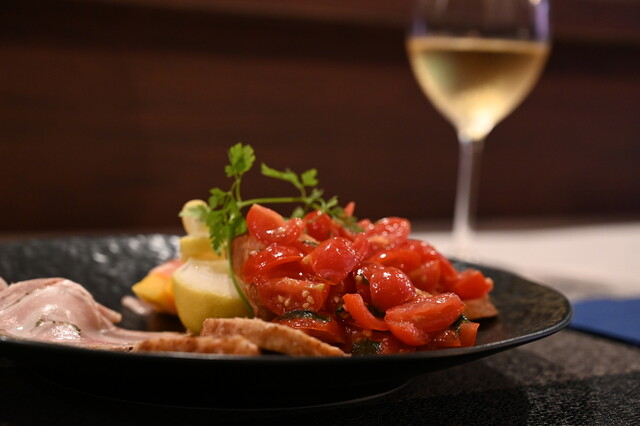
Approach this corner of Minato-ku and the mood shifts from Nagoya’s central-station dining rhythm to something more residential and deliberate. The appeal is scale, not theatre: a compact Italian room with counter seats, table seating, wine, cocktails, and a pasta-led identity rooted in Japan’s mature, localized reading of Italian food. Pasta Dining ROTO belongs to the category where the cooking is global by grammar but local by expectation, judged by seasoning, timing, and whether the room can carry a full meal without ceremony.
Nagoya’s restaurant culture is often framed by miso katsu, hitsumabushi, kishimen, and coffee-shop morning sets, but its European kitchens are a useful counterpoint. Italian cooking in Japan has never been a simple import; it has been translated through domestic produce, Japanese portion logic, and service that prizes exact pacing. That is the frame here: pasta as a serious dining format, not a casual carbohydrate stop.
Italian technique in a Nagoya neighborhood register
The 2025 Tabelog 100 Italian EAST selection gives the restaurant a clear trust signal in a field where capable neighborhood Italian rooms can be hard for travelers to distinguish. Tabelog’s Italian EAST category is not a Michelin-style hierarchy; it is closer to a curated map of places with sustained attention in a crowded regional category. For a restaurant outside Nagoya’s obvious hotel-and-station circuit, that matters: it places a Minato-ku pasta dining room in a wider eastern Japan conversation.
The category mix says enough: Italian, pasta, dining bar. Common in Japan, but the stronger versions understand that pasta is not merely a course between antipasti and meat. It can carry the meal. Japanese-Italian cooking has long been comfortable with local seafood, seasonal vegetables, measured sauces, and treating noodles with the seriousness diners bring to soba, udon, and ramen. Done well, it is neither imitation trattoria nor fusion gimmick, but disciplined translation.
Within Nagoya, Pasta Dining ROTO differs from the city’s lower-priced noodle and dumpling anchors. Tebiki Soba Isshin, Jinsei Gyoza, Raamen Ajisai, and China Soba Kitagawa sit closer to quick, specialized local eating patterns, while Atsuta Houraiken Honten occupies the established hitsumabushi lane at a higher everyday-celebration price point. Here, the Italian format asks for a slower evening: wine or cocktails, pasta as the center of gravity, and a room small enough that pacing becomes part of the experience.
That small scale is why the counter matters. In Japan, counter dining is not limited to sushi and kappo; European kitchens use it to tighten the distance between preparation and service. From a counter seat, timing, handoffs, and the move from glass to plate become visible. For travelers used to table-driven Italian rooms, Nagoya’s compact counters can feel more exacting and less performative.
Why the recognition matters for travelers
A Tabelog score of 3.75 and a Tabelog 100 Italian EAST 2025 selection put this address in a useful middle ground: credible enough to justify crossing town, but not framed as a grand destination temple. In Nagoya, where rewarding dining itineraries often work by contrast, a strong day might move from regional staples to a serious pasta dinner rather than making every meal declare local identity the same way.
The restaurant opened in 2022, placing it among a newer generation of post-pandemic Japanese dining rooms: smaller, sharper in format, and less reliant on long legacy narratives. Italian dining has shifted from broad trattoria comfort toward narrower identities: pasta specialists, wine-forward counters, and hybrid dining bars serving both date-night meals and flexible evenings around drinks. The stronger examples treat the bar element as range, not looseness.
The format has practical implications. A 20-seat room does not absorb indecision well. Counter seating and limited tables reward diners who plan cleanly, arrive on time, and understand that the meal follows the restaurant’s cadence. Private rooms are not part of the setup, and the space is intimate rather than group-oriented. The no-smoking policy aligns it with contemporary Japanese premium-casual dining, where wine and pasta need a cleaner room.
Minato-ku location defines the experience. Central Nagoya can compress dining into convenience: station towers, department-store floors, and hotel restaurants. Tokai-dori shifts the register. A restaurant here must draw diners through specificity rather than address value, making the Tabelog selection more useful than vague popularity; it signals that the kitchen has broken through beyond immediate neighborhood demand.
How to place it in a Nagoya itinerary
For a first trip, Pasta Dining ROTO works better as a counterweight than a replacement for Nagoya’s regional signatures. Eat hitsumabushi, learn the miso-heavy side of the city, then use a pasta dinner to see how local diners engage with imported technique. That comparison says more about Nagoya than another checklist of classics. Japanese Italian cooking is now part of the country’s everyday fine-dining vocabulary, and Nagoya’s version tends to be less showy than Tokyo’s, more grounded in neighborhood repeat dining.
Nearby restaurant research in the city can also include 1022, 451, Aaron, Alan., and All Day Dining Montmartre.
For context beyond Nagoya, Japan’s dining map is full of small-format specialists that reward precise expectations: -Grilled beef Sukiyaki- KAMAKURA TANUKIAN 鎌倉 たぬき庵 in Kamakura. 鮪と炭火焼き うお炭 秋葉原店 in Tokyo.cafe in Osaka.know in Kumamoto, (Shoku) Vietnam in Kawasaki, and [Curry Senmon Ten] Maruyama Kyoju. in Sapporo. For Japanese-influenced dining abroad, Jōdo Saké Bar in Los Angeles and Onigiri Time in Pasadena show how far the conversation travels once technique leaves its home context.
The editorial case is concise: choose it when the aim is not another famous Nagoya dish, but a focused look at how Italian technique has been absorbed into Japanese neighborhood dining. The awards signal credibility, the room keeps the experience compact, and the Minato-ku address gives the meal a local texture that central dining districts often smooth away.
A Pricing-First Comparison
Comparable venues to anchor price and recognition.
| Venue | Cuisine | Price | Notes |
|---|---|---|---|
| Pasta Dining ROTOThis venue — the venue you are viewing | Not listed | $$ | Not listed |
| La Violetta | Higashi, Italian | $$$ | Not listed |
| Japan no Italian Ryori Ten sai | Naka, Japan no Italian Ryori | $$$ | Not listed |
| Cucina Italiana Selvaggio | Not listed | $$$ | Higashi, Japanese-Style Italian Fine Dining |
| THE RISCO | Naka, Hamburger cafe & bar | $$ | Not listed |
| Lokanta Ayhan | Not listed | $$ | Naka, Traditional Turkish Restaurant & Bar |
Recognition history
Dated appearances from independent guides and award organizations, with the underlying list record or original source where available.
Tabelog 100 #71 · No. 71
Tabelog · Tabelog 100 - Italian - EAST - 2025
Continue exploring
More in Nagoya
Restaurants in Nagoya
Browse all →
At a Glance
- Cozy
- Intimate
- Romantic
- Date Night
- Group Dining
- Solo
- Celebration
- Casual Hangout
- Chefs Counter
- Standalone
- Extensive Wine List
- Local Sourcing
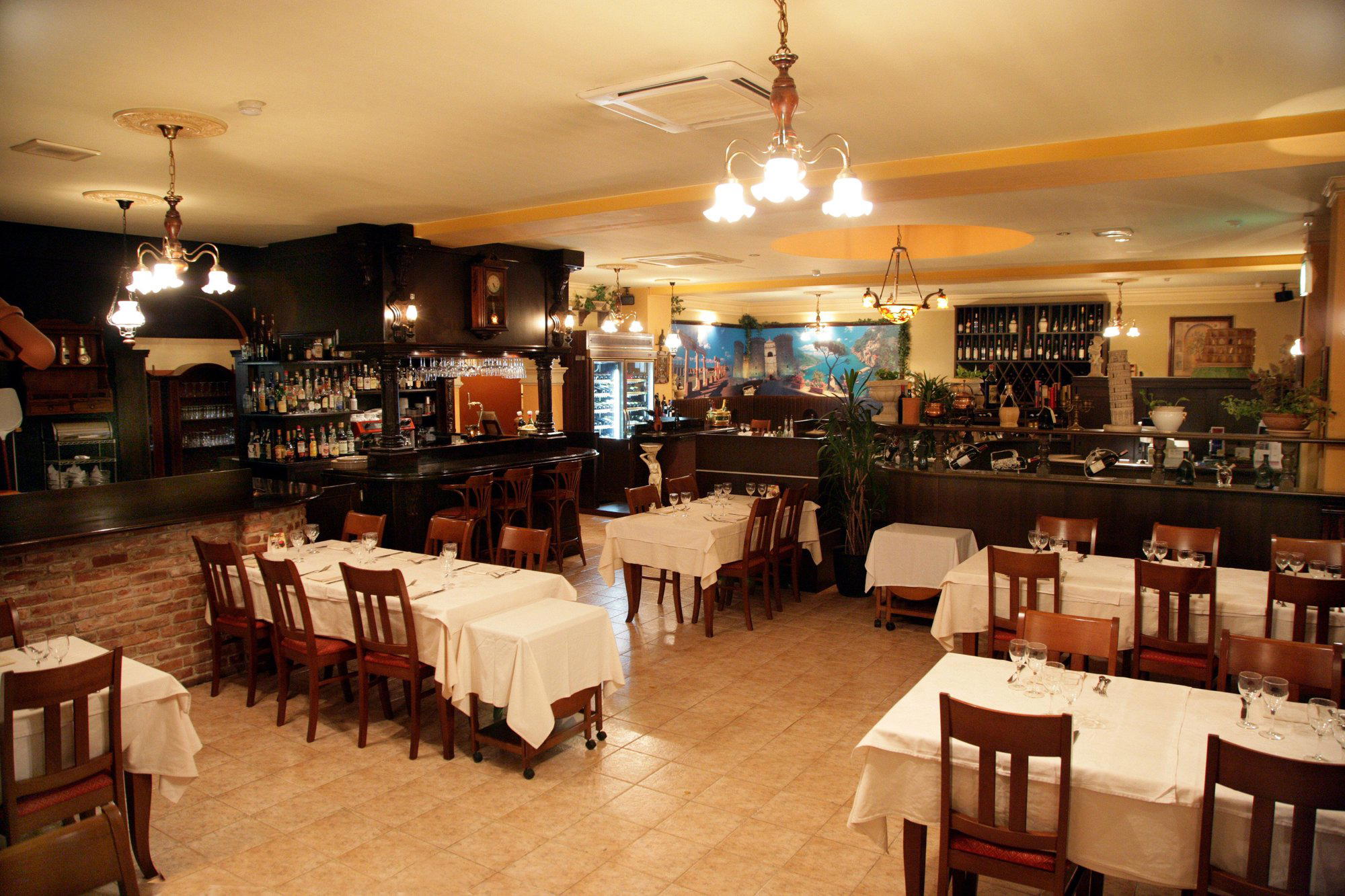
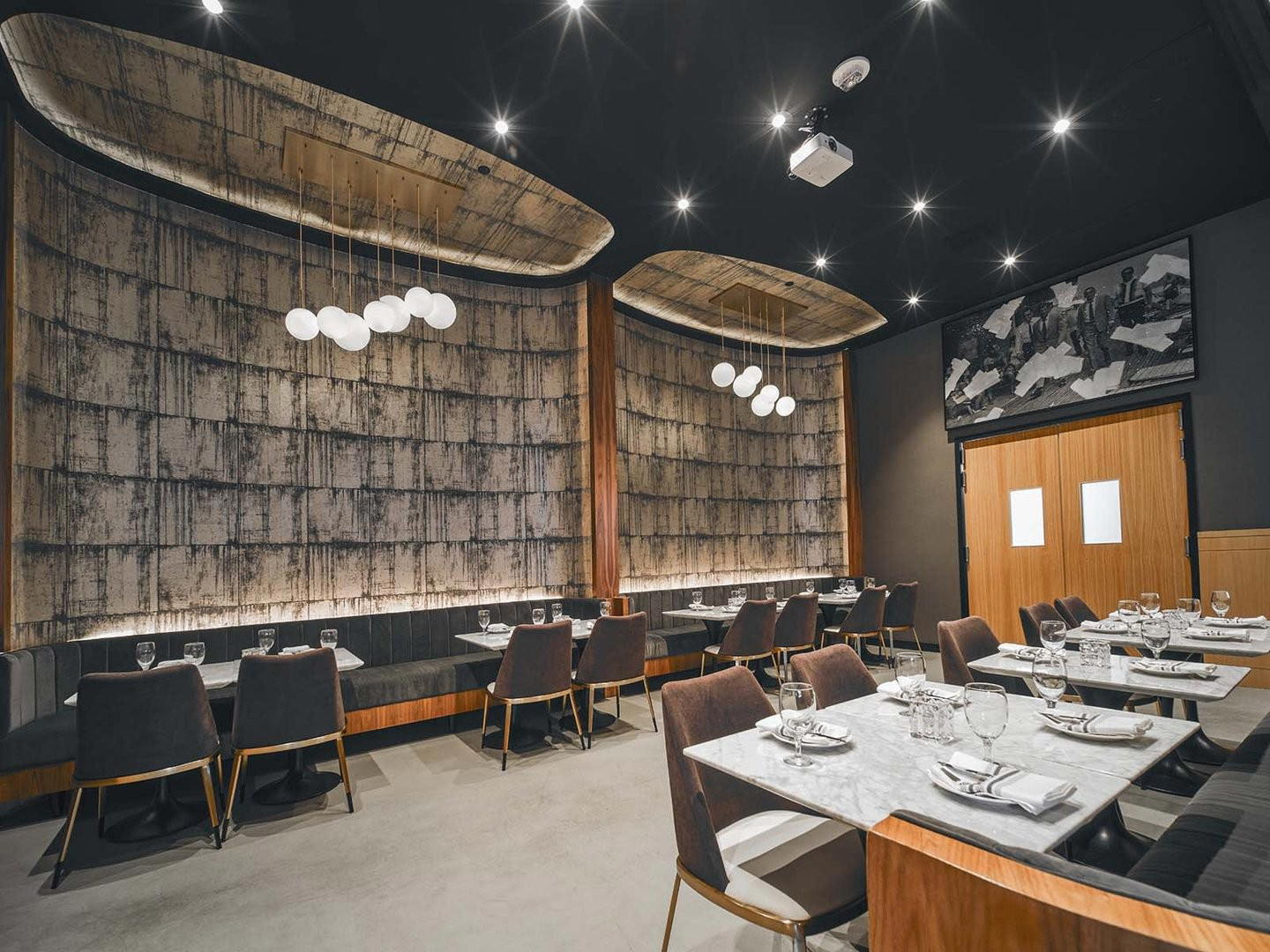
A small, hidden-house Italian with a relaxed, cozy feel: counter seating on the first floor where guests can chat with the chef, and calmer table seating upstairs suited to dates and small celebrations; lighting and music support an intimate but not overly formal atmosphere.