Talia
Our verdict
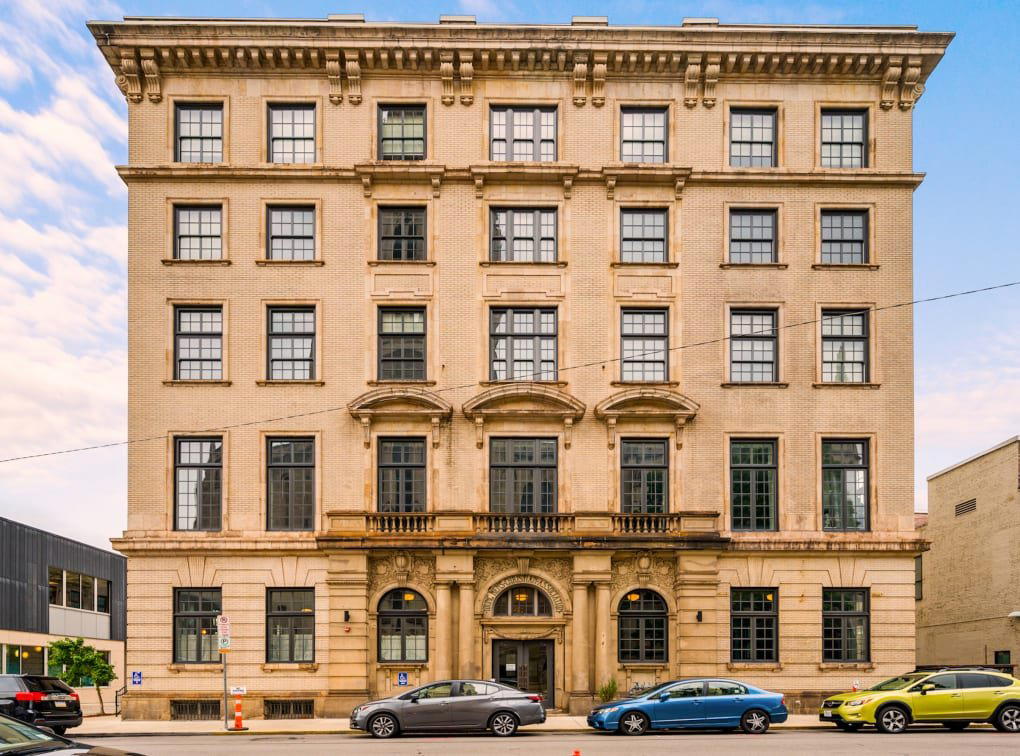
Located at 611 William Penn Place in downtown Pittsburgh, Talia operates in a tier of American dining where the wine program often defines the room as much as the kitchen. The address places it inside the city's commercial core, where a growing cohort of serious restaurants has begun attracting the kind of attention that once flowed only to coastal markets. For visitors tracking Pittsburgh's evolving fine dining scene, Talia warrants a close look.

Pearl is the En Primeur Club membership app — saves, bookings, and concierge access live there. Same editors, same standards.
- Address
- 611 William Penn Pl, Pittsburgh, PA 15219
- Phone
- (412) 456-8214
- Hours
- Mon ClosedTue–Thu 11:30 AM–2 PM, 5–9 PMFri 11:30 AM–2 PM, 5–10 PMSat 4–10 PMSun Closed
- Website
- taliapgh.com
- Directions
- Get directions
- Booking
- Book on OpenTable
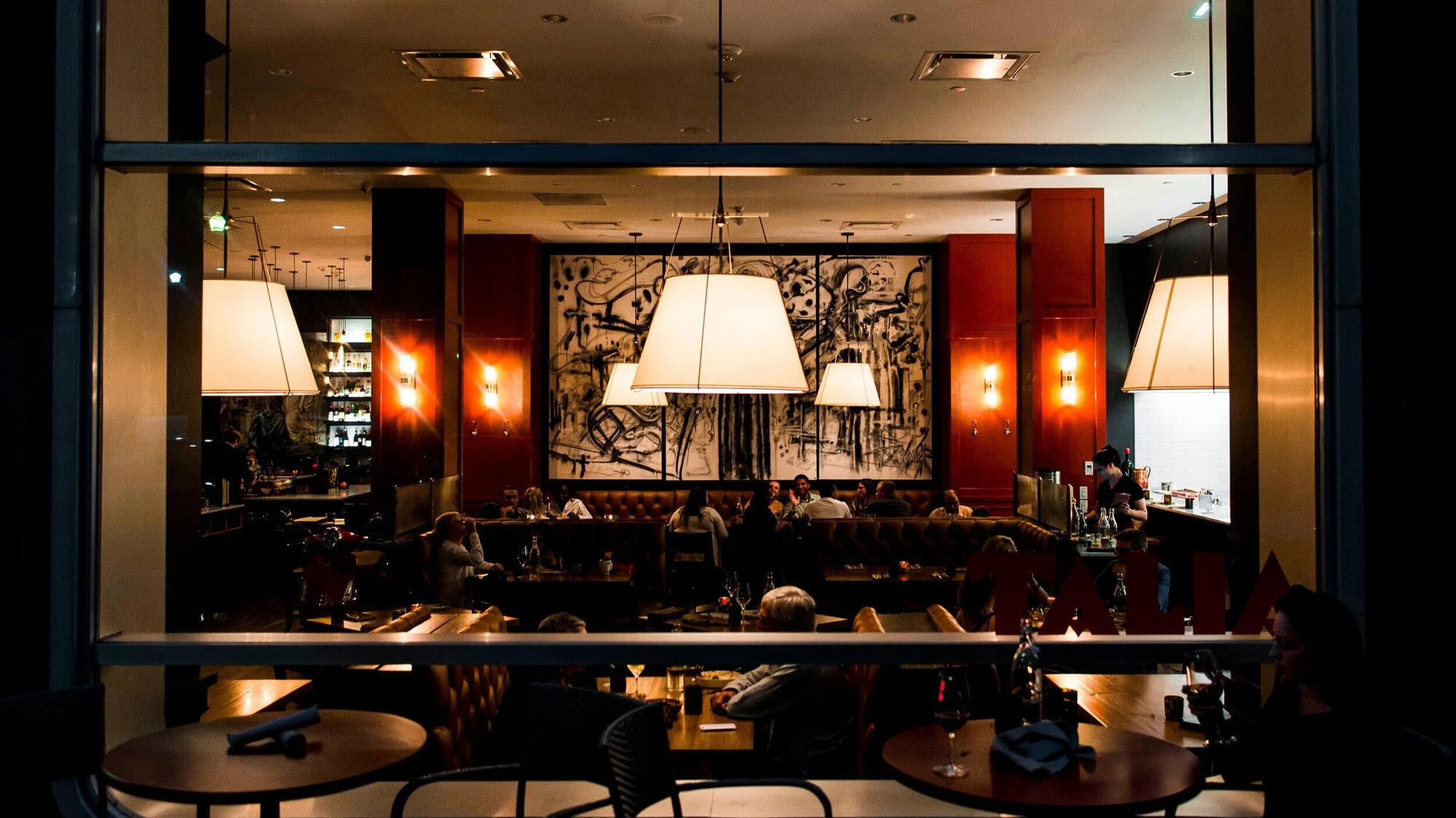
Downtown Pittsburgh and the Shift in American Fine Dining
Pittsburgh's dining scene has undergone a structural change over the past decade that mirrors patterns visible in cities like Nashville, Detroit, and Cleveland: a post-industrial identity has made room for restaurants that take their kitchens and cellars seriously, without the overhead and performance pressure of New York or Chicago. The 611 William Penn Place address puts Talia squarely in the city's commercial core, a zone that has attracted serious hospitality as downtown Pittsburgh has repositioned itself around corporate headquarters, cultural institutions, and a professional class that travels frequently and eats accordingly. That context matters when reading Talia's positioning: it is not a neighbourhood bistro or a casual regional spot, but a room calibrated to a guest who has eaten at Le Bernardin in New York City or Alinea in Chicago and arrives with a comparative frame of reference.
That kind of guest also arrives with opinions about wine. In fine dining rooms across the United States, the wine list has become one of the clearest signals of a kitchen's seriousness: not merely what bottles are on the list, but how the list is structured, what it says about procurement relationships, and whether the program reflects a point of view rather than a default to predictable Napa Cabernets and French trophy bottles. Restaurants like Single Thread Farm in Healdsburg and Blue Hill at Stone Barns in Tarrytown have demonstrated that a wine program with genuine depth and curatorial discipline can function as an argument for the whole dining philosophy. Talia operates in that same conversation.
What the Address Signals
The William Penn Place location is not incidental. Downtown Pittsburgh's hospitality infrastructure has historically served corporate dining and convention business, a different customer than the one who drives to Apteka in Polish Hill for vegetable-forward Central European cooking, or to Alfabeto for a tighter, neighbourhood-scaled Italian program. A room at this address is making a different bet: that downtown Pittsburgh can sustain fine dining that competes on quality rather than on convenience to the convention centre. Other cities have made that transition, and Pittsburgh's professional population, combined with its growing profile as a technology and healthcare hub, provides the structural demand for it.
For the visiting diner, the practical implication is direct: the location is accessible from most downtown hotels on foot, which makes Talia a natural anchor for an evening that does not require a rideshare to a distant neighbourhood. Pittsburgh's other ambitious restaurants, including Altius with its refined vantage point over the city and 1930 by Atria's in its own slice of the city's history, each occupy distinct geographic and conceptual territory. Talia's downtown positioning makes it the most logistically immediate option for guests staying in the central business district.
The Wine Program as Editorial Statement
In the American fine dining tier that includes rooms like The French Laundry in Napa, Providence in Los Angeles, and Addison in San Diego, wine programs have evolved away from the encyclopedic cellar model toward something more opinionated. The shift reflects both economic reality (carrying thousands of SKUs is capital-intensive) and a change in guest expectation: a sommelier who can explain why a specific Jura Chardonnay or a lesser-known Sicilian red belongs on the list, and what it does for the food, is now more valuable than a list that simply offers breadth. That model demands procurement relationships, storage discipline, and a house point of view on producers.
Globally, rooms that have committed to this approach, from Atomix in New York City to 8 1/2 Otto e Mezzo Bombana in Hong Kong, share a common characteristic: the wine list reads as a companion document to the menu rather than an appendix. The bottles chosen reflect a position on how wine and food should interact, not merely a commercial calculation about what sells. Emeril's in New Orleans and Lazy Bear in San Francisco represent different stylistic registers but share the same underlying logic: the dining room and the cellar should speak the same language. That is the standard against which any serious fine dining room is now measured, Pittsburgh included.
Pittsburgh's Wider Dining Frame
Understanding Talia requires some familiarity with what Pittsburgh's restaurant scene has become beyond the downtown corridor. Bakersfield Penn Ave anchors a more casual, bar-forward end of the Penn Avenue corridor. Apteka has built a reputation for plant-based cooking that draws visitors specifically for its approach rather than its location. The city's restaurant ecology has diversified in ways that make it a more interesting destination than its industrial-era reputation suggested. Our full Pittsburgh restaurants guide maps this terrain in detail, including where Talia sits relative to the city's emerging fine dining tier. For a guest assembling a multi-night itinerary, that broader context shapes decisions about pacing, cuisine sequence, and neighbourhood exploration.
What matters for Talia specifically is that Pittsburgh's fine dining tier is still small enough that each room carries disproportionate weight in defining what the city's ambitions look like at the upper end. In that sense, The Inn at Little Washington in Washington offers a useful reference point: a single room in a smaller market that has, through sustained quality, become a destination in itself rather than merely a local convenience. Whether Talia occupies an analogous position in Pittsburgh's evolving hierarchy is the central question for any serious visitor.
Planning Your Visit
The 611 William Penn Place address places Talia within walking range of Pittsburgh's major downtown hotels, making reservation logistics simpler than for restaurants spread across the city's bridge-divided neighbourhoods. Given the limited publicly available data on booking methods and current hours, confirming availability directly with the restaurant before any visit is advisable. Pittsburgh's fine dining rooms operate on different lead times depending on the night and the season; downtown locations tend to see heavier midweek demand from corporate dining, with weekend slots often carrying a different rhythm and pace. For guests visiting Pittsburgh specifically to eat seriously, building the itinerary around the city's anchoring restaurants before filling in casual options is the standard approach.
Frequently asked questions
What do people recommend at Talia?
Can I walk in to Talia?
What do critics highlight about Talia?
Is Talia good for vegetarians?
Is Talia worth it?
Does Talia's location at 611 William Penn Place have any significance for the dining experience?
Accolades, Compared
Comparable venues nearby, for context on price, style, and recognition.
| Venue | Cuisine | Price | Notes |
|---|---|---|---|
| TaliaThis venue — the venue you are viewing | Modern Italian Rosticceria | $30–50 | Not listed |
| Pizzaiolo Primo Market Square | Authentic Neapolitan Pizza & Pasta | Not listed | Central Business District |
| Girasole | Authentic Italian | $30–50 | Shadyside |
| Joseph Tambellini | Italian Fine Dining | Not listed | Morningside |
| Senti Restaurant | Modern Italian | Not listed | Lower Lawrenceville |
| Bakersfield Penn Ave | Authentic Mexican Street Food & Taqueria | $20–30 | Central Business District |
Continue exploring
More in Pittsburgh
Restaurants in Pittsburgh
Browse all →
Bars in Pittsburgh
Browse all →
Details
- Modern
- Cozy
- Lively
- Group Dining
- Casual Hangout
- Date Night
- Open Kitchen
- Craft Cocktails
- A La Carte
- Small Plates
- Vegetarian Friendly
Current opening hours
- Monday
- Closed
- Tuesday
- 11:30 AM–2 PM, 5–9 PM
- Wednesday
- 11:30 AM–2 PM, 5–9 PM
- Thursday
- 11:30 AM–2 PM, 5–9 PM
- Friday
- 11:30 AM–2 PM, 5–10 PM
- Saturday
- 4–10 PM
- Sunday
- Closed
Hours can change for holidays and private events. Last verified .
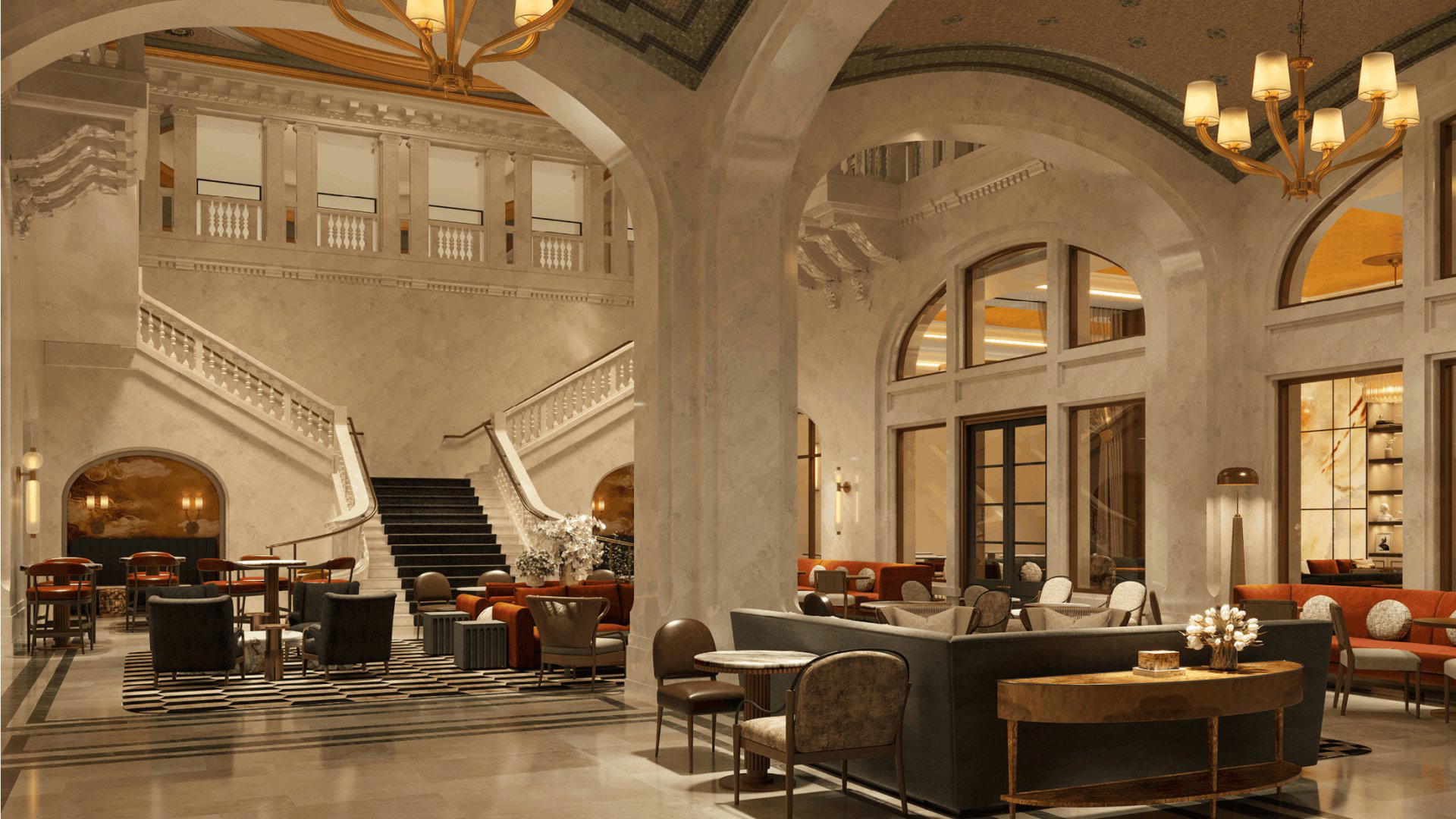
Casual and relaxed with an open kitchen highlighting the sights and aromas of Italian cooking, modern Pittsburgh feel on a traditional trattoria.